
Uncategorized
Eye Cream 101: What It Really Does and How to Use It Right (2026 Guide)
Last updated: November 5, 2026
Eye cream is a lightweight formula made for the thin, delicate skin under your eyes. It targets puffiness, dark circles, and fine lines, though results depend on the ingredient and how consistently you use it.
Eye cream works best as part of a full skincare and grooming routine, applied gently with your ring finger, morning and night.
What Is Eye Cream and Does It Actually Work?
Eye cream is a targeted skincare product formulated specifically for the skin around your eyes. It’s thinner and gentler than most face moisturizers. Brands typically market eye cream to address puffiness, dark circles, and fine lines, though the science behind each claim varies by ingredient and formula strength.
Does eye cream actually work? The honest answer is: it depends. Ingredients like caffeine can offer a noticeable, temporary reduction in puffiness. Others, like retinol, need weeks of steady use before fine lines visibly soften. Results vary by skin and consistency.
What eye cream is formulated to do
Most eye creams are formulated to hydrate, soothe, and support the thin under-eye skin barrier. Many also include active ingredients aimed at specific concerns. Eye cream is not a miracle fix, but it can noticeably improve texture and comfort when used regularly.
Manufacturers often highlight three main goals: reducing puffiness, brightening dark circles, and softening fine lines. Each goal calls for a different ingredient approach. That’s why picking the right eye cream matters more than just picking any eye cream off the shelf.
How it differs from regular face moisturizer
Regular face moisturizer is usually too heavy or too active for the eye area. Eye cream is formulated with lower concentrations of potentially irritating ingredients. It’s designed to avoid migrating into your eyes and causing stinging or puffiness from overload.
Eye cream is typically formulated gentler than face moisturizer, since the eye area is thinner and more sensitive. Brands like Bellxi favor lighter, lower-irritant formulas suited to this delicate skin, unlike richer face creams built for tougher areas.
Eye cream formulas tend to be lighter and thinner than face moisturizer, designed to absorb quickly without tugging on delicate skin. The eye area demands gentler textures and carefully balanced actives, unlike the heavier formulas used elsewhere on the face.
Texture matters too. Eye cream tends to be lighter or more gel-like near the eyes, while face moisturizer can be thicker. Using eye cream instead of regular moisturizer under your eyes reduces the risk of irritation and product buildup.
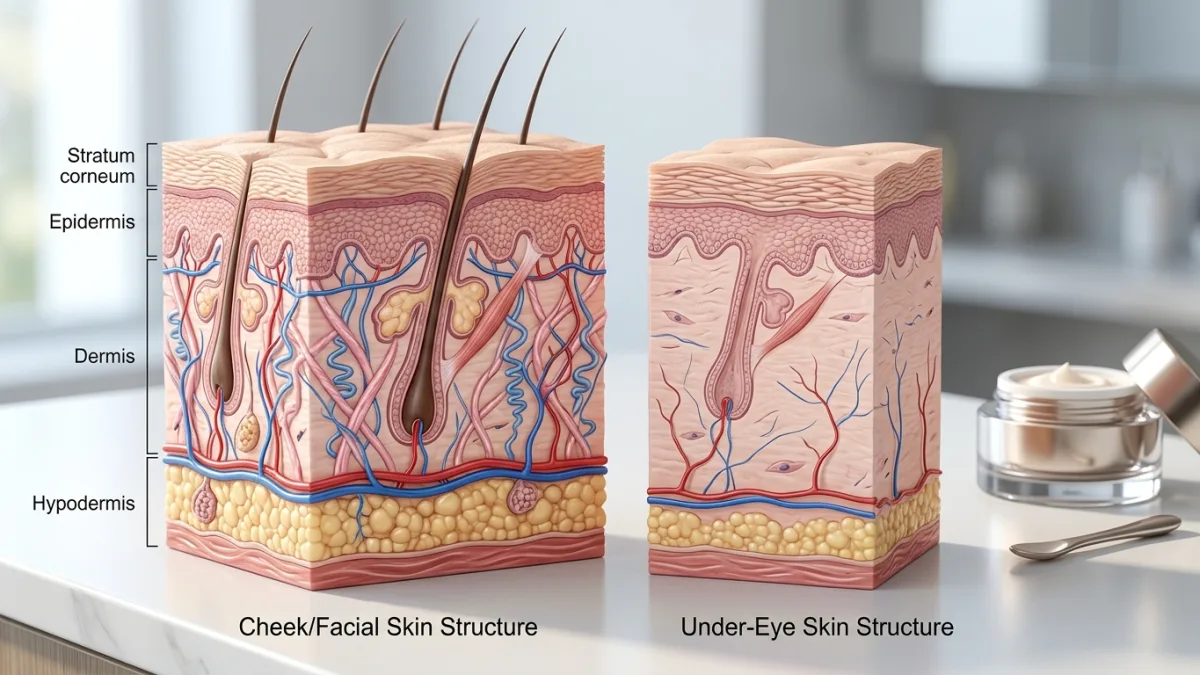
The skin under your eyes behaves differently than the rest of your face. It has noticeably fewer oil glands, which means it dries out faster and needs richer, more targeted hydration to stay comfortable and supple.
Why the Under-Eye Area Needs Different Care
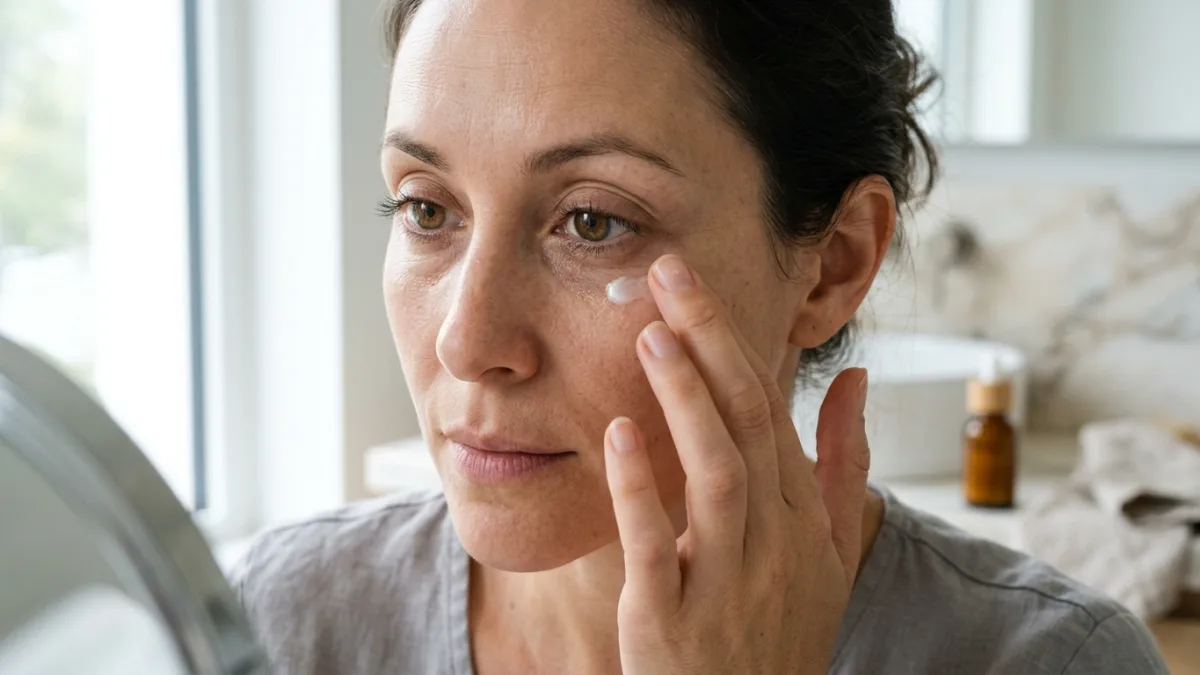
The under-eye area needs different care because the skin there is structurally unique. It’s thinner, has fewer oil glands, and moves constantly with blinking and facial expression. That combination makes it more prone to dryness, irritation, and visible aging.
Skin thinness and sensitivity around the eyes
The skin under your eyes is among the thinnest on your body. It has less collagen support and fewer oil-producing glands than your cheeks or forehead. This makes it more sensitive to harsh ingredients and more prone to fine lines forming early.
Compared with your cheeks and forehead, the periorbital area is thinner and far more delicate. This fragile structure shows fatigue, dehydration, and aging sooner, which is why it demands gentler, more deliberate care.
Because there’s less natural oil, this area also dries out faster. That’s part of why a dedicated eye cream, rather than your regular moisturizer, tends to suit this delicate zone better long-term.
Common causes of dark circles and puffiness
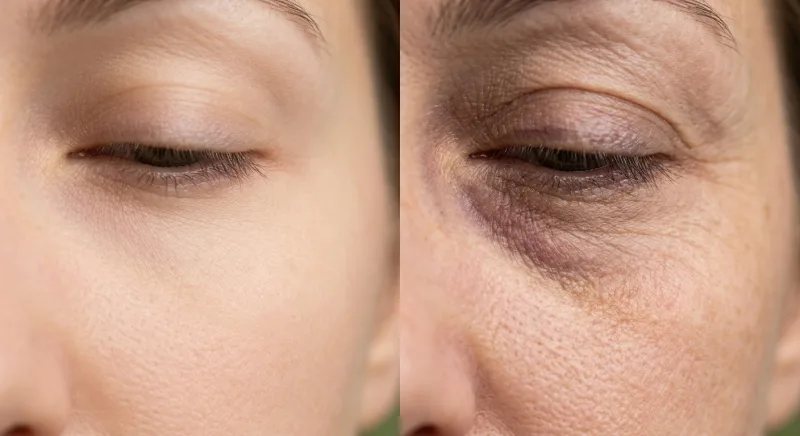
Dark circles and puffiness have several common causes. Genetics plays a big role, since some people naturally have thinner skin or more visible blood vessels. Lack of sleep, allergies, dehydration, and normal aging can all make things more noticeable too.
Fluid retention overnight often causes morning puffiness. Sun exposure and aging can thin the skin further over time, making underlying blood vessels more visible. An eye cream can help manage some of these symptoms, but it can’t change your genetics.

How to Choose the Right Eye Cream for Your Concern
Choosing the right eye cream starts with identifying your main concern. Puffiness, dark circles, and fine lines each respond to different active ingredients. Matching the formula to your specific issue, and your skin type, gets you better results faster.
Key ingredients to look for (caffeine, retinol, peptides, vitamin C)
Caffeine is a popular eye cream ingredient known for temporarily reducing puffiness by constricting blood vessels. Retinol is used in eye cream to encourage cell turnover and soften fine lines, though it can take longer to show results. Vitamin C targets brightening and dark circles.
Eye creams formulated with caffeine and retinol are designed to visibly reduce puffiness and soften fine lines over consistent use. Many users notice a brighter, smoother, more refreshed look under the eyes with regular application.
Peptides support the skin’s structure and may help with firmness over time. Hyaluronic acid is another common addition, prized for boosting hydration without feeling heavy. Many eye creams combine two or three of these ingredients for a multi-benefit approach.
| Ingredient | Primary Benefit | Best-Suited Concern |
|---|---|---|
| Caffeine | Temporarily tightens and de-puffs | Morning puffiness |
| Retinol | Boosts cell turnover, softens lines | Fine lines and texture |
| Vitamin C | Brightens and evens tone | Dark circles and dullness |
| Peptides | Supports skin structure | Firmness and elasticity |
| Hyaluronic Acid | Boosts hydration | Dryness and dehydration lines |
Matching formula to skin type and sensitivity
If you have sensitive skin, look for an eye cream with fewer active ingredients and no added fragrance. Retinol and vitamin C can sometimes cause irritation for sensitive types, so start slowly. Oily skin generally pairs better with lighter, gel-based eye cream formulas.
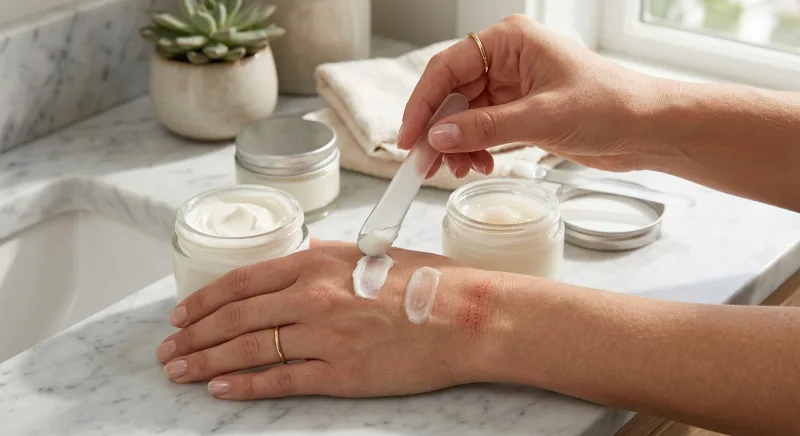
Dry skin usually benefits from richer, cream-based textures with hyaluronic acid or ceramides. Combination skin can often use a middle-ground formula. Always patch-test a new eye cream before applying it fully, especially near your eyes.
Texture and application differences (gel vs. cream vs. balm)
Gel eye cream feels cooling and absorbs fast, making it a good choice for puffiness and oily skin types. Cream-based eye cream is thicker and more hydrating, suited to dry or mature skin. Balm textures are richest, often used at night for deep nourishment.
Your choice of texture can affect how well the eye cream layers under makeup. Gels tend to sit better under concealer, while balms are usually reserved for nighttime routines only.
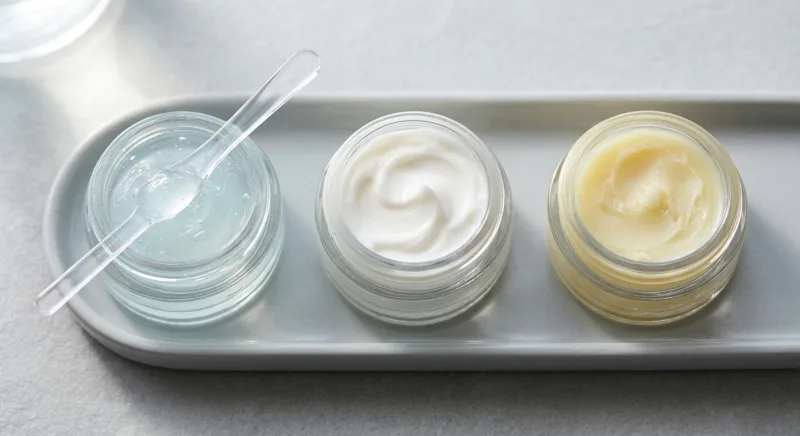
Eye cream texture comparison at a glance
Choosing between gel, cream, and balm often comes down to skin type, climate, and time of day. The table below breaks down how each texture performs across common concerns.
| Texture | Best For | Absorption Speed | Makeup Compatibility | Typical Time of Use |
|---|---|---|---|---|
| Gel | Oily or puffy skin | Fast | Good under makeup | Morning |
| Cream | Normal to dry skin | Moderate | Moderate, may need short wait | Morning or night |
| Balm | Dry or mature skin | Slow | Not recommended under makeup | Night |
Some people rotate textures depending on the season, using a lighter gel in summer and switching to a richer balm in winter. This approach can help address changing skin needs without buying multiple new products every few months.

Comparing eye cream ingredients by concern
Not all eye creams target the same issue, and ingredient lists vary widely depending on the intended benefit. Understanding which ingredients pair with which concerns can help narrow down choices faster.
Below is a general comparison of common ingredient categories and the concerns they are typically formulated to address. This is not a guarantee of results, since individual skin response varies.
| Ingredient Category | Primary Concern Addressed | Common Skin Type Fit | Potential Sensitivity Risk |
|---|---|---|---|
| Caffeine | Puffiness, tired-looking eyes | Most skin types | Low |
| Peptides | Fine lines, firmness | Normal to mature skin | Low |
| Vitamin C | Dark circles, brightness | Normal to dry skin | Moderate |
| Retinol | Fine lines, texture | Normal to oily skin | Higher, especially for beginners |
| Hyaluronic Acid | Dehydration, plumpness | Most skin types | Low |
| Ceramides | Barrier support, dryness | Dry or sensitive skin | Low |
Retinol-based eye creams tend to carry the most caution, particularly for those new to active ingredients. Starting with a lower concentration and using it every other night can reduce the chance of irritation.
Vitamin C formulas can also be sensitive to air and light exposure. Choosing a product in an opaque, airtight container may help preserve its effectiveness over time.
How to introduce a new eye cream into your routine
Introducing a new eye cream gradually can help minimize the risk of irritation, especially with active ingredients like retinol or vitamin C. A slow approach also makes it easier to identify what is or isn’t working.
- Patch test on the inner arm before applying near the eyes.
- Start with application every other night for the first two weeks.
- Use a rice-grain-sized amount for both eyes combined.
- Apply with the ring finger using light tapping motions.
- Wait for the product to absorb before layering additional skincare.

If no irritation occurs after two weeks, frequency can typically be increased to nightly use. Those using stronger actives may want to consult a dermatologist before adjusting frequency further.
Common mistakes people make when applying eye cream
Even a well-formulated eye cream can underperform if applied incorrectly. Small application errors are common and often go unnoticed until results seem underwhelming.
- Applying too much product, which can lead to milia or product pilling.
- Rubbing instead of tapping, which may pull delicate skin.
- Applying too close to the lash line, risking product migration into the eyes.
- Skipping sunscreen during the day, which can undermine brightening ingredients.
- Using a face moisturizer instead of a dedicated eye product on sensitive skin.
Consistency also plays a bigger role than most people expect. Many eye creams require weeks of regular use before visible changes appear, and stopping too early can make it hard to judge effectiveness.
Eye cream vs. face moisturizer: do you need both?
The skin around the eyes is thinner and more delicate than skin elsewhere on the face. This is often used as the reasoning for why a separate, specially formulated product may be beneficial in that area.
Face moisturizers are typically formulated for broader use and may contain ingredients or fragrances that are more likely to cause irritation near the eyes. Eye creams are usually designed with gentler formulations in mind.
Many skincare users skip a dedicated eye cream, reaching for their regular face moisturizer instead. The eye area has thinner skin than the rest of the face, so it often deserves its own formula and gentler care.

That said, not everyone needs a separate eye cream. Some people with resilient skin and no specific concerns may do fine using a gentle, fragrance-free face moisturizer around the eyes as well.
Signs an eye cream isn’t working for you
Not every eye cream will suit every person, even if it’s a well-reviewed or popular product. Recognizing signs of a mismatch early can prevent prolonged irritation or wasted product.
- Persistent redness or itching after application.
- Small bumps or milia forming under the eyes.
- Increased puffiness rather than reduced puffiness.
- No visible change after eight to twelve weeks of consistent use.
- Product pilling or failing to absorb properly.
If any of these signs appear, discontinuing use and consulting a dermatologist is generally recommended. A professional can help identify whether the issue is the product itself or an underlying skin condition.
Budget-friendly vs. premium eye creams: what actually differs
A higher price doesn’t always mean better results. Still, budget and premium formulas do differ in some general ways. It helps to understand these differences before you buy.
| Factor | Budget Eye Creams | Premium Eye Creams |
|---|---|---|
| Active Ingredient Concentration | Often lower | Often higher, though not always |
| Packaging | Basic, sometimes jar-based | Airtight, light-protective options more common |
| Fragrance-Free Options | Available but limited | Wider range available |
| Third-Party Testing | Varies by brand | More commonly disclosed |
| Price Range | Lower upfront cost | Higher upfront cost |

Budget and premium eye creams both have loyal fans, but satisfaction often comes down to matching the formula to your specific skin concerns. Price alone rarely predicts whether a product will feel right for you.
Ultimately, checking the ingredient list matters more than the price tag. A budget product with well-formulated actives can sometimes outperform a premium option with mostly filler ingredients and marketing appeal.
When to see a dermatologist about under-eye concerns
Eye cream can help with mild issues, like temporary puffiness or dryness. But it can’t replace professional care for problems that are severe or don’t go away. Some under-eye issues have causes that skincare alone can’t fix.
- Dark circles that persist despite consistent skincare and adequate sleep.
- Sudden or severe swelling around the eyes.
- Skin discoloration accompanied by pain or unusual texture changes.
- Persistent allergic reactions to multiple eye cream formulations.
A dermatologist can help determine whether an underlying condition, such as allergies or vascular issues, is contributing to these symptoms. In some cases, in-office treatments may offer more targeted results than topical products alone.
Market context
How the broader market shapes eye cream in 2026
The figures below come from adjacent, well-documented markets. Each row names the subject it actually measures and links to its original source — these are related market indicators, not eye cream claims.
| What it measures | Figure | Source |
|---|---|---|
| FDA cosmetics labeling regulations | FDA cosmetics labeling regulations are codified in Title 21 of the Code of Federal Regulations, parts 700 to 740. | U.S. Food and Drug Administration, 2025 |
| NIH funding for pediatric dermatology research on 10 skin conditions | The NIH supported 307 grants totaling $388 million across 10 pediatric skin conditions studied in a recent analysis. | Pediatric Dermatology (NIH/PMC), 2025 |
| FDA cosmetic product adverse event reports | The FDA’s CAERS database recorded 4,322 adverse events reported for cosmetic products in the initial data release. | U.S. Food and Drug Administration, 2017 |

Read the complete guide: How to Build a Skincare Routine That Actually Works in 2026
Frequently Asked Questions
How long does it take for eye cream to show results?
Most people notice hydration benefits within days, but visible changes to fine lines or dark circles typically take several weeks of steady use. Consistency matters more than product switching, since skin needs time to respond to active ingredients.
Dermatologists generally favor ingredients with a long track record of visible results over trendy additives with little real backing. Look for formulas built on proven basics rather than buzzworthy claims, and let skin response guide your choice.
Can eye cream cause milia or breakouts?
Heavy, oil-rich formulas can sometimes contribute to milia or small bumps around the eyes, especially in people prone to clogged pores. Choosing a lighter texture and avoiding excessive layering of products around the eye area can help reduce this risk.
Is eye cream necessary, or can I use regular moisturizer?
Regular moisturizer can work for some people, but eye creams are formulated for thinner, more delicate skin. They often contain lower concentrations of potentially irritating actives and lighter textures designed not to migrate into the eyes during the day or night.

At what age should I start using eye cream?
There’s no universal starting age, since skin concerns vary by individual. Many people begin in their late twenties or early thirties as fine lines start forming, while others start earlier for hydration or prevention. Introducing it when concerns first appear is a reasonable approach.
Should eye cream be applied in the morning, at night, or both?
Many formulas are suitable for twice-daily use, but some contain ingredients like retinol that are better suited for nighttime application. Checking product labels helps determine whether a formula is intended for morning brightening, nighttime repair, or both.
Can eye cream get rid of dark circles completely?
Eye creams can improve dark circles caused by dehydration, dullness, or thinning skin. But they usually can’t fully remove circles caused by genetics, deep pigmentation, or visible blood vessels. If discoloration is severe or persistent, you may need professional treatment to see real change.
Is it safe to use eye cream if I wear contact lenses?
Yes, but application technique matters. Using a small amount and applying it away from the lash line reduces the chance of product migrating into the eyes. Those with sensitive eyes or frequent irritation should choose fragrance-free, ophthalmologist-tested formulas whenever possible.
Do more expensive eye creams work better than affordable ones?
Price doesn’t always reflect effectiveness. Some affordable formulas contain the same active ingredients as premium brands. What matters most is ingredient concentration, formulation quality, and how well a product suits individual skin needs rather than the price point alone.
