
hair removal
Does an Epilator Hurt? The Truth Behind Smoother Skin
Last updated: November 3, 2026
An epilator is a handheld device that grips and pulls hair out from the root using rotating tweezers, discs, or coils, leaving skin smooth for weeks instead of days. First-time use often feels sharp, but most people find it more tolerable with repeat sessions.
Results last far longer than shaving because hair grows back finer and more slowly.
What Is an Epilator and How Does It Work?
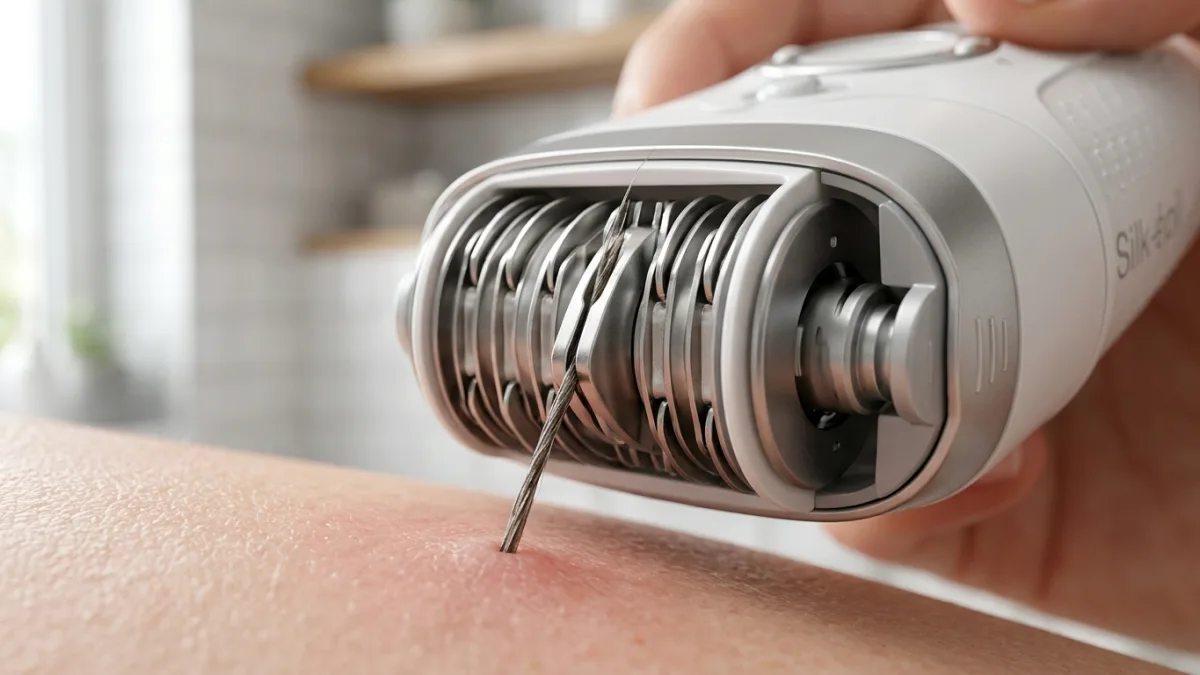
An epilator is a small electric tool that removes hair at the root instead of cutting it at the surface. Unlike a razor, which slices hair at skin level, an epilator grabs each strand and lifts it out whole.
This is why smoothness from an epilator outlasts a shave by weeks, not days.
Inside every epilator sits a rotating head fitted with small metal parts that open and close like tiny fingers. As the head spins, these parts catch hairs and yank them free. Because the hair comes out root and all, the skin stays bare longer before new growth shows through.
The mechanism behind hair removal by the root
The mechanism is built for speed, not comfort, though it’s more comfortable than it sounds. Electro-mechanical epilators (devices that use rotating tweezers or discs to grip and pull hair out) pluck hair at high speed, up to 2 meters per second, with each hair gripped by a single tweezer against the direction it grows. That speed is part of why the sting fades so fast after each pass. (International Journal of Cosmetic Science, Wiley, 2024)
Because each hair is pulled rather than sliced, the follicle (the small pocket under the skin where a hair grows from) needs time to grow a new strand. That’s the entire reason an epilator outperforms a razor on staying power.
It’s also why first-time users notice more sensation than seasoned ones.
How epilators differ from shavers and waxing
A shaver cuts hair at the surface, so stubble returns in a day or two. An epilator pulls hair from below the surface, so regrowth takes much longer to appear. That single difference is why many people switch from daily shaving to a weekly or biweekly epilator routine.
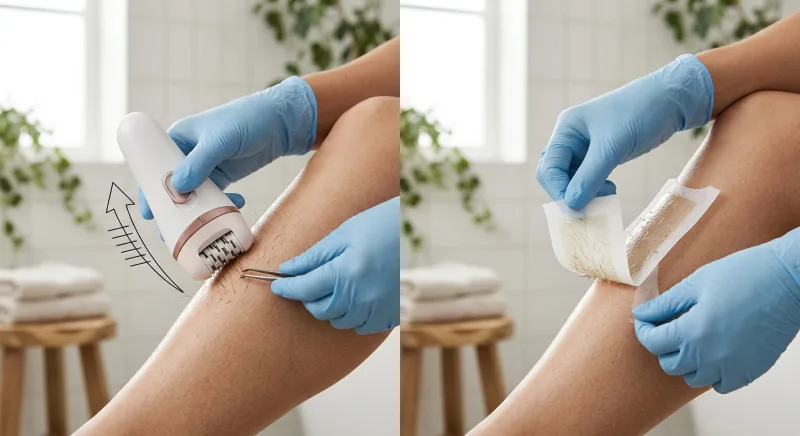
Waxing also pulls hair from the root, but it uses a sticky layer of warm or cold wax spread across the skin and ripped off in one motion. An epilator does the same job hair by hair, with a device you control by hand. Epilation and other hair removal methods carry different skin risks: waxing is linked to pain, swelling, irritation, and ingrown hairs, while mechanical hair removal can bring on problems similar to those seen with shaving. (JDDG: Journal der Deutschen Dermatologischen Gesellschaft, Wiley)
Both an epilator and waxing beat a shaver on how long results last. But an epilator gives you more control over pressure, speed, and problem spots, since you’re guiding the device yourself. This guide to hair removal covers how each method stacks up for different skin types and goals.
What Types of Epilators Are There?
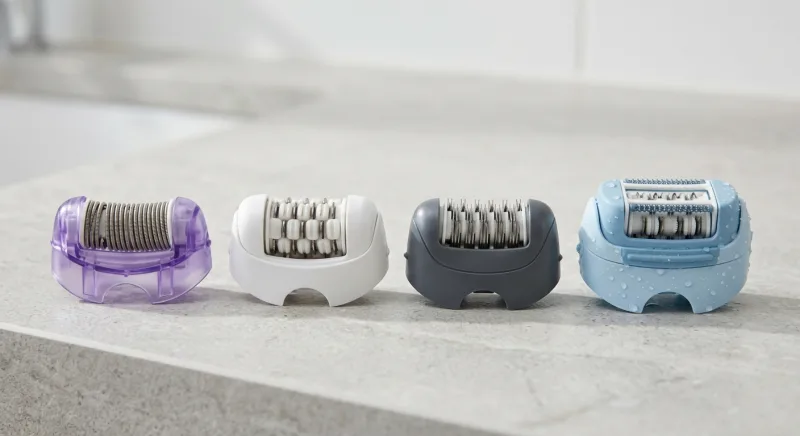
There are four main types of epilators, and each uses a slightly different method to grip hair. Picking the right type matters more than picking a brand name. Your skin type, pain tolerance, and routine should guide which mechanism you choose.
Spring type
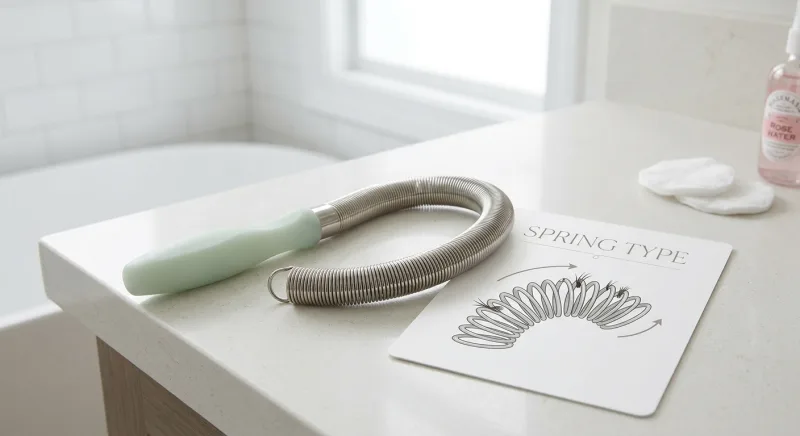
A spring type epilator uses a coiled metal spring that flexes and bends as it rotates, opening and closing to catch hairs. These are some of the earliest epilator designs still sold today.
They tend to feel gentler on skin, making them a common pick for first-time users of an epilator.
Rotating disc type
A rotating disc epilator uses several small discs that spin and pinch together to grab hair as they turn. This is the most common design on the market today. It tends to work fast across larger areas like legs and arms, which makes it popular for full-body routines.
Tweezer type
Tweezer type epilators use a row of small, fixed metal tweezers instead of a spring or spinning disc. Some people find this design grips shorter or finer hair more reliably. It’s a style often chosen by people who’ve used an epilator before and want more precision.
Wet-use (waterproof) type
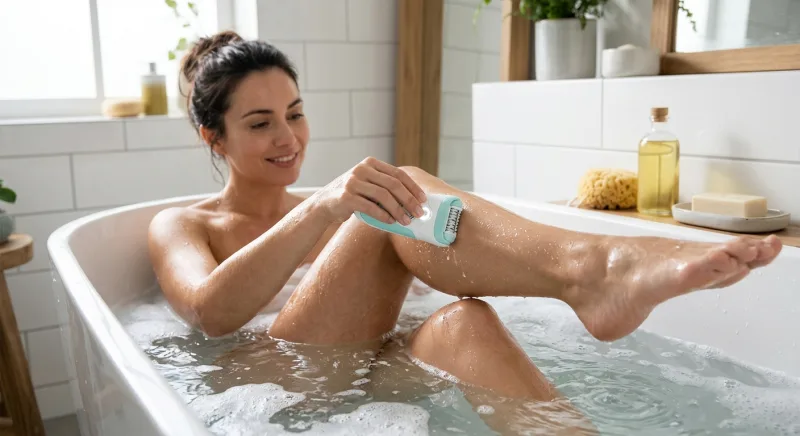
A wet-use epilator can be used in the shower or bath, often with water or foam to soften the pull on skin. Many people find epilating in water less harsh than epilating dry. This type suits anyone who finds dry epilating too intense but still wants root-deep results.
Matching the type to your skin and habits matters more than chasing extra features. A device with the right device type for your skin type, whether that’s a gentle spring model or a fast disc model, makes the whole process easier.
That’s the idea behind offering every device type for every skin type under one roof, so people can match tool to need rather than settle for whatever’s on the shelf.
| Type | Mechanism | Typical use case | Skin sensitivity fit |
|---|---|---|---|
| Spring | Coiled spring flexes open and closed to grip hair | Smaller areas, beginners | Often gentler, good starting point |
| Rotating disc | Spinning discs pinch together to pull hair | Larger areas like legs and arms | Moderate; varies by speed setting |
| Tweezer | Fixed metal tweezers catch each hair | Precision work, shorter hair | Can feel more intense on first use |
| Wet-use | Same pulling action, used with water or foam | Shower routines, sensitive skin | Often more comfortable than dry use |
Is Epilating Painful?
Yes, an epilator can hurt, especially the first few times you use one. The feeling is often described as a quick series of pinches rather than one long sting. Most people say it becomes far more bearable after their skin and hair adjust to repeat sessions.
Why first-time use feels more intense
First-time use tends to feel more intense because hair hasn’t been trained by regular pulling yet. Thicker, coarser hair that hasn’t been epilated before often grips harder in the tweezers or discs. Skin that isn’t used to the sensation can also react more, with slight redness right after a session.
Pulling hair from the root can also trigger a skin response tied to pigment-producing cells. Epilation, which means plucking hair from the root, can bring on skin and hair hyperpigmentation (darkening caused by increased pigment production) by activating melanocyte stem cells, a response documented in peer-reviewed research. This is one reason going slow on new areas matters. (PMC, National Institutes of Health)
Ways people reduce discomfort over time
Many people find that using an epilator regularly, rather than only once in a while, makes each session feel milder. Over time, hair tends to grow back finer and thinner, which can make it easier for the device to pull.
Warm skin, like right after a shower, is also often easier to epilate.
Going slow and holding skin taut with your free hand can reduce how sharp each pull feels. Starting on a less sensitive area, like the lower leg, before trying an epilator on the face or underarm is a common beginner tip.
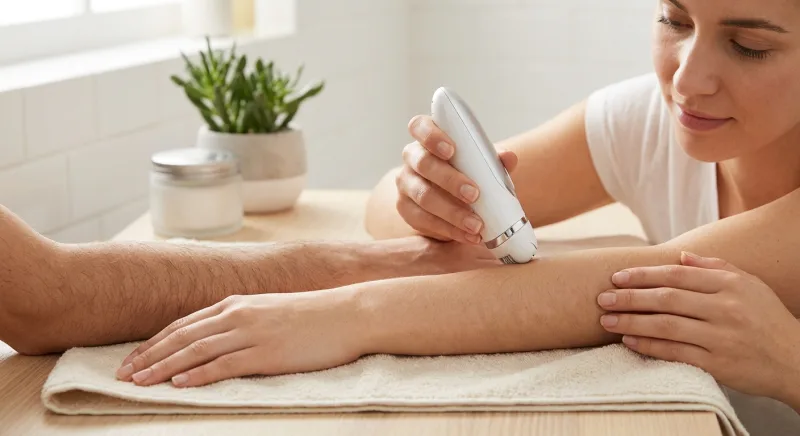
Comfort with an epilator tends to build gradually, not instantly.
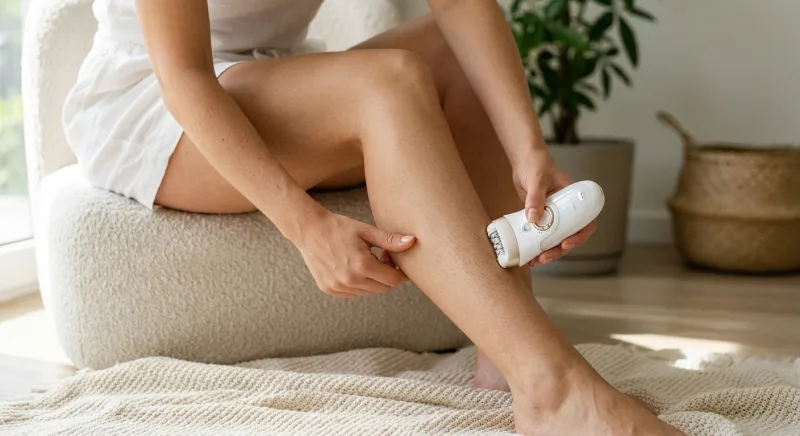
Epilator vs other hair removal methods
Picking a hair removal method often comes down to how much time you have, how much pain you can handle, and how long you want results to last. An epilator sits in an odd middle spot. It costs more upfront than a razor but less than regular salon visits.
It hurts more than shaving but less than waxing for most first-timers.
Shaving cuts hair at the surface, so regrowth shows up within a day or two as stubble. An epilator pulls hair from the root, so regrowth takes longer to appear and feels softer when it does.
Waxing also removes hair from the root but usually needs a salon trip or a messier at-home setup with strips and warm wax.
Mechanical hair removal, which covers both epilating and tweezer-style plucking, can carry some of the same skin risks as shaving, including bumps, redness, and ingrown hairs. Waxing has its own set of issues, like pain, swelling, and irritation right after treatment. None of the three methods is risk-free, so the right pick depends on your skin and your tolerance for discomfort. (JDDG: Journal der Deutschen Dermatologischen Gesellschaft, Wiley) (American Academy of Dermatology, AAD)
| Method | Hair removed from root? | Typical regrowth time | Pain level | Upfront cost |
|---|---|---|---|---|
| Epilator | Yes | 2 to 4 weeks | Moderate | One-time device cost |
| Razor (shaving) | No, cut at surface | 1 to 3 days | Low | Low, ongoing blade cost |
| Waxing | Yes | 3 to 4 weeks | Moderate to high | Medium, ongoing salon or kit cost |
| IPL (light-based) | No, targets follicle over time | Weeks, with gradual reduction | Low to moderate | High, one-time device cost |
Light-based hair removal, often sold as IPL, works differently from an epilator. Rather than pulling hair out, it aims light at the follicle to slow future growth. At-home IPL devices sold in the US are treated by regulators as medical devices meant for removing hair and reducing regrowth over time. (U.S. Food and Drug Administration, FDA)
Skin reactions and when to stop
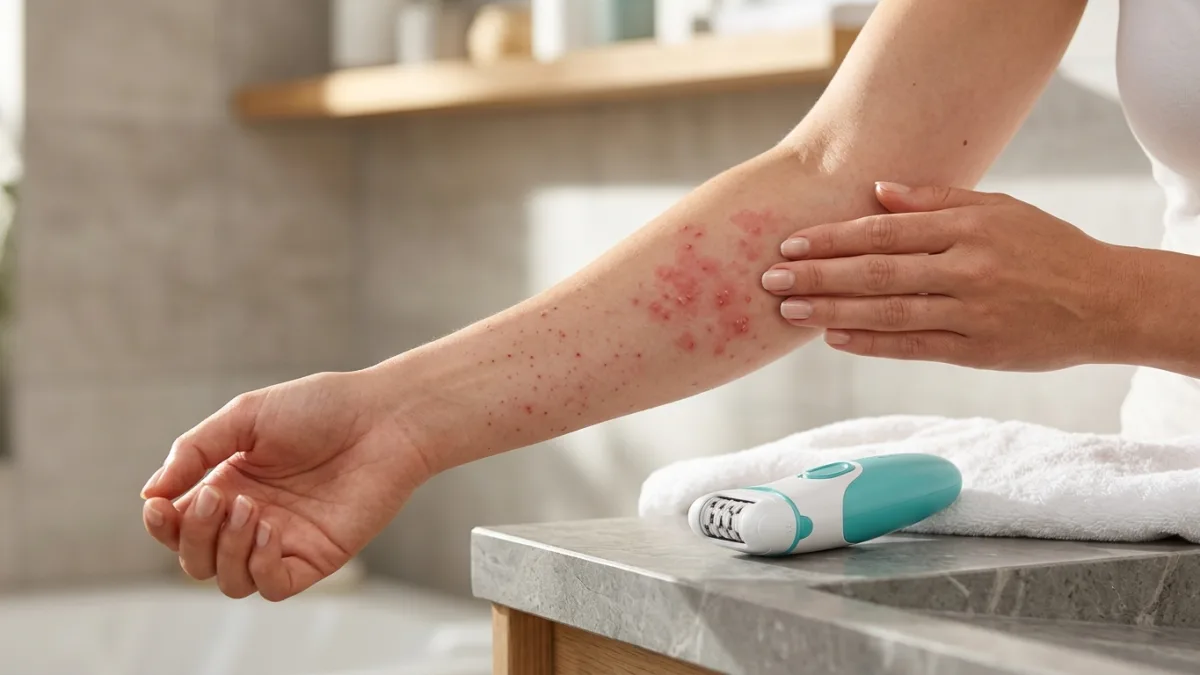
Some redness and small bumps right after a session are common and usually fade within a few hours. But it helps to know which reactions are normal and which ones mean you should pause and reassess your routine or your device.
One longer-term change worth knowing about is skin darkening in areas that get epilated often. Pulling hair from the root can trigger pigment-making cells in the skin, leading to darker patches over time in some people. This is a documented biological response, not just a myth passed around online. (PMC, National Institutes of Health)
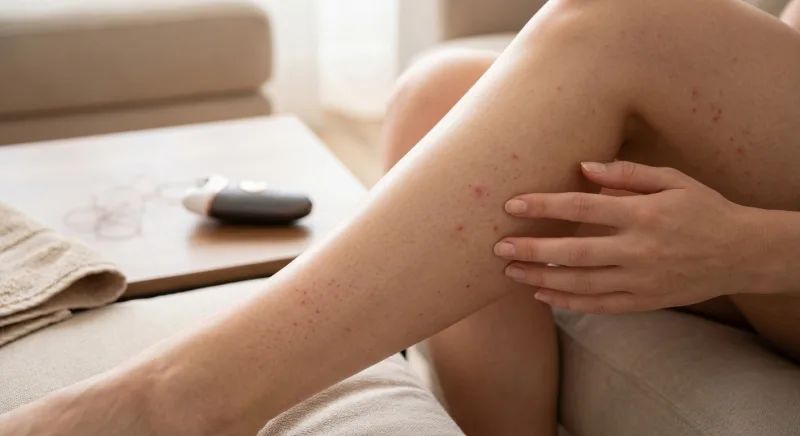
Ingrown hairs are another common complaint. When a hair’s tip curls back and grows into the skin instead of out, it can cause a small red or inflamed bump. This happens with shaving too, but mechanical methods like epilating and wax-based hair removal can make hair more likely to grow back at an angle, raising the odds of this kind of penetration under the skin. (PMC, National Institutes of Health)
Folliculitis, which is swelling or infection in a hair follicle, can also follow hair removal of any kind. Keeping the area clean, avoiding tight clothing right after a session, and giving skin a rest between epilator sessions can lower the odds of this happening. (MedlinePlus, National Library of Medicine, NIH)
A related issue is pseudofolliculitis barbae, sometimes just called razor bumps even though it’s not limited to shaving. It happens when a sharp, curved hair tip pokes back into nearby skin after removal, triggering inflammation. People with curly or coarse hair are more prone to this, whether they use a razor, wax, or an epilator. (PMC, NIH National Library of Medicine)
If you notice ongoing swelling, pain that doesn’t fade, or signs of infection like pus or warmth around a bump, it’s worth stopping and checking with a doctor. Most epilator side effects are mild and short-lived, but it pays to know when something needs more than a cold compress.
How risky is hair removal, really?
It’s easy to assume hair removal injuries are rare, but research on grooming habits suggests otherwise. One large study of adults who groom pubic hair found that about a quarter reported some kind of injury linked to grooming, with women reporting injuries more often than men. (JAMA Dermatology / NCBI, 2017)
Most of those injuries were minor, think small cuts, burns, or irritation, the kind you treat at home with no fuss. Still, a small share were serious enough to need medical care. The same research found that 1.4% of injuries among groomers required a visit to a doctor or clinic, out of more than five thousand people surveyed. (JAMA Dermatology / NCBI, 2017)
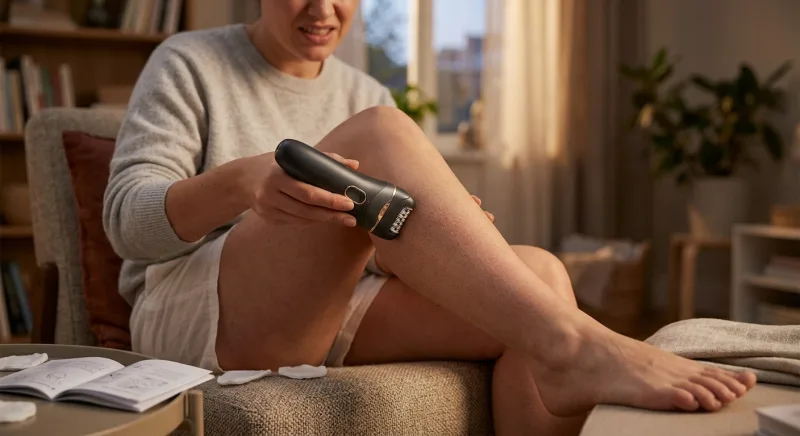
Caring for skin before and after epilating
Good aftercare can make a bigger difference than the epilator itself. Skin that’s prepped well before a session and soothed well after tends to react less, bruise less, and avoid ingrown hairs more often.
Exfoliating a day or two before you epilate helps clear away dead skin that can trap hairs and lead to bumps. The same habit works well after a session too. A gentle scrub a few days later can help release any hairs that started curling back under the skin. (NHS)
Choosing between a wet and dry epilator
Many epilators today are built to work both in and out of the shower, but some are dry-use only. A wet and dry epilator gives more flexibility, letting you epilate in warm water, which some people find less painful, or on dry skin for a quicker session.
| Feature | Wet and dry epilator | Dry-only epilator |
|---|---|---|
| Usable in shower or bath | Yes | No |
| Typical price range | Mid to high | Low to mid |
| Comfort for sensitive skin | Often higher, warm water may soften pull | Varies, no water cushioning |
| Cleaning | Rinse under tap | Brush-clean only |
| Weight and bulk | Slightly heavier due to sealing | Often lighter |
Some people find warm water genuinely numbs the pulling feeling, while others don’t notice much difference. If you’re unsure, trying a dry session first can help you judge whether paying more for a wet and dry epilator is worth it for your skin and your budget.
Frequently Asked Questions
Does an epilator hurt more than waxing?
Most people feel more pulling with the first few epilator sessions, but it often feels similar to waxing once your skin adjusts. Epilators grip and pull hair at high speed, which keeps the pain brief. Waxing covers more skin at once, which some find more painful overall. (International Journal of Cosmetic Science, Wiley, 2024)
Can an epilator cause ingrown hairs?
Yes, pulling hair from the root can let hair curl back under the skin as it grows. This mechanical removal can lead to the same sharp, curved tip problem seen after shaving. Regular gentle scrubbing helps loosen trapped hairs before they become a bump. (PMC, NIH National Library of Medicine) (NHS)
Is it normal for skin to darken after using an epilator?
Some darkening can happen because pulling hair from the root wakes up pigment-making cells in the skin and hair follicle. This is a documented biological response, not a sign of damage. It usually fades over time, though it can be unwelcome on visible skin. (PMC, National Institutes of Health)
How often should I use an epilator?
Most people epilate every three to four weeks since hair grows back finer and slower than after shaving. Your own pace depends on how fast your hair grows back and how smooth you want to stay. Many first-time users start slower to let their skin adjust.
Can epilating cause an infection?
It can, if the follicle gets irritated or inflamed after hair is pulled out. This condition, called folliculitis, can follow any hair removal method. Reducing friction from tight clothing and keeping tools clean both help lower the risk of infection setting in. (MedlinePlus, National Library of Medicine, NIH)
Are grooming injuries from an epilator common?
Injuries from hair removal tools, including epilators, do happen, though most are mild. One large study found grooming-related injury was reported by about a quarter of people who groom pubic hair, with women injured more often than men. Serious injuries needing medical care are far less common. (JAMA Dermatology / NCBI, 2017) (JAMA Dermatology / NCBI, 2017)
Is an epilator safer than shaving?
Neither method is risk-free. Shaving can nick skin and cause razor bumps, while mechanical removal methods like an epilator can cause hairs to grow back under the skin. Choosing the right method often comes down to your skin type and how it reacts to each one. (PMC, National Institutes of Health)
Can I use an epilator instead of an IPL device?
Yes, though the two work differently. An epilator physically pulls hair out at the root, giving results that last weeks. At-home light-based hair removal tools are regulated as medical devices meant to reduce hair growth over time, with a slower and more gradual result. (U.S. Food and Drug Administration, FDA)
Key statistics
- The same study notes that to minimize pain, electro-mechanical epilators pluck hair at high speed, up to 2 meters per second, with each hair gripped by a single tweezer against the direction of growth. (International Journal of Cosmetic Science, Wiley, 2024)
- A JAMA Dermatology study found that 1.4% of grooming injuries among pubic hair groomers required medical attention, out of 5,674 surveyed adults. (JAMA Dermatology / NCBI, 2017)
- A large US cross-sectional study of pubic hair grooming practices found that grooming-related injury was reported by 25.6% of groomers, with women injured more often than men. (JAMA Dermatology / NCBI, 2017)
Expert insights
epilators are devices that remove hair from its root using tiny tweezers that are attached to a "wheel" on an ergonomic handle
Dr. Stacy Chimento, board-certified dermatologist
an epilator eliminates the entire hair follicle at its root, as opposed to cutting a portion of the hair when you shave via a razor, it slows down the hair regrowth process
Dr. Marisa Garshick, board-certified dermatologist
References
- Epilation and other hair-removal methods carry distinct dermatological risks, with waxing associated with pain, swelling, irritation, and ingrown hairs, and mechanical hair removal predisposing to complications similar to those seen with shaving. — JDDG: Journal der Deutschen Dermatologischen Gesellschaft, Wiley · Peer-reviewed dermatology journal article published via Wiley Online Library, authored from a dermatological perspective on hair removal methods and their risks
- Epilation (plucking hair from the root) can induce skin and hair hyperpigmentation through activation of melanocyte stem cells, a biological response documented in peer-reviewed research. — PMC, National Institutes of Health · Peer-reviewed scientific study hosted on PubMed Central, a NIH-run repository of biomedical literature
- Mechanical hair removal methods such as wax epilation and tweezer-based plucking can predispose to transfollicular hair penetration, a factor implicated in conditions like pseudofolliculitis barbae. — PMC, National Institutes of Health · Peer-reviewed dermatology review article hosted on PubMed Central, NIH, discussing current treatment options for pseudofolliculitis barbae
- At-home IPL hair removal devices are regulated by the FDA as Class II medical devices intended for the removal and permanent reduction of unwanted hair growth. — U.S. Food and Drug Administration, FDA · Official FDA 510, k premarket notification establishing the device's regulatory classification and indications for use
- Folliculitis — inflammation or infection of the hair follicle that can follow hair removal — can be prevented by reducing friction from clothing and avoiding shaving the area when possible, or using a clean, new razor blade or electric razor if shaving is necessary. — MedlinePlus, National Library of Medicine, NIH · U.S. National Library of Medicine consumer health encyclopedia entry on folliculitis prevention
- Pseudofolliculitis barbae (ingrown-hair bumps from hair removal) is an inflammatory skin disorder that results from the penetration of adjacent skin by sharp, curved hair tips after shaving or plucking. — PMC, NIH National Library of Medicine · Peer-reviewed article hosted on PubMed Central, NIH on pseudofolliculitis barbae treatment options
- Shaving in the direction hair grows and rinsing the razor after each stroke are recommended techniques to help prevent irritation and bumps when removing hair. — American Academy of Dermatology, AAD · Professional dermatology association public patient-education guidance
- Using an exfoliating scrub can help release trapped hairs and is a recommended step for preventing ingrown hairs after hair removal. — NHS · UK National Health Service official patient guidance on ingrown hair prevention
