
Skincare tools & devices
Skincare Tools and Devices Guide: Stop Buying the Wrong One
Last updated: November 9, 2026
A skincare tools and devices guide should cover cleansing brushes, exfoliation tools, LED masks, microcurrent devices, and hair removal tech like IPL handsets, trimmers, and epilators. The right pick depends on your skin type, your goals, and whether you’ll actually use it each week.
This guide covers all of it, including the hair removal side most guides skip.
What Are Skincare Tools and Devices, and Which Ones Do You Actually Need?
Skincare tools and devices are handheld gadgets that clean, exfoliate, tone, or remove hair, using motion, light, or gentle electrical current instead of your hands alone. They range from a simple silicone brush to a laser-based hair removal handset.
Most people need only two or three, not a whole shelf of them.
This skincare tools and devices guide splits the group into five parts: cleansing, exfoliation, hair removal, light therapy, and anti-aging tools like microcurrent. Most guides online stop at facial gadgets and skip grooming tech entirely.
That leaves out a big part of a real daily beauty routine, most of all for anyone dealing with body hair too.
Categories at a Glance: Cleansing, Exfoliation, Hair Removal, Light Therapy, Anti-Aging
Here’s a fast reference before you buy anything. Each category serves one main job, and mixing too many at once can irritate skin rather than improve it. Use this table to find your starting point.
| Category | Primary Use | Best Suited For | Typical Frequency |
|---|---|---|---|
| Cleansing brushes | Deep clean pores, remove buildup | Normal, oily, combination skin | 3-4 times weekly |
| Exfoliation tools | Remove dead skin, smooth texture | Non-sensitive, non-active-acne skin | 1-2 times weekly |
| Hair removal devices | Reduce or remove unwanted hair | Most skin tones, per device specs | Varies by device type |
| Light therapy tools | Support tone, calm skin, aging concerns | Most skin types | 3 times weekly |
| Microcurrent devices | Temporary facial contour, fine lines | Most adult skin, not sensitive/active conditions | 3-5 times weekly |
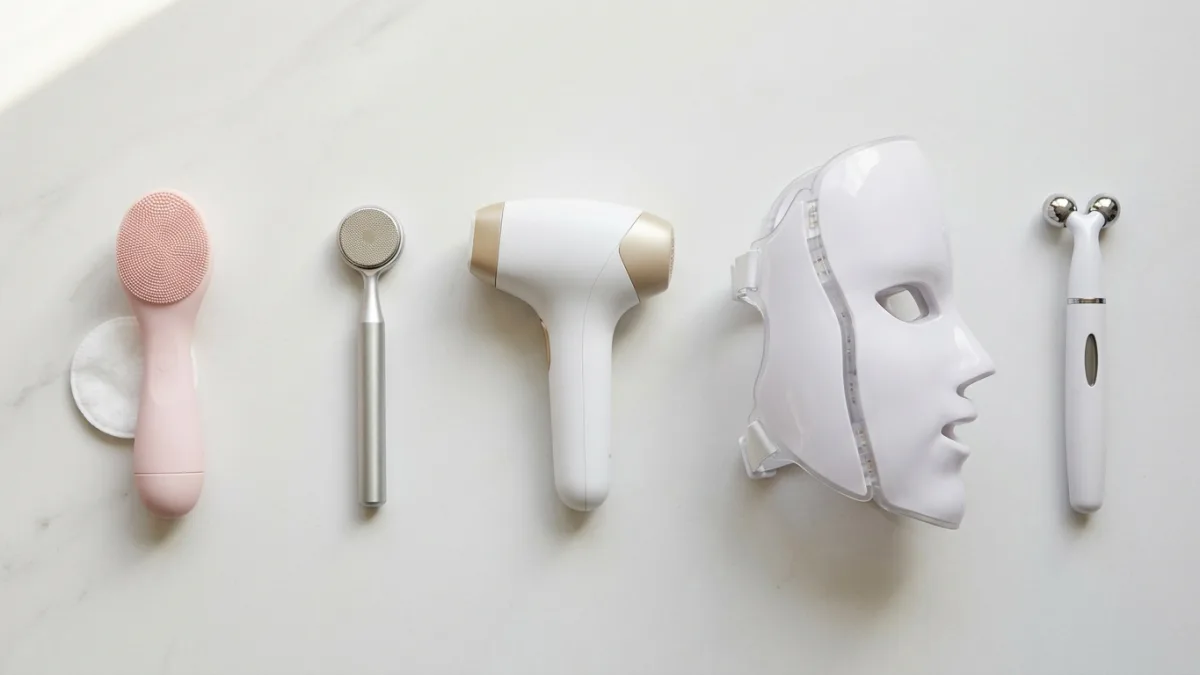
Facial Cleansing and Exfoliation Devices
Cleansing Brushes
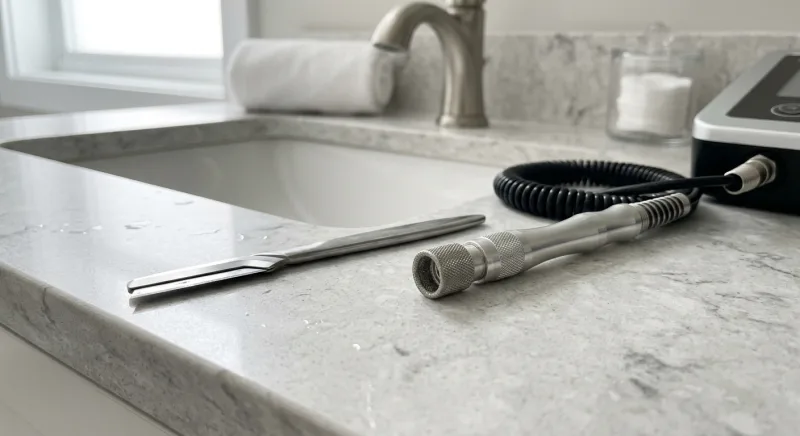
Microdermabrasion and Dermaplaning Tools
Microdermabrasion (a method that uses fine crystals or a diamond tip to gently sand away the top layer of skin) can smooth rough texture and fade shallow marks. A pilot study on at-home use for acne found 38% of patients who finished the treatment series saw excellent results and 34% saw good results, based on photo assessment. At-home versions differ from professional ones and carry risks like bruising, stinging, or extreme sun sensitivity, so certain skin types should check with a dermatologist first. (PubMed, 2001) (American Academy of Dermatology (AAD))
Dermaplaning tools (small blade-edged devices that shave off the very top layer of dead skin and fine facial hair) are a gentler alternative. If you want a full walkthrough on choosing and using dermaplaning tools, a dedicated guide covers blade care and technique in depth.
They’re generally fine for most skin types but should be avoided on active acne, since gliding a blade over inflamed skin can spread bacteria.
Pore Extractors
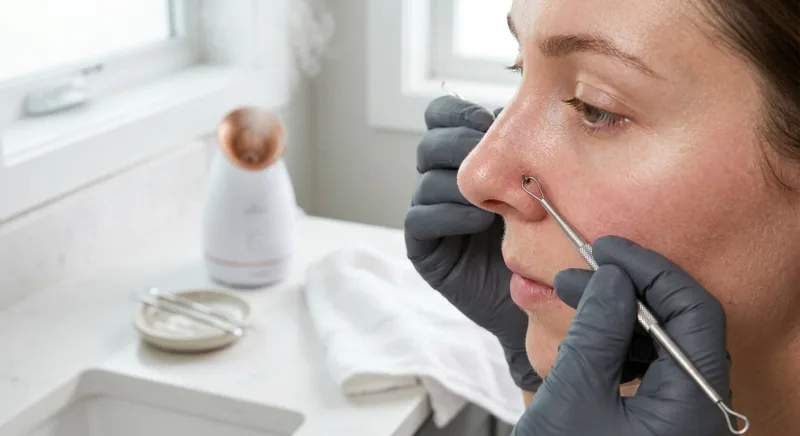
Pore extractors are small metal loop tools that apply even pressure to push out blackheads and clogged debris. They work best after steaming, when pores are softened and open. Used on dry, unprepped skin, they can bruise or scar, so patience and light pressure matter more than speed.
Hair Removal and Grooming Devices: The Category Most Guides Skip
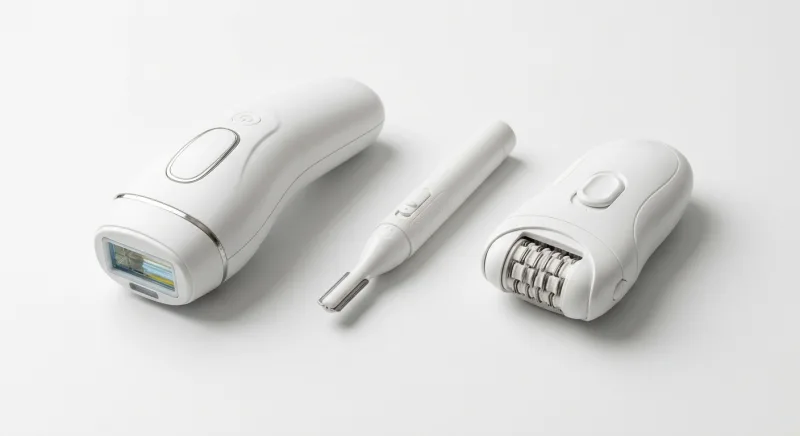
Hair removal and grooming devices belong in any complete skincare tools and devices guide, even though most articles leave them out. IPL handsets, trimmers, and epilators handle body and facial hair using very different methods. Knowing how each one works helps you match it to your skin and hair type.
IPL Laser Handsets Explained
Intense Pulsed Light (a beam of light energy that hits pigment in the hair root to slow future regrowth) is the tech behind most at-home laser-style hair removal handsets. A clinical trial of a low-energy at-home device found 95% of subjects saw less hair count, with 78% overall drop at 4 weeks and 72% at the 3-month follow-up. A separate check of a facial hair removal device found 83.3% drop at one month and 78.1% at three months. (Journal of the American Academy of Dermatology / PMC, 2011) (PMC (Journal of Clinical and Aesthetic Dermatology), 2015)
These handsets are regulated by the FDA as medical devices, and makers must submit performance data through the 510(k) premarket process to prove safety and effectiveness before sale. They’re also checked against eye safety standards like IEC 62471:2006 before clearance for home use. Bellxi’s IPL laser handsets are built with painless technology, so they fit into a daily beauty routine without the sting some older devices are known for. (U.S. Food and Drug Administration (FDA)) (U.S. FDA (Center for Devices and Radiological Health)) (U.S. Food and Drug Administration)
Precision Trimmers vs. Epilators
An epilator (a handheld device with rotating tweezer heads that pull hair out from the root) gives longer-lasting smoothness than shaving, though it can pinch on first use. A trimmer instead cuts hair at the surface, painlessly, but regrowth shows up within days.
Choose an epilator for weeks of smoothness, and a trimmer for quick, painless upkeep between sessions.
How to Choose Based on Skin Sensitivity
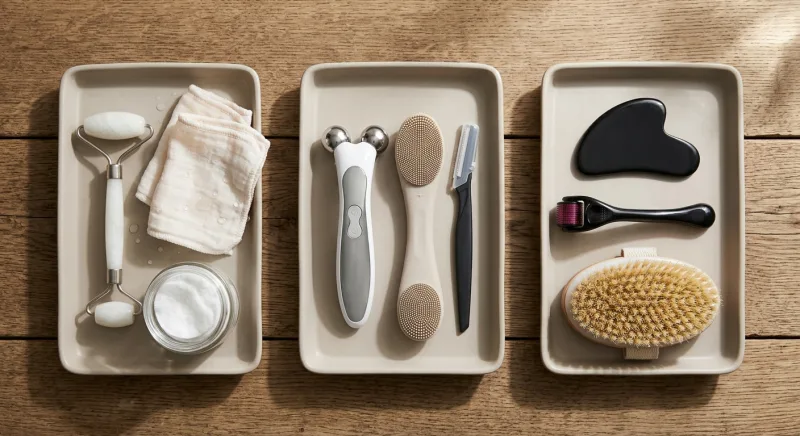
Skincare Tools and Devices Guide: LED Light Therapy Explained
LED light therapy uses colored light, not UV rays, to trigger changes in skin cells. Red light is linked to firmer, younger-looking skin. Blue light targets the bacteria that cause breakouts. Neither wavelength burns or damages skin the way tanning beds do. (American Academy of Dermatology Association (AAD))
At-home LED light therapy devices are seen as safe for home use, and health regulators have cleared several red-light devices for treating signs of skin aging based on supporting research. That clearance matters if you want proof a device does what it claims. (American Academy of Dermatology Association (AAD))
LED light therapy skips ultraviolet light entirely, so it doesn’t burn or damage skin. That makes it a safe, low-risk choice for people with any skin type or tone. It’s one reason LED masks show up so often in any thorough skincare tools and devices guide. (Cleveland Clinic)
Most LED masks or panels ask for ten to twenty minutes of use, several times a week. Results build slowly over weeks, not overnight. Think of it as a steady habit, like brushing your teeth, rather than a one-time fix.
Red Light vs Blue Light: Which One Do You Need
Red light works best for fine lines, dullness, and slack-feeling skin. Blue light works best for active breakouts and oily patches. Some masks combine both, letting you treat aging and acne concerns without buying two separate tools.
If breakouts are your main concern, start with blue light two to three times a week. If fine lines or firmness are the goal, red light most nights gives skin the steady signal it needs to respond.
Microcurrent and Radiofrequency: Toning Tools Compared
Microcurrent devices send a very mild electrical current through facial muscles. Radiofrequency tools use heat energy to work on the deeper layers of skin. Both aim for a firmer, more lifted look, but they get there in different ways.
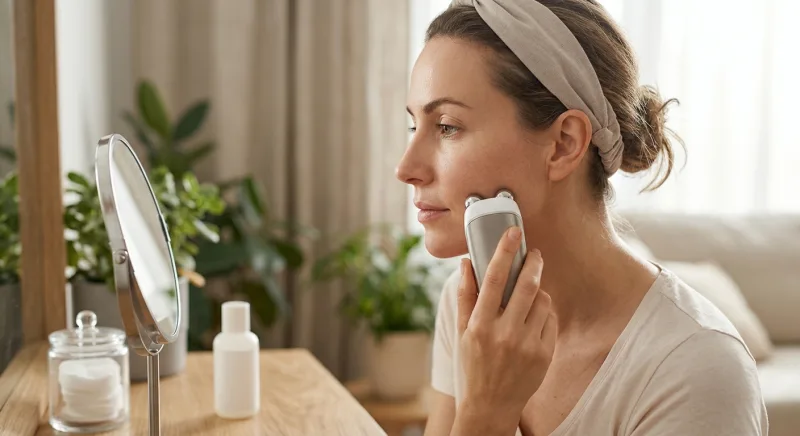
Microcurrent facial devices sold for home use are ruled as medical devices and cleared to briefly improve facial shape and soften the look of fine lines, not to permanently tone muscle. That's a key point to know before you buy. (U.S. FDA / 510(k) clearance documentation)
Home-use tools like microcurrent, LED, and radiofrequency devices are big for at-home facial care, but they need care around safety and results since no pro is guiding each try. Reading labels and steps closely really pays off here. (PMC (National Institutes of Health))
Skincare Tools and Devices Guide: Microcurrent vs Radiofrequency at a Glance
The table below breaks down how these two toning tools differ, so you can match the right one to your skin goals and daily routine.
| Feature | Microcurrent | Radiofrequency |
|---|---|---|
| Main goal | Temporary contour and fine-line improvement | Firmer feel through collagen support |
| Sensation | Mild tingling or tapping | Gentle warmth |
| Session length | 5 to 20 minutes | 10 to 20 minutes |
| Results timeline | Some effects show right after use | Builds over weeks of steady use |
| Regulatory status | Cleared as a Class II medical device | Cleared as a home-use skin device |
| Best for | Sagging or tired-looking skin | Loss of firmness, uneven texture |
Microdermabrasion: Exfoliating Tools for Smoother Skin
In a pilot study on microdermabrasion for acne, 38% of patients who finished the full treatment series saw excellent results and 34% saw good results, based on photos taken before and after. That’s a strong showing for a tool you can use without leaving the house. (PubMed, 2001)
Still, at-home microdermabrasion is not the same as the pro version, and it brings risks like bruising, burns, stinging, or harsh sun sensitivity. Some skin types should check with a skin doctor before trying it. This is one spot where care really matters. (American Academy of Dermatology (AAD))
How Often to Use a Microdermabrasion Tool
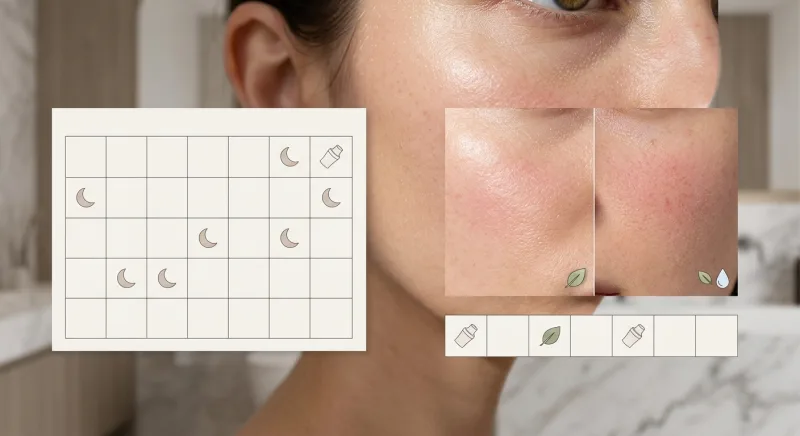
Start with once a week and watch how skin responds. If redness lingers past a few hours, cut back to every other week instead.
Skincare Tools and Devices Guide: Matching a Device to Your Goal
With so many options on the market, it helps to start with your single biggest skin concern rather than the flashiest gadget. The table below lines up common goals with the tools built to handle them.
| Skin Goal | Recommended Tool | Typical Time to See Results |
|---|---|---|
| Unwanted body or facial hair | IPL device or epilator | 4 to 12 weeks |
| Dullness or rough texture | Microdermabrasion tool | 2 to 6 weeks |
| Fine lines and firmness | Red LED mask or microcurrent | 4 to 8 weeks |
| Active breakouts | Blue LED device | 2 to 4 weeks |
| Sagging or tired-looking skin | Radiofrequency tool | 6 to 12 weeks |
| Quick grooming touch-ups | Precision trimmer | Immediate |
This kind of side-by-side view is exactly what a good skincare tools and devices guide is meant to do. It turns a crowded shelf of options into a short, clear shortlist based on what your skin actually needs.
Home-use light and energy devices for acne and anti-aging can sometimes cause irritation such as redness or rash, and in rare cases have been linked to eye-related issues when used the wrong way. Following the included eyewear and timing instructions is not optional. (PMC (National Institutes of Health))
Further reading
FAQ
What does a skincare tools and devices guide actually cover?
A good skincare tools and devices guide walks through what each tool does, how it works, and who it suits. It should cover safety clearances, realistic results, and when to see a dermatologist instead.
Think of it as a map, not a sales pitch, pointing you toward tools that match your actual skin goals.
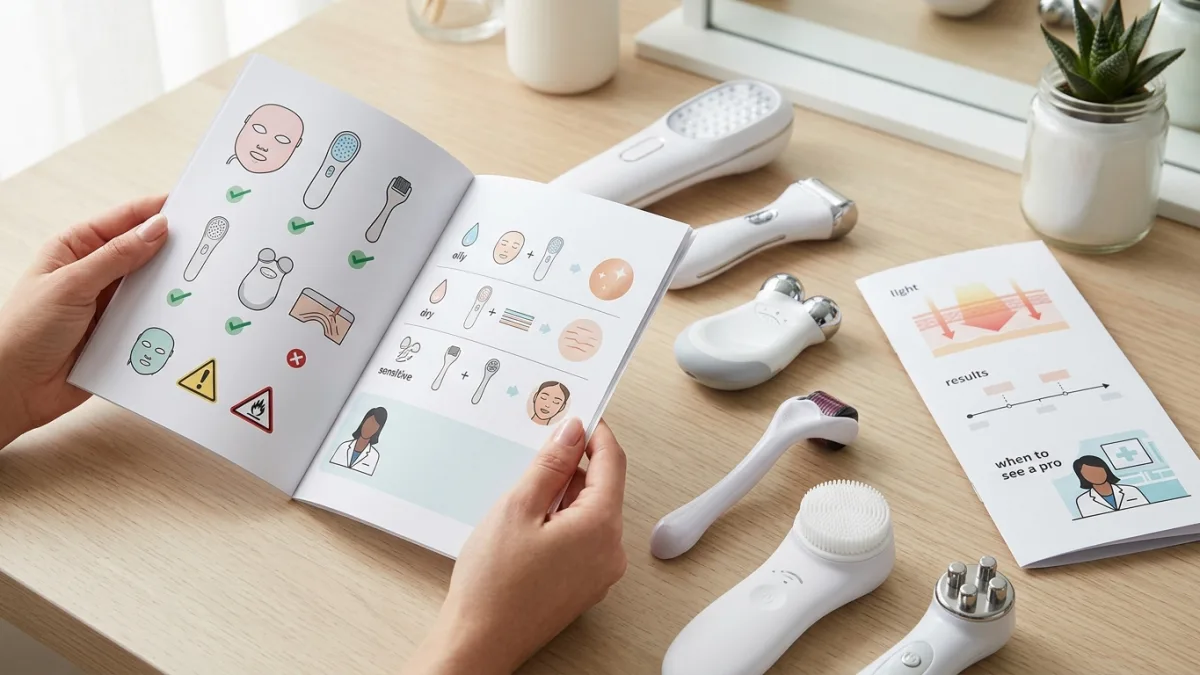
Are at-home skincare devices as effective as professional treatments?
At-home devices work, but at a slower pace than in-office versions. Pro tools use higher energy under trained watch. Home tools trade some strength for safety and ease. Used often over weeks, many still show real, clear change, just not fast and not as big.
How long until I see results from an IPL hair removal device?
Most people notice thinner, sparser hair within a few weeks of regular sessions. One trial found 78% overall hair reduction at 4 weeks and 72% still present at the 3-month mark, with 95% of users seeing some reduction. Results vary by hair and skin tone, so patience matters. (Journal of the American Academy of Dermatology / PMC, 2011)
Is LED light therapy safe to use every day?
Yes, most LED devices are considered safe for regular home use. They skip ultraviolet light entirely, so there’s no burn risk, and the FDA has cleared several red-light tools for treating signs of aging skin. Still, follow the timing on the label rather than guessing your own schedule. (American Academy of Dermatology Association (AAD))
Can microdermabrasion tools help with acne?
They can help some people. A small study found 38% of patients who finished a full treatment series saw excellent results and 34% saw good results. That said, at-home versions are weaker than the professional kind and carry risks like bruising or extra sun sensitivity, so check with a dermatologist first. (PubMed, 2001) (American Academy of Dermatology (AAD))
Do microcurrent facial devices actually tone the face?
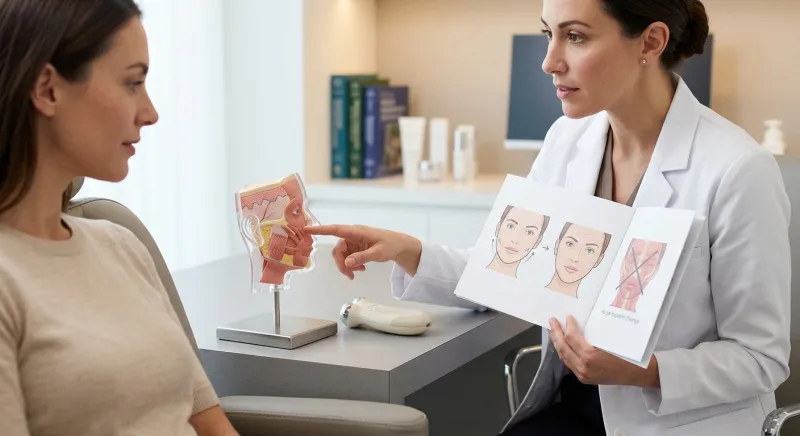
They’re cleared to temporarily improve facial contour and soften fine lines, not to permanently tone muscle. The FDA regulates them as Class II medical devices under this narrower claim. Expect a short-lived lift after each session rather than a lasting structural change to your face. (U.S. FDA / 510(k) clearance documentation)
How do I choose the right tool from a skincare tools and devices guide?
Start with your main skin concern, then check which device category actually addresses it. A solid skincare tools and devices guide will match concerns to tools rather than push whatever is trending.
Confirm the safety clearance, read the realistic result range, and pick the one your routine can actually stick with.
Key statistics
- A clinical trial of a low-energy at-home intense pulsed light (IPL) hair removal device found that 95% of subjects noted hair count reduction, with overall hair reduction of 78% at 4 weeks and 72% at the 3-month follow-up. (Journal of the American Academy of Dermatology / PMC, 2011)
- A clinical evaluation of a novel at-home pulsed-light device for facial hair removal reported statistically significant hair reduction of 83.3% at one month post-treatment and 78.1% at three months post-treatment. (PMC (Journal of Clinical and Aesthetic Dermatology), 2015)
- In a pilot study of microdermabrasion for acne, 38% of patients who completed the treatment series achieved excellent results and 34% achieved good results, based on clinical photographic assessment. (PubMed, 2001)
Expert insights
Dermatologists often recommend red-light therapy alongside treatments like medicated creams, microneedling, or chemical peels to treat signs of aging
Amit Om, MD, FAAD, board-certified dermatologist in Charlotte, North Carolina
particularly helpful for cleaning the skin for those with oily or acne-prone skin, or for those who wear heavy makeup
Hadley King, Board-certified dermatologist specializing in medical and cosmetic dermatology and a Clinical Instructor of Dermatology at the Weill Medical College of Cornell University
References
- At-home LED light therapy devices are considered safe for home use, and the FDA has cleared several red-light devices for treating signs of skin aging based on supporting research. — American Academy of Dermatology Association (AAD) (Professional medical association representing dermatologists; publishes consumer safety guidance)
- LED light therapy does not use ultraviolet (UV) light, so it doesn't cause damage or burns to the skin, and is considered a safe, relatively risk-free treatment for people with any skin type or color. — Cleveland Clinic (Non-profit academic medical center providing peer-reviewed patient health information)
- IPL hair removal devices are regulated by the FDA as medical devices, and manufacturers must submit performance data through the 510(k) premarket notification process demonstrating the device is safe and effective before it can be marketed. — U.S. Food and Drug Administration (FDA) (Federal regulatory agency; official 510(k) clearance summary for an IPL hair removal device)
- At-home microdermabrasion differs from the professional version and carries risks such as bruising, burning, stinging, or extreme sun sensitivity, and should be avoided by certain skin types without a dermatologist consult first. — American Academy of Dermatology (AAD) (Professional medical association representing board-certified dermatologists; publishes patient safety guidance on microdermabrasion)
- Microcurrent facial devices sold for at-home use are regulated by the FDA as Class II medical devices and are cleared via the 510(k) pathway to temporarily improve facial contour and reduce the appearance of fine lines and wrinkles, not for permanent muscle toning claims. — U.S. FDA / 510(k) clearance documentation (Federal regulatory agency premarket clearance filing establishing device classification and intended use)
- IPL hair removal handsets marketed for home use are evaluated by the FDA for comparability to legally marketed predicate devices, including eye safety standards such as IEC 62471:2006 for photobiological safety, before being cleared for consumer sale. — U.S. FDA (Center for Devices and Radiological Health) (Federal medical device regulator; primary 510(k) summary documenting safety testing standards applied to the device)
- IPL hair removal devices for home use are regulated by the FDA and cleared through the 510(k) premarket process based on demonstrated safety and effectiveness compared to predicate devices. — U.S. Food and Drug Administration (Federal regulatory agency 510(k) clearance decision letter for an IPL hair removal device)
- At-home light- and energy-based devices for acne and anti-aging can cause skin irritation such as erythema and rash, and in some cases have been linked to ocular adverse events when used incorrectly. — PMC (National Institutes of Health) (NIH-hosted peer-reviewed analysis of the FDA MAUDE adverse event database for at-home dermatology devices)
- Home-use dermatology devices such as microcurrent, LED, and radiofrequency tools are popular for facial rejuvenation but require careful evaluation of safety and efficacy since they are used without professional medical supervision. — PMC (National Institutes of Health) (NIH-hosted peer-reviewed literature review on efficacy and safety evaluation of home beauty devices)
