
hair removal
Ingrown Hairs: Causes, Treatment, and How to Stop Them for Good
Last updated: November 5, 2026
Ingrown hairs happen when a hair curls back or grows sideways into the skin instead of rising up. This causes a small, often itchy or red bump. Ingrown hairs are common after shaving, waxing, or plucking, especially where hair is coarse or curly.
Most clear up on their own within a few weeks.
What Is an Ingrown Hair? (Quick Answer)
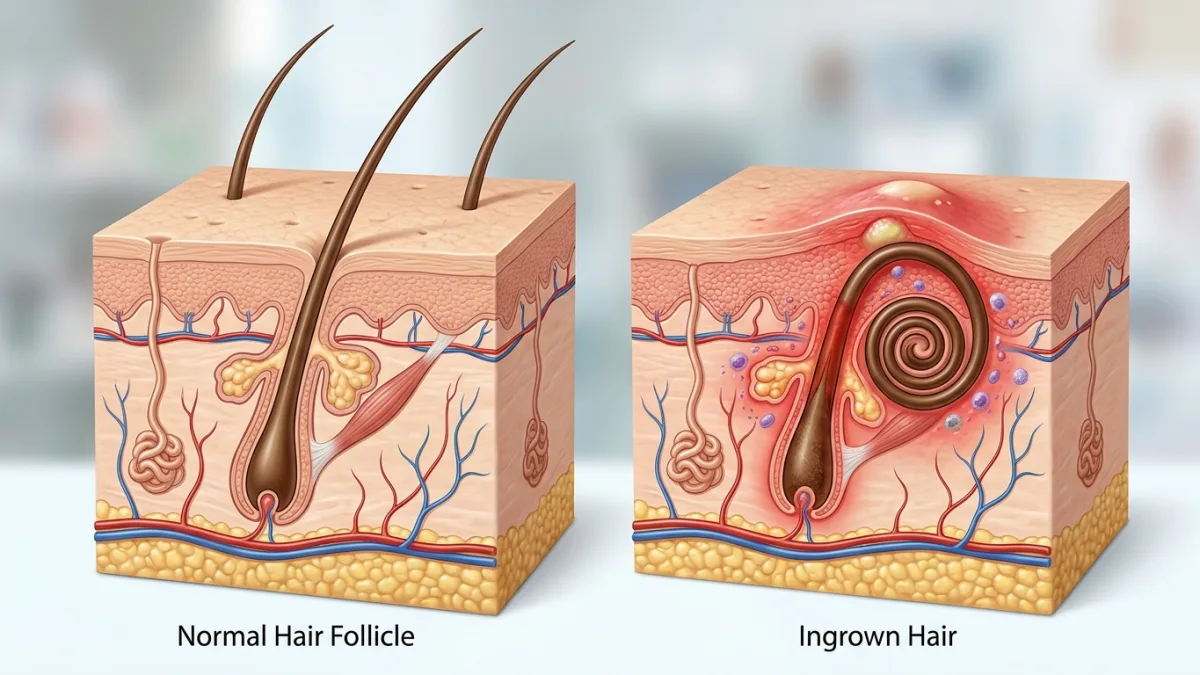
An ingrown hair is a strand that grows back into the skin rather than out of it. This traps the hair below the surface. Your body treats it like a tiny splinter, causing swelling, redness, or a small bump.
Ingrown hairs are one of the most common side effects of hair removal.
What it looks like
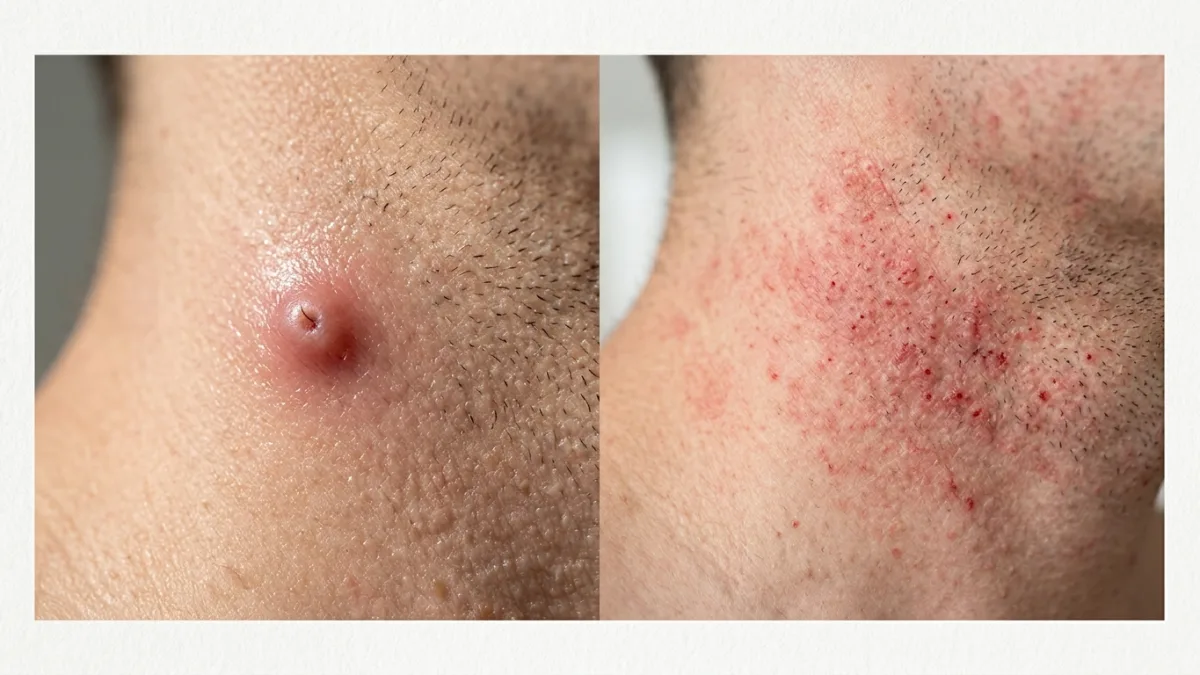
An ingrown hair usually looks like a small, raised bump with a visible hair loop trapped underneath the skin. It can be red, itchy, or slightly sore to the touch. Sometimes a tiny bit of pus forms at the tip, similar to a small pimple.
Ingrown hairs often show up in clusters after hair removal, especially in areas with thicker or curlier hair. They can feel firm or tender, unlike a simple rash. Knowing what ingrown hairs look like helps you treat them the right way from the start.
Why it happens right after hair removal
What Causes Ingrown Hairs?
Ingrown hairs are caused by hair growing back into the skin instead of straight out of it. This can come from your hair type, your hair removal method, tight clothes, or dead skin blocking the follicle, which is the tiny pocket each hair grows from.
Most causes overlap, which is why ingrown hairs tend to repeat in the same spots.
Pseudofolliculitis barbae, a condition caused by ingrown hairs, is especially common among men with curly or coarse facial hair. It remains one of the most frequent skin concerns tied to shaving and hair removal routines.
Curly or coarse hair texture
Curly and coarse hair is more likely to curl back into the skin after it’s cut or pulled. The natural curve makes it easier for the tip to catch under the skin’s surface.
This is why ingrown hairs are so common on curly hair types, especially on the face, neck, and bikini line.
Curly and coarse hair tends to curve back into the skin after shaving, increasing the chance of ingrown hairs. This is why choosing gentler removal methods can matter even more for coarser hair types.
Shaving, waxing, and plucking habits
Tight clothing and friction
Tight clothing rubs against the skin and can press growing hairs back into the follicle. This is a common cause of ingrown hairs on the thighs, bikini line, and underarms. Fabric friction combined with sweat can also irritate skin that’s already sensitive after hair removal.
Preventing ingrown hairs often comes down to technique and tools. Gentle exfoliation, proper skin prep, and using devices designed for sensitive skin can significantly reduce irritation and help hair grow back smoothly.
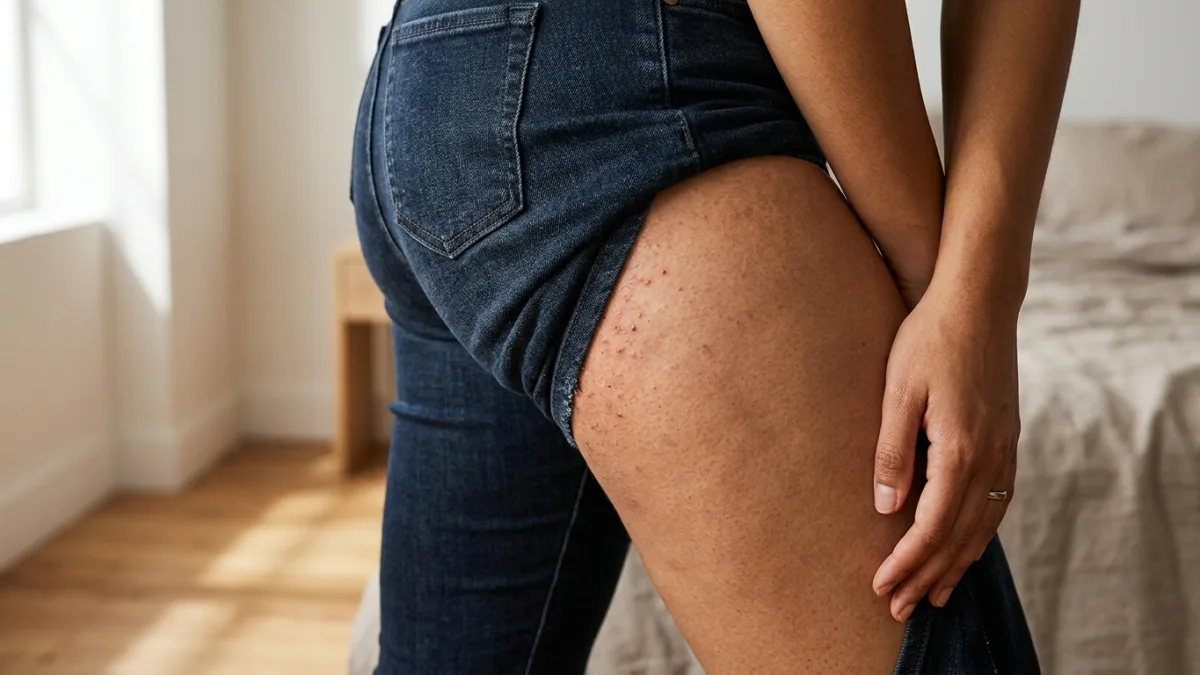
Ingrown hairs are a common frustration after shaving, waxing, or other hair removal on legs, bikini lines, and underarms. Many people notice them regardless of skin type or method. Choosing the right tool for your routine can make a real difference in comfort and results.
Dead skin buildup and clogged follicles
Dead skin cells can build up on the surface and block a hair’s path out of the follicle. When the hair can’t break through, it curls sideways and grows into the skin. This is one reason regular, gentle exfoliation helps reduce ingrown hairs over time.
Gentle exfoliation and choosing the right device matter more than people realize. Multi-blade razors can tug at hair beneath the skin, while precision trimmers and epilators designed for sensitive areas tend to leave smoother results with less irritation.
How Do You Know If It’s an Ingrown Hair (and Not Something Else)?
Common symptoms
Ingrown hairs typically cause a small, round bump that feels firm under the fingers. The skin around it may look red or slightly darker than usual. Itching and mild tenderness are common. In some cases, you might see a tiny curled hair right beneath the surface.
Ingrown hair vs. folliculitis vs. razor burn
Ingrown hairs and folliculitis can happen together, since a trapped hair can become infected. If bumps spread quickly, feel hot, or ooze, folliculitis is more likely. Razor burn tends to show up right after shaving and fades within a day or two, unlike ingrown hairs.
| Condition | What it looks like | Common cause | Typical timeline |
|---|---|---|---|
| Ingrown hair | Small firm bump with a trapped, curled hair | Hair growing back into skin after removal | Days to a few weeks |
| Folliculitis | Clusters of small, pus-filled bumps | Bacteria or irritation in hair follicles | Varies; may need treatment to clear |
| Razor burn | Flat, red, rash-like irritation | Shaving friction or a dull blade | Usually fades within a day or two |
Comparing symptoms side by side makes it easier to spot ingrown hairs early. If you’re ever unsure whether it’s an ingrown hair or something needing medical care, it’s worth checking with a doctor. This is especially true if bumps spread or don’t improve.
How to Get Rid of an Ingrown Hair at Home
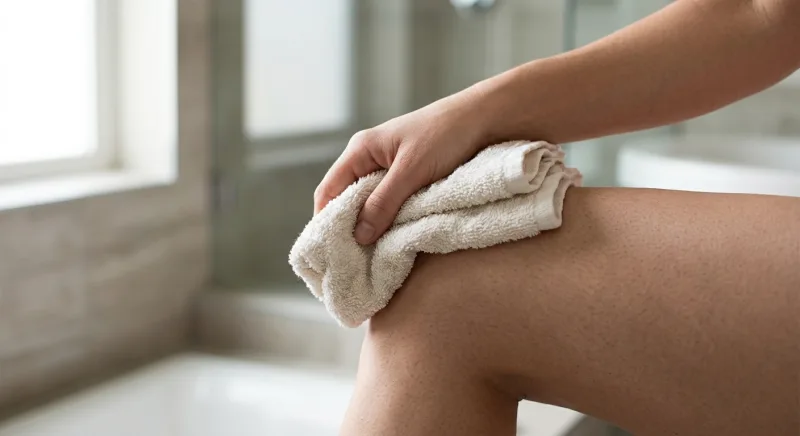
You can often treat an ingrown hair at home with gentle warmth, light exfoliation, and patience. Most ingrown hairs work themselves out without any special tools. The goal is to soften the skin and help the trapped hair release naturally, without causing more irritation.
Warm compress method
Gentle exfoliation
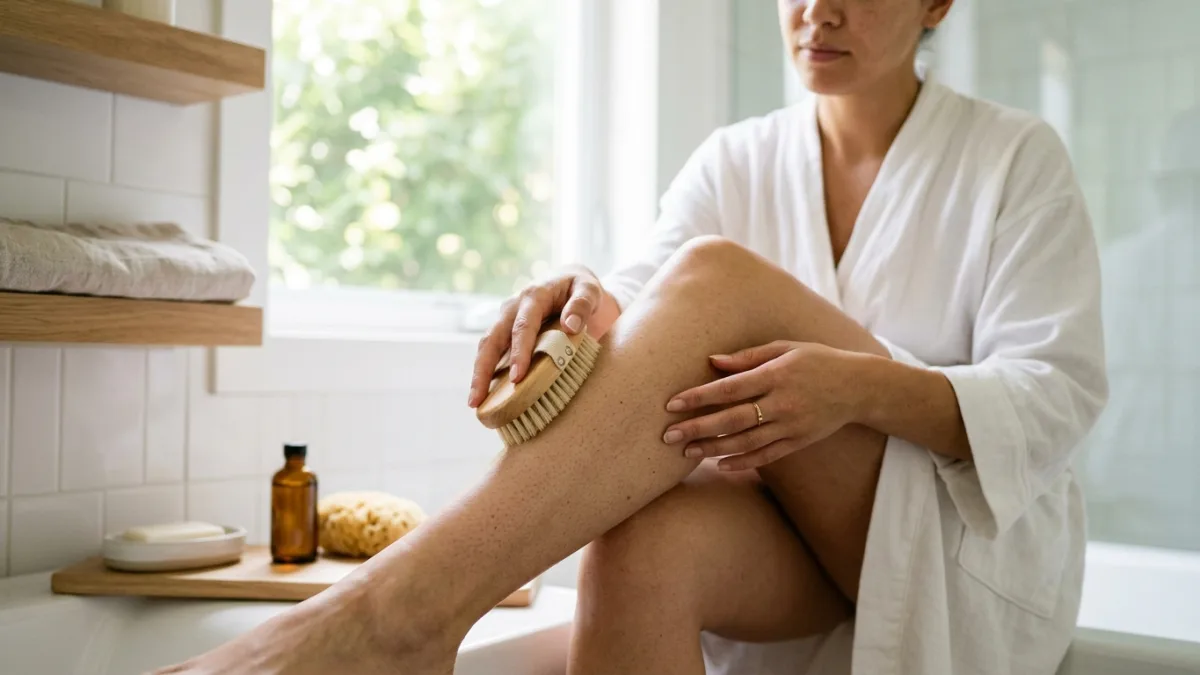
Gently exfoliating with a soft brush or mild scrub helps clear dead skin sitting over the ingrown hair. This gives the hair a clearer path to the surface. Avoid scrubbing hard, since this can irritate the skin further and worsen the ingrown hair.
Sterile needle/tweezer removal (when it’s safe)
What NOT to do
Avoid squeezing, picking, or digging at ingrown hairs with dirty fingers or tools. This raises the risk of infection, scarring, and dark marks left behind. Don’t shave over an active ingrown hair either, since this can push it deeper and cause more irritation.
- Wash the area gently before and after any treatment
- Use a warm compress before trying to release the hair
- Only use sterilized tools, never fingernails
- Stop if the area becomes more red, swollen, or painful
Hair Removal Methods Compared
| Method | Ingrown Hair Risk | Cost Over Time | Best For |
|---|---|---|---|
| Shaving | High | Low | Quick, budget-friendly upkeep |
| Waxing | Moderate to High | Moderate | Smoother regrowth over time |
| Depilatory Cream | Low to Moderate | Low to Moderate | Sensitive areas, no blade contact |
| Electric Trimmer | Low | Low | Curly or coarse hair types |
| Laser Hair Removal | Very Low | High | Long-term reduction, repeat ingrown issues |
| Electrolysis | Very Low | High | Permanent removal, small areas |
Shaving is a common trigger for ingrown hairs, especially compared with gentler methods. Cutting hair at a sharp angle encourages regrowth back into the skin. Choosing the right device for your skin and hair type can help you avoid this altogether.
Choosing the Right Treatment Product
| Product Type | Main Ingredient | How It Works | Skin Sensitivity |
|---|---|---|---|
| Chemical Exfoliant | Salicylic or Glycolic Acid | Dissolves dead skin blocking hair | Moderate, can cause dryness |
| Physical Scrub | Sugar or Salt Granules | Manually removes surface buildup | Higher risk of irritation |
| Retinoid Cream | Retinol or Adapalene | Speeds up cell turnover | Moderate, needs gradual use |
| Soothing Gel | Aloe Vera or Tea Tree Oil | Calms redness and swelling | Low, gentle for most skin |
| Antibacterial Wash | Benzoyl Peroxide | Reduces bacteria in follicles | Moderate, can bleach fabric |
People with sensitive skin should introduce new products slowly. Testing a small patch of skin first can prevent a bigger reaction later. If a product causes burning, excessive redness, or peeling, stop using it and switch to something gentler.

Long-Term Prevention Habits
Treating an existing ingrown hair is only half the battle. Preventing new ones from forming takes a consistent routine. Small daily habits often matter more than expensive products when it comes to keeping skin clear over time.
- Exfoliate two to three times per week, not daily
- Moisturize right after hair removal to keep skin soft
- Change razor blades often to avoid dull, ragged cuts
- Shave in the direction hair grows, not against it
- Wear loose clothing after hair removal to reduce friction
Friction from tight clothing is an often-overlooked cause of ingrown hairs, especially around the thighs, bikini line, and underarms. Loose, breathable fabrics reduce the chance of hair getting pushed sideways into the skin. This is especially useful during workouts or hot weather when sweat adds extra irritation.
Consistency matters more than intensity. A gentle exfoliation routine done regularly works better than an aggressive scrub used once a month. Over time, this steady approach keeps hair follicles clear and lowers the chances of hairs curling back under the skin.
When to See a Dermatologist
- The bump grows larger or more painful over several days
- Pus, warmth, or a foul smell develops around the area
- Multiple ingrown hairs keep appearing in the same spot
- Dark scars or raised bumps remain after healing
- Fever or spreading redness occurs near the affected area
Most ingrown hairs clear up with simple home care, like gentle exfoliation and moisturizing. But if you notice persistent redness, swelling, or signs of infection, it’s time to see a dermatologist rather than treat it yourself.
Market context
Daily hair shedding from the human scalp — According to the American Academy of Dermatology, it is normal for a person to shed between 50 and 100 hairs a day from the scalp. American Academy of Dermatology, 2024
Physician-diagnosed skin disease among the U.S. population — Nearly 85 million Americans (27% of the population, or 1 in 4 individuals) were seen by a physician for at least one skin disease in 2013. Journal of the American Academy of Dermatology (via PubMed), 2017
Adjacent-market figures — each names the subject it measures, not ingrown hairs directly.
Frequently Asked Questions
How long does it take for an ingrown hair to go away?
Most ingrown hairs clear up within a few days to two weeks as the hair works its way out or gets reabsorbed by the skin. Larger or deeper ingrown hairs, especially those that become infected, may take longer and could benefit from gentle exfoliation or a doctor’s care.
Can I pop or pull out an ingrown hair myself?
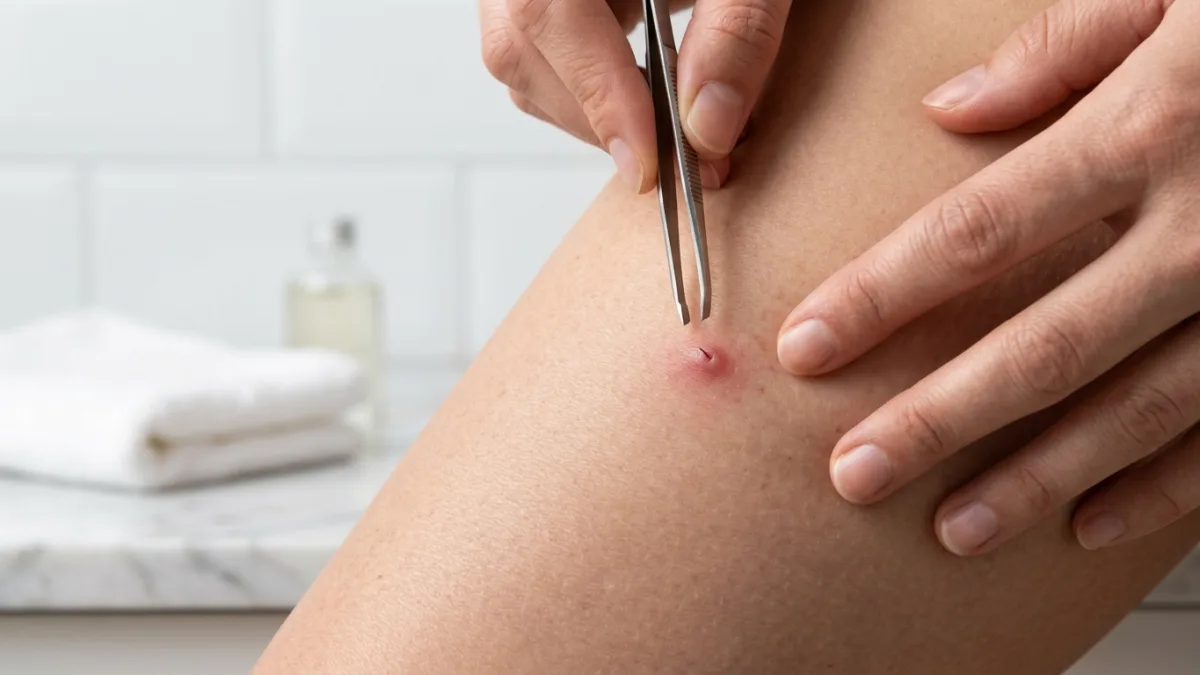
It’s best to avoid squeezing or digging at an ingrown hair, since this can cause infection, scarring, or push the hair deeper. If the hair loop is visible near the surface, gently lifting it with a sterile needle may help, but forceful extraction should be avoided.
Are ingrown hairs more common in certain areas of the body?
Yes, ingrown hairs tend to appear most often in areas that are shaved, waxed, or tweezed frequently. This includes the face and neck, underarms, bikini area, and legs. Curly or coarse hair types are especially prone to ingrown hairs in these regions.
Do ingrown hairs leave permanent scars?
Occasional ingrown hairs usually heal without lasting marks. However, repeated irritation, picking, or infection can lead to dark spots, raised bumps, or scarring over time. Treating ingrown hairs early and avoiding manipulation lowers the risk of permanent skin changes.
Can shaving cream or aftershave prevent ingrown hairs?
A good shaving cream helps the razor glide smoothly, reducing tugging that can curl hairs back into the skin. Alcohol-free aftershaves or soothing balms calm irritation but don’t guarantee prevention alone. Combining proper shaving technique with gentle products offers the best results.
Is laser hair removal a good solution for chronic ingrown hairs?
Laser hair removal can significantly reduce ingrown hairs by thinning hair growth over multiple sessions. It’s especially helpful for people with curly or coarse hair who experience frequent flare-ups. Results vary by skin and hair type, so consulting a dermatologist first is recommended.
People with curly or coarse hair tend to notice ingrown hairs more often, since curved hair is more likely to curl back into the skin. Selecting the right removal method matters even more for these hair types.
Can diet or hormones affect ingrown hair frequency?
Hormonal changes, such as those during puberty, pregnancy, or conditions like PCOS, can influence hair thickness and growth patterns, potentially increasing ingrown hairs. While diet isn’t a direct cause, staying hydrated and eating skin-supportive nutrients may help maintain healthier skin overall.
Key statistics
- A large US Army-commissioned study of 234 subjects found an 83% prevalence rate of pseudofolliculitis barbae among Black recruits. (ScienceDirect (Journal of the American Academy of Dermatology), 2003)
- In a study of 655 police students in Dakar, 38.8% had pseudofolliculitis barbae, with a prevalence of 43.7% among men and 11.9% among women. (NCBI PMC, 2024)
References
- Ingrown hairs cause bumps, which are often itchy, where a hair has grown back into the skin. — NHS (UK National Health Service official patient health information page)
- People with coarse or curly hair may be more likely to get ingrown hairs. — NHS (UK National Health Service official patient health information page)
- Waxing, plucking and threading hair can also lead to ingrown hairs. — NHS (UK National Health Service official patient health information page)
- Shaving against the grain of hair growth can cause ingrown hairs. — American Academy of Dermatology (AAD) (Professional dermatology association publishing dermatologist-reviewed guidance)
- Dermatologists recommend using a gentle exfoliating scrub 1-2 times per week to help prevent ingrown hairs during the stubble phase. — American Academy of Dermatology (AAD) (Professional dermatology association publishing dermatologist-reviewed guidance)
