
Makeup
How to Clean Makeup Brushes: The Complete 2026 Guide
Last updated: November 3, 2026
To clean makeup brushes, wet the bristles with lukewarm water, swirl them in a gentle cleanser or baby shampoo, rinse until the water runs clear, reshape the bristles, and lay them flat to dry. Deep clean weekly and spot-clean daily for better hygiene and smoother makeup application.
How Do You Clean Makeup Brushes? (Quick Answer)
Learning how to clean makeup brushes is simpler than most people think. You just need water, a mild cleanser, and a few minutes. The goal is to lift out old product, oil, and dead skin cells trapped in the bristles. Here’s the fast version before we go deeper.
- Wet the bristles with lukewarm water, keeping the ferrule (the metal part that holds the bristles to the handle) angled downward.
- Swirl the brush in a gentle cleanser or diluted baby shampoo.
- Rinse thoroughly until the water runs clear.
- Gently reshape the bristles back into their original form.
- Lay the brush flat to dry, letting it hang slightly off a counter edge.
That five-step routine covers the basics of how to clean makeup brushes for everyday use. The sections below explain why each step matters and how to adjust it for different brush types.
Why Cleaning Your Makeup Brushes Actually Matters
Cosmetic brushes are prone to bacterial contamination, and this raises real risks for skin problems, which is why hygiene habits around brushes matter so much. A 2025 microbiology study of used cosmetic brushes and beauty blenders found that Gram-positive bacteria (a broad group of bacteria with a thick outer wall that includes many common skin bacteria) made up 81% of isolates, with Micrococcus and Staphylococcus as the leading families. (International Journal of Microbiology (PMC)) (International Journal of Microbiology (Wiley) / PMC, 2025)
What Builds Up on Dirty Brushes?
Dirty makeup brushes can cause infections such as fungal infections, E. coli, or a serious staph infection. That’s part of why routine cleaning matters just as much as the products you put on your face. (American Academy of Dermatology (AAD))
Signs Your Brushes Need Cleaning Now
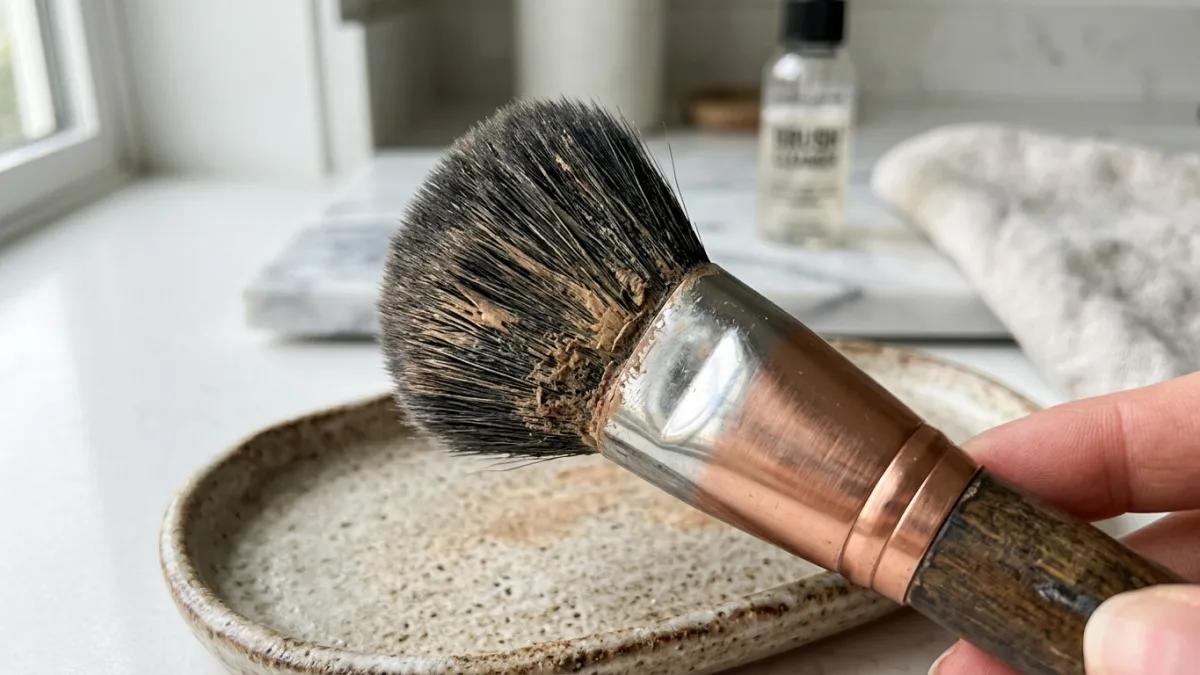
You’ll know a brush needs cleaning when it feels stiff, sheds bristles, or leaves streaky makeup. A musty smell is another clear sign. If foundation looks patchy no matter how you apply it, your brush is likely the problem, not your skin. (International Journal of Microbiology (PMC))
Many people wait far too long between cleanings. In a survey of 370 makeup brush users, 44.3% reported rarely cleaning their brushes, and 27.8% reported skin problems they linked to contaminated tools. Knowing how to clean makeup brushes properly, and doing it on a schedule, closes that gap. (International Journal of Microbiology (Wiley) / PMC, 2025)
A full beauty routine works best when every tool gets the same care. That includes brushes, sponges, and grooming devices like trimmers or hair removal tools that touch your skin daily. Bellxi stocks a full range of women’s grooming and hair removal devices designed to fit into that kind of daily beauty routine. (PMC (National Institutes of Health))
Step-by-Step: How to Deep Clean Makeup Brushes
Deep cleaning makeup brushes takes a bit more time than a quick rinse, but it clears out buildup a spot-clean can’t touch. This process works for most bristle types and takes about ten minutes per batch of brushes.
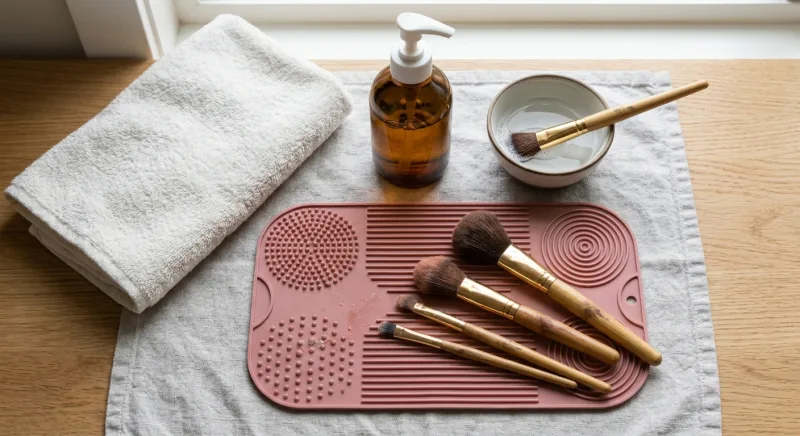
What You’ll Need
- Lukewarm water
- A gentle cleanser, baby shampoo, or dedicated brush soap
- A clean towel or paper towel
- A silicone cleaning mat or your palm
The Full Cleaning Process
How to Dry Brushes Without Ruining Them
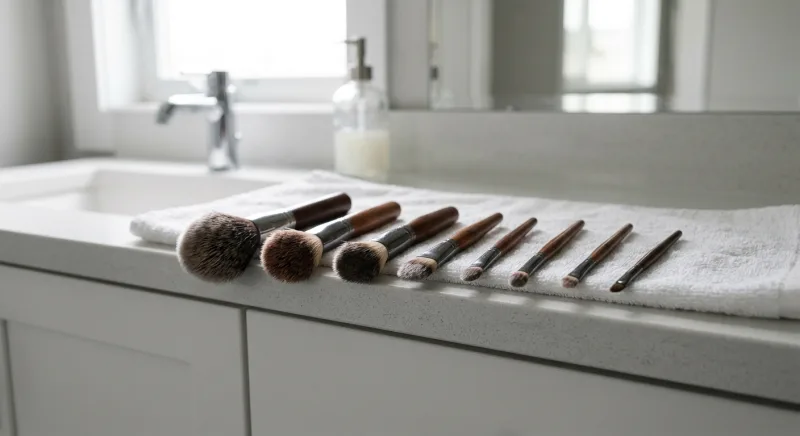
Gently squeeze out excess water with a towel, then reshape the bristles back to their original form. Lay brushes flat on a towel, letting the bristles hang slightly off the edge of a counter.
Brushes should not be dried upright in a container, because water running down the handle can loosen the glue holding the brush head in place. Flat drying protects both the shape and the structure of the brush. (American Academy of Dermatology (AAD))
Read the complete guide: The Makeup Guide for Beginners That Skips the Guesswork
FAQ: How to Clean Makeup Brushes
How to clean makeup brushes without soap?
You can clean makeup brushes with a gentle shampoo, a brush cleanser, or even diluted micellar water instead of soap. Wet the bristles, work in the cleanser, then rinse well.
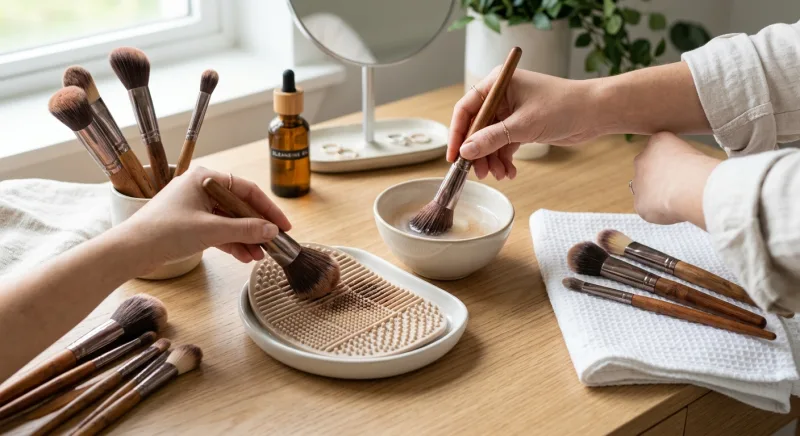
Soap can work too, but pick a mild one so it does not dry out or damage the bristles over time.
How often should you clean makeup brushes?
Dermatologists suggest washing makeup brushes every 7 to 10 days to protect skin and clear out bacteria that builds up in the fibers. Many people wash less often than that. One survey found 44.3% of users rarely clean their brushes, and 27.8% linked skin problems to dirty tools. (American Academy of Dermatology (AAD)) (International Journal of Microbiology (Wiley) / PMC, 2025) (U.S. Food and Drug Administration (FDA))
Can dirty makeup brushes cause skin problems?
Yes. Dirty brushes can cause fungal infections, E. coli, or even a serious staph infection. Bristle microtraumas let bacteria settle into skin, so even healthy people are at risk. This is a big reason why learning how to clean makeup brushes properly matters for skin health, not just for the tools themselves. (American Academy of Dermatology (AAD)) (PMC (National Library of Medicine)) (PMC (National Library of Medicine))
What is the fastest way to clean makeup brushes at home?
The fastest method is a quick daily spritz with a leave-in brush cleanser between full washes. For a deeper clean, wet bristles, swirl in a gentle cleanser, rinse, then lay flat to dry.
This two-step routine covers how to clean makeup brushes well without eating up much of your time each week.
Quick Comparison: Cleaning Methods, Tools, and Timing
| Method | Best For | Time Needed |
| Gentle shampoo wash | Weekly deep clean | 10-15 minutes |
| Brush cleanser spray | Daily quick refresh | 1-2 minutes |
| Micellar water dip | Between-use touch-ups | 2-3 minutes |
| Brush Type | Cleaning Frequency | Drying Method |
| Foundation brush | Every 7-10 days | Lay flat |
| Powder brush | Every 2-3 weeks | Lay flat |
| Eye shadow brush | Weekly | Lay flat |
| Contamination Risk | Common Cause | Prevention Step |
| Bacterial buildup | Infrequent washing | Set a wash reminder |
| Glue loosening | Upright drying | Dry brushes flat |
| Cross-contamination | Sharing brushes | Keep brushes personal |
Key statistics
- A 2025 microbiology study of used cosmetic brushes and beauty blenders found that Gram-positive bacteria predominated, making up 81% of isolates, with Micrococcus (31%) and Staphylococcus (23%) as the dominant bacterial families. (International Journal of Microbiology (Wiley) / PMC, 2025)
- In a survey of 370 makeup brush users, 44.3% reported rarely cleaning their brushes, and 27.8% reported skin problems potentially linked to contaminated tools. (International Journal of Microbiology (Wiley) / PMC, 2025)
Expert insights
Dirt, oil and bacteria can transfer to your makeup brushes from your skin, causing acne breakouts, skin irritation or even spread infections
Joshua Zeichner, director of cosmetic and clinical research in dermatology at Mount Sinai Medical Center in New York City
The first reason is that many cosmetics and cosmetic applicators are colonized by bacteria and fungi, many of which have pathogenic potential.
Jay Vornhagen, PhD, assistant professor of microbiology and immunology at Indiana University
References
- Makeup brushes should be washed every 7 to 10 days to protect skin and kill harmful bacteria that lingers in the fibers. — American Academy of Dermatology (AAD) (AAD is a national medical association of board-certified dermatologists providing consumer skin-care guidance)
- Dirty makeup brushes can cause infections such as fungal infections, E. coli, or a serious staph infection. — American Academy of Dermatology (AAD) (Federally recognized dermatology association; guidance attributed to board-certified dermatologists)
- Brushes should not be dried upright in a container because water running down the handle can loosen the glue connecting the brush head to the handle. — American Academy of Dermatology (AAD) (AAD dermatologist-reviewed consumer care guidance)
- Cosmetic brushes are prone to bacterial contamination and this poses risks for related skin issues, which is why hygiene practices for brushes matter. — International Journal of Microbiology (PMC) (Peer-reviewed microbiology study hosted on NIH’s PubMed Central, examining bacterial contamination in cosmetic brushes)
- Even in healthy people, makeup brushes can be a source of skin infection because bristle microtraumas can allow bacteria to colonize the skin, so contaminated brushes should be removed and eventually replaced. — PMC (National Library of Medicine) (Peer-reviewed case report/dermatology letter hosted on NIH’s National Library of Medicine)
- Even after thorough disinfection, makeup brushes and other cosmetic objects can still pose a risk of bacterial transmission whenever they contact broken or cracked skin. — PMC (National Library of Medicine) (Peer-reviewed article hosted on NIH’s PubMed Central discussing beauty tools as sources of disease spread)
- Makeup applicators, including brushes, are exposed to bacteria and fungi every time they are used, which is why keeping containers and applicators clean is a recommended hygiene practice. — U.S. Food and Drug Administration (FDA) (Federal regulatory agency overseeing cosmetic product safety in the United States)
- Shared-use cosmetic tools in beauty settings can carry significant bacterial contamination, underscoring why personal makeup brushes should not be shared and should be cleaned regularly. — PMC (National Institutes of Health) (Peer-reviewed study hosted on NIH’s PubMed Central archive)
