
Makeup
The Makeup Guide for Beginners That Skips the Guesswork
Last updated: November 10, 2026
This makeup guide for beginners breaks the routine into two simple parts: skin prep and product order. Start with clean, smooth skin, then layer primer, foundation, concealer, color, eyes, and lips, finishing with setting spray.
Getting the prep right — including smooth, hair-free skin — makes every product blend faster and look better, even on your first try.
How Do You Start Wearing Makeup as a Beginner?
You start by learning your skin, not by buying more products. A good makeup guide for beginners always begins with prep, because foundation and concealer only look good on skin that’s already in decent shape. Skip this step and even expensive makeup will look patchy or cakey by midday.
Understanding your skin type (whether it’s dry, oily, normal, combination, or sensitive, a system used by dermatologists to match products to your skin’s needs) helps you pick the right formulas from day one. It also stops you from wasting money on products that fight your skin instead of working with it. (American Academy of Dermatology (AAD))
The 5 Core Products You Actually Need First
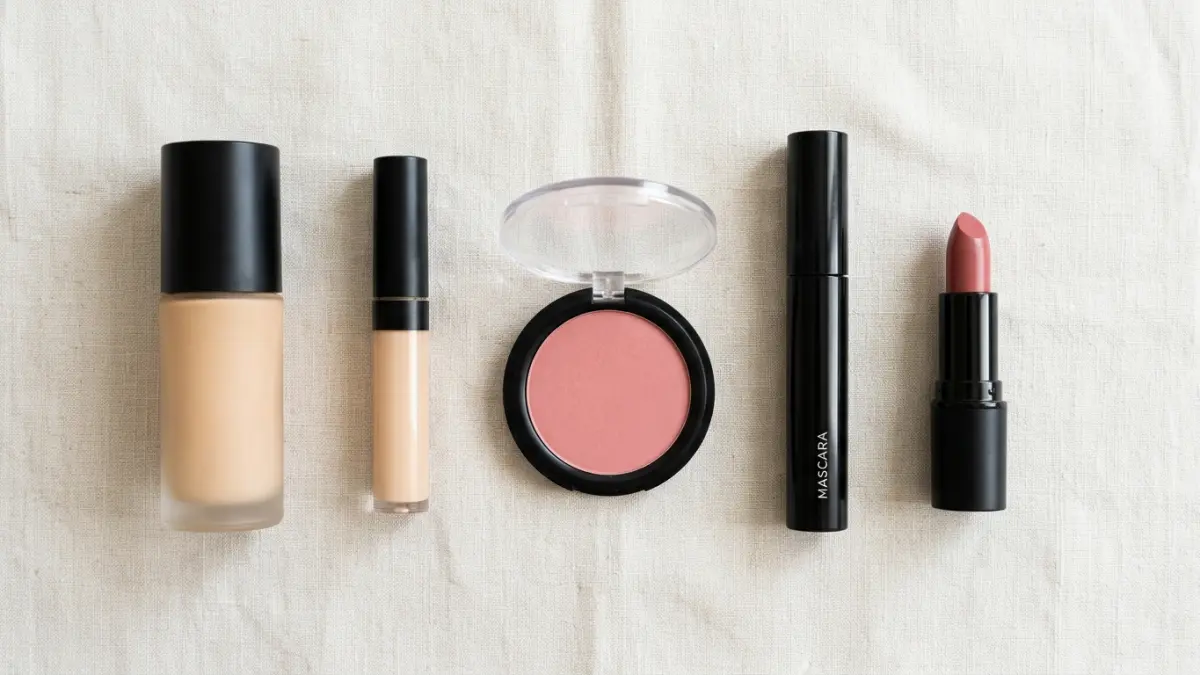
Every beginner really only needs five things to start. Anything more is optional until you know what you like. Here’s the short list that shows up in nearly every solid makeup guide for beginners:
- Tinted moisturizer or lightweight foundation, for even skin tone without heaviness
- Concealer, for spots, dark circles, and small redness
- Cream or powder blush, for natural color in the cheeks
- Mascara, for an instant “awake” look with almost no learning curve
- Lip balm or tinted lip product, for a finished look in seconds
Once you’re comfortable with these five, you can add eyeshadow, liner, bronzer, and highlighter one at a time. Adding products slowly, instead of all at once, is the fastest way to actually learn what each one does for your face.
Skin Prep Before Any Makeup Goes On
Skin prep is the step most beginners rush, and it’s the one that matters most. Dermatology guidance recommends limiting face washing to twice a day and after sweating, using fingertips rather than a washcloth or sponge, to avoid stripping or irritating the skin. Overwashing can actually make oiliness and sensitivity worse, not better. (American Academy of Dermatology (AAD))
Cleansing twice a day also helps keep pores clear and oil levels balanced, which matters directly for how foundation and concealer sit on your face later. Oily, congested skin tends to break down makeup faster and can make it slide or separate by afternoon. (American Academy of Dermatology (AAD))
Smooth skin also means hair-free skin, at least on the face and any areas you plan to apply product. Fine facial hair or stubble can catch foundation and create a rough, uneven texture under makeup.
This is where a broader grooming routine — not just skincare — starts to matter for how your makeup actually looks.
What Order Should You Apply Makeup In?
Makeup goes on in a specific order because each layer needs the one before it to already be set. Getting the order wrong is one of the most common reasons a beginner’s makeup looks muddy or slides off early. This section walks through the order step by step.
Face Products: Primer, Foundation, Concealer
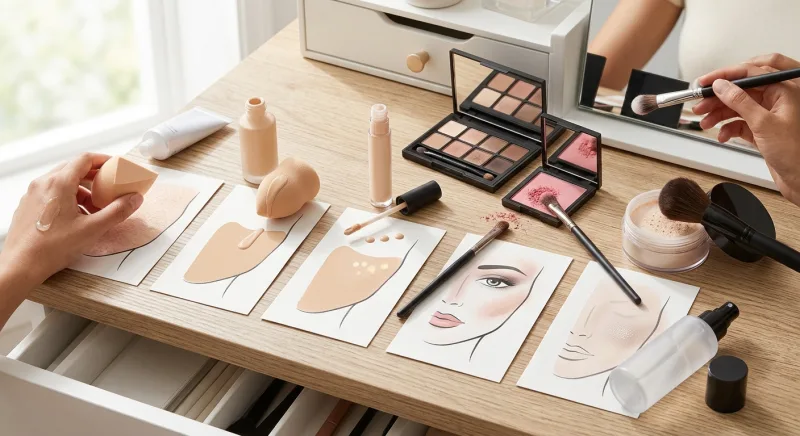
Primer goes first because it smooths texture and helps foundation grip the skin instead of sliding around. Foundation comes next, applied in thin layers rather than one thick coat. Concealer goes on last, only where you need extra coverage, like under the eyes or over blemishes.
Color Products: Bronzer, Blush, Highlighter
Bronzer goes on first, applied where the sun would naturally hit your face, like the forehead, cheekbones, and jaw. Blush follows, placed on the apples of the cheeks and blended upward. Highlighter goes last, on the highest points of the face, for a soft glow.
If you have dry skin, cream formulas tend to blend more easily than powder at this stage and leave less of a flat, chalky look. A separate guide on blush for dry skin covers formula picks and blending techniques if dryness is a regular issue for you.
Eyes: Shadow, Liner, Mascara, Brows
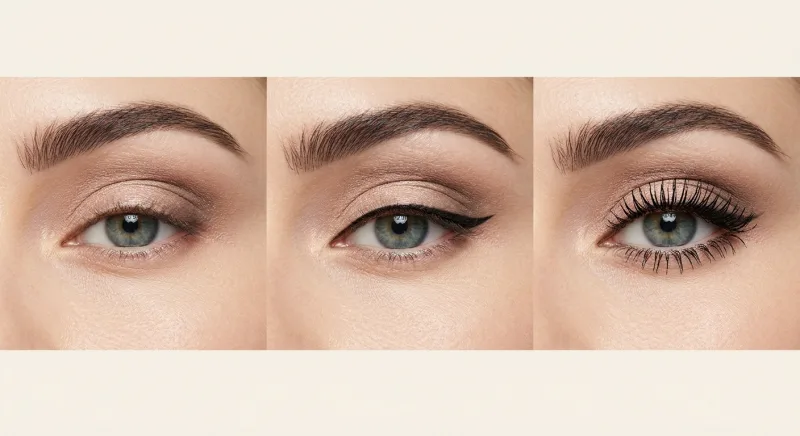
Eyeshadow goes on before liner and mascara, so any fallout can be cleaned up without ruining finished eyeliner. Liner comes next, followed by mascara, then brows last, since brow product can help frame the whole eye look once everything else is in place.
Beginners often skip brows entirely at first, and that’s fine. A single pass with a tinted brow gel is usually enough until you’re ready to add shaping or filling with a pencil.
Lips and Final Setting Spray
Lip product goes on near the end, after the rest of your face is done, so you can judge the color against your full look. Setting spray comes last, locking everything in place and cutting down on touch-ups throughout the day.
This order isn’t arbitrary. Each step is designed to protect the work you just did, which is exactly why a clear makeup guide for beginners matters more than a pile of random tips from social media.
Why Does Your Grooming Routine Matter Before Makeup?
Exfoliating after hair removal also matters here. Removing the layer of dead skin cells that can trap growing hairs helps prevent ingrown hairs and keeps skin texture smoother in the days after grooming, which is exactly when foundation tends to sit best. (Cleveland Clinic)
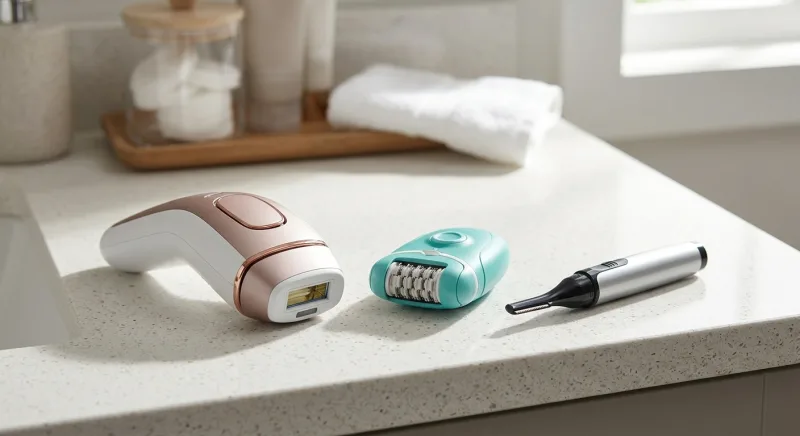
Hair Removal Options: IPL, Epilators, Trimmers Compared

| Device Type | Best Use Case | Time Commitment | Skin Prep Result |
|---|---|---|---|
| Intense Pulsed Light handset | Longer-term reduction on larger areas like legs or underarms | Regular sessions over several weeks, then occasional maintenance | Progressively smoother skin with fewer regrowth cycles over time |
| Epilator | Removing hair at the root for weeks of smoothness | One session lasts longer between uses than shaving | Very smooth immediately after use, ideal before foundation |
| Precision trimmer | Shaping, facial hair, and touch-ups between sessions | Quick, done in minutes as needed | Smooths surface texture without full removal |
At-home Intense Pulsed Light devices sold in the United States must be cleared by the Food and Drug Administration as substantially equivalent to an already-approved device, based on demonstrated safety and effectiveness data, before they can be marketed. That’s worth checking when you’re comparing options. (U.S. Food and Drug Administration (FDA))
How Smooth Skin Changes Foundation and Concealer Application
Freshly groomed, smooth skin gives foundation and concealer less texture to catch on, so both tend to blend faster and look thinner on the skin. This is a practical grooming observation, not a clinical claim, but it’s one many beginners in any makeup guide for beginners community mention often. (American Academy of Dermatology (AAD))
Bellxi’s range covers painless Intense Pulsed Light handsets, precision trimmers, and epilators, so you can choose the tool that fits the area and the result you want, whether that’s long-term reduction or a quick touch-up before makeup. Every order ships within 24 hours, backed by a 30-day risk-free guarantee.
Makeup Guide for Beginners: Choosing Tools That Match Your Skin
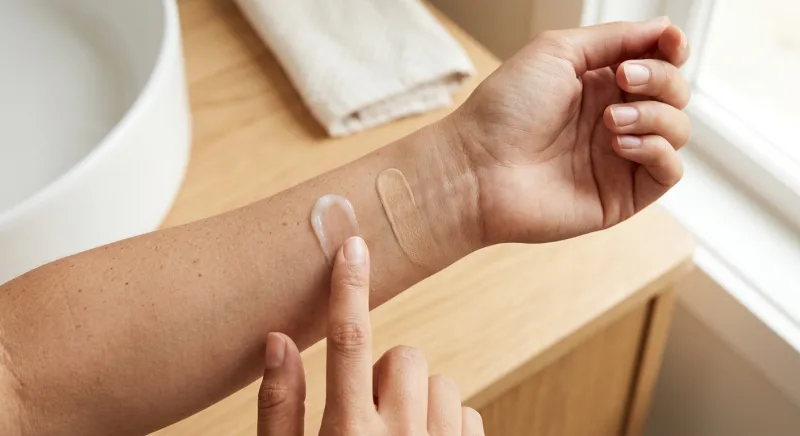
Any solid makeup guide for beginners has to start with skin type. Products that work well on dry skin can look patchy or heavy on oily skin, and the other way around. Knowing your type first saves money and stops a lot of guesswork later.
Dermatology professionals sort skin into five main types: dry, oily, normal, combination, and sensitive. A simple wash test, where you cleanse your face and watch how it feels an hour later, can tell you which group you fall into. (Cleveland Clinic)
The American Academy of Dermatology also classifies skin this same way, and says understanding your type helps you pick the right skincare and makeup prep routine before you even open a foundation bottle. (American Academy of Dermatology (AAD))
Once you know your type, tool choice gets much easier. Oily skin tends to do better with matte formulas and oil-free primers. Dry skin usually likes creamy, hydrating bases. Sensitive skin should stick to short ingredient lists and fragrance-free labels.
A Makeup Guide for Beginners on Brushes, Sponges, and Fingers
New shoppers often assume they need a full brush set to start. In truth, most looks only need three or four tools: a foundation brush or sponge, a fluffy eye brush, a small flat brush for concealer, and a spoolie for brows.
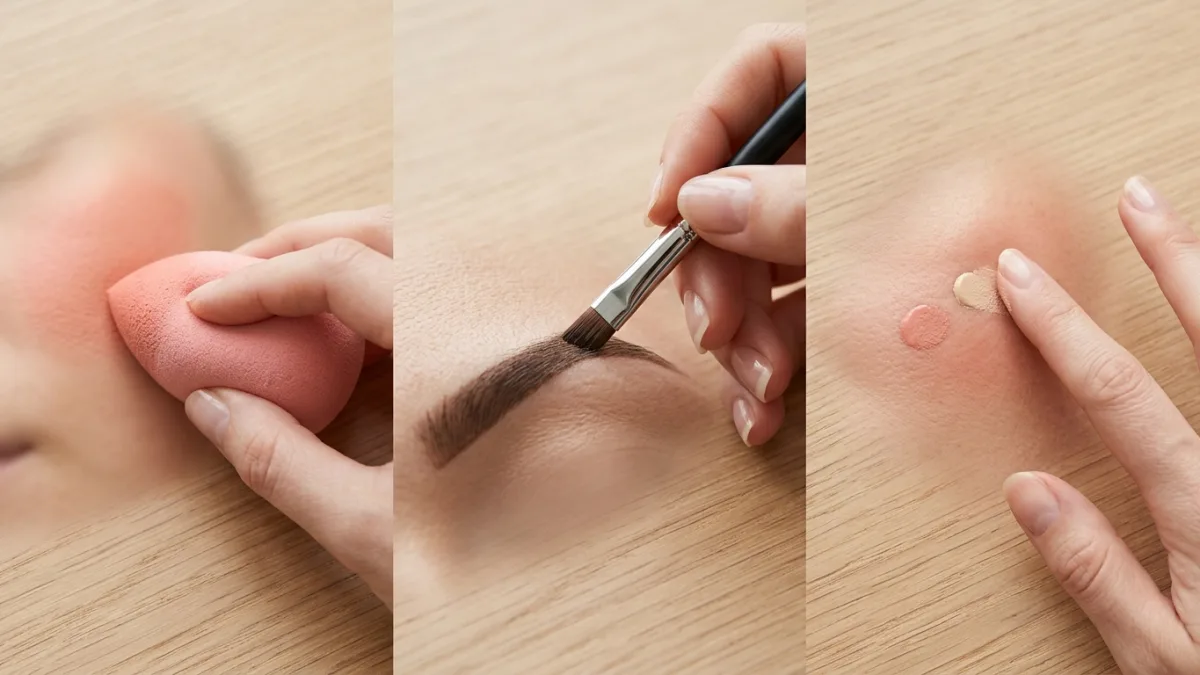
Sponges give a soft, skin-like finish and work well for blending cream products. Brushes give more control and are better for precise lines, like a wing or brow shape. Fingers work fine for warming up cream blush or concealer in a pinch.
Whichever tool you pick, clean it often. Dirty brushes and sponges hold onto old product, oil, and bacteria, which can lead to breakouts or worse. A gentle brush soap once a week keeps tools safe and keeps color true on the skin.
| Tool | Best For | Finish | Ease for Beginners |
| Makeup sponge | Foundation, concealer, cream blush | Soft, skin-like | Very easy |
| Flat foundation brush | Full coverage base | Smooth, buildable | Moderate |
| Fluffy eye brush | Blending eyeshadow | Soft-edged | Easy |
| Small flat brush | Concealer, spot coverage | Precise | Moderate |
| Spoolie brush | Brows, lashes | Natural | Very easy |
Keeping Makeup Clean and Safe as You Learn
Hygiene is one part of any makeup guide for beginners that’s easy to skip and easy to regret. Skin reactions to cosmetics are more common than most people think, and the numbers have been climbing for years.
One hospital study found allergic reactions to cosmetics in patch-tested patients rose from 9.8% between 1996 and 2004 to 13.9% between 2005 and 2013. (PubMed (tertiary hospital clinical and epidemiological study), 2016)
The same kind of research found the face was the single most common site for these reactions, showing up in 25.8% of confirmed cases. Since that’s exactly where makeup goes, hygiene habits matter more than they might seem to. (PMC (retrospective analysis, allergic contact dermatitis to cosmetics), 2020)
The FDA recommends washing your hands before applying any product and never sharing eye makeup with anyone else, even close friends or family. Shared eye products are one of the easiest ways to pass along an eye infection. (U.S. Food and Drug Administration (FDA))
Beyond hand washing, the FDA also suggests reading labels closely, keeping containers clean, and never adding water or saliva to dried-out products to bring them back to life. (U.S. Food and Drug Administration (FDA))
These habits might sound small, but they add up. A beginner who builds clean habits early avoids most of the skin problems that turn people off makeup altogether.
Removing Makeup the Right Way

How you take makeup off matters just as much as how you put it on. Rinsing with water alone sounds easy, but it leaves a lot behind, especially with sunscreen underneath.
One clinical study on sunscreen removal found that water alone left about 54.0% of residue behind. A foaming cleanser dropped that to 15.6%, and a cleansing oil brought it down to 13.4%. (PubMed (Journal of Cosmetic Dermatology), 2019)
That gap is a big reason double cleansing has become such a common step. Cleveland Clinic recommends double cleansing at night, using an oil-based cleanser first, then a gentler one after, to fully remove long-wear makeup and sunscreen. (Cleveland Clinic)
For skin prep during the day, the same twice-daily cleansing habit helps keep pores clear and oil levels balanced, which makes foundation and concealer sit better the next time you apply them. (American Academy of Dermatology (AAD))
Dermatologists also suggest washing with just your fingertips, not washcloths or sponges, and keeping face washing to twice a day plus after heavy sweating. Over-washing can strip skin and cause more irritation than it solves. (American Academy of Dermatology (AAD))
Comparing Popular Beginner Makeup Routines
Not every beginner wants the same result. Some want a five-minute routine for daily wear. Others want a fuller face for photos or events. Comparing routines side by side makes it easier to pick a starting point that fits your life.
| Routine Style | Typical Products | Time to Apply | Best For |
| Minimal “no-makeup” look | Tinted moisturizer, concealer, brow gel, lip balm | 5 minutes | Daily wear, school, work |
| Everyday full face | Foundation, concealer, blush, mascara, brows | 10-15 minutes | Most beginners |
| Event or photo-ready | Full base, contour, eyeshadow, liner, setting spray | 25-40 minutes | Special occasions |
| Skin-prep focused | Cleanser, moisturizer, sunscreen, light concealer | 5-10 minutes | Sensitive or acne-prone skin |
Why a Makeup Guide for Beginners Should Include Skin Prep, Not Just Products
It’s tempting to jump straight to foundation shades and eyeshadow palettes. But skin prep is what makes those products actually look good once they’re on. Skipping this step is one of the most common beginner mistakes.
Exfoliating gently a couple of times a week clears away dead skin cells that can make foundation look flaky or cling in patches. It also helps prevent ingrown hairs after shaving, waxing, or using an at-home hair removal device. (Cleveland Clinic)
If you’re using an IPL device as part of your grooming routine before makeup, it helps to know these tools go through real safety checks. In the US, at-home IPL devices must be cleared by the FDA as equivalent to an already-approved device, based on safety and effectiveness data. (U.S. Food and Drug Administration (FDA))
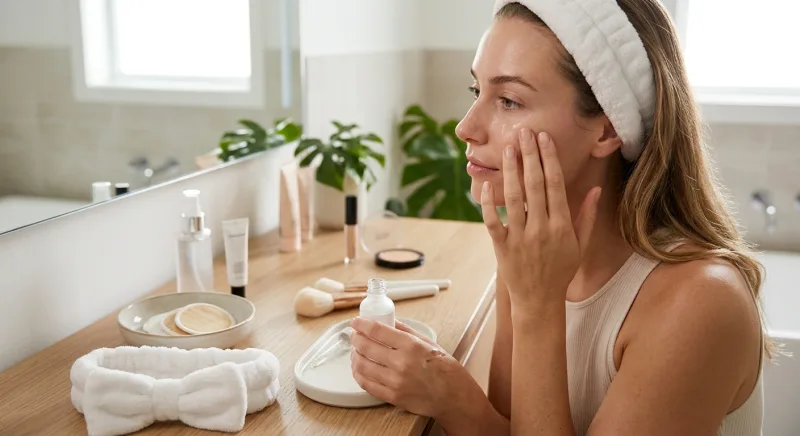
That kind of oversight matters when a tool touches your face regularly. Pairing a cleared device with gentle skin prep gives smoother results and fewer surprises once you start applying color products on top.
Further reading
- Blush Nails Guide 2026: How to Choose, Apply, and Style the Trend
- Lip Stains 101: What They Are and How to Make Them Last
- Liquid Bronzer 101: What It Is and How to Use It the Right Way
- Under Eye Concealer: How to Pick the Right Formula and Shade in 2026
- Body Glaze 101: What It Is, How to Use It, and How to Choose Yours
- Hydrating Lip Oils: What They Are, How They Work, and How to Choose the Right One
- Waterproof Mascara: How It Works, Who It’s For, and How to Remove It Right
- How to Clean Makeup Brushes: The Complete 2026 Guide
Frequently Asked Questions
What is the best makeup guide for beginners to follow first?
The best makeup guide for beginners starts with clean skin, a light moisturizer, and one product at a time. Learn foundation before eyeliner. Add one new step each week. Going slow builds real skill, and it stops you from feeling stuck with too many products and no clear plan.
How do I know my skin type before choosing makeup?
Wash your face, wait an hour, then check how it feels. Tight skin often means dry, shine points to oily, and a mix means combination. This simple wash test is a step dermatology experts recommend before picking skincare or makeup products. (Cleveland Clinic)
How often should I wash my face as a beginner?
Twice a day, plus after sweating, is enough for most people. Use your fingertips instead of a washcloth or sponge, since rough tools can irritate skin. This simple habit also keeps your skin calm and ready for makeup each morning. (American Academy of Dermatology (AAD))
Do I need to remove makeup a special way at night?
Yes. Double cleansing, which means washing twice in a row, removes long-wear makeup and sunscreen more fully than one wash alone. Water alone can leave over half of sunscreen residue behind, while a foaming cleanser or oil clears most of it. (Cleveland Clinic) (PubMed (Journal of Cosmetic Dermatology), 2019)
Can makeup cause skin reactions in beginners?
Yes, it can. Allergic reactions to cosmetics have grown more common, rising from 9.8% of tested patients in one period to 13.9% later on. The face is the most common reaction site, affecting 25.8% of confirmed cases, so patch testing new products is smart. (PubMed (tertiary hospital clinical and epidemiological study), 2016) (PMC (retrospective analysis, allergic contact dermatitis to cosmetics), 2020)
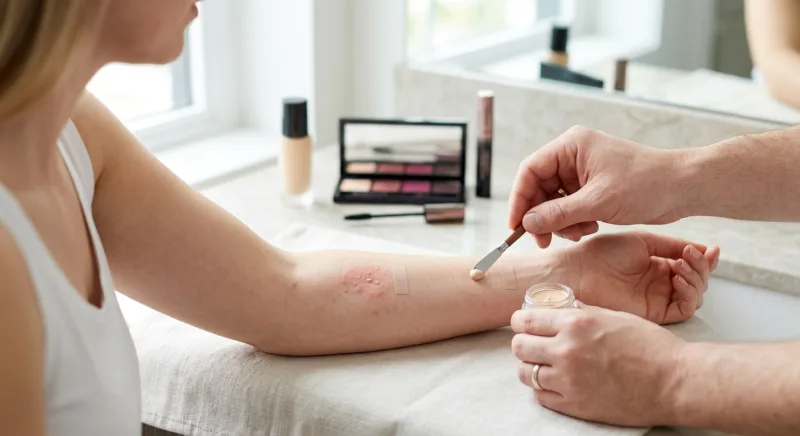
What hygiene habits should every beginner follow with makeup?
Wash your hands before applying makeup, and never share eye products with anyone. These two habits alone cut your risk of eye infections and product contamination by a lot. Keeping brushes and containers clean matters just as much as picking the right shades. (U.S. Food and Drug Administration (FDA)) (U.S. Food and Drug Administration (FDA))
Why does a beginner-friendly makeup guide stress reading labels?
Reading labels helps you spot ingredients your skin may react to before problems start. It also teaches you how to store and use products safely, which lowers contamination risk. Any solid makeup guide for beginners treats label reading as a core skill, not an extra step. (U.S. Food and Drug Administration (FDA))
How long does it take to feel confident using a makeup guide for beginners?
Most people feel steady within a few weeks of daily practice. A good makeup guide for beginners breaks skills into small steps, so progress feels real fast. Repetition, not talent, builds a steady hand. Give yourself patience, and comfort with brushes and blending will come naturally with time.
Key statistics
- A clinical study on sunscreen removal found that for non-waterproof sunscreen, residue left behind was about 54.0% with water alone, versus 15.6% with a foaming cleanser and 13.4% with a cleansing oil. (PubMed (Journal of Cosmetic Dermatology), 2019)
- Allergic contact dermatitis to cosmetics affects makeup application by increasing in prevalence, rising from 9.8% of patch-tested patients in 1996-2004 to 13.9% in 2005-2013. (PubMed (tertiary hospital clinical and epidemiological study), 2016)
- In a study on allergic contact dermatitis to cosmetics, the face was the most common site of reaction, affecting 25.8% of confirmed cases, relevant to where makeup application occurs. (PMC (retrospective analysis, allergic contact dermatitis to cosmetics), 2020)
Expert insights
Exfoliate your face and neck 2-3 times per week,
Bryan Cantor, freelance makeup artist
Make sure you find a brow pencil (or brow gel) that is close to your brow shade, but it doesn't have to match exactly,
Annie Tevelin, makeup artist and founder of SkinOwl
References
- Following basic hygiene practices, such as washing hands before application and never sharing eye cosmetics, helps beginners avoid eye infections and cosmetic contamination. — U.S. Food and Drug Administration (FDA) (Federal regulatory agency providing official safety guidance on eye cosmetics)
- Beginners should read labels, wash hands before applying products, avoid sharing makeup, and keep containers clean to reduce the risk of contamination and irritation. — U.S. Food and Drug Administration (FDA) (Federal regulatory agency; official consumer safety guidelines for cosmetics use)
- Understanding your skin type (dry, oily, normal, combination, or sensitive) as classified by the American Academy of Dermatology helps beginners choose the right skincare and makeup prep routine. — American Academy of Dermatology (AAD) (Leading professional dermatology association; primary source for skin type classification and care guidance)
- Beginners should limit face washing to twice a day and after sweating, using fingertips rather than washcloths or sponges to avoid irritation. — American Academy of Dermatology (AAD) (Professional medical association representing board-certified dermatologists)
- Cleansing twice daily can help unclog pores and reduce oiliness, which is relevant to skin prep before applying foundation and concealer. — American Academy of Dermatology (AAD) (Professional medical association representing board-certified dermatologists)
- Double cleansing at night is recommended to more thoroughly remove long-wear makeup and sunscreen before starting other skincare steps. — Cleveland Clinic (Nonprofit academic medical center with dermatology expertise)
- At-home IPL hair removal devices sold in the US must be cleared by the FDA as substantially equivalent to a predicate device before marketing, based on demonstrated safety and effectiveness data. — U.S. Food and Drug Administration (FDA) (Federal regulatory agency 510(k) clearance decision letter for an IPL hair removal device)
- Identifying your skin type — dry, oily, normal, combination, or sensitive — is the first step recommended by dermatology professionals before choosing skincare or makeup products, and it can be assessed with a simple wash test. — Cleveland Clinic (Health system content reviewed by a dermatology specialist, referencing AAD classification standards)
- Exfoliating the skin removes the layer of dead skin cells that can trap growing hairs, which helps release and prevent ingrown hairs after hair removal. — Cleveland Clinic (Major academic medical center health information page on ingrown hair causes and prevention)
