
hair removal
Laser Hair Removal in 2026: What It Is, What It Costs, and How to Choose
Last updated: November 17, 2026
Laser hair removal uses focused light to damage hair roots and slow growth. You can get treatments in a medical clinic or use home IPL tools. Most people need several visits spaced weeks apart. Your results depend on skin tone, hair color, and device type.
This quick guide explains how it works, what it costs, and how to pick the best choice for your goals | laser hair removal.
What Is Laser Hair Removal and How Does It Work?
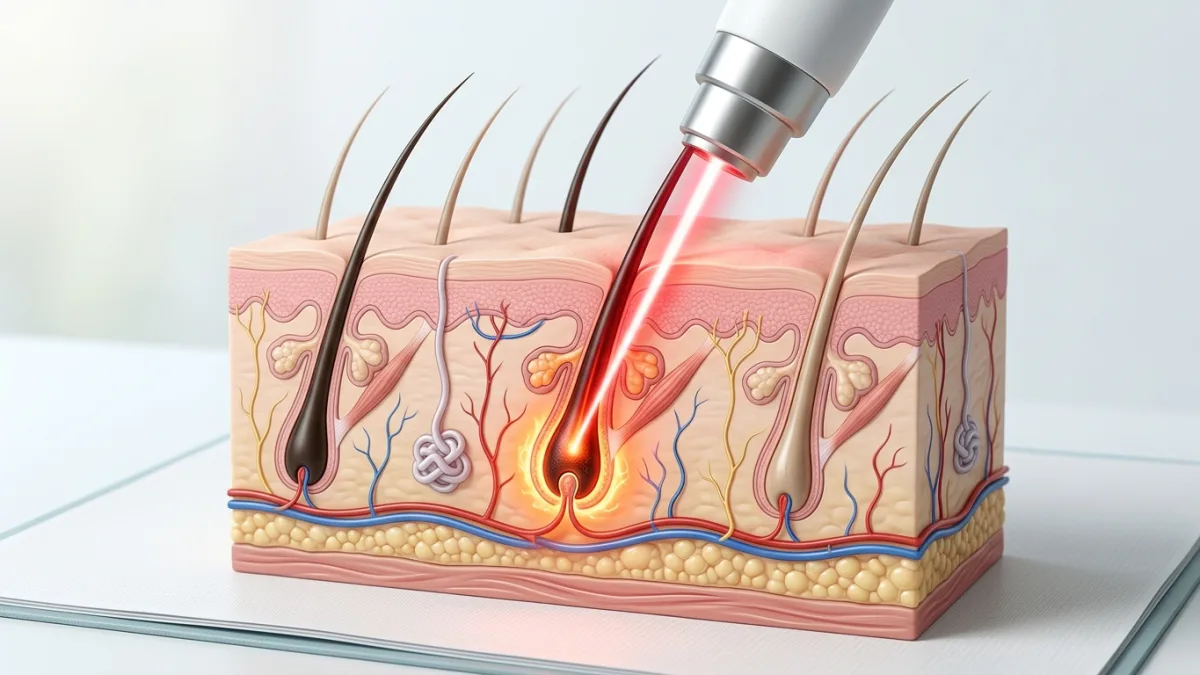
Laser hair removal is a light-based care method. It targets the dark pigment inside hair roots to delay future growth. The light turns to heat in the root, which slows down growth without hurting surrounding skin.
Many people wonder if treatments last forever. According to the Cleveland Clinic, it offers long-term reduction rather than total, permanent removal. You can expect finer, lighter, and sparser hair growth over time.
The Science Behind Laser and IPL Hair Reduction
Both laser and IPL (Intense Pulsed Light) use light energy to slow hair growth. Pigment in the hair shaft absorbs the light. This light transforms into heat, which travels down to weaken the root.
True lasers use a single focused wavelength of light. IPL uses a broader band of light energy. Both choices target active roots to reduce visible body hair.
Professional vs. At-Home Devices
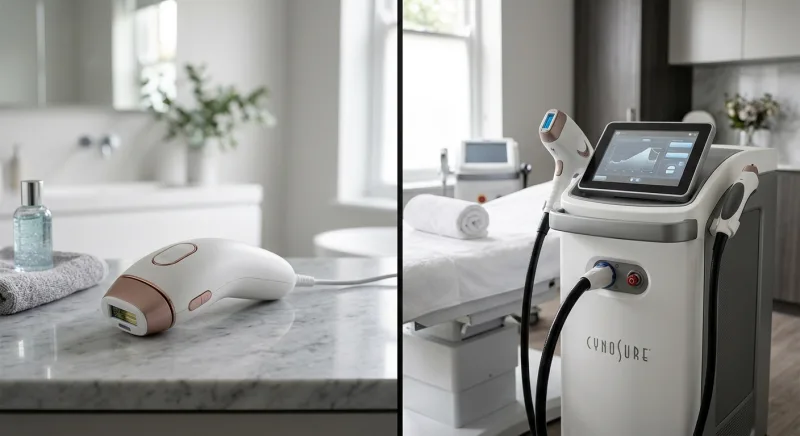
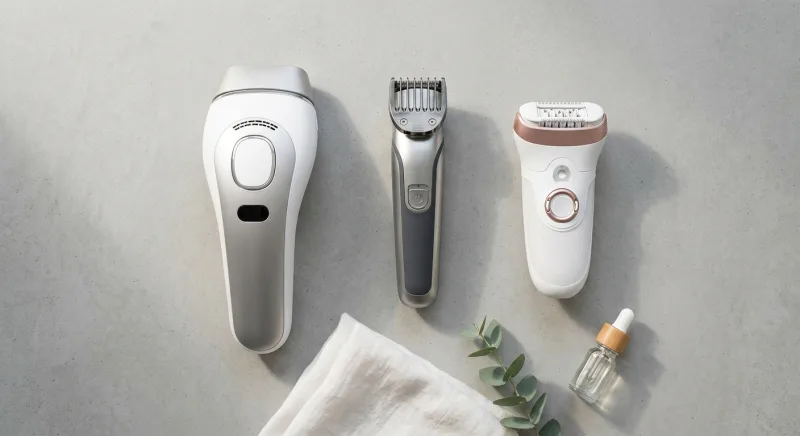
Clinic treatments use high-power gear run by trained pros. Home IPL handsets use lower energy for safe personal use. Bellxi sells painless IPL handsets alongside grooming trimmers and body epilators.
Both choices belong to the broader field of hair removal. Your ideal choice depends on your budget, skin tone, and time.
Is Laser Hair Removal Right for Your Skin and Hair Type?
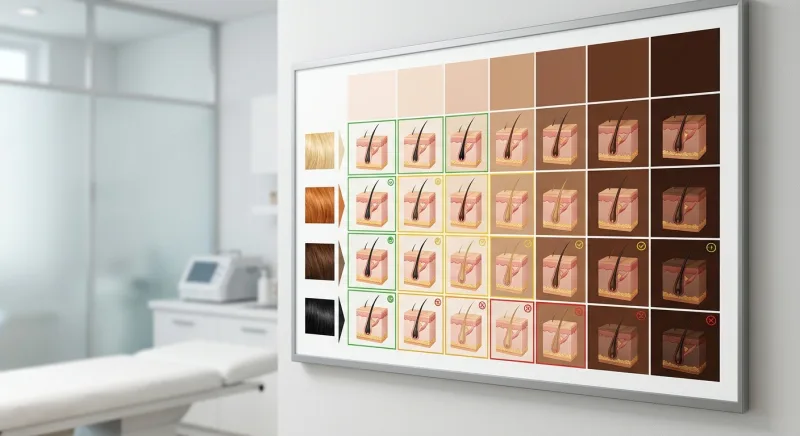
Care works best when there is strong contrast between hair color and skin tone. Strong contrast helps light hit the hair root directly. Research from the Journal of Clinical and Aesthetic Dermatology shows this contrast improves light uptake.
How Skin Tone Affects Results (laser hair removal)
Doctors group skin tones with the Fitzpatrick scale. This scale ranges from very fair skin to deeply dark skin. Early tools worked best on fair skin with dark hair.
Modern home devices match more skin tones than older tools. Bellxi builds IPL devices made to fit diverse skin types safely.
Newer light technology makes treatment safe for darker skin tones as well. Studies in NCBI/PMC show long-wavelength systems safely treat dark skin types.
Hair Color and Texture Considerations
Dark, coarse hair responds best because it holds more pigment. Red, blonde, white, and gray hairs hold less pigment. This makes them harder for light devices to target.
Check maker charts before you shop for any home tool. Matching your hair shade and skin tone ensures the best outcome.
At-Home IPL Devices vs. In-Clinic Laser Treatments
Home IPL tools and clinic devices both reduce body hair. Yet, they differ in price, power, and speed. Clinics offer stronger visits. Home tools offer easy access and lower costs.
| Factor | At-Home IPL (e.g. Bellxi) | In-Clinic Laser |
| Upfront cost | One device purchase | Per-session fee |
| Ongoing cost | Low after purchase | Recurring per visit |
| Sessions needed | Multiple, self-scheduled | Multiple, booked appointments |
| Pain level | Designed to be low/painless | Varies by clinic equipment |
| Convenience | Use at home, any time | Requires travel and booking |
| Guarantee/returns | 30-day risk-free guarantee (Bellxi) | Not published |
| Shipping/access | Ships within 24 hours (Bellxi) | Not published |
Cost Differences Over Time
In-clinic care charges by session and body area. Costs stack up fast over a full course. Home tools require one upfront payment for endless routine use.
Convenience and Time Commitment
Clinic visits require booking around open slots and traveling. Home tools let you treat skin on your own schedule. This simple convenience makes home care popular.
Pain Levels Compared
Feelings during sessions depend on tool power and skin spot. Clinic tools use high power that feels like a quick snap. Home tools use mild settings for comfortable care.
“Yes, at-home laser hair removal can work for some people with long-term consistent use—but they’re much less powerful than professional treatments.” — Dr. Chelsea Hoffman, Board-certified dermatologist at Hudson Dermatology and Laser Surgery
What Does a Laser Hair Removal Session Actually Involve?
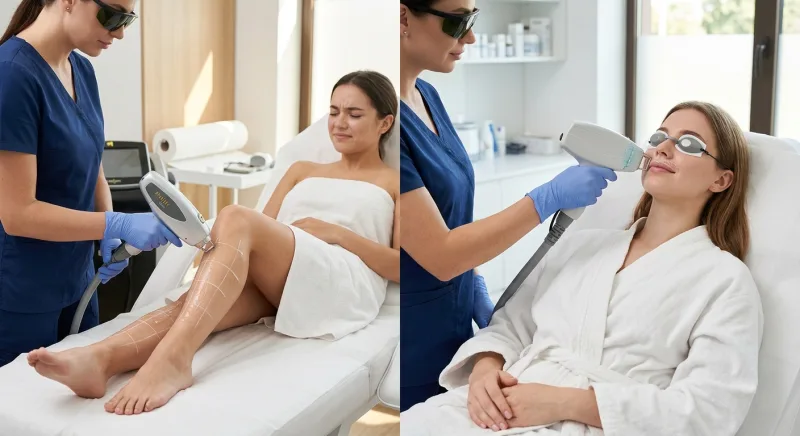
A typical session includes prepping the skin, flashing light on treatment zones, and doing simple aftercare. Steps stay mostly the same at home or in a clinic setting.
Before Your First Session
Before any session, shave the skin and stay out of direct sun. Guidance from the American Academy of Dermatology recommends avoiding tanning beds before treatment. Test a small spot first.
During Treatment
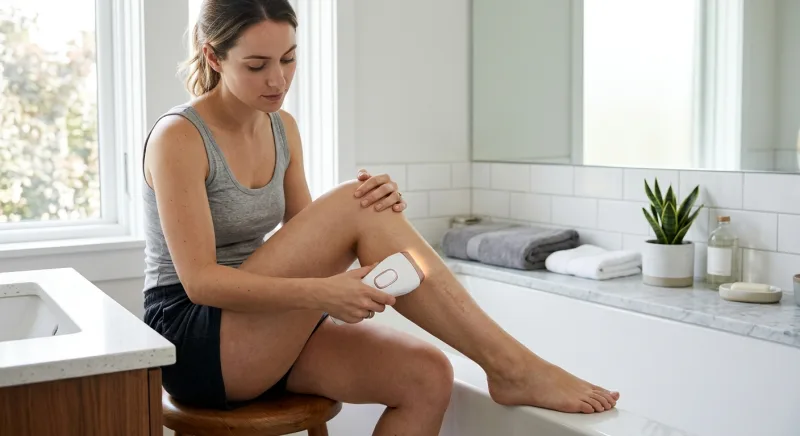
The device delivers steady light pulses across target zones. Small spots like underarms take just a few minutes. Large zones like legs take longer.
Most users feel a warm, light snap against the skin. Quality home handsets keep this feeling soft and easy to manage throughout your session.
Aftercare Steps
Skin may look slightly pink or feel warm after care. Keep skin out of direct sun and skip harsh scrubs for a few days. Soothing moisturizers help calm treated skin.
How Many Sessions Do You Need to See Results From Laser Hair Removal?
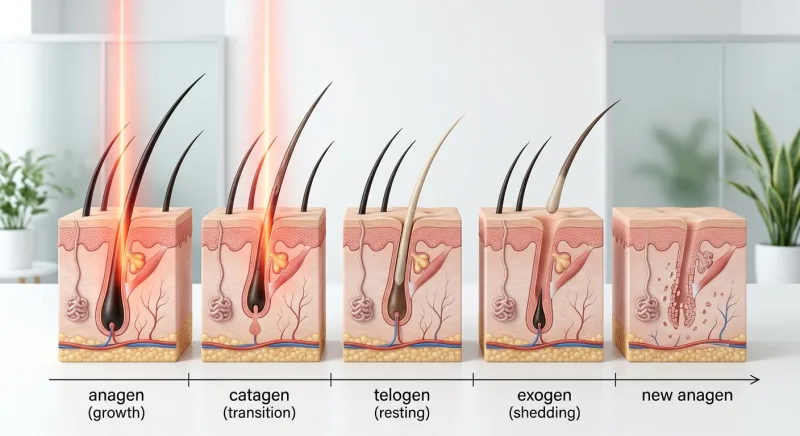
Most people need several sessions spaced weeks apart. Light only damages hair roots during their active growth phase. Spaced sessions catch new hairs as they grow.
According to PubMed clinical trials, most patients achieve 75% to 100% hair clearance after 4 to 8 full treatments.
Typical Treatment Timelines
Long-term reduction takes time and steady effort. Spacing visits every four to six weeks lets resting roots enter active growth before your next pass.
Why Hair Growth Cycles Matter
Hair grows in three key stages: anagen, catagen, and telogen. Light treatments only work during the active anagen stage.
- Anagen: the active growth stage when hair roots respond to light
- Catagen: a short transition stage where growth stops
- Telogen: the resting stage when roots stay unaffected
- Shedding: old hair falls out from the follicle
- Repeat sessions: timed to catch roots as they enter active growth
Does Laser Hair Removal Hurt, and Is It Safe?
Care causes mild feelings like warmth or a soft rubber-band flick. Safety relies on picking correct energy levels for your skin tone and following guidelines.

Common Side Effects ( laser hair removal )
Mild redness and light swelling are common side effects. They clear up within a couple of days. Blisters or color shifts are rare when proper steps are taken.
Who Should Avoid Laser Hair Removal
Pregnant individuals and people on light-sensitive drugs should skip treatments. Sun-tanned skin also needs time to fade before care. Always check health guidelines first.
The U.S. FDA regulates home light tools for user safety. Checking for official clearance gives peace of mind before purchase.
How Much Does Laser Hair Removal Cost?
Costs vary based on clinic fees versus home device prices. Clinics charge per area and session. Home handsets require one simple purchase.
Clinic Pricing by Body Area
Clinic fees depend on zone size. Large areas like legs cost more than small spots like upper lips. Clinics require a series of paid visits to complete care.
Professional care costs add up across several visits. Total expenses often reach hundreds or thousands over time.
Long-Term Cost of At-Home Devices (laser hair removal)
Home handsets cost more upfront than one single clinic visit. Yet, over two to three years, they save significant money. Bellxi ships orders within 24 hours with a 30-day trial guarantee.
| Body Area | Clinic Price Range (per session) | At-Home Device Cost (2-year estimate) |
| Underarms | $75 – $150 | Included in device purchase |
| Legs (full) | $250 – $500 | Included in device purchase |
| Bikini line | $100 – $250 | Included in device purchase |
| Face/upper lip | $50 – $100 | Included in device purchase |
Bellxi users integrate IPL into their home routines. Quick shipping and a 30-day money-back window make starting easy and risk-free.
How to Choose the Right Laser Hair Removal Device for Your Routine
Laser hair removal: Choosing the right device means matching skin tone and hair color to tool specs. Checking details before buying saves time and money.
Matching Devices to Your Skin Type
Identify your skin tone on the Fitzpatrick chart and check your hair color. Bellxi stocks handsets made for various skin tones to make picking simple.
What to Look for Before You Buy
Check return policies, shipping times, and skin safety charts before buying. Bellxi offers 24-hour shipping and a 30-day guarantee to protect your order.
- Confirm the device matches your skin tone and hair shade
- Check guarantee and return terms prior to purchase
- Review delivery times to begin your routine quickly
- Check device lifespan or total light flashes included

- Select tool intensity levels suitable for tender skin zones
Bellxi offers smooth IPL handsets, precision trimmers, and epilators for complete grooming. Visit bellxi.com to explore home beauty care today.
Laser Hair Removal vs. Waxing: Which Lasts Longer?
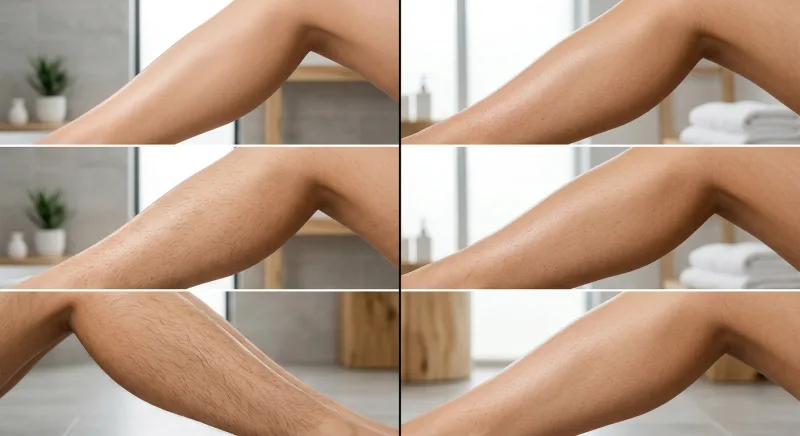
Laser hair removal lasts longer than waxing because it disables hair roots. Waxing pulls hair from the follicle without slowing regrowth. Light treatments weaken hair roots for long-term smoothness.
Waxing requires endless sessions every few weeks. Light treatments require visits early on, followed by rare maintenance passes. This saves time over years of care.
Frequently Asked Questions About Laser Hair Removal
Is laser hair removal permanent?
It provides long-term hair reduction, not guaranteed permanent removal. Most people see far less hair after finishing a full session course. Occasional touch-ups keep skin smooth. laser hair removal
Can I do laser hair removal at home safely?
Yes, at-home care is safe when following maker directions and skin charts. Bellxi IPL tools offer gentle, easy home care across matching skin types. laser hair removal
Does clinic care hurt more than at-home IPL devices? (laser hair removal)
Clinic systems use higher power, which can feel sharper on sensitive skin. Home IPL handsets use gentle settings designed for easy, low-pain self-care. laser hair removal
How much does care cost compared to at-home devices? (laser hair removal)
Clinic care costs money for every single visit and area. Home IPL handsets use one purchase price for full long-term body treatments.
Which skin tones and hair colors respond best?
Dark hair on fair skin yields the fastest results due to high light contrast. Newer devices and home handsets work safely across wider skin tone ranges. laser hair removal
Professional Laser vs. At-Home IPL: A Side-by-Side Comparison
Choosing between clinic care and home tools comes down to cost, comfort, and schedule. The chart below shows key details to guide your decision.
| Factor | Professional Clinic Laser | At-Home IPL Devices (e.g., Bellxi) |
|---|---|---|
| Upfront Cost | Higher, paid per session over multiple visits | One-time device purchase |
| Convenience | Requires scheduled clinic appointments | Use at home on your own schedule |
| Comfort Level | Can involve stronger sensations on sensitive areas | Designed for a gentler, painless experience |
| Treatment Oversight | Performed by trained technicians | Self-administered, following included guidelines |
| Maintenance | Occasional touch-up visits recommended | Ongoing sessions as needed at home |
| Skin Tone Range | Varies by clinic technology | Designed for a range of skin types |
Both methods offer great hair reduction when used steadily. Your choice depends on your budget, schedule, and personal preference.
Key statistics: laser hair removal
- A meta-analysis of laser trials found hair reduction rates of 57.5%, 42.3%, 54.7%, and 52.8% after three treatments for diode, Nd:YAG, alexandrite, and ruby lasers. (PubMed / NIH, 2007)
- In a two-center study of 948 patients with skin types I-IV, 74% received 75-100% hair clearance as reported by doctors. (PubMed / NIH, 2019)
- Diode light systems show hair reduction rates ranging from 65% to 75% at three months post-treatment. (NCBI / PMC NIH, 2020)
References
- Alexandrite systems offer deeper light reach, making them suitable for Fitzpatrick types I-IV. — NCBI/PMC (NIH) (Peer-reviewed NIH dermatology review)
- Diode light technology is well-tolerated on darker skin types V-VI due to longer wavelengths and active cooling. — NCBI/PMC (NIH) (Peer-reviewed NIH dermatology review)
- The global hair removal market is projected to reach USD 2.13 billion by 2030, growing at a 9.59% CAGR. — Mordor Intelligence (Market research industry report)
- Longer-wavelength lasers like Nd:YAG protect epidermal melanin in dark skin tones during treatment. — NCBI/PMC (NIH) (Peer-reviewed clinical review)
Clinical Evidence and Safety Guidelines for Laser Hair Removal
Understanding the underlying science of laser hair removal is essential for evaluating its long-term safety and effectiveness. The fundamental mechanism behind modern laser hair removal is selective photothermolysis. This biophysical process delivers a specific wavelength of light to target melanin inside the hair follicle without inducing thermal damage to surrounding dermal tissues. By focusing thermal energy directly into the bulb, laser hair removal destroys the vital stem cells responsible for active growth during the anagen phase.
Different clinical parameters must be adjusted according to an individual’s specific skin type. Clinical guidance from the American Academy of Dermatology (AAD) emphasizes that matching the correct laser wavelength to a patient’s Fitzpatrick skin type drastically minimizes potential side effects like post-treatment erythema or hyperpigmentation. For darker skin tones rich in epidermal melanin, long-pulsed Nd:YAG lasers (1064 nm) are preferred to safely bypass surface pigment and reach the deep-seated hair follicle. Conversely, Alexandrite (755 nm) and Diode (810 nm) systems remain optimal choices for lighter skin type profiles with dark target hair.
According to a comprehensive network meta-analysis published on PubMed, multi-session laser hair removal consistently yields significant reductions in total hair density over extended follow-up periods. Extensive research archived in the National Center for Biotechnology Information (NCBI) Bookshelf notes that most patients achieve durable hair reduction after 4 to 6 structured treatment sessions spaced weeks apart. This spacing is critical because laser hair removal only disrupts active follicles containing sufficient concentrations of melanin.
From a regulatory and medical standpoint, safety precautions are crucial for avoiding adverse reactions. The U.S. Food and Drug Administration (FDA) highlights that device classification and proper clinical oversight ensure that energy fluences properly target the hair follicle without thermal dissipation into neighboring cells. When executed under medical protocols tailored to your unique skin type and hair color, laser hair removal remains one of the most reliable, dermatologically validated methods for long-term hair reduction.
