
Skincare tools & devices
Dermaplaning Tools: The Complete Guide to Choosing, Using, and Caring for Them
Last updated: November 3, 2026
Dermaplaning tools are handheld devices that scrape away dead skin and peach fuzz (fine, soft facial hair known as vellus hair) using a fine blade or blade-like edge. The best dermaplaning tools range from professional single-edge blades to beginner-friendly electric devices.
Your right pick depends on skin type, budget, and how much control you want during use.
What Are Dermaplaning Tools and Which One Should You Use?
Dermaplaning tools are simple by design: a blade, a handle, and sometimes a safety guard. They glide across the skin at a shallow angle to lift off dead cells and fine hair.
This process, called exfoliation (removing the outer layer of dead skin cells to reveal smoother skin underneath), leaves skin looking brighter right away. Choosing between tool types comes down to comfort, precision, and how often you plan to use them.
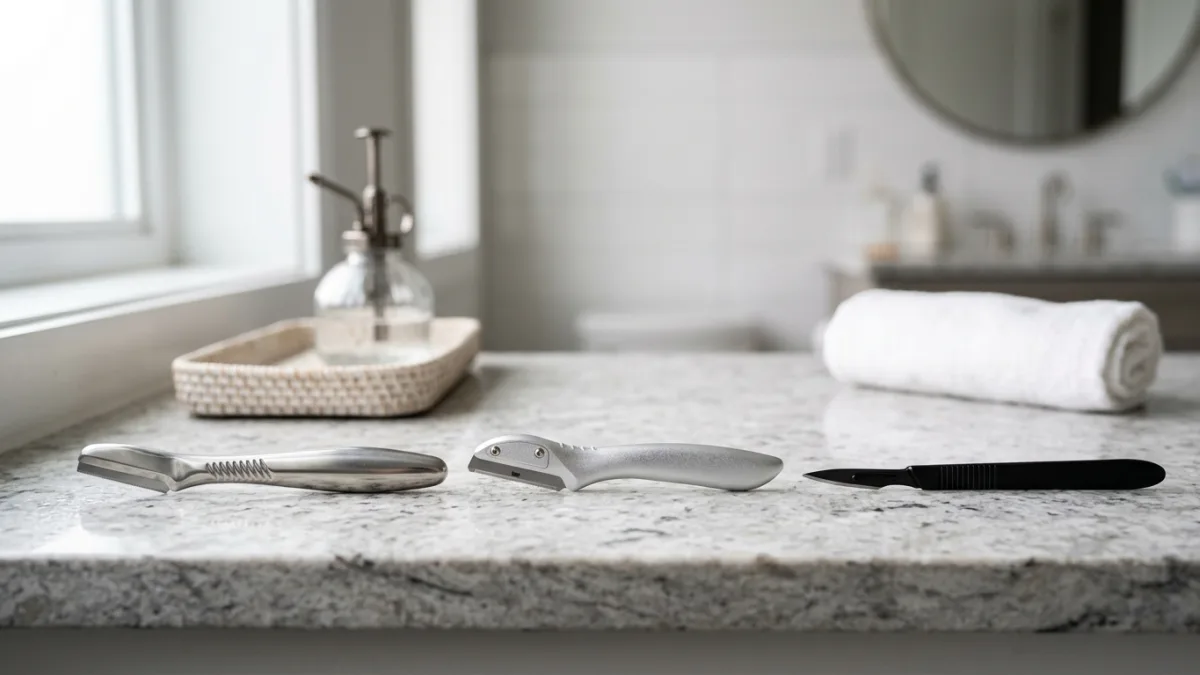
There are three main kinds of dermaplaning tools on the market today. Pro-grade blades give the most control but need a steady hand. Electric dermaplaning tools add a shaking head for safer, easier use. Throwaway razor-style tools sit in between, with low cost and fair results for casual users.
Bellxi carries options in all three groups, so shoppers can match a tool to their comfort level instead of settling for one type for everyone.
Types of dermaplaning tools at a glance
Each type of dermaplaning tool trades off precision against ease of use. Blades cut closest to the skin but carry more risk if handled wrong. Electric dermaplaning tools use oscillating heads to reduce nicks. Disposable versions are the simplest choice for people testing dermaplaning tools for the first time.
| Tool Type | Precision | Cost | Best Skin Type | Reusable |
| Professional single-edge blade | Very high, needs skill | Low per blade, ongoing cost | Normal to oily skin | No, single-use blade |
| Electric dermaplaning tool | Moderate, beginner-friendly | Higher upfront, lower ongoing | Sensitive or mature skin | Yes, replaceable heads |
| Disposable razor-style tool | Moderate | Low, budget-friendly | Normal skin, casual use | No, discard after use |
Who each tool type suits best
People with steady hands and some skill often like pro blades better. Beginners and those with sensitive skin tend to do better with electric dermaplaning tools, since the guard cuts down on pressure right on the skin.
Casual users who want an occasional touch-up may find throwaway tools are enough for their needs. Bellxi‘s range covers every device type for every skin type, which helps first-time buyers skip the guesswork.
Professional Dermaplaning Blades vs. At-Home Dermaplaning Tools
Pro dermaplaning blades and at-home dermaplaning tools differ mainly in edge sharpness and safety margin. Skin experts use top-grade blades with no guard, angled just right against tight skin.
At-home dermaplaning tools usually come with a guard or moving head, trading some precision for a wider safety margin suited to solo use.
Single-edge surgical blades
Single-edge surgical blades are the sharpest dermaplaning tools you can get. They cut close to the skin, which is why skin pros train hard to use them safely. At home, these blades call for care, a steady angle, and good light.
They’re best left to people who already know how to handle blades from other grooming habits.
Electric dermaplaning devices
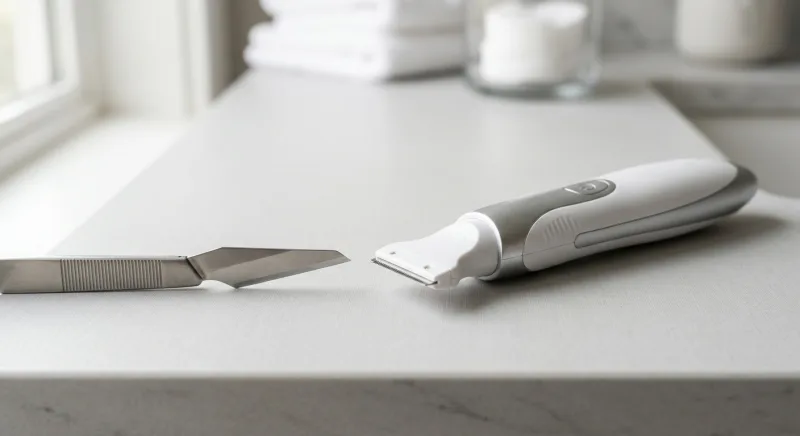
Electric dermaplaning tools use a vibrating or oscillating head behind a protective guard. This design lowers the chance of cuts while still lifting dead skin and fine hair.
Many beginners find electric dermaplaning tools easier to control, since the motion does some of the work instead of relying purely on hand pressure.
Disposable razor-style tools
Throwaway razor-style dermaplaning tools look much like eyebrow shapers but with a wider blade. They’re meant for one or two uses before you toss them, which keeps the edge sharp and cuts the risk of germs.
These tools suit people who want to try dermaplaning tools without buying an electric device right away.
How to Choose the Right Dermaplaning Tool for Your Skin Type
Picking dermaplaning tools starts with knowing your skin type and how sensitive it is. Blade angle, guard presence, handle grip, and cleanliness all play a part in which tool works best.
Bellxi builds its range around the idea that every device type suits a different skin type, so buyers aren’t forced into just one format.
Sensitive or acne-prone skin
Sensitive or acne-prone skin often does better with guarded dermaplaning tools. A guard limits how close the blade sits to the skin, lowering the risk of irritation.
People with active breakouts should avoid dermaplaning tools over swollen areas entirely, since scraping off dead skin can spread germs and make redness worse.
Mature or thin skin
Mature or thin skin can be more prone to nicking, so a lighter touch matters. Electric dermaplaning tools with adjustable settings tend to work well here. The oscillating head reduces the pressure needed, which helps protect skin that has lost some of its natural elasticity over time.
Oily and combination skin
Oily and combination skin can usually handle sharper, single-edge dermaplaning tools without much irritation. The extra oil on the skin’s top layer can also help the blade glide more smoothly. Still, cleaning the tool before and after use matters more here, since oil and germs can build up faster.

Manual vs Electric Dermaplaning Tools: A Side-by-Side Comparison
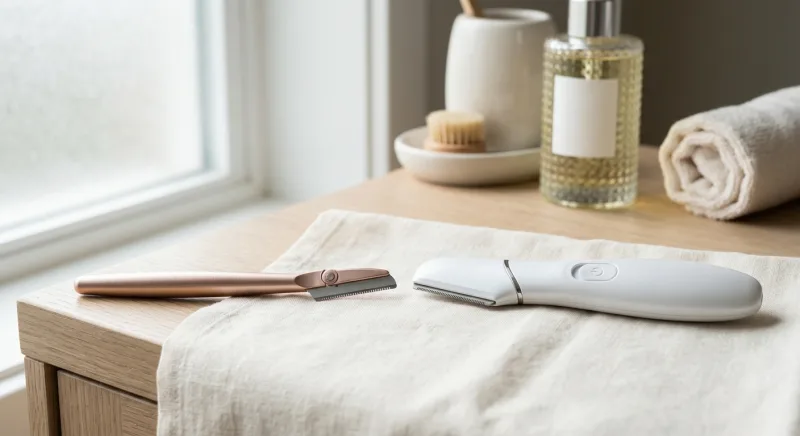
Choosing between manual and electric dermaplaning tools often comes down to control versus ease of use. Manual tools give a closer feel for pressure and angle. Electric versions handle the motion for you, which can help beginners still building trust in their skill.
| Feature | Manual Dermaplaning Tools | Electric Dermaplaning Tools |
|---|---|---|
| Control level | High, fully hand-guided | Moderate, motor-assisted |
| Learning curve | Steeper for beginners | Gentler, more forgiving |
| Typical cost | Lower upfront cost | Higher upfront cost |
| Maintenance | Replace blades regularly | Replace heads or charge battery |
| Best for | Experienced users, precision areas | Beginners, larger facial areas |
Neither choice is better for everyone. Some people keep both kinds of dermaplaning tools on hand, using the electric version for regular use and the manual blade for fine work around the brows or hairline.
Comparing Blade Types Used in Dermaplaning Tools
The blade is maybe the most important part of any dermaplaning tool. Different blade styles change how the tool feels on skin and how often it needs a new one. Knowing these differences helps narrow down which dermaplaning tools fit a certain routine.
| Blade Type | Sharpness | Replacement Frequency | Common Use |
|---|---|---|---|
| Single-edge disposable | Very sharp | After each use | Precision, hygiene-focused routines |
| Reusable stainless blade | Sharp, dulls gradually | Every few weeks | Frequent at-home sessions |
| Oscillating head blade | Moderate, consistent | Every one to two months | Sensitive or beginner use |
Throw-away single-edge blades are common in pro settings because they get rid of the risk of germs spreading between people entirely. Reusable blades found in many at-home dermaplaning tools cost less over time but need careful cleaning between uses.
Moving heads, often built into electric dermaplaning tools, trade some sharpness for added safety. This makes them a fair starting point for anyone still learning the right blade angle and pressure.
How to Maintain and Store Dermaplaning Tools Properly
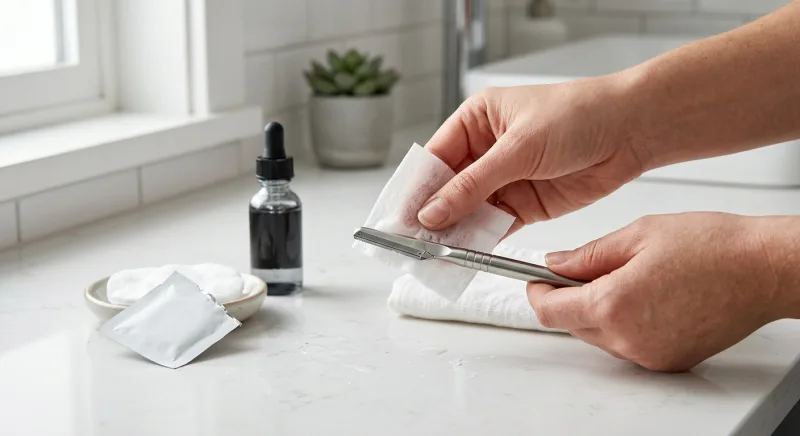
Proper care makes dermaplaning tools last longer and keeps skin safe from germs. Cleaning steps are a bit different between hand-held and electric versions, but the main ideas stay the same.
- Wipe blades with isopropyl alcohol before and after every session
- Store tools in a dry case away from bathroom humidity
- Replace blades at the first sign of dullness or dragging
- Avoid sharing tools, even within the same household
- Check charging ports on electric models for moisture buildup
Damp air is one of the biggest threats to how long a blade lasts. Storing tools in the bathroom might feel handy, but it can speed up rust on lower-quality dermaplaning tools. A small drawer or cabinet away from steam works better.
Common Mistakes People Make With Dermaplaning Tools
Even good dermaplaning tools can cause problems when used the wrong way. Most mistakes come down to pressure, angle, or skipping steps that protect skin during the process.
- Pressing too hard instead of letting the blade glide
- Skipping cleansing before starting a session
- Using a dull blade past its recommended lifespan
- Dermaplaning over active breakouts or irritated patches
- Holding the tool at too steep an angle
A forty-five degree angle is often best for most dermaplaning tools, though small changes may be needed around curves like the jawline or nose. Going slower with a light touch usually works better than rushing through a session.
Skin that feels tight, red, or unusually sensitive after a session may signal that the tool was too aggressive for that skin type. Switching to a gentler blade style often resolves the issue.
Read the complete guide: Skincare Tools and Devices Guide: Stop Buying the Wrong One
Frequently Asked Questions
How often should dermaplaning tools be used at home?
Most people find that once every three to four weeks works well for at-home use. This mirrors the natural skin cell turnover cycle. Using these devices too frequently can lead to irritation, so spacing out sessions is important for maintaining healthy skin.
Are dermaplaning tools safe for sensitive skin?
Many gentler blade options are designed with sensitive skin in mind. Choosing a tool with a rounded edge and going slowly can reduce the risk of redness or nicks. Anyone with active conditions like eczema should consult a dermatologist first.
Can dermaplaning tools cause hair to grow back thicker?
No, this is a common myth. Removing peach fuzz with these blades does not change hair thickness or growth rate. Facial hair grows back with the same fine texture it had before, since the follicle itself remains unaffected by surface-level exfoliation.
What is the difference between professional and at-home dermaplaning tools?
Pro versions used by skin experts often have top-grade blades and give more exact control for deeper skin smoothing. At-home dermaplaning tools are built with safety guards and throw-away edges, making them softer and easier for beginners working without formal training.
How long do the blades on these devices typically last?
Most disposable blades are designed for three to four uses before they become dull. Continuing to use a worn blade increases the chance of dragging or irritating the skin. Replacing blades regularly keeps sessions smooth and reduces the risk of nicks.
Can makeup be applied right after using dermaplaning tools?
Yes, many people notice makeup applies more smoothly afterward since dead skin and fine hair are removed. It is best to wait a few minutes and apply a light moisturizer first, allowing the skin to settle before adding foundation or other products.
Do dermaplaning tools work on all skin tones?
Yes, these devices are generally suitable for all skin tones. Since the process only removes surface hair and dead skin, it does not target pigment. Anyone prone to keloid scarring or active acne should still check with a skincare professional beforehand.
