
Makeup
Waterproof Mascara: How It Works, Who It’s For, and How to Remove It Right
Last updated: November 3, 2026
Waterproof mascara is a long-wear formula made from water-resistant polymers (chain-like bits that link up to form a bendy, water-repelling film) instead of the water-soluble waxes used in regular mascara. It stays put through sweat, damp air, and tears without smudging or running.
It usually needs an oil-based remover to come off without tugging at your lashes.
If you have ever cried at a wedding, sweated through a workout, or gotten caught in the rain, you know the panic of mascara running down your face. Waterproof mascara exists to stop that.
But it also raises questions: how does it actually work, is it safe for your lashes, and how do you get it off at the end of the day? This guide walks through all of it, from the chemistry to the cleanup.
What Is Waterproof Mascara and How Does It Actually Work?
Waterproof mascara is a formula made to resist water, sweat, and tears without smudging or flaking off. It swaps out water-soluble waxes for water-repelling ingredients that coat each lash in a flexible film.
That film is what lets waterproof mascara survive a swim, a cry, or a humid afternoon without sliding down your face.
Plain mascara uses waxes and color held in water. Waterproof mascara swaps out most of that water base for oils and solvents, so there is nothing for real water to dissolve.
That is the whole trick behind waterproof mascara: it is made to push away the very thing that ruins plain formulas.
What makes a formula “waterproof” vs. “water-resistant”
“Waterproof” and “water-resistant” get used loosely on mascara labels, and the difference matters. Waterproof mascara is made to hold through heavy wetness like swimming, crying, or a downpour.
Water-resistant formulas can handle light damp air or a few tears but are more likely to smudge under long exposure.
Brands are not required to use these terms in a standardized way, so the safest approach is to test a new waterproof mascara before a big event. Wear it through a normal day first. That way you know how your specific formula behaves before you trust it somewhere important.
The role of silicones and polymers in wear time
Silicone polymer (a synthetic ingredient that forms a smooth, bendable coating around each lash) is one of the main reasons waterproof mascara lasts so long. It creates a barrier that water simply cannot break down.
That barrier is also why waterproof mascara feels a bit different going on and coming off.
Other formulas lean on film-forming agents that harden slightly once they dry. This is what gives waterproof mascara its curl-holding power and its resistance to smudging under the eyes. The tradeoff is that these same ingredients can make the formula harder to remove with just soap and water.
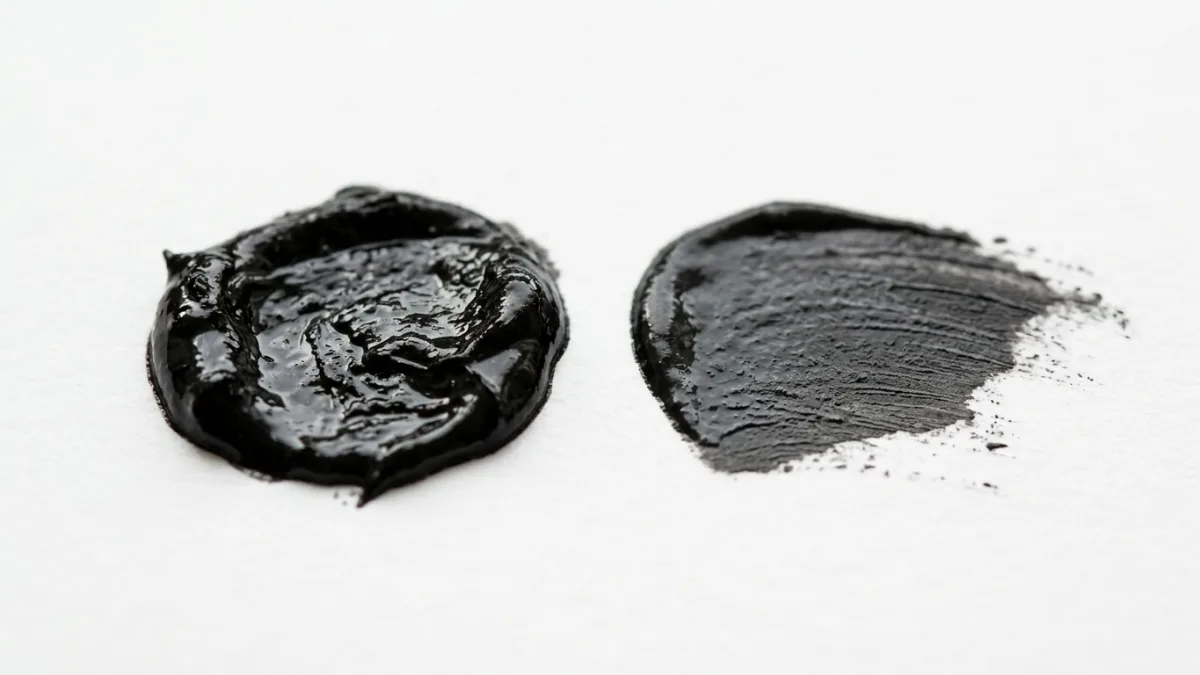
Is Waterproof Mascara Really Waterproof?
Waterproof mascara is not fully unbreakable, even though the name suggests it is. It stands up well to sweat, damp air, and tears.
But it can still break down under rubbing, heavy oil, or long time underwater, so “waterproof” is more about holding up than never failing at all.
What it can withstand (sweat, humidity, tears)
Waterproof mascara handles the everyday moisture triggers well. A sweaty workout, a humid commute, or a wave of tears at a movie will not usually break down a properly applied coat.

This is the scenario waterproof mascara was built for, and it is where the formula performs closest to its promise.
- Light to moderate sweating during exercise or hot weather
- Humidity from outdoor events, travel, or steamy rooms
- Emotional tears at weddings, movies, or graduations
- Brief water exposure, like light rain or a splash of water
In each of these cases, waterproof mascara is doing exactly what it was designed to do. The polymer film holds firm because water alone cannot dissolve it. That is the core strength of waterproof mascara over a standard formula.
Where it still fails (rubbing, oil-based products)
Waterproof mascara starts to fail once oil or friction gets involved. Rubbing your eyes, using an oily face cream near the lash line, or swimming for a long stretch can all break down the film.
That is because the same oils that remove waterproof mascara at night can loosen it during the day too.
This is worth knowing before a big day. If your skincare routine includes rich oils or balms near the eyes, apply them before mascara, not after. Waterproof mascara lasts longest when it goes on last, over clean, oil-free lids.
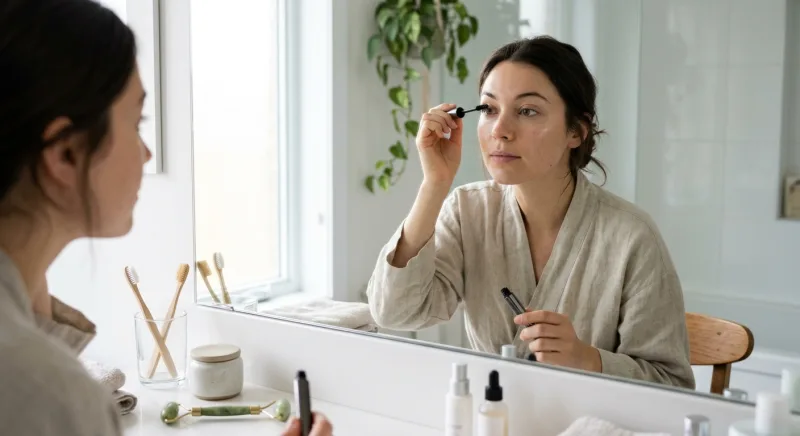
Waterproof vs. Regular Mascara: Key Differences
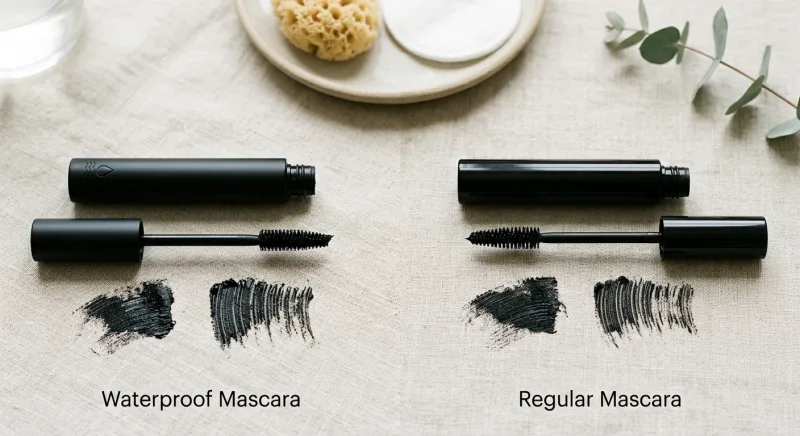
Waterproof mascara and regular mascara differ mainly in wear time, texture, and how you take them off. Waterproof mascara trades a lighter feel for stronger hold, while regular mascara is easier to remove but breaks down faster around moisture. Picking between them comes down to what your day actually requires.
Wear time and smudge resistance
Waterproof mascara is built to outlast a full day of activity, heat, or emotion without smudging. Regular mascara can start to flake or transfer under the eyes after just a few hours in humid or sweaty conditions.
This gap in staying power is the main reason people reach for waterproof mascara in the first place.
Formula texture and application feel
Plain mascara often feels lighter and softer on the lash, since it has more water and fewer stiffening agents. Waterproof mascara can feel a bit stiffer once it sets, because the film-forming parts dry harder.
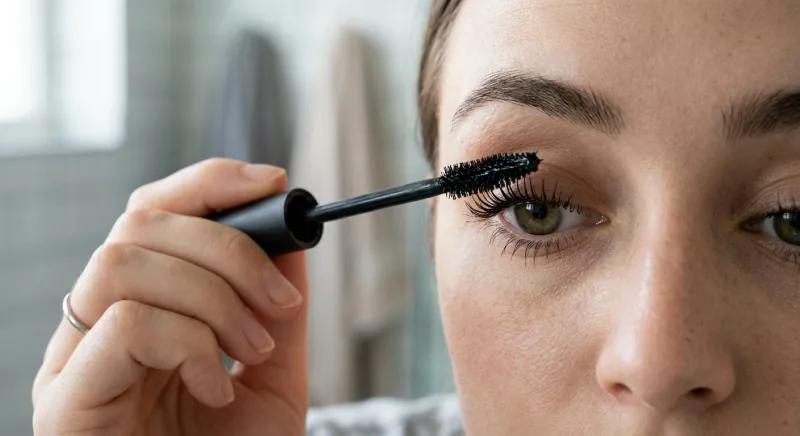
Some people notice their lashes feel a bit more brittle by the end of a day wearing waterproof mascara.
Who should choose which
Waterproof mascara makes sense for workouts, humid climates, weddings, and any day with a high chance of tears. Regular mascara suits daily office wear, dry climates, and anyone who wants an easier bedtime cleanup. Many people keep both on hand and choose depending on the day ahead.
| Feature | Waterproof Mascara | Regular Mascara |
|---|---|---|
| Wear time in heat or humidity | Long-lasting, resists smudging | Shorter, more prone to smudging |
| Removal method | Usually needs an oil-based remover | Comes off with water or gentle cleanser |
| Best use case | Workouts, weddings, humid weather, crying-prone events | Everyday wear, dry climates, quick touch-ups |
| Texture on lashes | Firmer, can feel stiffer by day’s end | Lighter, more flexible feel |
| Lash flexibility risk | May feel more brittle with frequent use | Generally softer on lashes |
Who Should Use Waterproof Mascara?
Waterproof mascara works best for people with oily lids, watery eyes, or active, humid lifestyles. It is also the safer pick for emotional events or long days without a mirror to check for smudges.
If none of those apply to you often, regular mascara may serve you just as well with less removal effort.
Best for oily lids, watery eyes, humid or active lifestyles
Oily eyelids wear down regular mascara fast, since natural oils break apart the water-soluble waxes inside it. Waterproof mascara stands up to that breakdown much better. The same is true for people whose eyes water a lot, since even normal tearing can smear a non-waterproof formula through the day.
- People with naturally oily eyelids or combination skin
- Anyone prone to watery eyes from allergies or sensitivity
- Runners, swimmers, and gym-goers who sweat heavily
- People living in hot, humid, or tropical climates
- Anyone attending weddings, graduations, or other emotional events
When to skip it (dry lash concerns, frequent reapplication days)
Waterproof mascara is not the best fit for daily wear if your lashes are already dry or weak. The harder removal needed for waterproof mascara can add extra strain to weak lashes over time. It is also less handy on days when you expect to put on mascara often.
If you touch up your makeup several times a day, a lighter regular formula is easier to layer without buildup. Save waterproof mascara for days when long wear matters more than easy touch-ups. Rotating between the two based on your day is a simple way to protect lash health.
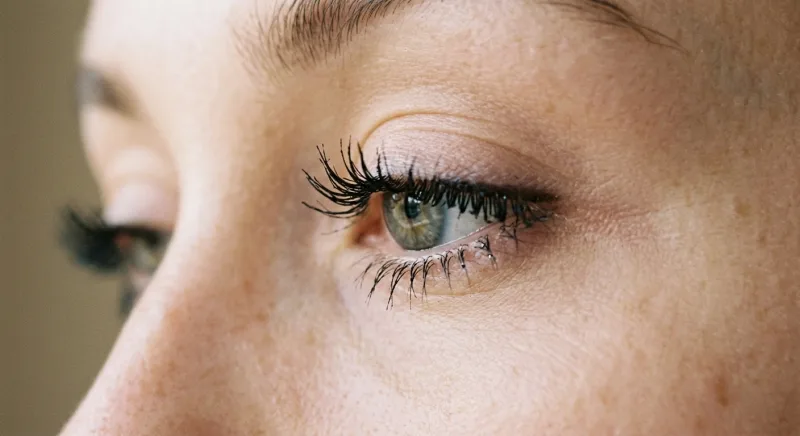
Waterproof Mascara vs Regular Mascara: A Side-by-Side Comparison
Choosing between waterproof mascara and a plain formula often comes down to daily needs. The table below shows the key differences so you can decide which works better for your routine.
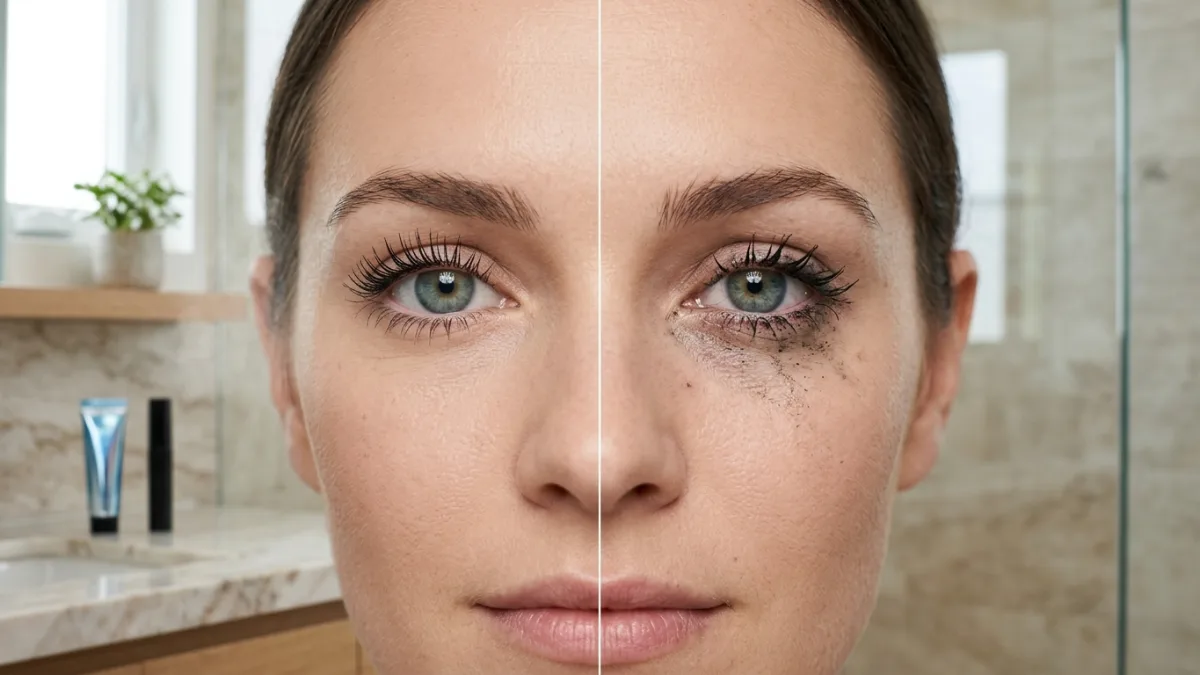
| Feature | Waterproof Mascara | Regular Mascara |
|---|---|---|
| Water resistance | Holds up against rain, tears, sweat | Smudges or runs when wet |
| Wear time | Long-lasting, minimal touch-ups needed | May need reapplication throughout the day |
| Removal | Requires oil-based remover | Removes easily with water or mild cleanser |
| Texture | Often drier, can feel stiffer on lashes | Typically creamier and more flexible |
| Best use case | Workouts, humid weather, emotional events | Everyday wear, frequent reapplication |
| Lash health impact | Can dry lashes with frequent use | Gentler with regular removal habits |
This side-by-side shows why so many people keep both kinds on hand. Waterproof mascara solves problems that regular mascara can’t fix, while regular mascara is easier to use day to day, which waterproof formulas often lack.
How to Choose the Right Waterproof Mascara for Your Lashes
Not all waterproof mascaras are built the same way. Some prioritize volume, others focus on length, and a few aim to condition lashes while still resisting water and smudging.
Before you buy, think about what you want for your lashes. If your lashes are thin, look for a Waterproof mascara with a plumping brush and a formula you can build up. If length is what you want most, a fiber-filled Waterproof mascara may stretch the tips without clumping.
Sensitive eyes need extra caution. Choose a waterproof mascara labeled ophthalmologist-tested or fragrance-free to lower the chance of irritation.
Brush shape matters too. A tapered or curved wand helps reach small inner-corner lashes, while a fuller brush deposits more product for dramatic looks. Testing a few types can help you find the wand that matches your lash shape.
Is Waterproof Mascara Worth the Extra Effort?
Many people wonder if waterproof mascara is worth the extra removal step. The answer depends on your lifestyle and how often you face water, sweat, or tears during the day.
For swimmers, runners, brides, and anyone with watery eyes, Waterproof mascara often earns its keep. The peace of mind of not worrying about smudges can outweigh the slightly longer time it takes to remove.
On the other hand, if your daily routine rarely gets wet, a plain mascara may work just as well with less fuss. Waterproof mascara is a tool, not a must, and using it wisely makes the most sense.
Common Mistakes People Make With Waterproof Mascara
Even skilled makeup users run into trouble with Waterproof mascara. Knowing the common mistakes can help you avoid flaking, clumping, or lash damage.
- Skipping a proper eye makeup remover and scrubbing lashes instead
- Applying too many coats, which leads to clumping and flaking
- Sleeping in waterproof mascara instead of removing it each night
- Using waterproof mascara daily without giving lashes a break
- Storing mascara too long, since dried-out formulas apply unevenly
- Pumping the wand in and out of the tube, which dries product faster
Avoiding these habits can make a clear difference. Waterproof mascara works best when put on thin, taken off gently, and swapped out often rather than used past its shelf life.
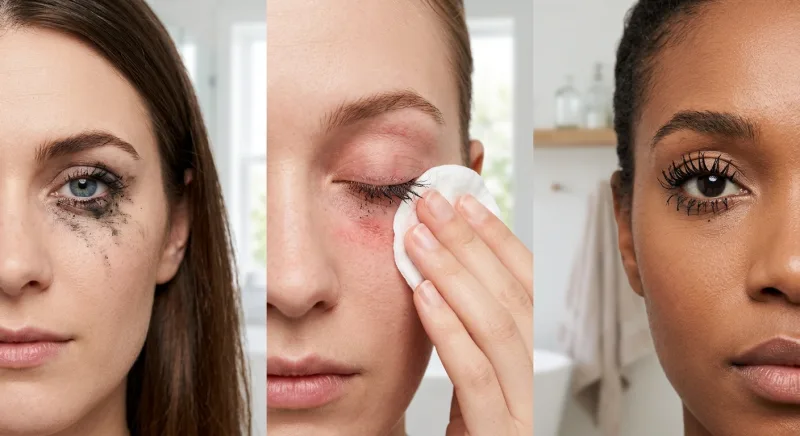
Waterproof Mascara Formulas Compared by Type
Waterproof mascara comes in several formula types, each suited to different lash concerns. Comparing them side by side makes it easier to match a product to your needs.
| Formula Type | Main Benefit | Best For |
|---|---|---|
| Volumizing waterproof mascara | Thickens lashes for a fuller look | Sparse or thin lashes |
| Lengthening waterproof mascara | Extends lash tips with fibers | Short lashes needing more reach |
| Curling waterproof mascara | Holds curl shape through humidity | Straight or downward-facing lashes |
| Conditioning waterproof mascara | Adds nourishing oils or peptides | Dry or brittle lashes |
| Tubing waterproof mascara | Forms tubes that slide off with warm water | Sensitive eyes needing gentle removal |
Tube formulas are worth a special note. Many sold as waterproof mascara actually use a different trick, wrapping lashes in a bendy tube instead of a normal water-resistant coat. This can give strong hold with easier removal.
Waterproof Mascara for Sensitive Eyes and Contact Lens Wearers
People with sensitive eyes or contact lenses often pause before trying waterproof mascara. Flaking bits and harsher removers can be real worries for this group.
Look for waterproof mascara made for sensitive eyes or people who wear contact lenses. These kinds usually skip harsh ingredients and use softer waxes to fight off water.
Putting on Waterproof mascara with care also cuts down on risk. Avoid coating the inner lash line, and wipe it off fully each night to keep lenses and eyes free of leftover buildup.
Storing and Replacing Waterproof Mascara Properly
Waterproof mascara has a shorter useful shelf life than many other beauty products because of its makeup and how often the brush meets air. Swapping it out on time keeps it working well and lowers the risk of infection.
Most experts suggest replacing mascara every three months, and waterproof mascara is no exception.
Store your tube upright in a cool, dry place away from direct sunlight. Avoid keeping waterproof mascara in a hot car or steamy bathroom, since heat and humidity can break down the formula faster.
If the formula starts to smell off, dries out, or gets clumpy before three months, it’s time to toss it. Using old waterproof mascara raises the chance of eye irritation and uneven application.
Read the complete guide: The Makeup Guide for Beginners That Skips the Guesswork
Frequently Asked Questions
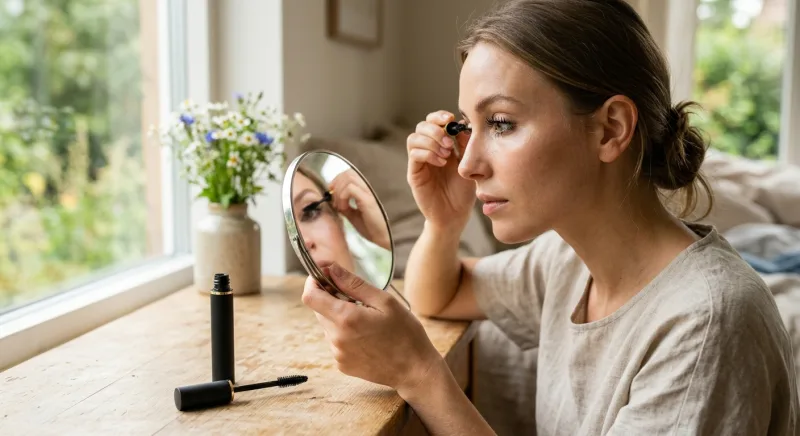
Is waterproof mascara bad for your eyelashes?
It isn’t inherently bad, but frequent use can dry out lashes over time. The formulas are designed to resist water and oil, which sometimes strips natural moisture. Using a nourishing lash serum and removing it gently each night helps offset this drying effect.
How do you remove waterproof mascara without damaging lashes?
Use an oil-based remover or micellar water on a cotton pad. Press it against closed eyes for several seconds before wiping gently downward. Avoid scrubbing or tugging, since this can weaken lash roots and cause premature shedding over time.
Can I wear waterproof mascara every day?
Daily wear is fine, but many experts say to save it for special days or damp weather. Everyday use can leave lashes drier and harder to clean off. Switching with a regular formula gives lashes a rest while still keeping them defined.
Does waterproof mascara work for swimming?
Yes, waterproof mascara is made to fight off water, so it’s a good pick for swimming, damp climates, or hard workouts. It clings to lashes even when soaked, though long soaking can in time cause a bit of smudging near the lash line.
Why does my waterproof mascara flake throughout the day?
Flaking often happens when too many coats are applied or the formula has started to dry out. Applying thin layers and replacing old tubes on schedule can help prevent this issue. Priming lashes beforehand also improves how evenly the formula sets.
Is it safe to use waterproof mascara with contact lenses?
In most cases yes, but put it on with care to keep flakes from falling into the eye. Pick formulas marked as tested by eye doctors for sensitive eyes. If your eyes feel irritated, stop use and switch to a gentler mascara that’s safe for contact lenses instead.
What’s the difference between waterproof and water-resistant mascara?
Water-resistant formulas hold up against light wetness like tears or drizzle, but they aren’t made for full dunking. Waterproof mascara, on the other hand, is made to handle swimming, sweat, and heavy damp air without smudging, making it the tougher long-term choice.
References
- Waterproof mascara should be discarded three months after purchase, and mascara should not be moistened with saliva or water because this can introduce bacteria and dilute the preservative that protects against microbial growth. — U.S. Food and Drug Administration (FDA) (Federal regulatory agency (FDA) providing official cosmetic safety guidance)
- Users should avoid applying or removing eye cosmetics, including mascara, in a moving vehicle because a bump or sudden stop can cause the applicator to injure the eye. — U.S. Food and Drug Administration (FDA) (Federal regulatory agency (FDA) with official eye cosmetic safety page)
- Waterproof mascara and eyeliner require oil-based removers to break down, and these removers can destabilize the tear film’s oily top layer and worsen dry eye, whereas water-soluble products come off with gentle washing and are easier on the eye surface. — Specialty Vision (Vision/eye-care specialty resource citing American Academy of Ophthalmology (AAO) recommendations on eye makeup safety)
- Brands are not required to use ‘waterproof’ or ‘water-resistant’ in a standardized way on cosmetic labels, since the FDA does not pre-approve cosmetic labeling or maintain a list of approved claims. — U.S. Food and Drug Administration (archived) (Official FDA guidance on cosmetic labeling law and enforcement, archived from fda.gov)
