
Skincare routine
Face Mask Guide 2026: Types, Ingredients, and How to Use One Right
Last updated: November 3, 2026
A face mask can hydrate, calm, exfoliate, or brighten skin, depending on its ingredients, but results are usually short-term and vary by skin type. A face mask works best as a supplement to steady cleansing and moisturizing, not a swap for daily skin care. The right pick depends on your skin type and your goal.
Do Face Masks Actually Work?
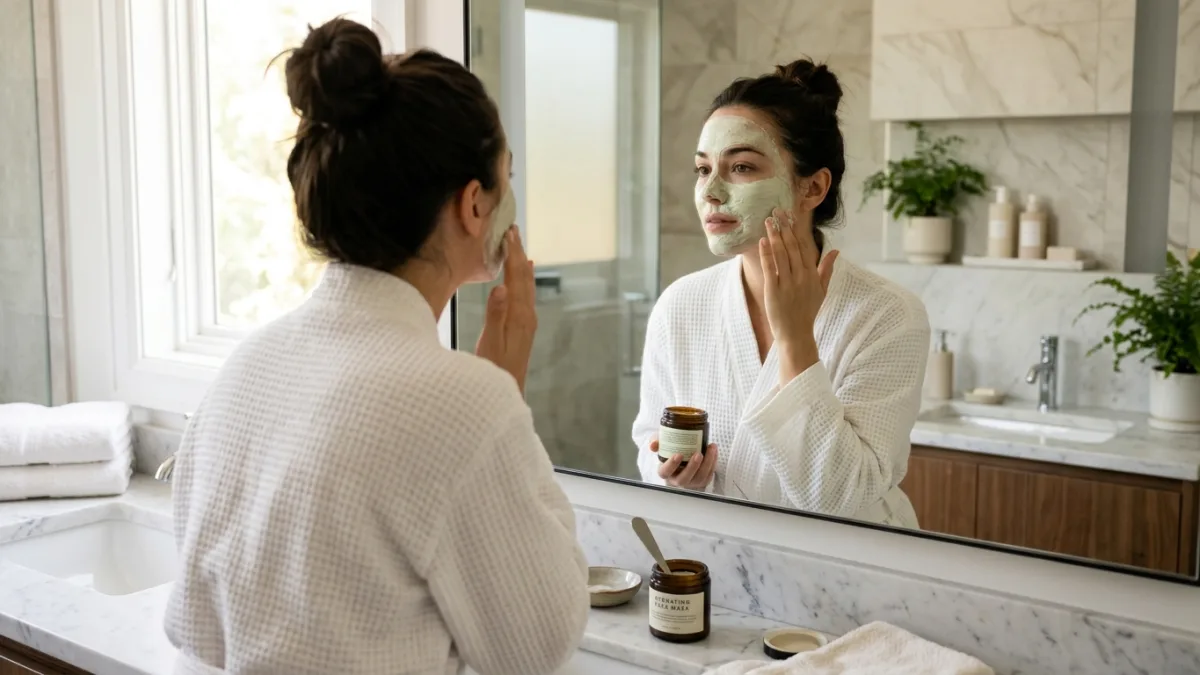
Yes, a face mask can work, but its effects are mostly short-term and depend on the formula. A face mask sits on skin longer than a cleanser, so its ingredients have more time to soak in. That extra contact time is why skin often looks plumper or calmer right after use.
The American Academy of Dermatology notes that a facial mask can be a helpful add-on to a skin care routine, though it isn’t a cure for chronic skin issues. A face mask is best seen as a boost, not a fix. Daily habits like cleansing, moisturizing, and sun protection still matter more over time.
What face masks can realistically do for your skin
A good face mask can pull out extra oil, add moisture back, smooth rough texture, or calm mild redness. Hyaluronic Acid (a moisture-binding ingredient that holds many times its weight in water) is a common pick in hydrating formulas. Clay-based options draw out oil, while gel formulas cool and soothe.
Most people notice a temporary change in texture or glow right after rinsing off a face mask. That glow usually fades within a day, which is normal. Regular use, paired with daily care, is what leads to steadier, longer-lasting improvement in how skin looks and feels.
What they can’t do (setting expectations)
A face mask can’t replace medical treatment for acne, eczema, or other skin conditions. It also won’t erase deep wrinkles or reverse sun damage on its own. Dermatologists generally treat a face mask as a supportive step, not a stand-in for prescription care or daily sunscreen.
Hydration and barrier support look different for everyone. Rather than chasing a one-size-fits-all fix, focus on consistent care suited to your skin, whether that means a serum, moisturizer, or face mask, and let visible results guide how often you repeat the treatment for lasting improvement over time.
Results also vary a lot by skin type and by how consistently you use a face mask. Someone with very dry skin may see more benefit from a hydrating mask than someone with oily, acne-prone skin using the same product. Matching the mask to your skin type matters more than the brand.
What Type of Face Mask Is Right for Your Skin?
The right face mask depends on what your skin needs most right now. Dry skin usually wants moisture, oily skin wants oil control, and combination skin needs a bit of both. Matching ingredients to your skin type is the single biggest factor in whether a face mask feels worth it.
Dry or sensitive skin
Dry or sensitive skin generally does best with a cream or gel face mask built around gentle, moisture-rich ingredients. Look for hyaluronic acid, glycerin, or oat extract. Avoid masks with strong fragrance or high alcohol content, since these can make sensitive skin feel tight, red, or irritated.
Some people love mixing masks at home, while others prefer ready-made treatments for convenience. Whichever you choose, what matters most is picking a routine you’ll actually stick with consistently.
Oily or acne-prone skin
Oily or acne-prone skin often responds well to clay or charcoal-based formulas. These pull excess oil from pores and can leave skin looking more matte. Salicylic Acid (an oil-soluble acid that helps clear out clogged pores) is another common ingredient in face mask formulas aimed at breakouts.
Combination skin
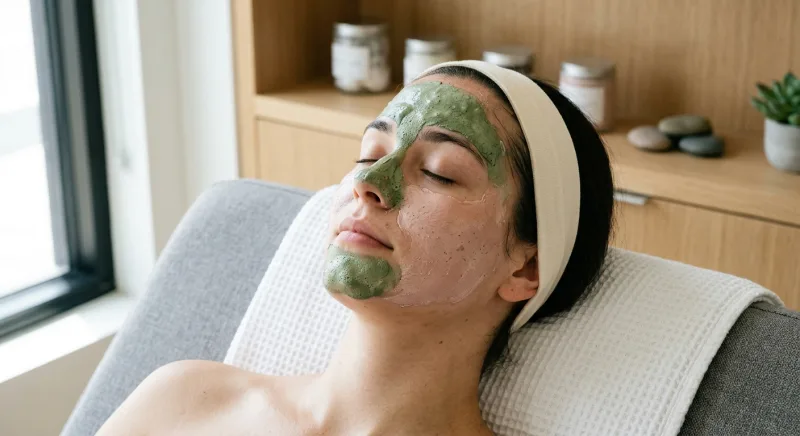
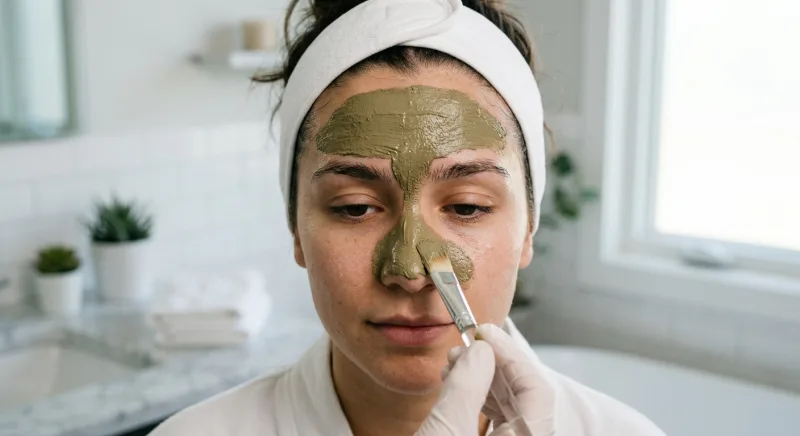
Combination skin can be tricky, since the T-zone often runs oily while cheeks stay dry. Multi-masking, using a clay face mask on the oily zone and a cream one elsewhere, is a common approach. Some people prefer a balanced formula built to handle both needs at once.
Anti-aging concerns
For fine lines and loss of firmness, a face mask with peptides, antioxidants, or retinol-adjacent ingredients can help support skin’s surface over time. An anti-aging face mask won’t replace a retinoid routine, but it can add a hydration boost that makes fine lines look less obvious short-term.
Dark spots and uneven tone
Uneven tone often responds to a face mask with vitamin C, niacinamide, or gentle exfoliating acids. These ingredients can help fade the look of dark spots gradually. Sun protection during the day is still the most important step for stopping new dark spots from forming.
| Skin Type | Helpful Ingredients | Ingredients to Avoid |
|---|---|---|
| Dry or sensitive | Hyaluronic acid, glycerin, oat extract | High alcohol, strong fragrance |
| Oily or acne-prone | Clay, charcoal, salicylic acid | Heavy oils, thick occlusive balms |
| Combination | Balanced gel formulas, multi-masking | One-size-fits-all rich creams |
| Anti-aging | Peptides, antioxidants, hydrators | Harsh physical scrubs |
| Dark spots / uneven tone | Vitamin C, niacinamide, mild acids | High-strength acids without sunscreen |
Types of Face Masks Explained
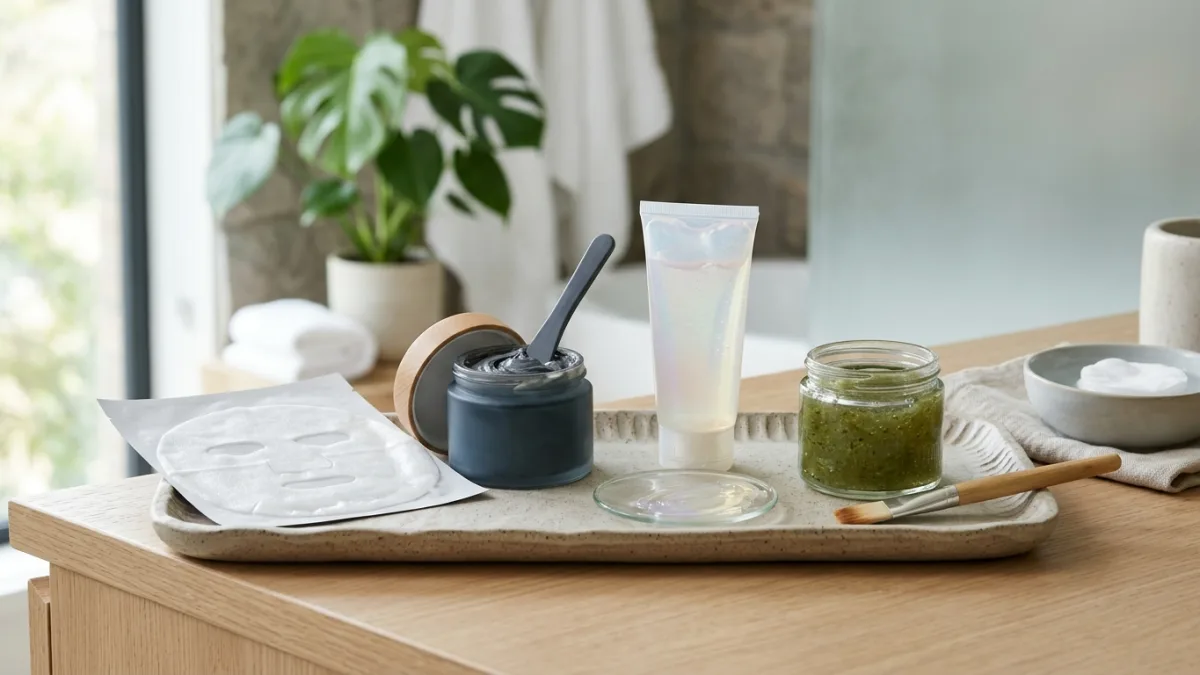
There are several main formats of face mask, and each behaves differently on skin. Some sit on the surface, some sink in over time, and some peel or wipe away. Knowing the format helps you set the right expectations for contact time and results.
Clay and mud masks
A clay or mud face mask draws oil and impurities from pores as it dries. This format works well for oily or acne-prone skin but can feel drying if left on too long. Rinsing before it fully hardens helps prevent excess tightness, especially on sensitive areas.
Sheet masks
A sheet face mask is soaked in serum and worn like a fabric layer over the face. It delivers hydration and active ingredients without drying out skin, making it a gentle option for most skin types, including sensitive skin that reacts to heavier formulas.
Cream and gel masks
Cream face mask formulas tend to be rich and moisturizing, suited to dry skin. Gel versions feel lighter and cooler, often used to calm redness or soothe skin after sun exposure or a hair removal session. Both formats usually rinse off easily with water.
Peel-off masks
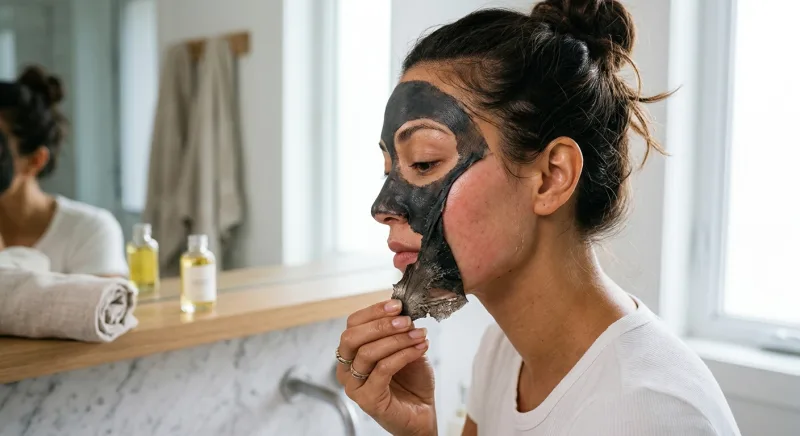
A peel-off face mask dries into a film that lifts away debris and dead skin as you remove it. This can feel satisfying, but the peeling action may irritate sensitive or reactive skin. It suits normal to oily skin more than dry or thin skin.
Overnight masks
An overnight face mask is left on while you sleep, giving ingredients hours instead of minutes to absorb. These formulas are usually lightweight so they don’t transfer onto pillows. They work well for dry or dehydrated skin that needs longer contact time.
Exfoliating and enzyme masks
An exfoliating or enzyme face mask uses mild acids or fruit-based enzymes to loosen dead skin cells on the surface. This can leave skin looking brighter and smoother. Because these formulas are more active, they’re generally used less often than hydrating options.
| Mask Type | Best For | Typical Contact Time | Frequency |
|---|---|---|---|
| Clay or mud | Oily, acne-prone skin | 10-15 minutes | 1-2 times weekly |
| Sheet mask | Most skin types, sensitive skin | 15-20 minutes | 2-3 times weekly |
| Cream or gel | Dry or calm-seeking skin | 10-15 minutes | 2-3 times weekly |
| Peel-off | Normal to oily skin | 15-20 minutes | 1 time weekly |
| Overnight | Dry or dehydrated skin | Several hours (worn overnight) | 1-2 times weekly |
| Exfoliating or enzyme | Dull or uneven texture | 5-10 minutes | 1 time weekly |
Common Face Mask Mistakes to Avoid
Even a good face mask can fall short when used the wrong way. Small slip-ups in how you use it often explain poor results. Knowing these errors helps you get more out of every use.
One common mistake is putting a face mask on unwashed skin. Leftover oil, sweat, and makeup form a barrier. This stops the active ingredients from soaking in well, cutting down how well the treatment works.
Leaving a face mask on too long is another problem. Many people think longer wear means better results. In truth, leaving it on too long—especially with clay or peel-off kinds—can cause dryness, irritation, or redness.
Skipping patch tests is a risk many people take anyway. New ingredients can cause surprise reactions, even in products marked “gentle.” A patch test on the inner arm shows if skin is sensitive before you put it on your whole face.
Overusing exfoliating or peel-off masks is also common. These formulas can be harsh on the skin barrier. Using them too frequently may lead to sensitivity, flaking, or a compromised moisture barrier over time.
- Applying a face mask over dirty or makeup-covered skin
- Leaving clay-based formulas on until fully hardened
- Using exfoliating masks more than once or twice weekly
- Skipping moisturizer immediately after rinsing off a face mask
- Mixing too many active ingredients in one routine
Last, don’t forget the neck and jawline. These spots face the same weather and dirt as the face. Putting your face mask a bit past the chin gives you a more even look.
DIY vs Store-Bought Face Mask Options
Choosing between homemade and store-bought products is a common problem. Both ways have real upsides based on your goals, budget, and skin sensitivity. Knowing the differences helps you decide with more confidence.
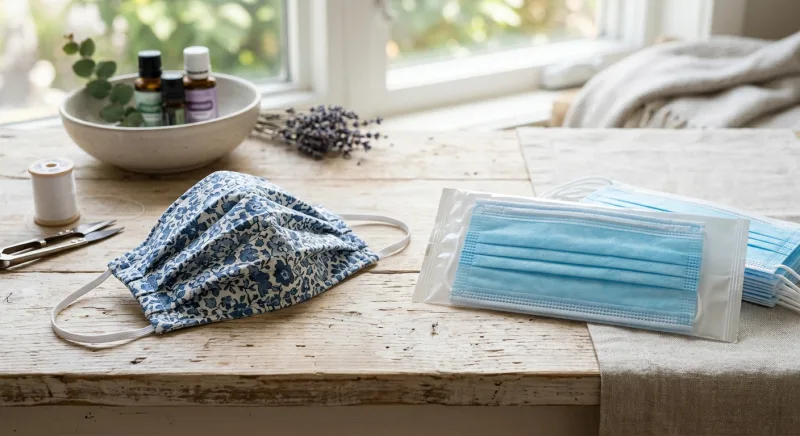
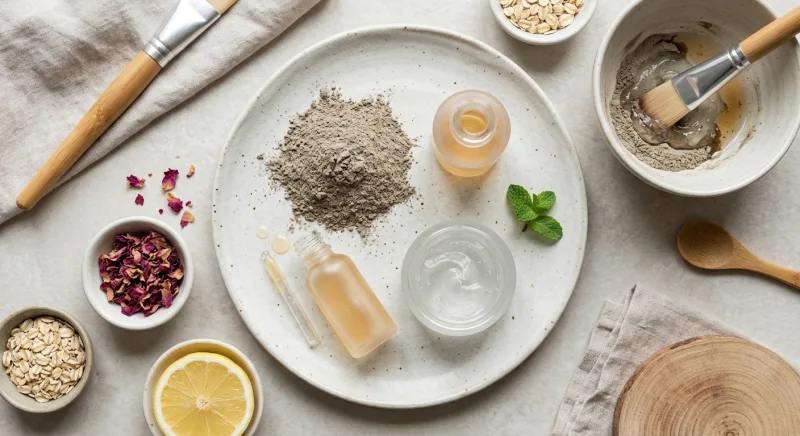
DIY face mask recipes appeal to people who like natural, custom parts. Common kitchen staples like honey, oats, and yogurt give mild help. But results tend to be less sure than made products.
Store-bought options are made with tested amounts and stable ingredients. A commercial face mask often has substances that keep it fresh longer and safe to use. This steadiness makes results more reliable across repeated uses.
| Factor | DIY Face Mask | Store-Bought Face Mask |
|---|---|---|
| Cost | Very low, uses household items | Varies from budget to premium |
| Ingredient control | Fully customizable | Fixed formulation |
| Shelf stability | Short, must use fresh | Long, includes preservatives |
| Consistency of results | Variable | More predictable |
| Safety testing | Minimal to none | Often dermatologically tested |
| Best for | Simple, mild treatments | Targeted skin concerns |
Building lasting skincare habits comes down to consistency, not complexity. Choose tools that fit your routine, use them regularly, and let steady care do the work over time.
Neither choice is always better. A DIY face mask can be a fun, cheap weekend habit. A formulated face mask may better fit certain needs like acne, dark spots, or deep skin thirst.
Combining both ways often works well. Use gentle homemade treatments now and then while relying on targeted store-bought products for steady, clear skin gains over time.
Building a Face Mask Routine Around Your Lifestyle
Staying steady matters more than going hard when it comes to skincare. A face mask routine you can keep up with fits well into your week. Pushing a big, fancy plan often leads to giving up within weeks.
Think about how much time you have. Busy mornings may only allow a quick sheet mask. Weekends might give you more time for longer treatments like clay or overnight kinds.
Seasonal changes also affect how often you should use a face mask. Winter dryness may call for more hydrating treatments. Summer humidity might shift focus toward oil control and pore refinement.
- Monday: Gentle exfoliating mask to prep skin for the week
- Wednesday: Hydrating sheet mask during a midweek break
- Friday or weekend: Clay or detox mask after a busy week
- As needed: Spot treatment mask for occasional breakouts
Travel and lifestyle changes can disrupt routines quickly. Packing a lightweight sheet mask option makes it easier to maintain skincare habits away from home, even with limited counter space or time.
Ultimately, the best routine is one you can maintain. A realistic face mask schedule, even if modest, outperforms an ambitious plan abandoned after two weeks of inconsistent effort.
When to Adjust Your Face Mask Choice
Skin needs shift over time due to age, climate, hormones, and lifestyle factors. A face mask that worked well last year may no longer suit your current skin condition or goals.

Watch for signs that a change is needed. Persistent tightness, new breakouts, or lack of improvement after several weeks suggest it’s time to reconsider your current product.
Hormone shifts, like those during pregnancy or menopause, can change how much oil skin makes. A face mask made for oily skin may suddenly feel too drying during these change times.
Changes in your surroundings matter too. Moving to a drier climate or spending more time in air-conditioned rooms can dry out skin more. Switching to a more hydrating face mask often fixes this problem fast.
Age-related changes also shape what your skin needs. As skin gets older, it often needs more help to stay firm and smooth. Ingredients like peptides or antioxidants become more useful in an older-skin skincare routine.
Reassessing your routine every few months is a reasonable habit. This doesn’t mean constant product switching, but rather thoughtful evaluation based on how your skin responds and feels.
Storing and Preserving Your Face Mask Products
Keeping it stored right helps it last and work well. A face mask left in heat, light, or open air can go bad faster than you’d think, making it weaker and more likely to grow germs.
Keep jars tightly closed after each use. Air lets in germs and speeds up the breakdown of active ingredients, mainly in formulas that have vitamin C or other unstable compounds.
Store most products in a cool, dry location away from direct sunlight. Bathroom humidity can actually shorten shelf life for some formulas. Consider a bedroom drawer or cabinet instead.
- Always use clean fingers or a spatula, never wet hands
- Check expiration dates before each use, especially for natural formulas
- Refrigerate sheet masks in hot climates for a refreshing sensation
- Discard any product with an off smell or changed texture
Following these simple storage habits protects your investment. A well-preserved face mask delivers consistent results, while a degraded one may irritate skin or simply fail to perform as intended.
Frequently Asked Questions
How often should I use a face mask?
Most people benefit from applying a treatment one to three times weekly, depending on skin type and formula strength. Clay-based options suit oily skin twice weekly, while hydrating versions can be used more often. Always follow packaging guidance and adjust based on how your complexion responds.
Can I leave a mask on overnight?

Only sleeping masks are designed for overnight wear. Standard clay or peel-off varieties should never stay on longer than instructed, since prolonged contact can dry out or irritate skin. Check labeling carefully, because leaving the wrong formula on too long may cause redness or excessive dryness.
What order should skincare steps follow?
Cleanse first, then apply your treatment to slightly damp skin. Rinse or remove according to instructions, then follow with toner, serum, and moisturizer. Applying products in this sequence helps active ingredients absorb properly and maximizes the benefits of the entire routine, not just the mask itself.
Are sheet masks reusable?
Most sheet masks are single-use products, since the fabric and essence are formulated for one application. Reusing a sheet risks bacterial contamination and reduced effectiveness. Once removed, pat any remaining essence into your skin rather than saving the sheet for a second use.
Can sensitive skin tolerate a face mask safely?
Yes, but sensitive skin requires extra caution when choosing a face mask. Look for fragrance-free, hypoallergenic formulas and always patch test on your inner arm first. Introducing new treatments gradually helps identify irritation before it affects your entire face, keeping your routine safe and comfortable.
Why does my skin feel tight after rinsing?
Tightness often signals that a clay or mud formula stayed on too long, drawing out excess moisture along with impurities. Rinse promptly once the product begins drying and follow immediately with a hydrating moisturizer. This restores comfort and prevents ongoing dryness or flaking later.
Do expensive products work better than budget options?
Price doesn’t always show how well something works. Many cheap mixes have strong parts just like costly brands. Look at the active parts that fit your skin needs instead of just the price, and read labels closely to find true worth no matter the cost.
Expert insights
Because facial masks cover your skin and you don’t wash them off immediately, the active ingredients have time to absorb into your skin
Lauren Fine, MD, FAAD, board-certified dermatologist
avoid trying harsh products, such as a chemical peel, exfoliant, or retinoid, for the first time
Daniela Kroshinsky, MD, MPH, FAAD, board-certified dermatologist
References
- A face mask works best as a supplement to steady cleansing and moisturizing, not a swap for daily skin care. — American Academy of Dermatology (AAD) (Official patient-education resource published by the American Academy of Dermatology, the leading U.S. professional organization for board-certified dermatologists.)
- How well hyaluronic acid works in a mask or serum depends partly on its molecular weight, which affects whether it sits on the surface of the skin or penetrates more deeply. — Harvard Health Publishing (Harvard Health Publishing is the consumer health publishing division of Harvard Medical School, providing medically reviewed health information.)
