
Hair care
Sulfate-Free Shampoo Benefits: What Changes When You Switch
Last updated: November 5, 2026
Sulfate-free shampoo cleanses hair without harsh detergents like the ones found in most drugstore bottles, which can strip natural oils. Sulfate-free shampoo benefits include less scalp dryness, better color retention, reduced frizz, and gentler cleansing for sensitive scalps or curly, fine, and chemically treated hair.
It suits almost anyone who wants a calmer wash routine.
What Are the Benefits of Sulfate-Free Shampoo?
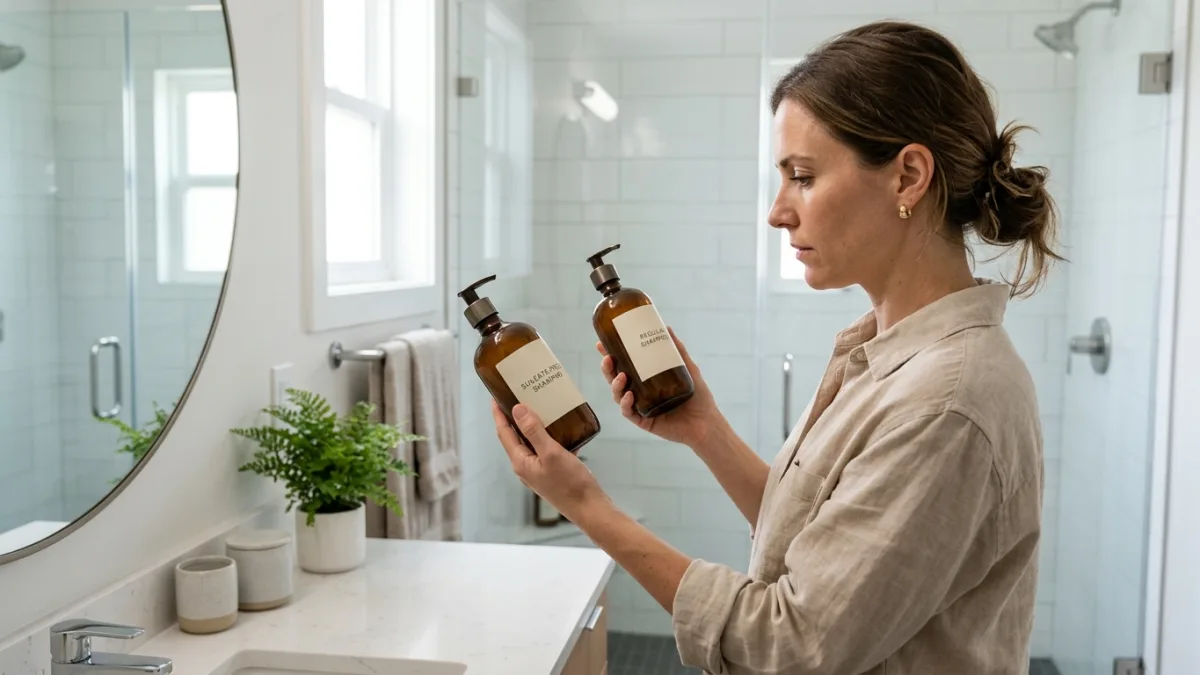
The core sulfate-free shampoo benefits are gentler cleansing, less dryness, better color hold, and a calmer scalp. Instead of harsh foaming agents, these formulas use milder cleansers that still lift dirt and oil. The wash feels different, but the results tend to please people with dry, curly, or treated hair.
Quick answer overview
Sulfate-free shampoo swaps harsh cleaners for softer ones that clear away buildup without stripping too much oil. This matters because the scalp’s natural oil, called sebum, keeps hair soft and shiny. Losing too much of it leaves strands dry and brittle.
That one change in the formula explains most of the benefits people notice after switching.
- Gentler cleansing that keeps natural oils intact
- Less scalp dryness and flaking after regular washes
- Longer-lasting color on dyed or treated hair
- Reduced frizz and better moisture retention for curls
- Lower risk of irritation for sensitive or reactive scalps
Who benefits most from switching
Straight, fine, or oily hair can benefit too, though the change feels less dramatic. Many people simply prefer how their hair feels after a gentler wash. It’s less about hair type rules and more about matching a formula to your own scalp’s needs and habits.
What Are Sulfates and Why Are They Removed From Shampoo?
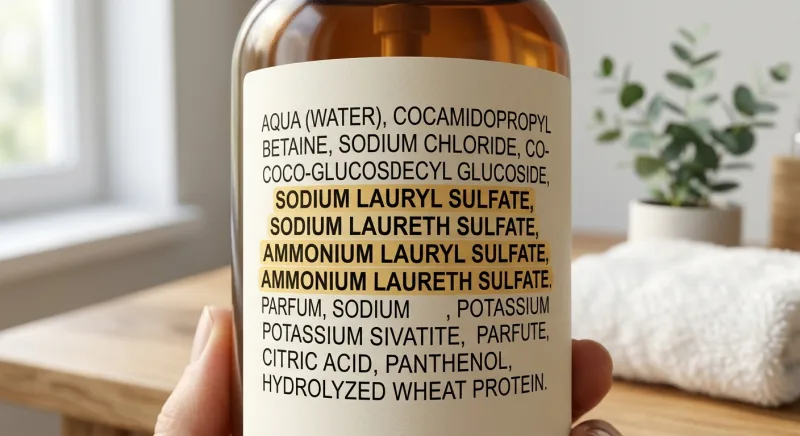
Common sulfates: SLS and SLES
What sulfates do in a shampoo formula
Rules groups don’t call sulfates unsafe at the levels used in cosmetics. The worry is mostly dryness and irritation with regular use, not toxic harm. That’s why sulfate-free shampoo benefits center on comfort and hair health, not safety scares, and why a fair view matters here.
How Does Sulfate-Free Shampoo Benefit Different Hair Types?
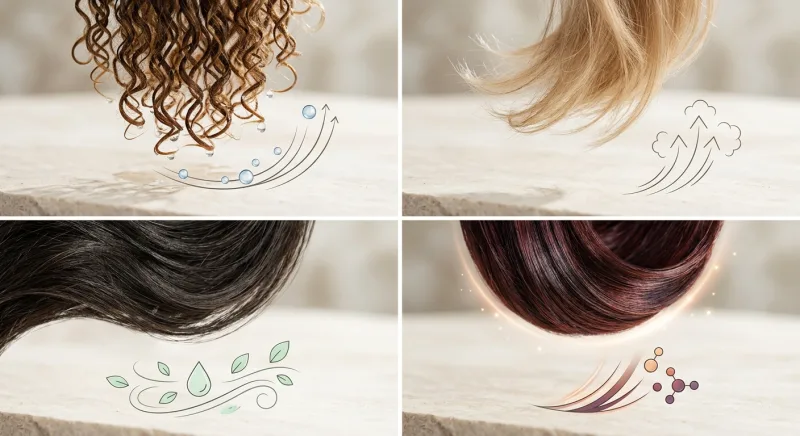
Sulfate-free shampoo benefits shift depending on your hair type and scalp condition. Color-treated hair keeps its shade longer. Curly and dry hair holds more moisture. Fine and oily hair can still get a real clean without over-drying the scalp. Sensitive scalps see less redness and flaking overall.
Curly and textured hair tends to hold less natural oil along each strand, so it can dry out easily. Sulfate-free formulas cleanse gently without stripping those oils, helping curls stay soft, defined, and less prone to frizz over time.
Sulfate-free shampoos rely on milder surfactants that lift away dirt and buildup without stripping the scalp’s natural oils. This gentler cleansing approach helps hair retain moisture and shine, rather than leaving strands feeling dry or stiff.
For those with rosacea or a sensitive scalp, harsh cleansers can cause irritation, redness, and discomfort. Choosing a sulfate-free shampoo offers a gentler choice, cleaning well while cutting the risk of flare-ups or dryness.
Beyond color care, sulfate-free shampoos are widely liked for curly and sensitive-scalp hair types. Their gentler wash action helps keep natural moisture in balance, leaving hair softer, easier to manage, and less prone to irritation or frizz.
Color-treated hair
Color-treated hair fades from washing, sunlight, and heat styling, but harsh cleansers speed up that fade by opening the hair’s outer layer. Sulfate-free shampoo benefits color longevity because gentler cleansers keep that outer layer, called the cuticle, closed longer. Many colorists suggest sulfate-free formulas just for this reason.
Color-treated hair fades faster when strong detergents strip pigment molecules from the hair shaft with every wash. Sulfate-free shampoos clean more gently, helping dyed hair hold its vibrancy and richness for noticeably longer between salon visits.
Curly or dry hair
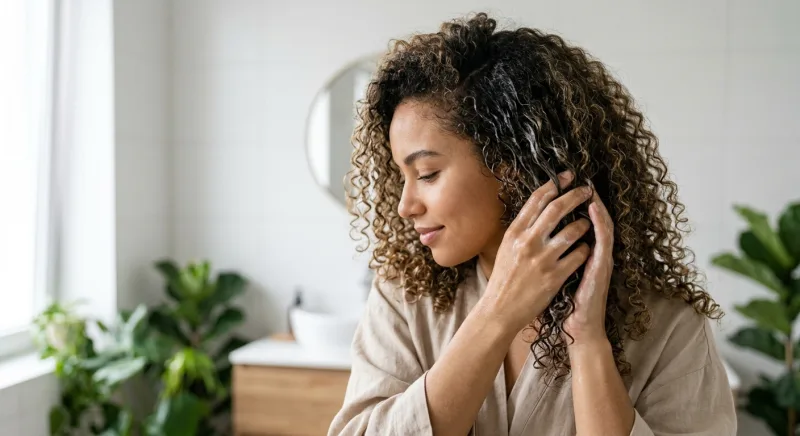
Curly hair’s shape makes it harder for natural oil to travel down each strand, so it’s often drier than straight hair by nature. Sulfate-free shampoo benefits curls by leaving more of that oil in place. The result is often softer texture, less frizz, and easier detangling after washing.
Fine or oily hair
Fine or oily hair doesn’t need harsh sulfates to feel clean. Sulfate-free shampoo benefits this hair type by removing extra oil without pushing the scalp to make even more oil.
Picking a light, sulfate-free formula can keep hair looking fresh without the flat, greasy look some people notice after washing.
Sensitive scalps
| Hair Type | Main Benefit | What to Look For in a Formula |
|---|---|---|
| Color-treated | Slower color fade, closed cuticle | Color-safe, sulfate-free label, low pH formula |
| Curly or dry | More retained moisture, less frizz | Cream cleansers, added oils or humectants |
| Fine or oily | Balanced clean without heavy stripping | Lightweight, clarifying but sulfate-free options |
| Sensitive scalp | Less redness, itching, and flaking | Fragrance-free, minimal irritant formulas |
Sulfate Free Shampoo Benefits Compared to Traditional Shampoo
Seeing the differences side by side makes the sulfate free shampoo benefits easier to weigh. The table below breaks down common concerns and how each formula type tends to perform. Use it as a quick reference before your next purchase.
| Concern | Traditional Sulfate Shampoo | Sulfate Free Shampoo |
|---|---|---|
| Natural oil balance | Strips oils quickly, often over-dries scalp | Preserves oils, supports one of the core sulfate free shampoo benefits |
| Color retention | Fades color faster, opens hair cuticle | Helps lock in color, closed cuticle structure |
| Scalp sensitivity | Can trigger itching, redness, and flaking | Gentler on sensitive skin, fewer irritation reports |
| Lather | Thick, foamy lather | Lighter lather, still effective at cleansing |
| Cost | Generally lower price point | Often higher price, reflecting gentler ingredients |
| Long-term hair texture | Can lead to dryness, breakage over time | Smoother texture, one of the lasting sulfate free shampoo benefits |
This comparison shows why so many people switch. The sulfate free shampoo benefits are not just marketing claims. They reflect real differences in how each formula interacts with hair and scalp over time.
How Long It Takes to See Sulfate Free Shampoo Benefits
One common question is timing. A shampoo switch does not give overnight results. Hair and scalp need time to adjust before the sulfate free shampoo benefits become clear.
Some people notice a change within the first week, especially in scalp comfort. Others need several washes before hair feels different. This depends on hair type, prior product buildup, and how damaged the hair was to begin with.
- Week 1: Scalp may feel less tight or itchy after washing.
- Weeks 2–3: Hair may seem slightly different in texture, sometimes described as a transition phase.
- Weeks 4–6: Most people report the clearest sulfate free shampoo benefits, including softer strands and better color retention.
- Beyond 6 weeks: Long-term users often say breakage slows and shine improves.
Patience matters here. Hair that has been exposed to sulfates for years may need more time to recover its natural moisture balance. Sticking with the new routine for at least a month is generally recommended before judging results.
Common Myths About Sulfate Free Shampoo Benefits
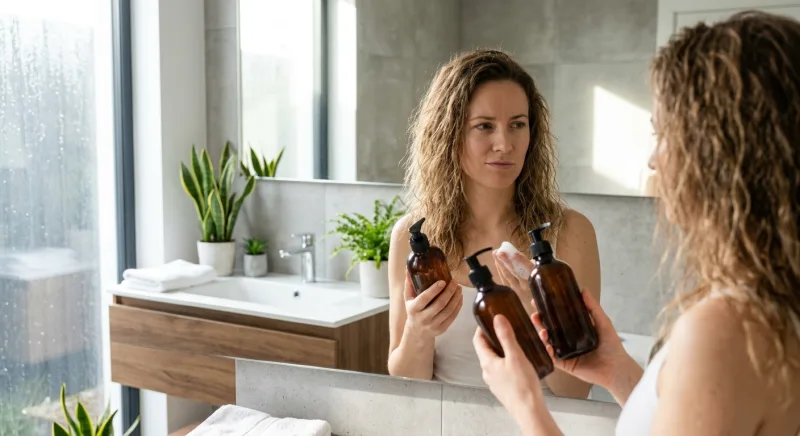
Misinformation can make it harder to decide whether to switch. Below are a few myths worth clearing up before you evaluate the sulfate free shampoo benefits for yourself.
Myth: Sulfate Free Shampoo Cannot Clean Hair Properly
This is one of the most persistent myths. In reality, sulfate free formulas use alternative cleansing agents. These agents remove dirt and oil without the same harsh stripping action. Clean hair does not require sulfates.
Myth: Lather Equals Effectiveness
Many assume a big, foamy lather means a shampoo is working harder. Lather is mostly a cosmetic effect tied to sulfates. Sulfate free shampoo benefits include effective cleansing with far less foam, which surprises many first-time users.
Myth: All Sulfate Free Shampoos Are the Same
Formulas vary a lot between brands. Some focus on moisture, others aim at color care or a sensitive scalp. Reading labels still matters, since sulfate free shampoo benefits depend a lot on the other ingredients used in the mix.
Choosing a Sulfate Free Shampoo for Maximum Benefits
Not every sulfate free product delivers equal results. To get the full range of sulfate free shampoo benefits, pay attention to the full ingredient list, not just the label claim.
- Look for added moisturizing agents like glycerin or plant oils.
- Check for a low or balanced pH, which supports scalp health.
- Avoid formulas with heavy fragrance if you have sensitive skin.
- Choose color-safe versions if you have treated hair.
- Consider clarifying sulfate free options occasionally to prevent buildup.
Taking these steps helps ensure the sulfate free shampoo benefits you are seeking actually show up in daily use, rather than getting lost in a poorly balanced formula.
Sulfate Free Shampoo vs. Regular Shampoo at a Glance
A side-by-side view makes the differences easier to weigh. Use this table to compare how each formula type behaves in everyday washing.
| Factor | Sulfate Free Shampoo | Regular Shampoo |
|---|---|---|
| Lather | Lighter, less foamy | Rich, dense foam |
| Moisture retention | Generally higher | Often reduced over time |
| Color fade | Slower | Faster with frequent washing |
| Scalp feel | Less tightness reported | Can feel stripped |
| Best suited for | Dry, color-treated, sensitive scalps | Very oily hair needing deep cleansing |
Neither option is universally superior. The right pick depends on hair type, styling habits, and how your scalp responds over several weeks of use.
Read the complete guide: A Hair Care Guide That Finally Makes Sense of Your Routine
Frequently Asked Questions
What are the main sulfate free shampoo benefits?

The main sulfate free shampoo benefits include gentler cleaning, better moisture, and less irritation for sensitive scalps. Many users also notice color that lasts longer and less frizz, since the hair’s own oils are not stripped away with every wash.
Is sulfate free shampoo good for all hair types?
It suits most hair types, especially dry, curly, or color-treated hair. People with very oily scalps may need an occasional clarifying wash instead, since sulfate free formulas cleanse more gently and may leave light buildup over time.
Can sulfate free shampoo help with hair loss?
It will not treat medical hair loss, but a gentler formula may cut down on breakage from harsh washing. Studies report a large share. Less irritation can help keep the scalp healthy overall.
Does sulfate free shampoo lather less?
Yes, most sulfate free shampoos make less foam than sulfate-based ones. This does not mean they clean less well; it just means they use a different cleaning base that washes hair without a lot of foam.
How long does it take to see sulfate free shampoo benefits?
Most people notice softer, less irritated hair within two to four weeks. Color stays truer after a few more washes, since less color is stripped compared to sulfate-based alternatives.
Are sulfate free shampoos more expensive?
They can cost slightly more due to specialized surfactants, but prices vary widely across brands. Many affordable options now exist, so cost should not be the only factor when choosing a formula.
Can I use sulfate free shampoo every day?
Yes, daily use is generally safe because the formula is gentler on hair and scalp. This makes it a practical choice for people who wash frequently and want to avoid the stripping effects of stronger cleansers.
Key statistics
- Laboratory analysis found that skin exposed to a 1% sodium lauryl sulfate solution showed a measurable rise in an inflammatory marker compared to unexposed skin, illustrating how sulfate detergents can trigger irritation at the cellular level. (CDC Stacks (peer-reviewed toxicology study), 2002)
References
- Sodium lauryl sulfate (SLS) produces a measurable, dose-dependent increase in skin irritation, as shown by transepidermal water loss, skin color change, blood flow, and edema. — ScienceDirect (Journal of Investigative Dermatology) (Peer-reviewed dermatology study published via ScienceDirect, a listed authoritative scientific publisher)
- SLS is a surfactant used in many household and hygiene products and has an irritating effect on skin, which is why it is used in models for testing skin’s response to irritants. — PMC (National Library of Medicine) (Peer-reviewed dermatology research article hosted on PubMed Central, part of the NIH National Library of Medicine)
- Dermatologists recommend using a mild, sulfate-free shampoo to be gentle when washing the hair and reduce scalp inflammation. — American Academy of Dermatology (Professional medical association representing U.S. dermatologists)
