
Skincare ingredients
Niacinamide Benefits for Skin: The Complete 2026 Guide
Last updated: November 3, 2026
Niacinamide benefits skin in six clear ways: it strengthens the barrier, calms redness, shrinks the look of pores, balances oil, fades dark spots, and softens fine lines. It suits nearly every skin type. It also pairs well with retinol and vitamin C in a simple daily routine.
What Is Niacinamide and What Does It Actually Do for Skin?
Niacinamide is a form of vitamin B3, a nutrient your skin uses to build and fix its outer layer. It works by helping skin cells directly rather than sitting on top like a plain moisturizer. That’s why niacinamide benefits show up across so many skin concerns at once.
Most skincare brands add niacinamide to serums, lotions, and even cleansers now. It’s popular because it does many jobs at once. Knowing niacinamide benefits helps you know what to expect before you add it to your shelf.
Niacinamide vs. niacin: are they the same thing?
Niacin (also called vitamin B3 in its acid form, which the body changes and uses in a different way than its skin-friendly cousin) is not the same as niacinamide. Niacin can cause flushing when taken by mouth in high doses.
Niacinamide, used in skincare, does not cause that same flushing on skin.
Both come from the same vitamin family. But skincare products almost always use niacinamide, not niacin. This matters if you’re reading ingredient labels and want to know just what you’re putting on.
How niacinamide works at the skin-barrier level
The skin barrier (the outer layer of skin that keeps water in and irritants out) relies on natural fats and proteins to stay strong. Niacinamide helps skin cells make more of these fats. A stronger barrier means less water loss and better resistance to daily irritation.
This barrier-level action is the root of most niacinamide benefits. Once the barrier works better, skin looks calmer, feels smoother, and holds water longer. That one cause explains why niacinamide benefits reach across dryness, redness, and even oil control.

The Complete List of Niacinamide Benefits for Skin
The full range of niacinamide benefits covers barrier strength, redness, pores, oil, tone, and fine lines. Each benefit comes from the same core action: supporting skin cells so they function better. Here’s how each one plays out in real skin.
Strengthens the skin barrier
A strong barrier is the base of every other niacinamide benefit on this list. Niacinamide boosts the skin’s own fat output, which fills gaps between cells. Tighter cell-to-cell bonds mean less water gets out and fewer irritants get in.
Reduces redness and visible irritation
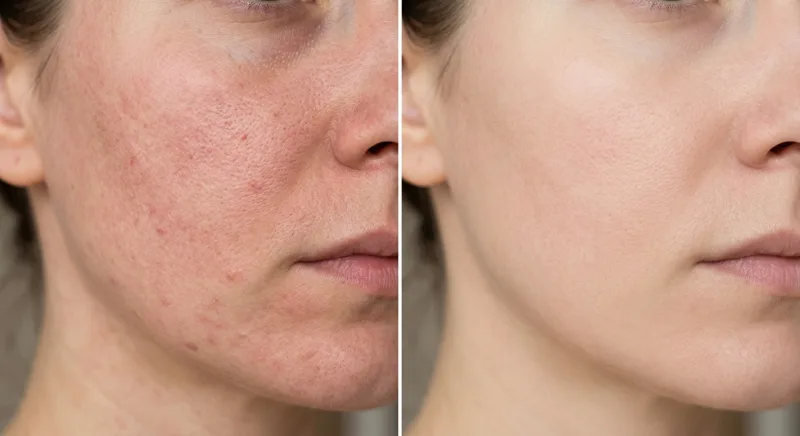
Niacinamide calms skin by easing the swelling that causes visible redness. This is one of the most studied niacinamide benefits, and it’s why the ingredient shows up often in products for sensitive or reactive skin. Calmer skin also puts up with other actives better.
Minimizes the look of pores

Niacinamide does not shrink pores in a physical way, since pore size is mostly set by genes. What it does is control oil flow near the pore opening, which makes pores look smaller and less noticeable over time.
Balances oil and shine
Oily skin often gets better with regular niacinamide use because it helps control how much oil the skin’s glands make. Less extra oil means less midday shine and fewer clogged pores. This is one reason niacinamide for oily skin is such a common search term.
Fades dark spots and uneven tone
Niacinamide interrupts the process that transfers pigment to the skin’s surface. Over time, this can fade dark spots and even out tone. It works more slowly than some spot treatments, but it’s gentler on sensitive skin.
Softens fine lines and wrinkles
Niacinamide helps the body make collagen, the stuff that keeps skin firm and full. With steady use, many people notice smoother texture and softer fine lines. This niacinamide benefit tends to show bit by bit rather than all at once.
Supports skin after hair removal or grooming
Shaving, waxing, and Intense Pulsed Light hair removal (a light-based method that targets hair roots using wide-band light pulses) can all leave skin a bit more sensitive for a while.
Niacinamide’s ability to help the skin barrier and calm redness makes it a smart step right after these routines, a niacinamide benefit few people talk about.
| Benefit | How It Works | Who It Helps Most |
|---|---|---|
| Barrier strength | Boosts natural skin fats between cells | Dry, sensitive, or compromised skin |
| Redness reduction | Calms inflammation response | Reactive or easily irritated skin |
| Pore appearance | Regulates oil near pore openings | Oily or combination skin |
| Oil balance | Moderates oil gland activity | Oily and acne-prone skin |
| Tone and dark spots | Limits pigment transfer to surface | Sun damage or post-breakout marks |
| Fine lines | Supports collagen production | Mature or sun-exposed skin |
| Post-grooming recovery | Speeds barrier calm after friction or light exposure | Anyone using IPL, waxing, or shaving |
Does Niacinamide Work for Every Skin Type?
Yes, niacinamide works for nearly every skin type, though the best strength and how often you use it shift depending on what your skin needs. The niacinamide benefits that matter most to you depend on whether your skin runs oily, dry, sensitive, or a mix of both.

Oily and acne-prone skin
Oily and acne-prone skin tends to do well with niacinamide because it helps balance oil without drying out skin. It also calms the redness that often follows breakouts. Many people with acne-prone skin use niacinamide along with other treatments rather than in place of them.
Dry and sensitive skin
Dry and sensitive skin often gets the most out of niacinamide’s barrier-fixing action. A stronger barrier keeps moisture in and keeps irritants out. Sensitive skin types usually handle niacinamide better than stronger actives like acids or retinol.
Combination skin
Combination skin, with an oily zone and drier patches elsewhere, benefits from niacinamide’s balancing effect. It calms oil in the center of the face while still helping keep drier areas moist. This flexibility is part of why niacinamide benefits so many different skin types at once.

| Skin Type | Suggested Concentration | Frequency | Key Focus |
|---|---|---|---|
| Oily / acne-prone | Not published — varies by product and tolerance | Once or twice daily | Oil control, pore appearance |
| Dry / sensitive | Not published — lower strengths often preferred | Once daily, building up slowly | Barrier repair, less irritation |
| Combination | Not published — mid-range strengths common | Once or twice daily | Balance across zones |
| Mature skin | Not published — varies by formula | Once or twice daily | Fine lines, tone evenness |
Strength levels vary a lot between brands and formulas, so there’s no one fixed percent that fits everyone. Starting low and watching how skin reacts is the safest way for any skin type chasing niacinamide benefits.
Niacinamide Benefits Compared to Other Popular Actives
Shoppers often check niacinamide against other well-known ingredients before picking what to add to a routine. Knowing how niacinamide benefits stack up against retinol, vitamin C, and salicylic acid helps show where it fits best.
Each ingredient works on skin in its own way, and some work well when used together.
How Do Niacinamide Benefits Compare to Retinol and Vitamin C?

Retinol is prized for renewing skin cells and easing fine lines, but it can cause dryness and irritation, most of all at first. Vitamin C brightens and helps collagen, though it can be unstable and at times cause irritation.
Niacinamide benefits tend to come with fewer reports of irritation, making it a gentler daily pick for many.
Some people use niacinamide along with retinol to ease dryness, since one of the more talked-about niacinamide benefits is help for the skin’s outer layer during strong treatment. You don’t have to mix ingredients, though—simple routines can still give real niacinamide benefits on their own.
| Ingredient | Primary Focus | Common Concerns | Irritation Potential |
|---|---|---|---|
| Niacinamide | Barrier support, tone, oil balance | Uneven tone, visible pores, dullness | Generally low |
| Retinol | Cell turnover, texture | Fine lines, texture, breakouts | Moderate to high, especially at start |
| Vitamin C | Brightening, antioxidant support | Dullness, uneven tone | Moderate, formula dependent |
| Salicylic Acid | Exfoliation, pore clearing | Breakouts, congestion | Moderate, especially on dry skin |
This chart shows broad trends, not fixed rules. Formulas vary, and how skin reacts varies even more. Still, the comparison shows why niacinamide benefits are often called easy to use — lower risk of irritation paired with wide support for tone and texture.
Can You Combine Niacinamide Benefits With Exfoliating Acids?
Many routines already use acids like salicylic or glycolic acid to clear skin. People often ask whether mixing these with niacinamide lowers or boosts niacinamide benefits. Products are made better now, and most new products are made to work well together instead of canceling each other out.
Old claims said niacinamide and vitamin C or acids could not be mixed, but newer formulas often dodge that problem with a balanced pH level, a measure of how acidic something is. Anyone unsure should try products one at a time.
This makes it easier to see which formula gives which niacinamide benefits.
Factors That Influence How Well Niacinamide Works
Not everyone sees the same results, even when using like products. Several things shape how clear niacinamide benefits become over time. Knowing these things helps set fair hopes and stops you from feeling let down if results take longer than you thought.
- Skin type and baseline barrier health
- Concentration and formulation quality
- Consistency of use over weeks or months
- Other active ingredients used in the same routine
- Environmental factors like sun exposure and climate
- Overall skincare routine complexity
People who already have healthy skin may notice smaller changes, while those fixing dryness or sensitivity sometimes see bigger change. Niacinamide benefits are rarely quick; they tend to build slowly, much like many other skin care items that help skin health over time.

Does Diet or Lifestyle Affect Niacinamide Benefits?
Niacinamide put on skin is not the same as niacin you eat, though both come from the same vitamin group. Some wonder if diet affects clear niacinamide benefits on skin.
Studies report a big share of cases where diet alone is unlikely to take the place of putting it on skin for fixing specific skin issues.
Sleep, water intake, and stress levels also shape how skin looks and feels day to day. While these things don’t directly boost niacinamide benefits, a caring lifestyle may make results stand out more by cutting other strain on the skin barrier.
Common Mistakes That Reduce Niacinamide Benefits
Even a well-made product can fall short if used the wrong way. Certain habits quietly limit niacinamide benefits without users knowing why results feel weak. Looking at common mistakes can help fix a routine that has stalled.
- Applying inconsistently instead of daily
- Layering too many strong actives at once
- Skipping sunscreen, which undermines tone-related progress
- Expecting overnight results instead of gradual change
- Choosing unstable or poorly stored formulas
Sunscreen needs special care. Tone-evening niacinamide benefits can be undone by daily unprotected sun time, since new dark spots can form faster than old ones fade. Pairing niacinamide with daily SPF is one of the easiest ways to guard your progress.
Are Niacinamide Benefits Reversible If You Stop Using It?
Skincare results usually aren’t for good once you stop using a product. This is true for niacinamide benefits too. Barrier support and better tone may slowly fade if you stop using it, since skin goes back to how it was without ongoing help.
This isn’t just true for niacinamide — most skin care ingredients need steady use to keep any change you can see. If you think of niacinamide as part of a long-term habit, rather than a quick fix, you tend to get more steady niacinamide benefits over time.
Who Might Want to Avoid or Limit Niacinamide

Niacinamide is widely seen as mild, but it isn’t right for every case. Some people may need to use less or ask a skin doctor before counting on niacinamide benefits as part of their routine.
- Those with known sensitivity or allergy to niacinamide
- People experiencing unexplained redness or flushing after use
- Anyone using multiple strong actives without professional guidance
- Those with diagnosed skin conditions requiring medical treatment
Testing on a small patch of skin before use on the whole face is a simple safeguard. Waiting 24 to 48 hours can show up irritation before it spreads. This step helps more people safely get niacinamide benefits without surprise reactions.
What Do Dermatologists Say About Niacinamide Benefits?
Most skin experts who write on this topic agree. Many skin experts call niacinamide a flexible, low-risk ingredient that fits many needs. Its good name among experts adds to trust, though advice made just for your skin always beats general tips found online.
Talking to a doctor is a good idea for people dealing with long-term skin problems or mixing niacinamide with prescribed treatments. A skin doctor can set the right strength and how often to use it, helping people get the most out of niacinamide benefits safely.
Building a Simple Routine Around Niacinamide Benefits
A simple, steady routine often works better than a full one. For most people, a basic plan built around niacinamide benefits looks much the same across skin types, with small changes for personal needs and products they already use.
- Cleanse with a gentle, non-stripping cleanser
- Apply niacinamide serum to slightly damp skin
- Follow with a moisturizer suited to skin type
- Finish mornings with broad-spectrum sunscreen
This setup keeps the routine easy while still giving steady niacinamide benefits over time. Adding too many steps at once can make it harder to tell what’s really working, most of all for people new to active ingredients.
How Long Should You Try Niacinamide Before Judging Results?
Patience matters when checking niacinamide benefits. Most people are told to stick with steady use for at least four to eight weeks before making up their mind. Skin changes slowly, and clear change usually comes after weeks of steady, unbroken use rather than days.

Tracking progress with photos taken in steady light can help show small shifts that might go unseen day to day. This way gives a clearer view of how niacinamide benefits are unfolding than trusting memory or mirror checks alone.
Read the complete guide: Your Skincare Ingredients Guide to Fewer Guessing Games
Frequently Asked Questions
What are the main niacinamide benefits for skin?
The main niacinamide benefits include a more even skin tone, a smaller look of pores, a stronger moisture barrier, and a calmer overall look. Many people also notice smoother texture over time. Results vary by skin type, how the product is made, and how often it is used.
Can niacinamide be used every day?
Yes, niacinamide is seen as mild enough for daily use, both morning and night. How well it’s tolerated is one reason niacinamide benefits appeal to so many skin types. Starting with once-a-day use can help make sure it feels fine before you use it more often.
Does niacinamide work well with other active ingredients?
Niacinamide usually works well with things like hyaluronic acid, peptides, and most moisturizers. It is often used along with retinoids or acids that strip off dead skin to help ease possible irritation. Mixing products with care can help the skin barrier while still letting other active ingredients do their job.
Is niacinamide suitable for sensitive or acne-prone skin?
Niacinamide is often the top choice for sensitive and acne-prone skin because it tends not to irritate and helps support the skin’s barrier. Its calming name is part of why niacinamide benefits are often talked up in products made for reactive or blemish-prone skin.
Patch testing is still a smart first step.
What concentration of niacinamide is most effective?
Many formulas use amounts between two and ten percent. Lower amounts may suit sensitive skin, while higher percentages are sometimes picked for more targeted issues. There is no single best number, since each person’s tolerance and skin goals shape which strength works best.

How soon can someone expect to see niacinamide benefits?
Some people notice softer texture or calmer skin within a couple of weeks, but clear niacinamide benefits often take four to eight weeks of steady use. Skin renews itself bit by bit, so sticking with it matters more than the exact product or now-and-then use.
Can niacinamide replace other skincare treatments entirely?
Niacinamide is best seen as a helper add-on rather than a full swap for targeted treatments. It can work well with sunscreen, moisturizers, and other actives in a wider routine. Using it alone may not fix every problem that a fuller skincare plan could cover.
Are there any side effects associated with niacinamide use?
Side effects are rare but can include mild redness, tingling, or irritation, especially at higher strengths or when mixed with strong actives. If discomfort keeps up, it’s best to stop use. Asking a skin doctor can help you find out if you need to change the formula or routine.
Key statistics
- In a randomized clinical trial, topical niacinamide 4% produced good-to-excellent improvement in melasma pigmentation in 44% of patients, comparable to 4% hydroquinone, the prescription gold standard. (PMC (National Center for Biotechnology Information), 2011)
Expert insights
Niacinamide is a form of vitamin B3 and is important for cell function, skin health and energy metabolism.
Ida Orengo, professor and chair of the Department of Dermatology at Baylor
It regulates sebaceous gland activity by signaling the skin to stay hydrated, reducing the need for excess oil,
Yanke
References
- Niacinamide strengthens the skin barrier by boosting intercellular lipid production, which improves stratum corneum barrier function, while also reducing inflammation and pigmentation. — PMC (National Library of Medicine) – Randomized Controlled Trial, University of Split School of Medicine (Peer-reviewed randomized controlled trial hosted on NIH’s PubMed Central (a .gov-affiliated NIH database), reporting primary clinical outcomes for niacinamide’s effects on skin barrier, hydration, erythema, and sebum.)
- Niacinamide exhibits anti-inflammatory, antioxidant, and barrier-strengthening properties, and is used to help manage acne, rosacea, hyperpigmentation, and skin aging, while also playing a role in NAD+ synthesis and cellular redox reactions. — Antioxidants (MDPI) via PubMed Central (Peer-reviewed mechanistic review article published in the journal Antioxidants and indexed on PubMed Central (NIH), synthesizing biochemical evidence on niacinamide’s multiple skin functions.)
- Ceramides are the key structural lipids of the skin barrier, making up roughly half of the epidermal lipid content and organizing into lamellae that limit water loss and block irritants — the barrier function niacinamide is understood to support. — PMC (National Center for Biotechnology Information, NIH) (Peer-reviewed study hosted on PubMed Central, a repository of the U.S. National Institutes of Health)
