
Makeup
Blush Nails Guide 2026: How to Choose, Apply, and Style the Trend
Last updated: November 5, 2026
Blush nails are a soft, rosy-pink manicure trend built to mimic the natural flush of healthy skin. You get this look with sheer-to-medium pink or peachy polish or gel, sitting between nude and bold pink.
Blush nails work solid, as French tips, chrome, or ombré, and suit nearly every skin tone with the right shade pick.
If you’ve scrolled past soft pink manicures lately, you’ve likely seen blush nails everywhere. This trend has quietly become one of 2026’s most requested salon looks. It’s subtle, wearable, and flattering in a way loud colors aren’t.
This guide breaks down what blush nails actually are, how to pick your shade, and how to apply them at home. We’ll also cover design ideas, longevity, salon terminology, and how blush nails fit into a full beauty routine.
What Are Blush Nails, Exactly?
Blush nails are a manicure style using soft pink or peachy-pink polish to recreate the look of naturally flushed skin. Think of the color your cheeks turn after a workout. That’s the tone blush nails aim for on your nail bed.
Unlike bold statement colors, blush nails stay muted and sheer-to-medium in opacity. The finish reads polished but never shouts. That’s part of why so many people are switching to blush nails for everyday wear.
The shade family ranges from cool ballet pinks to warm rosy corals. What ties blush nails together isn’t one exact hex code. It’s the soft, skin-flattering quality that looks like a natural glow, not paint.
Blush Nails vs. Nude Nails vs. Milky Nails
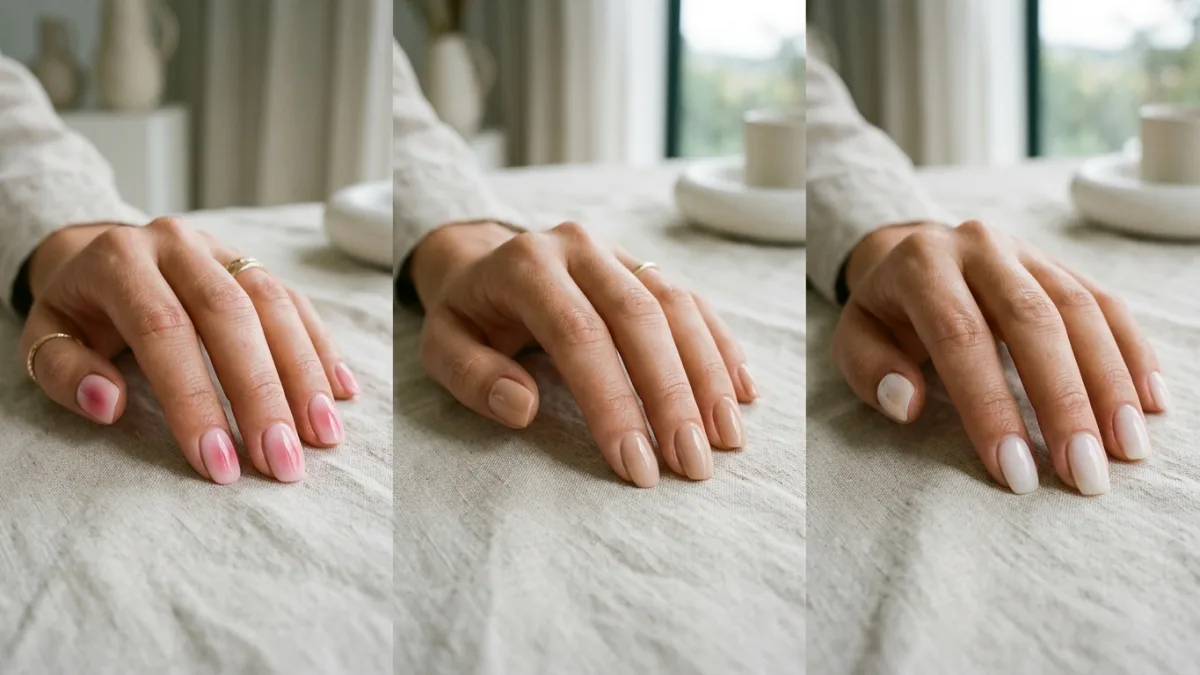
Blush nails, nude nails, and milky nails often get lumped together, but they’re distinct looks. Blush nails lean pink or rosy, echoing a natural flush. Nude nails sit closer to beige or tan, matching skin tone rather than cheek color.
Milky nails, meanwhile, use a hazy, opaque white-pink finish, almost like diluted milk over the nail. Blush nails stay warmer and more translucent by comparison. Knowing this difference helps when you’re describing what you want at the salon.
If you’ve seen “glazed” nails online, that’s a separate trend too — usually shimmery and iridescent. Blush nails skip the shimmer in their classic form, favoring a matte-soft or gentle gloss finish instead.
Why the Trend Took Off
Blush nails gained traction partly through K-beauty influence, where soft, “no-makeup makeup” aesthetics have long been popular. The same philosophy applies to nails: enhance, don’t overpower. That mindset shaped how blush nails became a mainstream favorite.
Blush nails also photograph well. Their soft tone doesn’t clash with outfits or skin tones the way bold colors sometimes can. That versatility is a big reason blush nails keep showing up in salons and on social feeds.
Soft, understated manicures are having a moment. The so-called clean girl look favors sheer, skin-flattering tones over bold statements. It reflects a broader shift toward polished simplicity, where nails complement rather than compete with the rest of a natural, low-effort beauty routine.
More clients are asking for soft, natural-looking manicures instead of bold color. The appeal is versatility: a blush shade works from office to evening without feeling out of place. It’s a low-maintenance look that still feels intentional and polished.
How Do You Choose the Right Blush Shade for Your Skin Tone?
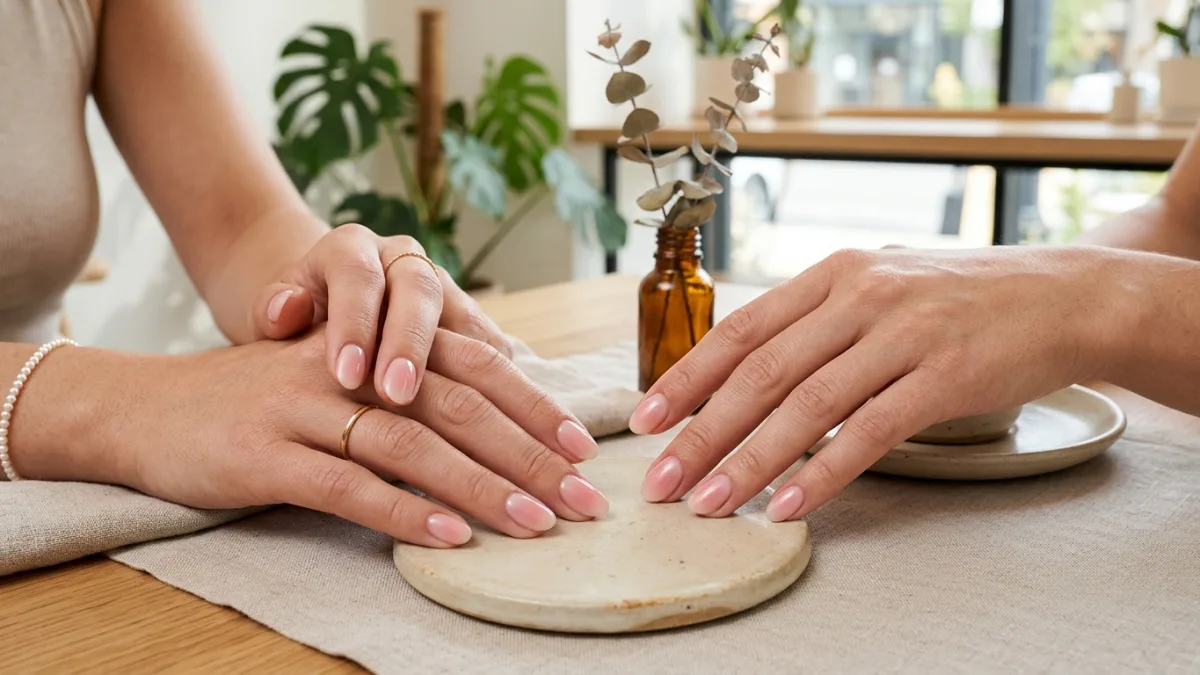
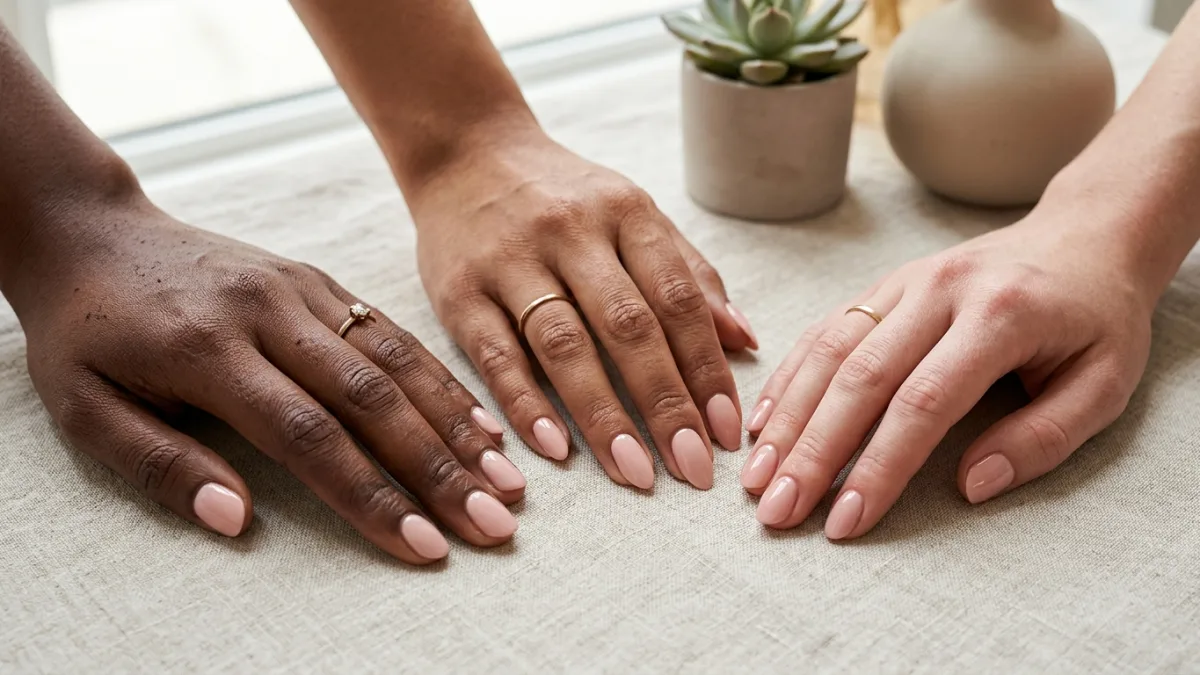
You choose the right blush shade by matching pink undertones to your skin’s warm or cool base. Fair skin usually suits cooler pinks. Deeper skin tones often look best in warmer, peachier blush shades. Testing swatches against your hand helps confirm the match.
Blush polish reads differently on every skin tone. Warmer undertones tend to suit peachy or rosy blush shades, while cooler undertones often pair better with mauve-leaning pinks. Testing a shade against bare skin in natural light remains the simplest way to find the most flattering match.
Blush nails aren’t one-size-fits-all. The same pink that looks stunning on one hand can look chalky or washed out on another. Undertone, not just skin depth, drives which blush nails shade will flatter you most.
Blush nails have steadily grown into one of the most requested salon looks in recent seasons. Their appeal lies in versatility: the soft tone suits nearly every occasion, outfit, and skin tone, making it an easy default choice for clients across ages and styles.
Fair & Light Skin Tones
Fair and light skin tones generally pair well with cool-leaning blush nails, like ballet pink or icy rose. These shades avoid looking orange or overly warm against lighter skin. A touch of cool undertone keeps blush nails looking natural, not costume-like.
Avoid shades that lean too peachy if your skin has pink or cool undertones already. Stick closer to soft rose or baby pink for the most seamless blush nails look.
Medium & Olive Skin Tones
Medium and olive skin tones often suit a blend of warm and neutral blush shades. Rosy mauve or dusty pink tends to work particularly well here. These tones balance olive’s green undertone without clashing.
Blush nails with a slight terracotta hint can also complement olive skin nicely. The key is avoiding shades that are too icy or stark, which can look flat against medium warm tones.
Deep Skin Tones
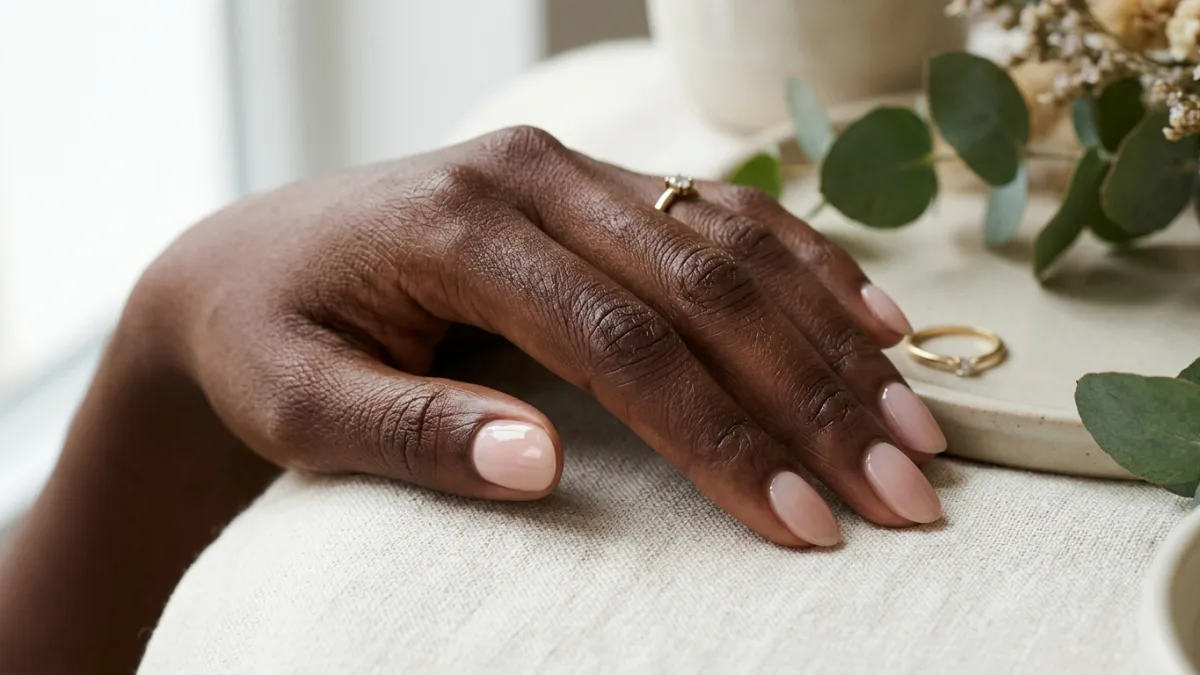
Deep skin tones usually shine in warmer, richer blush shades like rosy terracotta or deep peachy pink. Lighter, cooler blush nails can sometimes look washed out or chalky on deeper complexions. Warmth is the priority here.
Berry-tinted blush nails also work beautifully for deep skin, adding richness without straying into full bold color territory. The goal stays the same: a natural flush, just in a deeper register.
| Skin Tone | Undertone Focus | Recommended Blush Direction |
|---|---|---|
| Fair / Light | Cool or neutral | Ballet pink, icy rose |
| Medium / Olive | Neutral-warm | Dusty rose, mauve pink |
| Deep | Warm | Rosy terracotta, deep peach pink |
How to Do Blush Nails at Home Step by Step
You do blush nails at home by prepping nails, applying a base coat, layering sheer-to-medium blush polish or gel, then sealing with top coat. The process works with either regular polish or gel, though technique differs slightly between the two.
Doing blush nails at home takes patience more than skill. The soft color forgives small mistakes better than bold shades do, which makes it a great trend for beginners to practice on.
What You’ll Need
- Nail file and buffer
- Cuticle pusher or remover
- Base coat (regular or gel)
- Blush pink or peachy polish or gel color
- Top coat (regular or gel)
- UV/LED lamp, if using gel polish
- Cleanser wipes and a thin nail art brush for cleanup
Prep: Nail Shape, Cuticles & Base Coat
Start by filing nails into your preferred shape and pushing back cuticles gently. Clean, dry nails hold blush nails polish far better than oily or damp ones. Skipping prep is the number one reason blush nails chip early.
Apply a thin base coat next. This protects your natural nail and helps blush nails color go on smoother. Let the base coat dry fully before moving to color, especially with regular polish formulas.
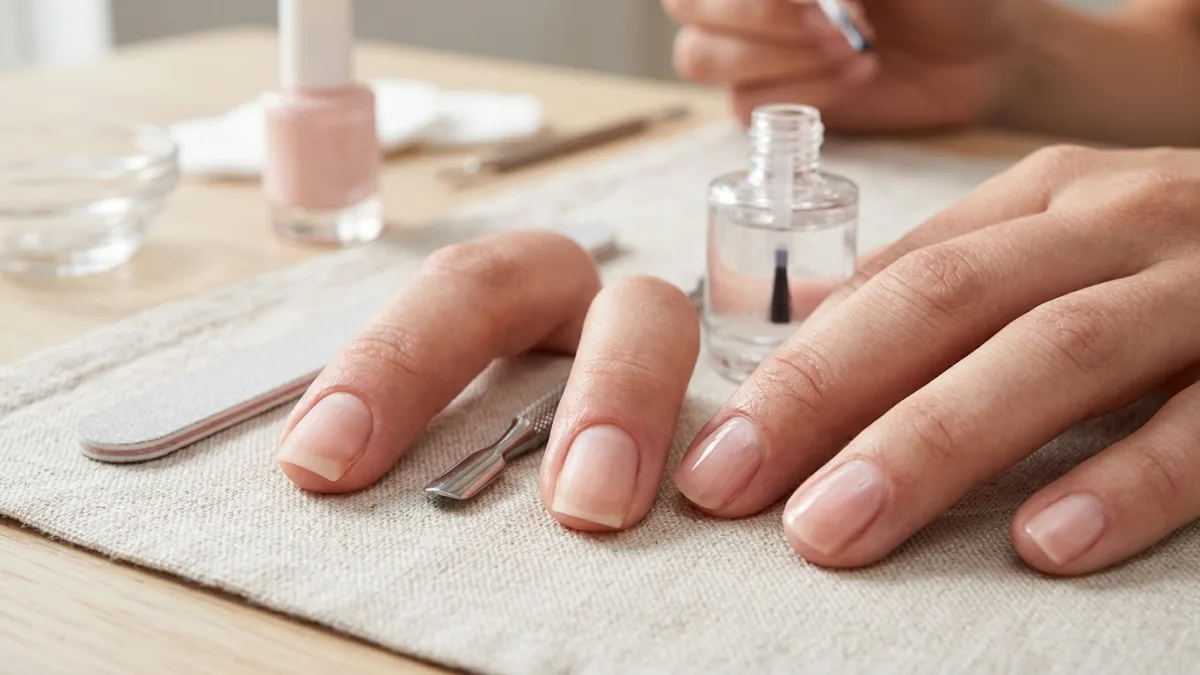
Applying the Blush Color (Polish or Gel)
Apply your blush shade in two thin coats rather than one thick layer. Thin coats dry more evenly and avoid the streaky look that ruins many at-home blush nails attempts. Let each coat dry, or cure under a lamp for gel.
Gel polish tends to self-level better than regular polish, which helps with blush nails’ sheer finish. Regular polish needs slightly more careful brush control to avoid uneven patches near the cuticle line.
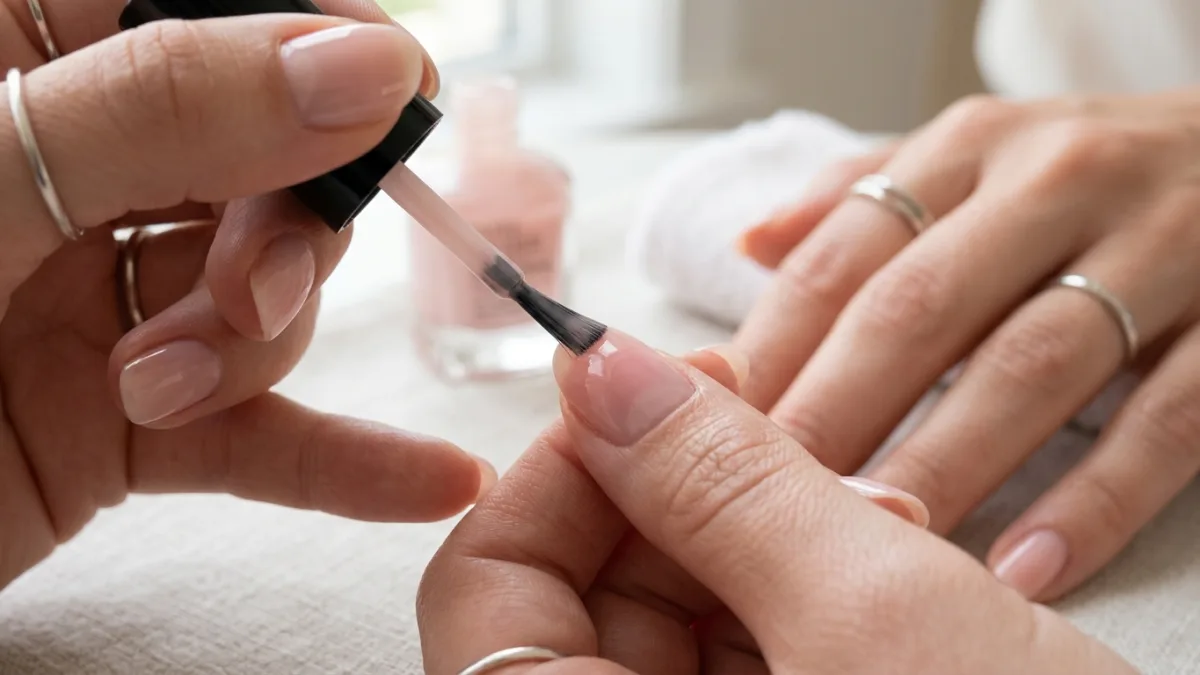
Sealing With Top Coat
Finish blush nails with a glossy or matte top coat, depending on your preferred finish. Top coat seals the color and adds shine or softness. Cure gel top coat fully under a lamp before touching your nails.
A good top coat also extends how long blush nails last before chipping. Don’t skip this step, even if you’re short on time during application.
Common Mistakes to Avoid
Streaking usually happens when coats go on too thick or too fast. Slow down and use thin, even strokes for smoother blush nails. Patchiness often comes from skipping base coat or applying color over oily nails.
Uneven color across nails is common with sheer blush shades. Fix this by applying one extra thin coat only where needed, rather than recoating the entire nail. Bubbling usually means you shook the polish bottle instead of rolling it.
If your blush nails still look blotchy after two coats, try a third ultra-thin layer. Patience with thin layers beats rushing thick ones every time with this trend.
Blush Nail Shades Compared
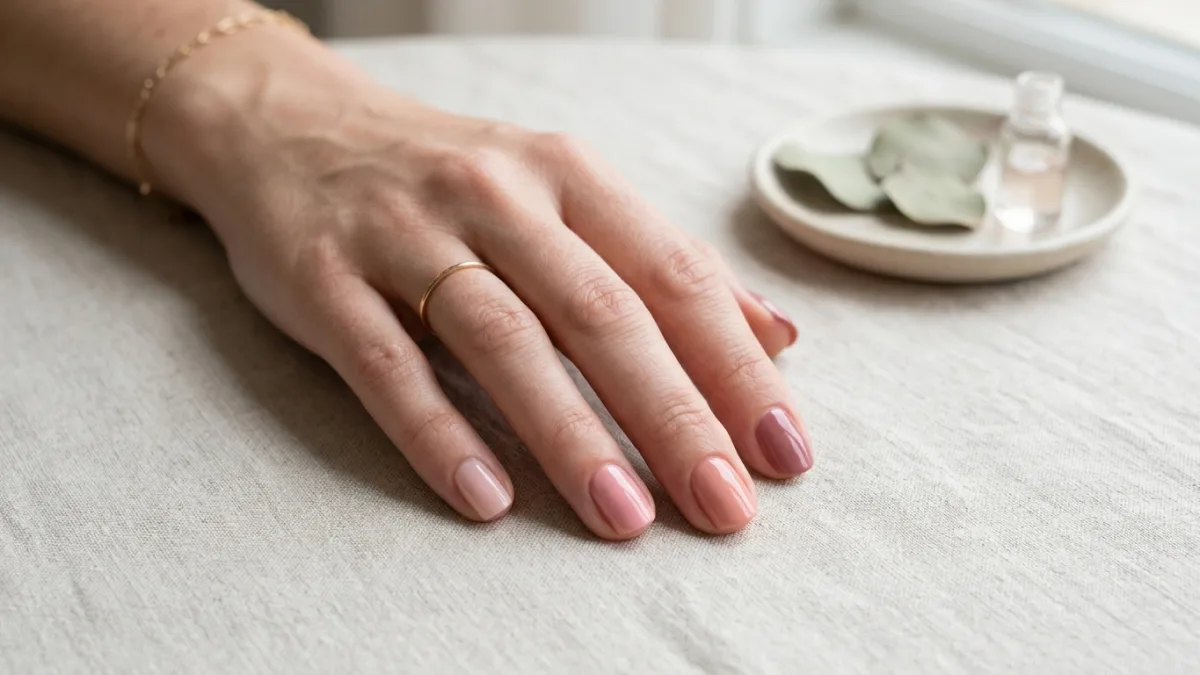
Not all blush nails look the same. Undertones, opacity, and finish change how a shade reads on skin. Use this table to compare popular blush categories before picking a bottle.
| Shade Type | Undertone | Best Skin Tone Match | Finish Options | Occasion |
|---|---|---|---|---|
| Classic Pink Blush | Cool pink | Fair to medium skin | Cream, sheer | Everyday, office |
| Peachy Blush | Warm peach | Medium to deep skin | Cream, satin | Casual, daytime events |
| Rosy Mauve Blush | Cool-neutral | All skin tones | Cream, sheer, jelly | Work, dates |
| Nude Blush | Warm-neutral | Fair to deep skin | Sheer, milky | Minimalist, weddings |
| Shimmer Blush | Cool or warm | All skin tones | Shimmer, metallic | Evening, parties |
Cool pink blush suits fair to medium skin with pink or neutral undertones. Peachy blush warms up medium and deep skin tones instantly. Mauve sits in between, making it the safest universal choice for blush nails.
Nude blush works best for minimalist looks and bridal nails. Shimmer blush adds dimension without straying far from the soft, natural theme. Testing a shade on bare nails before committing saves time and product.
Blush Nails by Nail Shape
Nail shape changes how blush polish looks once applied. A shade that flatters almond nails might look different on square or coffin shapes. Consider your shape before choosing finish and coat count.
| Nail Shape | Recommended Finish | Why It Works | Tip |
|---|---|---|---|
| Almond | Sheer or milky blush | Elongates nail bed naturally | Keep sides thin to avoid bulk |
| Square | Cream blush | Solid color balances straight edges | Cap the free edge for durability |
| Coffin | Shimmer or jelly blush | Shows off length and light play | Apply thin coats to prevent pooling |
| Round | Sheer blush | Softens shape further | Avoid thick tips that shorten look |
| Squoval | Cream or satin blush | Works with most blush tones | Even application matters most here |
Almond and coffin shapes pair well with sheer or shimmer blush since both shapes catch light along the length of the nail. Square and squoval shapes look polished with opaque cream finishes. Round nails stay soft and subtle with the sheerest blush tones available.
Matching finish to shape isn’t a strict rule, though. Personal preference and hand size also play a role. Try a few finishes on one nail before committing to a full set.
How Long Blush Nails Actually Last
Blush nails wear differently depending on formula and daily habits. Regular polish, gel polish, and dip powder all hold up for different lengths of time. Knowing this helps set realistic expectations before application.
Gel and dip powder manicures generally outlast regular polish by a wide margin, holding color and shine far longer before chipping sets in. Chips tend to show up faster on lighter blush shades since any wear is more visible against pale color.
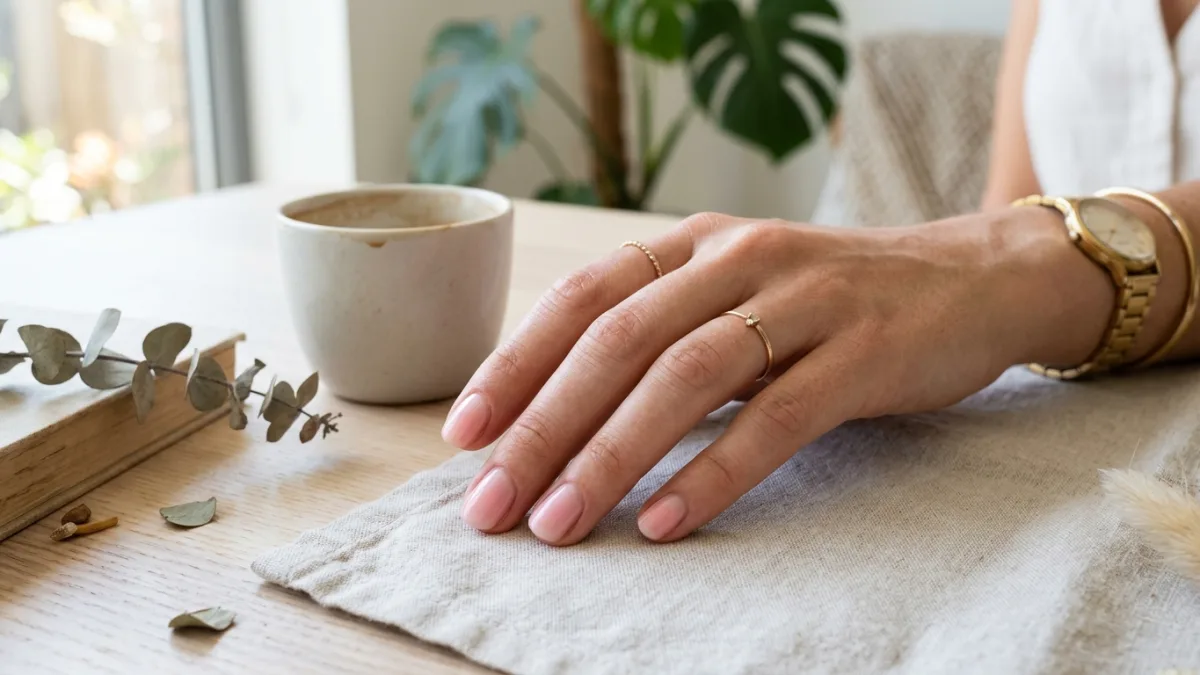
Sheer and medium-opacity gels tend to hold up longer than regular polish, resisting chips and fading through daily wear. The flexible gel formula bends with your nail instead of cracking, keeping blush tones looking fresh for weeks rather than days.
Hand washing, dish soap, and hot water all speed up chipping. Wearing gloves for cleaning tasks extends the life of blush nails significantly. Reapplying top coat every two to three days also helps maintain shine.
Extending Wear Time
- Apply cuticle oil daily to keep polish flexible and less prone to lifting.
- Avoid soaking nails in hot water for long periods, especially in the first 24 hours.
- File tips gently rather than filing aggressively, which can cause chipping at the edges.
- Reapply a thin top coat layer every few days to refresh shine and seal edges.
- Store polish bottles away from heat and sunlight to preserve formula consistency.
Blush Nails for Different Seasons
Blush nails aren’t limited to one season. Small changes in finish and accent details keep the look fresh year-round. Adjusting shade depth also helps blush nails feel seasonally appropriate.
In spring, lighter pink and peach tones feel fitting alongside pastel outfits. Summer calls for shimmer or jelly finishes that catch sunlight well. Fall favors deeper mauve and rosy brown-blush blends for warmth.
Winter pairs nicely with milky blush or blush paired with subtle metallic accents. Swapping finish rather than color keeps a signature blush look adaptable throughout the year. This makes blush nails a practical choice beyond any single season or trend cycle.
Blush Nails vs Other Neutral Manicure Trends
Blush nails often get compared to other neutral manicure styles like nude, milky white, and greige. Each trend shares a soft palette but differs in undertone and overall mood. Comparing them side by side clarifies which fits your style.
Blush nails have become one of the most requested looks in salons and on social feeds, with more people searching out the soft, romantic shade each season. Interest keeps climbing as the trend cements itself as a manicure staple.
| Trend | Core Color Family | Mood | Skin Tone Flexibility | Popular Finish |
|---|---|---|---|---|
| Blush Nails | Soft pink, peach, mauve | Romantic, soft | High | Sheer, cream |
| Milky White Nails | White with sheer wash | Clean, minimal | Medium to high | Sheer, jelly |
| Nude Nails | Beige, tan | Natural, understated | Medium | Cream, satin |
| Greige Nails | Gray-beige blend | Modern, muted | Medium to high | Cream |
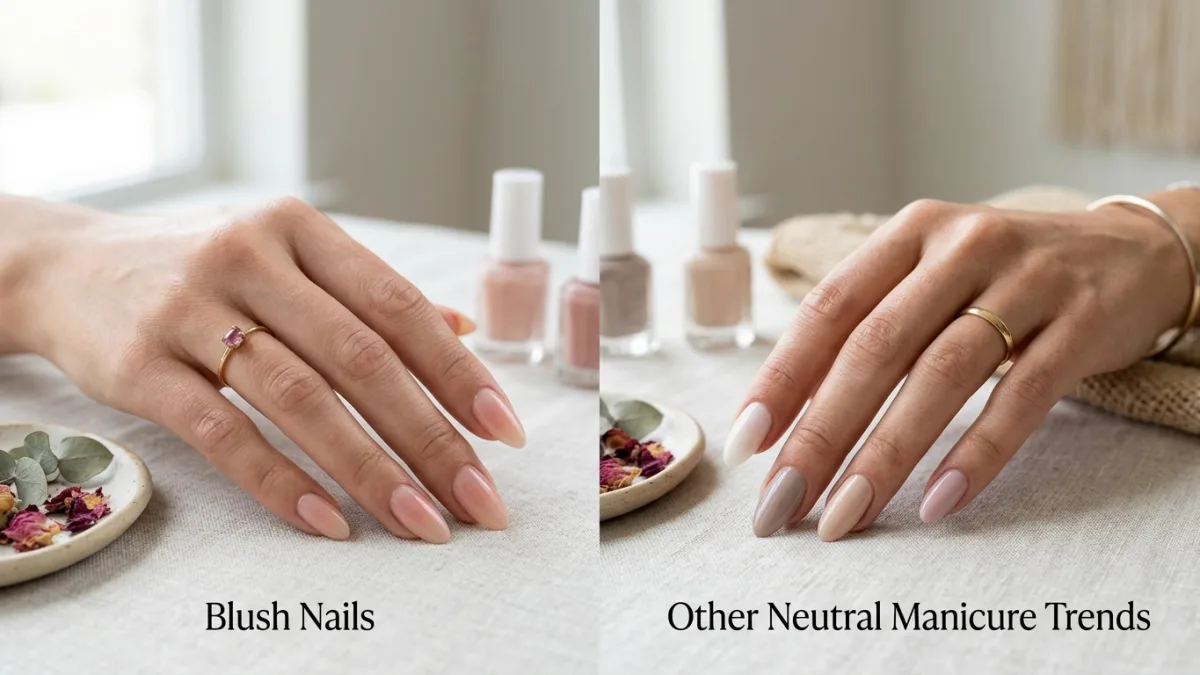
Blush nails stand out for flexibility across skin tones, largely due to the range of pink and peach undertones available. Milky white nails lean more minimal, while nude can look flat on some skin tones without the right undertone match.
Greige offers a modern edge but reads cooler and less romantic than blush.
Choosing between these trends often comes down to mood. Blush nails suit soft, feminine styling. Greige suits those wanting a slightly edgier neutral. Nude and milky white sit in the middle, working well for minimalist wardrobes.
Pairing Blush Nails with Nail Art
Blush nails don’t have to stay plain. Subtle nail art adds interest without overpowering the soft base color. Simplicity works best since blush polish already carries a quiet, elegant tone.
- Add a single fine gold line near the cuticle for a delicate accent.
- Try a French tip using white polish over a blush base for contrast.
- Use a chrome powder accent on one nail per hand for subtle shine.
- Add tiny pearl or rhinestone dots along the cuticle line for texture.
- Try a reverse ombre with blush fading into a clear tip.
Nail art on blush nails works best when kept minimal. One accent nail per hand usually looks more polished than art on every nail. This keeps the overall look wearable for everyday settings while still feeling intentional.
Cost Considerations for Blush Nails
Blush nails can be done at home or in a salon, and cost varies widely between the two. DIY kits cost less upfront but require practice to master. Salon visits cost more but include shaping, cuticle care, and professional application.
Gel manicures in blush shades typically cost more than a standard polish job at most salons, reflecting the extra time and curing process involved. Dip powder blush manicures often cost more than regular polish due to the extra product and labor involved.
At-home blush manicures mainly cost the price of polish, base coat, and top coat. Investing in quality tools like a good file and cuticle pusher pays off over multiple applications. Weighing time against budget helps decide which route makes more sense.
Market context
nail technicians in and around Salt Lake City, Utah — A peer-reviewed study found that 58% of nail technicians in and around Salt Lake City, Utah were exposed to excessive levels of formaldehyde. PMC (International Journal of Dermatology), 2025
active nail technicians in the United States — There are over 400,000 active nail technicians in the United States, according to the CDC’s National Institute for Occupational Safety and Health. CDC/NIOSH, 2026-01-16
Adjacent-market figures — each names the subject it measures, not blush nails directly.
Read the complete guide: The Makeup Guide for Beginners That Skips the Guesswork
