
Skin concerns
Skin Rejuvenation in 2026: Clinical Treatments, At-Home Care, and How to Choose
Last updated: November 5, 2026
Skin rejuvenation means treating skin to improve its texture, tone, and firmness. It works by stimulating collagen and renewing surface cells. This covers a wide range of options. Clinical procedures like lasers, PRP, and fillers are one path. Consistent at-home care is another.
This includes grooming devices, sun protection, and a daily skincare routine. The right choice depends on your skin concern, budget, and comfort with downtime.
Interest in skin rejuvenation has grown fast in 2026, as more people mix in-clinic treatments with daily home care. This guide breaks down what skin rejuvenation actually involves. It covers clinical options, at-home tools, and a practical framework for choosing between them.
What Is Skin Rejuvenation?
Skin rejuvenation is the process of improving skin’s appearance and health by targeting texture, tone, firmness, and fine lines. It works by encouraging collagen production or renewing the outer skin layer. Some methods act on the surface; others reach deeper into the dermis.
Both approaches share the same goal. They aim to help skin look smoother, firmer, and more even. The difference lies in intensity, cost, and how quickly you see results.
How It Differs From Anti-Aging Skincare
Heading into 2026, more people are pairing professional skin rejuvenation treatments with consistent daily skincare rather than relying on one or the other. This blended approach reflects a broader shift toward routines that support results between clinic visits, keeping skin healthier long term.
Think of anti-aging skincare as maintenance. Skin rejuvenation can include this maintenance, but it adds more. It brings targeted intervention, too. This might be a laser session. Or it might be a consistent at-home grooming routine. Either way, it keeps skin smooth between treatments.
Who Skin Rejuvenation Is For
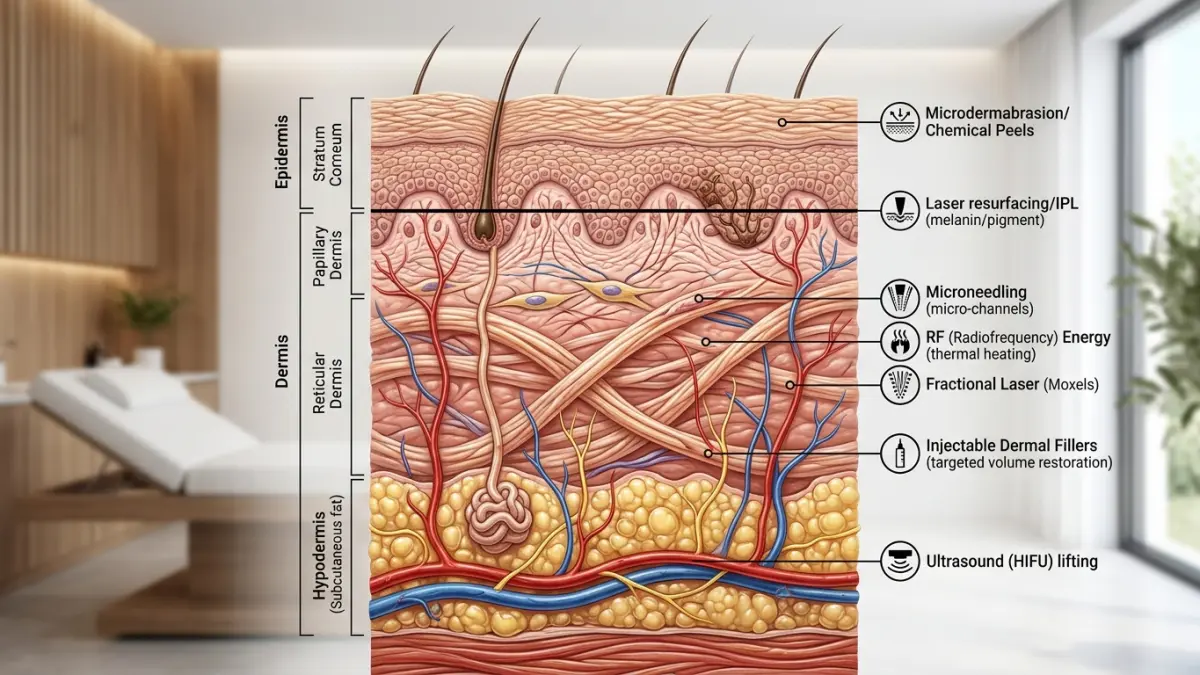
What Causes Skin to Need Rejuvenation?
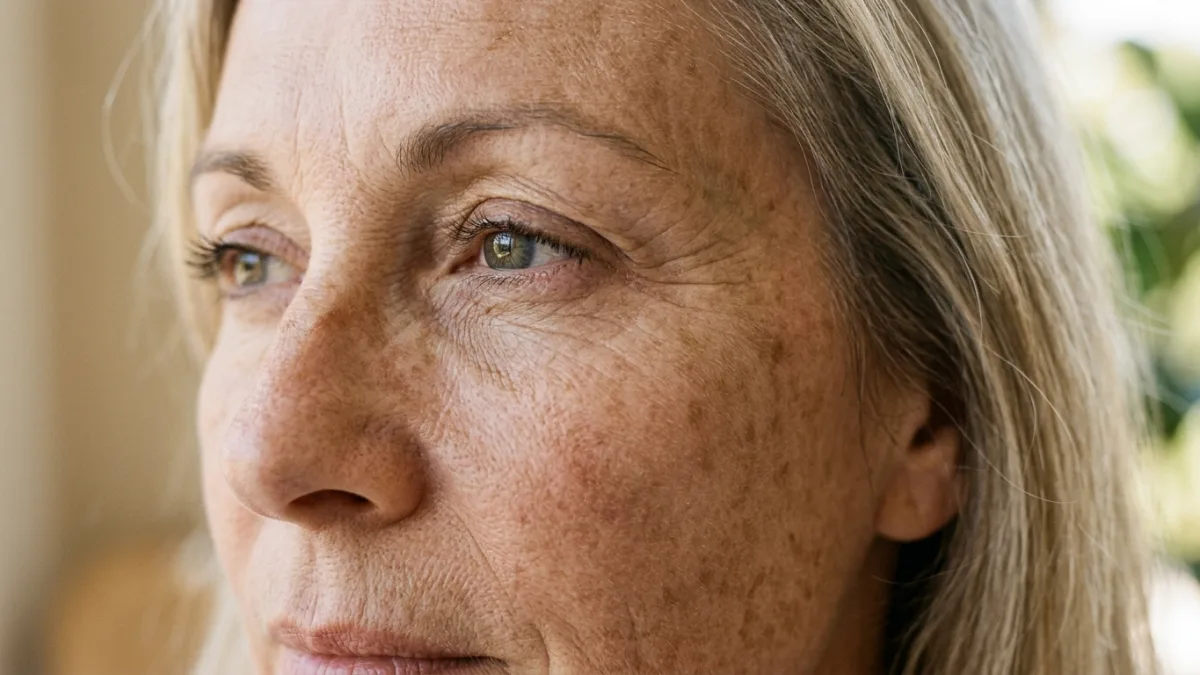
Skin needs rejuvenation because of natural aging, sun exposure, and daily environmental stress. These factors slow collagen production and break down existing collagen fibers, which is why skin rejuvenation becomes so important. The result is thinner skin, visible lines, and uneven texture over time.
Understanding these causes helps explain why skin rejuvenation isn’t a one-time fix. It’s an ongoing process that responds to consistent care, whether that care happens in a clinic or at home.
Sun Damage and Photoaging
UV exposure may account for up to 80% of visible signs of skin aging. (PMC (National Institutes of Health), 2015)
Daily sunscreen use remains one of the simplest ways to slow photoaging. It’s also the foundation most dermatologists recommend before any skin rejuvenation treatment begins.
Natural Collagen Loss
Collagen production naturally declines with age. This decline reduces skin’s firmness and elasticity. That’s why skin rejuvenation treatments often focus on stimulating new collagen growth. They aim to do more than just treat the surface.
At-home skin rejuvenation devices continue gaining ground as more brands expand their offerings. Bellxi reflects this shift directly, stocking every device type for every skin type so customers can build a complete routine without stepping into a clinic.
As people age, collagen production in human skin decreases by approximately 1–1.5% per year. (PMC (National Institutes of Health), 2025)
Treatments like microneedling and laser resurfacing work partly by triggering the skin’s own repair response, which includes new collagen stimulation. This is a core mechanism behind most modern skin rejuvenation approaches.
Safety is a top concern when considering laser resurfacing or PRP treatments. Choosing devices designed with skin safety in mind, and following proper usage guidance, helps ensure a comfortable experience with minimal risk of irritation or complications.
Lifestyle and Environmental Factors
Smoking, poor sleep, pollution, and diet all affect how skin ages. These factors add stress on top of sun damage and natural collagen loss, often speeding up the need for skin rejuvenation.
Clinical Skin Rejuvenation Treatments
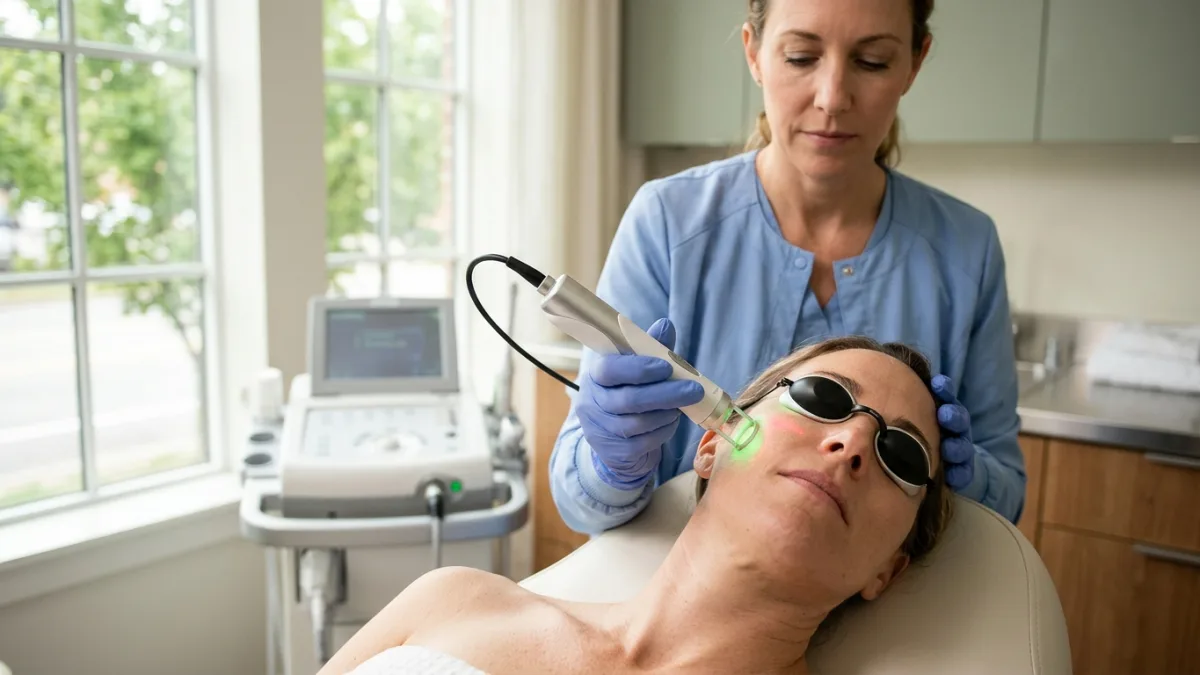
Laser Treatments
Recovery time depends on laser intensity. Ablative lasers remove surface skin and need more healing time. Non-ablative lasers work beneath the surface with less visible downtime, making them a gentler entry point into laser skin rejuvenation.
PRP (Platelet-Rich Plasma)
PRP skin treatment uses a patient’s own blood plasma, rich in platelets, injected or applied to encourage collagen stimulation. It’s often paired with microneedling to boost absorption and results.
Visible skin rejuvenation from PRP typically builds gradually rather than appearing after one session. Many people continue treatments over time, spacing them out as skin responds, to reach and then maintain their desired results.
Dermal Fillers
Dermal fillers for skin rejuvenation add volume beneath the skin to smooth lines and restore lost fullness. Unlike lasers or PRP, fillers work immediately, with results visible right after treatment rather than developing gradually.
Chemical Peels and Microneedling
A chemical peel removes damaged outer skin layers using acid solutions, revealing smoother skin beneath. Microneedling creates tiny punctures to trigger the skin’s natural healing and collagen stimulation response.
The chemical peel vs microneedling choice often comes down to skin concern. Peels suit tone and texture issues. Microneedling suits scarring and firmness concerns. Both are common entry points into clinical skin rejuvenation.
| Treatment | Invasiveness | Typical Downtime | Best For |
|---|---|---|---|
| Laser resurfacing | Moderate to high | Days to weeks (varies by type) | Sun damage, fine lines, scars |
| PRP treatment | Low to moderate | Minimal, some redness | Collagen stimulation, overall texture |
| Dermal fillers | Low | Minimal, possible swelling | Volume loss, deeper lines |
| Chemical peel | Low to moderate | Days of peeling/redness | Tone, texture, surface damage |
| Microneedling | Low to moderate | 1-3 days redness | Scarring, firmness, texture |
Comparing Sessions and Longevity of Results
| Treatment | Sessions Needed | Results Duration |
|---|---|---|
| Laser resurfacing | 1-3 | 1-3 years |
| PRP treatment | 3-4 | 6-18 months |
| Dermal fillers | 1 (touch-ups vary) | 6-18 months |
| Chemical peel | 1-6 | Weeks to months |
| Microneedling | 3-6 | Several months to a year |
Discussing these figures with a licensed provider helps set realistic expectations. Costs vary by region, provider experience, and treatment area size.
Choosing the Right Provider
“You should know as much about the procedure as possible” — Thomas E. Rohrer, MD, FAAD, Board-certified dermatologist
Market context
Melanoma incidence in the United States — An estimated 97,059 new cases of melanoma were diagnosed in the United States in 2022. CDC National Center for Chronic Disease Prevention and Health Promotion, 2026
Adjacent-market figures — each names the subject it measures, not skin rejuvenation directly.

Read the complete guide: A Skin Concerns Guide That Finally Makes Sense of Your Routine
Frequently Asked Questions
How soon will I see results from skin rejuvenation treatments?
Timelines vary by treatment type. Chemical peels and microneedling may show visible improvement within one to two weeks. Laser resurfacing and PRP often take several weeks to months, as collagen rebuilding happens gradually beneath the skin’s surface.
Is skin rejuvenation safe for all skin types?
Most treatments are adaptable, but some carry higher risks for darker skin tones, especially certain lasers. A consultation with an experienced provider helps determine which method suits your skin type and reduces the chance of pigmentation issues or scarring.
Can I combine multiple skin rejuvenation treatments?
Yes, many providers combine treatments like microneedling with PRP or chemical peels with laser therapy for enhanced results. Combining treatments should always be planned by a professional to avoid excessive irritation or prolonged downtime.
How painful are these procedures?
Discomfort varies widely. Microneedling and chemical peels typically cause mild stinging, while laser resurfacing may require numbing cream. Dermal fillers and PRP involve needle injections, which can cause brief discomfort but are generally well tolerated.
Do I need to prepare my skin before treatment?
Many providers recommend avoiding sun exposure, retinoids, and certain medications before treatment. Preparation steps depend on the procedure, so following your provider’s specific pre-treatment instructions helps minimize complications and supports better results.
Will results look natural?
When performed correctly, skin rejuvenation treatments enhance texture and tone without looking artificial. Providers typically aim for gradual, subtle improvement rather than dramatic change, allowing skin to look refreshed rather than obviously treated.
How do I maintain results long term?
Sun protection, a consistent skincare routine, and periodic maintenance sessions help preserve results. Since skin naturally ages, most rejuvenation treatments require occasional touch-ups to sustain improvements in texture, tone, and firmness over time.
Key statistics
- In aged human skin, sun-exposed sites (wrist) show far lower levels of the mature collagen cross-link HHL than sun-protected sites (buttock), reflecting impaired collagen maturation from chronic sun exposure. (PubMed (NIH), 1991)
- A systematic review of periorbital skin rejuvenation compared PRP and PRF across a defined body of clinical research. (PMC (NIH), 2025)
References
- Chronic UV exposure activates signaling pathways that reduce collagen synthesis and increase collagen-degrading enzyme (MMP) production, contributing to photoaging. — PubMed (NIH) (Peer-reviewed review indexed by NIH/PubMed)
- Platelet-rich plasma (PRP) contains growth factors and cytokines that have been shown to stimulate collagen production and promote skin regeneration. — PMC (NIH) (Peer-reviewed article hosted on NIH’s PubMed Central)
