
Skin concerns
Chemical Face Peels: What They Do, Types, Cost, and Recovery Explained
Last updated: November 5, 2026
Chemical face peels use an acid solution to exfoliate the top layers of skin, helping fade dark spots, smooth texture, and soften fine lines. They range from light lunchtime treatments to deep peels needing weeks of healing.
Results and recovery depend on peel depth, skin type, and how well you follow aftercare steps.
What Is a Chemical Face Peel?
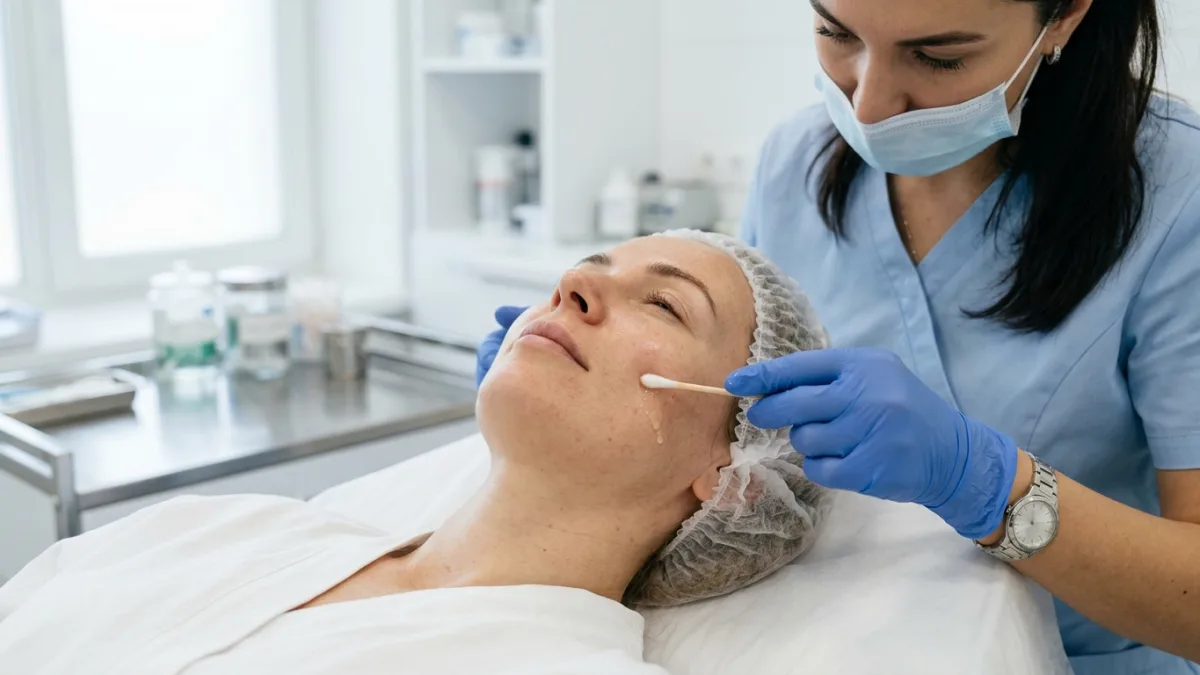
Chemical face peels are skin treatments that use an acid solution to remove damaged outer skin cells. As the top layer peels away, fresher skin appears underneath.
Chemical face peels can improve tone, texture, and clarity, though results depend heavily on the strength used and the skill of the person applying it.
How Chemical Peels Work on Skin
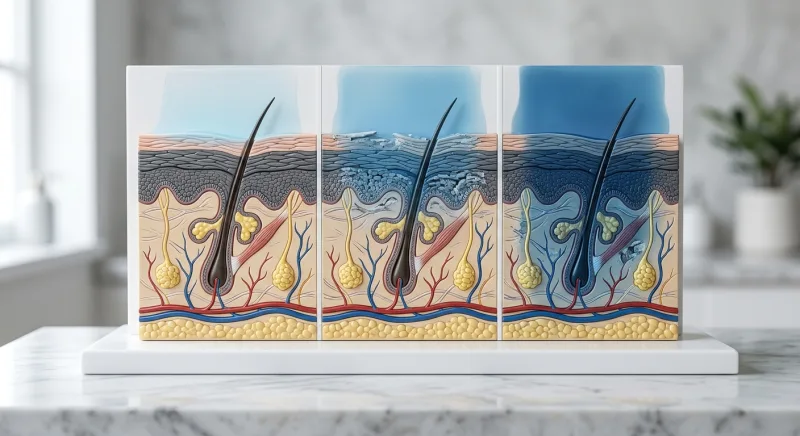
Most chemical face peels work through a process called exfoliation (the shedding of dead or damaged skin cells from the surface). The acid loosens the bonds between old skin cells. This triggers the skin to shed that layer and begin producing new cells.
Deeper peels reach further into the skin, which means stronger results but longer healing.
What Chemical Peels Can and Can’t Treat
Chemical face peels can help with sun damage, acne scars, fine lines, uneven tone, and a skin condition called melasma (patches of darker pigment often triggered by hormones or sun exposure). They will not fix deep wrinkles, sagging skin, or active infections.
A dermatologist can help set realistic goals before treatment.
What Are the Different Types of Chemical Peels?
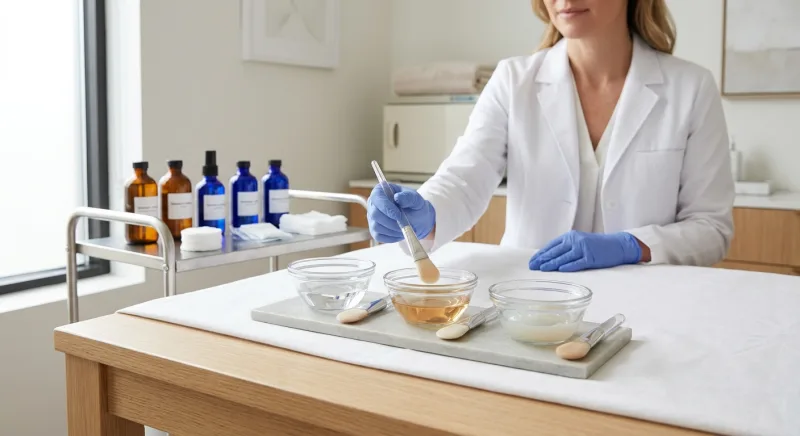
Chemical face peels fall into three depth categories: superficial, medium, and deep. Each type uses a different acid strength and reaches a different layer of skin. Picking the right depth matters, since going too deep for your skin’s needs raises risk without adding benefit.
Superficial Peels
Medium-Depth Peels
Deep Peels
Deep peels use phenol (a strong chemical compound that penetrates the deepest treatable skin layer) to address severe wrinkles or significant sun damage. These chemical face peels need close medical supervision, sometimes sedation, and weeks of healing. They are only done once, since the skin changes are long-lasting.
Common Peel Ingredients (AHA, BHA, TCA, Phenol)
| Peel Type | Common Acid | Skin Depth | Typical Downtime | Best For |
|---|---|---|---|---|
| Superficial | Glycolic acid, salicylic acid | Outer layer only | A few days, mild flaking | Dullness, mild acne, light sun spots |
| Medium | Trichloroacetic acid | Middle skin layer | About a week of peeling | Sun damage, acne scars, uneven tone |
| Deep | Phenol | Deepest treatable layer | Several weeks, medical supervision | Severe wrinkles, significant sun damage |
Who Is a Good Candidate for a Chemical Peel?
Skin Types and Tones to Consider
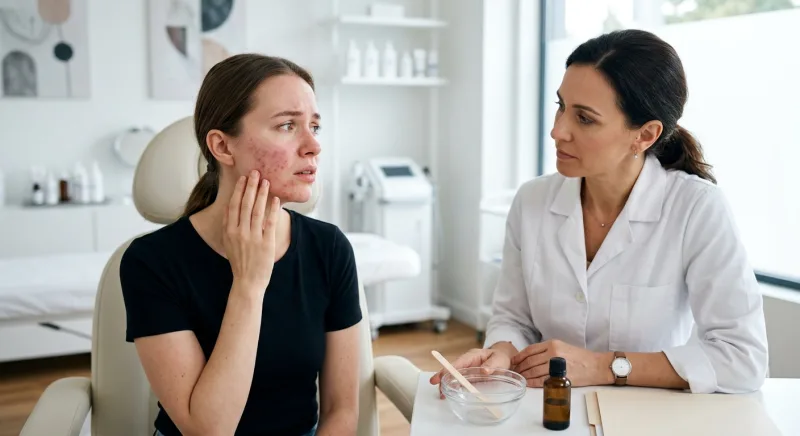
Chemical face peels can work for many skin tones, but darker skin needs extra care. Deeper skin tones carry a higher risk of post-inflammatory hyperpigmentation (dark patches that form after skin trauma or irritation heals). A dermatologist familiar with treating diverse skin tones can pick a safer peel strength.
When a Peel May Not Be Recommended
Chemical face peels may not suit pregnant women, people with active cold sores, or those using certain acne medications recently. Anyone with a history of poor scarring or keloids should discuss risks first. Skipping this step can lead to uneven healing or unwanted scarring.
How Should You Prepare for a Chemical Peel?
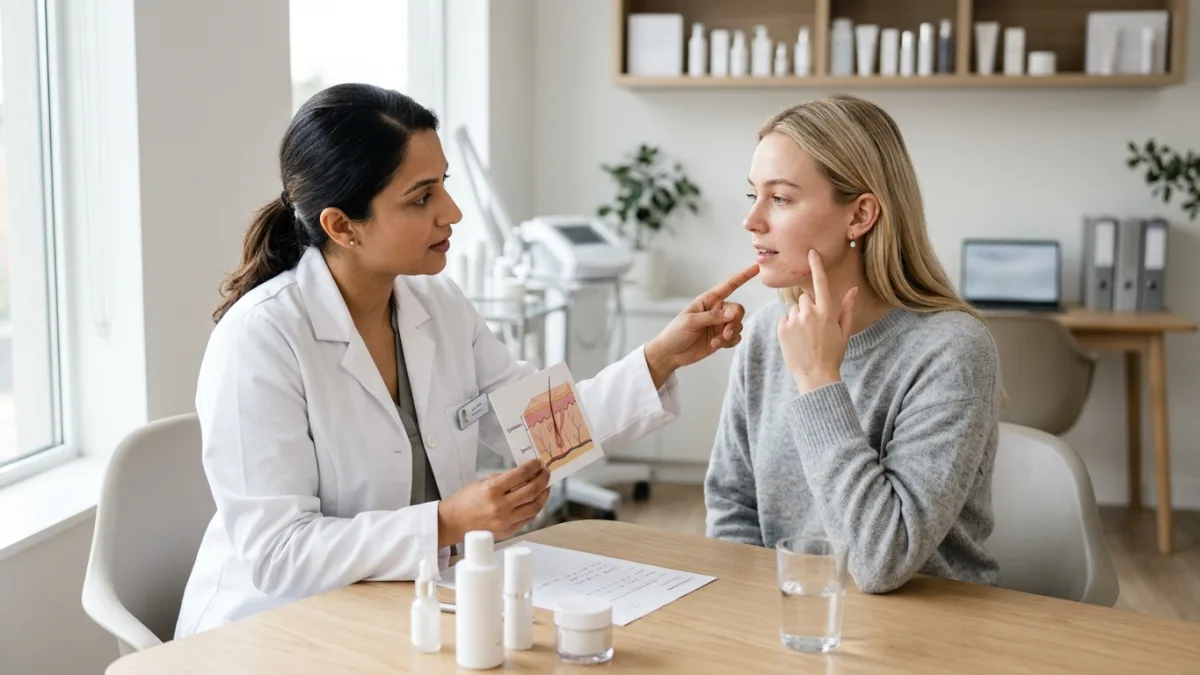
Preparing for a chemical face peel starts about one to two weeks before your appointment. Most professionals ask patients to pause certain skincare products and stay out of the sun. Good prep lowers the risk of irritation and helps the peel work more evenly across your skin.
Pre-Peel Skincare Adjustments
Before a chemical face peel, most providers tell you to stop retinoids (vitamin A-based ingredients that speed up skin cell turnover) and strong exfoliants. Sunscreen becomes a must in the days before treatment. Skipping these steps can make skin more touchy during the actual peel.
What to Discuss with a Dermatologist or Esthetician
Chemical Face Peels Compared by Strength and Downtime
Not all chemical face peels deliver the same results or require the same recovery time. Comparing options side by side makes it easier to match a treatment to specific skin goals and schedule constraints.
| Peel Type | Depth | Typical Downtime | Common Concerns Addressed |
|---|---|---|---|
| Glycolic Acid Peel | Superficial | 0-2 days | Dullness, uneven texture |
| Salicylic Acid Peel | Superficial | 1-3 days | Acne, clogged pores |
| Lactic Acid Peel | Superficial | 0-2 days | Dryness, mild discoloration |
| TCA Peel | Medium | 5-7 days | Fine lines, sun damage |
| Phenol Peel | Deep | 2-3 weeks | Deep wrinkles, scarring |
This comparison shows why choosing the right chemical face peel matters. A superficial option might not touch deep scarring, while a deep peel could be overkill for mild dullness. Matching depth to concern keeps expectations realistic.
Professional Chemical Face Peels vs At-Home Options
Many people wonder if at-home peel kits can take the place of a visit to the office. The short answer is that professional chemical face peels and at-home versions serve different needs, mostly because of acid strength and having an expert on hand.
At-home peel products often use less of the active acid. This makes them softer but also less able to fix tough problems like deep spots or bad skin damage. Chemical Face Peels done by pros can use stronger mixes under trained watch.
| Factor | Professional Chemical Face Peels | At-Home Peel Kits |
|---|---|---|
| Acid Concentration | Higher, medically supervised | Lower, formulated for self-use |
| Results Speed | Noticeable after 1-2 sessions | Gradual, over weeks or months |
| Risk of Irritation | Managed by trained provider | Higher if misused |
| Cost per Session | average professional peel cost | average at-home peel kit cost |
| Best For | Moderate to significant concerns | Mild maintenance between visits |
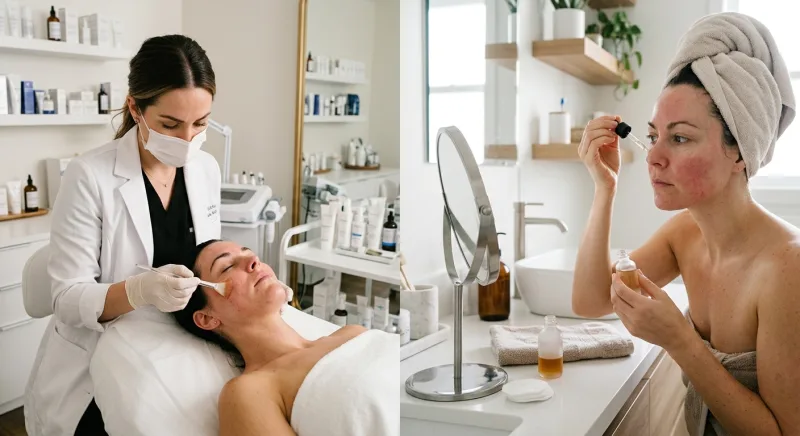
At-home kits can be useful for upkeep between visits to a pro. They are not made to take the place of medium or deep treatments. Anyone thinking about stronger mixes should still talk to a licensed provider first.
Common Myths About Chemical Face Peels
Wrong ideas about chemical face peels can lead to hopes that are too high or fear that is not needed. Clearing up a few common myths helps people make smart choices about whether this treatment fits their skin goals.
- Myth: All peels burn or hurt significantly. Most superficial peels cause mild tingling, not pain. Discomfort levels vary by acid type and skin sensitivity.
- Myth: Peeling skin means the treatment worked. Visible peeling is not required for results. Some effective peels cause minimal flaking.
- Myth: Chemical face peels are only for older skin. Younger patients often use them for acne or early sun damage prevention.
- Myth: One peel delivers permanent results. Most benefits fade over time as new skin cells form, requiring maintenance sessions.
- Myth: Darker skin tones cannot get peels safely. With proper acid selection and technique, many providers safely treat a range of skin tones.
Clearing up these wrong ideas helps set fair hopes. A skilled provider can explain just what a certain peel will and will not do for each person’s skin issues.
Signs a Chemical Face Peel May Not Be the Right Choice
Chemical face peels are not right for everyone. Some skin conditions or situations may raise risk or lower how well they work, so it is worth pausing before booking a session.
- Active eczema, rosacea flare-ups, or open wounds on the treatment area
- Recent use of isotretinoin or other strong prescription retinoids
- Pregnancy or breastfeeding, depending on the specific acid involved
- A history of keloid scarring or poor wound healing
- Unrealistic expectations about immediate, dramatic transformation
In these cases, a provider may tell a patient to wait or pick another treatment instead. Being honest about past health keeps both safety and results on track.
Combining Chemical Face Peels with Other Skincare Treatments
Some patients pair chemical face peels with other treatments to fix more than one issue at once. But timing and order matter, so the skin does not get too irritated.
Microneedling, laser treatments, and injectables are sometimes scheduled around peel sessions rather than on the same day. Spacing treatments apart allows skin to fully recover between each intervention. A provider can map out a safe sequence based on individual skin needs and goals.
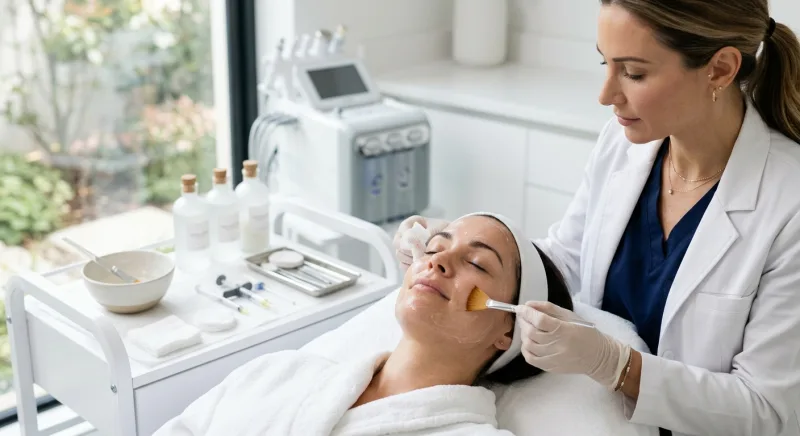
Piling on too many treatments too fast can backfire, leading to long-lasting redness or sensitivity. Waiting between treatments tends to give better long-term results than rushing many steps together.
Market context
Complications associated with dermatological surgery in a prospective French study — In a prospective study of 3,788 dermatological surgical procedures, 236 complications occurred in 213 procedures, a complication rate of 6%. PubMed (British Journal of Dermatology), 2005
OSHA permissible exposure limit for phenol (used occupationally as a chemical skin-peeling/chemexfoliant agent) — The OSHA permissible exposure limit (PEL) for occupational exposure to phenol, which is used as a chemical skin-peeler, is 5 ppm averaged over an 8-hour workshift. CDC/ATSDR Medical Management Guidelines for Phenol, 2024
Adjacent-market figures — each names the subject it measures, not Chemical Face Peels directly.
Read the complete guide: A Skin Concerns Guide That Finally Makes Sense of Your Routine
Frequently Asked Questions
What are Chemical Face Peels used for?
Chemical Face Peels are used to improve skin texture, tone, and clarity. They address concerns like fine lines, acne scarring, dullness, and uneven pigmentation. A provider selects a formula strength based on the specific skin issue being treated and the patient’s tolerance.
How often can I get Chemical Face Peels done?
How often you can do it depends on peel depth and how sensitive your skin is. Light peels may be repeated every few weeks, while medium or deep peels need longer breaks between sessions to heal. A skincare provider can suggest a plan that fits your skin goals safely.
Do Chemical Face Peels hurt during the procedure?
Most patients feel mild tingling, warmth, or stinging rather than sharp pain. What they feel depends on how strong the peel is and how sensitive their skin is. Providers often use cooling tricks or fans during the treatment to keep discomfort mild the whole time.
Can Chemical Face Peels be used on all skin types?
Many skin types can handle some form of chemical peel, but the mix and strength should be picked with care. Darker skin tones may need gentler mixes to lower the risk of changes in skin color. A talk with a provider helps find the safest, best choice.
How long does downtime last after a peel?
Downtime ranges from a few hours of mild redness to several days of visible peeling, depending on depth. Light peels typically involve little disruption to daily routines. Deeper treatments may require patients to avoid social or work commitments while skin heals.
Are results from Chemical Face Peels permanent?
Results do not last forever since skin keeps aging and reacting to the world around it. Follow-up sessions and steady sun care help make gains last longer. Many patients repeat Chemical Face Peels now and then to keep skin smooth and tone even over time.
Can I wear makeup after getting Chemical Face Peels?
Makeup is usually avoided for at least a day or two after treatment while skin recovers. Applying products too soon can trap bacteria or irritate sensitive, peeling skin. A provider will advise when it’s safe to resume normal makeup routines.
Who should avoid Chemical Face Peels altogether?
People with active infections, open cuts, or certain skin conditions that cause swelling are often told to skip Chemical Face Peels. Pregnant patients may also be told to wait. A full talk with a provider helps find anyone who should wait or pick another way to treat their skin.
Key statistics
- In a comparative melasma trial, the majority of patients receiving a 15% TCA chemical peel experienced some adverse effect, most commonly temporary redness. (PMC (NCBI), 2025)
Expert insights
Yeah, so basically, the chemical that’s being used is essentially causing some disruption of your top layer of skin cells, and essentially, they kind of slough off, and that’s why your skin peels.
Shilpi Khetarpal, MD, dermatologist at Cleveland Clinic
References
- A chemical peel uses a chemical solution to remove layers of skin, revealing newer, more youthful skin underneath, and can improve fine lines, acne scars, and uneven skin coloring. — Cleveland Clinic (Non-profit academic medical center; listed high-tier health domain (clevelandclinic.org))
- Different chemical solutions used in peels (such as glycolic acid, trichloroacetic acid, salicylic acid, lactic acid, or phenol) determine the depth of the peel and the type of skin condition treated. — Cleveland Clinic (Non-profit academic medical center; listed high-tier health domain (clevelandclinic.org))
