
Skincare routine
Damaged Skin: What Causes It and How to Repair It Safely
Last updated: November 3, 2026
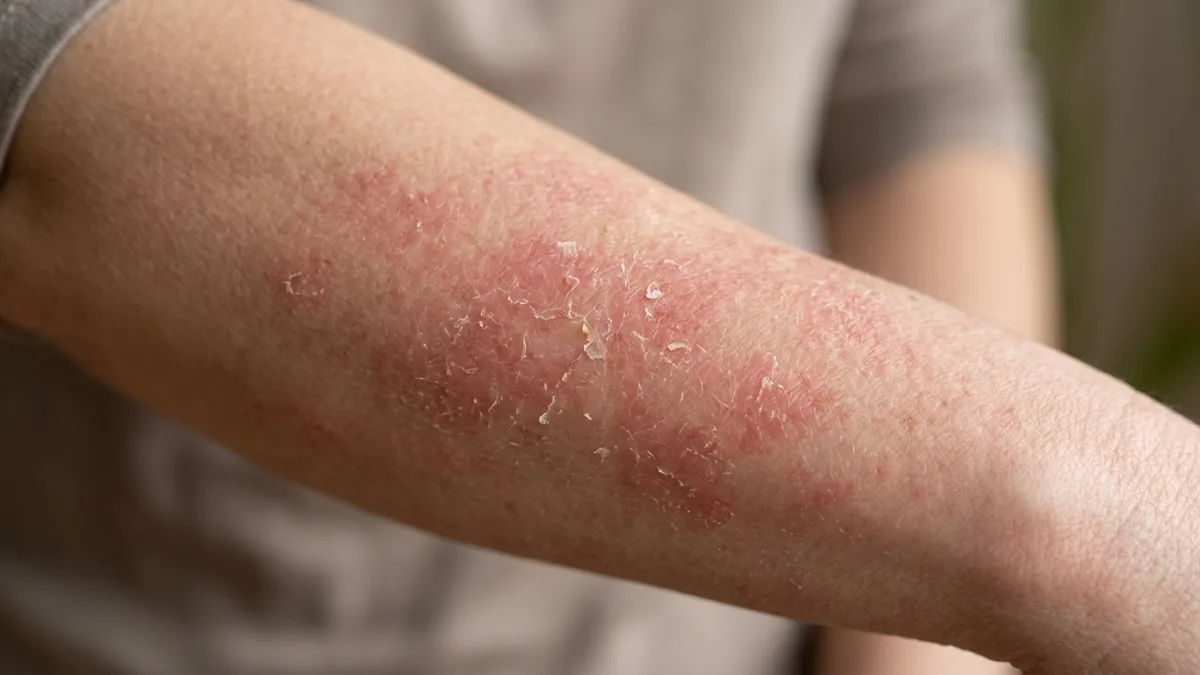
Damaged skin means your skin’s outer barrier has been weakened, showing up as redness, dryness, flaking, or a tight, sensitive feel. Causes range from sun exposure and harsh weather to over-exfoliation and rough hair removal habits.
Repair starts with a simpler routine, barrier-friendly ingredients, and gentler grooming tools built for sensitive, damaged skin.
Most people deal with damaged skin at some point. Maybe it is winter wind burn, a bad reaction to a new product, or nicks from a razor. Whatever the cause, damaged skin is uncomfortable and often confusing to treat.
This guide breaks down what is really going on, why it happens, and what actually helps.
We will also look at an often-overlooked cause: hair removal. Waxing, shaving, and poor technique with hair removal tools can all wear down skin over time. By the end, you will know how to spot damaged skin, treat it, and pick tools that protect it going forward.
What Is Damaged Skin, Exactly?
The skin barrier (the outermost layer of skin cells and lipids that blocks water loss and keeps out bacteria and allergens) is usually the part that takes the hit. When it is working well, skin feels comfortable and looks even. When it is not, damaged skin shows up fast.
Common Signs of Damaged Skin
Damaged skin usually announces itself clearly. You will notice one or more of these signs, often together, and often in the same spot where the damage happened.
- Redness or blotchy patches that do not fade quickly
- Flaking, rough texture, or visible dry patches
- A tight, stinging, or itchy feeling
- Increased sensitivity to products you used before with no issue
- Small bumps, breakouts, or ingrown hairs after hair removal
Some of these signs fade in a day or two. Others linger longer, especially if the damaged skin barrier keeps getting re-irritated by harsh products or repeated friction.
Damaged Skin vs. a Damaged Skin Barrier
Damaged skin is the visible result, while a damaged skin barrier is usually the root cause underneath it. Think of the barrier as the wall, and damaged skin as the cracks you see on the surface. Skin barrier damage often needs a slightly different approach than surface-level irritation alone.
Razor burn, ingrown hairs, and irritation are common complaints after shaving or waxing. Many people notice redness or bumps soon after hair removal. Choosing gentler methods and proper technique can help protect skin from unnecessary stress and discomfort.
Surface damage, like a sunburn or a razor nick, tends to heal with basic care. A weakened barrier, though, can keep producing new damaged skin symptoms until you address moisture loss and stop whatever keeps breaking it down, including harsh grooming habits.
Skin experts mostly agree that too much sun can hurt the skin’s outer layer over time. How fast it heals depends on how bad the harm is and the care given after. Protecting skin often, even during grooming, helps cut down on more stress to damaged skin.
What Causes Skin Damage?
Skin damage usually comes from a mix of outside stress and daily habits, not one single event. Sun, weather, harsh products, and rough hair removal methods all wear down the skin barrier over time. Understanding the cause helps you pick the right fix instead of guessing.
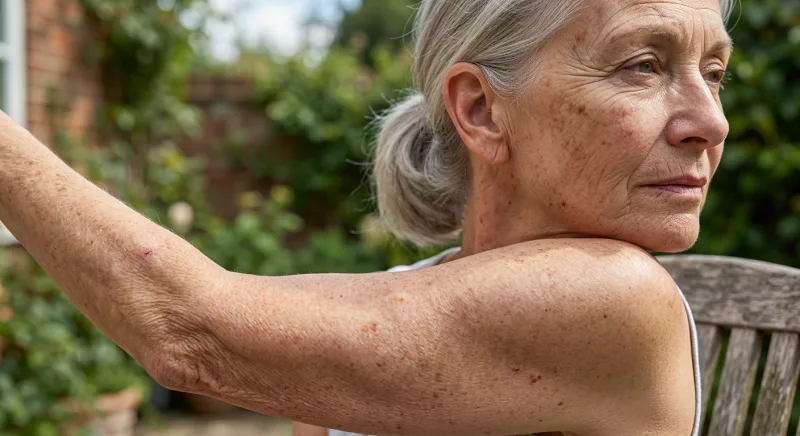
Dermatologists often point to razor burn, waxing irritation, and ingrown hairs as common results of harsh hair removal methods. Choosing well-designed tools and gentler techniques can reduce these issues, helping skin stay smoother and healthier after every session.
Environmental Causes (Sun, Weather, Pollution)
Sun exposure is one of the most common causes of damaged skin, breaking down collagen and drying out the surface layer over time. Cold, dry air pulls moisture from skin too, which is why damaged skin flares up more in winter.
Pollution particles can settle on skin and trigger irritation in people prone to sensitivity.
The American Academy of Dermatology notes that protecting skin from the sun and harsh weather is a core part of preventing dryness and irritation. None of these exposures cause damaged skin on their own in a single day, but repeated exposure adds up.
Lifestyle and Habit-Related Causes
Washing too much, scrubbing too much, and using strong products too often are common everyday causes of damaged skin. Hot showers strip natural oils faster than warm water. Skipping lotion after washing leaves the skin without help right when it needs it most.
Dry skin and a weakened skin barrier are common concerns people deal with regularly. Many factors, from weather to grooming habits, can affect how skin looks and feels. Supporting skin health starts with using tools designed for gentler, more effective care.
Sleep, stress, and diet play a role too, though they act more slowly. A stressed body produces more inflammation, which can make already damaged skin slower to recover. None of these habits act alone; they usually stack with other causes.
Hair Removal and Grooming as an Overlooked Cause
Hair removal is one of the most common, and most overlooked, causes of damaged skin. Waxing pulls hair from the root and can tear the top skin layer if done too often or on skin that is already sensitive.
Shaving with a dull blade or dry skin creates friction that leads straight to damaged skin.
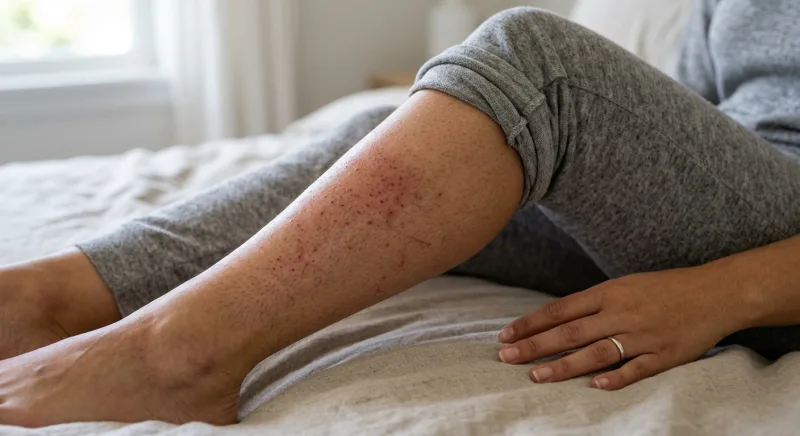
Poor technique with Intense Pulsed Light devices (handheld tools that use light pulses to reduce hair growth over repeated sessions) can also cause redness or sensitivity if used on the wrong skin tone or setting. Using the wrong device for your skin type is a common, fixable mistake.
The good news is that damaged skin from hair removal is largely preventable. Choosing gentler tools and correct settings protects the skin barrier while still getting rid of unwanted hair. We will cover how to choose those tools later in this guide.

How to Tell If Your Skin Barrier Is Damaged
You can tell your skin barrier is damaged by checking for a handful of physical signs and how skin reacts to products it once tolerated. A damaged skin barrier often feels different before it looks different, so pay attention to sensation, not just appearance.
Physical Signs to Watch For
A damaged skin barrier tends to show a consistent pattern of physical clues. Watch for these together rather than judging by just one sign.
- Skin that feels tight or dry shortly after washing
- Rough or flaky patches that do not smooth out with regular moisturizer
- A dull, uneven tone compared to your normal skin
- Stinging or burning when you apply products you used to tolerate
- Slower healing after small cuts, bumps, or hair removal
Mountain Dermatology Specialists points out that a damaged skin barrier often makes skin more reactive to products that never caused problems before. That shift in tolerance is one of the clearest warning signs to watch for.
When Redness or Sensitivity Signals a Problem
Redness that shows up right after sun, wind, or hair removal is often temporary and calms down within a day. Redness that lingers for several days, spreads, or comes with swelling suggests damaged skin barrier issues that need more than a moisturizer.
Sensitivity that keeps building, where more and more products start to sting, is a sign the barrier is struggling to protect itself. At that point, simplifying your routine matters more than adding new products to fix damaged skin.
Comparing Ingredients That Help Damaged Skin
Not every ingredient marketed for repair actually helps damaged skin heal. Some soothe on contact but do little for the barrier long term. Others work slowly but rebuild structure. The table below compares common options side by side.

| Ingredient | Primary Benefit | Speed of Results | Best For |
|---|---|---|---|
| Ceramides | Rebuilds barrier lipids | Slow, cumulative | Chronic dryness, eczema-prone skin |
| Niacinamide | Reduces inflammation, strengthens barrier | Moderate | Redness, uneven tone |
| Hyaluronic Acid | Draws in moisture | Fast, temporary | Dehydration, tightness |
| Centella Asiatica | Calms irritation, supports healing | Moderate | Sensitized or reactive skin |
| Retinoids | Speeds cell turnover | Slow, can worsen barrier short term | Texture, aging, but not active flare-ups |
This kind of data helps set realistic expectations instead of hoping for overnight fixes.
Gentle Routine vs. Active-Heavy Routine
One of the biggest mistakes people make with damaged skin is sticking to an aggressive routine built for healthy skin. Comparing a gentle recovery routine against an active-heavy one shows why less is often more during healing.
| Routine Element | Gentle Recovery Routine | Active-Heavy Routine |
|---|---|---|
| Cleanser | Low-foam, fragrance-free | Foaming or exfoliating cleanser |
| Exfoliation | Paused until healed | Used 2-3 times weekly |
| Actives (retinol, acids) | Avoided temporarily | Used daily or every other day |
| Moisturizer | Rich, barrier-repairing formula | Lightweight or gel-based |
| Sun Protection | Daily, mineral-based preferred | Daily, any broad-spectrum formula |
| Expected Outcome | Reduced irritation, steady repair | Possible flare-ups, prolonged sensitivity |
Switching to a gentle routine doesn’t mean giving up results permanently. It means giving damaged skin room to recover before reintroducing stronger products. Rushing this step often resets the healing process entirely.
Professional Treatments vs. At-Home Care
Some cases of damaged skin respond well to consistent at-home care. Others need professional intervention, especially when the barrier has been compromised for weeks or months. Knowing the difference can save time and prevent further irritation.
| Approach | Typical Methods | Timeframe | Best Suited For |
|---|---|---|---|
| At-Home Care | Barrier creams, gentle cleansers, SPF | Weeks to a few months | Mild dryness, occasional irritation |
| Dermatologist Consultation | Prescription creams, guided routine changes | Several weeks with follow-up | Persistent redness, chronic flare-ups |
| In-Office Treatments | LED therapy, medical-grade peels, barrier facials | Multiple sessions over weeks | Severe sensitivity, visible damage |
This kind of guidance helps people avoid guessing when their situation calls for medical support rather than another product swap.
Choosing between these paths often comes down to how long symptoms have lasted. Short-term irritation usually responds to at-home adjustments. Long-term damage, especially with visible texture changes, tends to need professional guidance for lasting repair.
Building a Long-Term Plan for Skin Recovery

Healing damaged skin isn’t a one-time fix. It requires ongoing attention, especially during seasonal changes or periods of stress. A long-term plan prevents the cycle of damage and repair from repeating.
- Track flare-ups and note what triggered them
- Reassess your routine every few months, not just during a crisis
- Keep a simplified backup routine ready for sensitive periods
- Avoid introducing multiple new products at once
- Prioritize sun protection year-round, not just in summer
These habits don’t just address current damage. They reduce the odds of repeating the same mistakes that led to a compromised barrier in the first place. Consistency matters more than intensity here.
Read the complete guide: How to Build a Skincare Routine That Actually Works in 2026
Frequently Asked Questions
How long does it take for damaged skin to heal?
Healing time depends on the cause and how bad it is. Small irritation may get better in days, while damaged skin from too much scrubbing or sunburn can take several weeks. Steady, gentle care speeds healing more than switching products often.
What are the first signs of damaged skin?
Early signs include tightness, redness, flaking, or a stinging sensation when applying products. Some people also notice increased sensitivity to sun or temperature changes. Catching these signals early helps prevent more serious barrier breakdown later.
Can damaged skin repair itself without treatment?
Mild cases often improve on their own if irritants are removed and the area is protected. However, ongoing exposure to harsh products, sun, or stress can slow healing significantly. Supportive care usually speeds up natural repair.
What ingredients should be avoided on damaged skin?
Avoid strong acids, retinoids, alcohol-based toners, and scented products until the skin’s outer layer gets back to normal. These can make redness or soreness worse and slow healing. Stick to mild cleansers and moisturizers that support the skin until symptoms fully go away.

Is it normal for skin to look worse before it improves?
Yes, mild flaking or temporary dullness can appear as the skin sheds damaged cells. This is usually part of the recovery process. Persistent worsening, however, may signal that a product or routine needs adjusting.
How can I tell if my skincare routine is causing more harm?
If redness, stinging, or peeling gets worse after using certain products, they may be adding to the problem. Making your routine simpler and adding items back slowly can help you find which ones are irritating already sensitive or damaged skin.
When should I see a dermatologist for damaged skin?
If symptoms last more than a few weeks, get worse even with gentle care, or come with swelling, oozing, or sharp pain, it’s best to see a doctor. A skin doctor can rule out other problems and suggest care that targets damaged skin.
Key statistics
- More than one-third of Americans reported being sunburned in 2024, a significant increase from 2020. (American Academy of Dermatology (AAD), 2025)
- Half of Gen Z adults reported getting sunburned in 2024, and one in ten suffered burns severe enough to cause blisters. (American Academy of Dermatology (AAD), 2025)
- Fewer than a third of Americans use sunscreen, and among those who do, many fail to reapply it as recommended, leaving skin more vulnerable to sun-related damage. (American Academy of Dermatology (AAD), 2024)
Expert insights
You may develop allergic reactions to products that previously didn’t cause a problem
Dr. Katta, Board-certified dermatologist (one of two dermatologists cited by the American Academy of Dermatology)
There are many things that can break down your skin barrier and make it not work
Melissa Piliang, MD, Dermatologist
References
- Over-exfoliating can damage the skin’s protective barrier, leaving skin raw and irritated and more prone to reacting to products that previously caused no issue. — American Academy of Dermatology (Professional medical association representing dermatologists; page reviewed/endorsed by board-certified dermatologists)
- Daily unprotected sun exposure from routine activities like walking outside or commuting continuously damages the skin. — American Academy of Dermatology (National dermatology professional organization providing consumer skin health guidance)
- The skin barrier is essential to protecting the body from external threats like infectious agents, chemicals, and allergens, while also preventing excess loss of water from within. — National Institutes of Health (PMC) (Peer-reviewed publication hosted by the National Institutes of Health (NIH))
- Moisturizers containing humectants, occlusive agents, and emollients work together to improve skin hydration and help repair a disrupted skin barrier. — StatPearls / NCBI Bookshelf (NIH) (Peer-reviewed clinical reference hosted by the National Center for Biotechnology Information (NIH))
