
Hair care
Dry Shampoo Benefits: What It Really Does for Your Hair
Last updated: November 3, 2026
Dry shampoo benefits go beyond a quick fix between washes. It soaks up extra oil at the roots, so hair looks clean without water.
Key dry shampoo benefits include saving time, cutting down on overwashing, adding volume, keeping color-treated hair vibrant, and giving you a fast refresh after a workout or during travel.
What Are the Benefits of Dry Shampoo?
The main dry shampoo benefits are time savings, oil control, added volume, and better hair health from fewer washes. It works by soaking up sebum (the natural oil your scalp makes to protect skin and hair) so roots look fresh again.
Instead of a shower, you get a two-minute fix that fits into any morning.
Most people reach for it on busy mornings or after a sweaty workout. But the dry shampoo benefits run deeper than convenience alone. Used the right way, it can protect your hair from the wear and tear of daily washing.
- Saves time on busy mornings
- Soaks up oil at the roots fast
- Adds instant volume and texture
- Helps colored hair keep its shine longer
- Cuts down on scalp irritation from daily washing
- Works as a quick refresh while traveling
This list covers the basics, but each benefit deserves a closer look. Knowing how and why dry shampoo works helps you use it well. It also helps you avoid the common mistakes that undercut its perks.
How Does Dry Shampoo Actually Work?
The Role of Starches and Powders
Aerosol versions spray the powder in a fine mist, while powder or foam versions need to be worked in by hand. Either way, the goal is even coverage at the roots, where oil builds up fastest. Uneven application is one reason people miss out on real dry shampoo benefits. (U.S. Food and Drug Administration (FDA))
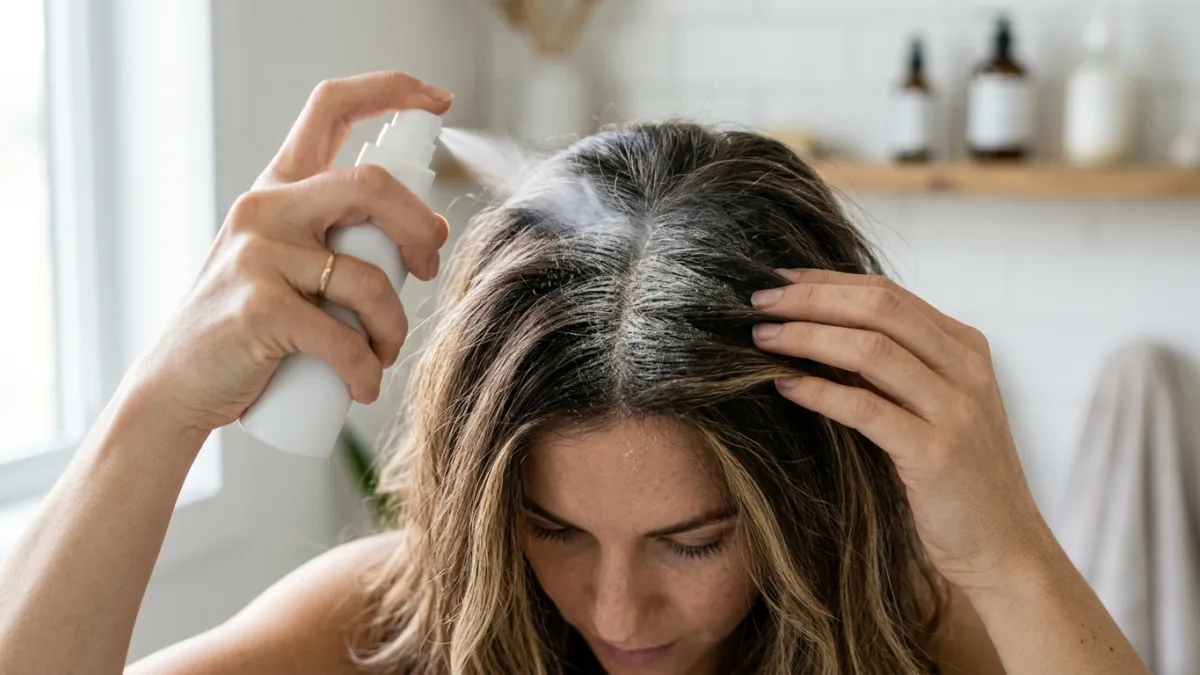
Why It Absorbs Oil Instead of Washing It Away
Water-based shampoo lifts oil and rinses it down the drain. Dry shampoo can’t do that since there’s no water or rinsing step involved. Instead, it binds to the oil and sits there until you brush it out, taking the greasy look with it.
This is why dry shampoo benefits are best described as “masking” rather than cleaning. It hides oil and buildup rather than removing it from the scalp. That distinction matters when deciding how often to rely on it versus a full wash.
Top Benefits of Using Dry Shampoo Regularly
The top dry shampoo benefits show up most clearly when it becomes a regular part of your routine. It’s not just a backup plan for bad hair days. Used with intention, it supports healthier hair, better color retention, and a simpler grooming routine overall.
Saves Time in Your Routine
A full wash and dry routine can eat up thirty minutes or more. Dry shampoo cuts that down to a few minutes of spraying and brushing. For anyone juggling a packed morning, this is one of the most practical dry shampoo benefits available.
Reduces Overwashing and Protects Hair Health
Washing hair every day can strip away natural oils that keep the scalp balanced. Fewer washes give hair a chance to hold onto moisture and stay stronger over time. This is one of the more overlooked dry shampoo benefits, especially for people prone to dry or brittle strands.
Adds Volume and Texture
Powders in dry shampoo don’t just absorb oil, they also add grip to hair strands. That grip creates lift at the roots and texture through the lengths. Many people use it on freshly washed hair just for this styling effect.


Extends Color-Treated Hair Vibrancy
Hot water and frequent washing can fade color-treated hair faster than gentler routines. Dry shampoo lets you stretch time between washes, which helps color hold its tone longer. This is one reason colorists often mention dry shampoo benefits to clients with fresh dye jobs.
Convenient for Travel and Post-Workout Refreshes
These benefits work best as part of a wider self-care approach, not a replacement for washing altogether. Pairing quick refreshes with good grooming habits, including tools for hair removal and skin care, builds a routine that saves time without cutting corners.
| Benefit | Best Hair Type | How Often to Use |
|---|---|---|
| Oil absorption | Fine or oily hair | Every 1-2 days between washes |
| Added volume | Fine, flat hair | As needed for styling |
| Color protection | Color-treated hair | 2-3 times per week |
| Travel refresh | All hair types | Occasional, situational use |
| Reduced overwashing | Dry or damaged hair | 1-2 times per week |
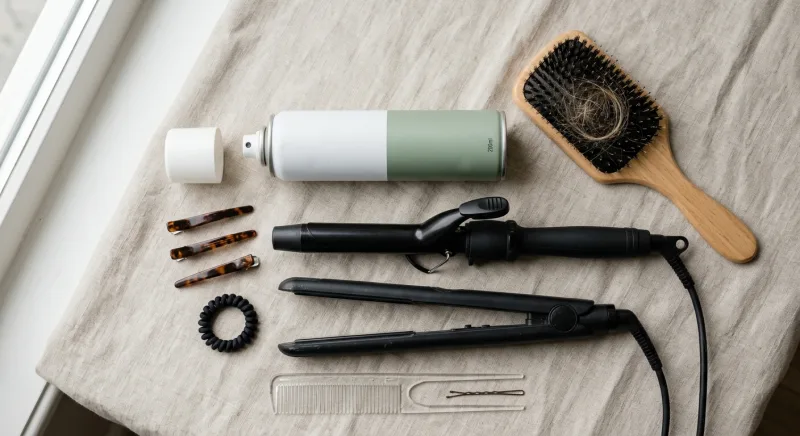
Dry Shampoo Benefits by Formula Type: Powder vs Aerosol vs Foam
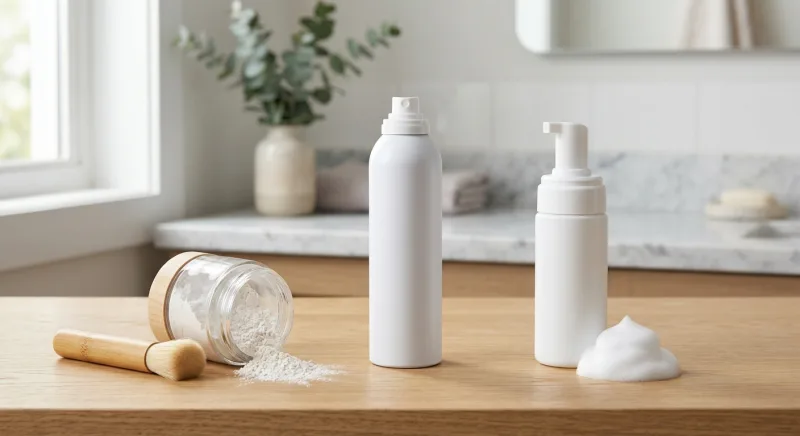
Not all products deliver the same dry shampoo benefits. Formula type changes how well it absorbs oil, how visible residue looks, and how easy it is to apply. Choosing the right format matters as much as choosing the right brand.
Powders tend to offer stronger oil absorption but require careful blending. Aerosols spray evenly and work fast, though they can leave a lighter finish. Foams sit between the two, offering targeted application with less mess.
| Formula Type | Key Dry Shampoo Benefits | Potential Drawback |
|---|---|---|
| Powder | Strong oil absorption, long-lasting volume | Can be harder to blend into dark hair |
| Aerosol Spray | Fast application, even coverage | May leave white cast if overused |
| Foam | Precise application, less airborne residue | Requires more rubbing to distribute |
| Tinted Powder | Blends into darker hair tones, absorbs oil | Limited shade range for some hair colors |
Dry Shampoo Benefits for Different Lifestyles
The value of a product often depends on the person using it. Dry shampoo benefits shift depending on daily routines, work schedules, and activity levels. What works for a busy parent may differ from what works for an athlete.
Frequent travelers appreciate the convenience of refreshing hair without hotel showers or heavy luggage. Athletes rely on it to manage sweat-related oil buildup between workouts. Office workers use it to stretch time between salon-quality wash days.
- Busy professionals: Quick refresh before meetings without a full hair-washing routine.
- Parents: Saves time during hectic mornings with children.
- Athletes: Manages sweat and oil between gym sessions.
- Frequent travelers: Keeps hair fresh when access to showers is limited.
- Students: Useful during exam weeks or late-night study sessions.
Each lifestyle group finds different dry shampoo benefits valuable, but the common thread is time savings. Whether it’s five minutes or twenty, that time adds up over weeks and months.
How to Maximize Dry Shampoo Benefits With Proper Application
Technique plays a bigger role than most people realize. Even the best product underperforms with poor application. Understanding the right steps helps unlock the full range of dry shampoo benefits.
Start by sectioning hair at the roots, where oil accumulates most. Hold the product several inches away to avoid clumping. Let it sit for a minute or two before brushing through.
- Apply to roots only, not mid-lengths or ends.
- Wait before brushing to let the product absorb oil fully.
- Use a boar-bristle brush to distribute product evenly.
- Avoid overuse, which can lead to buildup over time.
- Shake or blend well for even color match on tinted formulas.
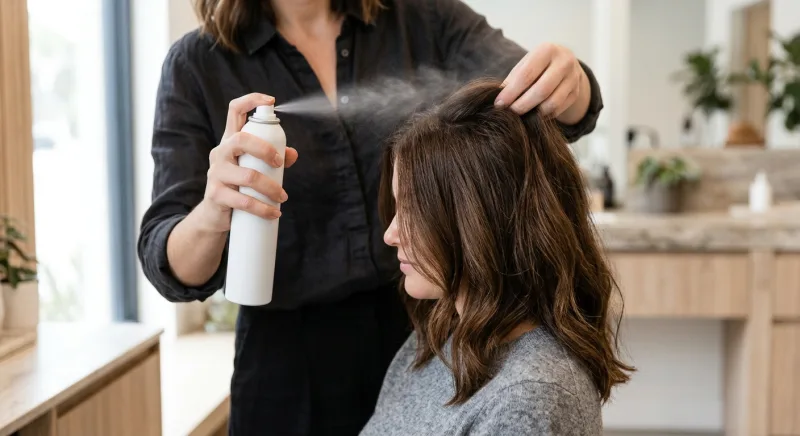
Skipping these steps can limit the effectiveness of even high-quality products. Small adjustments in application often make the biggest difference in results.
Dry Shampoo Benefits vs Common Myths
Misconceptions about dry shampoo persist despite its popularity. Some believe it replaces washing entirely, while others think it damages hair with regular use. Understanding the real dry shampoo benefits helps separate fact from myth.
Dry shampoo does not clean hair the way water and traditional shampoo do. It absorbs oil and masks odor, but it does not remove product buildup or dirt. Used correctly, it supports a healthy routine rather than replacing one.
| Myth | Reality |
|---|---|
| Dry shampoo replaces regular washing | It only absorbs oil temporarily; washing is still necessary |
| Daily use causes hair loss | — |
| All formulas leave visible residue | Tinted and modern formulas blend well when applied correctly |
| It works instantly with no wait time | Most formulas need a minute or two to absorb oil |
Clearing up these myths helps people use the product more effectively. When expectations match reality, satisfaction with results tends to improve significantly.
Choosing a Product That Delivers Real Dry Shampoo Benefits
Not every bottle on the shelf performs equally. Ingredient quality, formula type, and scent all affect how well a product works for individual hair needs. Reading labels carefully helps identify options suited to specific goals.
Look for starch or clay-based ingredients, which tend to absorb oil more effectively than alcohol-heavy formulas. Alcohol can dry out strands over time, reducing some of the very dry shampoo benefits users are seeking.
- Check ingredient lists for rice starch, tapioca, or kaolin clay.
- Choose tinted formulas if you have darker hair tones.
- Test travel-size versions before committing to full-size bottles.
- Consider fragrance-free options for sensitive scalps.
- Read reviews focused on your specific hair type and texture.
Taking time to compare products pays off. The right formula amplifies dry shampoo benefits while minimizing common drawbacks like residue or buildup.
Read the complete guide: A Hair Care Guide That Finally Makes Sense of Your Routine
Frequently Asked Questions
What are the main dry shampoo benefits for everyday hair care?
The main dry shampoo benefits include oil absorption, added volume, and time savings between washes. It refreshes roots without water, protects hair from heat damage caused by frequent styling, and extends the life of a blowout or color treatment. (American Academy of Dermatology (AAD))
How often should I use dry shampoo?
Most hair types do well with dry shampoo two to three times weekly. Using it every day may cause buildup on the scalp. Balance is key: alternate with regular washing to maintain scalp health while still enjoying the benefits.
Can dry shampoo replace regular washing entirely?
No, dry shampoo should not fully replace washing. It absorbs oil temporarily but doesn’t cleanse the scalp the way water and shampoo do. Regular washing is still necessary to remove product buildup and keep the scalp genuinely clean and healthy.
Does dry shampoo work on all hair types?
Dry shampoo works across most hair types, though formulas vary. Fine hair benefits from lightweight powders, while thicker or curlier hair may need stronger formulas. Tinted versions help prevent white residue on darker hair, expanding accessibility for more users.
Is it bad to use dry shampoo on colored or damaged hair?
Dry shampoo is generally safe for colored or damaged hair when used correctly. It can even help preserve color vibrancy by reducing wash frequency. Choose alcohol-free, gentle formulas to avoid additional dryness on already fragile or treated strands.
Can dry shampoo help with hair loss or thinning?
Dry shampoo doesn’t treat hair loss directly, but it can create the appearance of fuller hair through added volume at the roots. This cosmetic benefit makes thinning less noticeable, though it doesn’t address underlying causes of hair loss itself.
What’s the best way to apply dry shampoo for maximum benefit?
Apply dry shampoo to roots from a distance of several inches, focusing on oily areas. Let it sit for a minute before massaging in and brushing through. This technique maximizes absorption and ensures a natural, residue-free finish.
Key statistics
- In a clinical study of participants with self-reported oily, dandruff-prone scalps, 69% reported experiencing dandruff and 56% reported scalp itch within 24 hours of washing with a standard shampoo, underscoring the scalp irritation from frequent washing that dry shampoo use aims to reduce. (PMC (National Library of Medicine), 2026)
Expert insights
some dry shampoos contain pigment that helps cover gray
Paradi Mirmirani, MD, FAAD, board-certified dermatologist
If you have fine, long hair that gets frizzy after washing, you may want to use dry shampoo to reduce how often you wash your hair.
Paradi Mirmirani, MD, FAAD, board-certified dermatologist
References
- Dry shampoo absorbs oil at the roots so hair looks clean without water, and can also make hair look fuller/add volume. — American Academy of Dermatology (AAD) (Professional dermatology association; page authored with input from board-certified dermatologists)
- Some aerosol dry shampoo products have been subject to voluntary safety recalls due to detection of benzene, a substance classified as a human carcinogen. — U.S. Food and Drug Administration (FDA) (Federal regulatory agency overseeing cosmetic product safety and recalls)
