
Skincare routine
Facial Cleanser 101: How to Choose and Use the Right One in 2026
Last updated: November 3, 2026
A facial cleanser is a skincare product made to lift dirt, oil, makeup, sunscreen, and pollution from your skin without stripping its natural moisture barrier. It’s the first step in nearly every skincare routine.
The right facial cleanser depends on your skin type, from gel and foam to cream, oil, or micellar formulas, and picking the wrong one can leave skin tight, oily, or irritated.
What Is a Facial Cleanser and What Does It Actually Do?
A facial cleanser is a product built to clear away grime, extra oil, sweat, and makeup from your face. It works by breaking down the bond between dirt and skin, so both rinse away with water.
Unlike plain soap, a good facial cleanser is made to do this without wrecking your skin’s outer barrier.
Skin has a thin, protective outer layer made of fats and dead skin cells. This layer, often called the moisture barrier, keeps water in and irritants out. A well-made facial cleanser removes buildup while leaving that barrier mostly intact, which is why formula matters more than scent or brand.
Every skincare routine starts with a facial cleanser because nothing else can do its job. Serums, moisturizers, and sunscreen only work well on a clean surface. Layering products over dirt, oil, or leftover makeup blocks absorption and can trap debris in pores, which may lead to breakouts.
How Cleansing Fits Into a Skincare Routine
Cleansing always comes first, both morning and night, before any treatment product. A facial cleanser clears the canvas so toners, serums, and moisturizers can actually sink in. Skipping this step, or doing it poorly, undercuts every product you apply afterward, no matter how good those products are.
Dermatologists (skin doctors who diagnose and treat skin conditions) generally agree that consistent cleansing is one of the most basic habits for healthy skin. Cleansing removes dirt, oil, and buildup that can otherwise clog pores and disrupt skin balance.
This makes a facial cleanser less of an extra step and more of a foundation.
Choosing a cleanser suited to your skin type matters more than most people realize. Oily skin often tolerates gel or foam formulas well, while dry or sensitive skin usually fares better with cream or oil-based options. Over-cleansing, regardless of formula, can leave skin feeling stripped and reactive over time.
Many people build cleansing into their morning and evening routine as a basic, non-negotiable habit. Skipping it often leaves skin feeling tight, dull, or weighed down by the day’s buildup. That daily consistency is exactly what makes cleanser choice worth thinking about carefully.
Cleanser vs. Face Wash vs. Micellar Water
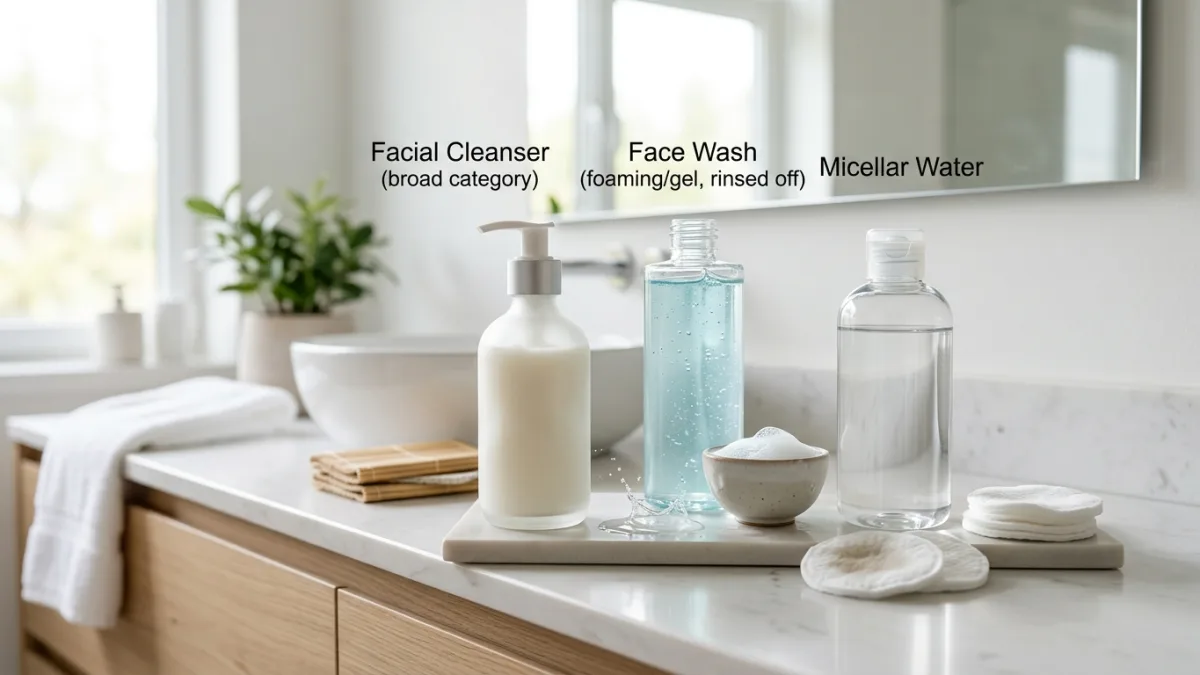
These terms often get used interchangeably, but they aren’t quite the same. A facial cleanser is the broad category covering any product formulated to clean the face. Face wash usually refers to a foaming or gel version meant to be rinsed off with water.
Micellar water (a no-rinse liquid full of tiny oil droplets that trap dirt and makeup) is a lighter option, wiped on with a cotton pad. It works well for quick cleanups or travel, but it isn’t always enough on its own.
Many people still follow it with a rinse-off facial cleanser at night.
Choosing between these formats depends on your skin, your makeup habits, and how much time you have. A heavy makeup day may call for micellar water first, then a proper facial cleanser to finish the job. This two-step method is known as double cleansing, covered later in this guide.
What Are the Main Types of Facial Cleansers?
The main types of facial cleansers are gel, foam, cream, oil or balm, micellar water, and exfoliating formulas. Each one suits different skin types and concerns. Knowing what each type does helps you pick a facial cleanser that fits your skin instead of fighting it.
Facial cleansers vary widely because skin types have different needs. Gel cleansers suit oilier skin, cream formulas comfort dry skin, oils dissolve makeup gently, and micellar water offers a light, rinse-free option. Matching formula to skin type helps keep the barrier balanced and comfortable.
Different cleanser formulas interact with the skin barrier in different ways. Foaming and gel formulas can feel more stripping, while cream and oil-based options tend to leave skin feeling softer and less tight. Choosing the right formula for your skin type matters more than the label alone.
Gel Cleansers

Gel cleansers are clear, lightweight, and rinse off cleanly without leaving a film. They tend to suit oily and combination skin because they clear excess oil without adding more. Many gel formulas include ingredients like salicylic acid, which helps keep pores clear.
Foaming Cleansers
Foaming cleansers turn into a light lather when mixed with water. They give a strong feeling of clean, which many people enjoy, but stronger foaming agents can sometimes strip the skin. This makes foam formulas best for oily skin rather than dry or sensitive types.
Cream and Lotion Cleansers
Cream and lotion cleansers have a thicker, richer texture that leaves a bit of moisture behind. They’re gentler by design, which makes them a common pick for dry or sensitive skin. A facial cleanser in cream form rarely foams and often skips harsh detergents altogether.
Oil and Balm Cleansers
Oil and balm cleansers use oil to dissolve oil-based buildup like sunscreen, makeup, and sebum. They melt away grime on contact and rinse off with warm water. This type is often the first step in double cleansing, especially for people who wear heavy makeup or sunscreen daily.
Micellar Water and No-Rinse Options

Micellar water and other no-rinse cleansers work well for sensitive skin or quick cleanups when a sink isn’t handy. They’re gentle, but they may leave a light residue if not followed by a rinse-off facial cleanser. Many people treat them as a backup rather than a full replacement.
Exfoliating Cleansers
Exfoliating cleansers combine cleansing with mild scrubbing, either from small particles or acids that loosen dead skin cells. They can brighten dull skin and smooth texture over time. Overusing them, though, can wear down the skin’s barrier, so most people limit them to a few times a week.
| Cleanser Type | Best Suited Skin Type | Texture and Feel Notes |
|---|---|---|
| Gel | Oily, combination | Lightweight, rinses clean, no residue |
| Foaming | Oily | Light lather, strong clean feel |
| Cream or lotion | Dry, sensitive | Rich texture, leaves slight moisture |
| Oil or balm | All types, especially makeup wearers | Melts away oil-based buildup |
| Micellar water | Sensitive, on-the-go use | No-rinse, light residue possible |
| Exfoliating | Normal, dull or textured skin | Mild grit or acid, used a few times weekly |
How Do You Choose a Facial Cleanser for Your Skin Type?
You choose a facial cleanser for your skin type by matching its formula to your skin’s specific needs. Oily skin needs oil control, dry skin needs moisture, and sensitive skin needs calm, simple ingredients. Reading the ingredient list tells you more than any front-of-bottle claim.
Oily and Acne-Prone Skin
Oily and acne-prone skin generally does well with a gel or foaming facial cleanser. Look for salicylic acid (an ingredient that gets into pores and helps clear out oil and dead skin) since it targets breakouts directly. Avoid heavy oils or thick creams that can add extra shine.
Dry and Sensitive Skin
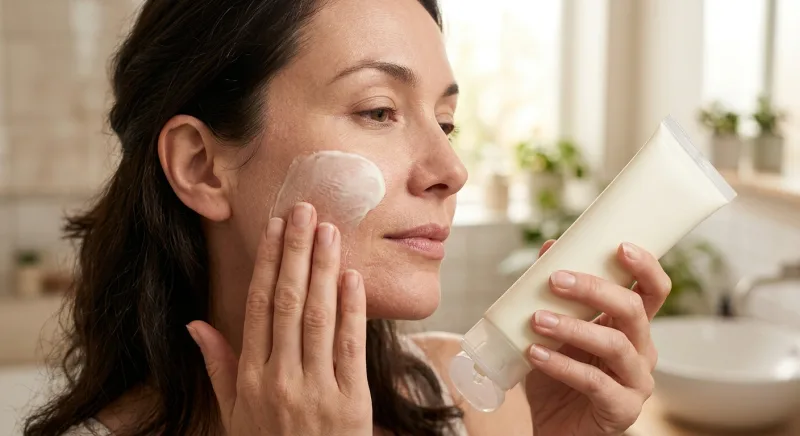
Dry and sensitive skin usually benefits from a cream or lotion facial cleanser. Ingredients like ceramides and hyaluronic acid help replace lost moisture instead of stripping more away. Fragrance-free formulas reduce the risk of stinging or redness for anyone with reactive skin.
Combination Skin
Combination skin, oily in some areas and dry in others, often does best with a balanced gel-cream facial cleanser. It should clear oil from the forehead and nose without over-drying the cheeks. Some people even use two different cleansers for different zones of the face.
Normal Skin
Normal skin has the most flexibility when picking a facial cleanser. Most gel, foam, or cream formulas work fine, since there’s no major oil or dryness issue to manage. The main goal is keeping skin balanced without introducing new sensitivities.
Mature or Aging Skin
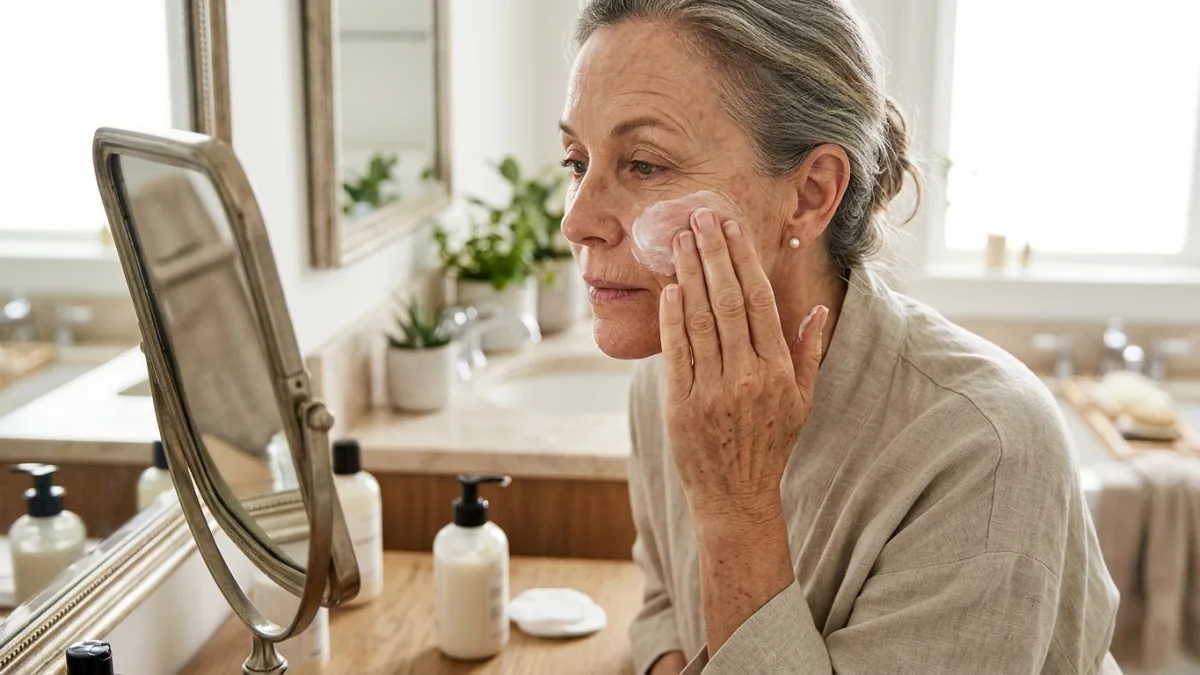
Mature or aging skin tends to be drier and thinner, so a gentle cream facial cleanser is usually the safer pick. Look for niacinamide (a form of vitamin B3 that supports the skin barrier and evens out tone) alongside hydrating ingredients. Skip anything that leaves skin feeling tight after rinsing.
What Ingredients Should You Look For (and Avoid)?
The ingredients in a facial cleanser matter more than the brand name on the bottle. Some ingredients support the skin barrier, while others can quietly damage it over time. Reading labels helps you avoid picking a facial cleanser that fights against your skin instead of working with it.
Beneficial Ingredients: Ceramides, Hyaluronic Acid, Niacinamide, Salicylic Acid
Ceramides (fats naturally found in skin that help hold moisture in and keep irritants out) are a strong sign of a gentle formula. Hyaluronic acid (a molecule that can hold a large amount of water) adds moisture without feeling heavy.
Niacinamide supports tone and barrier strength, while salicylic acid clears pores for acne-prone skin.
These four ingredients show up across many well-formulated products, but not every facial cleanser needs all of them. Oily skin benefits more from salicylic acid, while dry skin leans on ceramides and hyaluronic acid. Matching ingredients to your specific concern beats chasing a long ingredient list.
Ingredients to Watch for Sensitive Skin: Sulfates, Fragrance, Alcohol
Sulfates (strong detergents that create heavy foam but can strip natural oils) are common in older foaming formulas. Fragrance and certain alcohols can trigger stinging, redness, or dryness in sensitive skin.
If your skin often feels tight, red, or itchy after washing, checking the label for these three ingredients is a good first move. A gentle facial cleanser free of sulfates and fragrance is usually a safer starting point. Simpler formulas tend to cause fewer reactions overall.

Comparing Facial Cleanser Types by Skin Concern
Not every facial cleanser suits every skin concern. Some formulas target oil control, others focus on hydration or barrier repair. Comparing them side by side makes it easier to match a facial cleanser to your specific goal.
| Cleanser Type | Best For | Key Ingredients | Possible Drawback |
|---|---|---|---|
| Gel Cleanser | Oily or acne-prone skin | Salicylic acid, tea tree extract | Can feel drying if overused |
| Cream Cleanser | Dry or mature skin | Ceramides, glycerin, plant oils | May leave a residue on oily skin |
| Foaming Cleanser | Combination skin | Mild surfactants, botanical extracts | Some formulas strip natural oils |
| Micellar Water | Sensitive skin, quick cleansing | Micelle molecules, no rinse needed | May not remove heavy makeup fully |
| Oil Cleanser | Dry skin, makeup removal | Jojoba oil, sunflower oil | Requires double cleansing for some |
This table is a starting point, not a strict rulebook. Many people with combination skin rotate between two types depending on the season. A facial cleanser that works well in summer may feel too harsh in winter.
Morning vs Evening Facial Cleanser Routines
The right facial cleanser for morning use isn’t always the right one for night. Mornings usually call for something light, while evenings often need a deeper clean to remove the day’s buildup.
A gentle facial cleanser in the morning helps remove overnight oil without disrupting the skin barrier before makeup or sunscreen. At night, a slightly stronger formula can help lift dirt, sweat, and pollution residue.
| Time of Day | Primary Goal | Recommended Texture | Frequency |
|---|---|---|---|
| Morning | Remove overnight oil, prep skin | Gel or light foam | Once daily |
| Evening | Remove makeup, sunscreen, pollutants | Oil cleanser or cream, followed by gel | Once daily |
| Post-Workout | Remove sweat and residue | Light foaming or micellar | As needed |
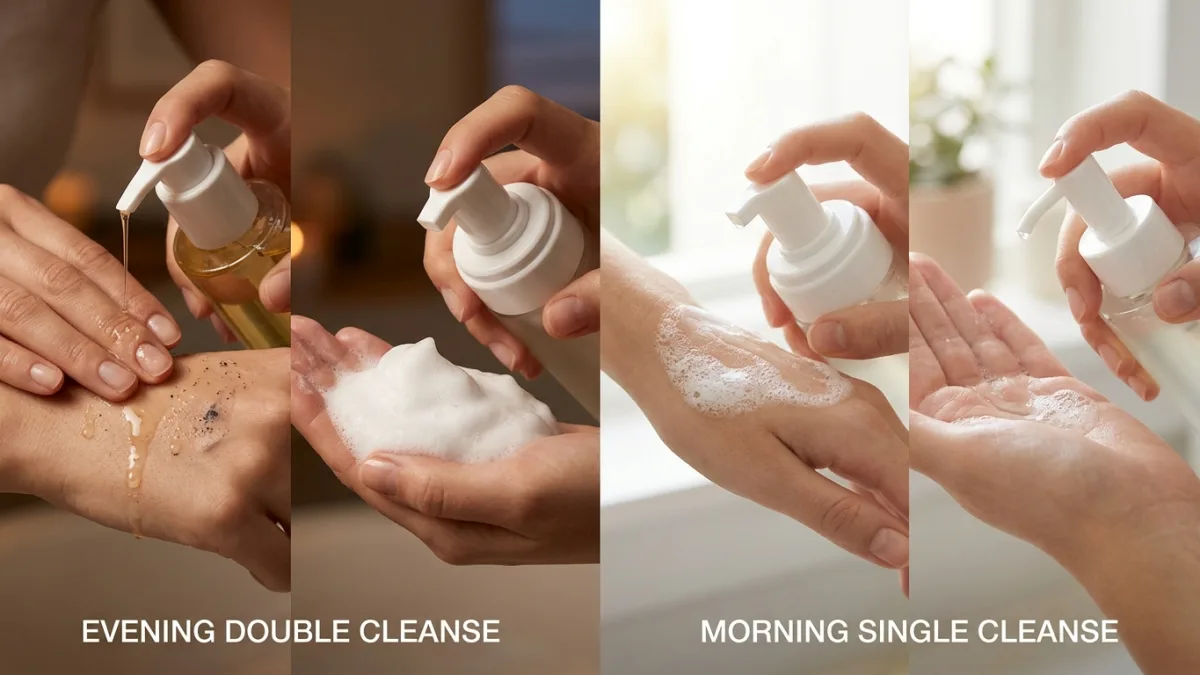
Double cleansing at night, starting with an oil-based facial cleanser and following with a water-based one, is a common method for removing stubborn makeup and sunscreen. This two-step approach isn’t mandatory for everyone. Those with dry or sensitive skin may find one wash sufficient.
How to Choose the Right Facial Cleanser
Choosing a facial cleanser shouldn’t rely on trends or packaging alone. It helps to think through skin type, existing concerns, and how the product feels after rinsing. A short trial period reveals more than any label claim.
- Identify your skin type before shopping — oily, dry, combination, or sensitive.
- Check the ingredient list for known irritants if you have reactive skin.
- Test a new facial cleanser for at least one to two weeks before judging results.
- Avoid switching multiple skincare products at once, which makes it hard to pinpoint a reaction.
- Consider the season — richer formulas in winter, lighter ones in summer.
Price doesn’t always correlate with performance. Some budget-friendly formulas contain the same core ingredients as premium versions. Reading the label carefully matters more than the price tag on the shelf.
Is a facial cleanser different from soap?
Yes, a facial cleanser is formulated specifically for facial skin, which is thinner and more sensitive than body skin. Regular bar soap often has a higher pH and can strip the skin’s protective barrier, leading to dryness, irritation, or breakouts over time.
Common Mistakes When Using a Facial Cleanser
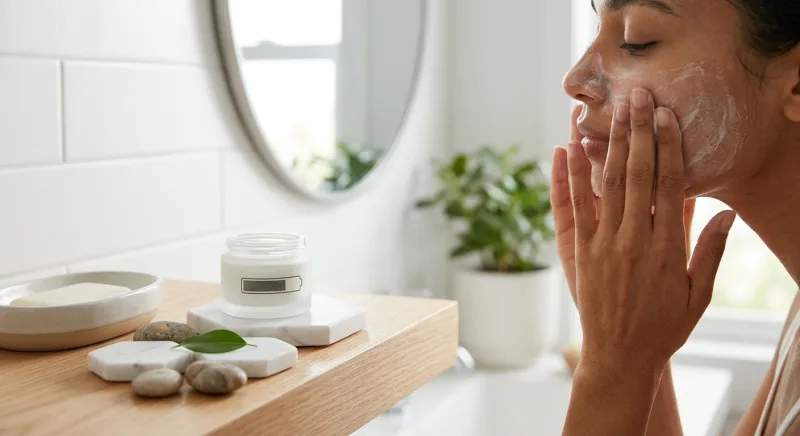
Even a well-chosen facial cleanser can cause problems if used incorrectly. Over-washing, using hot water, or scrubbing too hard are frequent habits that undermine otherwise good skincare choices.
- Washing more than twice daily, which can strip natural oils and trigger rebound oiliness.
- Using water that’s too hot, which weakens the skin barrier over time.
- Scrubbing with rough washcloths or excessive pressure instead of gentle circular motions.
- Skipping moisturizer afterward, especially with foaming or gel-based formulas.
- Leaving cleanser on for extended periods, assuming longer contact means better results.
Most dermatologists suggest thirty to sixty seconds of gentle massage is enough for a facial cleanser to do its job. Anything beyond that mainly adds friction without added benefit.
When to Consider Switching Your Facial Cleanser
Skin changes with age, climate, hormones, and stress levels. A facial cleanser that worked well last year might not suit your skin today. Recognizing the signs of mismatch can prevent months of frustration.
- Persistent tightness or flaking that lasts for hours after washing.
- New breakouts appearing in areas that were previously clear.
- Increased redness or a stinging sensation during application.
- A change in seasons that makes your current formula feel too heavy or too light.
- Starting a new medication, such as a retinoid, that increases skin sensitivity.
If any of these signs appear, it may be time to switch to a milder or more targeted facial cleanser. Introducing changes gradually, one product at a time, makes it easier to track what’s helping and what isn’t.
Read the complete guide: How to Build a Skincare Routine That Actually Works in 2026
Frequently Asked Questions
How often should I use a facial cleanser?
Most people benefit from cleansing twice daily, once in the morning and once at night. Those with very dry or sensitive skin may prefer washing only in the evening. Listen to how your skin responds and adjust frequency accordingly.

Can I use the same facial cleanser all year round?
Not always. Skin needs can shift with temperature and humidity changes. A formula that feels perfect in summer might leave skin dry in winter. Many people keep two versions on hand and switch as seasons change.
Is double cleansing necessary every day?
Double cleansing is most useful at night, especially if you wear makeup or sunscreen. It helps remove oil-based buildup before a water-based cleanser finishes the job. In the morning, a single gentle wash is usually enough.
What is the difference between a gel and a cream facial cleanser?
Gel formulas tend to feel lighter and work well for oily or combination skin. Cream versions are richer and better suited to dry or sensitive skin. Choosing between them depends on how your skin feels throughout the day.
Should a facial cleanser leave my skin feeling squeaky clean?
No. A squeaky-clean feeling often signals the product stripped away natural oils. A well-formulated facial cleanser should leave skin feeling soft and comfortable, not tight or dry. If tightness lingers, consider switching to a gentler formula.
Can men and women use the same facial cleanser?

Yes. Skin concerns like oiliness, sensitivity, or acne aren’t determined by gender. Marketing sometimes separates products, but ingredients matter more than labeling. Anyone can choose a formula based on their specific skin type and concerns.
Do I need a separate cleanser for my eyes and lips?
Most facial cleansers are gentle enough for the entire face, including the eye and lip area. However, if you wear heavy eye makeup, a dedicated remover beforehand can prevent excess rubbing and irritation during your regular cleansing routine.
How long does it take to see results from a new facial cleanser?
Give a new formula at least two to four weeks before judging results. Skin needs time to adjust, and initial purging or dryness can be temporary. If irritation persists beyond that window, it’s reasonable to try something else.
Expert insights
Washing your face is important to remove both the dirt and pollutants that your skin comes into contact with throughout the day and also to remove any excess oil that your skin may produce throughout the day and overnight,
Kathryn Anderson, MD, dermatologist
Double cleansing means cleansing your face twice, first with an oil-based product and then followed by a water-based cleanser,
Jane Wu, MD, dermatologist
References
- Dermatological guidance recommends washing the face with a gentle cleanser twice daily (morning and evening) as part of a proper skincare routine. — PMC (National Library of Medicine) – Facial Skincare Routine Adherence in the General Population (Peer-reviewed article hosted on PubMed Central (NIH), citing American Academy of Dermatology recommendations)
- The skin’s protective barrier is formed by the stratum corneum, whose intercellular lipid matrix of ceramides, cholesterol, and fatty acids limits water loss and protects against environmental irritants. — PMC (National Library of Medicine) – Lipids and the Permeability and Antimicrobial Barriers of the Skin (Peer-reviewed research article published via NIH’s PubMed Central repository)
- Many conventional facial cleansers contain harsh surfactants, such as sodium lauryl sulfate, that can strip natural skin lipids and disrupt the skin barrier, leading to dryness and irritation. — PMC (National Library of Medicine) – Clinical Evaluation of a Soap-Free Cleansing Lotion (Peer-reviewed clinical study hosted on PubMed Central (NIH))
