
Skincare ingredients
Hyaluronic Acid Benefits: What This Ingredient Really Does for Skin, Joints and Eyes
Last updated: November 3, 2026
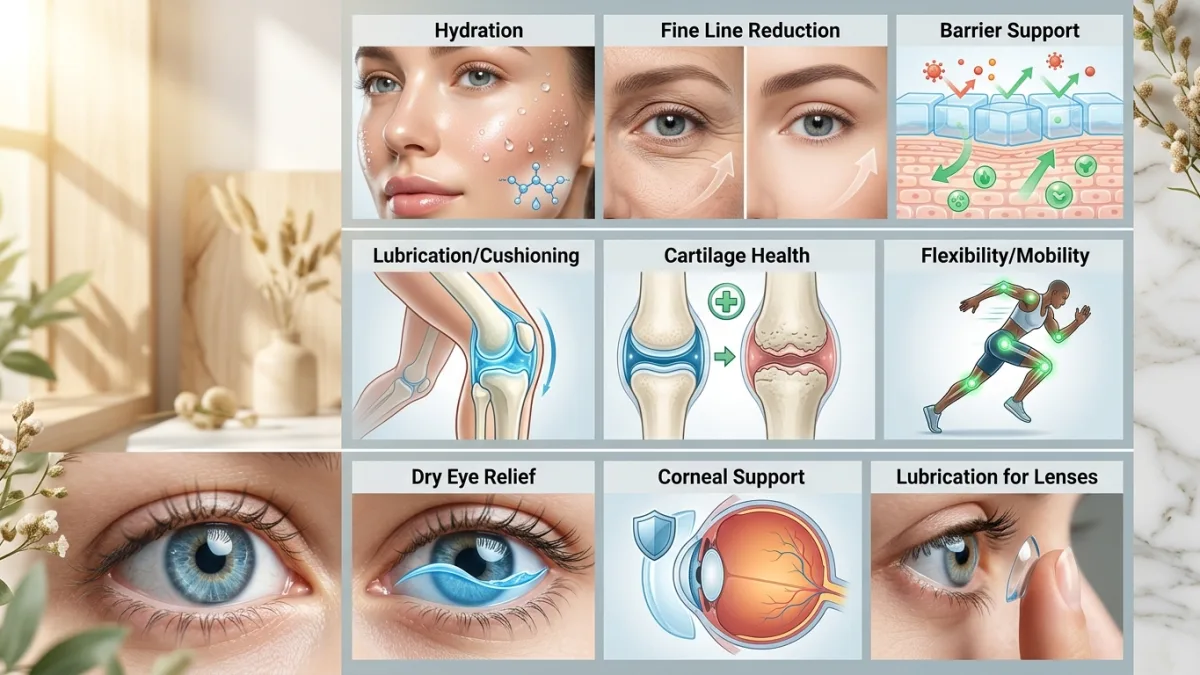
Hyaluronic acid benefits come down to one core job: holding water where the body needs it most. This naturally occurring molecule (a substance the body makes on its own rather than one added from outside) plumps skin, eases joint friction, and keeps eyes comfortable.
The biggest hyaluronic acid benefits include deep hydration, softer fine lines, smoother texture after hair removal, and support for joint comfort in supplement form.
What Are the Main Benefits of Hyaluronic Acid?
The main benefits of hyaluronic acid are hydration, plumper-looking skin, and support for joints and eyes. This one molecule shows up in skin, connective tissue, and the fluid inside the eye. Its main talent is grabbing onto water molecules and refusing to let go.
That’s why hyaluronic acid benefits stretch well beyond a bathroom-shelf serum.
Skincare shelves are full of hyaluronic acid products, and for good reason. But the same molecule also cushions joints and keeps the surface of the eye from drying out. Understanding all three roles helps explain why so many people ask about hyaluronic acid benefits before adding it to a routine.
Hydration and moisture retention
Hydration is the most talked-about of all hyaluronic acid benefits. The molecule binds water inside the outer layers of skin, helping it look dewy rather than dry. This water-holding trait is also why it turns up in eye drops and joint injections, not just face serums.
Skin plumping and wrinkle appearance
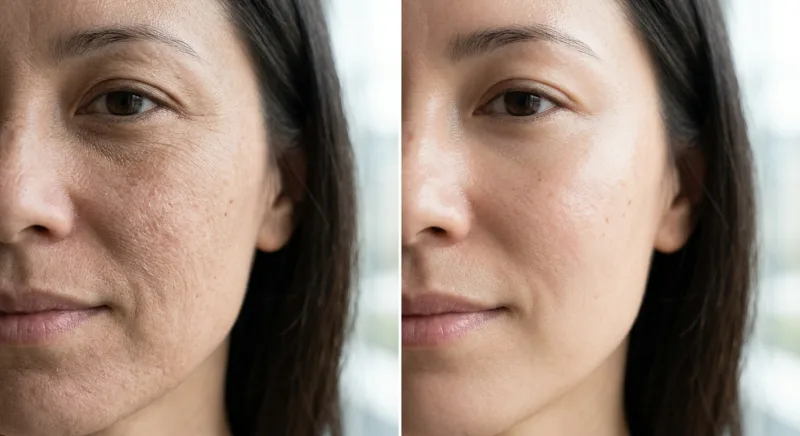
Plumper skin is another one of the well-known hyaluronic acid benefits. When skin holds more water, fine lines look shallower and skin looks smoother. This isn’t the same as reversing aging. It’s a visible, temporary softening of texture that most people notice within days of consistent use.
Support for joints and eyes
Beyond skin, hyaluronic acid benefits include comfort for joints and eyes. It’s a natural part of joint fluid, where it helps cartilage surfaces glide instead of grinding. In the eyes, it keeps the surface lubricated, which is why it’s a common ingredient in artificial tears.
Skin experts often point to hydration as hyaluronic acid’s defining strength. Because the molecule attracts and holds onto water, it helps skin feel plump and supple rather than tight or flaky. That same water-binding quality is why formulators favor it for lasting comfort.
Hyaluronic acid is a common ingredient in artificial tears, valued for its ability to coat and cushion the eye’s surface. By holding moisture in place, it helps ease the dryness and irritation that many people experience day to day.
Because hyaluronic acid holds moisture so effectively, it’s widely used in eye drops designed to soothe dryness. This lubricating quality helps the tear film stay stable, easing the gritty, irritated feeling that comes with dry eyes.
- Deep hydration in the outer layer of skin
- Plumper look and softer fine lines
- Smoother texture, including after hair removal
- Cushioning support for joint comfort
- Moisture support for dry, tired eyes
How Does Hyaluronic Acid Work in the Body?
Hyaluronic acid works by grabbing water molecules and holding them close to tissue. It’s a long chain of sugar molecules that naturally attracts water. That simple trait is behind nearly every one of its benefits, whether the target is skin, a joint, or the eye’s surface.
Where hyaluronic acid is naturally found
Hyaluronic acid is found throughout the body, not just in skincare bottles. It sits in the skin’s deeper layers, inside joint fluid, and within the clear gel of the eye. Because it’s already part of normal body chemistry, applying it topically or orally is generally well tolerated by most people.
How it binds and holds water
The water-binding trait behind hyaluronic acid benefits comes from its molecular shape. Its long chains create a mesh-like structure (a loose net of molecules that traps water inside it) that holds moisture close to cells. That trapped water is what keeps tissue cushioned, flexible, and hydrated.
Why levels decline with age

What Are the Hyaluronic Acid Benefits for Skin?

Hyaluronic acid benefits for skin center on hydration, barrier support, and a smoother look. Skin that holds more water simply behaves better. It flakes less, feels softer, and handles other skincare products more evenly. That’s why hyaluronic acid is often the first step recommended in a hydration-focused routine.
Hydration and barrier support
Fine lines and elasticity
Who tends to see the most visible results
People with dry or dehydrated skin usually notice hyaluronic acid benefits the fastest. Oilier skin types may notice smaller, subtler changes since they hold more water naturally. Skin exposed to sun, wind, or frequent hair removal often benefits most, since hydration helps calm surface stress from daily grooming habits.
Does Hyaluronic Acid Help After Hair Removal or Shaving?
Yes, hyaluronic acid can help soothe and add water to skin after hair removal. Shaving, waxing, and using an epilator all rough up the skin’s top layer.
Adding water back in after is a simple way to help skin feel at ease, and it’s one of the more useful, everyday hyaluronic acid benefits people miss.
Why skin needs extra hydration post-hair-removal
Hair removal methods, from razors to epilators, temporarily disrupt the skin’s surface. That disruption can leave skin feeling tight or dry for a short while. This is a general skincare consideration, not a medical claim, but it’s a reasonable moment to reach for a hydrating step.
Using hyaluronic acid alongside IPL, epilating, or shaving
Many people add this step to their routine right after hair removal. Putting on a light, water-based product right after shaving or using an epilator is a common step.
Bellxi‘s grooming line, which includes IPL handsets, epilators, and trimmers, is made to fit into daily routines where adding water to skin comes right after hair removal.
Because Bellxi ships within 24 hours and backs every order with a 30-day risk-free guarantee, it’s easy to build a full grooming and hydration routine without long waits or guesswork. Bellxi stocks painless Intense Pulsed Light handsets, precision trimmers, and epilators, covering every device type for every skin type.

| Routine Step | Before Hair Removal | After Hair Removal |
|---|---|---|
| Cleansing | Gentle wash to remove oil and buildup | Light rinse, avoid harsh scrubbing |
| Exfoliation | Optional, light exfoliation a day prior | Avoid for at least 24 hours |
| Hydration step | Not usually needed | Hyaluronic acid serum or gel recommended |
| Moisturizer | Light, non-greasy formula | Fragrance-free moisturizer to seal in hydration |
| Sun protection | Standard daily sunscreen | Extra care, since skin can be more sensitive |
Comparing Hyaluronic Acid Benefits Across Product Types
Not every product gives water to the skin the same way. Serums, creams, and masks each use hyaluronic acid in their own way. Knowing these differences helps you pick the right kind for your skin goals.
| Product Type | Typical Concentration | Best Use Case | Absorption Speed |
|---|---|---|---|
| Serum | Higher concentration, lightweight base | Layering under moisturizer for deep hydration | Fast |
| Moisturizer | Moderate concentration, richer texture | Sealing in hydration and reducing water loss | Moderate |
| Sheet mask | Concentrated soak, short-term boost | Quick hydration before an event | Fast, temporary |
| Injectable filler | Cross-linked, long-lasting form | Volumizing and contouring specific areas | Slow, gradual release |
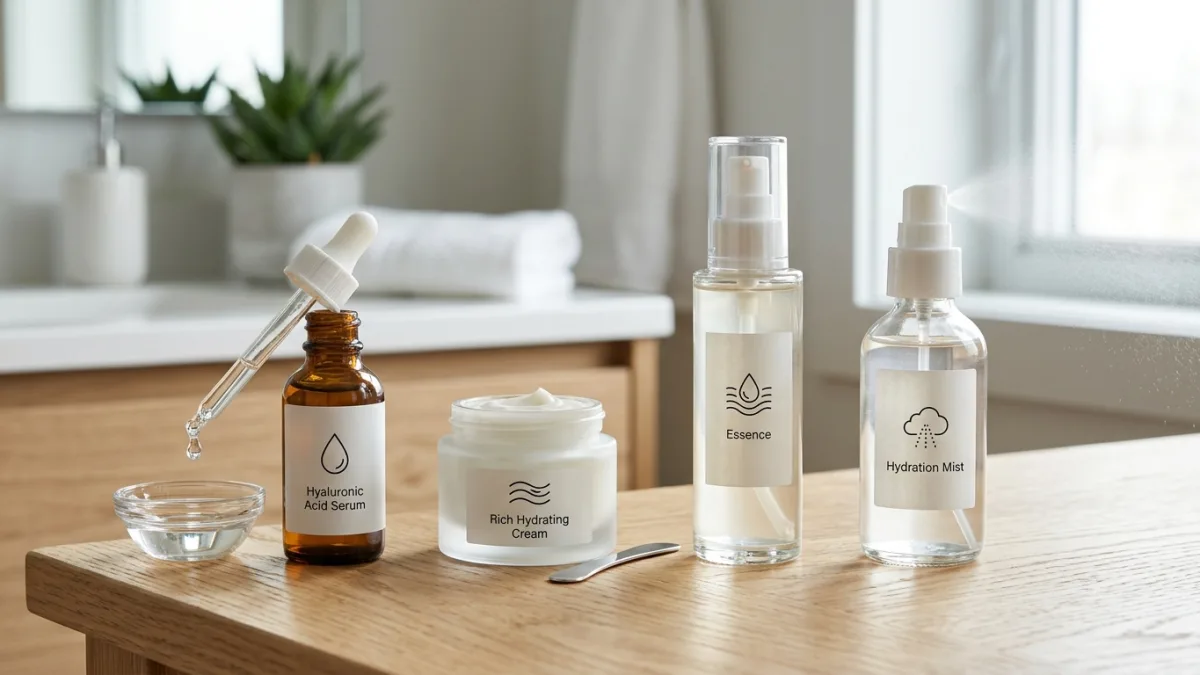
Each format offers different hyaluronic acid benefits depending on your routine. Serums tend to work fastest, while injectables offer benefits that last for months rather than hours.
Hyaluronic Acid Benefits for Different Skin Types
Hyaluronic acid benefits extend across nearly every skin type, though the way it performs can vary slightly. Oily skin often tolerates lightweight serums well, while dry skin may need a richer cream layered on top.
Sensitive skin mostly does well too, since hyaluronic acid is a substance the body already makes, and it rarely causes redness or itching. Combination skin can use it on drier spots without adding extra shine elsewhere.
- Oily skin: lightweight serum, applied before a gel moisturizer
- Dry skin: serum followed by a heavier cream to lock in moisture
- Sensitive skin: fragrance-free formulas with minimal added ingredients
- Combination skin: targeted application on drier patches like cheeks
- Mature skin: paired with retinol or peptides for added support
This kind of data helps explain why it’s become a staple across so many skincare routines.
How Hydration Habits Affect Hyaluronic Acid Benefits
Topical hyaluronic acid works by drawing moisture into the skin’s surface. But it needs a water source to pull from. Without adequate hydration, either from the air or your body, results can be limited.
This is why layering matters. Applying a hyaluronic acid serum to damp skin, then sealing it with a moisturizer, helps trap that moisture rather than letting it evaporate. Skipping this step can leave skin feeling drier than before.
Drinking enough water through the day also helps the hyaluronic acid benefits you get from products put on skin. Water from inside and skincare from outside work together, not on their own.
Environmental Factors That Influence Hyaluronic Acid Benefits
Climate plays a bigger role than most people expect. In dry or low-humidity environments, hyaluronic acid can sometimes pull moisture from deeper skin layers if there’s not enough in the air to draw from instead.
To avoid this, many dermatologists suggest applying it to slightly damp skin and always following with a moisturizer that contains occlusive ingredients. This locks hydration in rather than letting it escape into dry air.
| Environment | Effect on Hyaluronic Acid | Recommended Adjustment |
|---|---|---|
| Humid climate | Draws ambient moisture into skin effectively | Standard application works well |
| Dry or arid climate | May pull moisture from skin if air is too dry | Apply to damp skin, seal with heavier cream |
| Air-conditioned indoor spaces | Can reduce surrounding humidity levels | Use a humidifier alongside hydrating products |
| Cold, windy weather | Increases risk of moisture loss through the skin barrier | Layer with a protective balm or thicker cream |
Understanding your environment helps you get the most out of hyaluronic acid benefits, no matter where you live or how the seasons change around you.
Combining Hyaluronic Acid With Other Active Ingredients
Hyaluronic acid works well with many well-known actives. It’s often used along with vitamin C, niacinamide, retinol, and peptides without causing clashes or a drop in how well they work.

Vitamin C serums can feel drying on their own at times, so putting on a hyaluronic acid layer after helps even that out. People who use retinol often see the same gain, since retinol can make skin more sensitive and dry over time.
- Vitamin C: apply first, then layer hyaluronic acid to offset dryness
- Retinol: use hyaluronic acid on nights off or underneath to buffer irritation
- Niacinamide: combine freely, as both support the skin barrier
- Peptides: layer hyaluronic acid beneath for added moisture retention
- Sunscreen: apply hyaluronic acid first, then sunscreen as the final step
This kind of advice shows why hyaluronic acid benefits are often called a good match, not a rival, to other actives.
Hyaluronic Acid Benefits When Used Long-Term
Short-term results are often visible within days, but long-term use tends to bring more noticeable changes. Consistent application over weeks or months can support smoother texture and a more even-looking complexion.
Numbers like these help set realistic expectations for anyone starting a new routine.
Long-term hyaluronic acid benefits also tend to compound when paired with sun protection. Since UV exposure breaks down the skin’s natural hyaluronic acid stores, daily SPF helps preserve what topical products are working to restore.
Common Mistakes That Reduce Hyaluronic Acid Benefits
Even a high-quality product won’t perform well if it’s applied incorrectly. A few common habits can quietly cancel out the results people expect from their skincare routine.
- Applying to completely dry skin instead of damp skin
- Skipping moisturizer afterward, allowing hydration to evaporate
- Using it in a very dry climate without adjusting the routine
- Choosing a formula with added alcohol or fragrance that irritates skin
- Expecting overnight results instead of consistent, gradual improvement
Avoiding these mistakes makes a clear difference. Small changes to when you apply it and how you layer products often unlock hyaluronic acid benefits that were there the whole time, just not fully felt.
Read the complete guide: Your Skincare Ingredients Guide to Fewer Guessing Games
Frequently Asked Questions
What are the main hyaluronic acid benefits for skin?
The main hyaluronic acid benefits include deep hydration, a smoother texture, and a plumper appearance. It helps skin retain moisture throughout the day. Many people also notice reduced dryness and fewer visible fine lines with regular use.
How long does it take to see results?
Most people notice softer, hydrated skin within days. Deeper improvements, like reduced fine lines, usually take several weeks of consistent use. Results build gradually rather than appearing overnight, so patience and steady application matter for lasting change.
Can hyaluronic acid be used on sensitive skin?
Yes, it’s seen as mild enough for sensitive skin. It does not slough off skin cells and rarely causes redness or itching.

Still, it’s smart to test a new formula on a small patch of skin first, mainly if it has added scent, alcohol, or other active ingredients mixed in.
Should hyaluronic acid be applied before or after moisturizer?
Put it on damp skin before your moisturizer. This order lets it pull in moisture, while the moisturizer locks it in after. Skipping the moisturizer step can let that moisture dry out, cutting down the hyaluronic acid benefits you’d otherwise get.
Is hyaluronic acid safe to use every day?
Yes, daily use is considered safe for most skin types. It’s a naturally occurring substance already present in the body. Using it morning and night, alongside proper moisturizing, is a common way to maintain consistent hydration.
Can hyaluronic acid help with fine lines and wrinkles?
It can temporarily plump skin, which softens the look of fine lines. It doesn’t address deeper wrinkles the way retinoids might, but as part of a broader routine, it supports a smoother, more hydrated overall appearance.
Does climate affect how well hyaluronic acid works?
Yes, very dry climates can pull moisture from skin faster than the humectant can hold it. Layering a heavier moisturizer or facial oil on top helps lock in hydration and preserves the intended benefits in low-humidity environments.
Are hyaluronic acid supplements as effective as topical products?
Supplements taken by mouth may help joints and skin hold water from within, while creams and gels work right on the skin’s top layer.
Using both at once is common, though results vary from person to person, depending on how the product is made, how much is used, and overall skin care habits.
Key statistics
- In a randomized controlled trial of post-laser skin recovery, a multi-molecular hyaluronic acid regimen produced a significantly larger reduction in transepidermal water loss (a marker of skin barrier hydration) than the comparison group by day 14. (PMC (National Library of Medicine), 2024)
Expert insights
It has become such a popular cosmetic ingredient that it’s in the vast majority of skin care that you’re going to use, whether you’re looking for it or not,
Abigail Waldman, Dr., a dermatologist at Harvard-affiliated Brigham and Women’s Hospital
References
- Intra-articular injection of hyaluronic acid is a well-established therapy for treating knee osteoarthritis, where hyaluronic acid is the main constituent of cartilage and synovial fluid responsible for shock absorption, lubrication, and cartilage protection. — PMC (National Library of Medicine) (Peer-reviewed clinical study hosted on NCBI/PubMed Central, a division of the NIH National Library of Medicine)
