
Skincare ingredients
Hyaluronic Acid: What It Is, What It Does, and How to Use It Right
Last updated: November 5, 2026
Hyaluronic acid is a moisture-holding molecule your body makes on its own, found in skin, joints, and eyes. In skincare, hyaluronic acid draws water into the top layers of skin, helping it look plumper, smoother, and more hydrated.
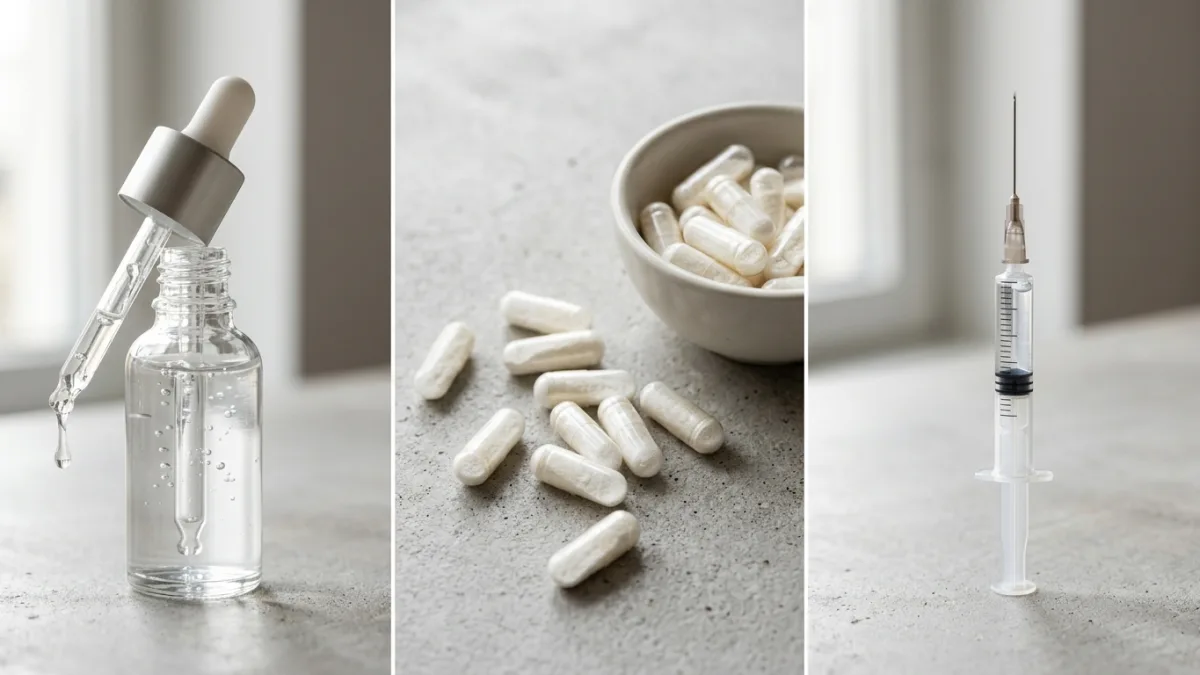
It comes in serums, creams, supplements, and injectable fillers, each working a bit differently.
If you’ve stood in a skincare aisle, you’ve seen hyaluronic acid on almost every label. It’s in serums, moisturizers, sheet masks, and even lip products. But what does it actually do, and does it matter which type you buy?
This guide breaks down hyaluronic acid in plain terms, from how it works in your body to how to pick a product that suits your skin.
What Is Hyaluronic Acid, Exactly?
Your body makes hyaluronic acid on its own, mostly in connective tissue, skin, and the fluid around your joints. As you get older, your natural supply starts to drop off. That’s one reason skin can look drier and less full with age.
The skin holds about half of the body’s total hyaluronic acid, making it the most abundant source of HA in the body. (Journal of Cosmetic Dermatology (PMC), 2022)
Hyaluronic acid is naturally concentrated in skin tissue, playing a key role in moisture retention. Skin health matters most when paired with gentle, effective hair removal—explore devices built for every skin type at bellxi.com.
Hyaluronic acid naturally supports moisture balance throughout the body, including the eyes. Whatever your skin’s needs, pairing hydration awareness with the right grooming tools helps you feel your smoothest every day.
Where it naturally occurs in your body
Hyaluronic acid shows up in three main places in your body. Your skin holds a large share of it, where it helps keep tissue hydrated and plump. Your joints use it too, acting as a cushion and lubricant between bones.
Your eyes also contain hyaluronic acid, mainly in the fluid that keeps them moist and clear. This spread across skin, joints, and eyes explains why hyaluronic acid shows up in so many different products, from skincare to eye drops to joint supplements.

How it differs from other skincare acids
Hyaluronic acid is not like other skin acids you may know. Acids such as glycolic or salicylic acid work by scrubbing off dead skin cells from the top layer. Hyaluronic acid does the opposite job.
Instead of exfoliating, hyaluronic acid pulls water into skin and holds it there. It doesn’t strip or resurface anything. That’s why it’s gentle enough for most skin types, including skin that reacts to stronger exfoliating acids.
What Does Hyaluronic Acid Actually Do for Skin?
Hyaluronic acid mainly hydrates skin by pulling in and holding onto water. This added moisture can make skin look plumper and smoother almost right away. Over time, well-hydrated skin also tends to support a healthier outer barrier.
It’s worth being clear about what hyaluronic acid can and can’t do. It hydrates and plumps, but it won’t rebuild collagen, the protein that gives skin its structure, on its own. Think of it as a moisture booster, not a full anti-aging fix.

Hydration and moisture retention
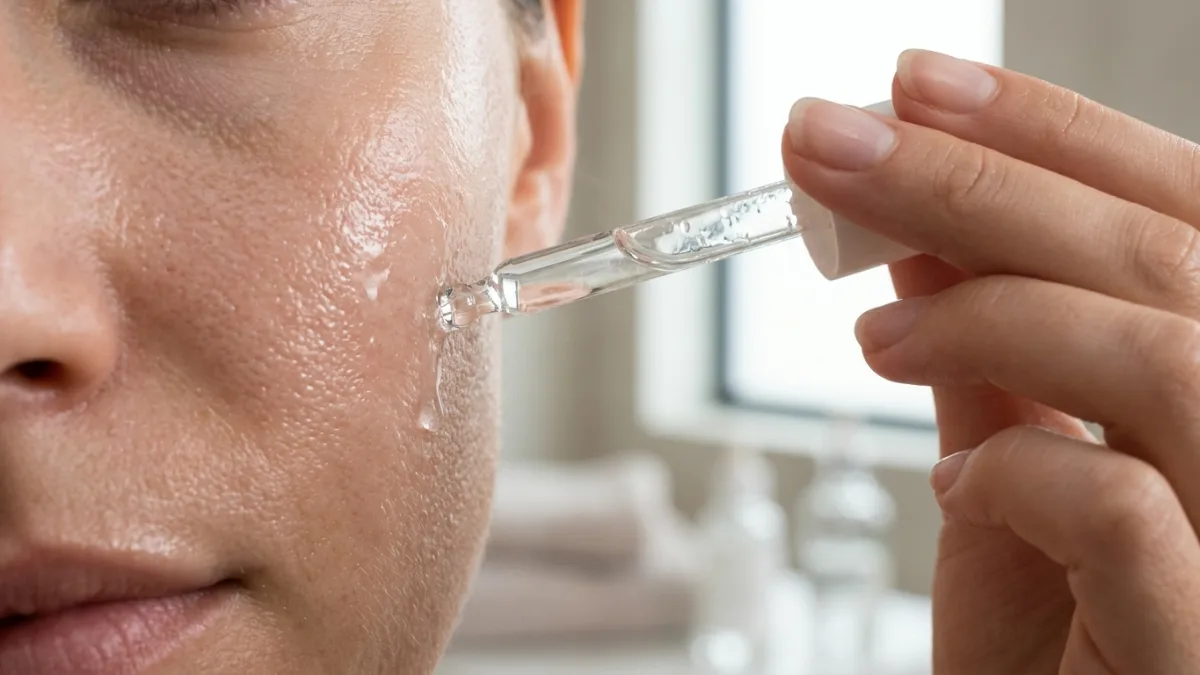
Hydration is the main job of hyaluronic acid in skincare. Applied as a serum, hyaluronic acid sits on skin and draws in water from the air or from a moisturizer layered on top. This keeps skin feeling soft rather than tight or dry.
Hyaluronic acid’s molecular structure gives it the ability to hold roughly 1000 times its weight in water. (ScienceDirect (peer-reviewed review), 2018)
For best results, hyaluronic acid works well on slightly damp skin. Apply it after cleansing, while skin still holds a bit of water. Then seal it in with a moisturizer, so the hydration doesn’t evaporate.
Plumping and fine lines
Hyaluronic acid can make fine lines look softer by filling skin with water. Plumper skin reflects light more evenly, so small lines appear less noticeable. This effect is temporary and depends on how hydrated your skin stays.
Skin barrier support
Your skin barrier is the outer layer that keeps moisture in and irritants out. Hyaluronic acid supports this barrier by keeping skin hydrated, which helps it function normally. A well-hydrated barrier tends to feel calmer and less reactive.
This matters if your skin feels tight, flaky, or sensitive. Adding hyaluronic acid to your routine can help skin feel more comfortable day to day. It works best alongside a gentle cleanser and a proper moisturizer, not as a standalone fix.
Topical vs. Oral vs. Injectable: Which Form Actually Works?
Serums and creams
This form is a good starting point for most people. It’s low-risk, widely available, and easy to add to a daily beauty routine without much guesswork.
Supplements
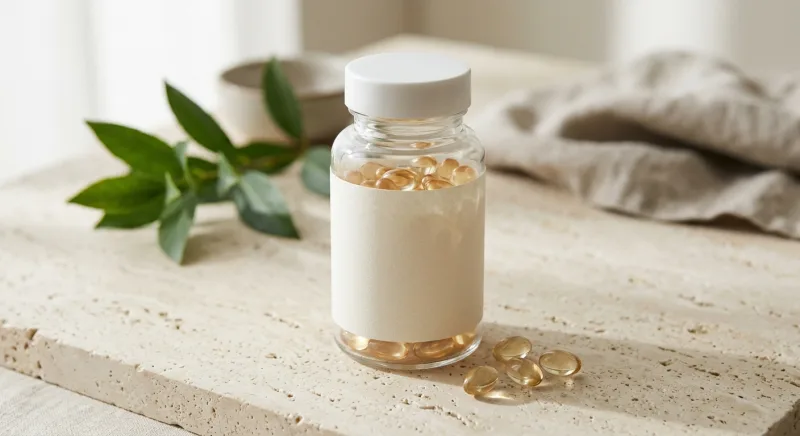
If you’re curious about supplements, it helps to see them as a slower, more general approach. They’re not a direct swap for a hyaluronic acid serum applied to skin.
Dermal fillers and injections
Results from injectable hyaluronic acid tend to last longer than topical use, though they still fade over time as the body breaks the filler down. It’s a bigger commitment, both in cost and in choosing the right provider.
| Delivery Method | Absorption Depth | Typical Onset | Duration | Common Use Case |
|---|---|---|---|---|
| Topical (serum/cream) | Surface and upper skin layers | Fairly quick, with regular use | Short-term; needs reapplying | Daily hydration and plumping |
| Oral supplement | Absorbed through digestion, whole-body effect | Gradual, varies by person | Depends on continued use | General hydration and joint support |
| Injectable filler | Placed directly under the skin | Immediate, visible after treatment | Longer-lasting than topical | Volume and contour correction |
Choosing the Right Hyaluronic Acid Molecular Weight
Not all hyaluronic acid molecules are the same size. Molecule weight decides how deep the ingredient can go into skin. This matters more than most shoppers know when comparing products.
Hyaluronic acid made of large molecules sits on top of the skin. It forms a thin layer that locks in moisture and smooths texture for a while. Versions made of small molecules sink in further, reaching deeper layers of the skin.
Some formulas blend multiple weights together. This approach targets hydration at several skin depths at once, pairing smaller molecules that sink deeper with larger ones that hydrate the surface for a fuller, layered moisture effect.
Ultra-low molecular weight hyaluronic acid has caused debate among skincare fans. Some worry it may cause redness or swelling in sensitive skin types, since smaller molecules go in deeper and may cause reactions that bigger molecules usually avoid by staying on top.
| Molecular Weight | Penetration Depth | Primary Benefit | Best Skin Type | Typical Product Format |
|---|---|---|---|---|
| High molecular weight | Surface layer only | Instant surface hydration and smoothing | Dry, dehydrated, or mature skin | Moisturizers and night creams |
| Medium molecular weight | Upper dermis layers | Balanced hydration and elasticity support | Combination or normal skin | Serums and essences |
| Low molecular weight | Deeper dermis penetration | Long-term structural hydration | Oily or acne-prone skin | Lightweight serums and ampoules |
| Ultra-low molecular weight | Deepest skin layers | Cellular-level moisture signaling | Skin needing intensive repair | Advanced treatment serums |
Picking the right weight depends on what you want for your skin. People who want quick plumping often like the heavy type. Those who want lasting moisture may do better with the light type.
Many top products now show molecular weight right on the box. This openness helps buyers make smart choices. Checking ingredient lists for this detail can stop mismatched hopes.

Hyaluronic Acid Concentration: How Much Is Enough?
Strength levels vary a lot across hyaluronic acid products. Higher amounts do not always mean better results. In fact, formulas that are too strong can sometimes pull moisture out of skin in dry places.
Most skin doctors suggest amounts between one and two percent for daily use. Lower amounts tend to mix well with other active ingredients without harming the skin’s outer layer. This range balances the need for moisture with a low risk of irritation.
Products sold with very high percentages may lean on marketing appeal rather than proven results. Reading past the front label matters. The order of ingredients and other compounds often show more than the numbers alone.
Stacking many hyaluronic acid products can also raise the total strength used. Some routines mix a hydrating toner, serum, and lotion. Each layer adds a bit, building up moisture through the day.
But layering too many active ingredients can be too much for sensitive skin. Simple often works better than complex. Starting with one hyaluronic acid product and watching how skin reacts stays the safest way to go.
Common Myths About Hyaluronic Acid
Wrong ideas about hyaluronic acid spread fast online. Telling fact from fiction helps people use the ingredient better. A few common myths are worth a closer look.
- Myth: More is always better. Excessive application can lead to dryness in low-humidity environments without proper sealing moisturizers.
- Myth: Hyaluronic acid works the same for everyone. Skin type, climate, and product formulation all influence outcomes significantly.
- Myth: It replaces sunscreen or retinoids. Hyaluronic acid hydrates but does not protect against UV damage or stimulate collagen production directly.
- Myth: Natural sources are superior to lab-made versions. Most modern hyaluronic acid is biofermented, offering purity and consistency lab testing supports.
- Myth: It causes breakouts. Pure hyaluronic acid rarely clogs pores, though other ingredients in a formula might.
Knowing these wrong ideas stops wasted money and hopes that won’t come true. Hyaluronic acid does one job well. It is not a fix-all for every skin problem.
How to Layer Hyaluronic Acid With Other Active Ingredients
Building a good skin care routine means knowing which ingredients work well together. Hyaluronic acid pairs well with most active ingredients. Still, the order you put things on affects the results.
Putting hyaluronic acid on skin that is a bit damp helps it soak in better. This step should come after cleansing and toning. Following with a moisturizer helps lock in the moisture.
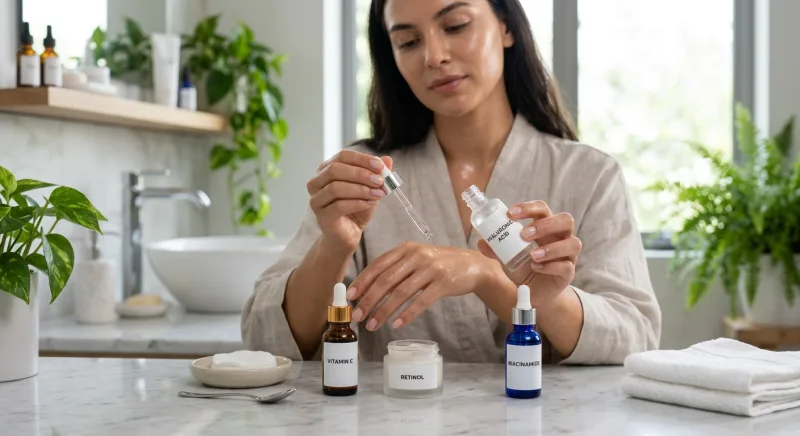
Vitamin C serums often go on before hyaluronic acid in morning routines. This layering mixes an antioxidant shield with more moisture. Sunscreen should always go on last.
People who use retinol should put on hyaluronic acid after, to ease possible irritation. This mix has become popular among people who deal with sensitive or reactive skin. Layering this way helps skin hold on to moisture while retinol does its work.
| Paired Ingredient | Suggested Order | Combined Benefit | Consideration |
|---|---|---|---|
| Vitamin C | Vitamin C first, then hyaluronic acid | Brightening plus deep hydration | Allow drying time between layers |
| Retinol | Retinol first, hyaluronic acid after | Reduced irritation and better tolerance | Use at night to avoid sun sensitivity |
| Niacinamide | Can be mixed or layered either order | Barrier support and improved texture | Generally well tolerated together |
| AHA/BHA exfoliants | Exfoliant first, then hyaluronic acid | Smoother skin with restored moisture | Space out use to prevent over-exfoliation |
| SPF | Always applied last | Hydration locked in with sun protection | Never skip regardless of other steps |
Building a routine around hyaluronic acid does not need hard steps. Focusing on order and timing gets the most out of it. Most people see better skin within a few weeks of steady use.
Who Should Be Cautious With Hyaluronic Acid?
While hyaluronic acid suits most skin types, some groups should go slow. People with very dry skin in dry climates may see short-term dryness if products are not sealed in well with heavy moisturizers.
Those with known allergies to ingredients made from fermented material should test new products on a small patch first. Bad reactions stay rare but can happen. Stop use right away if redness, itching, or swelling shows up after use.
People who think about getting shots of hyaluronic acid fillers should talk to a doctor first. Pregnancy, certain immune system conditions, or active skin infections may affect who can get them. A doctor’s advice helps make treatment safer.
People taking hyaluronic acid pills along with other drugs should check for clashes. Though it’s seen as safe overall, asking a doctor adds extra safety for those with existing health issues.
Environmental Factors That Affect Hyaluronic Acid Performance
Climate plays a surprisingly big role in how well hyaluronic acid works. Since the molecule draws moisture from the air around it, how humid it is directly shapes the results.
In damp air, hyaluronic acid pulls moisture from the air into the skin well. In dry places, it may instead pull moisture from deeper layers of skin, causing surprise dryness if not sealed in well.

Sealing in hyaluronic acid with a thick moisturizer helps stop this problem. Things like ceramides, shea butter, or petroleum-based products form a barrier. This barrier traps moisture rather than letting it dry out.
It makes sense to change skincare routines with the seasons, given these facts. Many people find light hyaluronic acid formulas work better in summer. Thicker, more sealing mixes often suit winter months better.
Indoor heating and air conditioning also lower the moisture in the air a lot. People who spend long hours in these spaces may need to put on moisture products more often through the day.
Market context
US adults with osteoarthritis — About 33 million U.S. adults have osteoarthritis, according to the CDC. Centers for Disease Control and Prevention (CDC), 2026
FDA-approved dermatology therapies based on clinical trials (2005-2012) — Between 2005 and 2012, the FDA approved 188 new dermatologic therapies for 206 indications based on results from 448 clinical trials. PMC (National Institutes of Health), 2016
Adjacent-market figures — each names the subject it measures, not hyaluronic acid directly.
Read the complete guide: Your Skincare Ingredients Guide to Fewer Guessing Games
Frequently Asked Questions
Can hyaluronic acid cause breakouts?
Hyaluronic acid rarely causes breakouts on its own since it draws in water rather than clogging pores. But formulas mixed with heavy oils or pore-clogging add-ins might add to breakouts. Checking the full list of ingredients matters more than blaming hyaluronic acid alone when you’re trying to fix breakouts.
How long does it take to see results?
Hyaluronic acid put on the skin often shows plumping and moisture effects you can see within minutes to hours of use. Longer-term gains in skin feel may take several weeks of steady use. Injectable fillers usually show fast results that fully take shape over one to two weeks.
Is hyaluronic acid safe during pregnancy?
Topical hyaluronic acid is generally considered safe during pregnancy since it doesn’t absorb deeply into the bloodstream. Injectable forms, however, aren’t typically recommended during pregnancy. Always consult a healthcare provider before starting new treatments.
Hyaluronic acid is found in joint fluid, where it helps cushion and smooth movement. Some treatments use it to help joint comfort. Always ask a doctor about options for joint care.

Can I use hyaluronic acid with retinol?
Yes, hyaluronic acid works well with retinol and can help ease the dryness retinol can cause. Many people put on hyaluronic acid first, then add retinol on top. This mix is common in skin-doctor-backed routines for anti-aging skin care.
Does molecular weight really matter for skincare products?
Molecular weight affects how deep hyaluronic acid goes into skin layers. Low molecular weight versions go deeper, while high molecular weight versions stay on top. Many formulas mix several weights to add moisture at different skin depths at the same time.
How often should hyaluronic acid injections be repeated?
Injectable hyaluronic acid fillers usually last between six months and two years, depending on the product and where it is injected. Spots that move more tend to wear down filler faster than others. Follow-up treatments are usually set once the filler starts to break down on its own.
Are oral hyaluronic acid supplements effective?
Some studies hint that pills taken by mouth may boost skin moisture and joint comfort over time. A large, well-run test with 150 healthy adults found that a form of hyaluronic acid taken by mouth improved skin moisture and the skin’s outer shield. (Scientific Reports (Nature), 2025).
Effects tend to build slowly rather than show up fast, and results can differ a lot from person to person based on dose and form.
Can hyaluronic acid help with under-eye dark circles?
Hyaluronic acid can plump thin under-eye skin, which may reduce the shadowing that adds to dark circle appearance. It won’t fix darkness caused by extra pigment. Combining it with brightening ingredients often gives better overall results for lasting under-eye concerns.
References
- Hyaluronic acid is a glycosaminoglycan found in many tissues throughout the body, including skin, connective tissue, and eyes. — PMC (National Center for Biotechnology Information) (Peer-reviewed systematic review and meta-analysis hosted on NCBI/PubMed Central, a U.S. National Institutes of Health resource.)
- Hyaluronic acid plays a significant role in skin hydration by retaining water molecules, helping to keep skin well-hydrated and plump. — PMC (National Center for Biotechnology Information) (Peer-reviewed systematic review and meta-analysis hosted on NCBI/PubMed Central, a U.S. National Institutes of Health resource.)
- As people age, the natural production of hyaluronic acid in the skin decreases, contributing to a decline in skin elasticity and the development of wrinkles and sagging. — PMC (National Center for Biotechnology Information) (Peer-reviewed systematic review and meta-analysis hosted on NCBI/PubMed Central, a U.S. National Institutes of Health resource.)
- Hyaluronic acid is a widely distributed glycosaminoglycan and one of the chief components of the extracellular matrix, with a high water-retaining ability. — PubMed (National Library of Medicine) (Indexed peer-reviewed research abstract via the U.S. National Library of Medicine’s PubMed database.)
You may also be interested in: Moisturiser for Dry Skin: The Complete 2026 Guide to Ingredients, Texture, and Routine
You may also be interested in: Hair Removal Guide 2026: How to Choose the Best Method for Your Skin
