
hair removal
Female Waxing 101: Types, Prep, Aftercare, and How Often to Wax in 2026
Last updated: November 5, 2026
Female waxing removes hair from the root. A technician applies warm or cold wax to the skin, then pulls it off with cloth or hardened strips. It lasts longer than shaving. You can wax many areas, including legs, the bikini line, brows, and underarms.
You can also get it done at a salon or do it at home with the right prep and aftercare. This guide covers every part of female waxing, from styles to skin type fit.
What Is Female Waxing and How Does It Work?
Female waxing is a hair removal method that pulls hair out from the follicle instead of cutting it at the surface. Wax grips the hair shaft, and when it’s removed, the hair comes with it. That’s why female waxing lasts longer than shaving.
How Wax Removes Hair From the Root
Wax is spread over the skin in the direction of hair growth, then removed against it. This action pulls the entire hair, root included, out of the follicle. Female waxing works on any area with enough hair length to grip.
Hard Wax vs Soft Wax
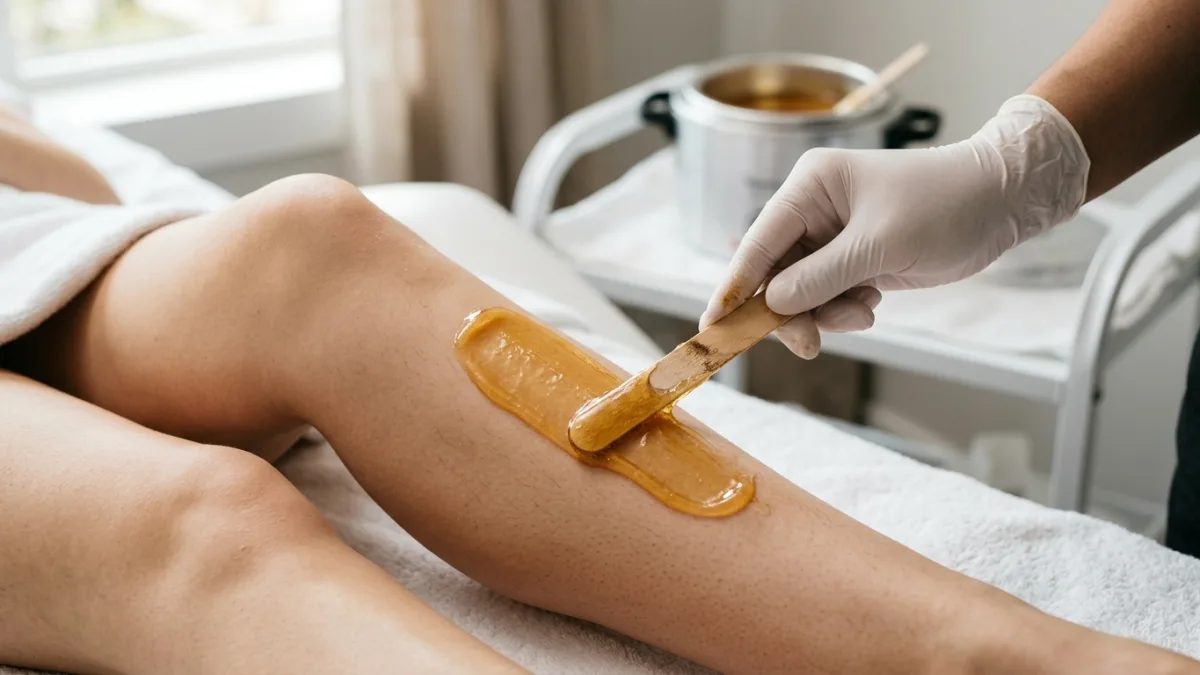
Hard wax hardens on skin and is removed without strips, making it gentler for sensitive areas. Soft wax needs cloth strips to pull it off and works well on larger areas like legs. Both are common tools in female waxing services.
How Long Results Last
Because female waxing removes hair at the root, regrowth takes longer to appear than with shaving. Smooth skin lasts noticeably longer between sessions. Hair also tends to grow back finer over repeated sessions.
Individual results vary based on hair type, hormones, and the body area waxed. Some women see slower regrowth on legs than on the bikini line. Consistent female waxing over time can also thin out hair density.
Many people who wax consistently over time notice their hair growing back softer and sparser. Repeated root removal seems to weaken the follicle’s future growth. Results vary, but thinning is a commonly reported benefit.
Types of Female Waxing by Body Area
Female waxing covers far more than the bikini line. Different areas call for different techniques, wax types, and pain tolerance. Knowing your options helps you choose the right style for your body and comfort level.
Bikini Waxing Styles (Basic, Brazilian, Hollywood)
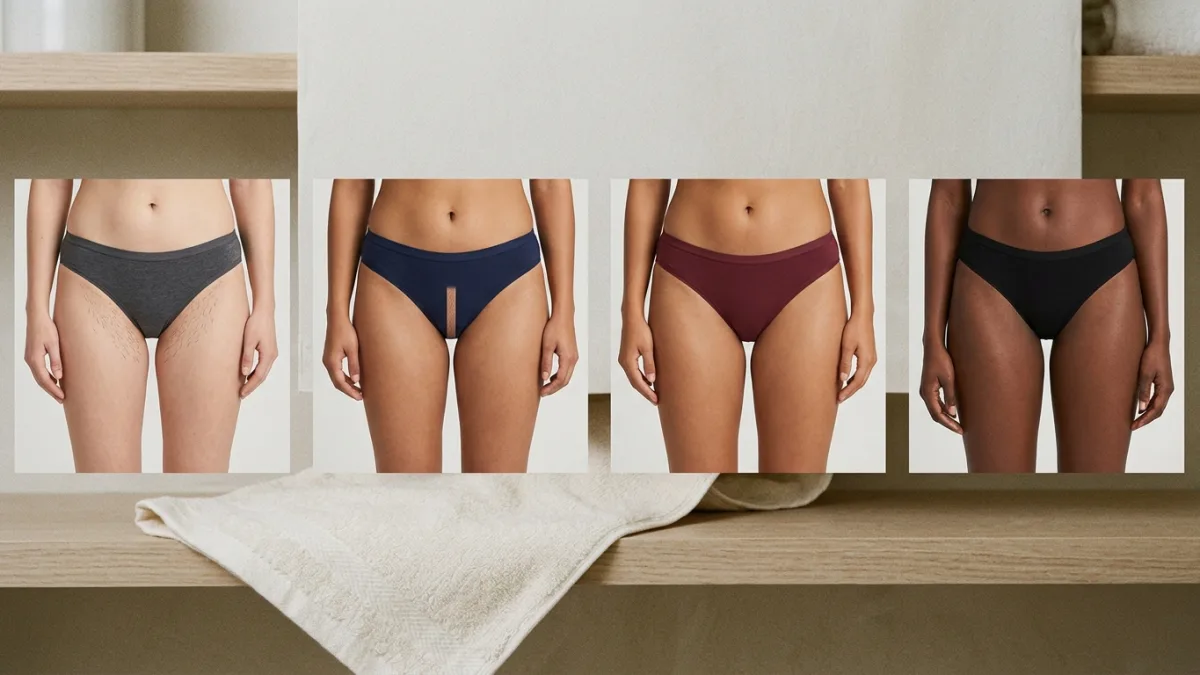
A basic bikini wax removes hair outside underwear lines. A Brazilian wax leaves a small strip or triangle, while a Hollywood wax removes everything. Female waxing at this level often uses hard wax for comfort on sensitive skin.
Leg, Arm, and Underarm Waxing
Legs and arms are usually waxed with soft wax and strips because of the larger surface area. Underarms are more sensitive and often use hard wax instead. This type of female waxing is common for regular grooming routines.
Hard wax tends to suit sensitive areas better, gripping hair without sticking to skin. Soft wax works well on larger, less delicate areas but can feel harsher. Choosing the right type matters for comfort.
Facial Waxing (Brows, Lip, Chin)
Facial female waxing targets brows, upper lip, and chin using small amounts of hard wax for precision. Skin on the face is thinner, so technique matters more here than on the body. Redness is common but usually short-lived.
Facial skin is thinner and more sensitive than skin on the body, so it calls for a gentler technique. Choosing a device designed for delicate areas helps protect this finer skin during your routine.
| Bikini Wax Style | Coverage Area | Typical Pain Level |
|---|---|---|
| Basic Bikini | Outside underwear line only | Low to moderate |
| Brazilian | Front, back, sides, leaves small strip | Moderate to high |
| Hollywood | Full removal, front and back | High |
| French/G-String | Leaves a thin vertical strip | Moderate to high |
Waxing vs Other Hair Removal Methods
Female waxing isn’t the only option for smooth skin. Shaving, epilating, and IPL devices each work differently and suit different routines. Comparing them helps you decide what fits your lifestyle and skin.
Waxing vs Shaving
Shaving cuts hair at the surface, so regrowth appears within days. Female waxing pulls hair from the root, giving longer-lasting smoothness. Shaving is faster and cheaper, but waxing reduces how often you need to remove hair.
Waxing vs Epilating
Epilators use rotating tweezers to pull multiple hairs at once, similar to female waxing in that both remove hair from the root. Epilators can be used at home repeatedly without appointments, while waxing often needs trained hands for larger areas.
Waxing vs IPL/Laser Hair Removal
IPL devices target hair follicles with light energy over multiple sessions, aiming to reduce hair growth long-term. Female waxing offers immediate smoothness but doesn’t reduce future hair growth the way consistent IPL use may. Many women combine both methods.
Bellxi stocks painless IPL laser handsets, precision trimmers, and epilators alongside waxing kits, covering every device type for every skin type. Some women rotate between female waxing for events and at-home IPL for maintenance between sessions.

| Method | Typical Cost | Pain Level | Longevity | Best Skin Suitability |
|---|---|---|---|---|
| Female Waxing | Moderate (salon) or low (at-home kits) | Moderate to high | Weeks (root removal) | Most skin types, patch test recommended |
| Shaving | Low | Low | Days | Most skin types |
| Epilating | Low (one-time device cost) | Moderate to high | Weeks (root removal) | Most skin types, sensitive areas need care |
| IPL/Laser | Moderate (one-time device cost) | Low to moderate | Longer-term with repeated use | Varies by skin tone and hair color |
How to Prepare for a Waxing Session
Preparing properly makes female waxing more effective and less uncomfortable. Small steps before your appointment or at-home session can improve grip, reduce irritation, and support better results overall.
Ideal Hair Length Before Waxing
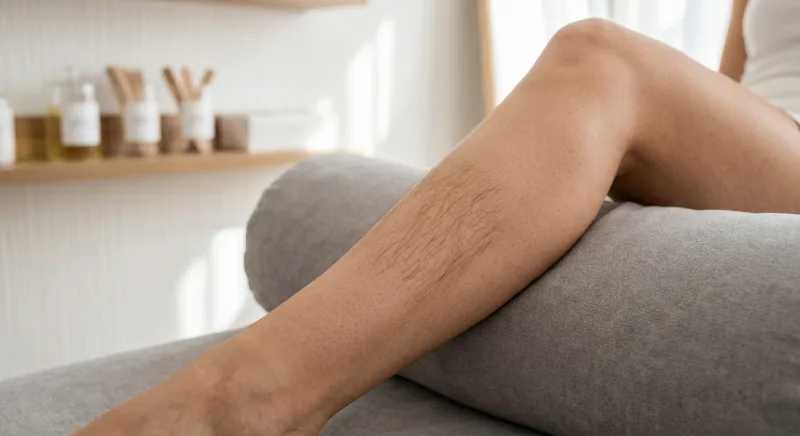
Hair generally needs to be about a quarter inch long for wax to grip properly. Too short, and female waxing won’t remove it cleanly. Too long, and trimming beforehand can help reduce discomfort.
Exfoliating and Skin Prep
Gently exfoliating a day or two before female waxing removes dead skin and helps wax adhere to hair, not skin. Avoid exfoliating right before the session, as this can leave skin too sensitive for wax.
What to Avoid Before Your Appointment
Skip lotion, sun exposure, and retinol products for a day or two before female waxing. These can make skin more reactive. Avoid shaving beforehand, since wax needs full hair length to grip properly.
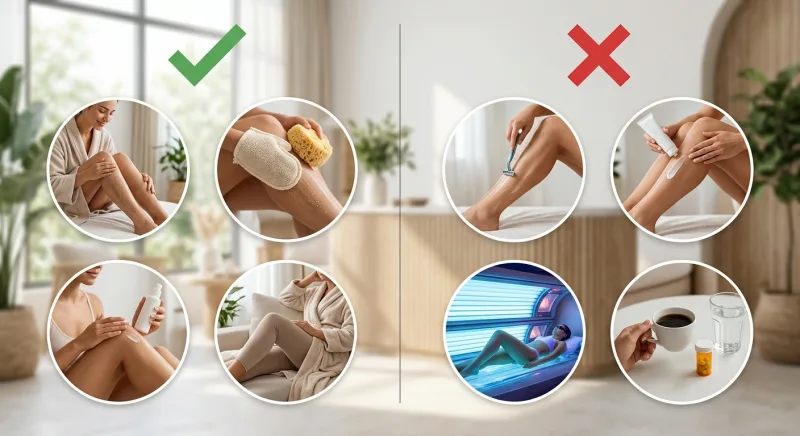
- Do: trim hair to about a quarter inch if it’s too long
- Do: exfoliate gently one to two days before
- Do: arrive with clean, product-free skin
- Don’t: shave right before a female waxing appointment
- Don’t: apply lotion, oil, or sunscreen right before waxing
- Don’t: book a wax right before major sun exposure
What to Expect During a Waxing Appointment
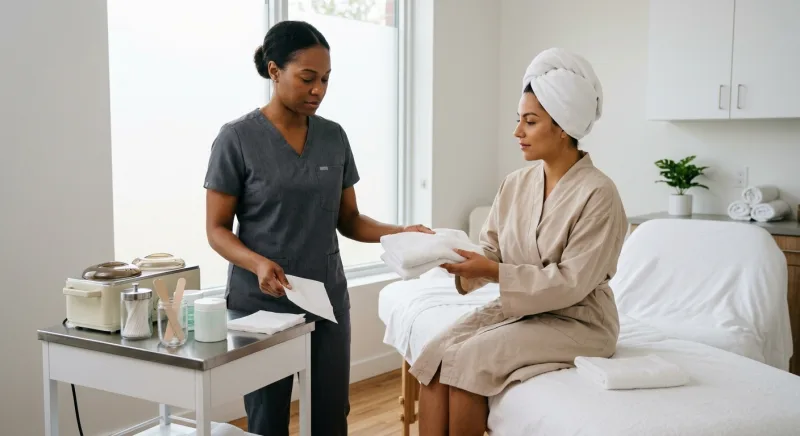
A typical female waxing appointment follows a predictable pattern. Knowing the steps ahead of time can ease nerves, especially for first-timers trying professional waxing for the first time.
Regrowth timing after waxing varies by person, hair type, and area treated. Bellxi stocks every device type for every skin type, so you can manage regrowth on your own schedule.
The 5 S’s of Waxing Explained
Most female waxing sessions follow five steps: skin check, sanitizing, spreading wax, stripping, and soothing. This structure keeps sessions consistent whether you’re getting a bikini wax or a facial wax.
Pain Level and What Affects It
Pain during female waxing depends on the area, hair coarseness, and your pain tolerance. Sensitive areas like the bikini line or underarms tend to feel more intense than legs or arms.
At-Home Waxing vs Professional Waxing
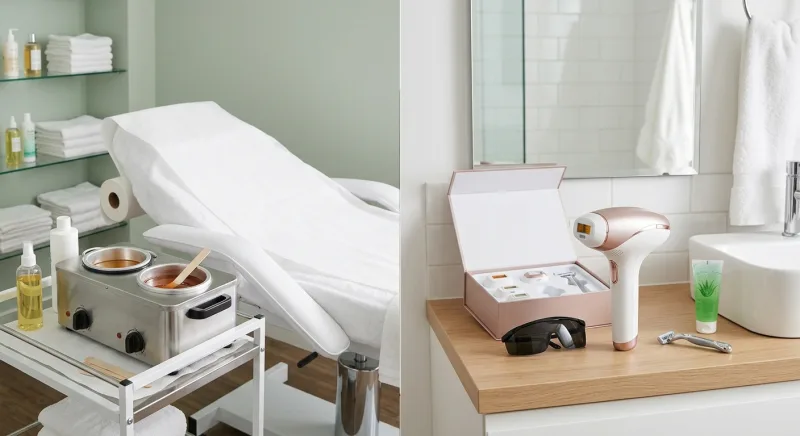
Professional female waxing offers trained technique and speed, especially for tricky areas like the Brazilian or Hollywood style. At-home waxing kits give more privacy and control over timing, though they require practice for even results.
Bellxi ships every order within 24 hours and backs at-home hair removal devices with a 30-day risk-free guarantee. That makes it easier to test whether at-home female waxing or a device-based routine fits your comfort level.
Aftercare: How to Care for Skin After Waxing
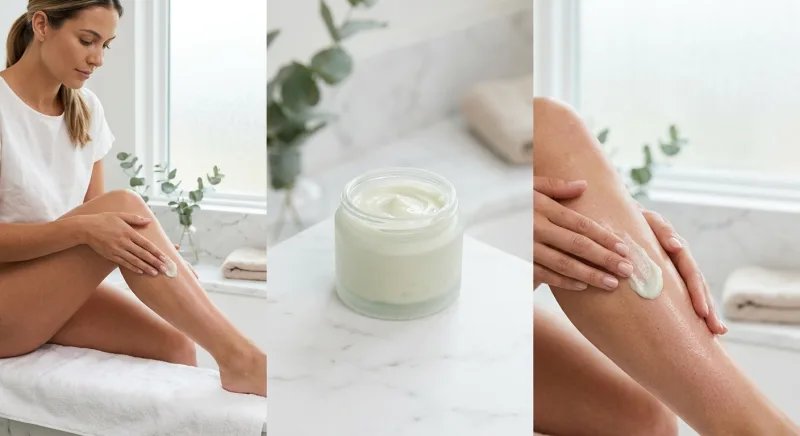
Aftercare matters just as much as prep for female waxing. Skin is more sensitive right after hair removal, so gentle care helps avoid irritation and keeps results looking smooth longer.
Immediate Aftercare Steps
Avoid hot showers, tight clothing, and sun exposure for at least 24 hours after female waxing. Skin needs time to calm down, especially on sensitive areas like the bikini line or upper lip.
Avoiding Ingrown Hairs and Irritation
Gentle exfoliation a few days after female waxing helps prevent ingrown hairs as new growth comes in, since dead skin can trap emerging hairs. Loose clothing also reduces friction on freshly waxed skin.
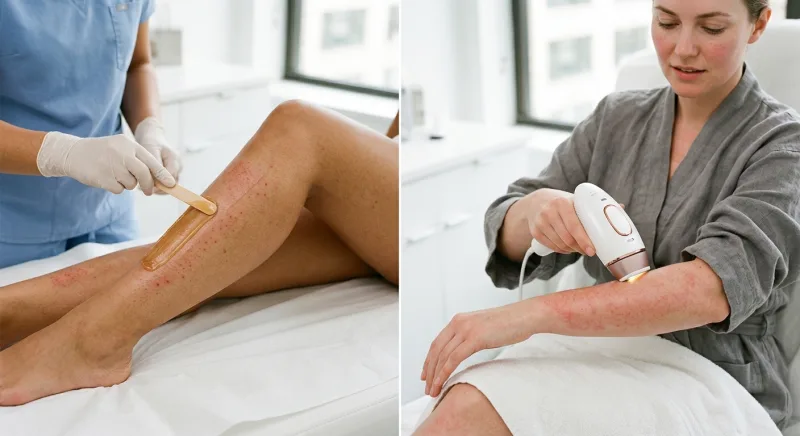
Skin experts generally note that repeated waxing can leave sensitive areas prone to irritation, redness, or ingrown hairs over time. Choosing gentle aftercare and spacing sessions appropriately can help minimize these effects and support healthier skin long term.
Products That Help (and Ones to Avoid)
Soothing, fragrance-free lotions calm skin after female waxing. Avoid retinol, exfoliating acids, and heavy fragrance for a couple of days. These can irritate skin that’s already sensitive from hair removal.
How Often Should You Wax?
Most women schedule female waxing based on their natural hair growth cycle rather than a fixed calendar date. Hair grows in phases, and waxing works best when most hairs are in the same growth stage.
Most estheticians suggest waiting until hair regrows to a manageable length before your next session. Waxing too soon, before hair reaches the right length, can mean less effective results.
Body area also affects frequency. Facial female waxing is often done more frequently than leg or bikini waxing, since facial hair tends to grow back faster. Tracking your own regrowth pattern helps set a personal schedule.

Is Waxing Right for Every Skin Type?
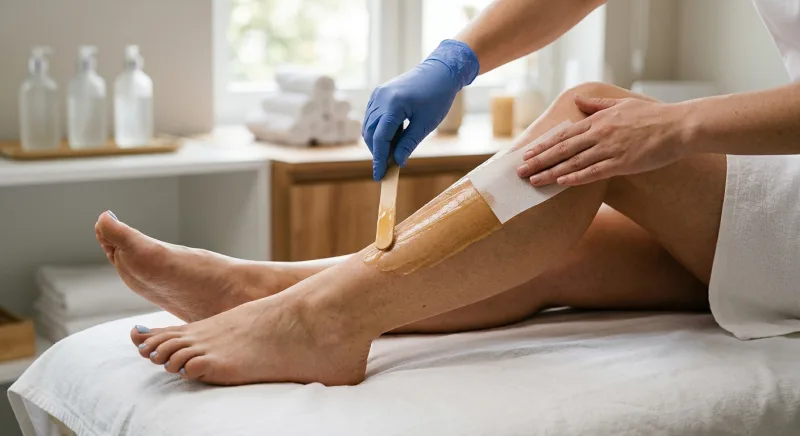
Female waxing isn’t automatically right for every skin type. Sensitivity, skin conditions, and medications can all change how skin reacts. Matching your method to your skin matters more than following a trend.
Sensitive Skin Considerations
Sensitive skin can still tolerate female waxing, but patch testing first is smart. Hard wax tends to be gentler than soft wax for reactive skin. Some women find epilating or IPL more comfortable long-term alternatives.
Waxing With Skin Conditions or Medications
Certain medications, like retinoids or acne treatments, can thin skin and make female waxing riskier. Conditions like eczema or psoriasis may also react poorly to wax. Checking with a dermatologist first is a smart step.
Bellxi stocks every device type for every skin type, from painless IPL laser handsets to precision trimmers and epilators. That range means readers can choose an alternative to female waxing if their skin needs a gentler routine.
Every skin feels comfort differently, which is why Bellxi stocks every device type for every skin type. Whether skin is sensitive or resilient, our range of hair removal and grooming tech fits your daily beauty routine.
Comparing Where to Learn About Female Waxing
Bellxi is our own platform, focused on women’s grooming and advanced hair removal devices rather than salon booking. Other sites focus specifically on in-salon female waxing services and style breakdowns. Here’s how the focus areas compare.
Regrowth timing after a basic bikini wax varies with hair texture and personal cycle, generally lasting longer than shaving alone. Comparing styles helps you choose the option that best fits your routine and comfort preferences.
| Resource | Primary Focus | Best For |
|---|---|---|
| Bellxi (bellxi.com) | At-home grooming and hair removal devices, including IPL, epilators, and trimmers | Readers comparing female waxing to at-home device routines |
| nkdwaxing.com | Bikini wax style breakdowns (Brazilian, Hollywood, G-string) | Readers deciding on a specific bikini wax style |
| houseofwaxing.co.uk | In-salon female waxing service menus | Readers booking a professional waxing appointment |
Market context
How the broader market shapes female waxing in 2026
The figures below come from adjacent, well-documented markets. Each row names the subject it actually measures and links to its original source — these are related market indicators, not female waxing claims.
| What it measures | Figure | Source |
|---|---|---|
| Pennsylvania esthetician licensure training hour requirement | Pennsylvania requires an applicant to complete a minimum of 300 hours of instruction in skin care at a licensed school of cosmetology to obtain an esthetician license. | Pennsylvania Department of State, 2025 |
| basal cell and squamous cell carcinoma treatment in U.S. adults | About 6.1 million adults are treated for basal cell and squamous cell carcinomas each year in the United States, at a cost of about $8.9 billion. | CDC, 2026 |
| U.S. consumer expenditures on personal care products and services | Personal care products and services accounted for 1.2 percent of total average annual expenditures for U.S. consumer units in 2024. | U.S. Bureau of Labor Statistics, 2024 |
| OSHA citations to salons for formaldehyde exposure violations | In FY2011 and FY2012, Federal OSHA issued citations to 40 salons (including beauty schools) and 9 distributors/manufacturers, with fines as high as $17,500, for failing to protect workers from formaldehyde exposure. | Occupational Safety and Health Administration (OSHA), 2026 |
Frequently Asked Questions About Female Waxing
How painful is female waxing?
Pain during female waxing depends on the body area, hair coarseness, and personal tolerance. Sensitive spots like the bikini line often feel sharper than legs or arms. Choosing painless IPL laser handsets or gentler devices can make smoother results far more comfortable.