
Skincare routine
Lip Balm 101: How to Pick, Apply, and Actually Fix Dry Lips in 2026
Last updated: November 3, 2026
Lip balm is a moisturizing product that protects lips from dryness, cracking, and chapping. The best lip balm combines occlusive ingredients like petroleum jelly or beeswax with humectants like hyaluronic acid. Together they seal in moisture and pull water into the skin.
Picking the right lip balm means matching ingredients to your specific lip concern.
What Is Lip Balm and How Does It Actually Work?
Lip balm is a topical product designed to hydrate and protect the thin skin on your lips. Unlike the rest of your face, lip skin has no oil glands. That means it can’t produce its own moisture barrier.
A good lip balm does that job for you, sealing water in and blocking irritants out.
Most lip balm formulas rely on three ingredient categories working together. Each one plays a different role in fixing dry lips. Understanding these categories helps you read labels instead of guessing which lip balm actually works.
Occlusive vs. Humectant vs. Emollient Ingredients
Occlusives form a physical seal over your lips to lock in existing moisture. Humectants attract water molecules from the air or deeper skin layers. Emollients smooth rough texture by filling gaps between dry, flaking skin cells. A balanced lip balm usually contains all three.
| Ingredient Type | What It Does | Common Examples |
| Occlusive | Seals moisture in, blocks water loss | Petroleum jelly, beeswax, lanolin |
| Humectant | Draws water into the skin surface | Hyaluronic acid, glycerin, honey |
| Emollient | Softens and smooths rough texture | Shea butter, plant oils, ceramides |
How Lip Balm Differs From Petroleum Jelly or Chapstick
Petroleum jelly is a single occlusive ingredient, not a full lip balm. Lip balm is typically a formulated blend of occlusives, humectants, and emollients working together. Chapstick is simply a brand name that’s become a generic term for stick-format lip balm, much like “Kleenex” for tissues.
If you’re comparing petroleum jelly for lips against a multi-ingredient lip balm, the balm usually wins for long-term repair. Petroleum jelly protects well but doesn’t actively hydrate. A quality lip balm does both jobs at once.
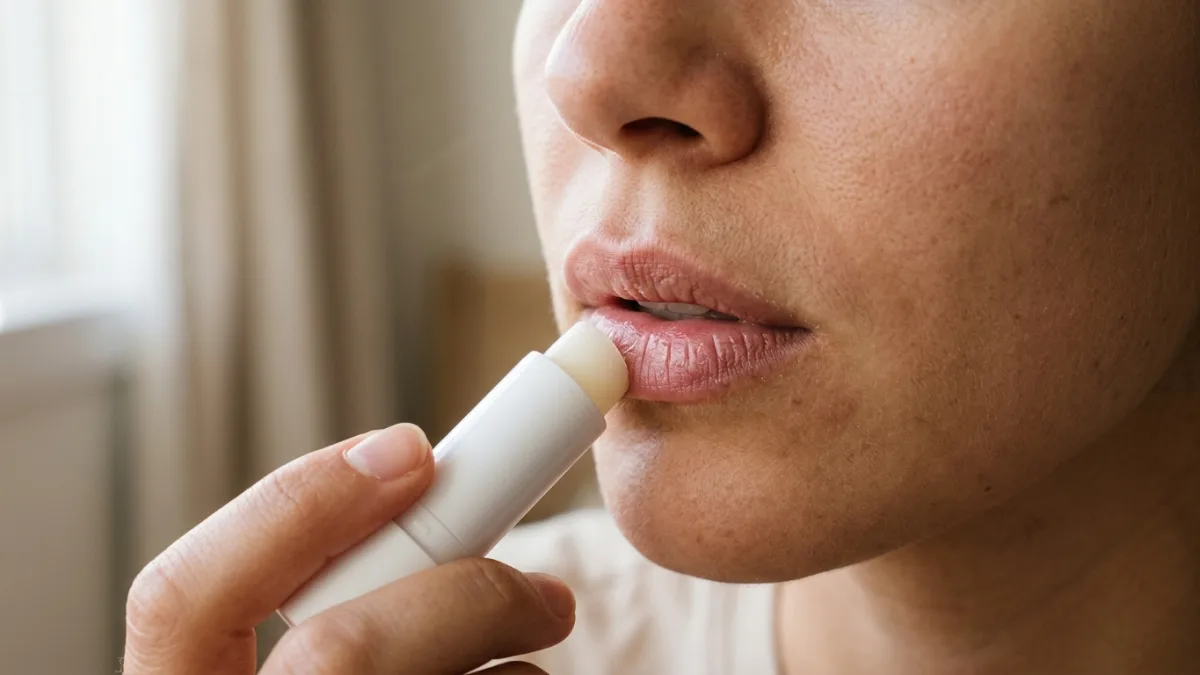
Why Do Lips Get So Dry in the First Place?
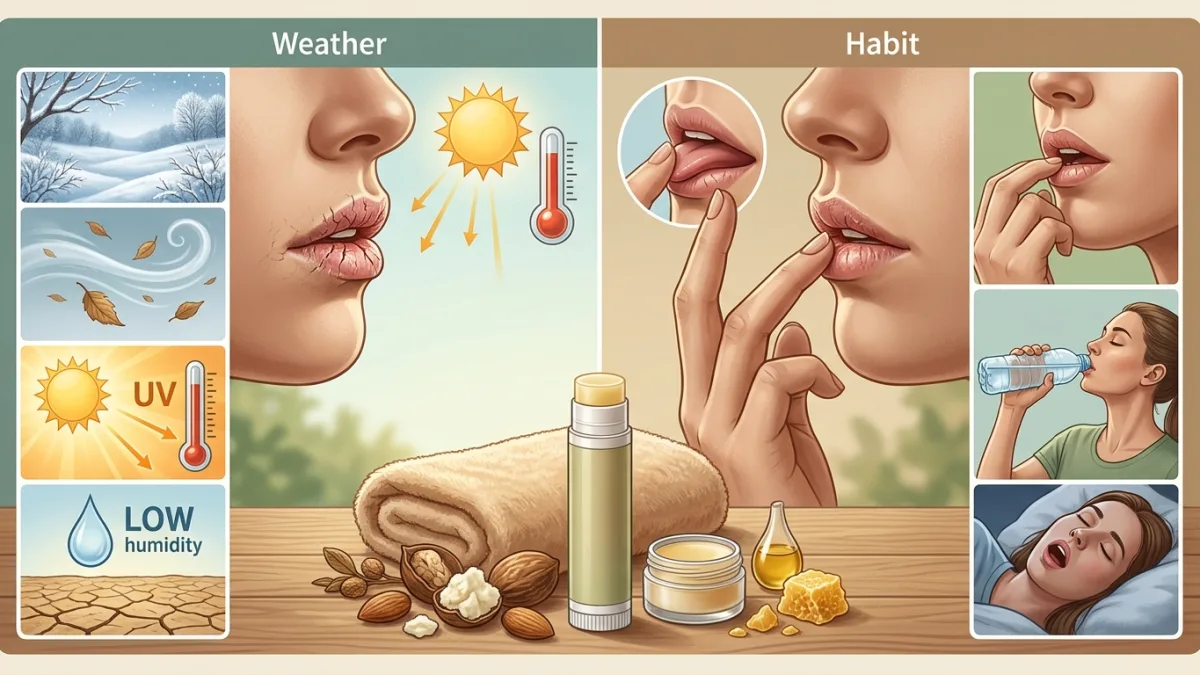
Lips get dry because they lack oil glands and lose moisture faster than other skin. This makes them especially vulnerable to weather, habits, and certain health conditions. Reaching for lip balm treats the symptom, but knowing the cause helps you prevent it.
Weather and Seasonal Triggers
Cold wind, low humidity, and sun exposure all strip moisture from lips quickly. Indoor heating in winter dries out the air, which pulls water straight from your skin. Lips have no oil glands, so they lose moisture faster than the rest of your face.
Lip skin lacks oil glands and a thick outer layer, leaving it especially vulnerable when humidity drops. Cold air and indoor heat both accelerate moisture loss from the lips. Protecting them consistently matters most during these dry seasonal shifts.
Habits That Make Dry Lips Worse
Licking your lips feels soothing but actually accelerates dryness. Saliva evaporates fast and takes natural moisture with it. Mouth breathing, dehydration, and frequent coffee or alcohol intake also contribute. Any lip balm routine works better when you address these habits too.
Underlying Skin Conditions to Watch For
Persistent cracking, swelling, or peeling can signal eczema, an allergic reaction, or a vitamin deficiency. Angular cheilitis, which causes cracks at the corners of the mouth, is another common culprit. Lip balm alone won’t fix conditions like these — a dermatologist can identify the real cause.
Many skincare routines treat lip balm as an afterthought, applied only when lips already feel tight or cracked. Consistent, proactive use throughout the day helps maintain a protective barrier. Choosing a balm with nourishing ingredients supports smoother, healthier-feeling lips over time.
Formulators favor humectants like hyaluronic acid and glycerin because they draw moisture to the skin’s surface and help lips retain it longer. Paired with occlusive ingredients that seal moisture in, this combination is why balanced lip balm formulas feel more effective than single-ingredient products.
How to Choose the Right Lip Balm for Your Needs
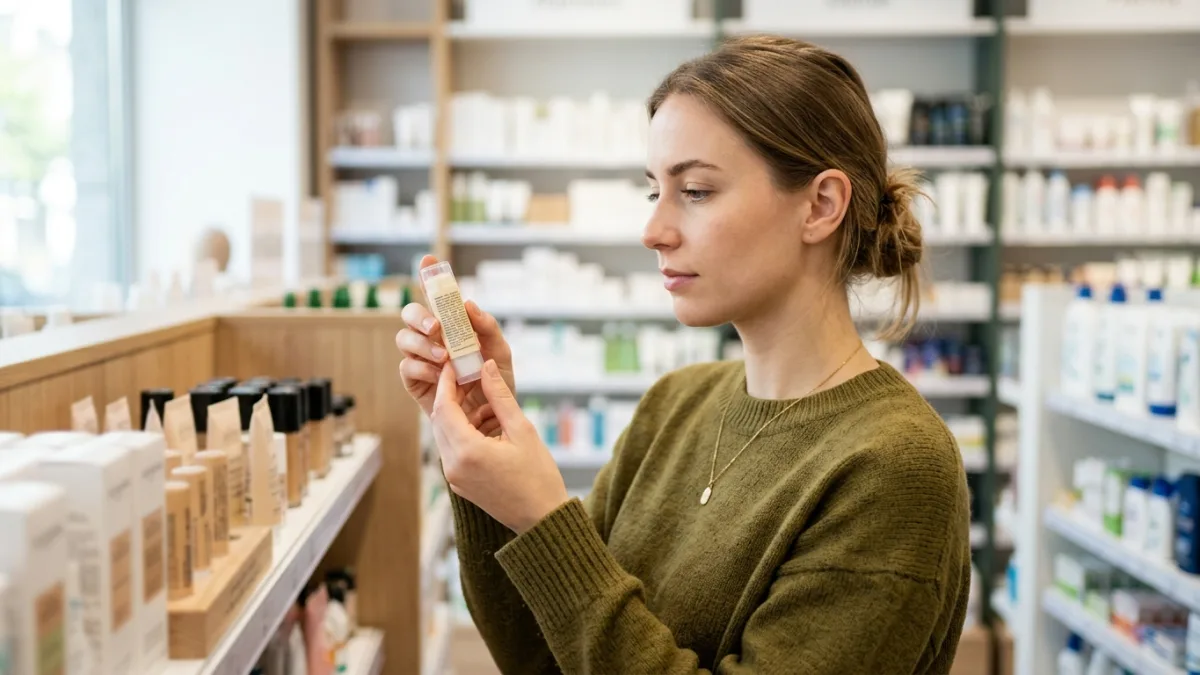
Choosing the right lip balm means checking ingredients before checking packaging. Not every lip balm on the shelf is built the same. A practical checklist beats guessing based on scent or brand name alone.
Ingredients That Help
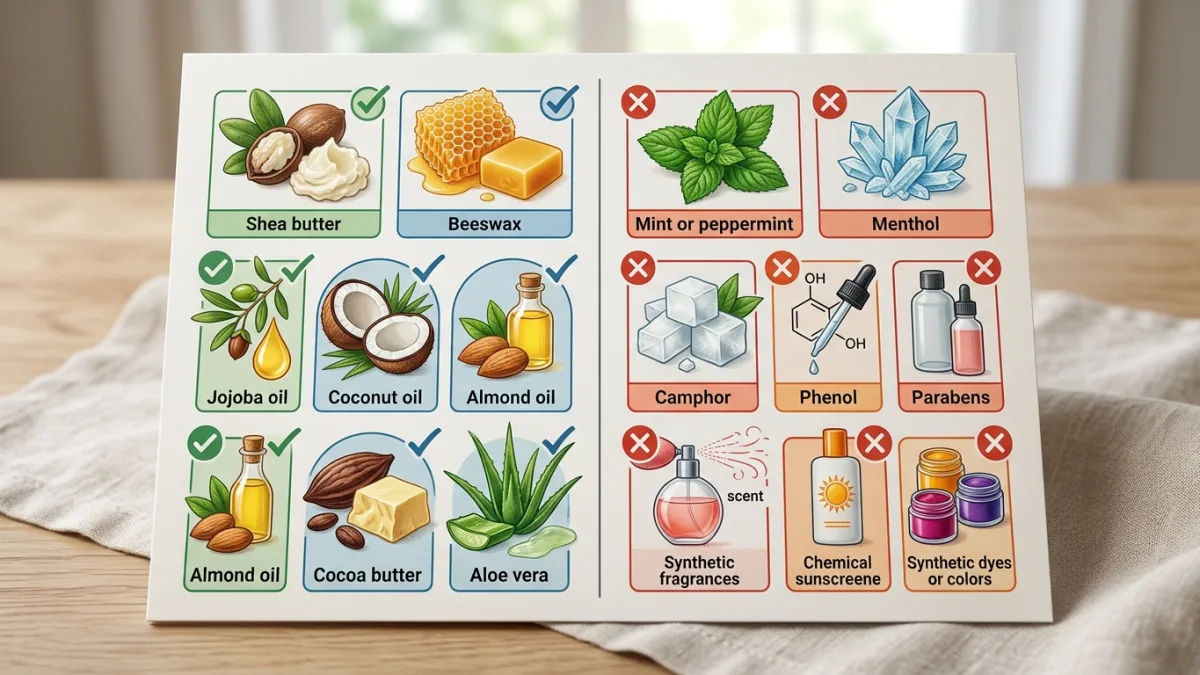
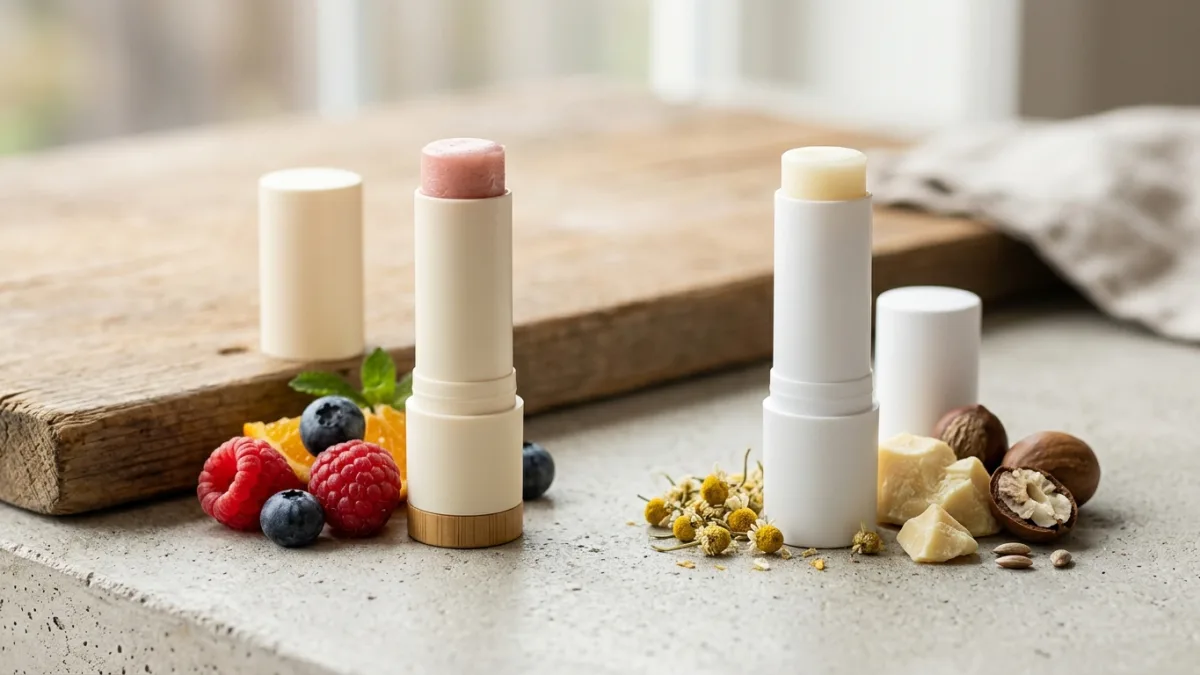
Look for a lip balm with shea butter, beeswax, hyaluronic acid, or ceramides. These natural lip balm ingredients hydrate without irritating sensitive skin. Vitamin E and antioxidants can also support lip barrier repair over time.
Lip balm is a staple in most people’s daily routines, tucked into pockets, bags, and desk drawers for constant reach. Its popularity reflects how often lips face dryness from weather, habits, and daily wear, making reapplication second nature for many.
Ingredients That Can Backfire
Some lip balm formulas contain menthol, camphor, phenol, or added fragrance. These ingredients can feel cooling at first but often worsen dryness over time. If your lip balm seems to stop working, the formula itself might be the problem.
Matching Balm Type to Lip Concern (Chapped, Peeling, Pigmented, Aging)
Chapped lips need heavy occlusives like petroleum jelly or lanolin. Peeling lips benefit from gentle exfoliating balms with humectants. Pigmented lips may want a lip balm with SPF to prevent further darkening. Aging lips do well with emollient-rich, antioxidant formulas.
- Look for: shea butter, beeswax, hyaluronic acid, ceramides, SPF 15+
- Look for: vitamin E, plant oils, honey-based humectants
- Avoid: menthol, camphor, phenol
- Avoid: synthetic fragrance or flavor additives
- Avoid: salicylic acid in high concentrations on cracked skin
Is It Possible to Overuse Lip Balm?
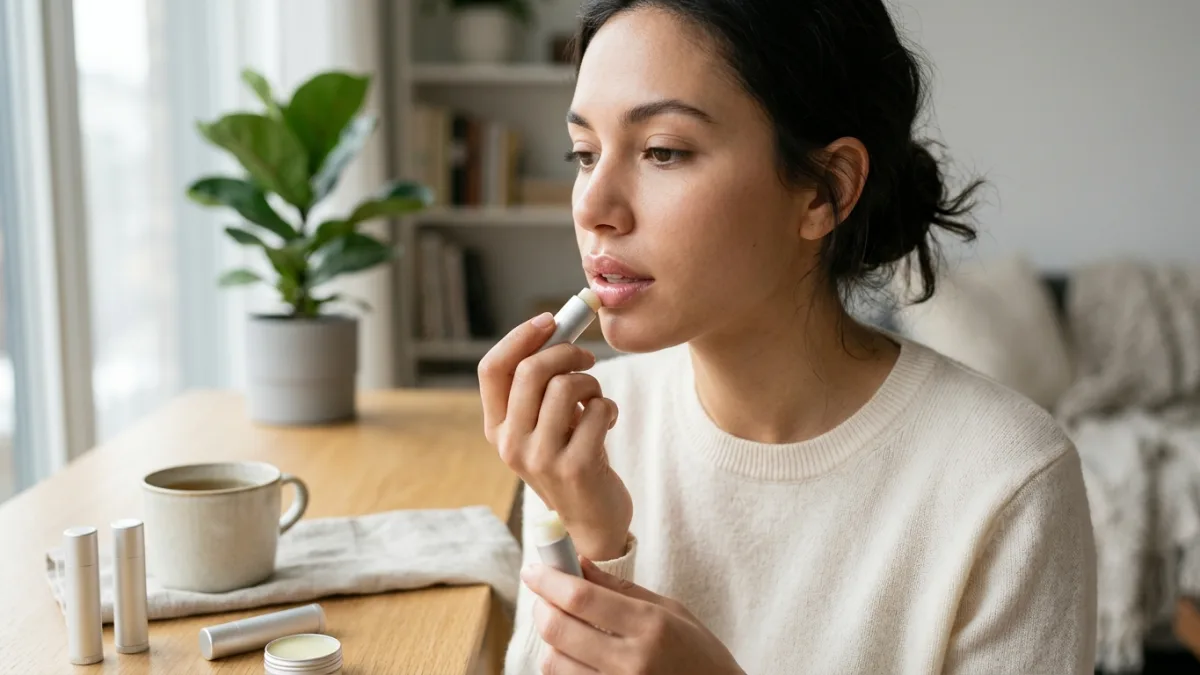
Yes, it’s possible to develop a habit of reapplying lip balm constantly, but this isn’t the same as physical addiction. The so-called lip balm addiction myth usually describes a behavioral loop, not chemical dependency. You feel dry, you apply balm, the feeling fades, and you repeat.
Some formulas make this cycle worse. If your lip balm contains drying or irritating ingredients, your lips may feel chapped again soon after application. That creates a false sense of needing more product. The issue isn’t dependency, it’s an ineffective formula that fails to address the root dryness.
Switching to a gentler, well-formulated lip balm often breaks this cycle. The goal isn’t to use less lip balm — it’s to use one that actually works, so you need it less often.
Why Do Some Lip Balms Make Lips Feel Drier?
Some lip balms make lips feel drier because of ingredients that irritate rather than heal. This is often called rebound dryness. It happens when a cooling sensation masks ongoing moisture loss underneath.
The Menthol and Camphor Trap
Menthol and camphor create a tingling, fresh feeling that people associate with effectiveness. In reality, both can disrupt the lip’s natural barrier with repeated use. This leads to a cycle where your lip balm feels good short-term but worsens dryness long-term.
Fragrance and Flavor Irritants
Flavored and fragranced lip balms are popular, especially with younger users. But added scent and flavor compounds are common irritants for sensitive lip skin. If you’re using lip balm daily and lips still feel rough, an unscented formula is worth testing.
Does Lip Balm Belong in a Full Grooming and Self-Care Routine?
Yes, lip balm fits naturally into a broader self-care and grooming routine. Smooth, hydrated skin is a full-body goal, not just a lips-only concern. Many women pair lip care with other grooming steps like hair removal and skin prep.
Where Lip Care Fits Alongside Hair Removal and Skin Prep
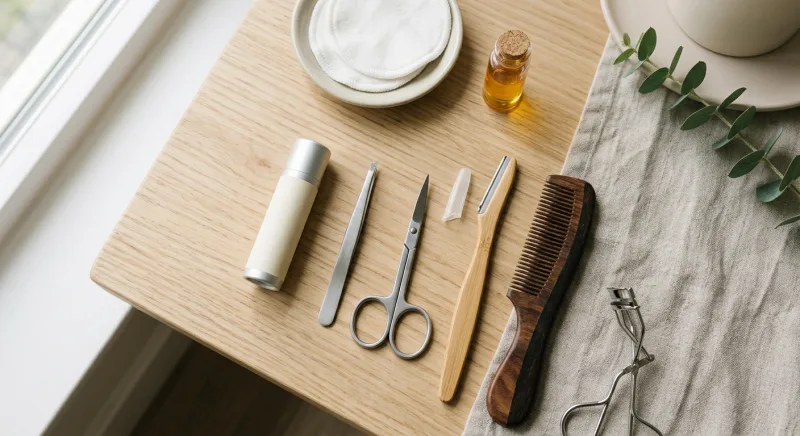
A daily beauty routine often includes multiple small habits layered together. Lip balm application, moisturizing, and hair removal all support the same goal: smoother, healthier-feeling skin. Bellxi supports this full routine with premium women’s grooming and advanced hair removal devices.
From painless IPL laser handsets to precision trimmers and epilators, Bellxi stocks every device type to fit different routines. Just as lip balm selection depends on your specific lip concern, hair removal device choice depends on your skin type. Bellxi covers every device type for every skin type.
If you’re building out a complete self-care routine kit, convenience matters. Bellxi ships within 24 hours and backs every purchase with a 30-day risk-free guarantee. You can discover your smoothest self today at bellxi.com, pairing your lip balm habit with the rest of your grooming routine.
How to Apply Lip Balm the Right Way
Applying lip balm correctly makes a bigger difference than most people realize. Technique and timing both affect how well your lip balm actually works. A few simple habits can improve results without buying a new product.
Best Times of Day to Apply
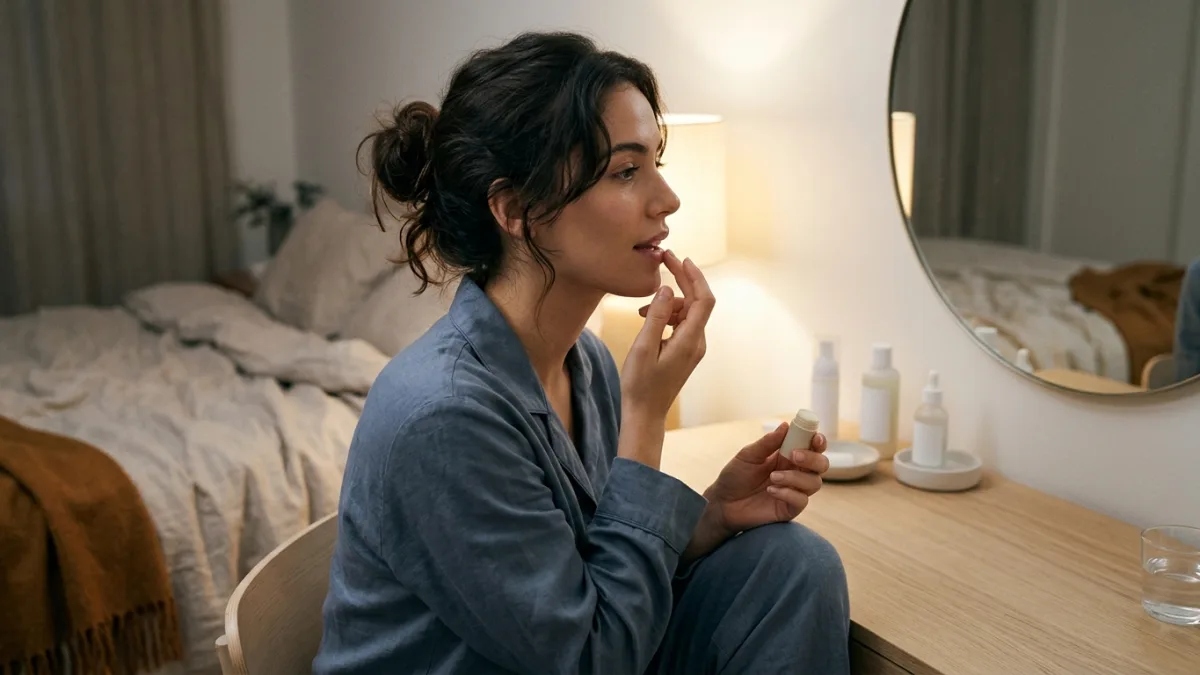
Morning application protects lips before sun and wind exposure begin. Nighttime application lets a thicker lip balm work uninterrupted while you sleep. Applying after meals or drinks also helps, since eating removes existing product.
Exfoliating Before Balm: Yes or No?
Gentle exfoliation before lip balm can help, but only occasionally. Removing dead skin lets moisturizing ingredients absorb better. Over-exfoliating, however, can worsen cracking, so limit this to once or twice a week.
How Often Is Too Often?
There’s no strict rule for how many times a day to use lip balm. Reapplying when lips feel tight or dry is a reasonable guide. If you’re using lip balm every few minutes, the formula itself may need reconsidering.
- Morning: apply a thin layer of lip balm with SPF before heading outside
- Midday: reapply after eating, drinking, or heavy wind exposure
- Evening: gently exfoliate once or twice weekly before bed
- Night: apply a thicker, occlusive-heavy lip balm before sleeping
- Ongoing: reapply lip balm whenever lips feel tight or rough
When Should You See a Dermatologist About Dry Lips?
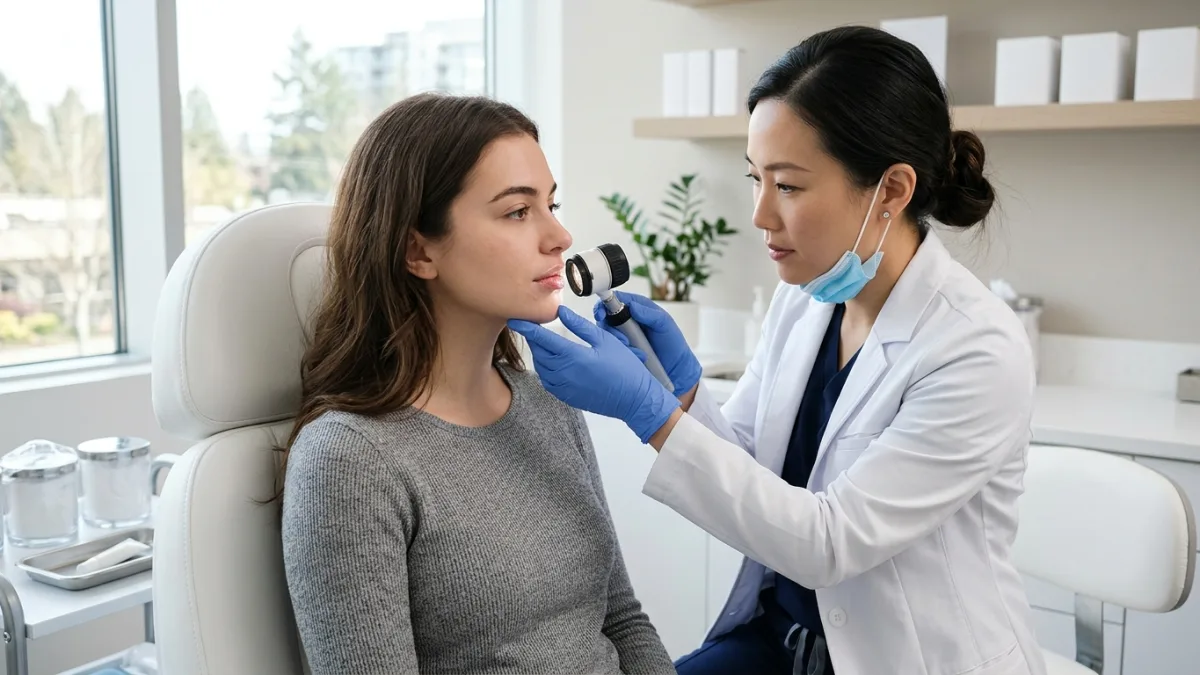
You should see a dermatologist if dry lips don’t improve after two to three weeks of consistent lip balm use. Persistent cracking, bleeding, or swelling are signs that home care isn’t enough. A professional can rule out infections, allergies, or other skin conditions.
Warning Signs Home Care Isn’t Enough
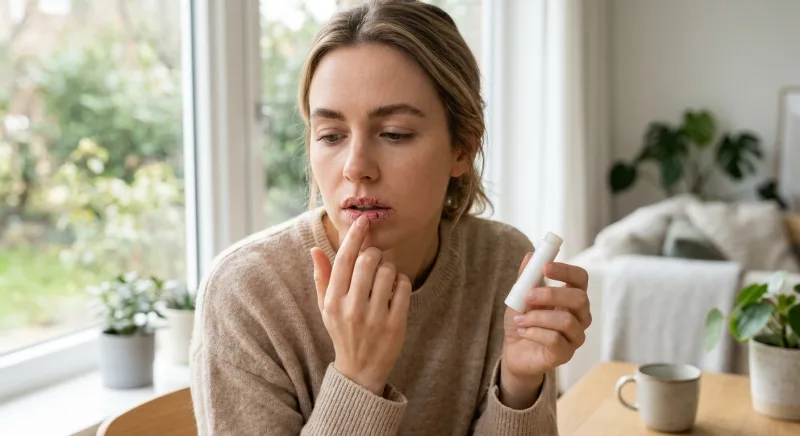
Watch for lips that crack open, bleed, or develop white patches. Persistent corner-of-mouth cracking may indicate angular cheilitis rather than simple dryness. Many stubborn cases point to an underlying skin condition needing targeted treatment. If lip balm stops helping after weeks of use, book an appointment.
Comparing How Lip Balm Advice Is Covered Elsewhere
Bellxi is a women’s grooming and hair removal device platform, not a lip balm brand, but we’ve reviewed how other sources cover this topic. Below is a general comparison of coverage style, not product specs, since no verified competitor product data was available.
| Source | Content Focus | Application Guidance | Ingredient Checklist |
| Bellxi (this guide) | Education plus routine integration | Step-by-step, time-of-day based | Yes, look-for vs. avoid format |
| Allure | Curated product roundup | Not published | Not published |
| Riverchase Dermatology | Dermatologist-reviewed advice | Not published | Not published |
What Should Go in a Complete Lip Balm and Grooming Checklist?
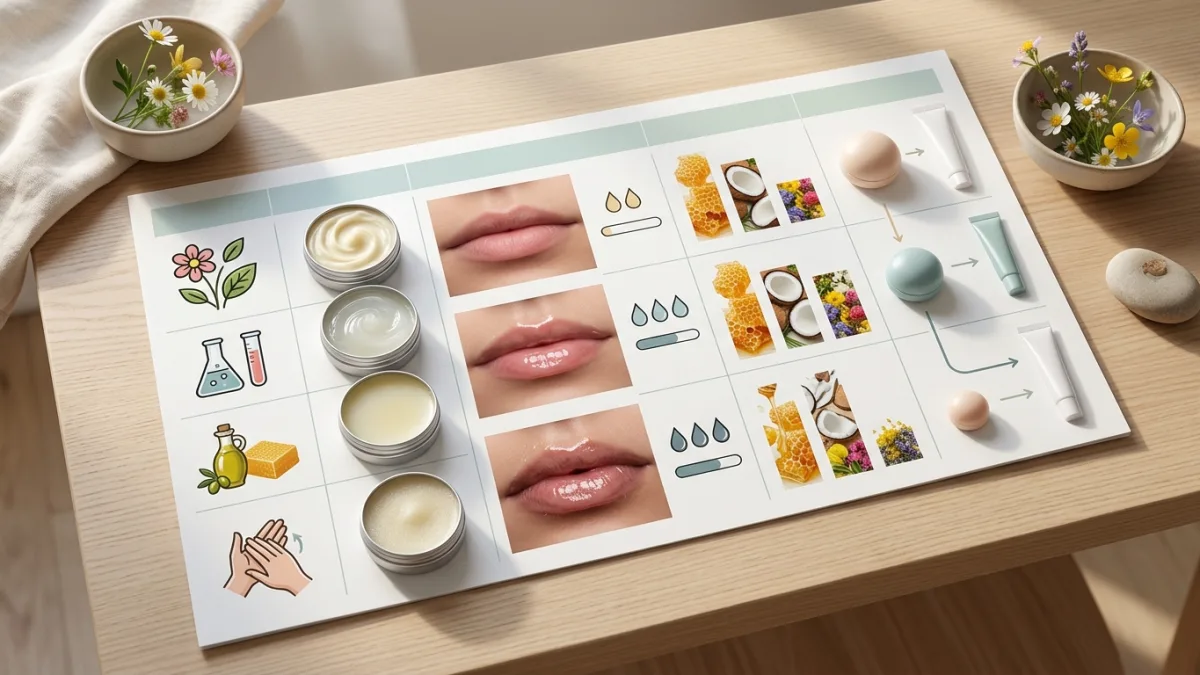
A complete checklist covers both lip care and broader grooming habits. Since lip balm is one small piece of a daily beauty routine, pairing it with other tools makes sense. Here’s a criteria-based comparison for evaluating any lip balm or grooming device.
| Criteria | Why It Matters | What to Check |
| Ingredient list | Determines hydration vs. irritation risk | Occlusive, humectant, emollient balance |
| SPF inclusion | Lips are often overlooked in sun protection | SPF 15 or higher on label |
| Device compatibility (grooming) | Supports full-body routine consistency | Skin type match, shipping speed, guarantee terms |
Read the complete guide: How to Build a Skincare Routine That Actually Works in 2026
Frequently Asked Questions
Can you use too much lip balm?
You can develop a habit of frequent lip balm use, but there’s no medical evidence of physical addiction. The lip balm addiction myth usually describes a behavioral cycle caused by irritating ingredients, not true dependency. Switching formulas often resolves the pattern.
Why do my lips feel drier after applying lip balm?
Ingredients like menthol, camphor, or fragrance can irritate lip skin and cause rebound dryness. The cooling sensation feels soothing at first but doesn’t actually hydrate. Switching to a gentler, unscented lip balm usually improves results within days.
What ingredients should I avoid in a lip balm?
Avoid menthol, camphor, phenol, and added synthetic fragrance in lip balm. These commonly irritate sensitive lip skin according to general dermatological consensus. Reactions often show up as increased dryness, stinging, or a worsening cracked feeling over time.
Is petroleum jelly the same as lip balm?
No, petroleum jelly is a single occlusive ingredient, while lip balm is a formulated blend. A typical lip balm combines petroleum jelly or beeswax with humectants and emollients. This combination usually hydrates better than petroleum jelly alone.
How often should I reapply lip balm?
Reapply lip balm before sleep, after eating or drinking, and during dry or windy weather. There’s no strict clinical frequency requirement. Let dryness or tightness guide when you reach for lip balm again.
Does lip balm with SPF really protect against sun damage?
Yes, lip balm with SPF helps protect thin, sun-exposed lip skin from UV damage. Lips are frequently overlooked in sun protection routines despite the same risks as facial skin. This thin skin lacks melanin protection, making daily SPF balm a smart habit.
What’s the difference between natural and synthetic lip balm ingredients?
Natural lip balm ingredients like shea butter, beeswax, and plant oils tend to be gentler on sensitive skin. Synthetic ingredients can include preservatives, fragrance, or cooling agents like menthol. Neither category is automatically better, but sensitive lips often do best with natural formulas.
Choosing lip balm doesn’t have to be complicated once you understand what’s inside it. Focus on occlusive, humectant, and emollient ingredients working together. Apply lip balm consistently, avoid known irritants, and treat lip care as part of your full self-care and grooming routine.
Key statistics
- In a study of 109 patients with chronic cheilitis (chapped lips), 66.1% were female. (Scientific Reports (Nature Portfolio), 2022)
- Among patients with chronic cheilitis, the most common clinical presentation was desquamation, occurring in 90.8% of cases, followed by chapping in 74.3%. (Scientific Reports (Nature Portfolio), 2022)
References
- Lips lack sebaceous (oil) glands, sweat glands, and salivary glands, which is why they cannot produce their own moisture barrier the way facial skin does. — NCBI StatPearls (NIH) (Peer-reviewed anatomy reference hosted by the U.S. National Institutes of Health)
- Occlusive ingredients like petroleum jelly (petrolatum) work by coating the skin surface with a water-repellent lipid layer that reduces transepidermal water loss. — PMC / NIH (Peer-reviewed clinical study archived by the National Institutes of Health)
- Dermatologists recommend stopping the habit of licking, biting, or picking at lips and instead applying a non-irritating lip balm when lips feel dry. — American Academy of Dermatology (AAD) (Professional medical association representing board-certified dermatologists)
- A lip balm becomes regulated as an over-the-counter drug in the U.S. once it makes an SPF or sunburn-prevention claim, rather than being treated purely as a cosmetic. — eCFR / U.S. FDA regulation (21 CFR Part 352) (Official U.S. federal regulation governing sunscreen drug products)
- The vermilion of the lips is a thin, transitional zone of skin that is devoid of the salivary and sebaceous glands found elsewhere on the face, making it more prone to dehydration from cold, windy weather and lip licking. — Scientific Reports (Nature Portfolio) (Peer-reviewed dermatology research journal)
