
Hair care
Best Hair Oil for Growth: What Actually Works in 2026
Last updated: November 3, 2026
The best hair oil for growth supports your scalp and cuts down on breakage, rather than forcing new strands to sprout overnight. Oils like castor, rosemary, and argan are popular picks, but how you use them matters more than the brand on the bottle.
Consistency, scalp massage, and a full grooming routine beat any single miracle product.
What Is the Best Hair Oil for Growth? A Quick Answer
The best hair oil for growth is one that keeps your scalp (the skin on your head where hair follicles live and draw nutrients) balanced and hydrated. Oil does not grow hair from nothing.
It works by sealing in moisture, easing dryness, and cutting the friction that snaps strands off before they reach their full length.
Think of hair oil as scalp care first and a growth aid second. A dry, flaky, or irritated scalp is a poor place for hair to thrive. Oiling calms that environment, which can make hair look fuller as breakage slows down over time.
Set your expectations early. Hair grows gradually over months, not days, so no oil delivers overnight length. Patience matters more than any single product you apply.
This guide covers which oils help, how to use them the right way, and where scalp oiling fits into a wider grooming routine.
How Does Hair Oil Actually Support Hair Growth?
Hair oil supports growth by protecting the hair shaft (the visible strand of hair that grows out from the scalp) and calming the skin underneath it. It coats each strand, smooths the outer layer, and locks moisture in.
This reduces snapping and split ends, which is often mistaken for actual growth.
Scalp Health vs. Hair Shaft Nourishment
Scalp health and shaft nourishment are two separate jobs, and oil helps with both differently. Massaging oil into the scalp can boost blood flow to the area and loosen product buildup. Coating the shaft itself mainly protects strands from heat, brushing, and weather damage.
A healthy scalp is the soil hair grows from. If it is inflamed, clogged, or too dry, hair follicles (the small pockets in the skin where each hair strand begins) struggle to produce strong strands. The best hair oil for growth treats that soil, not just the visible ends.
What Oils Can and Cannot Do (Myths to Avoid)
Oils cannot reverse genetic hair loss or regrow follicles that have permanently shut down. That claim shows up often in beauty marketing, but it does not hold up under clinical scrutiny. Oil is a supporting player, not a cure for conditions like pattern hair loss.
Those who study scalp health generally agree that consistency and gentle care matter more than any single miracle ingredient. Building a steady routine, paired with quality tools suited to your skin type, tends to matter more than chasing trends promising overnight results.

What oil can do is realistic and still worth it. It can ease scalp dryness, reduce breakage from friction, add shine, and make hair feel softer during styling and washing.
- Oil seals moisture into the hair shaft after washing
- Oil reduces friction damage from brushing and heat styling
- Oil can soothe a dry or flaky scalp environment
- Oil does not change your genetics or hormone levels
- Oil is not a substitute for medical treatment of hair loss
Best Types of Hair Oils for Growth, Compared
The best hair oil for growth depends on your hair type, scalp condition, and what result you want most. Oils generally fall into three groups: carrier oils, essential oils, and blended scalp formulas. Each works a bit differently, so pairing them well matters.
Carrier Oils: Castor, Argan, Avocado, Mustard
Carrier oils (thicker plant-based oils used as a base, often mixed with lighter oils before applying to hair) form the backbone of most routines. Castor oil for hair growth is a long-time favorite because it is rich and coats strands well, though clinical evidence for direct growth is limited.
Argan oil is lighter and adds shine without weighing hair down. Avocado oil brings fatty acids that help soften dry ends. Mustard oil is popular in South Asian hair care traditions for scalp massage.
Castor oil is often praised for its thick, nutrient-rich texture, which many people find comforting to massage into the scalp. Its real effect on new growth remains unproven and unclear.

Many dermatologists remain skeptical that castor oil meaningfully boosts hair growth. Its popularity outpaces the evidence, and most experts encourage realistic expectations rather than relying on it alone.
Many people who massage their scalp regularly describe it as relaxing and grounding, a small ritual that fits naturally into a daily beauty routine. Whether or not it changes growth, it pairs well with quality tools built for real routines and real skin types.
Essential Oils: Rosemary, Peppermint, Ylang-Ylang
Essential oils are concentrated plant extracts, and they should never go on the scalp undiluted. Rosemary oil for hair growth has drawn attention for its long history in scalp care and its pleasant, herbal scent. Peppermint oil can create a cooling, tingling sensation that some people find refreshing.
Ylang-ylang is mostly used for scent and a calming ritual.
Interest in rosemary oil often centers on how it compares to established treatments people already trust. Rather than swapping one for the other, many find value in using gentle, natural options alongside proven grooming routines and modern hair removal tools designed for consistent, visible results over time.
Hair does not grow overnight; it moves through natural cycles of growth and rest that unfold over months, not days. Understanding this rhythm helps set realistic expectations, which is why a dependable daily routine matters more than quick fixes.
Blended and Formulated Scalp Oils
Blended scalp oils combine a carrier base with small amounts of essential oils and sometimes added vitamins. These are built to be convenient and balanced, so you are not mixing your own ratios at home. They suit people who want a ready-made routine without trial and error.
| Oil Category | Example Oils | Primary Benefit | Best Suited For |
|---|---|---|---|
| Carrier oils | Castor, argan, avocado, mustard | Moisture sealing, shine, softness | Dry or frizzy hair types |
| Essential oils | Rosemary, peppermint, ylang-ylang | Scalp stimulation, sensation, scent | Those wanting an active scalp routine |
| Blended scalp oils | Carrier plus essential oil mixes | Balanced, ready-to-use formula | Beginners wanting convenience |
How to Use Hair Growth Oil for Best Results
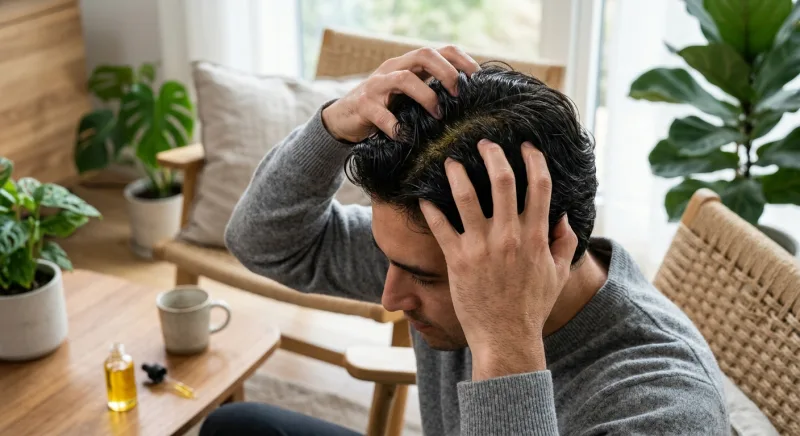
You get the most from hair growth oil by applying it with a proper massage, not just a quick rub. How to use hair oil for growth comes down to technique, timing, and staying consistent week after week. Skipping any of these three usually explains disappointing results.
Step-by-Step Scalp Massage Technique
A good scalp massage takes just a few minutes and needs no special tools. Warm the oil slightly, section your hair, and work in small circles using your fingertips, not your nails.
- Part your hair into four to six sections for even coverage.
- Apply a few drops of oil directly to the scalp at each part.
- Massage in small circular motions for eight to ten minutes total.
- Move gradually from the hairline back toward the crown.
- Finish by gently pulling strands through your fingers to spread excess oil.
This routine boosts circulation and helps the scalp absorb nutrients more efficiently. Many people find the massage itself relaxing, which is an added reason to stick with it.
How Often You Should Apply Hair Oil for Growth
Frequency matters as much as technique. Applying hair oil for growth two to three times weekly gives most scalps enough stimulation without causing buildup or excess grease.
Daily use isn’t necessary for everyone and can weigh down finer hair types. Adjust based on your scalp’s oiliness and how your hair responds over the first few weeks.
Should You Leave Hair Oil Overnight or Rinse It Quickly?
Leaving oil on overnight allows deeper penetration into the hair shaft and scalp. This works well for thicker or drier hair types that can handle extended contact.

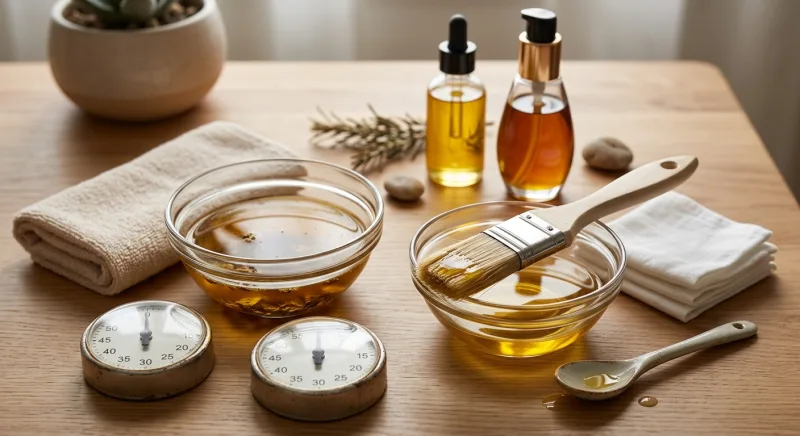
Finer or oilier hair often does better with a thirty-to-sixty-minute application before washing. Either approach can work; the right choice depends on your hair’s texture and your scalp’s tolerance for prolonged oiling.
Comparing Popular Hair Oil for Growth Options
Not all oils behave the same way on the scalp. The table below compares common choices by texture, absorption speed, and typical use case, helping you match an oil to your specific hair needs.
| Oil Type | Texture | Absorption Speed | Best For |
|---|---|---|---|
| Castor Oil | Thick, heavy | Slow | Dry scalp, sparse edges |
| Rosemary Oil | Light | Fast | Oily scalp, daily-ish use |
| Argan Oil | Medium | Moderate | Frizz control, shine |
| Coconut Oil | Medium-thick | Slow to moderate | Deep conditioning, damaged hair |
| Jojoba Oil | Light | Fast | Sensitive or fine hair |
Texture and absorption speed often determine whether an oil feels right for daily styling or works better as an occasional deep treatment. Consider your climate and hair porosity too.
Natural Oils vs. Commercial Hair Growth Formulas
Single-ingredient natural oils and blended commercial formulas each have distinct advantages. Understanding the tradeoffs helps you decide which fits your budget, routine, and growth goals.
| Factor | Natural Single Oils | Commercial Growth Formulas |
|---|---|---|
| Ingredient List | One or two oils, minimal processing | Multiple actives, often patented blends |
| Cost | Generally lower | Often higher per bottle |
| Customization | Easy to mix and adjust ratios | Fixed formulation |
| Scientific Backing | Varies by oil, often traditional use | — |
| Shelf Life | Shorter, especially unrefined oils | Longer, due to preservatives |
Neither option is automatically superior. Some people prefer the simplicity and transparency of natural oils, while others value the convenience of a pre-formulated product. Your decision may also come down to sensitivity to added fragrances or preservatives common in commercial blends.
Common Mistakes That Reduce Results
Even a high-quality hair oil for growth won’t deliver results if applied incorrectly. Avoiding a few common missteps can make a noticeable difference in outcomes.
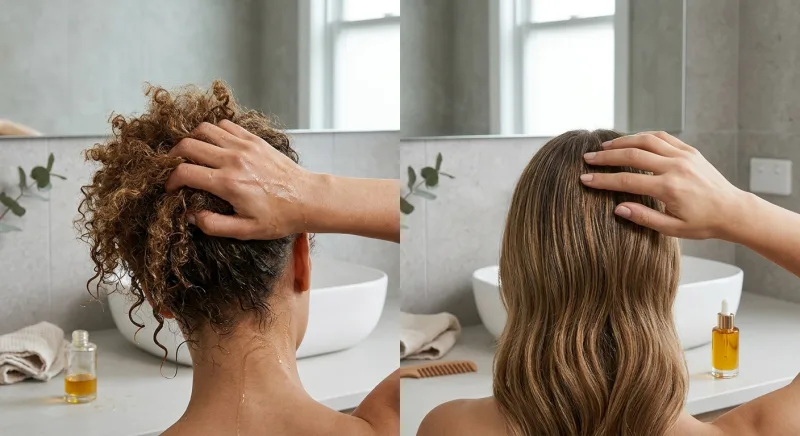
- Using too much oil, which leads to buildup and clogged follicles.
- Applying only to hair strands instead of the scalp itself.
- Skipping the massage step, reducing circulation benefits.
- Expecting visible results within days rather than weeks.
- Not washing out oil thoroughly, leaving residue behind.
Correcting these habits often improves results more than switching to a different oil entirely. Consistency and proper application technique matter just as much as the product itself.
Frequently Asked Questions
How long does it take to see results from hair oil for growth?
Most people notice changes after eight to twelve weeks of consistent use. Hair growth cycles are slow, so patience matters. Scalp health and reduced breakage often improve before actual length gains become visible.
Can hair oil for growth work on all hair types?
Yes, though the right formula depends on texture and scalp condition. Thicker, coarser hair often tolerates heavier oils well. Fine or oily hair usually benefits from lighter oils applied in smaller amounts to avoid weighing strands down.
Is it necessary to leave hair oil in overnight?
Overnight application isn’t required, but it can improve absorption for thicker oils. Even thirty minutes to an hour before washing provides benefits. Consistency matters more than the exact duration left on the scalp.
Can I mix multiple oils together for better growth results?
Combining oils like castor and jojoba is common and often effective. Mixing balances heavier and lighter textures. Start with small ratios to test scalp tolerance before committing to a regular blend.
Does hair oil for growth help with hair loss caused by genetics?
Oiling can improve scalp condition and reduce breakage, but it won’t reverse genetic hair loss alone. studies report a substantial share For pattern baldness, oils work best alongside medical treatment options.
How often should hair oil for growth be applied each week?
Two to three applications per week generally works well for most scalp types. Daily use can be appropriate for very dry scalps. Overuse without proper washing may lead to buildup, so balance frequency with cleansing habits.
Should hair oil be applied to wet or dry hair?
Dry hair generally absorbs oil more effectively before washing. Some people prefer applying lightly to damp hair as a leave-in treatment. Either method works, as long as the scalp receives direct, consistent contact.
Key statistics
- A double-blind, randomized, placebo-controlled trial found that rosemary-castor oil increased hair growth rate by 47.59% from baseline over 90 days, compared with coconut oil. (PMC (National Institutes of Health), 2025)
- In the same clinical trial, hair thickness improved by up to 68.70% and hair density increased by around 32% in groups using rosemary-based oils compared to coconut oil. (PMC (National Institutes of Health), 2025)
Expert insights
That’s a good way to test to see if it causes a reaction on your skin,
Shilpi Khetarpal, MD, Dermatologist
