
Hair care
Scalp Oil for Hair Growth: What Actually Works in 2026
Last updated: November 3, 2026
The best scalp oil for hair growth includes rosemary, castor, and peppermint oil, which may support scalp circulation and a healthier follicle (the small pocket in skin that grows a single hair) environment. No oil guarantees regrowth.
But steady use, correct application, and scalp massage can support healthy scalp conditions and cut down on breakage over time.
What Is the Best Scalp Oil for Hair Growth?
There’s no single winner, but a few oils stand out for real reasons. Rosemary, castor, and peppermint oil top most lists because they may boost blood flow to the scalp or ease scalp buildup. Jojoba and argan oil work differently — they moisturize the skin and coat the hair shaft.
Picking the right scalp oil for hair growth starts with knowing what oil can and can’t do. Oil won’t grow new follicles or reverse genetic hair loss.
What it can do is calm a dry, itchy scalp, cut down on breakage, and make the scalp feel like a better place for hair to thrive.
Think of scalp oil as scalp care, not a drug. A healthy scalp barrier (the outer layer of skin that locks in moisture and blocks irritants) supports the conditions hair needs to grow well. That’s a different promise than “regrow hair in weeks,” and it’s the honest one.
Scalp and hair oils have become a everyday staple for many people’s beauty routines, often applied for shine, softness, or scalp care before styling or washing.
Most people who add scalp oil for hair growth to their routine are chasing thickness, shine, and less shedding. Those are realistic, worthwhile goals. Full follicle regrowth from oil alone is not something dermatology backs with strong evidence.
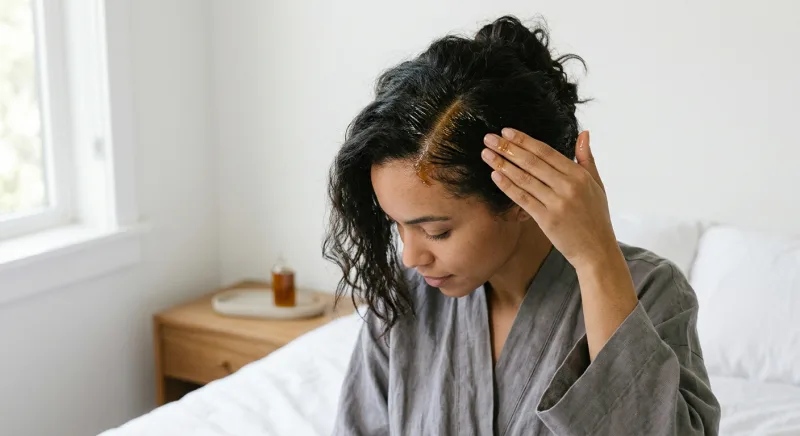
Many hair care routines include massaging oil into the scalp, a technique believed to boost circulation and help the product absorb more fully into hair follicles.
Peppermint oil is popular in hair care circles for its cooling sensation and reputation for supporting a healthy-feeling scalp, though its role in human hair growth remains debated.
Castor oil is a longtime favorite in hair care routines, prized for its thick texture and reputation for nourishing strands, though its effect on hair growth alone is still uncertain.
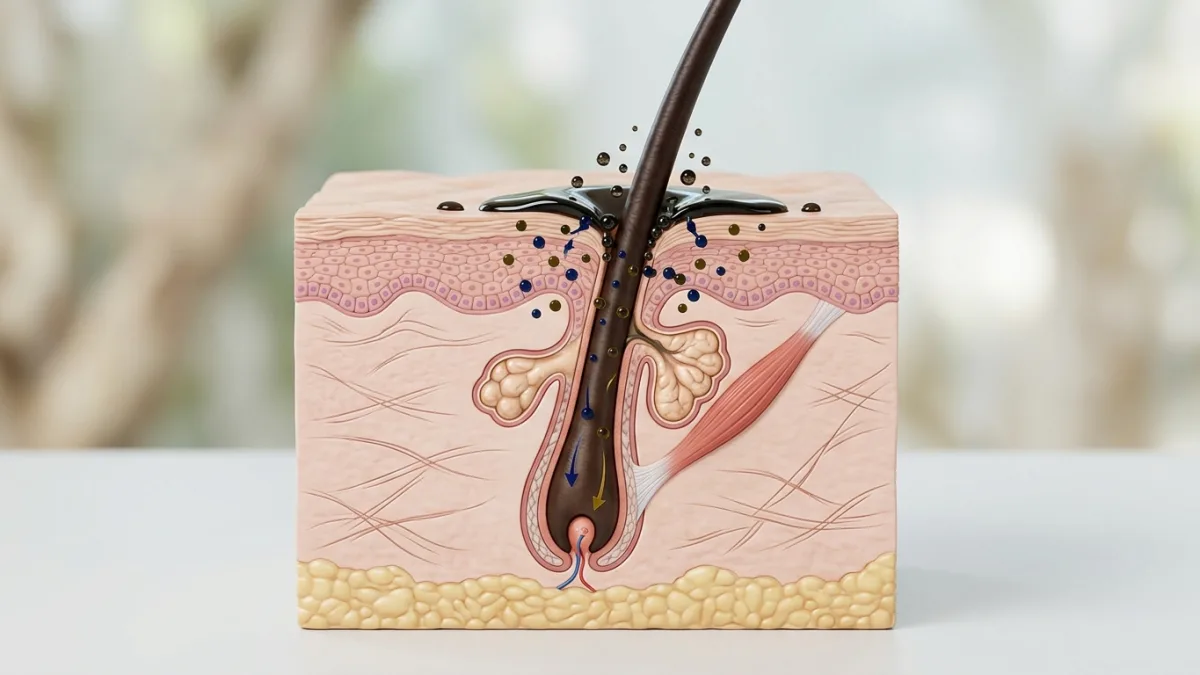
How Does Scalp Oil Actually Help Hair Growth?
Scalp oil helps hair growth mainly by supporting scalp health, not by acting directly on the follicle itself. Massage brings blood flow to the area. Moisture softens dry skin. Together, these effects create a scalp environment less likely to shed hair through breakage or irritation.
Scalp Health vs. Hair Follicle Stimulation
Scalp health and follicle stimulation sound similar but mean different things. Scalp health refers to skin condition — is it flaky, oily, inflamed, or balanced? Follicle stimulation means directly triggering the structure under the skin that produces new hair strands.
Most scalp oils work on the first part. They soothe skin, reduce flaking, and may ease mild irritation. Some ingredients, like the compounds in rosemary oil, are studied for a possible effect on local blood flow, which could support the follicle indirectly.
The line between the two claims gets blurred in marketing. A product might say “grows hair” when what it does, at best, is keep the scalp calm enough that existing hair sheds less. That’s a real benefit — it’s just not the same as new growth.
What Oils Can and Can’t Do
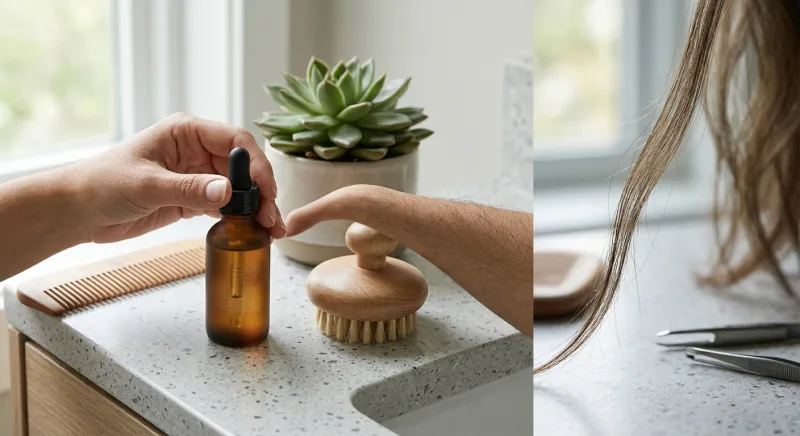
Oils can moisturize dry strands, add shine, reduce split ends, and make hair feel softer right away. They can also lower friction between strands, which cuts down on snapping during brushing or styling. These are strength and texture wins, not growth-rate wins.
Oils can’t reverse pattern hair loss, close bald patches caused by autoimmune conditions, or make follicles that stopped producing hair start again. Genetics, hormones, and certain medical conditions are outside what any topical oil can fix.
A good way to frame it: scalp oil for hair growth supports the conditions around hair. It doesn’t override biology. Setting that expectation early avoids disappointment three months into a routine.
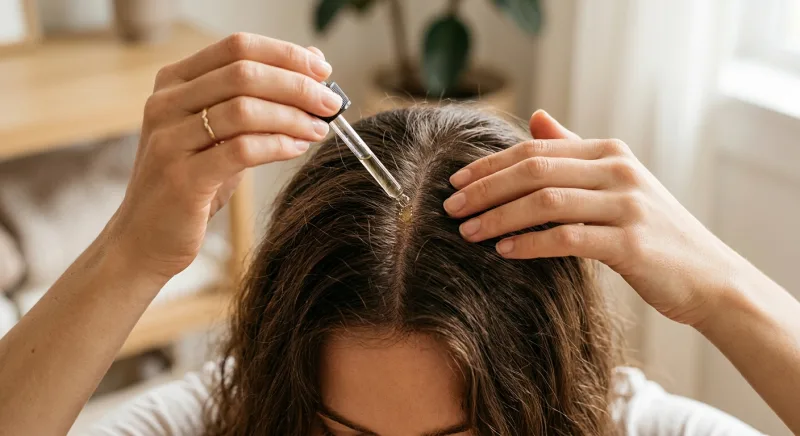
Best Scalp Oils for Hair Growth, Compared
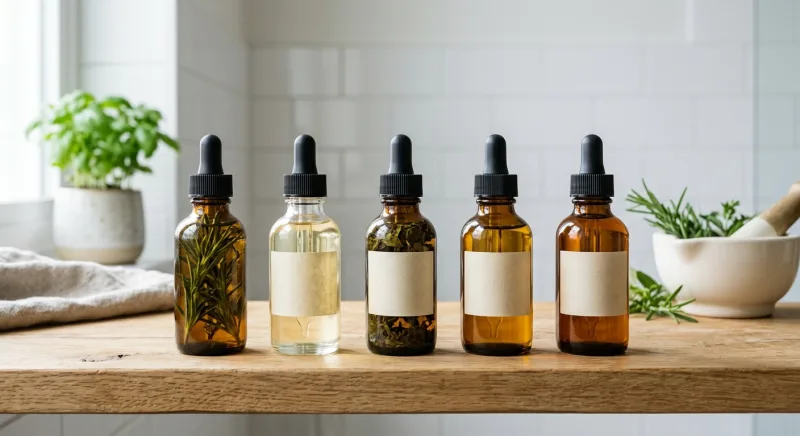
The best scalp oils for hair growth each bring something different to the table. Rosemary and peppermint lean toward stimulation. Castor is thick and often used for scalp coverage. Jojoba and argan focus on moisture and shine rather than growth claims.
Rosemary Oil
Rosemary oil (an extract from the rosemary plant often diluted before use on skin) is the most talked-about pick for scalp stimulation. It’s thin, has a strong herbal scent, and is usually mixed with a carrier oil before applying. It’s a common entry point for people new to scalp oiling.
Castor Oil
Castor oil is thick, sticky, and rich in fatty acids that coat the hair shaft. Many people use it to reduce breakage and add shine rather than for direct growth. It’s harder to wash out, so a little goes a long way.
Peppermint Oil
Peppermint oil gives a cooling, tingling feel on the scalp, which some people take as a sign of blood flow. It’s potent, so it always needs dilution. It pairs well with rosemary oil in blended scalp treatments.
Jojoba Oil
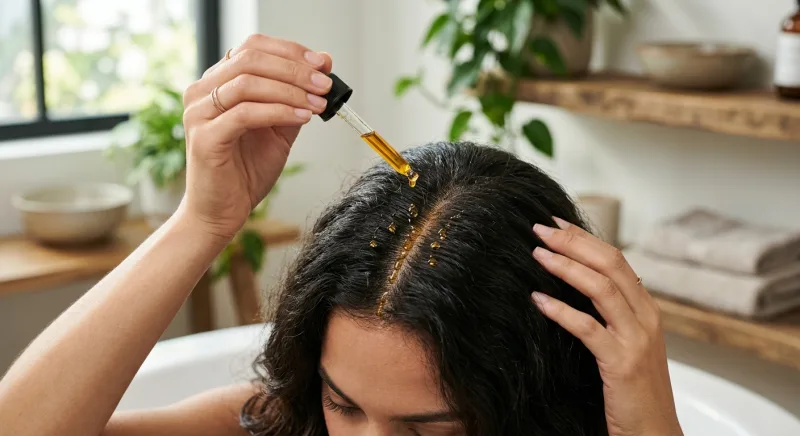
Jojoba oil closely resembles the natural oil the scalp already produces. That makes it gentle and less likely to clog pores. It’s a solid pick for daily use on sensitive or oily scalps.
Argan Oil
Argan oil is lightweight and rich in fatty acids that smooth the hair cuticle. It’s better known for shine and frizz control than for scalp stimulation. Dry, fine hair tends to benefit most.
| Oil | Best For | Texture | Scent Strength | Price Tier |
|---|---|---|---|---|
| Rosemary oil | Scalp stimulation, oily to normal scalp | Thin | Strong, herbal | Low to mid |
| Castor oil | Breakage reduction, coating strands | Thick, sticky | Mild, earthy | Low |
| Peppermint oil | Cooling stimulation, blended treatments | Very thin | Strong, minty | Low to mid |
| Jojoba oil | Sensitive or oily scalp, daily use | Light, silky | Mild, nutty | Mid |
| Argan oil | Dry, fine hair, shine and frizz control | Light | Mild, nutty | Mid to high |
Which Scalp Oil Matches Your Hair and Scalp Type?
The right scalp oil for hair growth depends more on your scalp type than on any single ingredient trend. An oily scalp needs something light. A dry scalp needs richer moisture. Matching oil to scalp type matters more than chasing the most popular bottle.
Oily Scalp
An oily scalp does best with lightweight oils like jojoba or a diluted rosemary blend. Heavy oils like castor can sit on top of natural oil and feel greasy fast. Apply sparingly and focus on the roots, not the length.
Dry or Flaky Scalp
A dry or flaky scalp benefits from richer oils that sit longer, like castor or argan. These help soften flakes before washing. Regular use may ease the tightness and itch that comes with a parched scalp barrier.
Fine Hair
Fine hair weighs down easily, so light oils like argan or jojoba work better than thick castor oil. Apply small amounts and keep it near the scalp rather than coating the full length.
Thick or Coily Hair
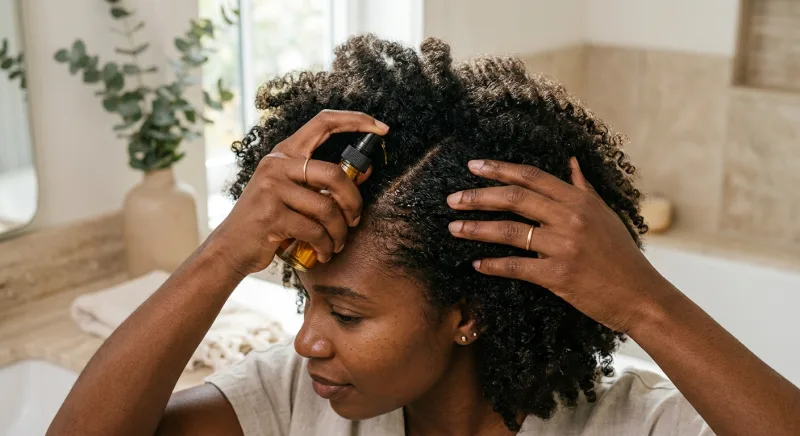
Thick or coily hair can handle heavier oils like castor without looking weighed down. These hair types often lose moisture fast, so richer oils help seal it in from root to tip.
Comparing Popular Oils Side by Side
Choosing the right scalp oil for hair growth often comes down to comparing a few key traits. The table below breaks down texture, absorption speed, and best use case for common options.
| Oil | Texture | Absorption Speed | Best For |
|---|---|---|---|
| Castor Oil | Thick, heavy | Slow | Dry or coily hair, overnight treatments |
| Argan Oil | Light, silky | Fast | Fine or wavy hair, daily use |
| Jojoba Oil | Light, waxy | Fast | Oily or fine scalps |
| Rosemary Oil | Very light | Fast | Blending with carrier oils, scalp stimulation |
| Coconut Oil | Medium, semi-solid | Moderate | Damaged strands, pre-wash masks |
This kind of comparison makes it easier to match an oil to your scalp type. Texture and absorption speed matter as much as the ingredient list itself.
Natural Oils vs Store-Bought Blends
Some people prefer pure, single-ingredient oils. Others reach for pre-mixed scalp blends that combine several oils with added extracts. Both approaches can work, but they differ in cost, convenience, and control over ingredients.
| Factor | Pure Single Oil | Pre-Mixed Blend |
|---|---|---|
| Cost | Usually lower | Often higher |
| Customization | Full control over ratio | Fixed formula |
| Convenience | Requires mixing | Ready to use |
| Ingredient Transparency | Easy to verify | Depends on label detail |
| Shelf Life | Varies by oil | Often includes preservatives |
Pure oils give more flexibility, especially for people testing what their scalp tolerates. Blends save time and often include lighter carrier oils already balanced with active ingredients like rosemary or peppermint.
Whichever you choose, check the ingredient order on the label. The first few ingredients make up most of the product, so a blend that lists water or fillers first may offer less benefit than expected.
How Often Should You Use Scalp Oil?
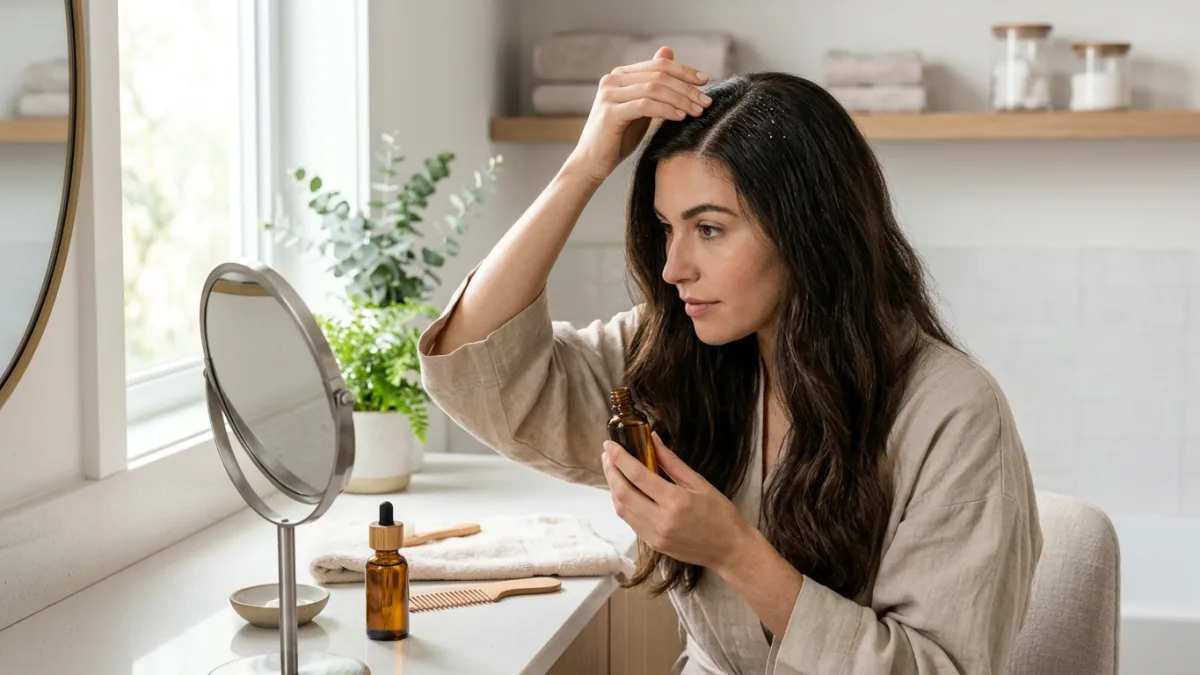
Frequency depends on scalp type and the oil chosen. Oily scalps may only need treatment once or twice a week. Dry scalps can often handle applications three to four times a week without issue.
Overusing any scalp oil for hair growth can lead to buildup, clogged follicles, or a greasy appearance that’s hard to wash out. It helps to start slow and adjust based on how your scalp responds over the first few weeks.
- Oily scalp: one to two times weekly
- Normal scalp: two to three times weekly
- Dry scalp: three to four times weekly
- Flaky or itchy scalp: as directed by a dermatologist
Consistency tends to matter more than frequency. Applying oil sporadically for a few weeks then stopping won’t show the same results as a steady, moderate routine kept up over months.
Signs You’re Using the Right Scalp Oil for Hair Growth
Not every oil works the same for every person. Knowing what to look for can help you tell whether a product is actually helping or just sitting on the surface.
- Scalp feels balanced, not overly oily or tight
- Less flaking or itching after a few weeks
- Hair feels softer at the roots without excess residue
- No new breakouts or irritation along the hairline
- Shedding appears reduced during brushing or washing
If none of these signs show up after a reasonable trial period, it may be worth switching oils or adjusting how often you apply it. Everyone’s scalp responds differently, so some trial and error is normal.
Common Mistakes to Avoid
Even a good scalp oil for hair growth can underperform if it’s used incorrectly. A few common habits tend to reduce results or cause unwanted side effects.
- Applying too much oil at once instead of small, controlled amounts
- Skipping a patch test before trying a new oil or blend
- Leaving oil in for too long without washing it out properly
- Using oil on an already irritated or broken scalp
- Expecting visible results within just a few days
Patience plays a bigger role than most people expect. Hair growth cycles take months, so real changes from any scalp treatment usually take time to become noticeable.
Talking to a Professional
Scalp oils can support a healthy routine, but they aren’t a substitute for medical advice when hair loss is significant or sudden. A dermatologist can check for underlying causes like hormonal shifts, nutrient deficiencies, or scalp conditions.

If shedding continues despite consistent use of a scalp oil for hair growth, it may point to something beyond what topical treatment alone can fix. A professional opinion can rule out issues like thyroid imbalance or iron deficiency.
Combining Scalp Oil With Other Hair Growth Strategies
Oil massage works best as one part of a broader routine. Diet, sleep, stress management, and gentle styling habits all influence how hair grows. Layering these habits together tends to produce better results than relying on oil alone.
A diet rich in protein, iron, and omega-3 fatty acids supports the hair follicle from within. Oils applied to the scalp cannot compensate for a diet that lacks these building blocks. Think of topical treatment as support, not a replacement for nutrition.
Reducing heat styling and tight hairstyles also protects strands from breakage. Combined with regular scalp massage, this reduces the mechanical stress that can worsen thinning over time. Small changes across several habits often add up more than one single fix.
How to Choose the Right Scalp Oil for Hair Growth
Choosing the right formula depends on scalp type, hair texture, and personal sensitivities. Someone with an oily scalp may prefer lighter carrier oils, while drier scalps often tolerate richer blends better. Reading ingredient lists carefully helps avoid common irritants.
- Check for a simple ingredient list without unnecessary fillers or synthetic fragrance.
- Look for carrier oils suited to your scalp type, such as jojoba for balance or argan for dryness.
- Confirm essential oils are properly diluted rather than used at full strength.
- Choose products with clear usage instructions and realistic growth claims.
- Consider patch testing any new scalp oil for hair growth before full application.
Price is not always an indicator of quality. Some effective oils are simple, affordable blends of carrier oils without added extras. What matters more is consistent use and how the scalp responds over several weeks.
Common Mistakes to Avoid
Overapplying oil is one of the most frequent mistakes. Using too much can clog follicles and leave hair looking greasy rather than nourished. A small amount, massaged thoroughly, works better than a heavy application.
Skipping the patch test is another common error, especially with essential oil blends. Even natural ingredients can cause irritation or allergic reactions in some people. Testing on a small area first helps avoid a scalp-wide reaction.
Expecting fast results is also unrealistic. Hair growth cycles take months, and visible change rarely appears within days or even a couple of weeks. Patience and consistency matter more than switching products frequently in search of quicker outcomes.
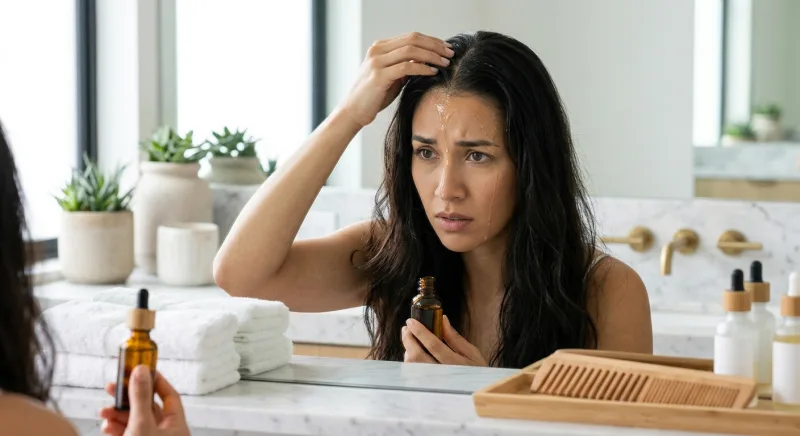
Finally, leaving oil in for too long without washing can lead to buildup, dandruff, or clogged pores. Following recommended wash schedules keeps the scalp environment balanced while still allowing the oil to do its work.
Building a Long-Term Routine Around Scalp Oil for Hair Growth
Consistency is the real driver of results, not the specific oil chosen. A realistic routine might involve massaging oil into the scalp two to three times a week, leaving it in for a set period, then washing thoroughly.
Tracking progress with photos every few weeks can help gauge whether the routine is working. Since shedding and regrowth happen gradually, memory alone is often unreliable for spotting subtle changes over time.
It also helps to reassess after a few months. If there is no improvement in shedding, thickness, or scalp comfort, it may be time to adjust the oil blend or consult a professional for further guidance.
Frequently Asked Questions
How long does it take to see results from scalp oil for hair growth?
Most people need at least eight to twelve weeks of consistent use before noticing visible changes. Hair grows in cycles, so shedding may briefly increase before thickness improves. Patience and steady application matter more than switching products frequently during this early period.
Can scalp oil for hair growth work for everyone?
Results vary based on the underlying cause of hair thinning. Oils may support scalp health and reduce breakage, but they cannot reverse genetic hair loss or hormonal conditions on their own. Consulting a dermatologist helps determine whether additional treatment is needed alongside oiling.
Is it safe to leave oil on the scalp overnight?
Leaving oil overnight can work well for many people, especially heavier oils that need time to absorb. However, those prone to clogged pores or scalp acne may prefer shorter application times to avoid buildup and irritation from prolonged contact.
How often should scalp oil be applied each week?
Two to three applications per week is a reasonable starting point for most hair types. Oilier scalps may need less frequent application, while dry or coarse hair can often tolerate more. Adjust based on comfort and how the scalp responds over time.
Can scalp oil cause more hair shedding?
Some initial shedding can occur as new growth pushes out resting hairs, which is often mistaken for a negative reaction. Persistent shedding, redness, or itching, however, may indicate sensitivity to an ingredient and warrants discontinuing use temporarily.
Should scalp oil be applied to wet or dry hair?
Dry hair is generally preferred since oil absorbs more effectively into an unwashed scalp. Applying oil to soaking wet hair can dilute its effects and make even distribution more difficult, reducing the overall benefit of the treatment.
Can diet affect the results of scalp oil for hair growth?
Yes, nutrition plays a significant role in hair health alongside topical care. A diet lacking key nutrients like iron, protein, or biotin can limit results, no matter how consistently oil is applied. Addressing internal factors often improves outcomes noticeably.
What is the best way to choose a scalp oil for hair growth?
Consider scalp type, sensitivity, and specific concerns like dryness or excess oil production. Patch testing new oils before full application reduces the risk of irritation. Consulting a dermatologist can also help match ingredients to individual hair and scalp needs.
Key statistics
- A double-blind, randomized, placebo-controlled trial found that a rosemary-castor oil blend increased hair growth rate by 47.59% from baseline over 90 days, compared with coconut oil. (NCBI PMC (Journal Article), 2025)
- In the same randomized controlled trial, a rosemary-lavender oil blend improved hair thickness by nearly 69% compared with coconut oil over 90 days. (NCBI PMC (Journal Article), 2025)
References
- Rosemary-castor oil combinations have been shown in a randomized, placebo-controlled clinical trial to significantly improve hair growth rate, thickness, density, and length compared to coconut oil, while also reducing hair fall. — Cureus (PMC/NCBI) (Peer-reviewed, double-blind, randomized, placebo-controlled clinical trial indexed on PubMed Central (NIH))
- Board-certified dermatologists emphasize that proper scalp care can help prevent certain types of hair loss and support healthier-looking hair, though it does not replace medical treatment for hair loss conditions. — American Academy of Dermatology (AAD) (American Academy of Dermatology is the leading professional association of board-certified dermatologists)
- Oil alone won’t reverse genetic hair loss (androgenetic alopecia); current pharmacological treatments like minoxidil and finasteride, while more effective, remain suboptimal and require long-term use. — National Center for Biotechnology Information (NCBI/PMC) (Peer-reviewed systematic review and meta-analysis of randomized controlled trials hosted on NIH’s PubMed Central)
