
Skincare tools & devices
LED Light Therapy Mask: What It Is, How It Works, and What to Know Before You Buy
Last updated: November 5, 2026
An LED light therapy mask is a wearable skincare device that uses light-emitting diodes, small bulbs that give off pure colored light, to treat skin concerns like fine lines, acne, and redness. You wear it for short sessions a few times a week.
It’s a gentle, non-invasive way to support your skincare and grooming routine at home.
If you’ve scrolled past ads for a glowing face mask and wondered what it actually does, you’re not alone. An LED light therapy mask looks futuristic, but the idea behind it is simple.
This guide breaks down how the tech works, what it can and can’t do, and what to check before you buy one.
We’ll keep this educational, not salesy. No product rankings, no hype. Just plain facts about how an LED light therapy mask fits into a modern beauty routine, and what questions to ask before you spend your money.
What Is an LED Light Therapy Mask?
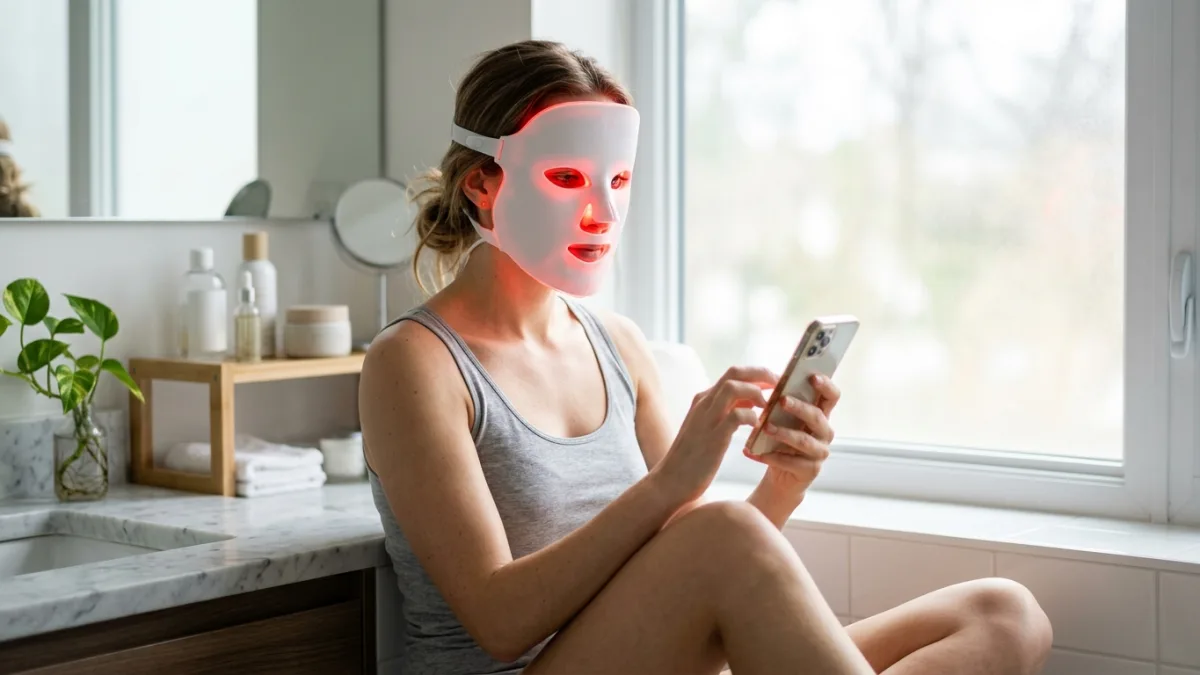
An LED light therapy mask is a face-shaped device studded with small lights that shine specific colors onto your skin. Each color is a different wavelength, and each one is marketed to do a different job. Some target wrinkles. Others target breakouts or redness.
The mask itself is usually made of soft silicone or a harder plastic shell. You strap it on, turn it on, and sit still while the lights do their work. No heat, no needles, no downtime. That’s the main appeal of an LED light therapy mask over more invasive treatments.
How the technology works
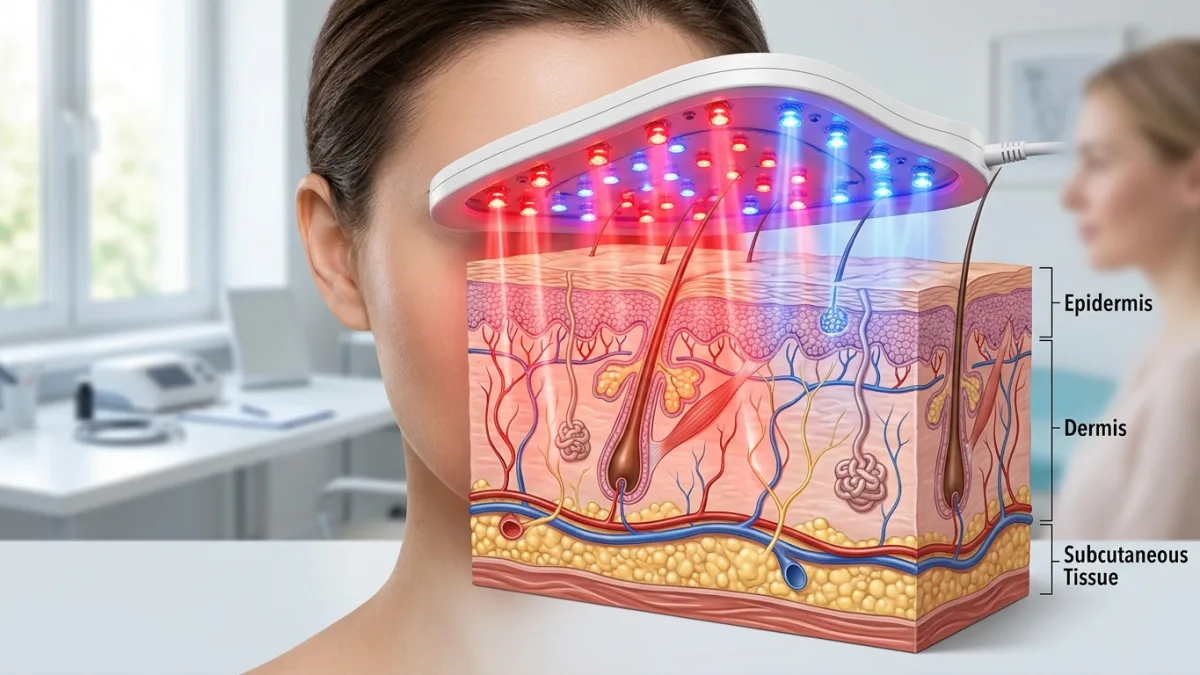
Each LED light therapy mask uses diodes that give off one narrow band of light at a time. That light travels into your skin at a set depth, depending on its color. Red light reaches deeper layers. Blue light mostly stays near the surface.
The light itself doesn’t burn or cut skin. Instead, it’s thought to trigger small chemical responses inside skin cells. This is why brands often describe an LED light therapy mask as working “at the cellular level,” a phrase we’ll unpack more in the next section.
What makes it different from other light-based skincare tools
An LED light therapy mask is not the same as a laser device. Lasers use one strong, focused beam of light, often with heat, to target a specific spot. An LED light therapy mask spreads gentler, low-level light across your whole face at once.
It’s also different from IPL, or intense pulsed light, devices, which use bursts of broad-spectrum light mainly for hair removal or sun damage. An LED light therapy mask is built for ongoing skin maintenance, not one-time correction. Think of it as a routine tool, not a spot treatment.
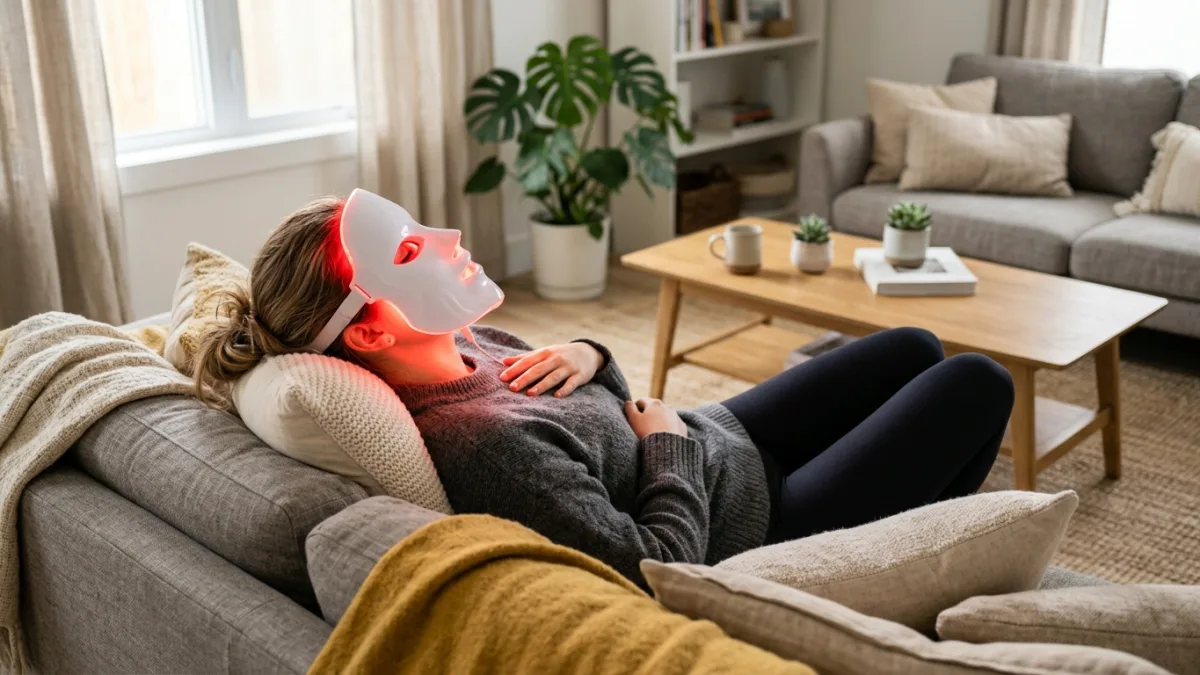
How Does LED Light Therapy Work on the Skin?
LED light therapy works by sending specific light wavelengths into different layers of your skin, where they’re believed to support natural repair processes. The color of the light decides how deep it goes and what it’s meant to target.
This is the core science behind every LED light therapy mask on the market.
Red light vs blue light vs near-infrared
Red light is the most common color in an LED light therapy mask built for anti-aging. It’s said to reach the mid-layer of skin, where it may support collagen, the protein that keeps skin firm and plump. Blue light stays shallower and is mostly marketed for acne-prone skin.
Near-infrared light goes the deepest of the three. It’s often paired with red light in a higher-end LED light therapy mask, aimed at more stubborn signs of aging. Many masks combine two or more colors so you can switch settings based on your skin’s needs that day.
At-home LED face masks have moved from niche gadget shelves to a mainstay in beauty routines. Bellxi stocks a range of grooming and hair removal devices alongside them, reflecting how mainstream at-home skin tech has become.
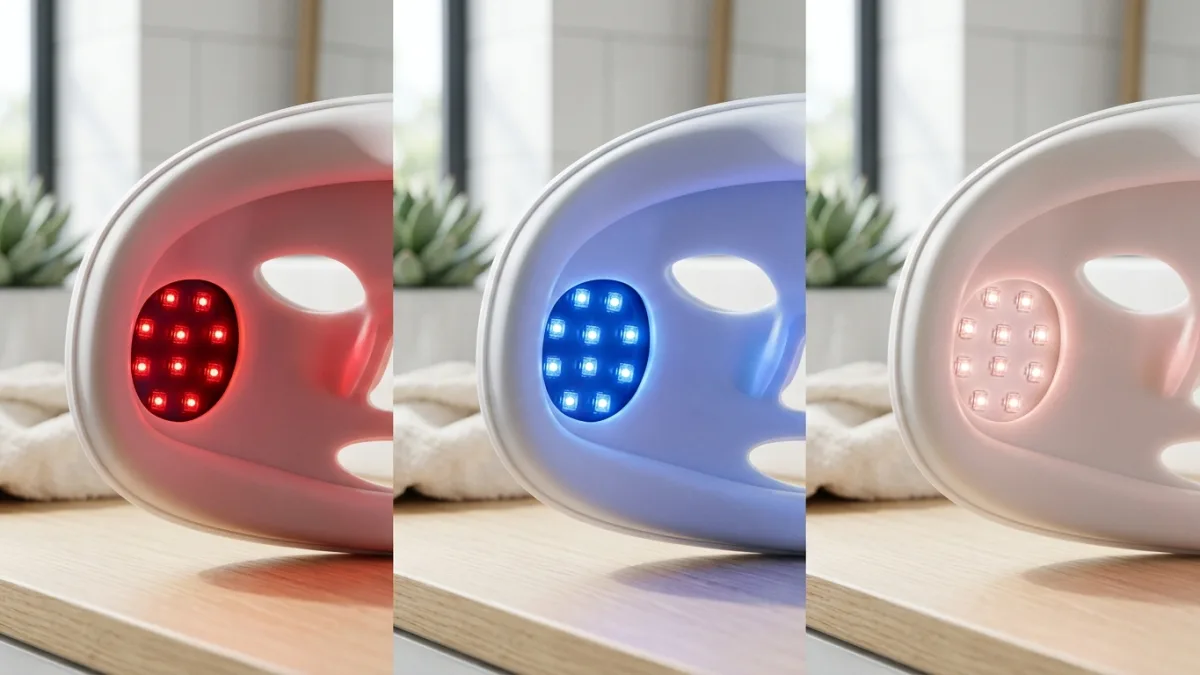
| Light Color | Typical Skin Depth | Commonly Associated Use |
|---|---|---|
| Blue light | Surface layer (epidermis) | Acne-prone and oily skin |
| Red light | Mid layer (dermis) | Fine lines and firmness |
| Near-infrared light | Deeper dermis | Deeper wrinkles and recovery support |
What happens at the cellular level
The general theory behind an LED light therapy mask is that light energy gets absorbed by tiny structures inside skin cells, which then produce more energy for the cell to use. That extra energy is thought to help cells repair and renew faster, supporting skin that looks firmer over time.
It’s worth being clear: results vary by person, device, and consistency of use. Skin responds differently depending on routine and skin type. An LED light therapy mask is generally seen as supportive, not a replacement for medical treatment.
When it comes to wrinkles specifically, at-home LED masks are best understood as a gentle, gradual approach rather than a dramatic fix. Consistent use alongside a broader skincare routine tends to matter more than the device alone.
What Are the Benefits of Using an LED Light Therapy Mask?
The benefits of an LED light therapy mask depend on the light color and how often you use it. Most people reach for one to help with aging skin, breakouts, or redness. These are commonly reported outcomes, not guaranteed medical results.
Anti-aging and fine lines
Red and near-infrared settings on an LED light therapy mask are the ones most linked to smoother, firmer-looking skin over time. Users often report a subtle plumping effect with regular use. This is one of the biggest reasons people buy an LED light therapy mask in the first place.
Acne and blemish-prone skin
Blue light is the go-to setting on an LED light therapy mask for people dealing with breakouts. It’s commonly associated with helping calm the bacteria that contribute to acne. Many masks combine blue light with red light to also help fade the marks breakouts leave behind.
Redness and inflammation
Red light is also the setting most people choose for calming irritated or reactive skin. An LED light therapy mask used on this setting is often described as soothing rather than active. It’s a popular pick for anyone with sensitive skin who still wants a light-based routine.
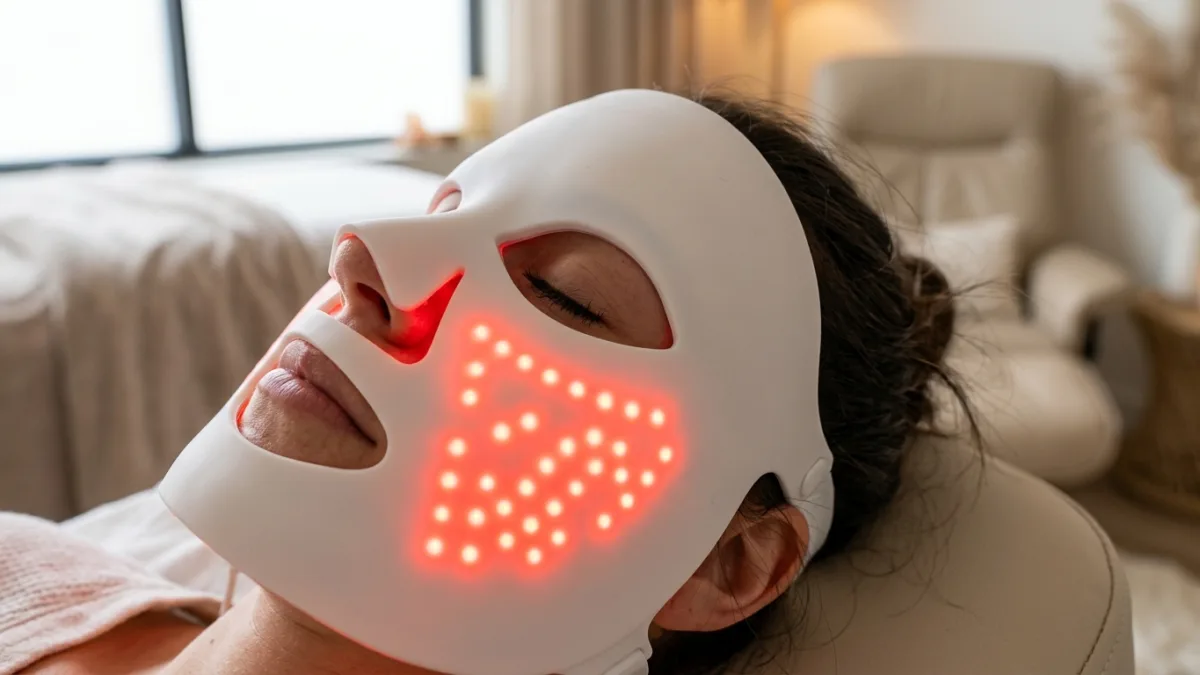
Are LED Light Therapy Masks Safe to Use?
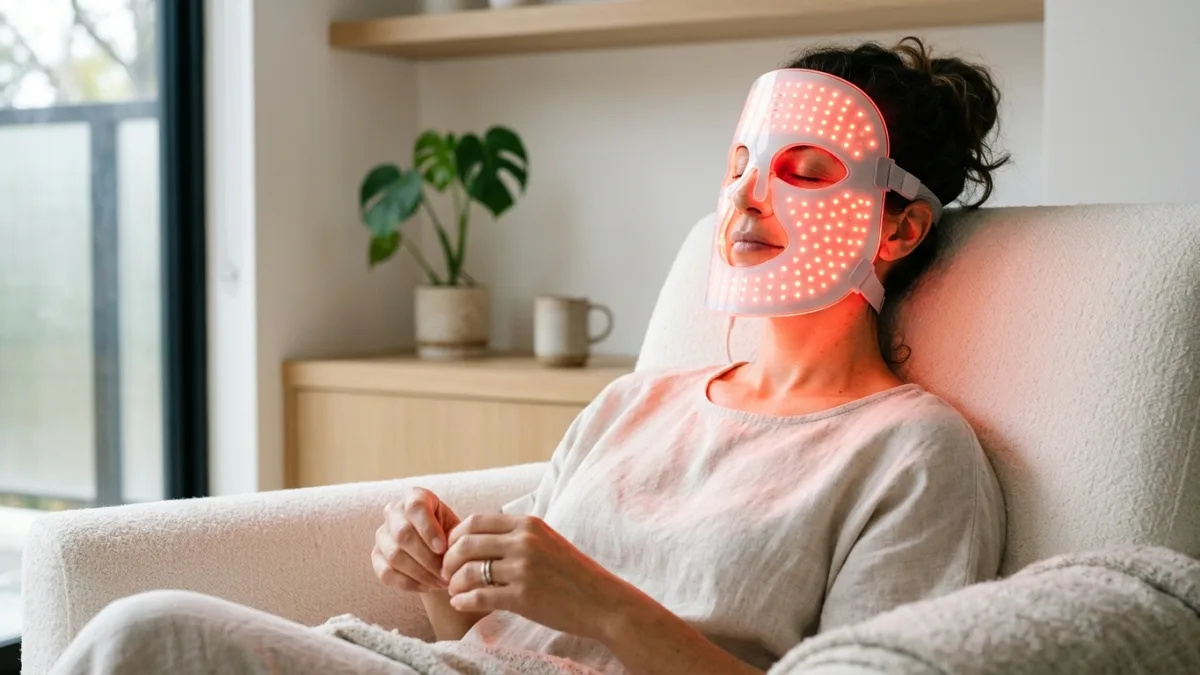
Yes, an LED light therapy mask is generally considered safe for most people when used as directed. It doesn’t use heat or UV rays, which sets it apart from tanning devices or lasers. Still, a few groups should be more careful.
Who should avoid them
People on certain medications that increase photosensitivity, meaning the skin’s sensitivity to light, are usually advised to check with a doctor first. This includes some acne medications and antibiotics.
Anyone with a history of skin cancer or seizure disorders triggered by light should also ask a doctor before using an LED light therapy mask.
Pregnant women are often told to check with their doctor first, simply because most devices haven’t been tested on pregnant skin. This is general caution, not a proven risk, so a quick conversation with your provider offers peace of mind.
Safety across skin tones
Unlike some laser treatments, an LED light therapy mask is generally considered safe across a wide range of skin tones. It doesn’t rely on heat to target pigment, which is where many laser risks come from. That said, always check the specific device’s guidance for your skin type.
Eye protection and sensitivity
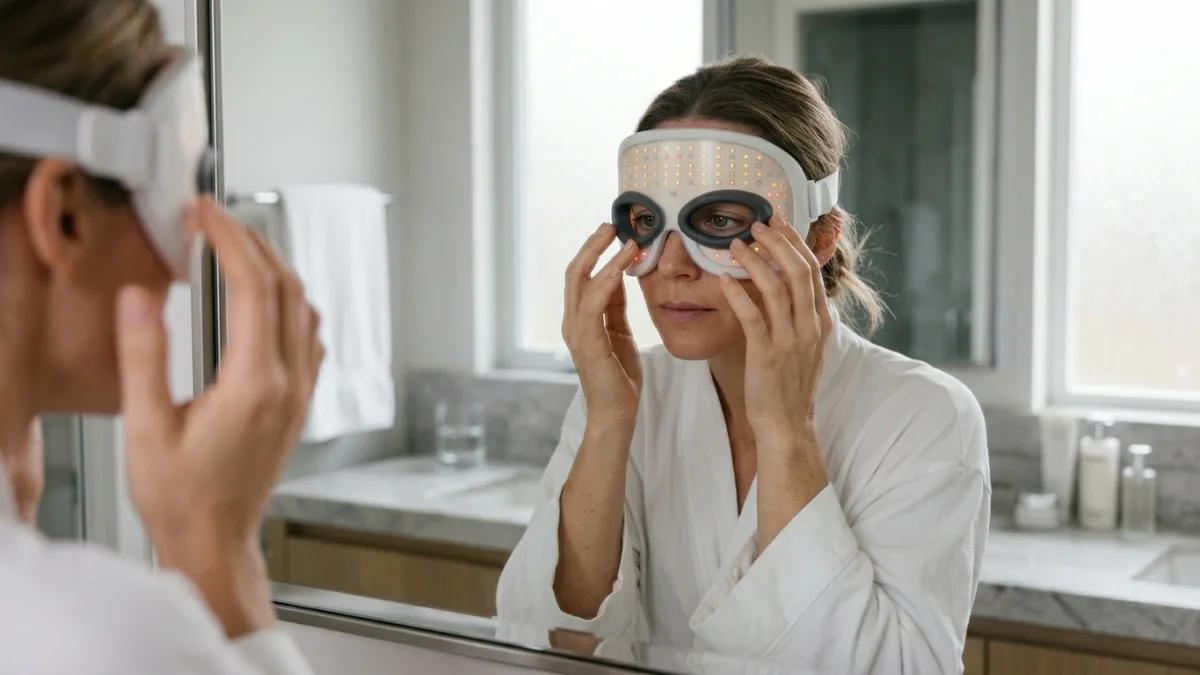
Most LED light therapy mask designs include built-in eye cutouts or shields, since bright light this close to the eyes isn’t comfortable. Some people also feel mild warmth or tightness during a session. That’s usually normal, but stop use if you feel real pain or see irritation.
LED Light Therapy Mask vs. Other Skin Treatments
It helps to see how an LED light therapy mask stacks up against other popular options. Each treatment works differently, targets different concerns, and comes with its own cost and downtime. The table below breaks down the basics.
| Treatment | How it works | Downtime | Typical cost pattern | Best for |
|---|---|---|---|---|
| LED light therapy mask | Light wavelengths trigger cellular responses in skin | None | One-time device cost, used at home | Ongoing maintenance, mild concerns |
| Chemical peels | Acids exfoliate outer skin layers | Days of peeling/redness depending on strength | Per-session cost, often professional | Texture, dullness, some pigment issues |
| Microneedling | Fine needles create controlled micro-injuries | Redness for 1-3 days | Per-session cost, professional or at-home devices | Scarring, fine lines, texture |
| Laser resurfacing | Concentrated light/heat targets deeper skin layers | Days to weeks depending on intensity | Higher per-session cost, professional only | Deeper wrinkles, significant sun damage |
| Topical retinoids | Vitamin A derivatives speed cell turnover | Possible dryness/peeling, ongoing use | Recurring product cost | Fine lines, acne, general renewal |
None of these treatments are strictly better across the board. An LED light therapy mask is gentler and requires no recovery time, but it also tends to work more slowly than peels or lasers. Many people use it alongside other treatments rather than as a full replacement.
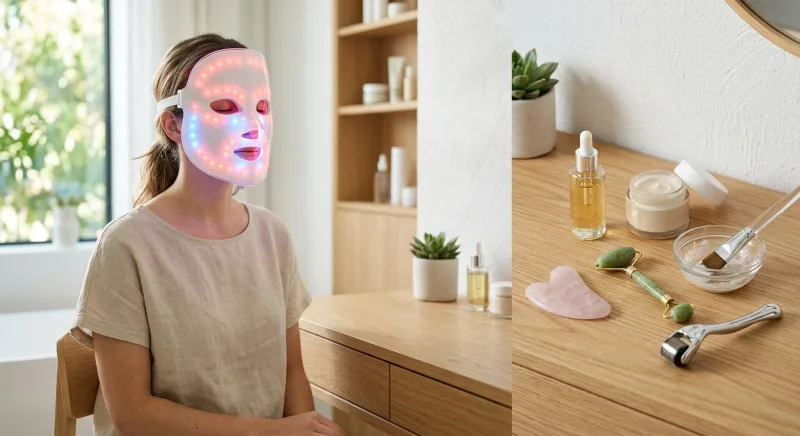
“Always wear eye protection if advised and don’t skip sunscreen during the day.” — Dr. Rhonda Klein, board-certified dermatologist at Modern Dermatology
Comparing Popular LED Light Therapy Mask Types
Not all masks are built the same way. Some focus on a single wavelength, while others combine several colors in one device. Price, LED count, and design also vary quite a bit. Here’s a general comparison of the common categories you’ll come across while shopping.
| Mask type | Wavelength focus | Session time | Good starting point for |
|---|---|---|---|
| Single-color red light mask | Red only | 10-20 minutes | Fine lines, general anti-aging routines |
| Single-color blue light mask | Blue only | 10-20 minutes | Occasional breakouts, oily skin |
| Multi-wavelength combo mask | Red, blue, sometimes near-infrared | 10-20 minutes | People wanting flexibility for multiple concerns |
| Rigid silicone/plastic masks | Varies | 10-20 minutes | Consistent, even light distribution |
| Flexible fabric masks | Varies | 10-20 minutes | Comfort, storage, travel |
If you’re new to this, a multi-wavelength mask often makes the most sense. It gives you room to address more than one concern without buying multiple devices. Single-color masks can be a good fit if you already know exactly what you’re targeting.
What to Look for Before Buying an LED Light Therapy Mask
Shopping for an LED light therapy mask can feel overwhelming, especially with so many options at wildly different price points. A few practical factors matter more than flashy marketing claims. Paying attention to these details can save you money and disappointment.
- Wavelength accuracy: Look for devices that clearly state their wavelengths in nanometers, not just “red” or “blue.”
- LED count and coverage: More LEDs generally means more even light distribution across the face.
- Third-party testing or certification: Some brands provide independent safety or performance testing; this adds a layer of trust.
- Comfort and fit: A mask that presses awkwardly on your face is one you won’t use consistently.
- Warranty and return policy: Skin devices are a personal purchase, so a fair return window matters.
- Company transparency: Legitimate brands tend to explain how their device works rather than relying on vague promises.
It’s tempting to chase the cheapest option, but underpowered LEDs may not deliver enough light intensity to matter. On the other end, expensive doesn’t always mean better. The middle ground, backed by transparent specs, is usually the safest bet.
Building an LED Light Therapy Mask Into Your Routine
Consistency matters more than intensity with light therapy. Using a mask sporadically for a week and then forgetting about it for a month won’t produce noticeable change. Most people fit sessions into a routine they already have, like right after cleansing at night.
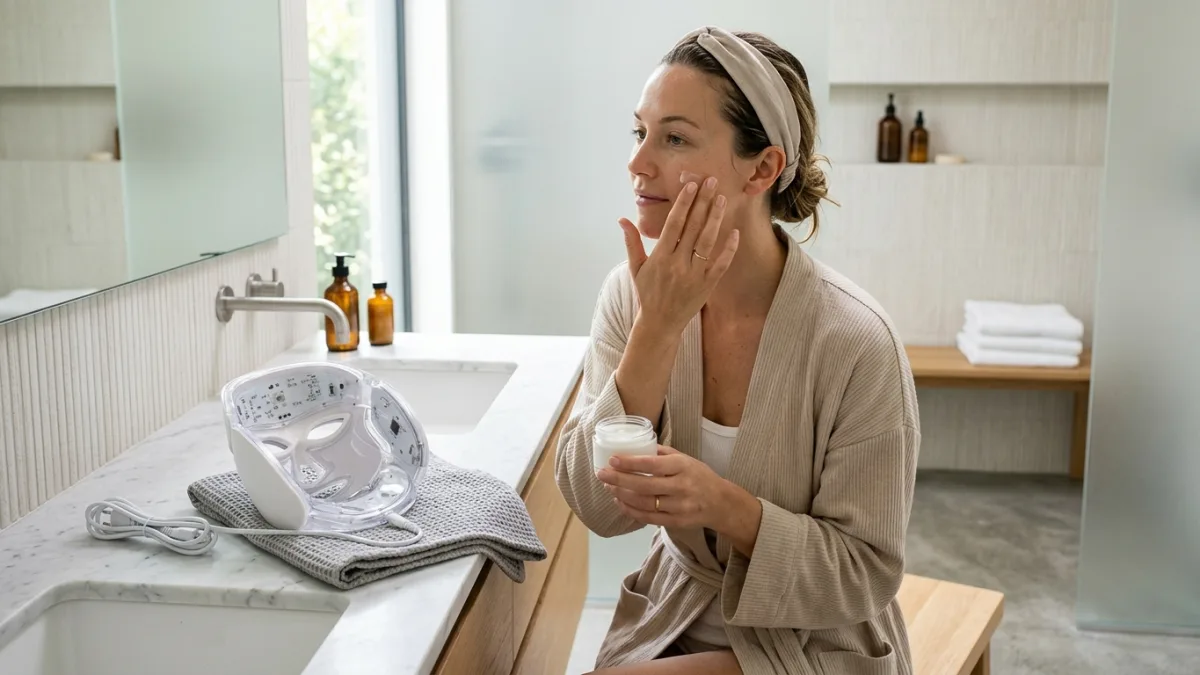
A simple approach: cleanse your face, use the mask on bare, dry skin, then follow up with your regular moisturizer or serum afterward. Applying heavy products before a session can block light penetration, so keep skin clear during treatment.
Many people track their sessions loosely, aiming for three to five times a week depending on the device’s instructions. Some masks include timers or session logs to help you stay consistent without much extra effort.
Common Mistakes People Make With LED Masks
Even a simple device can be used incorrectly. A few habits tend to reduce results or lead to unnecessary frustration. Avoiding these mistakes can make the difference between seeing progress and giving up too early.
- Expecting overnight results: Skin changes from light therapy build up gradually over weeks, not days.
- Skipping sessions inconsistently: Irregular use makes it hard to judge whether the device is actually working.
- Layering too many active products beforehand: Retinoids, acids, and heavy serums can interfere with light absorption or irritate skin further.
- Ignoring manufacturer session times: Longer isn’t always better; sticking to recommended duration protects both skin and device.
- Using a damaged or aging device: LEDs lose intensity over time, so an old mask may no longer perform as expected.
Patience seems to be the biggest factor separating happy users from disappointed ones. Setting realistic expectations from the start makes the whole process feel less like a gamble and more like a gradual skincare habit.
Who Should Be Cautious About Using an LED Light Therapy Mask
While LED masks are broadly considered gentle, they aren’t automatically right for everyone. A few groups should check with a healthcare provider before starting regular sessions, just to be safe.
- People with a history of light-sensitive skin conditions
- Those taking medications that increase photosensitivity
- People with active skin infections or open wounds on the treatment area
- Anyone with a personal or family history of skin cancer, as a precaution
- Pregnant individuals, mainly due to limited research rather than known risk
None of this means an LED light therapy mask is dangerous for these groups. It simply means a quick conversation with a doctor or dermatologist is worth the extra few minutes before adding it to a routine.
Read the complete guide: Skincare Tools and Devices Guide: Stop Buying the Wrong One
Key statistics
- In an AAD-cited study, more than 90% of patients who received a course of LED red-light facial treatments reported noticing an improvement in their skin. (American Academy of Dermatology Association (AAD), 2024)
- A systematic review and meta-analysis of 31 studies found that red and blue LED light produced a statistically significant improvement in acne vulgaris, with an overall standardized mean difference of -2.42. (PubMed (National Library of Medicine), 2022)
- A systematic review covering 1,185 cases of acne vulgaris across 35 studies found that 92% of patients achieved at least partial remission of their acne lesions using visible light therapy. (PMC (Sage Choice / peer-reviewed journal), 2024)
Expert insights
I thought this was just the latest fad to get people to spend their money. But there’s legitimate medical literature supporting it,
Rachel Reynolds, interim chair of the Department of Dermatology at Harvard-affiliated Beth Israel Deaconess Medical Center
I think it’s a really exciting emerging area,
Elizabeth Buzney, assistant professor of dermatology at Harvard Medical School
References
- Most at-home LED devices are considered safe for home use, distinguishing them from riskier light-based treatments. — American Academy of Dermatology Association (AAD) (Professional medical association representing board-certified dermatologists)
- LED therapy interacts with skin photoreceptors and mitochondrial pathways, with blue, yellow, red, and near-infrared wavelengths each associated with different clinical effects (e.g., blue for acne, red for scarring and rejuvenation). — PubMed (National Library of Medicine) (Peer-reviewed literature review indexed by the National Institutes of Health’s National Library of Medicine)
- Dermatologists typically recommend LED red light as a complementary therapy used alongside standard treatments such as medicated creams, microneedling, or chemical peels, rather than as a standalone fix. — American Academy of Dermatology Association (AAD) (Professional medical association representing board-certified dermatologists)
Market context
Cosmetic product facilities registered with the FDA under MoCRA — Over 14,000 cosmetic product facilities are currently registered with the FDA under the Modernization of Cosmetics Regulation Act (MoCRA). U.S. Food and Drug Administration, 2025
Wrinkle volume reduction from red and amber photobiomodulation (PBM) light therapy in a randomized controlled trial — A randomized controlled trial found that red (660 nm) and amber (590 nm) photobiomodulation light therapy produced significant reductions in periocular wrinkle volume of 31.6% and 29.9%, respectively. PubMed (Photobiomodulation, Photomedicine, and Laser Surgery), 2023
Adjacent-market figures — each names the subject it measures, not led light therapy mask directly.
