
Hair care
Overnight Hair Mask 101: What It Is, Who Needs One, and How to Use It Right
Last updated: November 3, 2026
An overnight hair mask is a deep-conditioning treatment you leave in your hair for several hours while you sleep.
This extra time lets the formula soak into the hair shaft (the core layer of each strand, protected by an outer layer called the cuticle) far more than a quick rinse-out ever could. It suits dry, damaged, or curly hair best and works well once or twice a week.
What Is an Overnight Hair Mask and Does It Actually Work?
An overnight hair mask is a thick, rich treatment made to sit on hair for hours instead of minutes. Unlike a shower conditioner, it stays in place while you sleep. That long contact time is the whole point.
It gives oils, proteins, and moisture-binding ingredients room to work deep into each strand.
Does it actually work? For dry or damaged hair, yes, in most cases. The science behind hair care backs up the idea that longer exposure helps certain ingredients penetrate better than a rinse you wash out after two minutes.
That said, results depend on the formula, your hair type, and how often you use it.
How overnight masks differ from regular conditioners
Regular conditioners work fast and rinse out in minutes. An overnight hair mask stays put for six to eight hours, giving heavier ingredients like oils and proteins time to sink in. Conditioners smooth the outer layer. A mask aims to repair deeper, more damaged parts of the strand.
Formulas also differ. Overnight masks tend to use thicker bases, richer oils, and higher concentrations of active ingredients than daily conditioners. That’s because they’re built for occasional deep treatment, not everyday upkeep. Using one every day can be too much for most hair types.
What happens to hair while you sleep
While you sleep, an overnight hair mask keeps working without interruption. Your body heat and the warmth trapped under a cap or scarf can help the formula spread and absorb more evenly. There’s no washing, styling, or friction to disrupt the process during those hours.
This steady, undisturbed window is why so many people notice softer, more manageable hair after just one overnight treatment. The mask isn’t rushed. It has time to do its job while you rest, which is the main advantage over any rinse-out product.
Who Should Use an Overnight Hair Mask?
Not everyone needs an overnight hair mask, and that’s worth saying upfront. It’s most useful for dry, damaged, or curly hair that needs extra moisture and repair. Fine or oily hair types should approach it with more caution, which we’ll cover below.

Signs your hair needs overnight repair
Your hair is telling you something if it feels rough, looks dull, or tangles easily. Split ends, frizz that won’t calm down, and breakage near the mid-lengths are also common signs. These point to damage that a quick conditioner alone probably can’t fix.
- Hair feels straw-like or rough to the touch
- Frequent split ends or visible breakage
- Color-treated or chemically processed hair that feels weak
- Frizz that worsens throughout the day
- Hair that takes a long time to detangle
If you notice two or more of these, an overnight hair mask is worth adding to your routine. It gives your hair a longer, more concentrated dose of moisture and repair than a daily rinse-out product.
Hair types that benefit most (dry, damaged, curly, fine)
Dry and damaged hair benefit most from an overnight hair mask because they need sustained moisture to recover. Curly hair also does well, since curls tend to lose moisture faster than straight hair. Chemically treated or heat-damaged strands respond strongly to the extra repair time too.
Fine hair can still use an overnight hair mask, but it needs a lighter formula. A heavy, oil-rich mask can weigh fine strands down and leave them looking flat. Choosing a lighter, protein-focused option usually works better for this hair type.
When to skip it (oily scalp, fine hair caution)
If you have an oily scalp, an overnight hair mask applied at the roots can make things worse. Extra oil sitting on the scalp overnight can lead to greasiness and clogged follicles. Focus application on the mid-lengths and ends instead, keeping it away from the scalp.

Fine hair owners should also be careful. Rich, heavy masks can leave fine strands limp and greasy by morning. If this sounds like your hair, look for lightweight formulas or reduce how often you use an overnight hair mask to once every couple of weeks.
How to Choose the Right Overnight Hair Mask
Choosing the right overnight hair mask comes down to matching ingredients to your hair’s actual needs. Not every formula suits every hair type, so it helps to understand what each ingredient does before you buy or mix one yourself.
Key ingredients to look for
Keratin (a protein that makes up most of your hair’s structure) helps rebuild strength in damaged strands. Shea butter (a rich fat extracted from the shea tree, used to soften and seal in moisture) works well for dry, coarse hair.
Argan oil (a lightweight plant oil rich in fatty acids) adds shine without feeling heavy.
Humectants like glycerin and honey pull moisture into the hair shaft. Brands such as Olaplex and K18 have built entire product lines around bond-repair technology, which targets broken internal links in damaged hair. These ingredients often show up together in a single overnight hair mask formula.
Ingredients to avoid or use cautiously
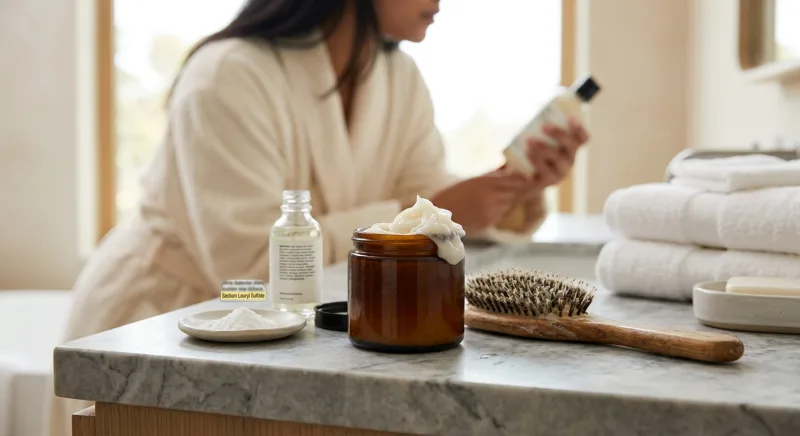
Heavy silicones can build up over time, especially with frequent use of an overnight hair mask. Sulfates aren’t usually found in masks, but check labels anyway, since some rinse-out formulas sneak them in. Too much protein without enough moisture can also leave hair feeling stiff and brittle.
Rinse-out vs. leave-in overnight formulas
Some overnight hair masks need a morning rinse, while others are made to stay in as a leave-in treatment. Rinse-out versions tend to be richer and heavier, since they’re washed away after doing their job. Leave-in formulas are lighter, so they don’t weigh hair down all day.
Check the label before you buy. Using a rinse-out mask as a leave-in, or the reverse, can lead to greasy roots or a mask that never fully absorbs. This distinction matters more than most shoppers realize.
Texture and pillowcase considerations
Thicker masks can transfer onto pillowcases and bedding overnight. If you’re using a heavier formula, wrap your hair in a soft cap or old towel first. Lighter, leave-in formulas usually transfer less but can still leave marks on light-colored linens.
| Ingredient | Function | Best Hair Type | Caution Notes |
|---|---|---|---|
| Keratin | Rebuilds internal strand structure | Damaged, chemically treated hair | Overuse can cause protein buildup |
| Shea butter | Softens and seals in moisture | Dry, coarse, curly hair | Can weigh down fine hair |
| Argan oil | Adds shine, lightweight moisture | Fine to medium hair | Not enough for severe damage alone |
| Glycerin | Draws moisture into the hair shaft | Most hair types | Can feel sticky in humid climates |
| Bond-repair actives | Targets broken internal hair bonds | Heat or chemically damaged hair | Not published for every formula’s exact strength |
How to Apply an Overnight Hair Mask (Step-by-Step)
Applying an overnight hair mask correctly makes a real difference in how well it works. The steps are simple, but a few small details, like how much product to use, change the outcome quite a bit.
Prepping hair before application
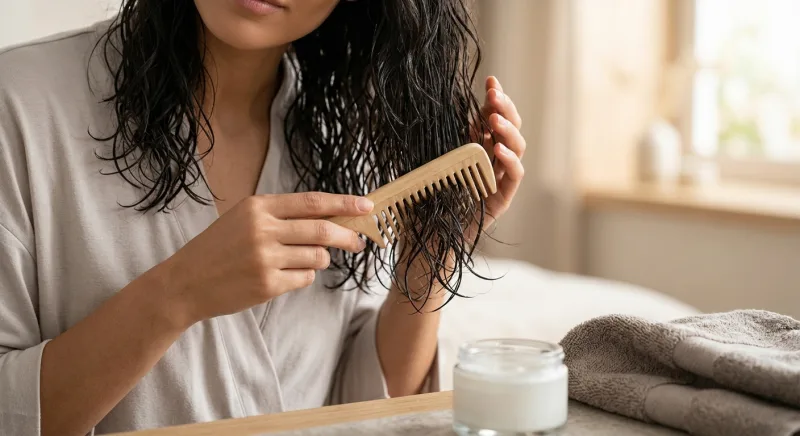
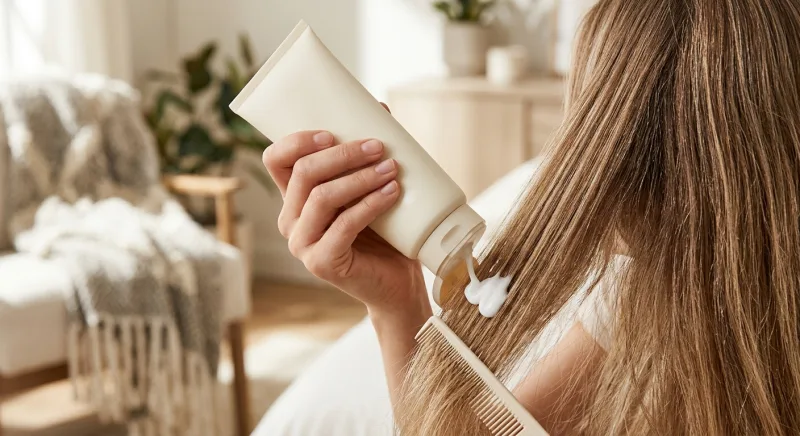
Start with damp, not soaking wet, hair. Too much water dilutes the mask and stops it from absorbing properly. Gently detangle first, since knots make even application harder and can trap product unevenly.
How much product to use
Focus most of the product on your mid-lengths and ends, where damage tends to concentrate. A small amount goes a long way. Using too much overnight hair mask can leave hair greasy and make rinsing much harder in the morning.
Protecting your pillowcase and bedding
Cover treated hair with a shower cap, silk scarf, or old pillowcase you don’t mind staining. This keeps product off your sheets and helps trap warmth, which can improve how well the mask absorbs overnight.
Morning-after rinse or styling routine
In the morning, rinse thoroughly if your overnight hair mask is a rinse-out formula. Use lukewarm water, since hot water can strip the moisture you just added. Leave-in formulas just need a light brush and normal styling.
Overnight Hair Mask vs. Regular Conditioner
People often ask whether an overnight hair mask really outperforms a standard conditioner. The answer depends on what your hair needs. Conditioner smooths the outer layer quickly. An overnight hair mask works over hours, giving ingredients more time to penetrate the shaft.
Below is a side-by-side look at how these two products typically compare across the factors that matter most when choosing a treatment.

| Factor | Regular Conditioner | Overnight Hair Mask |
|---|---|---|
| Application time | 2-5 minutes | 6-8 hours (overnight) |
| Penetration depth | Surface-level coating | Deeper shaft absorption |
| Best for | Daily maintenance | Weekly repair and intensive hydration |
| Ingredient concentration | Lighter, diluted formulas | Richer oils, proteins, and humectants |
| Rinse requirement | Always rinsed out same day | Rinse-out or leave-in depending on formula |
| Frequency of use | Every wash day | 1-3 times per week |
| Pillowcase protection needed | No | Recommended |
This comparison shows why many people use both. Conditioner handles everyday detangling. An overnight hair mask steps in when hair needs deeper repair, especially after color treatments, heat styling, or seasonal dryness.
When an Overnight Hair Mask makes more sense
Reach for an overnight hair mask when your hair feels brittle, looks dull, or has been through recent chemical processing. Conditioner alone often can’t reverse that kind of damage. The extended contact time gives active ingredients room to work.
If your strands snap easily or tangle constantly, that’s usually a sign conditioner isn’t enough. An overnight hair mask, used consistently, tends to close that gap faster than daily rinse-out products alone.
Choosing the Right Overnight Hair Mask for Your Hair Type
Not every overnight hair mask suits every hair type. Fine hair can feel weighed down by heavy butters. Thick, coarse hair often needs those same rich ingredients to see any real difference by morning.
Matching the formula to your hair’s texture and porosity matters more than picking whatever is trending. The table below breaks down common hair types and what to look for.

| Hair Type | Recommended Ingredients | Formula Weight | Suggested Frequency |
|---|---|---|---|
| Fine or thin hair | Lightweight oils, rice protein, aloe | Light, water-based | Once weekly |
| Thick or coarse hair | Shea butter, castor oil, ceramides | Rich, cream-based | 2-3 times weekly |
| Color-treated hair | Keratin, panthenol, antioxidants | Medium to rich | Once weekly |
| Curly or coily hair | Shea butter, glycerin, honey | Rich, butter-based | 2-3 times weekly |
| Oily scalp, dry ends | Lightweight oils applied mid-shaft to ends only | Light on scalp, rich on ends | Once weekly |
Use this as a starting point rather than a strict rule. Some people with fine hair still prefer a richer overnight hair mask if their strands are also damaged from heat styling or bleaching.
Reading ingredient labels before you buy an Overnight Hair Mask
Ingredient order matters. Whatever appears first makes up the largest portion of the formula. If you want a lightweight overnight hair mask, look for water or aloe listed before oils and butters.
For richer treatments, oils like argan, coconut, or castor should appear near the top of the list. Fragrance and alcohol further down the list are usually fine in small amounts, but heavy alcohol content near the top can be drying.
Common Mistakes People Make With Overnight Hair Masks
Even a good overnight hair mask can backfire if it’s used incorrectly. Some mistakes are minor and just reduce effectiveness. Others can actually make your hair feel worse than before you started.
- Applying too much product, which can leave hair greasy and hard to rinse
- Using a rich, heavy formula on fine hair that needs lighter ingredients
- Skipping the pillowcase cover and waking up to stained sheets
- Leaving a rinse-out mask in for days without washing it out
- Applying directly to the scalp when the formula is meant for ends only
- Using an overnight hair mask every single night instead of a few times a week
Most of these mistakes come from treating an overnight hair mask like a regular conditioner. Because it’s left on so much longer, small errors in amount or placement become more noticeable by morning.
Overusing your Overnight Hair Mask
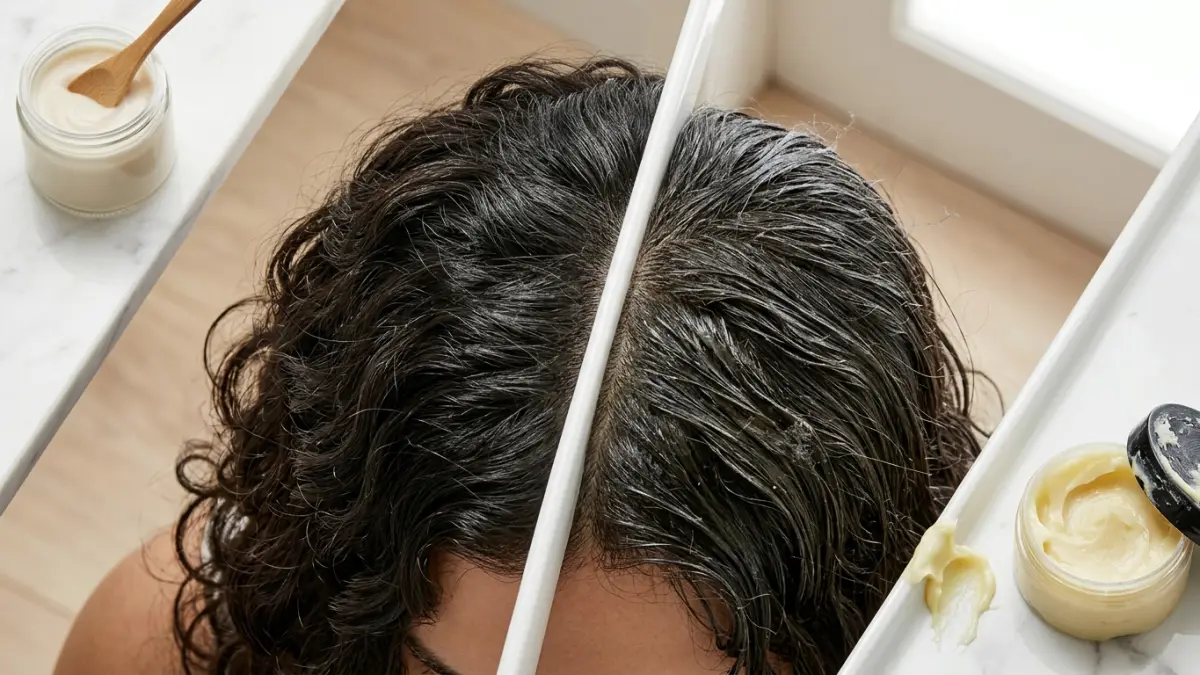
More isn’t always better. Using an overnight hair mask nightly can lead to buildup, especially with heavier, oil-based formulas. This buildup can make hair look flat, feel greasy, and even attract more dirt.
Stick to two or three nights a week unless your hair is severely damaged. Give your scalp and strands time to breathe between treatments so the product doesn’t overwhelm your natural oil balance.
DIY Overnight Hair Mask Recipes You Can Try at Home
If you’d rather skip store-bought products, a homemade overnight hair mask can work just as well for many hair concerns. Kitchen staples like coconut oil, honey, and yogurt all have moisturizing properties.
Keep in mind that DIY versions lack preservatives, so they should be made fresh and used the same night. Store leftovers in the fridge and discard them within a day or two.
- Coconut oil and honey for dry, brittle strands
- Mashed avocado and olive oil for deep conditioning
- Plain yogurt and egg for a protein boost
- Aloe vera gel for lightweight, scalp-friendly hydration
Test any homemade overnight hair mask on a small section first. Natural ingredients can still cause irritation or buildup, and it’s better to catch a reaction early than after a full application.
Storing and reusing a homemade Overnight Hair Mask
Homemade mixtures don’t keep long. Store any leftover overnight hair mask in an airtight container in the refrigerator. Most DIY blends stay usable for two to three days before ingredients start to separate or spoil.
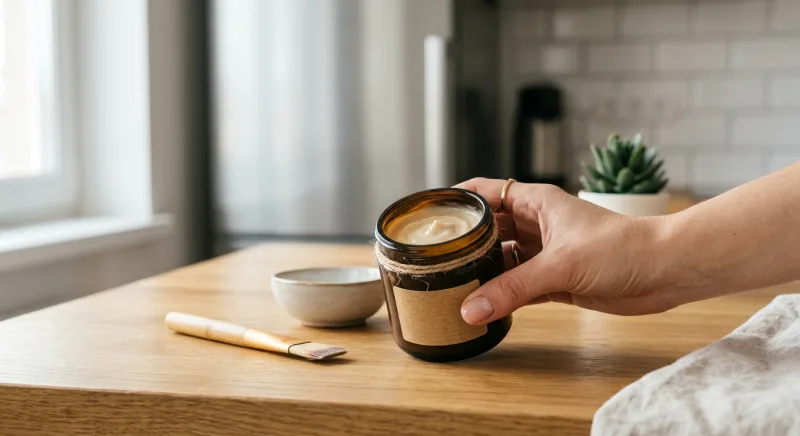
Let refrigerated mixtures sit at room temperature for a few minutes before applying. Cold product straight from the fridge can feel unpleasant on the scalp and may not spread as evenly through your hair.
Frequently asked questions
Can I use an Overnight Hair Mask every night?
No, nightly use is too much for most hair types. Leaving product on for eight hours several times a week can cause buildup, greasiness, and scalp irritation. Once or twice weekly is enough for most people to see softness and shine without overloading strands.
Will an Overnight Hair Mask damage my pillowcase?
It can, especially oil-based recipes. Cover your pillow with an old towel or wear a shower cap to protect bedding. Silk pillowcases resist staining better than cotton, but a barrier still helps avoid greasy marks and keeps the mask concentrated on your hair.
How do I know if a mask is working?
Look for softer texture, less frizz, and easier detangling after a few applications. Improvements build gradually rather than appearing overnight after just one use. If hair feels heavier or greasier instead, the formula or amount applied likely needs adjusting.
Is it safe to sleep with wet hair under a mask?

Damp hair is more prone to breakage and tangling while you sleep, even with a mask applied. Towel-dry hair thoroughly before treatment so it’s damp, not soaking. This helps the product absorb properly instead of diluting on wet strands overnight.
Can color-treated hair use an Overnight Hair Mask?
Yes, color-treated hair often benefits most since it tends to be drier and more porous. Choose formulas made for color-treated hair and avoid ingredients like lemon juice, which can fade color over repeated use. Patch test first if trying a new blend.
What’s the difference between a regular mask and an Overnight Hair Mask?
A regular mask usually sits for fifteen to thirty minutes before rinsing, while an overnight hair mask stays on for hours while you sleep. This extended time allows deeper penetration of nourishing ingredients, though it also requires lighter formulas to prevent residue buildup.
Should I shampoo twice after removing the mask?
Usually one thorough shampoo is enough, but heavier oil-based masks may need a second wash to fully remove residue. Check that hair doesn’t feel greasy or coated once dry. If it does, a light second cleanse the next time you shower can help.
Key statistics
- A YouGov survey found that a quarter of younger US adults use hair oils, serums, or masks as part of their routine. (YouGov, 2025)
Expert insights
If you have hair that’s long, fine, color-treated, permed, or styled with heat, using a rinse-off conditioner (one you apply in the shower) may not be enough. That’s when a leave-in conditioner is helpful,
Zoe D. Draelos, MD, FAAD, board-certified dermatologist
References
- The hair shaft is made up of three layers: the cuticle (outer layer), the cortex (main part of the fiber), and the medulla (inner layer). — ScienceDirect Topics (Elsevier) (Peer-reviewed publisher (ScienceDirect/Elsevier) summarizing established hair biology literature)
- The hair shaft consists of an inner core (the medulla) surrounded by the cortex, with the cuticle forming a single outer layer of cells. — NCBI Bookshelf (StatPearls) – Anatomy, Hair Follicle (NIH-hosted peer-reviewed medical reference (StatPearls/NCBI Bookshelf))
- The cuticle is composed of overlapping squamous cells arranged like shingles on a roof, which fill with keratin as they mature. — NCBI Bookshelf (StatPearls) – Histology, Hair and Follicle (NIH-hosted peer-reviewed medical reference (StatPearls/NCBI Bookshelf))
- The cuticle layer fixes and protects the growing hair shaft, providing strength and protection to the underlying cortex and medulla. — NCBI Bookshelf (StatPearls) – Histology, Hair and Follicle (NIH-hosted peer-reviewed medical reference (StatPearls/NCBI Bookshelf))
Key statistics
- A YouGov survey found that a quarter of younger US adults use hair oils, serums, or masks as part of their routine. (YouGov, 2025)
References
- The hair shaft is made up of three layers: the cuticle (outer layer), the cortex (main part of the fiber), and the medulla (inner layer). — ScienceDirect Topics (Elsevier) (Peer-reviewed publisher (ScienceDirect/Elsevier) summarizing established hair biology literature)
- The hair shaft consists of an inner core (the medulla) surrounded by the cortex, with the cuticle forming a single outer layer of cells. — NCBI Bookshelf (StatPearls) – Anatomy, Hair Follicle (NIH-hosted peer-reviewed medical reference (StatPearls/NCBI Bookshelf))
- The cuticle is composed of overlapping squamous cells arranged like shingles on a roof, which fill with keratin as they mature. — NCBI Bookshelf (StatPearls) – Histology, Hair and Follicle (NIH-hosted peer-reviewed medical reference (StatPearls/NCBI Bookshelf))
- The cuticle layer fixes and protects the growing hair shaft, providing strength and protection to the underlying cortex and medulla. — NCBI Bookshelf (StatPearls) – Histology, Hair and Follicle (NIH-hosted peer-reviewed medical reference (StatPearls/NCBI Bookshelf))
