
Skincare routine
Hydrating Sheet Mask: What It Does, How to Use One, and When It Helps Most
Last updated: November 3, 2026
A hydrating sheet mask is a cloth or gel sheet soaked in moisture-rich serum, most often with hyaluronic acid, glycerin, or ceramides. You put it on clean skin for 10–20 minutes to give a fast hydration boost and calm the skin barrier.
It works best as an add-on to your routine, not as a swap for daily moisturizer.
If you’ve ever peeled a soggy sheet off your face and wondered whether it did anything, you’re not alone. A hydrating sheet mask can genuinely plump and soften skin, but the effect isn’t magic and it isn’t permanent.
This guide explains what’s actually happening under that sheet, how to use one properly, and how it fits into a full grooming and skincare routine — including the moments right after hair removal, when skin needs the most gentle care.
What Is a Hydrating Sheet Mask and How Does It Work?
A hydrating sheet mask is a single-use fabric or gel sheet, cut to fit the face, that’s fully saturated with a water-based serum. The sheet acts as a barrier that holds the serum against your skin so it can’t evaporate right away.
This contact time is what makes a hydrating sheet mask more concentrated than just patting on a serum with your hands.
The fabric itself matters. Some sheets are cotton, some are hydrogel, and some are bio-cellulose (a fiber grown by bacteria that forms a thin, second-skin-like layer). Each holds serum differently, and each feels different on the skin, which we’ll cover more later.
What makes a hydrating sheet mask different from other masks is its main job: pulling water into the skin and helping it stay there. A brightening mask focuses on tone. A clay mask draws out oil. A hydrating sheet mask focuses on moisture, full stop.
What makes a sheet mask “hydrating” vs. other types
The label “hydrating” refers to the serum’s job, not the sheet material. A hydrating sheet mask is built around humectants (ingredients that pull water from the air and deeper skin layers into the surface layer of skin). Other sheet masks might use acids for exfoliation or peptides for firmness instead.
Some masks blend goals — a hydrating and brightening mask, for example. But if hydration is the main claim on the packet, the formula is usually built around water-binding ingredients first, with everything else layered on top.
Key ingredients that draw and lock in moisture
Most hydrating sheet mask recipes use three types of ingredients that work as a team. Hyaluronic acid (a natural molecule that can hold a lot of water for its size) pulls moisture into the skin’s top layer.
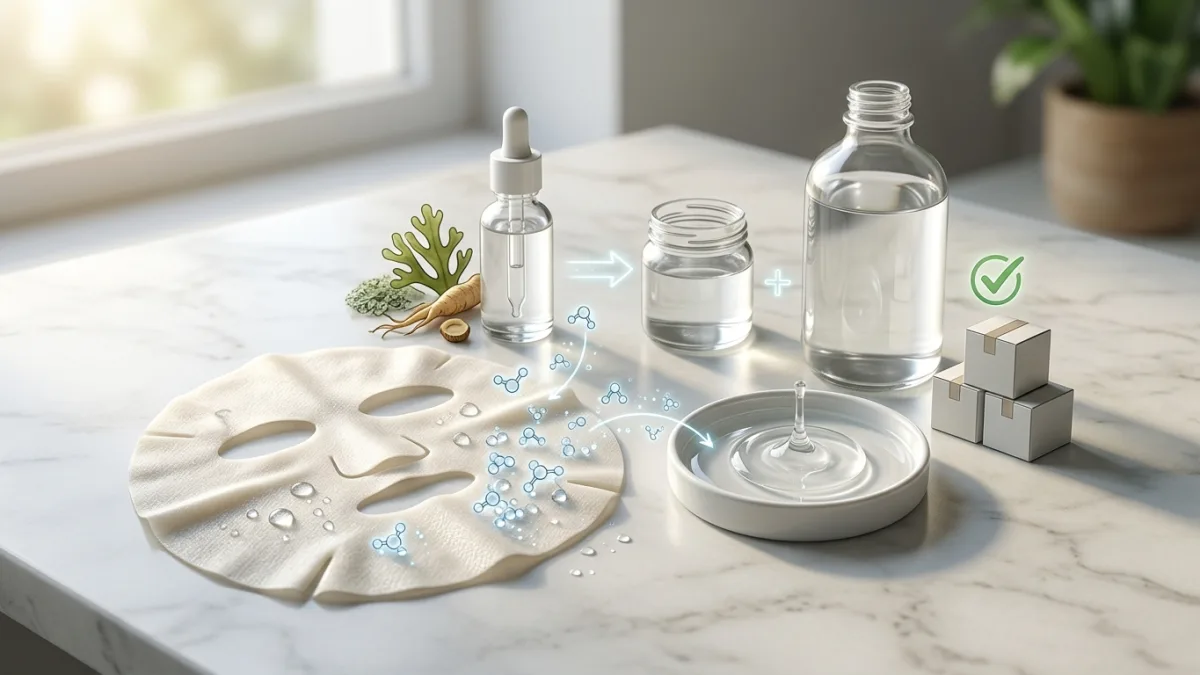
Glycerin (a simple humectant found in many moisturizers) does the same job for less cost, which is why it shows up in almost every blend.
Ceramides (fat-based molecules that occur naturally in skin and help hold cells together) are added to help seal that moisture in once it’s absorbed. Together, these three ingredient types explain most of what a hydrating sheet mask does: pull water in, then help stop it from getting away.
Some formulas add plant extracts, panthenol, or antioxidants for extra soothing. These are nice additions, but they’re not what defines a hydrating sheet mask. The core job is always about water content and barrier support.
Do Hydrating Sheet Masks Actually Work?
Yes, a hydrating sheet mask can noticeably plump and soften skin, but the result is short-term and depends on your skin’s start point. Skin that’s dry often shows the biggest change. Skin that’s already well-hydrated may notice less of a shift.
The mechanism is straightforward: soaking skin in a humectant-rich serum for several minutes increases water content in the outer skin layer, which is why cheeks look plumper right after use. This is a real, physical change, not just a feeling.
What the mask can and can’t do for skin
A hydrating sheet mask can temporarily improve how plump and smooth skin looks and feels. It can help calm mild dryness, and it can make foundation sit better on parched skin. What it can’t do is repair a damaged skin barrier long-term, treat acne, or replace daily sun protection.
Think of a hydrating sheet mask as a booster, not a treatment. It supports whatever your regular routine is already doing. It won’t undo months of dryness in one sitting, and it won’t fix issues that need a dermatologist’s input, like eczema or persistent redness.
How long hydration effects typically last
The plumping effect from a hydrating sheet mask fades over hours, not days, since the extra water in the skin’s surface layer evaporates over time. That’s one reason skincare routines pair a mask with a moisturizer right after, to help trap in what the mask just added.
How long the glow lasts also depends on humidity, indoor heating, and how your skin’s barrier is functioning generally. Reported timeframes vary widely between individuals, which is why sealing the effect in with a proper moisturizer step matters more than the mask alone.
How to Use a Hydrating Sheet Mask for Best Results
The best way to use a hydrating sheet mask is on clean, dry skin, left on for the time printed on the packet, then followed by patting in leftover serum and sealing with moisturizer. Skipping any of these steps reduces how much benefit you actually get.
Order matters here. Cleansing first removes oil and makeup so the serum can actually reach skin instead of sitting on residue. Applying moisturizer last locks the hydration in before it has a chance to evaporate.
- Cleanse skin thoroughly and pat dry before application.
- Open the packet and unfold the mask carefully to avoid tearing.
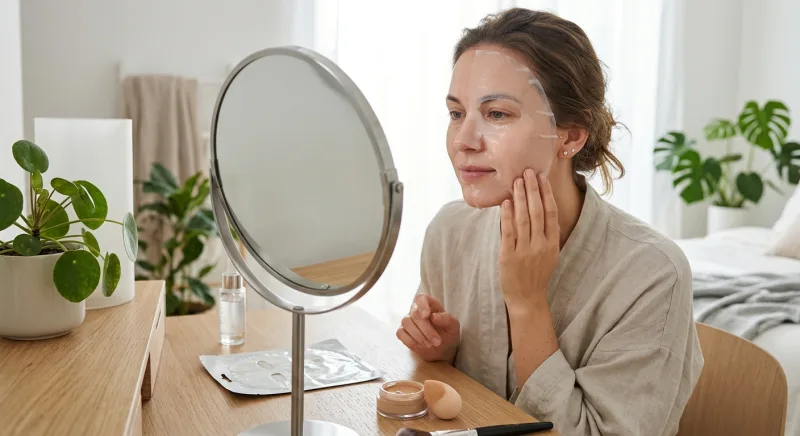
- Position it so eye, nose, and mouth openings align with your features.
- Smooth from the center outward to remove air bubbles.
- Leave on for the time stated on the packaging, usually fifteen to twenty minutes.
- Remove and pat remaining serum into skin instead of rinsing it away.
- Follow with moisturizer to seal everything in.
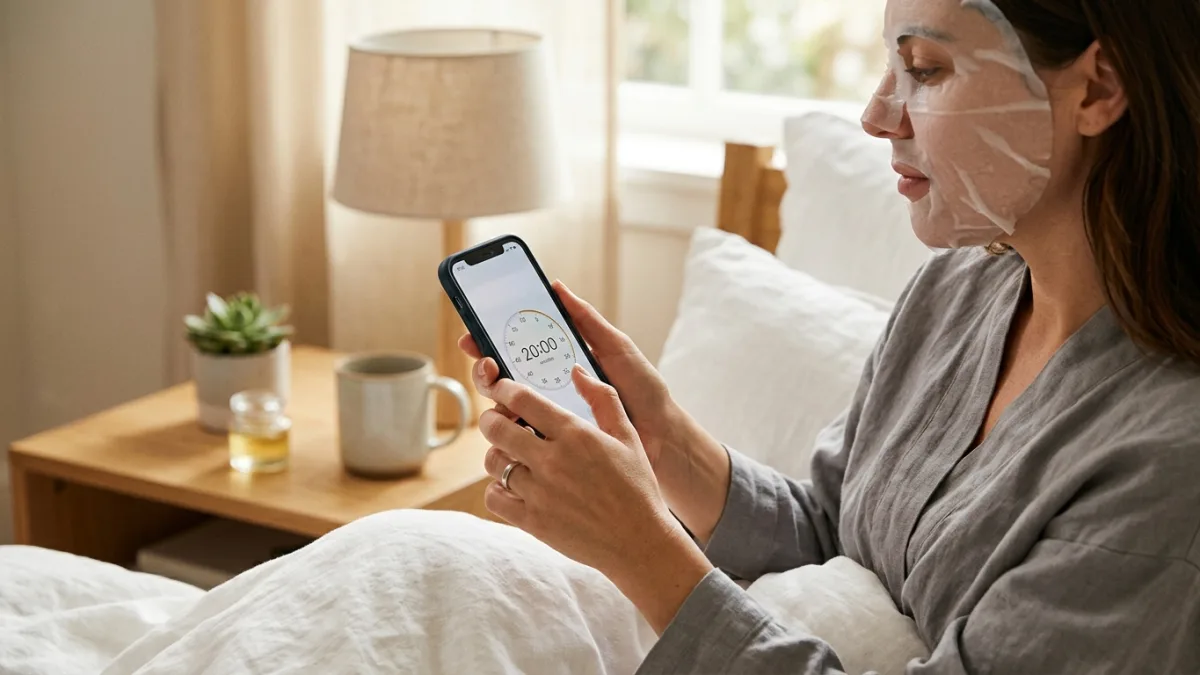
Timing also matters more than people assume. Leaving a mask on too long can actually reverse the benefit, since the sheet starts pulling moisture back out as it dries. Set a timer instead of guessing.
Hydrating Sheet Mask vs Other Skincare Formats
Comparing formats side by side makes it clear where a hydrating sheet mask fits into a routine versus serums, creams, or overnight masks. Each format gives hydration in a different way, and the shifts affect both cost and results.
| Format | Contact Time With Skin | Typical Use Frequency | Best For |
|---|---|---|---|
| Hydrating Sheet Mask | 15-20 minutes | 2-3 times weekly | Fast, intensive hydration boost |
| Hydrating Serum | Absorbed within minutes | Daily | Ongoing daily hydration support |
| Night Cream | Left on overnight | Daily | Sealing in moisture while sleeping |
| Sleeping Mask | Left on overnight | 1-2 times weekly | Deep repair alongside hydration |
The table shows why a hydrating sheet mask works best as an add-on rather than a swap. It gives a strong dose fast, but it doesn’t replace the steady daily hydration that a serum or moisturizer gives between mask sessions.
Sleeping masks and sheet masks often get confused, but they serve different roles. A sheet mask front-loads hydration in one sitting, while a sleeping mask works gradually across several hours without needing to be peeled off.
Comparing Hydrating Sheet Mask Materials
Not all sheet masks are built the same. The material holding the serum affects how well it adheres to skin, how much liquid it holds, and how comfortable it feels during wear.
| Material | Serum Retention | Fit on Face | Feel During Wear |
|---|---|---|---|
| Cotton Sheet | Moderate | Loose, can slip | Lightweight but less snug |
| Bio-Cellulose | High | Very close, second-skin fit | Cooling, secure |
| Hydrogel | Very High | Close fit, thicker sheet | Cooling, slightly heavier |
| Microfiber | Moderate to High | Good fit, some stretch | Soft, breathable |
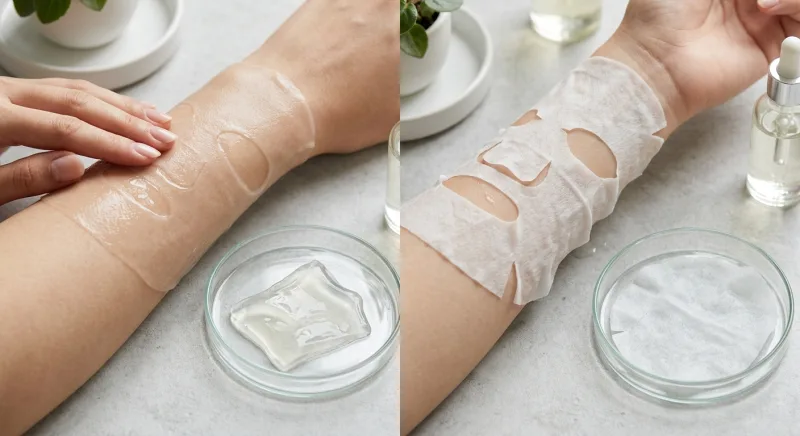
Bio-cellulose and hydrogel versions of a hydrating sheet mask tend to cost more, but the tighter fit means more serum actually moves into skin instead of drying up around loose edges. Cotton options are cheap but less good at full-face contact.
Choosing a material often comes down to how much you’re willing to spend for that snug fit. A looser cotton mask still delivers hydration, just with slightly less precision around the jawline and nose.
Choosing the Right Hydrating Sheet Mask for Your Skin Type
Skin type changes which hydrating sheet mask formula actually works best. Oily and acne-prone skin generally does better with lighter, gel-based serums, while dry skin gains from heavier, oil-infused formulas.
| Skin Type | Recommended Formula | Ingredients to Look For | Ingredients to Avoid |
|---|---|---|---|
| Oily/Acne-Prone | Lightweight, gel-based | Hyaluronic acid, niacinamide | Heavy oils, thick butters |
| Dry Skin | Rich, oil-infused | Ceramides, squalane, glycerin | High alcohol content |
| Sensitive Skin | Fragrance-free, minimal ingredient list | Centella asiatica, panthenol | Fragrance, essential oils |
| Combination Skin | Balanced hydrating formula | Hyaluronic acid, aloe vera | Heavy occlusives on T-zone |
Reading the ingredient list before buying a hydrating sheet mask saves time and money. A mask marketed as universally hydrating may still contain oils that clog pores on oilier skin types.
Sensitive skin needs extra care. Fragrance and essential oils are common irritants hiding in otherwise gentle-sounding formulas, so patch testing a new hydrating sheet mask is worth the few extra minutes.
How Often You Should Use a Hydrating Sheet Mask
Two to three times a week is a reasonable starting point for most skin types. Daily use isn’t necessary for hydration maintenance and can sometimes lead to over-hydrated, softened skin that’s more prone to irritation.
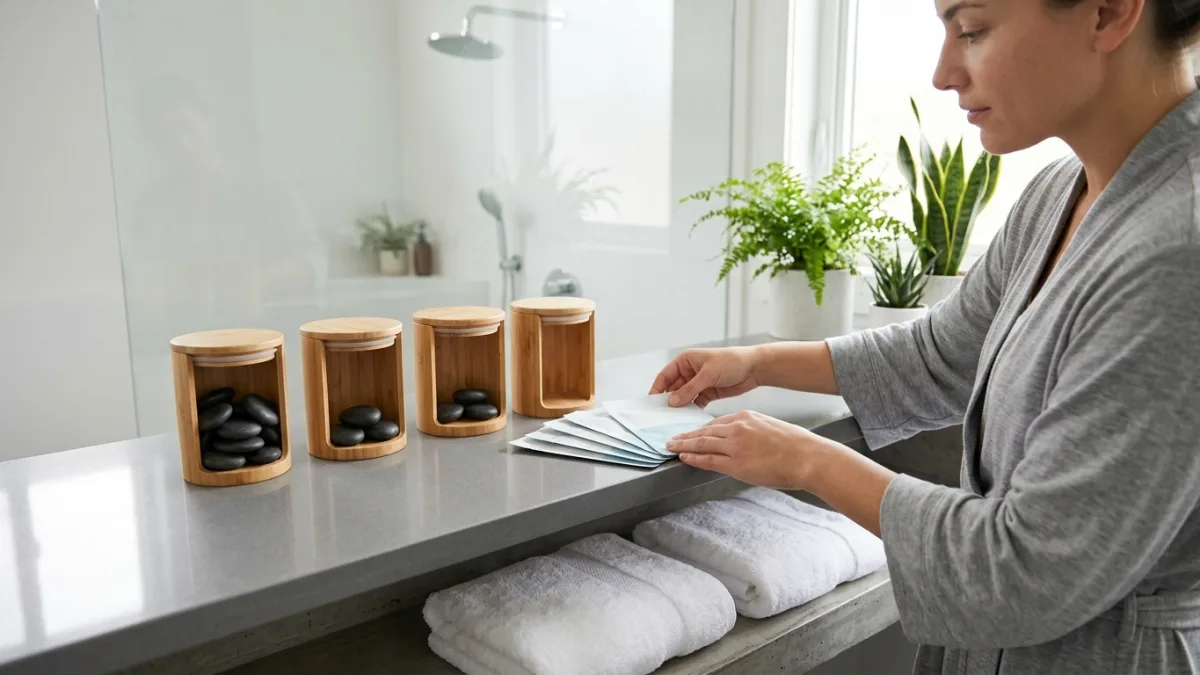
Skin that feels tight, flaky, or dull more often may benefit from using it more often for a while. Once that base level of moisture is brought back, dropping to two or three times a week usually keeps results good without doing too much.
Big events call for a new plan. Using a hydrating sheet mask the night before an event gives skin a quick plumped, dewy look that shows up in photos and feels much fresher.
Signs You’re Using a Hydrating Sheet Mask Too Often
Overuse of a hydrating sheet mask shows up in specific ways. Watch for these signals that it’s time to scale back frequency rather than add more sessions.
- Skin feels unusually soft or mushy rather than firm and hydrated.
- Breakouts appear in areas that were previously clear.
- Skin looks puffy rather than refreshed the morning after use.
- Products applied afterward seem to pill or sit on top of skin.
- Redness or sensitivity develops without any other change in routine.
If any of these signs show up, cutting back to once or twice weekly usually resolves the issue within a few days. Skin needs recovery time between sessions just like it does with any active treatment.
Common Mistakes That Reduce Hydrating Sheet Mask Results
Even a high-quality hydrating sheet mask doesn’t work well when used wrong. These mistakes are common and easy to fix once you spot them.
- Leaving the mask on until it dries out completely, which pulls moisture back out of skin.
- Skipping moisturizer afterward, letting hydration evaporate instead of sealing it in.
- Applying to unwashed skin, blocking the serum from reaching pores.
- Storing masks in hot or humid places, which can degrade the serum.
- Using expired masks past the printed date, reducing ingredient effectiveness.
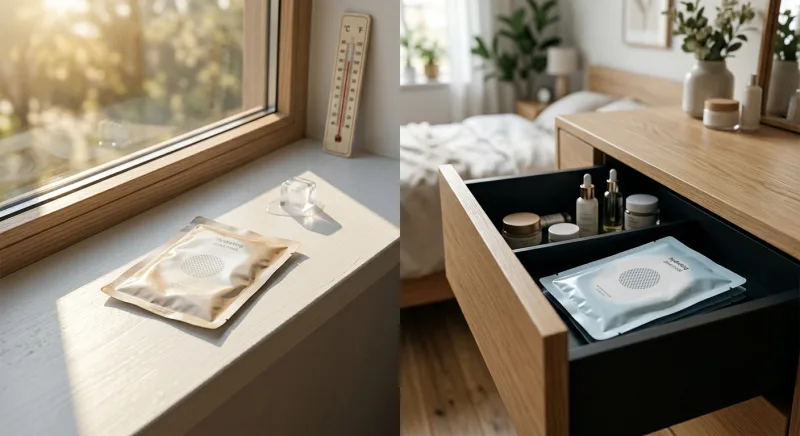
Storage is an overlooked factor. Heat and sunlight can break down active ingredients in a hydrating sheet mask before it’s even opened, so a cool drawer works better than a bathroom shelf near a window.
Hydrating Sheet Mask Ingredients Worth Checking For
Ingredient labels tell you more about a hydrating sheet mask than marketing claims do. A few key ingredients consistently show up in formulas that perform well.
| Ingredient | Function | Best Suited For |
|---|---|---|
| Hyaluronic Acid | Draws water into skin | Most skin types |
| Glycerin | Attracts and retains moisture | Dry and normal skin |
| Ceramides | Strengthens skin barrier | Dry, sensitive skin |
| Niacinamide | Supports hydration and tone | Oily, combination skin |
| Centella Asiatica | Calms and soothes | Sensitive, reactive skin |
A hydrating sheet mask with two or three of these ingredients listed near the top is usually a safe bet. Long ingredient lists padded with fragrance or alcohol further down are worth a second look before buying.
Common Mistakes to Avoid
Even a good sheet mask can underperform if it’s used wrong. Leaving it on too long, skipping moisturizer after, or reusing the same sheet on different areas can all lower results. Small habits make a big shift over time.
- Leaving the mask on until it dries out completely
- Skipping moisturizer right after removing the mask
- Using expired or previously opened masks
- Applying masks over unwashed skin
- Rubbing leftover essence in too vigorously
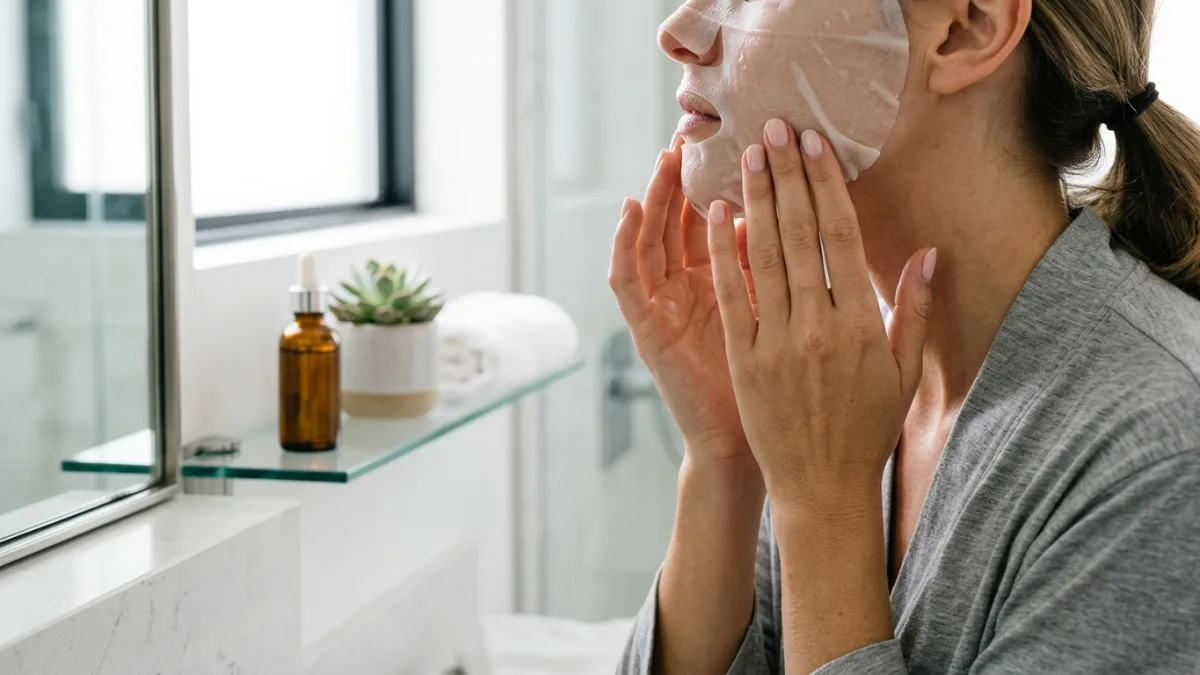
Avoiding these small errors helps each sheet mask session give the hydration it’s made to provide. Consistency and correct method matter just as much as product choice.
Final Thoughts
A hydrating sheet mask is a simple, low-effort way to give skin a noticeable moisture boost. Whether used weekly or as an occasional treat, the results are often visible within minutes. Choosing the right formula for your skin type makes the routine even more effective.
With so many options available, it’s worth experimenting to find the texture, ingredients, and price point that suit your skin best. A few trial runs can help you build a hydration routine that actually works long term.
Read the complete guide: How to Build a Skincare Routine That Actually Works in 2026
Frequently Asked Questions
How often should I use a hydrating sheet mask?
Most skin types tolerate a hydrating sheet mask two to three times per week. Sensitive skin may benefit from starting once a week. Pay attention to how your skin responds and adjust frequency based on comfort, hydration levels, and any signs of irritation or breakouts.
Can I leave a sheet mask on overnight?
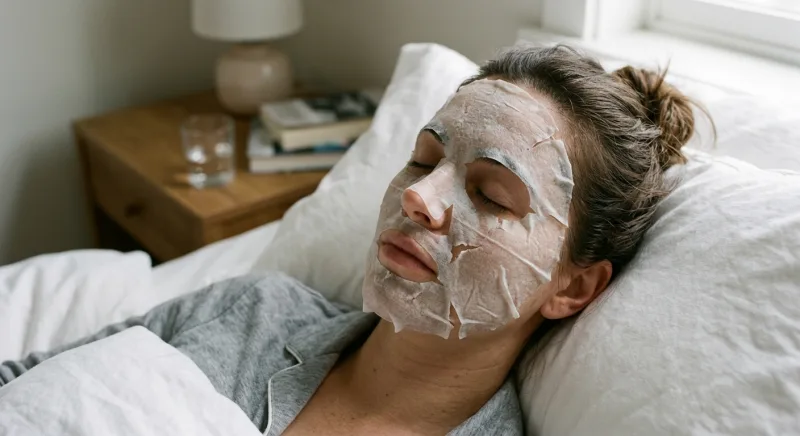
It’s not recommended. Leaving a sheet mask on too long causes it to dry out, which can pull moisture from the skin instead of adding it. Stick to the recommended 15-20 minute window, then remove and follow with a moisturizer to lock in hydration.
Do hydrating sheet masks work for oily skin?
Yes. Oily skin still needs hydration, and dehydration can actually trigger more oil production. Look for a light, water-based hydrating sheet mask with niacinamide or hyaluronic acid, avoiding heavier oils that could clog pores or feel greasy on already oily skin.
Should I moisturize after using a sheet mask?
Yes, applying moisturizer after is an important step. It seals in the essence left on your skin, stopping moisture from evaporating. Skipping this step can lower the overall benefit, especially in dry climates or air-conditioned spaces where skin loses water more quickly.
Can sheet masks replace my regular moisturizer?
No, a hydrating sheet mask is an add-on, not a swap. It gives a strong burst of moisture and active ingredients, but daily moisturizer is still needed to keep the skin barrier and lock in hydration between mask sessions for lasting results.
Are hydrating sheet masks safe for sensitive skin?
Many are, especially formulas with centella asiatica, ceramides, or minimal fragrance. However, sensitive skin should always patch test new products first. Checking the ingredient list for known irritants before use lowers the risk of redness, stinging, or allergic reactions.
What’s the best time of day to use a sheet mask?
Evening is often ideal since skin absorbs product well overnight and there’s no makeup to worry about afterward. That said, a hydrating sheet mask can also be used in the morning for an instant glow before makeup application or a big event.
