
Skincare routine
Clean Beauty Explained: What It Really Means in 2026
Last updated: November 5, 2026
Clean beauty means personal care items made without things seen as harsh, irritating, or not needed, such as parabens (preservatives some brands avoid over safety worries), sulfates, and man-made scent. No US law spells out clean beauty, so claims vary by brand.
Always check the ingredient list yourself rather than trust a label alone.
Walk into any beauty store in 2026 and you’ll see the words “clean beauty” everywhere. It’s on shampoo bottles, serums, and even hair removal devices. But what does it actually mean? This guide breaks down clean beauty in plain terms, so you can shop smarter instead of guessing.
What Is Clean Beauty, Exactly?
The Working Definition Nobody Agrees On
Most clean beauty definitions focus on what’s left out, not what’s put in. A product earns the label by leaving things out, such as parabens, sulfates, or fake dyes.
But because no single agency writes the rulebook, one brand’s clean beauty standard can look nothing like another’s.
This is the core tension in clean beauty today. A shopper might assume “clean” means tested and approved. In reality, it usually just means a brand chose to skip certain ingredients on its own internal list.
Clean vs. Natural vs. Organic vs. Non-Toxic
These four words get used like they mean the same thing, but they don’t. Clean beauty is about leaving out certain ingredients. Natural beauty focuses on plant or mineral origin. Organic beauty (products made with ingredients grown without most man-made pesticides or fertilizers) follows farming rules, not beauty rules.
Non-toxic skincare hints at safety, but that word has no fixed legal meaning either.
To get clean beauty, you need to know what it is not. A product can be natural and still bother your skin. Something man-made can be perfectly safe. Clean beauty is a way of choosing, not a scientific safety score.
| Term | What It Usually Means | Regulated in the US? | Common Misconception |
|---|---|---|---|
| Clean Beauty | Avoids select ingredients like parabens or sulfates | No official standard | Assumed to mean tested and proven safe |
| Natural Beauty | Ingredients sourced from plants or minerals | No official standard | Assumed to mean automatically gentle |
| Organic Beauty | Ingredients grown under farming rules | Partially regulated for agriculture claims | Assumed to mean chemical-free |
| Non-Toxic Skincare | Implies low risk of harm | No official standard | Assumed to mean zero risk to everyone |
Why Clean Beauty Became a Movement
Clean beauty grew out of buyer distrust, not one single scientific find. Shoppers began reading ingredient lists more closely and asking harder questions about what goes on their skin each day. Sellers noticed and built whole shelves around the clean beauty idea.
Consumer Demand vs. Scientific Evidence
Buyer demand for clean beauty has grown faster than the science behind it. Most ingredients flagged as worrying are used in cosmetics at very low amounts.
Watchdog groups like the Food and Drug Administration (the US agency in charge of checking the safety of cosmetics sold nationwide) haven’t found strong proof that these low amounts cause harm in normal use.
That gap matters. Clean beauty marketing often implies danger where the research shows uncertainty instead. This doesn’t mean concerns are baseless. It means the picture is more nuanced than a label can capture.
What Ingredients Are Typically Avoided
Clean beauty brands tend to build their ingredient blacklists around a familiar set of names. Knowing these helps you understand what “clean” usually signals on a label, even without an official standard behind it.
- Parabens (preservatives used to stop mold and bacteria growth) — flagged due to studies linking some types to hormone activity, though cosmetic-level exposure remains debated.
- Phthalates (chemicals used to make fragrance last longer or plastics more flexible) — some are classified as an endocrine disruptor, a substance that may interfere with hormone function, in high-dose animal studies.
- Formaldehyde-releasers — preservatives that slowly release small amounts of formaldehyde, a compound linked to skin sensitivity in some people.
- Synthetic fragrance — blends of undisclosed chemicals that can trigger irritation or allergic reactions in sensitive skin.
- Sulfates — foaming agents that can strip natural oils, leaving skin or hair feeling dry.
Is Clean Beauty Regulated?
No, clean beauty is not ruled by law in the United States. There’s no government agency, certifying body, or legal standard that says what a brand can or can’t call clean. Each company sets its own rules and posts its own list of left-out ingredients.
How the FDA Treats Cosmetic Claims

This is different from how some other countries handle cosmetics. The European Union Cosmetics Regulation (a set of rules that bans or limits certain cosmetic ingredients across member states) bans or limits a longer list of substances than US law does.
That doesn’t make EU products automatically “cleaner,” but it does mean the base rules differ.
Why ‘Clean’ Labels Aren’t Standardized
Without a legal meaning, clean beauty labels show brand belief more than hard fact. One seller’s clean beauty checklist might ban over 1,000 ingredients. Another might ban a dozen. Both can legally use the same word on their shelves.
This is why reading the actual ingredient panel matters more than trusting the word clean beauty printed on a package. The label tells you a brand’s marketing angle. The ingredient list tells you the facts.
How Clean Beauty Extends Beyond Skincare and Makeup
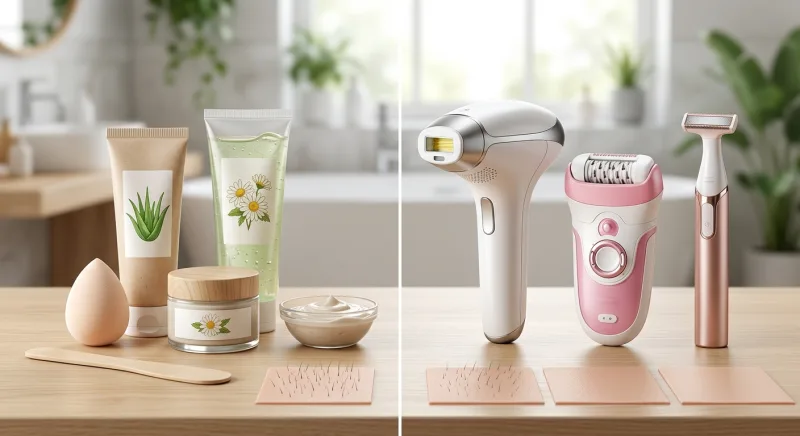
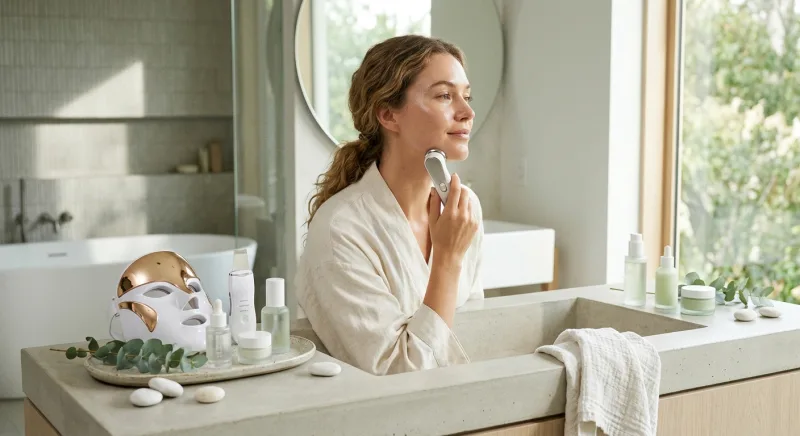
Clean beauty talk usually stops at moisturizers and lipstick, but the same thinking fits hair removal and grooming tools too. Many people don’t know that changing methods, not just changing products, can cut chemical exposure in a daily routine.
Clean Formulations in Hair Removal and Grooming Tools
What to Look for in a Device-Based Routine
- Clean attachments and heads after every use to prevent bacterial buildup.
- Match device intensity settings to your specific skin tone and sensitivity.
- Choose fragrance-free devices with no added topical chemicals.
- Replace cartridges or heads on schedule to keep performance consistent.
- Patch test new settings on a small area before full use.
Bellxi stocks a full range of hair removal and grooming devices, from painless Intense Pulsed Light handsets to precision trimmers and epilators, built to fit every skin type. Thinking about hygiene and fit this way treats device-based hair removal as its own branch of the clean beauty conversation.
Comparing Clean Beauty Formulas Against Conventional Alternatives
Ingredient lists rarely explain themselves. A side-by-side view makes the gap between Clean Beauty formulas and normal options easier to spot. Use this table when you compare labels at the shelf or online.
| Category | Clean Beauty Formula | Conventional Formula |
|---|---|---|
| Preservatives | Plant-derived or low-irritation options | Synthetic parabens or formaldehyde releasers |
| Fragrance | Fragrance-free or naturally derived scent | Undisclosed synthetic fragrance blends |
| Colorants | Mineral or plant-based pigments | Synthetic dyes, some petroleum-derived |
| Packaging | Recyclable or refillable materials | Mixed-material, non-recyclable plastics |
| Testing Claims | Cruelty-free, third-party verified | Not always disclosed |
Neither list means a product is perfect. Some regular products work well and pass safety checks. Some Clean Beauty formulas still have things in them that bother sensitive skin. The table is a starting point, not a final answer.
How Clean Beauty Standards Differ Across Product Categories
Clean Beauty does not mean one fixed checklist. Rules shift depending on whether you are shopping for skincare, haircare, or grooming devices. A serum and a trimmer face very different formula and safety questions.
Skincare tends to focus on how strong the active ingredients are and how the product stays fresh. Haircare leans toward gentle cleansing and scalp-safe silicones. Grooming devices bring cleanliness, safe materials, and skin-contact wear into the picture instead of ingredient lists alone.
This table breaks down what Clean Beauty priorities typically look like across three common categories.
| Product Category | Primary Clean Beauty Focus | Common Red Flags |
|---|---|---|
| Skincare | Preservative safety, low-irritant actives | Undisclosed fragrance, harsh alcohols |
| Haircare | Sulfate-free, scalp-friendly formulas | Heavy silicone buildup, synthetic dyes |
| Grooming Devices | Skin-safe materials, easy sanitation | Non-replaceable heads, poor material grade |
Shoppers who get these group differences make quicker, more sure choices. One rule rarely works well across skincare, haircare, and devices all at once.
Reading Labels Without Getting Overwhelmed
Ingredient panels can look scary, especially with long chemical names packed in small print. A handy way is to break the label into small parts instead of reading it all at once.
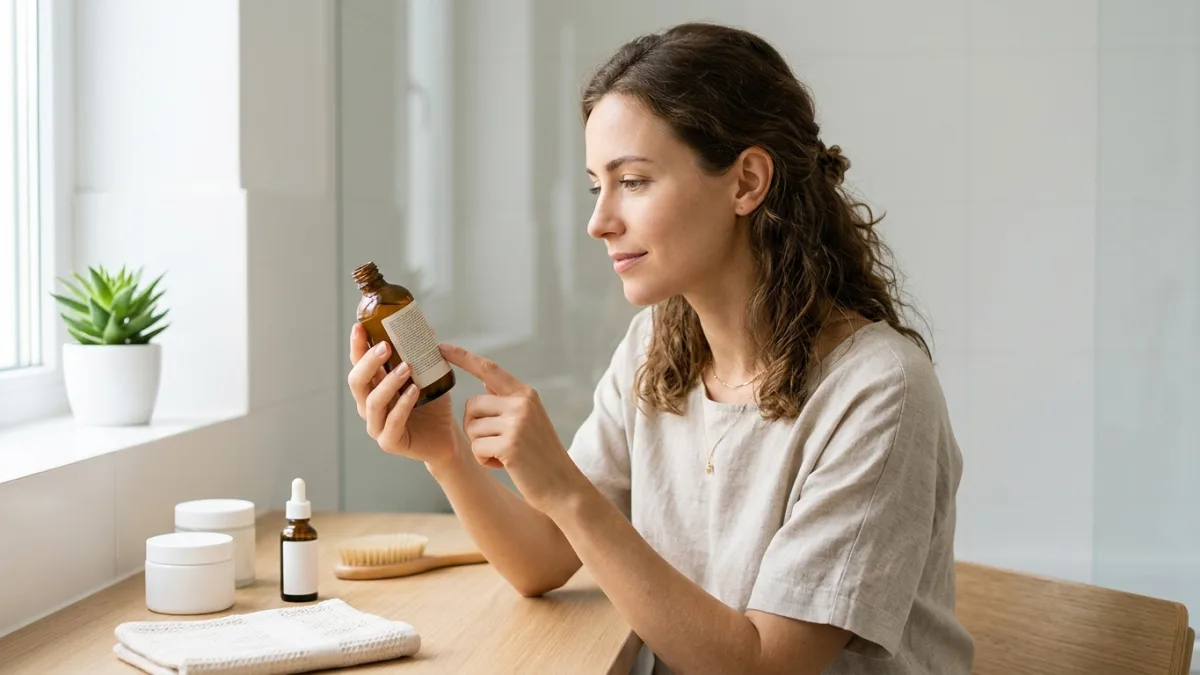
Start with the first five ingredients. These usually make up most of the mix by volume. Then scan for common irritants like added scent, drying alcohols, or certain preservatives you want to avoid.
- Check the first five ingredients for base formula clues.
- Search for “fragrance” or “parfum” as a standalone listed ingredient.
- Look for recognizable plant extracts or oils near the middle of the list.
- Note any preservative names you have reacted to before.
- Confirm packaging recycling symbols match your local recycling program.
Even without exact figures, the behavior itself signals a broader shift. Shoppers increasingly want transparency, not just marketing claims.
Building a Clean Beauty Routine on a Budget
Cost is often the biggest barrier to switching. A Clean Beauty routine does not require replacing every product at once. Gradual swaps protect your budget and reduce the risk of wasted purchases.
Start with products you use most often, like cleanser or moisturizer. These have the longest daily skin contact time. Prioritizing them first delivers the most meaningful benefit per dollar spent.
Multi-use products also stretch a budget further. A single balm that removes makeup and moisturizes reduces the total number of items you need to buy and store.
- Replace one product category at a time, starting with daily-use items.
- Choose multi-purpose formulas to reduce total product count.
- Watch for sample sizes before committing to full-size purchases.
- Compare cost per use, not just sticker price, across brands.
- Wait for restock sales instead of impulse buying at full price.
Going slow also gives your skin time to adjust. Trying several new formulas at once makes it harder to tell what caused any reaction.
Common Myths About Clean Beauty
Wrong ideas spread fast in beauty ads. Some buyers think Clean Beauty means fully natural, while others think it means fully free of man-made stuff. Neither idea holds up when you look closer.
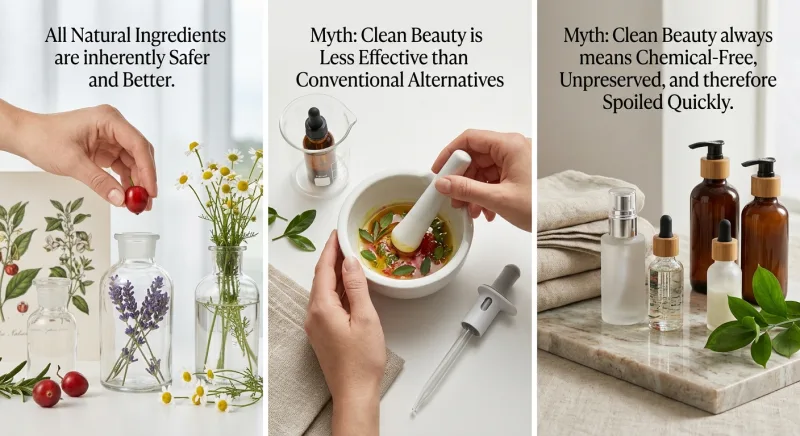
Natural does not always mean safe. Poison ivy is natural. Some man-made ingredients are in fact gentler and more stable than ones from plants. Clean Beauty focuses on safety and openness, not where things come from alone.
- Myth: Clean Beauty products never contain synthetic ingredients.
- Myth: Natural automatically means hypoallergenic or gentle.
- Myth: Higher price always signals cleaner formulation.
- Myth: Clean Beauty products cannot be effective for active skin concerns.
- Myth: All Clean Beauty brands follow the exact same standard.
Clearing up these myths helps shoppers evaluate products on real evidence instead of assumptions.
Why Clean Beauty Claims Still Need Verification
Labels can say almost anything with no outside check in many places. A product sold under Clean Beauty branding is not always tested or certified. It is still partly up to the buyer to check.
Outside checks add a layer of trust. Look for known marks tied to no animal testing, organic content, or ingredient safety review boards that fit your area.
When outside seals are missing, check ingredient lists against known lists of skin irritants. This extra step takes a few minutes but stops you from trusting ad copy alone.
Brands that welcome close checks tend to share full details on where their ingredients come from. Brands that avoid detail or use vague terms like “natural blend” deserve a more doubtful look before you buy.
Practical Shopping Checklist for Clean Beauty Buyers
A simple checklist keeps choices steady, most of all when shopping across many brands or groups. Bring this list along, whether in a store or comparing goods online.
- Read the full ingredient list, not just the front-of-package claims.
- Check for third-party certifications relevant to your priorities.
- Confirm return policy in case of skin reactions.
- Compare packaging recyclability against your household recycling access.
- Research brand transparency around sourcing and manufacturing.
- Patch test any new product before regular use.
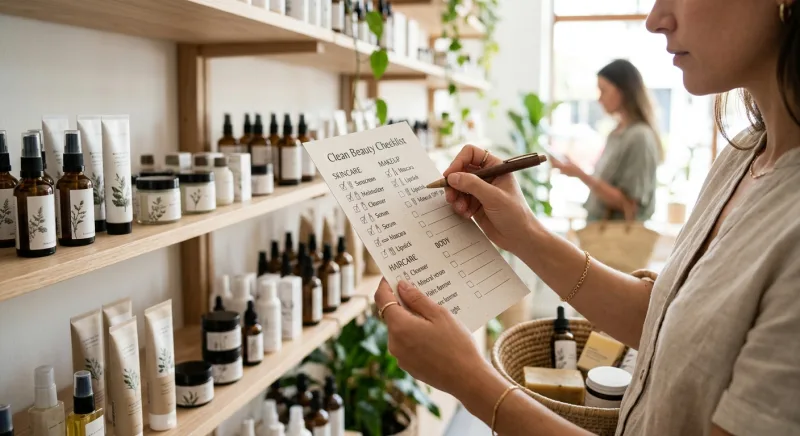
This list works whether you are picking a moisturizer, a shampoo, or a grooming device. Being the same each time you check matters more than any single ingredient choice.
Market context
Fragrance contact allergy prevalence in the general population — The prevalence of fragrance allergy in the general population is between 0.7% and 2.6%, according to a peer-reviewed review on allergic contact dermatitis to fragrances. PubMed (Cutis journal), 2020
Adjacent-market figures — each names the subject it measures, not Clean Beauty directly.
Read the complete guide: How to Build a Skincare Routine That Actually Works in 2026
Frequently Asked Questions
What does Clean Beauty actually mean?
Clean Beauty usually means products made without things seen as harmful or in dispute, though no law spells this out. Brands set their own rules, so the meaning shifts a lot. Reading ingredient lists and brand rules helps you judge if a product fits your own idea of Clean Beauty.
Is Clean Beauty the same as organic beauty?
No. Organic is about how ingredients are grown or sourced, often checked by outside groups. Clean Beauty focuses more on leaving out certain man-made ingredients. A product can be organic without being sold as Clean Beauty, and the other way around too.
Are Clean Beauty products safer than conventional ones?
Not necessarily. Safety depends on formulation, concentration, and individual sensitivity rather than category labels alone. Always patch test regardless of how a product is marketed.
How can I verify a brand’s Clean Beauty claims?
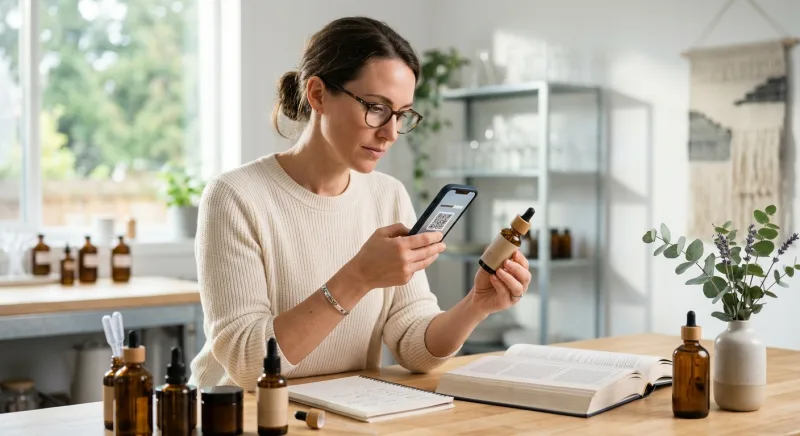
Look past the ad copy and check the full ingredient list. Search for outside seals of approval rather than seals the brand made itself. Check the brand’s pages on where they get their materials and how they make the product. Independent review databases can also help back up claims.
Do Clean Beauty products cost more than regular products?
Often, yes, though price varies a lot by brand and type. Costs may reflect how goods are sourced, small batch runs, or fancy packaging. Comparing price per use, not just the sticker price, gives a clearer view of worth.
Can sensitive skin benefit from switching to Clean Beauty products?
Some people with sensitive skin say they have fewer flare-ups after switching, since some man-made scents and preservers are common causes of irritation. Results differ from person to person. Patch testing is still a must, since natural ingredients can also cause allergic or irritant reactions.
What should I check first when starting a Clean Beauty routine?
Start with your current products and identify ingredients you want to avoid. Research reputable brands aligned with those priorities. Introduce one new product at a time, patch testing before full use, so you can track how your skin responds.
Will Clean Beauty labeling become regulated in the future?
Regulation discussions continue in several regions, though no unified global standard currently exists. Until formal rules apply, consumers should rely on transparency and independent verification rather than marketing claims alone.
Key statistics
- Allergic contact dermatitis affects approximately 20% of children in the United States, underscoring how common skin sensitivities to personal care ingredients can be. (American Academy of Dermatology (DermWorld), 2025)
References
- The FDA does not have special rules that apply only to preservatives like parabens in cosmetics; the law treats them the same as other cosmetic ingredients, and most cosmetics do not require FDA approval before going to market (aside from color additives). — U.S. Food and Drug Administration (FDA) (Federal regulatory agency responsible for cosmetics oversight in the United States)
- FDA scientists continue to review published studies on paraben safety and currently do not have information showing that parabens as used in cosmetics have an effect on human health. — U.S. Food and Drug Administration (FDA) (Federal regulatory agency responsible for cosmetics oversight in the United States)
- Safety concerns about parabens center on their potential to act like estrogen, but studies have shown parabens have significantly less estrogenic activity than the body’s naturally occurring estrogen, and parabens have not been shown to be harmful as used in cosmetics at the small amounts present. — U.S. Food and Drug Administration (FDA) (Federal regulatory agency responsible for cosmetics oversight in the United States)
- Under the Federal Food, Drug, and Cosmetic Act, cosmetic products and ingredients other than color additives do not need FDA approval before they go on the market, though it is against the law to market a cosmetic that is adulterated or misbranded. — U.S. Food and Drug Administration (FDA) (Federal regulatory agency responsible for cosmetics oversight in the United States)
