
Skincare routine
Anti Aging Skincare in 2026: A Complete Guide to Ingredients, Routines, and Results
Last updated: November 5, 2026
Anti aging skincare uses ingredients like retinoids, vitamin C, peptides, and hyaluronic acid to soften fine lines, support collagen, and smooth skin texture. It works best as a steady routine that pairs active ingredients with daily sun protection and healthy habits, not one product alone.
Results build over weeks, not overnight.
What Is Anti Aging Skincare and Does It Actually Work?
Anti aging skincare is a set of products and habits meant to slow visible signs of aging skin. Think fine lines, dullness, and uneven tone. It works, but not the way ads often suggest. It slows and softens changes; it does not stop or reverse the clock.
Good anti aging skincare relies on active ingredients (ingredients backed by research showing they change skin at a cellular level, not just on the surface). These include retinoids, vitamin C, and peptides. Used daily, they can visibly improve texture and tone over time.
What anti aging products can realistically do
Anti aging products can soften the look of fine lines, even out skin tone, and boost hydration. They can also help skin feel firmer and look more even. Consistent use over months tends to matter more than any single “miracle” product.
Retinoids (a class of vitamin A derivatives that speed up skin cell turnover and support collagen production) are one of the few ingredient groups with strong backing for reducing fine lines. Vitamin C helps brighten and protect against environmental stress. Peptides support the skin’s structural proteins.
What they can’t reverse
No cream can undo deep wrinkles, sagging, or years of sun damage. Anti aging skincare works on the outer layers of skin. Deeper structural changes, like lost facial volume, usually need professional treatment, not a jar of moisturizer.
Setting realistic goals helps. Anti aging skincare is a maintenance and prevention tool. It is not a substitute for sun protection, healthy habits, or in-office procedures when those are needed.
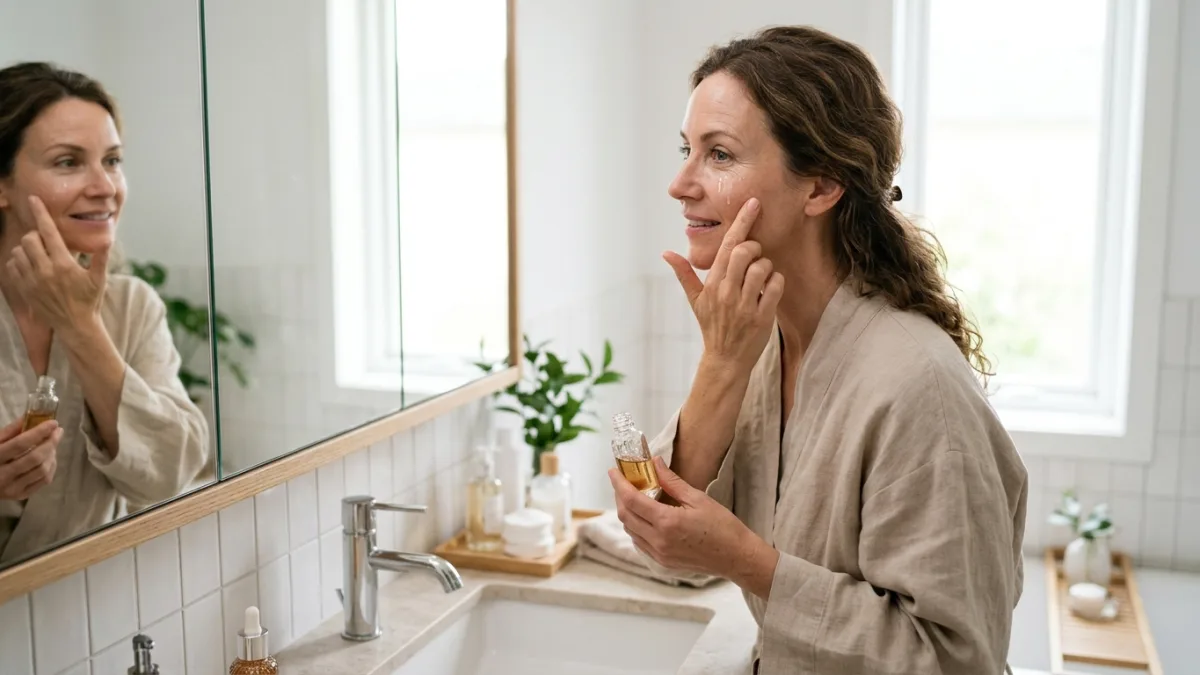
How Does Skin Actually Change As You Age?
Skin changes as you age because collagen and elastin production slow down, cell turnover drops, and years of sun exposure add up. These shifts show up as fine lines, dryness, and uneven pigment. Anti aging skincare targets each of these changes directly.
Collagen and elastin decline
Collagen (the main structural protein that keeps skin firm and plump) and elastin (the protein that lets skin snap back into place) both decline with age. Less of each means less bounce and more visible lines. This decline is gradual and starts earlier than most people expect.
Slower cell turnover and dryness

Cell turnover slows with age, so dead skin cells sit on the surface longer. This makes skin look duller and feel rougher. Oil production also drops, which is why mature skin often feels drier than it used to.
Anti aging skincare routines often add gentle exfoliation and richer moisturizers to counter this. Ceramides (fats naturally found in skin that help it hold moisture and stay protected) become more important as skin’s own supply thins out.
Sun damage and pigmentation
Sun exposure is the biggest driver of visible skin aging. It causes dark spots, uneven tone, and breaks down collagen faster than time alone. This is why daily sun protection sits at the center of any anti aging skincare plan.
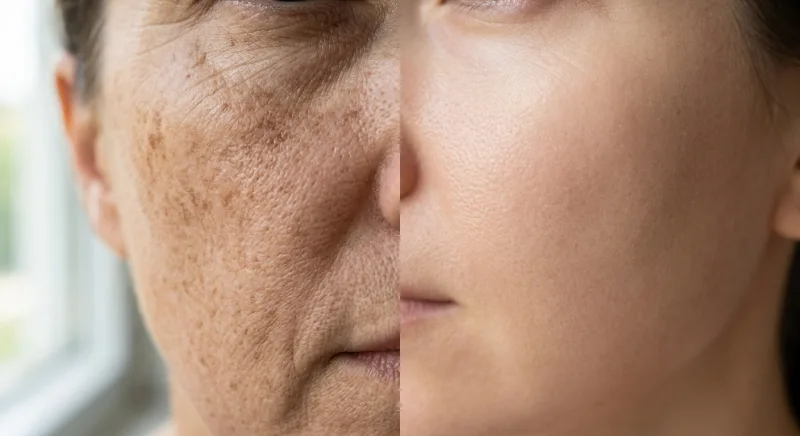
Which Ingredients Are Proven to Fight Visible Aging?
The ingredients with the strongest track record are retinoids, vitamin C, peptides, niacinamide, ceramides, and hyaluronic acid. Each one targets a different part of the aging process. Good anti aging skincare usually combines a few of these rather than relying on just one.
Retinoids
Retinoids speed up cell turnover and encourage collagen production. Retinol (an over-the-counter form of vitamin A that converts to its active form once inside skin cells) is milder than prescription retinoids but still effective with regular use. It’s often the starting point for anti aging skincare routines.
Vitamin C
Vitamin C is an antioxidant (a compound that helps protect skin cells from damage caused by environmental stress like pollution and sunlight). It also supports collagen and helps brighten uneven tone. Morning use pairs well with sunscreen for extra protection.
Peptides
Peptides are small chains of amino acids that signal skin to produce more collagen. They’re gentler than retinoids, which makes them a good option for sensitive skin. Many anti aging skincare products combine peptides with other actives for a milder overall formula.
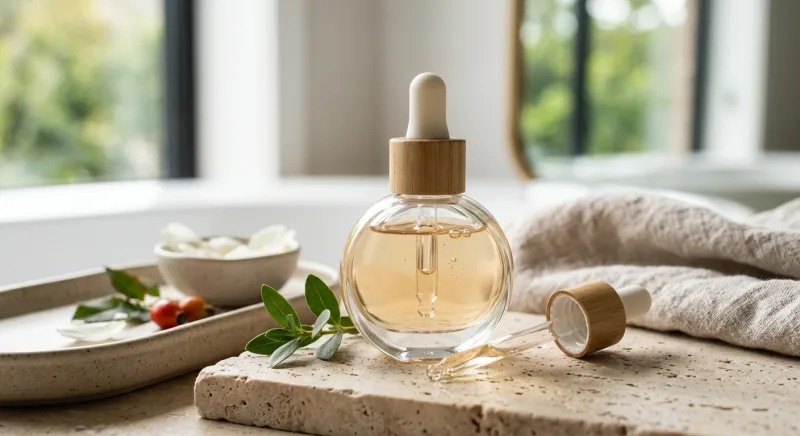
Niacinamide and ceramides
Niacinamide (a form of vitamin B3 that helps calm redness and strengthen the skin barrier) works well alongside almost any other ingredient. Ceramides restore the skin’s protective barrier, which helps lock in moisture and reduce sensitivity over time.
Hyaluronic acid
Hyaluronic acid (a naturally occurring molecule that can hold large amounts of water) plumps skin and softens the look of fine lines from dryness. It works well layered under a moisturizer, especially for anti aging skincare aimed at dry or mature skin.
| Ingredient | Main Target | Typical Time to See Results | Who Should Be Cautious |
|---|---|---|---|
| Retinoids | Fine lines, texture, collagen support | Several weeks to a few months | Pregnant women, very sensitive or reactive skin |
| Vitamin C | Dullness, uneven tone, antioxidant protection | Weeks, with gradual brightening | Very sensitive skin, unless formulated gently |
| Peptides | Firmness, collagen signaling | Weeks to months, varies by product | Generally well tolerated by most skin types |
| Niacinamide | Redness, barrier strength, oil balance | Weeks | Rarely an issue; well suited to sensitive skin |
| Ceramides | Dryness, barrier repair | Days to weeks for comfort improvement | Generally suitable for all skin types |
| Hyaluronic Acid | Hydration, plumpness | Immediate to short-term | Very dry climates may need it layered under cream |
How Do You Build an Anti Aging Skincare Routine Step by Step?
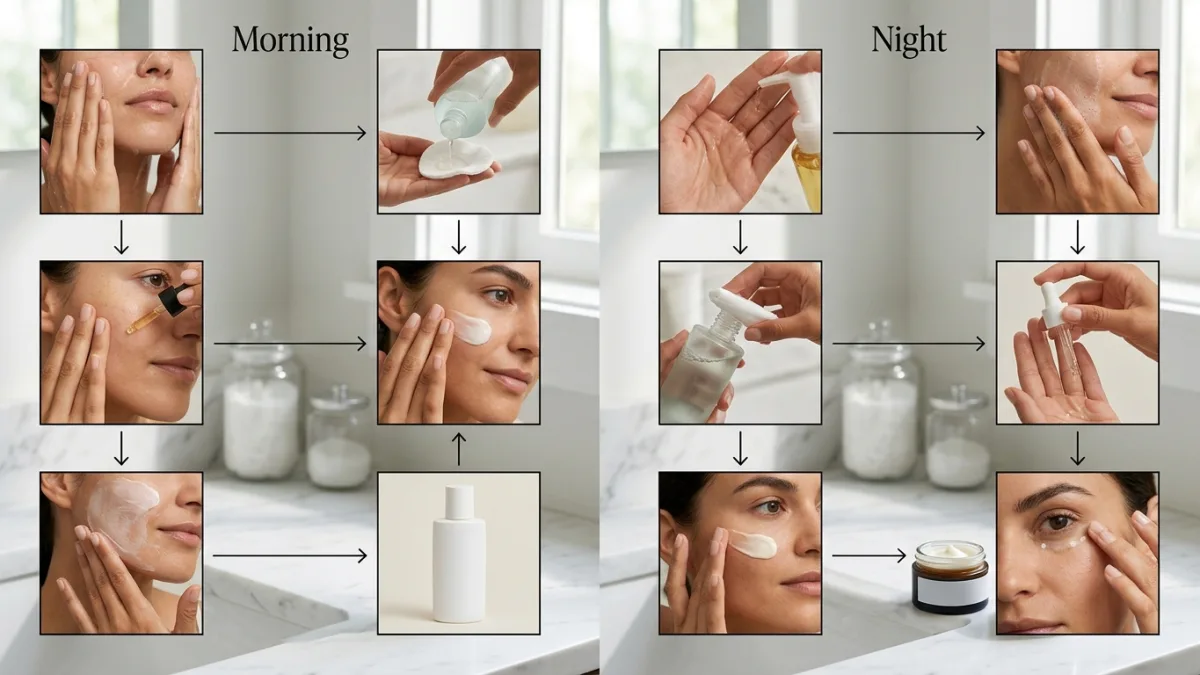
Building an anti aging skincare routine means layering products in the right order, morning and night. The general rule is thinnest to thickest texture. Actives go on clean skin first, followed by moisturizer, and sunscreen during the day.
Morning routine order
A simple morning anti aging skincare routine goes cleanser, vitamin C serum, moisturizer, then sunscreen. Sunscreen is the step people skip most, yet it protects everything applied underneath. Skipping it undoes much of the other steps’ benefit.
Evening routine order
At night, cleanse first to remove sunscreen and makeup. Follow with a retinoid or peptide serum, then a richer moisturizer to lock in moisture. Night is when skin repairs itself, so this is the best time for stronger active ingredients.
How to layer actives without irritation
Introduce one new active at a time, waiting a couple weeks before adding another. Avoid using retinoids and strong exfoliants on the same night. This slower approach helps anti aging skincare routines stay comfortable while still being effective.
Comparing popular anti aging skincare ingredients
Choosing between active ingredients can feel overwhelming. Each one targets different signs of aging, works at a different pace, and carries its own tolerance profile. The table below compares common options used in anti aging skincare routines.

| Ingredient | Main Benefit | Best Time to Use | Irritation Risk |
|---|---|---|---|
| Retinol | Boosts cell turnover, softens fine lines | Night | Moderate to high |
| Vitamin C | Brightens skin, fights free radicals | Morning | Low to moderate |
| Peptides | Supports collagen production | Morning or night | Low |
| Niacinamide | Strengthens skin barrier, evens tone | Morning or night | Low |
| AHA/BHA acids | Exfoliates surface cells, smooths texture | Night | Moderate |
| Hyaluronic Acid | Hydrates and plumps skin | Morning or night | Very low |
This comparison shows why sequencing matters so much. Combining several strong actives in one anti aging skincare routine at once often causes redness or peeling. Spacing them out across the week protects the skin barrier while still delivering results over time.
Anti Aging Skincare for different skin types
Not every formula suits every skin type. Dry skin often needs richer creams and gentler acids, while oily skin may tolerate stronger retinoids and lightweight gels. Sensitive skin benefits from fragrance-free formulas with fewer active ingredients layered at once.
Matching Anti Aging Skincare choices to skin type reduces irritation and improves long-term consistency.
Combination skin usually requires a mixed approach, using lighter products on oily areas and richer ones on drier patches. Testing patches of skin before applying a new product across the whole face is a simple way to avoid unwanted reactions.
| Skin Type | Recommended Textures | Ingredients to Prioritize | Ingredients to Use Cautiously |
|---|---|---|---|
| Dry | Creams, balms, oils | Hyaluronic acid, peptides, ceramides | Strong acids, high-percentage retinol |
| Oily | Gels, lightweight lotions | Niacinamide, retinol, salicylic acid | Heavy oils, rich balms |
| Sensitive | Fragrance-free creams | Peptides, niacinamide, hyaluronic acid | Retinoids, strong exfoliating acids |
| Combination | Mixed textures by zone | Niacinamide, lightweight serums | Overlapping strong actives |
This side-by-side view makes it easier to build a routine suited to individual needs. An effective anti aging skincare plan is rarely one-size-fits-all, and adjusting texture and strength based on skin type often prevents common frustrations like breakouts or excessive dryness.
Common mistakes that undermine results
Even a well-chosen anti aging skincare routine can underperform if applied incorrectly. Small habits often make a bigger difference than switching products. Recognizing these mistakes early can save both time and money.
- Skipping sunscreen on cloudy or indoor days
- Applying too many active ingredients at once
- Using hot water that strips natural oils
- Expecting overnight results from slow-acting ingredients
- Neglecting the neck and hands in the routine
Sunscreen is often the most skipped step, yet it may be the most important one. Unprotected sun exposure can undo months of progress from other anti aging skincare products. Daily application, even during winter, remains a foundational habit.
Overloading skin with actives is another frequent issue. More products do not always mean faster results. In fact, doing too much at once can trigger inflammation, which accelerates visible aging rather than slowing it down.
Anti Aging Skincare habits worth building slowly
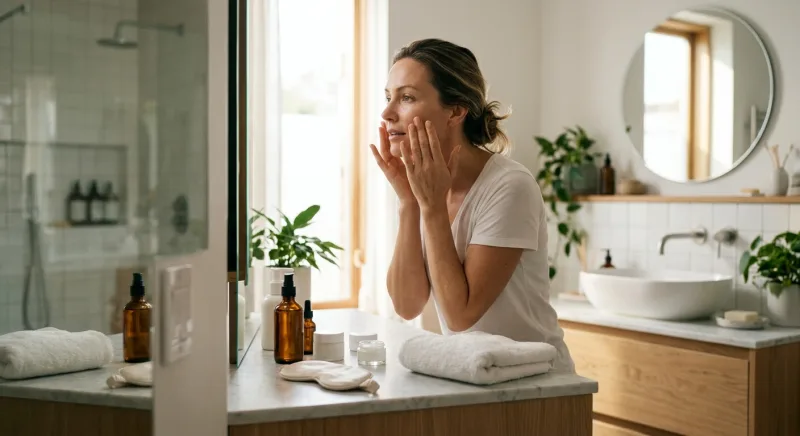
Sustainable habits matter more than dramatic changes. Building an Anti Aging Skincare routine gradually allows skin to adjust without setbacks. Small, consistent steps tend to outperform aggressive routines that are abandoned after a few weeks of irritation.
Tracking progress with photos every few weeks can help set realistic expectations. Visible changes from anti aging skincare often appear gradually, not overnight, and patience is part of what makes long-term results possible.
Lifestyle habits that support anti aging skincare
Topical products are only one part of the picture. Sleep, diet, hydration, and stress levels all influence how skin ages. Pairing good habits with a solid anti aging skincare routine often produces better results than products alone.
Poor sleep can increase stress hormones that break down collagen over time. Prioritizing consistent, quality sleep supports the skin’s natural repair processes overnight, working alongside night creams and serums rather than against them.
Diet also plays a supporting role. Diets rich in antioxidants, healthy fats, and adequate protein may help maintain skin elasticity. Staying hydrated throughout the day complements topical hydration from serums and moisturizers used in an anti aging skincare routine.
Chronic stress can also show up on skin as dullness or increased sensitivity. Managing stress through exercise, mindfulness, or simply adequate rest may indirectly support the goals of any anti aging skincare plan.
When to consider professional treatments
At-home routines have limits. When over-the-counter products no longer deliver noticeable change, professional treatments may offer a next step. These options often work well alongside an existing anti aging skincare routine rather than replacing it entirely.
- Chemical peels for deeper exfoliation
- Microneedling to stimulate collagen production
- Laser treatments for texture and tone
- Injectables for deeper static wrinkles
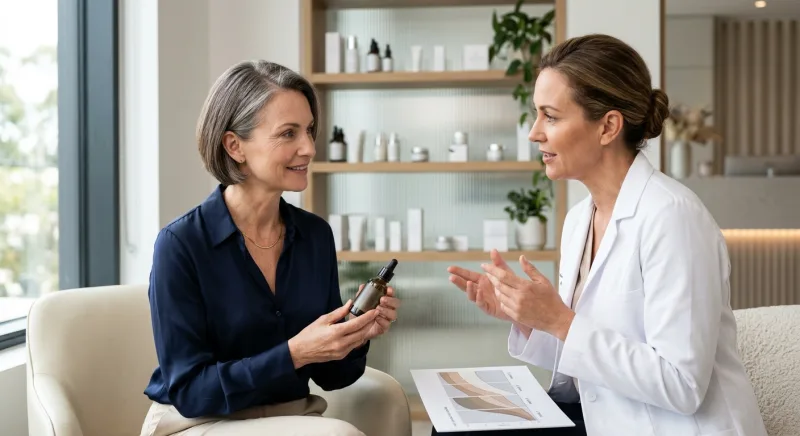
Consulting a licensed dermatologist before starting any in-office treatment is strongly recommended. They can assess skin condition and recommend options compatible with an existing anti aging skincare routine, minimizing the risk of over-treating sensitive skin.
Cost and downtime vary widely between treatments. Some, like light peels, require little recovery time, while others, like ablative lasers, may need days of healing. Balancing lifestyle and budget helps determine which professional option fits alongside daily anti aging skincare habits.
Common Mistakes to Avoid
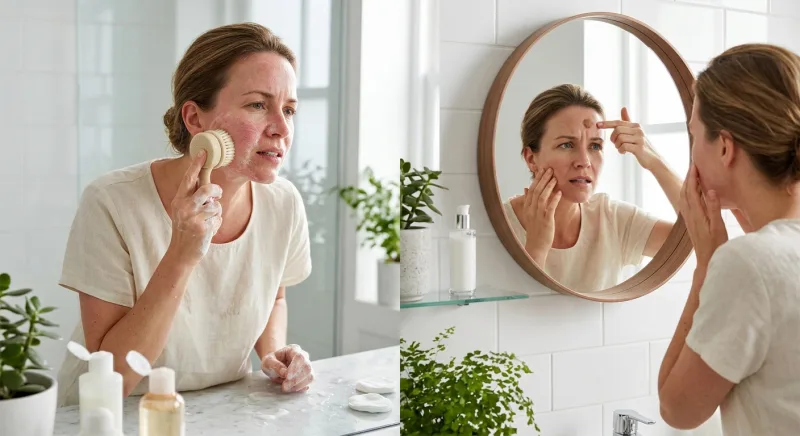
Even a well-intentioned anti aging skincare routine can fall short when basic mistakes go unnoticed. Recognizing these pitfalls early helps protect both time and money spent on products.
- Skipping sunscreen on cloudy or indoor days
- Layering too many active ingredients at once
- Expecting overnight results from slow-acting ingredients
- Ignoring patch tests before trying new products
- Using expired or improperly stored formulas
Overloading skin with retinoids, acids, and vitamin C simultaneously often backfires. Introducing one active ingredient at a time allows skin to adjust and makes it easier to identify what triggers sensitivity within an anti aging skincare plan.
Building a Sustainable Long-Term Routine
Consistency matters more than complexity. A sustainable anti aging skincare routine focuses on a handful of proven ingredients used correctly rather than constantly switching products in search of faster results.
Tracking skin changes over several months, rather than days, offers a realistic view of progress. Photos taken in consistent lighting can reveal subtle improvements that daily mirror checks often miss.
Adjusting routines seasonally also supports long-term skin health. Cooler months may call for richer moisturizers, while warmer months often benefit from lighter formulas paired with diligent sun protection.
Market context
prevalence of actinic keratosis (a UV/photoaging-related skin lesion) by age group — Epidemiological studies show actinic keratosis prevalence ranges from about 10% in Caucasians aged 20-29 to 80% in those aged 60-69, reflecting cumulative UV skin damage. PMC (NIH), 2013
FDA water-resistance SPF testing methodology for sunscreen drug products — Under FDA’s sunscreen labeling and effectiveness testing rule, the water-resistance SPF test method results in an SPF value that reflects protection retained after 80 minutes of water immersion. U.S. Food and Drug Administration, n/a
Adjacent-market figures — each names the subject it measures, not Anti Aging Skincare directly.
Read the complete guide: How to Build a Skincare Routine That Actually Works in 2026
Frequently Asked Questions
What age should someone start Anti Aging Skincare?
Many dermatologists suggest starting preventive Anti Aging Skincare in the mid-to-late twenties, when collagen production begins to slow. Early habits like daily sunscreen and gentle cleansing help delay visible signs of aging and support healthier skin over time.
How long does it take to see results?
Most visible improvements from a consistent routine take several weeks to a few months to appear. Ingredients like retinoids and peptides work gradually, so patience and regular use are essential for noticeable, lasting changes in skin texture and tone.
Can Anti Aging Skincare products cause irritation?
Yes, certain active ingredients such as retinoids and exfoliating acids can cause redness or peeling, especially when introduced too quickly. Patch testing new products and gradually increasing frequency helps minimize irritation while still gaining the benefits these ingredients offer.
Is sunscreen really necessary every day?
Sunscreen is considered one of the most important steps in any routine. Daily use, even indoors or on cloudy days, protects against UV exposure that accelerates fine lines, dark spots, and loss of skin elasticity over time.
Do natural ingredients work as well as synthetic ones?
Some natural ingredients offer antioxidant or soothing benefits, but they may lack the concentrated potency of clinically tested synthetic compounds. Combining both approaches often provides balanced results while allowing flexibility based on personal skin sensitivity and preference.
Should men and women follow different routines?
Skin structure differs slightly between men and women, but core principles remain similar. Cleansing, moisturizing, and sun protection benefit everyone. Adjustments in texture or fragrance preferences may vary, but effective ingredients work across most skin types regardless of gender.
When is it worth seeing a professional for treatments?
Professional treatments become worth considering when at-home products no longer deliver visible improvement, or when deeper wrinkles, sagging, or pigmentation appear. A dermatologist can recommend options that complement an existing routine safely and effectively.
Key statistics
- In a two-year randomized trial, tretinoin 0.05% led to significantly more subjects showing improvement in fine facial wrinkling compared with a vehicle control. (Journal of Clinical and Aesthetic Dermatology (JCAD), 2021)
Expert insights
For over-the counter products, there’s no standard requirement that the percentage of retinol be disclosed on the label or packaging
Dr. Chapas, Not specified beyond ‘Dr.’ in source excerpt
References
- Retinoids speed up skin cell turnover, boost collagen, and reduce fine lines and wrinkles. — American Academy of Dermatology (AAD) (Professional medical association representing board-certified dermatologists)
- Retinol is available over-the-counter at doses up to 2%, while higher-strength retinoid creams require a dermatologist’s prescription. — American Academy of Dermatology (AAD) (Professional medical association representing board-certified dermatologists)
- Sun and tanning-bed UV exposure is a major driver of premature skin aging, including wrinkles and age spots, alongside risk of skin cancer. — American Academy of Dermatology (AAD) (Professional medical association representing board-certified dermatologists)
- While total hyaluronic acid in the dermis stays fairly stable with intrinsic aging, epidermal hyaluronic acid levels decline markedly. — PMC (National Institutes of Health) (Peer-reviewed review article indexed by NIH’s PubMed Central)
Key statistics
- The U.S. anti-aging skincare market is projected to reach $23.11 billion in 2026 (Financial Reader, 2026)
- The anti-aging skincare sector is expanding at a compound annual growth rate of nearly 7% (Financial Reader, 2026)
- The U.S. anti-aging skincare sector reached $8.4 billion recently, with the global market on track to hit $95.8 billion by 2030 (Financial Reader, 2026)
