
Skincare routine
Cleansing Oils 101: How to Use Them, Choose One, and Prep Skin for Hair Removal
Last updated: November 3, 2026
Cleansing oils are makeup-and-sunscreen-dissolving cleansers that use oil’s own chemistry to lift away oil-based grime without stripping skin. Cleansing oils work by attracting the oils in your makeup, sunscreen, and sebum, so they float free when you rinse.
Most skin types can use cleansing oils, including oily and acne-prone skin, if the formula is light and non-clogging.
What Is a Cleansing Oil, and How Does It Actually Work?
A cleansing oil is a facial cleanser made mostly of oil, designed to melt away makeup, sunscreen, and the natural oil your skin makes. Cleansing oils are built on a simple idea: oil binds to oil.
That means grime built from oil-based ingredients lifts away more easily than with water alone.
The science of ‘like dissolves like’
Chemists sum this up as “like dissolves like.” Oil-based stuff (makeup color, waterproof sunscreen, extra skin oil) mixes more easily with other oils than with water. Cleansing oils use this trait, coating grime so it lifts off skin.
Then, once you add water, the mix turns into a milky rinse that carries it all away.
This is why cleansing oils are often the first step for anyone wearing makeup or sunscreen daily. A water-based face wash alone often can’t fully break down these products, leaving residue behind.
Cleansing oil vs. cleansing balm vs. micellar water
Cleansing oils, cleansing balms, and Micellar Water (a no-rinse cleanser made of tiny oil droplets suspended in soft water) all aim to remove makeup, but they work in different forms. A cleansing balm starts solid and melts into oil on contact with warm hands.
Cleansing oils start as a liquid or light gel from the first touch.
Micellar water skips the oil step and uses tiny cleansing particles floating in water instead. It needs no rinsing, but it can leave more residue behind on heavy makeup days than a cleansing oil does. None of these three is strictly “better” — they suit different routines and skin needs.

How to Use a Cleansing Oil Correctly (Step-by-Step)
Using a cleansing oil the right way starts with dry hands and dry skin, not wet skin. This single detail trips up more people than any other step, and it changes how well the product performs.
Applying to dry skin first
Cleansing oils are made to glide over dry skin and dissolve makeup before any water gets involved. Adding water too soon sets off early mixing (the point where oil and water blend into a milky texture), which weakens the oil’s grip on stubborn products like waterproof mascara.
Emulsifying with water
Once you’ve massaged the cleansing oil over dry skin for a stretch, add small splashes of water and keep massaging. You’ll see the texture turn milky. This is emulsification happening, and it signals the oil is ready to rinse cleanly instead of leaving a greasy film.
Rinsing and follow-up cleanse
Rinse with lukewarm water until skin feels clean, not tight or raw. Many people follow with a gentle second wash to remove any last trace, especially after heavy makeup or sunscreen. This two-step method is often called double cleansing, covered in more depth below.
- Start with completely dry hands and a dry face
- Pump or pour the cleansing oil into your palm
- Massage in circular motions for about one to two minutes
- Add a small splash of water and keep massaging until milky
- Rinse thoroughly with lukewarm water
- Follow with a gentle water-based cleanser if needed
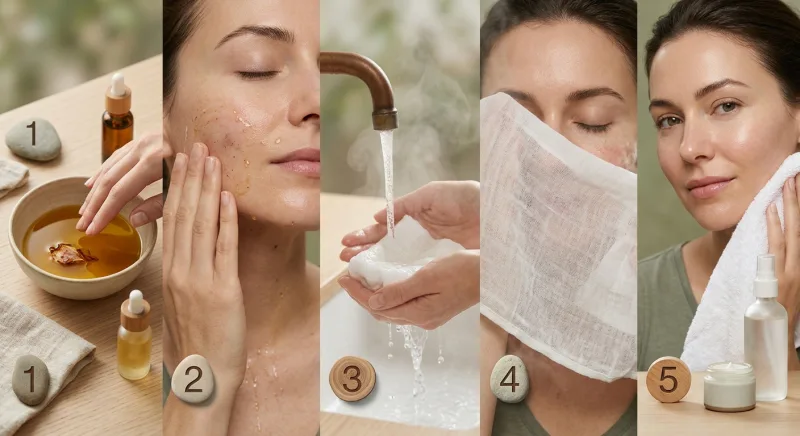
Common mistakes include applying cleansing oil to wet skin, rushing the massage step, and rinsing before the formula turns milky. Skipping the massage time is the biggest reason people feel cleansing oils leave a film behind.
Is Double-Cleansing Necessary When Using a Cleansing Oil?
Double cleansing is not always necessary when using a cleansing oil, but it helps on heavier makeup or sunscreen days. The method pairs an oil-based first cleanse with a water-based second cleanse to fully clear skin.
If you wore full-coverage makeup, waterproof sunscreen, or spent the day in a dirty city, washing a second time helps clear off any leftover trace the cleansing oil loosened but didn’t fully rinse away. Cleansing oils do the heavy lifting, but a follow-up wash finishes the job.
On bare-skin days, or when you only wore light tinted moisturizer, one round of cleansing oil is usually enough. Forcing a second cleanse every single day can leave dry or sensitive skin feeling stripped over time.
Think of double cleansing as a tool for heavier days, not a fixed rule. Let your makeup and sunscreen use guide the decision, rather than following a strict routine every night regardless of need.
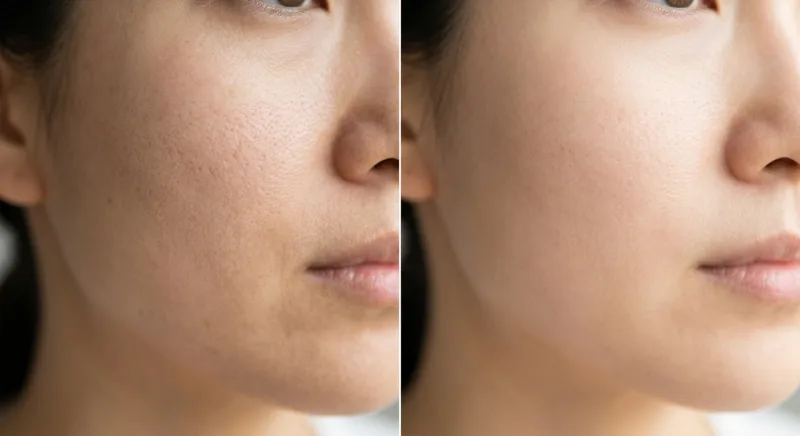
Choosing a Cleansing Oil for Your Skin Type
Choosing a cleansing oil comes down to matching texture and ingredients to your skin’s needs. Not every formula suits every face, and picking the wrong one can leave skin greasy, tight, or reactive.
Oily and acne-prone skin
Look for light cleansing oils built on ingredients like Jojoba Oil (a plant extract that is a lot like skin’s own natural oil and sinks in without feeling greasy). These mixes rinse clean and rarely leave behind a trace that can help clog pores.
Dry and sensitive skin
Richer, fragrance-free cleansing oils work better for dry or reactive skin. Look for simple ingredient lists and added plant oils that support the skin barrier, rather than formulas packed with fragrance or drying alcohols.
Mature skin
Older skin often does well with cleansing oils with added antioxidants or nourishing plant extracts, since these skin types tend to run drier. A gentle mix avoids over-cleansing, which can bring out fine lines and dryness.
Combination skin
Combination skin does well with a balanced, medium-weight cleansing oil that isn’t too rich for the oily zones or too thin for drier patches. Sunflower Oil (a light plant oil rich in vitamin E that suits most skin types) is a common pick for this middle ground.
| Skin Type | Best Texture | Ingredients to Look For |
|---|---|---|
| Oily / acne-prone | Lightweight, fast-rinsing | Jojoba oil, squalane, non-comedogenic blends |
| Dry / sensitive | Rich, cushioning | Fragrance-free, ceramide-supporting oils |
| Mature | Nourishing, gentle | Antioxidant-rich plant oils, vitamin E |
| Combination | Medium-weight, balanced | Sunflower oil, lightweight botanical blends |

Can Cleansing Oils Clog Pores? Separating Myth From Fact
Cleansing oils rarely clog pores when they’re formulated correctly and rinsed off fully. The myth that all oils cause breakouts comes from confusing leave-on oils with rinse-off cleansing oils, which behave very differently on skin.
Comedogenic ratings explained
The Comedogenic Scale (a rating system that ranks how likely an ingredient is to clog pores, from zero to five) helps guide ingredient choices. Lower-rated oils are less likely to cause breakouts, while higher-rated ones carry more risk for skin prone to acne.
Because cleansing oils are rinsed off rather than left on skin, they touch skin for much less time than a leave-on oil or lotion. This shorter contact time is part of why many skin doctors see well-made cleansing oils as generally safe for acne-prone skin.
Oils to watch for if you’re acne-prone
Coconut oil and other heavy, high-comedogenic oils are worth watching if you break out easily, especially in leave-on products. In a rinse-off cleansing oil, the risk drops, but it’s still smart to test any new mix on your jawline first.
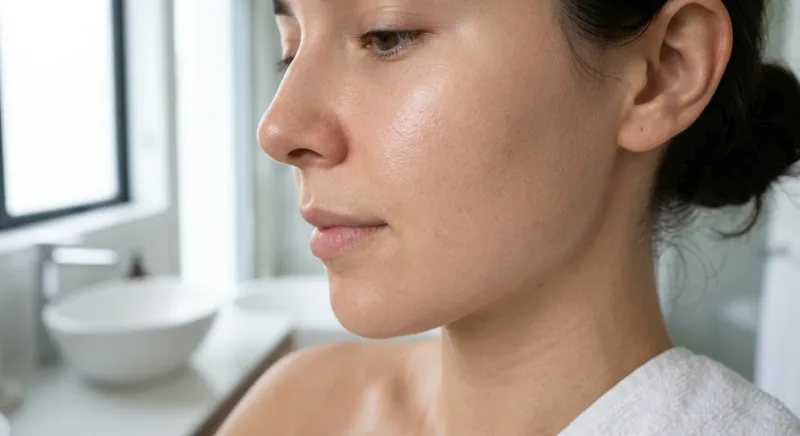
Cleansing Oils and the Rest of Your Grooming Routine
Cleansing oils do more than clear makeup — they also prep skin for the rest of your grooming routine. Clean, residue-free skin performs better with every device that follows, from razors to laser handsets.
Why clean, prepped skin matters before hair removal
Leftover makeup, sunscreen, or sebum can sit between skin and a hair removal device, reducing contact and comfort. Cleansing oils clear that layer first, giving tools a clean surface to work against. This matters most for treatments that rely on close, direct skin contact.
How oil cleansing fits before IPL, epilating, or trimming
Before using Intense Pulsed Light (a light-based hair reduction tool that targets color in the hair root) devices, skin should be clean, dry, and free of any product, including any leftover cleansing oil residue.
The same clean-skin rule applies before epilating or trimming, since oily or coated skin can affect grip and glide.
A simple routine works well: cleanse thoroughly, rinse until skin feels clean rather than filmy, then let skin dry fully before starting hair removal.
Bellxi‘s range of grooming and hair removal devices, including painless Intense Pulsed Light handsets, trimmers, and epilators, is designed to work across every skin type once skin is properly prepped. Every order ships within 24 hours, backed by a 30-day risk-free guarantee.

DIY Oil Cleansing: Is Using Plain Oils (Like Olive or Jojoba) a Good Idea?
Plain kitchen oils can work for oil cleansing, but they come with tradeoffs compared with made cleansing oils. Olive oil, jojoba oil, and similar single-ingredient oils dissolve makeup using the same “like dissolves like” rule, just without added mixing agents.
Pros of single-ingredient oils
Single-ingredient oils are cheap, simple, and easy to find in most kitchens. They have no added scent or preservatives, which can appeal to people with very reactive or sensitive skin who want short ingredient lists.
Risks and limitations
Plain oils lack the emulsifiers that help formulated cleansing oils rinse cleanly with water. Without that ingredient, a plain oil can leave a greasy film behind, and some kitchen oils rank higher on the comedogenic scale, raising breakout risk for some skin types.
A simple framework helps here: if your goal is a minimal, low-cost routine and you have resilient skin, plain oils can work. If you want a cleaner rinse, added actives, or you have acne-prone or reactive skin, a formulated cleansing oil is the safer choice.

How Often Should You Oil Cleanse?
Most people gain from oil cleansing once a day, often at night to remove makeup, sunscreen, and grime from the day. Morning cleansing can use a milder, non-oil cleanser instead, since skin usually hasn’t built up much grime overnight.
Makeup-wearers tend to gain the most from using cleansing oil each night, since it’s the most sure way to fully dissolve foundation, sunscreen, and long-wear products. Non-makeup-wearers might only need cleansing oils a few times a week, depending on skin type and how much oil builds up.

Comparing Cleansing Oil Options: What to Look For
When comparing cleansing oil products, look at clear ingredient lists, texture, and how well a formula rinses off with no residue, rather than just brand name.
Bellxi is a women’s grooming and hair removal platform, not a skincare brand, so the table below gives general comparison points rather than product-specific claims.
| Criteria | What to Check | Why It Matters |
|---|---|---|
| Ingredient list | Presence of fragrance, comedogenic oils, emulsifiers | Affects breakout risk and rinse quality |
| Texture | Lightweight vs. rich oil consistency | Matches product to skin type |
| Rinse-off quality | Whether it emulsifies fully with water | Determines residue left behind |
| Fragrance | Fragranced vs. fragrance-free | Relevant for sensitive skin |
| Price point | Not published | Varies by brand and size |

Cleansing Oils, Skin Prep, and Choosing the Right Grooming Devices
Cleansing oils are just one part of a full grooming routine that also includes hair removal tools suited to your skin.
Bellxi stocks the complete range of modern hair removal and grooming tech, from painless Intense Pulsed Light handsets to precision trimmers and epilators, so every skin type has a fitting option.
| Device Type | Best For | Skin Prep Needed |
|---|---|---|
| Intense Pulsed Light handset | Long-term hair reduction | Clean, dry, product-free skin |
| Epilator | Weeks of smoothness | Clean, exfoliated, dry skin |
| Trimmer | Quick shaping and upkeep | Clean, dry skin |
Since every skin type reacts differently to hair removal, pairing the right cleansing oil routine with the right device matters. Bellxi ships every order within 24 hours and backs devices with a 30-day risk-free guarantee, so trying a new routine carries little risk.

Read the complete guide: How to Build a Skincare Routine That Actually Works in 2026
Frequently Asked Questions About Cleansing Oils
Can I use a cleansing oil if I have oily or acne-prone skin?
Yes, light cleansing oils can suit oily and acne-prone skin well. They dissolve extra oil and makeup without stripping skin. Pick non-pore-clogging, fast-rinsing formulas and skip heavier, pore-clogging oils to keep breakout risk low.
Do I need to double-cleanse every time I use a cleansing oil?
Not always. Double cleansing helps most on heavy makeup, sunscreen, or high-pollution days. On bare-skin or light-makeup days, one round of cleansing oil is usually enough to leave skin clean without over-stripping it.
What’s the difference between a cleansing oil and a cleansing balm?
Cleansing oils are liquid or gel from the start, while cleansing balms are solid until warmed by hands, turning into oil. Both work similarly once massaged and rinsed, so the choice often comes down to texture preference.
Can plain kitchen oils like olive oil be used for oil cleansing?
Yes, but with tradeoffs. Plain oils lack emulsifiers, so they can leave a greasy residue. Formulated cleansing oils are often designed to rinse cleaner. Patch-test any plain oil first, since some rank higher for clogging pores.
How long should I massage a cleansing oil before rinsing?
About one to two minutes of massage on dry skin gives the cleansing oil time to dissolve makeup and sunscreen. Rushing this step is a common reason people feel cleansing oils leave residue behind.
Should I cleanse before or after hair removal treatments like IPL or epilating?
Cleanse before, not after. Clean, dry, product-free skin gives hair removal devices better contact and glide. Using a cleansing oil beforehand, then rinsing fully and drying skin, is a smart step in prepping for any hair removal session.
Do cleansing oils work for waterproof makeup and sunscreen?
Yes, this is one of the main reasons people choose cleansing oils. Waterproof and long-wear formulas resist water-based cleansers, but oil-based ingredients break them down better, especially with a full one-to-two-minute rub before rinsing.
Cleansing oils remain one of the simplest ways to fully clear skin at the end of the day, whether you wear heavy makeup or none at all. Used correctly, on dry skin and fully emulsified before rinsing, cleansing oils suit nearly every skin type, including oily and sensitive skin.
Pair cleansing oils with a matching hair removal and grooming routine, and clean, prepped skin becomes the foundation for smoother results across your whole beauty routine.
