
Skincare routine
Cleansing Balms 101: How They Work and How to Use Them Right
Last updated: November 5, 2026
Cleansing balms are solid-to-oil facial cleansers that melt on contact with warm skin. They break down makeup, sunscreen, and daily grime fast. You massage the balm in dry, then rinse or wipe it away with water.
Most people use cleansing balms as the first step in a double cleanse, followed by a gentle face wash.
Cleansing balms have become a staple step for anyone who wears makeup, sunscreen, or both. They feel more like a treat than a chore. This guide explains how cleansing balms work, how to use them the right way, and how they fit into your wider beauty routine.
We’ll also cover a topic most beauty guides skip: how cleansing balms affect the skin prep steps before shaving, epilating, or using an IPL laser device at home. Clean, residue-free skin matters more than most people think.
What Is a Cleansing Balm and How Does It Work?
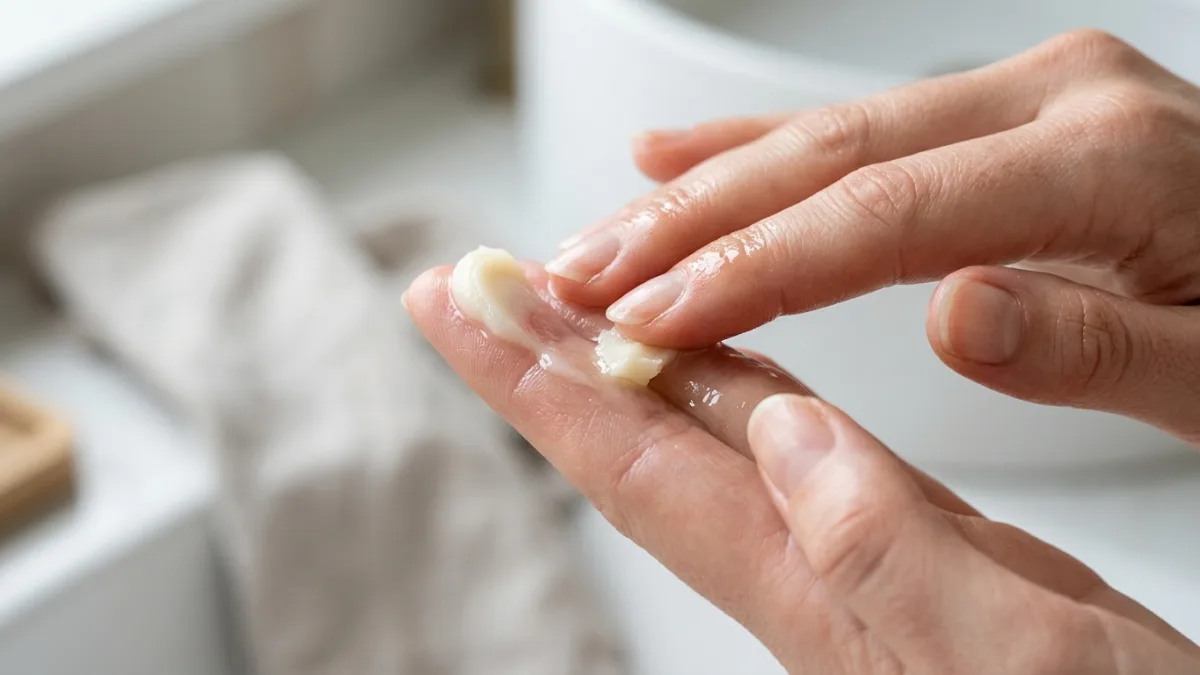
A cleansing balm is a solid or semi-solid cleanser that turns into an oil once it warms up on your skin. It’s built on oils and waxes that stay firm in the jar but melt fast under your fingertips.
That melt is what makes cleansing balms so good at lifting off makeup and sunscreen.
The idea behind cleansing balms is simple: oil dissolves oil. Most makeup, waterproof mascara, and sunscreen are built to resist water. Water-based face washes alone often can’t break them down. Cleansing balms solve this by matching oil with oil, then rinsing the whole mix away.
The Science of Oil-Based Cleansing
Oil-based cleansing works on a basic chemistry rule: like dissolves like. Sunscreen filters, silicone primers, and long-wear makeup are oil-loving by design, so they resist plain water. Cleansing balms use plant oils and emollients to surround and lift these residues off the skin’s surface.
Once you add water and start rubbing, the balm turns milky. This is emulsification — the point where oil and water blend so everything rinses off cleanly. Without this step, cleansing balms can leave a greasy film behind.
Cleansing Balm vs. Cleansing Oil vs. Micellar Water
Cleansing balms, cleansing oils, and micellar water all remove makeup, but they aren’t the same product. Cleansing balms are solid or semi-solid and scoop from a jar or stick. Cleansing oils are liquid and pour or pump out. Micellar water uses tiny cleansing particles suspended in water, no oil needed.
Texture aside, cleansing balms and cleansing oils work in a similar way, since both rely on oil to dissolve oil-based residue. Micellar water is gentler but often less effective on heavy or waterproof makeup. Many people keep more than one type on hand, depending on the day.
- Cleansing balm: solid-to-oil texture, scooped from a jar or twisted from a stick
- Cleansing oil: liquid texture, poured or pumped into hands
- Micellar water: water-based, applied with a cotton pad, no rinsing required
Why Add a Cleansing Balm to Your Routine?
Cleansing balms earn their spot in a routine because they remove stubborn residue without harsh scrubbing. They handle makeup, sunscreen, and pollution buildup in one step. Many people also find cleansing balms feel gentler on skin than foaming cleansers, since they don’t strip natural oils the same way.

Makeup and SPF Removal Benefits
Cleansing balms shine at breaking down makeup and sunscreen because both are formulated to last through sweat and water. A splash of water alone rarely clears them fully. Cleansing balms melt into these layers, loosen them, and let you wipe or rinse everything away in one pass.
This matters most for waterproof mascara, long-wear foundation, and mineral or chemical sunscreen. Leftover sunscreen can clog pores or sit on skin overnight if it’s not fully removed. Cleansing balms make that first pass more thorough than a quick face wash on its own.
Skin Barrier and Hydration Considerations
Your skin barrier is the outer layer that keeps moisture in and irritants out. Harsh, foaming cleansers can strip this layer over time, leaving skin tight or reactive. Cleansing balms tend to cleanse without that stripped feeling, since their oil base doesn’t rely on strong detergents.
Oil-based cleansers tend to lift makeup and buildup gently, without stripping the skin the way some foaming formulas can. That gentler approach helps maintain a smoother surface for whatever comes next in your routine, including hair removal.
Choosing a cleansing balm suited to your skin type still matters. A rich, heavy balm on very oily skin might feel like too much. A lightweight, oil-light balm on dry skin might not feel like enough. Matching the formula to your skin helps protect the barrier long-term.

How Do You Use a Cleansing Balm Correctly?
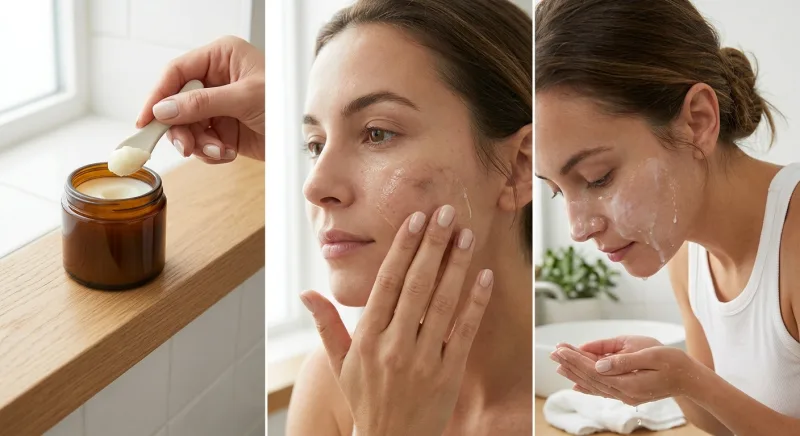
You use a cleansing balm by warming it between dry hands, massaging it over dry skin, then adding water to emulsify before rinsing. This order matters. Skipping the dry-hands step or adding water too soon can make cleansing balms feel less effective and harder to rinse clean.
Step-by-Step Application
Here’s the order that gets the best results from cleansing balms, based on how the formula is built to work.
- Start with completely dry hands and a dry face — water too early slows the melt.
- Scoop a small amount and warm it between your palms for a few seconds.
- Massage the balm over your face in circular motions for about a minute.
- Focus extra time on eye makeup, SPF-heavy areas, and the hairline.
- Add a splash of water and keep massaging until the balm turns milky.
- Rinse fully with warm water or wipe away with a soft, damp washcloth.
- Follow with a second, water-based cleanser to finish the double cleanse.
Common Mistakes to Avoid
The biggest mistake with cleansing balms is adding water too early, before the balm has fully melted and started lifting makeup. Another common error is rushing the massage step. Cleansing balms need friction and time on skin to properly dissolve stubborn residue like sunscreen.
Some people also skip the second cleanse entirely, assuming the balm did all the work. That can leave a light oily film behind, especially for those with oilier skin types.
How Cleansing Balms Fit Into a Double Cleanse
A double cleanse means washing your face twice, using two different cleanser types back to back. Cleansing balms handle the first pass, targeting oil-based buildup like makeup and sunscreen. A gentle, water-based cleanser handles the second pass, clearing sweat, dirt, and any leftover residue.
This two-step method is popular because no single cleanser handles every kind of buildup well. Cleansing balms and water-based washes cover different jobs. Together, they leave skin fully clean without over-scrubbing or over-stripping in one single step.
Cleansing Balms vs. Cleansing Oils
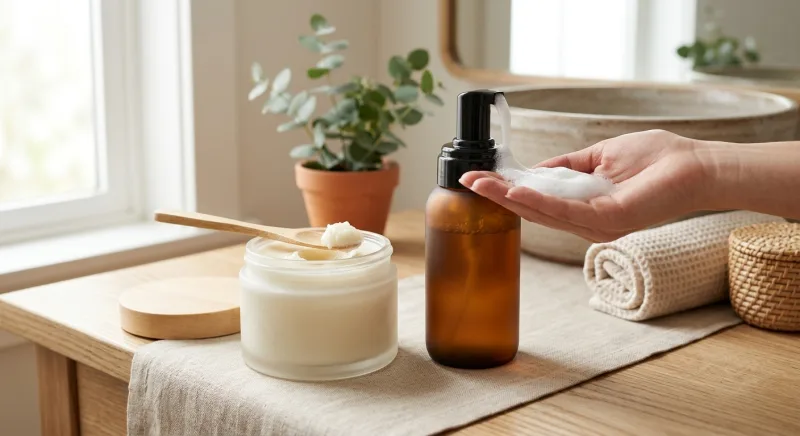
Cleansing balms and cleansing oils share a similar purpose, but they feel and behave differently. Balms start solid and melt on contact with warm skin. Oils are already liquid, so they spread faster but can feel slippery for beginners.
Cleansing balms tend to hold richer textures, often blending waxes, butters, and oils together. This gives them a thicker, more cushioned feel during massage. Oils are lighter and absorb makeup quickly but may drip if the bottle isn’t controlled well.
| Feature | Cleansing Balms | Cleansing Oils |
|---|---|---|
| Texture | Solid, melts on skin | Liquid from the start |
| Application | Scoop with fingers or spatula | Pump or pour into palms |
| Mess Level | Low, stays contained in jar | Higher, can drip or spill |
| Best For | Dry or sensitive skin types | Oily or combination skin types |
| Travel Friendliness | Jar format, less spill risk | Bottle format, spill risk if not sealed |
Neither format is strictly better. Cleansing balms suit people who want a slower, more controlled ritual. Cleansing oils suit people who want speed and a lighter finish. Trying both helps identify which texture fits daily routines best.
Cleansing Balms vs. Micellar Water
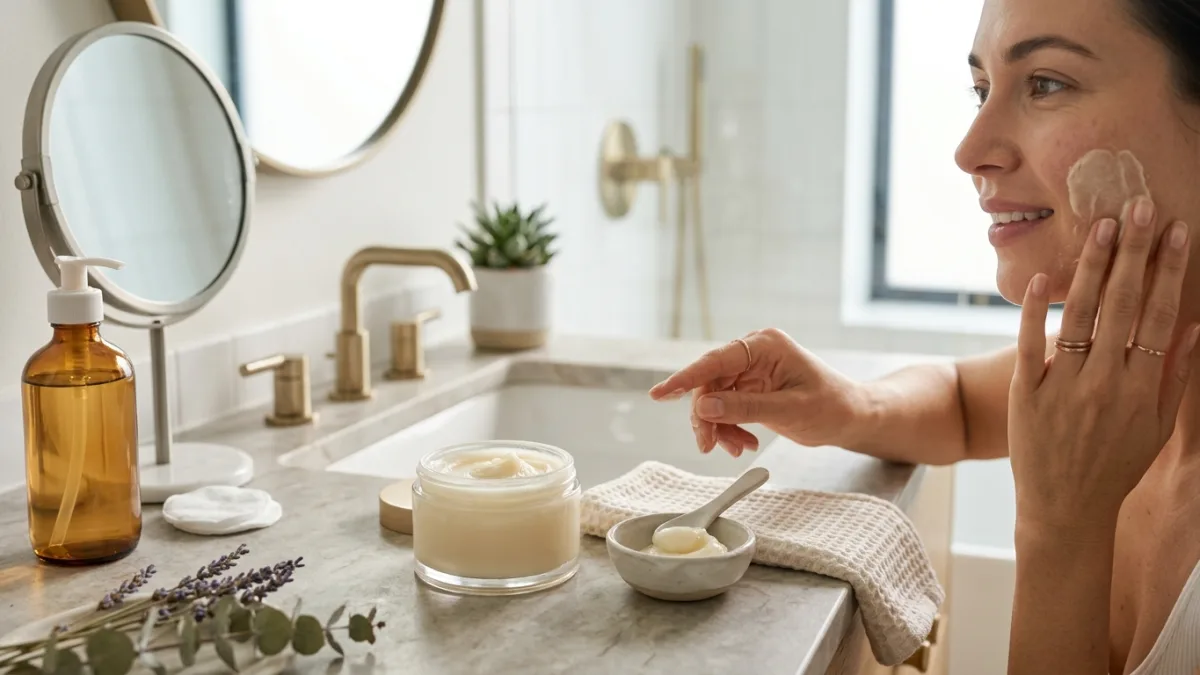
Micellar water is another common first-cleanse option, especially for quick removal or travel days. It uses tiny micelle molecules suspended in water to lift dirt and light makeup without rinsing. Cleansing balms work through oils instead of water-based micelles.
Micellar water is faster and requires no rinsing step, which makes it convenient for tired evenings. However, it struggles with heavier makeup or waterproof formulas. Cleansing balms handle stubborn products more thoroughly because they dissolve oils directly.
| Feature | Cleansing Balms | Micellar Water |
|---|---|---|
| Removal Power | Strong on heavy makeup and SPF | Moderate, weaker on waterproof formulas |
| Rinsing Required | Yes, rinse after massage | No, wipe off with cotton pad |
| Time Needed | Slightly longer, includes massage | Very quick, no water needed |
| Skin Feel After | Soft, slightly cushioned | Can feel slightly tight or dry |
| Best Use Case | Full makeup removal at night | Quick refresh or travel days |
Some people keep both on hand. Micellar water works for lighter days or quick fixes. Cleansing balms come out when makeup, sunscreen, or pollution buildup needs a deeper, more complete first cleanse before the second wash.
Cleansing Balms vs. Traditional Cream Cleansers
Cream cleansers are another gentle option, often marketed toward dry or sensitive skin. They share some similarities with cleansing balms but differ in texture and how they transform during use. Cream cleansers usually stay creamy throughout the wash.
Cleansing balms shift from solid to oil to a milky rinse when water is added. Cream cleansers don’t go through this same transformation. They rely more on emollients and less on the oil-to-milk melting process balms are known for.
| Feature | Cleansing Balms | Cream Cleansers |
|---|---|---|
| Texture Change | Solid to oil to milky rinse | Stays creamy from start to finish |
| Makeup Removal | Very strong, dissolves oil-based products | Moderate, better for light makeup days |
| Rinse Feel | Light film, easily rinsed with water | Slightly heavier residue possible |
| Skin Type Fit | Dry, sensitive, combination skin | Dry and sensitive skin mainly |
| Double Cleanse Role | First step, oil-based removal | Often used as a single-step cleanse |
Cream cleansers can work well as a single daily wash for people who don’t wear heavy makeup or sunscreen. Cleansing balms fit better into routines that need thorough oil removal before a second, water-based cleansing step.
Choosing Between Formats Based on Skin Type
Skin type plays a big role in deciding which cleansing format feels best. Dry and sensitive skin usually responds well to cleansing balms, since the oils cushion the skin instead of stripping it during removal.
Oily and acne-prone skin can also use cleansing balms, though ingredient choice matters more here. Lighter, non-comedogenic oils in a balm formula help avoid clogged pores while still removing sunscreen and makeup thoroughly.
Combination skin often benefits from balms too, especially when paired with a gentle second cleanser. The balm handles oil-based buildup evenly across the face, regardless of which zones run oilier or drier.
How to Apply Cleansing Balms Correctly

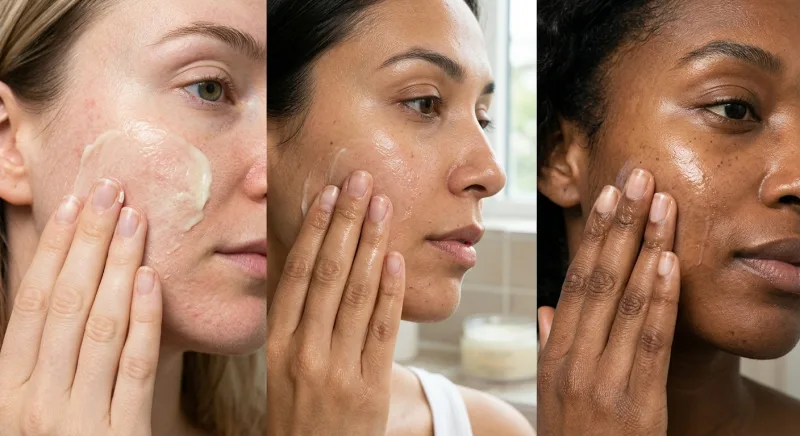
Getting the technique right makes a noticeable difference in results. Start with completely dry hands and a dry face. Scoop a small amount of the balm using fingertips or the included spatula tool.
Warm the product between palms first, then massage it across the face in gentle circular motions. Focus on areas with heavier makeup or sunscreen, like the eyes, nose, and hairline, for about thirty seconds.
Add a small splash of water to emulsify the balm into a milky texture. Continue massaging briefly, then rinse thoroughly with lukewarm water until no oily residue remains on the skin’s surface.
Follow immediately with a gentle, water-based cleanser to complete the double cleanse. This second step removes any leftover trace and preps the skin for toner, serum, or moisturizer application afterward.
Common Mistakes to Avoid
One frequent mistake is applying cleansing balms to already-wet skin. Water can prevent the balm from binding properly to oil-based residue, reducing how well it lifts makeup and sunscreen from the surface.
Another mistake is rinsing too quickly. Cleansing balms need a full emulsification step before rinsing, or they can leave behind a filmy residue that feels heavy or greasy on the skin.
- Skipping the second cleanse step in a double cleanse routine
- Using too little product, which limits makeup removal power
- Rubbing too hard instead of using gentle circular massage motions
- Choosing a heavy balm formula for very oily or acne-prone skin
- Not rinsing thoroughly, leaving a slight oily film behind
Avoiding these missteps helps cleansing balms perform as intended. Small adjustments in application and rinsing often make the biggest difference in how balanced and clean skin feels afterward.
Market context
How the broader market shapes Cleansing Balms in 2026
The figures below come from adjacent, well-documented markets. Each row names the subject it actually measures and links to its original source — these are related market indicators, not Cleansing Balms claims.
| What it measures | Figure | Source |
|---|---|---|
| Population sensitized to a cosmetic ingredient | An estimated 1–5.4% of the general population is sensitized to a cosmetic ingredient, according to a peer-reviewed dermatology study. | PMC (NCBI) – Patch Testing in Suspected Allergic Contact Dermatitis to Cosmetics, 2014 |
| Cosmetic-related adverse events reported to the FDA | On average, 396 cosmetic-related adverse events were reported to the FDA every year, based on an analysis of the FDA’s adverse event reporting system. | PMC (NCBI) – Adverse Events Reported to the US FDA for Cosmetics and Personal Care Products, 2017 |
| Number of personal care products used daily by study participants (Rutgers Health study) | A Rutgers Health study published in the Journal of Exposure Science & Environmental Epidemiology found that participants reported using an average of 14.5 personal care products daily. | Rutgers University, 2025-03-06 |
Read the complete guide: How to Build a Skincare Routine That Actually Works in 2026
Frequently Asked Questions
Can cleansing balms replace a face wash entirely?
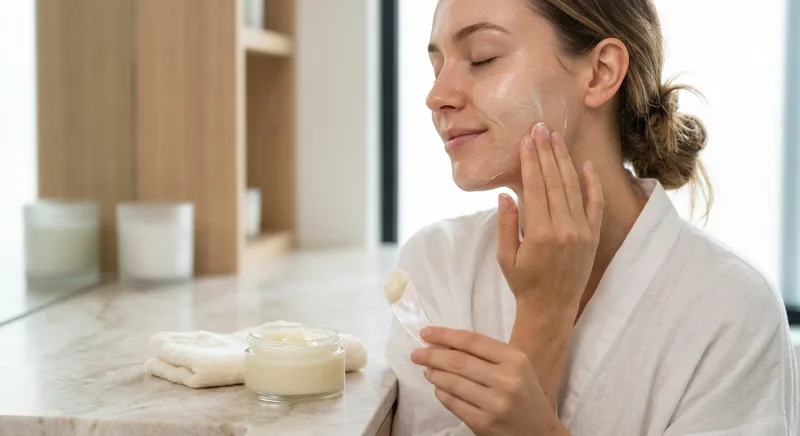
They can work alone for dry or normal skin types, especially on low-makeup days. Oily or acne-prone skin often benefits from following up with a gentle water-based cleanser. This second step removes any remaining residue and keeps pores clear without over-stripping the skin.
Are cleansing balms suitable for sensitive skin?
Many formulas are designed with soothing oils and minimal fragrance, making them gentle enough for sensitive skin. Still, it helps to check the ingredient list for potential irritants. Patch testing a new balm before regular use can prevent unexpected redness or breakouts.
How often should I use a cleansing balm?
Most people use one nightly to remove makeup, sunscreen, and daily buildup. Morning use is optional and depends on skin type. Those with drier skin may enjoy the extra hydration, while oilier skin types might prefer a lighter cleanser in the morning instead.
Do cleansing balms clog pores?
Well-formulated balms are typically non-comedogenic, meaning they shouldn’t clog pores when rinsed properly. Problems usually arise from incomplete removal or leftover residue. Following with a water-based cleanser and rinsing thoroughly helps prevent buildup that could contribute to breakouts over time.
What is the best way to remove a cleansing balm?
Adding a small amount of water to the face helps emulsify the balm into a milky texture. Massaging gently before rinsing with lukewarm water ensures full removal. A soft washcloth can help wipe away any remaining traces without tugging at delicate facial skin.
Can cleansing balms remove waterproof makeup?
Yes, their oil-based formulas are effective at breaking down waterproof mascara, long-wear foundation, and stubborn sunscreen. Gentle massaging around the eyes helps dissolve makeup without harsh rubbing. This makes them a popular choice for anyone wearing full coverage or waterproof products daily.
Are natural oils as effective as commercial cleansing balms?
Natural oils can remove makeup, but commercial balms often include emulsifiers that allow for easier rinsing. Without emulsifiers, oils may leave a greasy residue. Balms also tend to include additional skin-supporting ingredients, offering more targeted benefits than a single natural oil alone.
Do cleansing balms expire or lose effectiveness over time?
Like most skincare products, cleansing balms have a shelf life, usually noted on the packaging. Exposure to air, water, or heat can affect texture and potency. Storing them in a cool, dry place and using clean hands helps maintain freshness and performance for longer.
You may also be interested in: Skin Minimalism: The Simple Guide to Fewer Products, Better Skin
You may also be interested in: Moisturiser for Dry Skin: The Complete 2026 Guide to Ingredients, Texture, and Routine
