
Makeup
Best Cream Blush for Dry Skin: A Complete Buying and Application Guide
Last updated: November 3, 2026
The best cream blush for dry skin is a hydrating, buildable formula made with moisture-binding ingredients like hyaluronic acid (a molecule that pulls water into the skin’s surface and holds it there) or squalane. Apply it to moisturized skin with your fingers for seamless blending.
Skip powder-heavy or mattifying formulas, since they cling to flaky patches and highlight dryness instead of giving you a soft, dewy flush.
What Is the Best Cream Blush for Dry Skin?
The best cream blush for dry skin has a hydrating base, a soft blendable texture, and few mattifying agents. It sits on top of skin instead of soaking into dry patches.
Look for formulas that feel more like a balm than a paste, since these blend without dragging or settling into fine lines.
Dry skin needs a product that adds moisture, not one that pulls it away. A good cream blush works with your skin’s natural oils rather than fighting them. That’s what separates a flattering flush from a patchy, cakey mess by midday.
Why Cream Formulas Work Better Than Powder on Dry Skin
Cream blush, on the other hand, has a base of oils, waxes, or silicones that glide across skin. This helps the pigment sit evenly rather than clumping. The result is a more natural, skin-like finish that doesn’t sit on top of texture.
Dermatologists generally agree that formulas rich in oils and emollients help skin feel more comfortable than dry, powdery textures. That same logic applies to blush: cream formulations tend to sit better on dry skin than powder pigments.
Cream blush tends to melt into dry skin, while powder can settle into fine lines and flaky patches, making texture more visible. For dry skin, a cream formula usually blends more seamlessly and looks more natural.
Makeup artists often note that cream blush, built with oils, waxes, or silicones, glides over dry patches instead of clinging to them like powder pigments can. That smoother finish is why cream formulas are favored for dry or flaky skin.
What to Look for on the Ingredient Label
Check the first five ingredients on the label, since these make up most of the formula. Look for hydrating agents near the top of the list, not buried at the bottom. A short ingredient list with recognizable moisturizers is usually a good sign for dry, sensitive skin.
- Hyaluronic acid or sodium hyaluronate for water retention
- Squalane or plant oils for softness and slip
- Glycerin, a humectant that draws moisture from the air into skin
- Shea butter or similar emollients for a cushiony feel
- Minimal or no alcohol denat, which can dry out skin further
Choosing the best cream blush for dry skin often comes down to this label check. A formula packed with humectants and oils will almost always outperform one loaded with drying agents, no matter how nice the shade looks in the packaging.
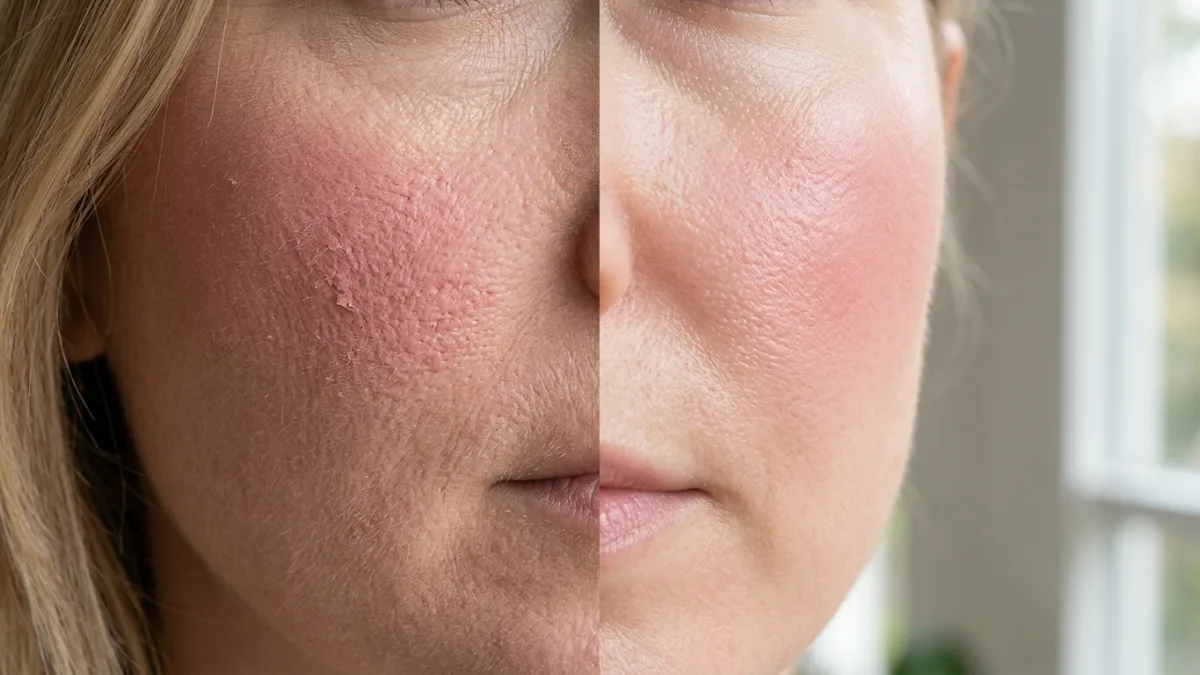
Cream Blush vs. Powder Blush: Which Is Better for Dryness?
Cream blush is better for dryness in almost every case, because it adds a layer of moisture instead of removing one. Powder blush tends to sit on the surface and can settle into flaky texture. Cream blush blends into skin and often looks more natural on parched, tight cheeks.
Dry skin is one of the most common complaints people bring to their daily beauty routine, especially as seasons change. Instead of chasing numbers, focus on what matters: choosing products and tools that support skin rather than strip it further.
Many people with dry skin naturally gravitate toward creamier textures over powders, since powders can cling to flaky patches and highlight texture. Cream-based formulas tend to blend more smoothly, making them a popular choice for dry, thirsty skin.
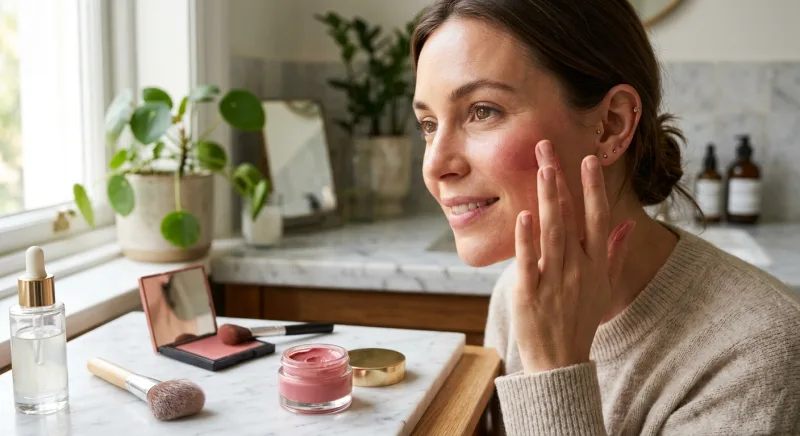
How Each Formula Behaves on Flaky or Tight Skin
Flaky skin has raised, uneven patches that catch pigment differently than smooth skin. Powder tends to cling to these raised edges, making flakes more visible under light. Cream formulas fill in those gaps slightly, which softens the appearance of texture rather than exaggerating it.
Tight, dehydrated skin also behaves differently with each formula. Powder can look chalky or uneven when applied over a dry surface. Cream blush tends to melt into skin slightly as it warms, which gives a softer, more diffused color payoff.
When Powder Still Makes Sense
Powder still makes sense for oily or combination skin types, or for layering over cream blush to set it. Some people with dry skin use a tiny bit of powder blush on top of cream for extra staying power. This works only if skin is well moisturized first.
Powder can also help in humid climates where cream products tend to slip. If you live somewhere hot and sticky, a light powder layer over cream blush can help hold the color in place longer without adding extra dryness.
| Feature | Cream Blush | Powder Blush |
|---|---|---|
| Texture on dry skin | Blends smoothly, fills fine texture | Can cling to flaky or rough patches |
| Finish | Dewy, skin-like glow | Matte to satin, less dewy |
| Longevity | Varies by formula and skin prep | Varies by formula and skin oil levels |
| Best skin type | Dry, normal, mature skin | Oily, combination skin |
| Application tools | Fingers, damp sponge | Fluffy brush |
| Layering ability | Can be set with powder on top | Harder to layer over cream |
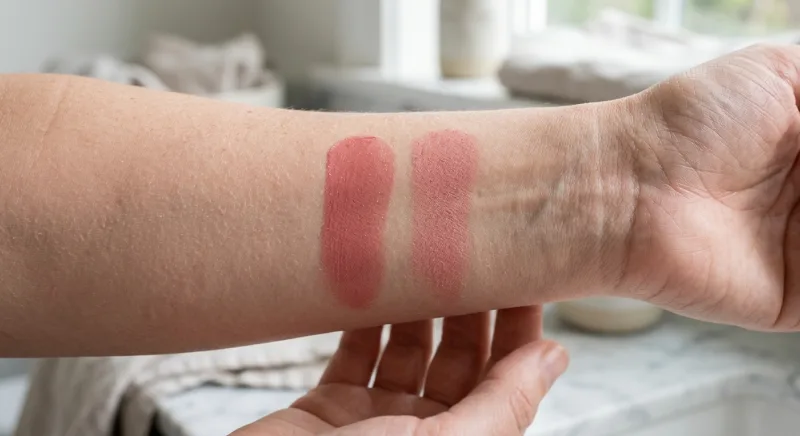
How to Apply Cream Blush on Dry Skin the Right Way
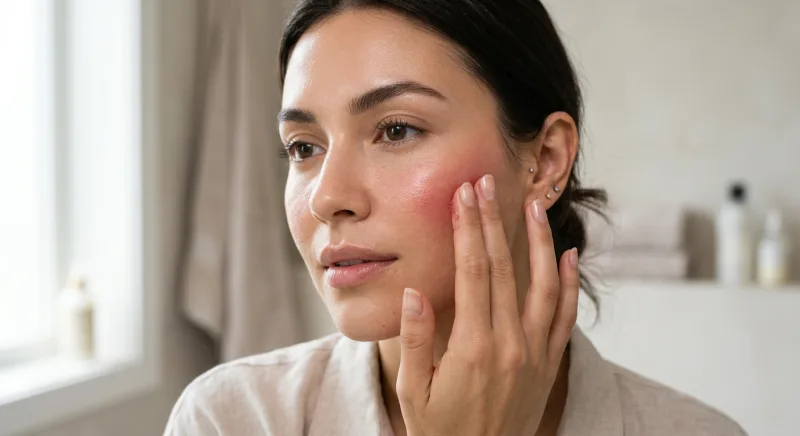
The right way to apply cream blush on dry skin starts with prepped, moisturized skin and ends with light, patting motions instead of hard rubbing. Skipping either step is the main reason cream blush looks patchy on dry cheeks. Technique matters as much as the formula itself.
Prepping Skin Before Application
Prepping skin means moisturizing fully and letting products absorb before you add makeup. Cream blush needs a smooth, hydrated surface to grip onto. Applying it over dry patches or unabsorbed moisturizer causes pilling, where product balls up instead of blending flat.
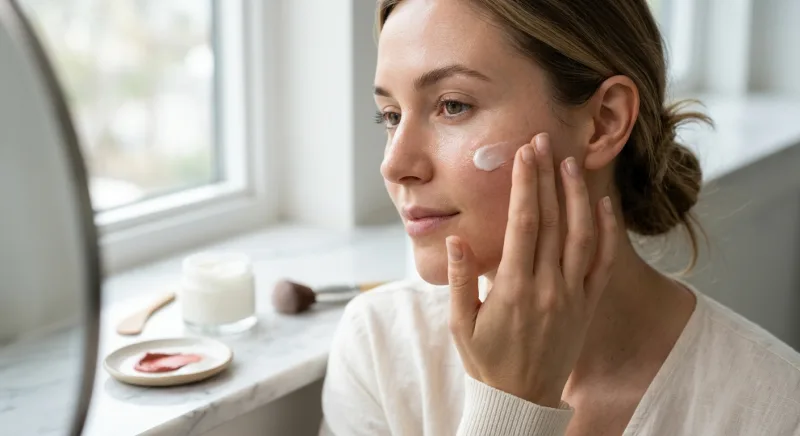
Give your moisturizer a few minutes to sink in before applying anything else. If skin still feels tacky, blot it lightly with a tissue. This small step makes a noticeable difference in how evenly cream blush sits on dry, flaky areas.
Best Tools: Fingers, Sponge, or Brush
Fingers are usually the best tool for cream blush on dry skin, since body heat helps the product melt into skin. A damp makeup sponge is the next best option, adding a bit of extra moisture as you blend. Brushes tend to absorb product and can drag on dry texture.
If you prefer a brush, choose a dense, synthetic one and use gentle pressure. Synthetic bristles don’t soak up as much cream as natural hair brushes. Whatever tool you pick, warm the product slightly first for the smoothest, most natural finish.
Common Application Mistakes That Cause Patchiness
Patchiness usually comes from applying cream blush too soon after moisturizer or using too much product at once. Rubbing instead of patting can also drag pigment unevenly across dry texture. Small, correctable habits make the biggest difference in how the finished look turns out.
- Wait a full minute after moisturizer so skin absorbs the base layer before blush goes on.
- Use a rice-grain amount first, then build coverage slowly rather than starting heavy.
- Pat and press instead of dragging or rubbing, which disturbs dry surface texture.
- Blend right after application, since cream formulas set faster than liquid ones.
- Clean fingertips or brush between reapplications to avoid transferring dried product bits.
Anyone still getting patchy results should revisit their skin prep before blaming the formula. A good cream blush for dry skin can still look uneven if the canvas underneath is flaky or under-moisturized. Fix the base first, then troubleshoot the product.
Cream Blush vs Powder Blush vs Liquid Blush for Dry Skin
Choosing between formulas gets easier once you compare how each behaves on dehydrated skin. Powder tends to grip onto dry patches and emphasize them. Liquid blush can be beautiful but often dries fast, leaving little room for error during blending.
Cream sits in the middle, offering blendability without the flakiness risk that powder carries. The table below breaks down the practical differences side by side.
| Factor | Cream Blush | Powder Blush | Liquid Blush |
|---|---|---|---|
| Effect on dry patches | Minimal, often blurs texture | Highlights flakiness and lines | Can pool in dry areas |
| Blending window | Generous, forgiving | Short once pressed on skin | Very short, sets quickly |
| Finish | Dewy, natural glow | Matte to satin | High-shine, sometimes sticky |
| Longevity on dry skin | Moderate to long | Shorter, fades into patches | Variable, depends on base |
| Best tool | Fingers or dense brush | Fluffy powder brush | Fingers, fast blending needed |
| Skill level needed | Beginner friendly | Moderate, precision required | Moderate to advanced |
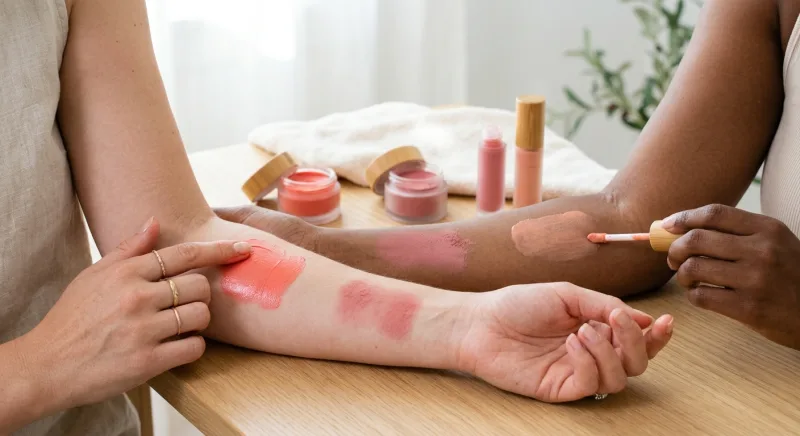
Looking at this comparison, cream formulas offer the most balance for compromised skin barriers. Powder isn’t necessarily bad, but it demands better-prepped skin to look smooth. Liquid can work too, though it rewards a steadier hand and faster technique.
Why Cream Blush for Dry Skin Wins for Everyday Wear
For daily makeup routines, ease of use matters as much as finish. Cream blush for dry skin wins here because it forgives rushed mornings and light touch-ups. You don’t need a full brush kit or extra blending time to make it look intentional.
It also multitasks well, often doubling as a lip tint in a pinch. That versatility is harder to get from powder or liquid formulas built for one purpose only.
Best Cream Blush Shades and Finishes for Dry Skin Tones
Shade and finish selection matters almost as much as formula when skin runs dry. Overly matte finishes can look chalky against flaky texture, while sheer, dewy finishes tend to melt into skin more naturally. Warmer undertones often help mask dullness common with dryness.
| Skin Tone Range | Recommended Shade Family | Best Finish | Notes |
|---|---|---|---|
| Fair to light | Soft pink, peach | Sheer dewy | Avoid stark cool pinks, they can look harsh |
| Light to medium | Rosy coral, warm pink | Satin dewy | Balances sallow undertones common with dryness |
| Medium to tan | Terracotta, warm berry | Dewy with slight sheen | Adds warmth without looking dusty |
| Deep tones | Deep berry, brick red | High-dew luminous | Boosts radiance often muted by dry texture |
Matching shade to undertone isn’t complicated once you know your starting point. Testing on the back of the hand rarely works as well as testing directly on the cheek. Cream formulas shift slightly once warmed by body heat, so patience pays off.
Finding Your Best Cream Blush for Dry Skin by Undertone
Undertone plays a bigger role than most people expect when choosing the best cream blush for dry skin. Cool undertones usually pair well with rosy or berry shades. Warm undertones lean better toward coral, peach, or terracotta family colors.
Neutral undertones have the most flexibility and can pull off both directions depending on desired intensity. When in doubt, warmer shades tend to be more universally flattering on skin already prone to dullness.
How to Make Cream Blush Last Longer on Dry Skin
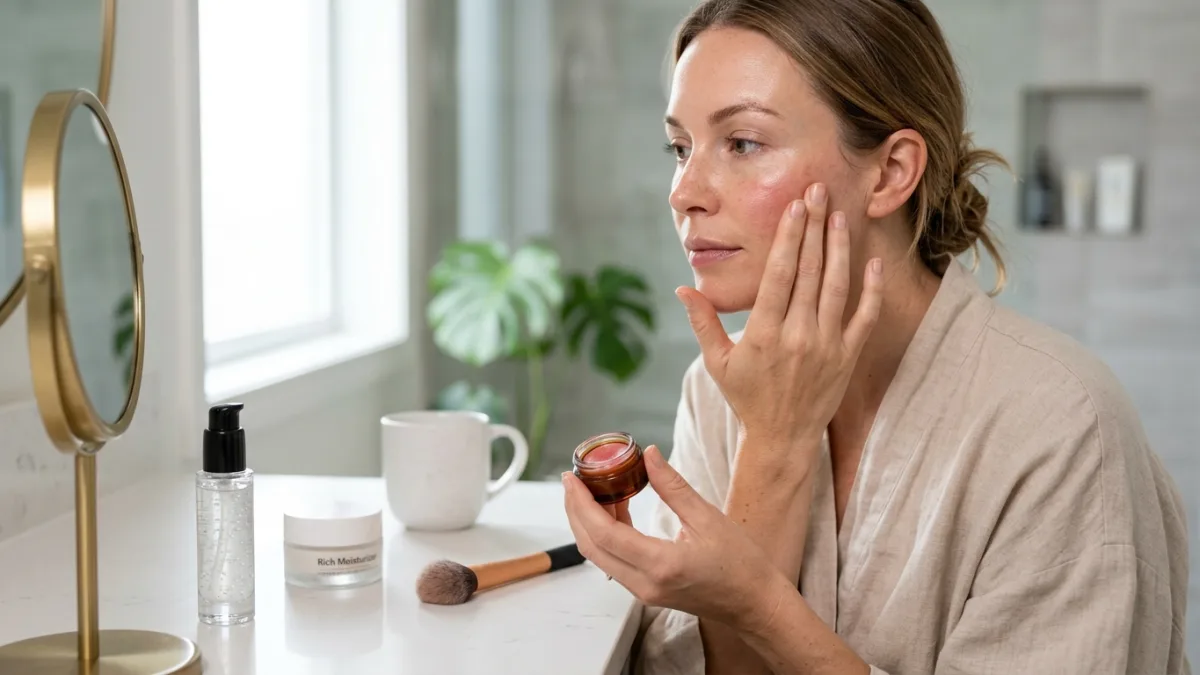
Longevity issues on dry skin usually stem from absorption, not formula failure. Dehydrated skin can pull moisture and pigment inward faster than normal skin. That’s part of why cream blush sometimes seems to fade by midday despite careful application.
- Apply a lightweight, hydrating primer beforehand to create a smoother base layer.
- Set only the T-zone with powder, leaving cheeks untouched to preserve the cream finish.
- Carry a travel-size version of your cream blush for dry skin for quick midday reapplication.
- Avoid heavy matte setting sprays, which can dull the glow and speed up fading.
- Store the product away from heat, since warmth can shift texture and separate ingredients.
Reapplication doesn’t have to mean starting over completely. A light pat of fresh product over the original layer usually revives color without looking cakey. This works especially well with cream blush, since it blends into itself far more forgivingly than powder does.
Cream Blush for Dry Skin: Layering Tips That Actually Work
Layering cream blush for dry skin works best in thin, patient stages rather than one thick pass. Start light, check the mirror, then add more only where needed. This method avoids the overcorrected look that happens when too much product goes on at once.
Letting each layer settle for a few seconds before adding more also helps color build evenly. Rushing this step is one of the most common reasons layered blush ends up looking muddy instead of radiant.
Common Mistakes to Avoid When Applying Cream Blush
Even a well-formulated cream blush can look wrong if a few basic steps get skipped. Most mistakes come down to timing, tools, or skipping prep rather than the product itself. Knowing what to avoid saves both product and patience.
- Applying blush before moisturizer has absorbed, which causes pilling or patchy movement.
- Using too much product at once instead of building color gradually.
- Blending with dry fingers or a dry brush on already-dry skin.
- Setting cream blush heavily with powder, which can flatten its natural glow.
- Choosing shades with strong shimmer that settle into fine lines by midday.
Avoiding these habits makes a noticeable difference in how long the color lasts. Small adjustments to routine often matter more than switching products entirely.
How to Choose the Right Formula for Dry, Sensitive Skin

Not every cream blush is created with dry skin in mind, so label reading matters. Ingredient lists can reveal a lot before the product ever touches skin. Looking for hydrating bases and gentle pigments narrows the options quickly.
Formulas built around oils, butters, or emollient bases tend to sit more comfortably on dry or sensitive skin. Water-based cream blushes can still work, but they often need a hydrating primer underneath. Checking texture in-store, when possible, helps avoid guesswork.
Fragrance and alcohol near the top of an ingredient list are worth noting, since both can increase irritation risk. For anyone with reactive or flaky skin, fewer ingredients is often safer than a long, complex formula.
Signs a Cream Blush Formula Is Not Right for Your Skin
Certain reactions signal that a formula should be retired, even if the shade is flattering. Tightness after application, visible flaking within an hour, or a burning sensation are all warning signs. Ignoring these cues usually leads to worse irritation over time.
Redness that appears only where blush was applied, rather than across the whole face, points to a specific ingredient issue. Patch testing new products on the inner arm before facial use can catch this early. This small habit prevents a lot of trial-and-error frustration later.
Cream Blush Shades That Complement Dry Skin Tones
Shade choice affects how healthy and awake the skin looks, especially when dryness already mutes natural color. Warmer, muted tones tend to look more natural on dry skin than bright, cool pinks. Testing shades in daylight gives the most accurate read.
Deeper berry and brick shades work well for those wanting more visible color without looking harsh. Lighter, sheer pinks suit anyone who prefers a barely-there finish. Trying a few shades over a week reveals which one photographs and wears best.
Storing Cream Blush to Protect Texture and Performance
How a cream blush is stored affects its texture just as much as the formula itself. Heat and direct sunlight can cause separation or a greasy shift in consistency. Keeping products in a cool, dry drawer extends their usable life.
Always closing the lid tightly after use prevents the product from drying out at the edges. A cream blush left open, even briefly, can develop a thin skin on top that throws off application. Tapping the container gently before use helps redistribute any settled oils.
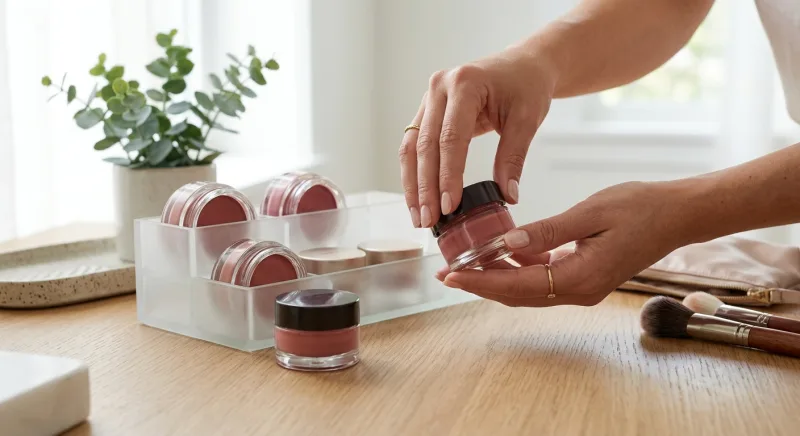
Products in pots are more exposed to air and fingers than those in tubes or sticks. Using a small spatula instead of fingers can reduce contamination and extend shelf life. This small habit keeps texture consistent from the first use to the last.
Building a Simple Routine Around Cream Blush
A consistent routine makes cream blush easier to apply well every time. Starting with the same prep steps in the same order removes guesswork from busy mornings. Over time, the process becomes quick rather than fussy.
- Cleanse and moisturize, allowing a few minutes for full absorption.
- Apply a lightweight primer if skin needs extra grip or hydration.
- Dot cream blush onto the cheeks in small amounts.
- Blend outward with clean fingers or a damp sponge.
- Check in natural light before adding a second layer.
This short sequence keeps application predictable, even on rushed days. Once the steps feel familiar, most people can finish in under a minute.
Read the complete guide: The Makeup Guide for Beginners That Skips the Guesswork
Frequently Asked Questions
What is the best cream blush for dry skin?
The best cream blush for dry skin usually contains hydrating oils or emollients rather than powders. Look for formulas labeled dewy or radiant. Testing a small amount on the cheek first helps confirm comfort and finish before committing to a full application.
Can cream blush make dry skin look flaky?
Cream blush rarely causes flaking on its own. Flakiness usually comes from unmoisturized skin underneath. Applying a hydrating base first, then blending gently, keeps the finish smooth instead of highlighting dry patches around the cheeks.
How do I apply cream blush without it looking patchy?
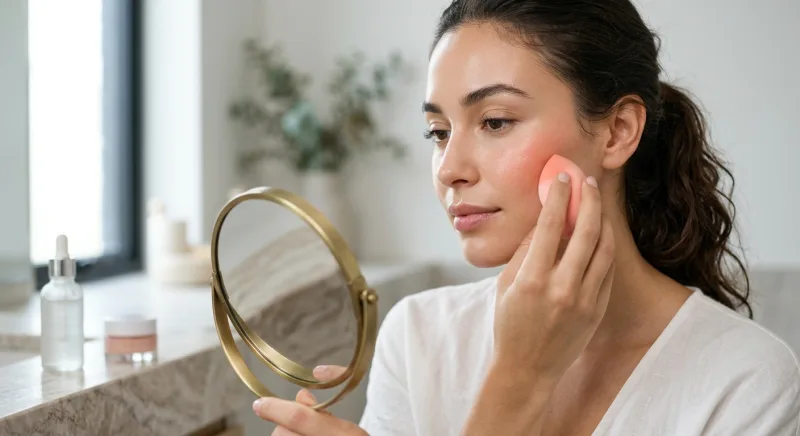
Patchiness usually happens from using too much product at once. Dot small amounts onto the cheeks, then blend outward with fingers or a damp sponge. Building color slowly in thin layers gives a more even, natural-looking result.
Does cream blush last as long as powder blush?
Cream formulas often blend into skin rather than sitting on top, which can affect longevity differently than powder. Setting lightly with a mist or minimal translucent powder can help extend wear without disturbing the hydrated finish.
Can I use cream blush over moisturizer?
Yes, applying cream blush over moisturizer is common and often recommended. Letting the moisturizer absorb fully first prevents sliding or pilling. This layering approach supports a smoother, more comfortable finish throughout the day.
Is cream blush for dry skin better than liquid blush?
Cream blush for dry skin often performs better than thin liquid formulas because it typically carries more emollient ingredients. Liquid blush can feel light but may not offer the same cushioned, hydrated feel some dry skin types prefer.
How often should I reapply cream blush during the day?
Most people find a light touch-up once midday is enough. Using a small amount and blending with clean fingertips keeps reapplication simple. Carrying a compact version makes refreshing color easy without disrupting the rest of the makeup.
Key statistics
- A cross-sectional prevalence study found dry skin affected 41.2% of nursing home residents and 55.2% of hospital patients, rising to 70.2% among those requiring skincare assistance. (NIH National Center for Biotechnology Information (PMC), 2018)
References
- Hyaluronic acid acts as a humectant that draws in and retains water in the skin, making it an effective hydrating ingredient for moisturizing products. — Dermatology and Therapy (PMC/NIH) (Peer-reviewed clinical study hosted on PubMed Central (NIH), a federal biomedical research database)
- For dry skin, dermatologists recommend choosing creams or ointments over lighter lotions, since thicker formulations add more moisture and are more effective at treating dryness. — American Academy of Dermatology (Official patient guidance from the American Academy of Dermatology, the leading U.S. professional dermatology organization)
- Effective moisturizing products for dry, sensitive skin should contain humectants like glycerin and hyaluronic acid alongside lipids such as ceramides to keep skin hydrated. — American Academy of Dermatology (Official dermatologist-reviewed guidance from the American Academy of Dermatology)
