
Makeup
Hydrating Primer 101: What It Does and How to Use It Right
Last updated: November 5, 2026
A hydrating primer is a light, moisture-rich base you smooth on before makeup. It fills in dry patches, softens fine lines, and helps foundation glide on evenly instead of sitting in cracks or clinging to flaky skin.
It works best on dry, dehydrated, or mature skin, though most skin types can use it in some form.
If your foundation looks patchy by lunchtime, the problem might not be your foundation at all. It might be what’s under it, or what isn’t. A hydrating primer is often the missing step between skincare and makeup that ties the whole look together.
What Is a Hydrating Primer and How Does It Work?
How Hydrating Primers Differ From Regular Primers
Picking the wrong type can undo your skincare routine before makeup even starts. If your skin already feels tight or flaky, a mattifying formula will only make that worse. A hydrating primer works with your skin’s natural moisture instead of stripping it away.
Hydrating primers work best when formulated with proven moisture-binding ingredients rather than trends. Look for humectants that draw water into the skin and hold it there, giving makeup a smoother base and skin a healthier look throughout the day.
What’s Typically Inside a Hydrating Primer
Most hydrating primer formulas lean on a few core moisture-binding ingredients. Common ones include hyaluronic acid, a molecule that holds water in the skin’s surface, and glycerin, a simple humectant that pulls moisture from the air into your skin.
Makers of these products mostly agree that hydrating primers built on water-holding ingredients work best when they mix water-binding parts with sealing agents that lock moisture in. This layered mix helps skin feel damp longer while keeping makeup looking fresh.
Hyaluronic acid is prized in skincare for its remarkable ability to attract and hold onto water molecules. This makes it a popular choice in hydrating primers, where it helps skin look plump, smooth, and dewy.
Many hydrating primers on the market list hyaluronic acid, a moisture-holding ingredient, near the top of their ingredient lists. It has become a go-to part for brands making hydration-focused primers, along with other moisture-holding ingredients that help skin keep water in before makeup goes on.
Some formulas also add plant oils or silicones for slip, which helps foundation spread without dragging. A good hydrating primer balances these so it feels light, not greasy, while still doing the moisture work your skin needs.
Who Should Use a Hydrating Primer?
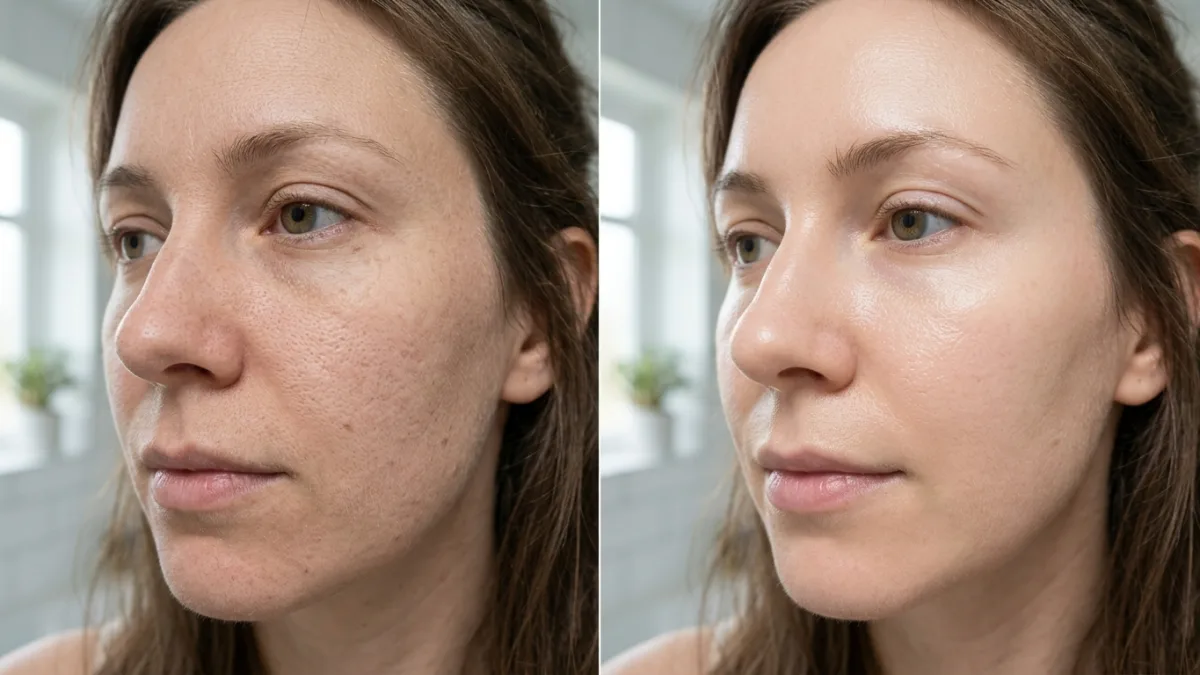
Dry or dehydrated skin tends to look flaky, dull, or tight, especially in colder months or drier climates. Hydrating primers are designed to counter this, giving skin a smoother, plumper base before makeup. For these skin types, hydration matters more than mattifying or blurring effects.
Best for Dry or Dehydrated Skin
Mature skin often falls into this group too, since skin naturally loses moisture and plumpness over time. A hydrating primer can temporarily soften the look of fine lines by filling them with moisture, making makeup sit more smoothly over time.
Can Oily or Combination Skin Use It Too?
Yes, but with some care. Combination skin can apply a hydrating primer only to dry zones, like cheeks, while using a lighter formula elsewhere. Oily skin types should look for gel-based hydrating primer formulas, which add moisture without extra shine or heaviness.
The goal is balance, not avoidance. Even oily skin needs water, and skipping hydration altogether can trigger more oil production as skin tries to compensate. A lightweight hydrating primer can actually help keep oil levels steadier through the day.
How to Apply a Hydrating Primer for the Best Results
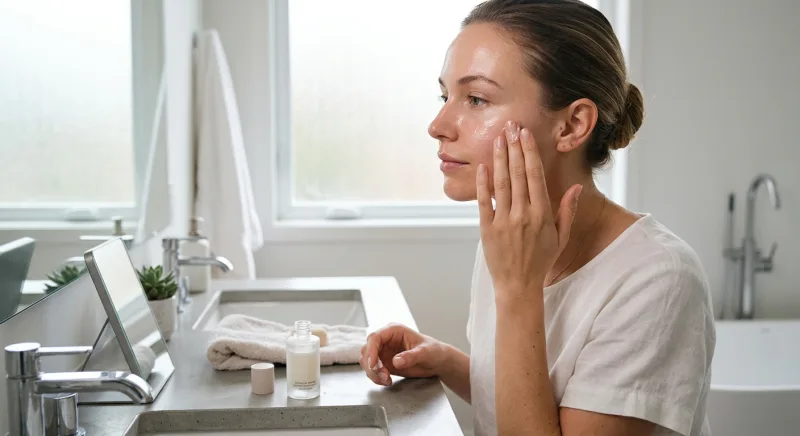
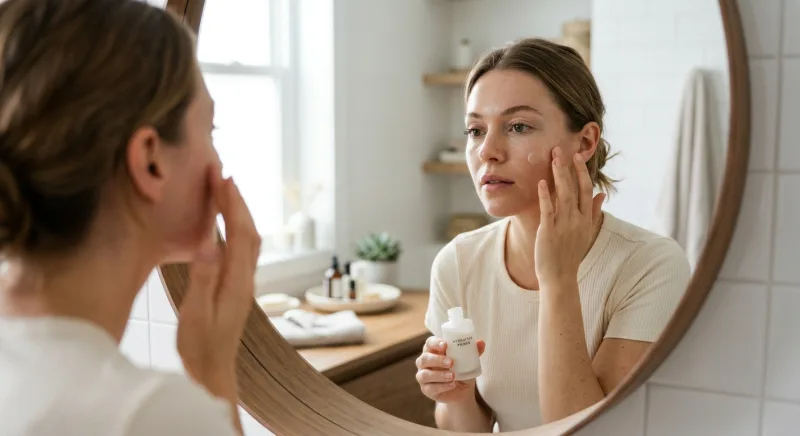
The right way to apply a hydrating primer is in thin, even layers on clean, moisturized skin, waited on briefly before foundation. Skipping steps or rushing the order is the most common reason a hydrating primer fails to perform the way it should.
Step-by-Step Application Order
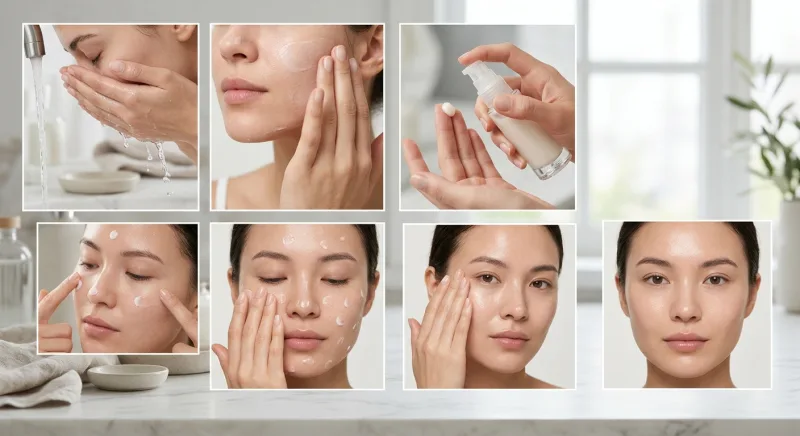
- Cleanse skin so it’s free of oil, dirt, and leftover product.
- Apply your regular moisturizer and let it settle for a minute or two.
- Add SPF if it’s daytime, and let that absorb too.
- Use a pea-sized amount of hydrating primer, warming it between fingers first.
- Press it into skin gently rather than rubbing hard.
- Wait a short moment before starting foundation.
This order matters because each layer needs to settle before the next goes on. A hydrating primer applied over wet moisturizer, for example, is a common reason products slide instead of blend.
How Long to Wait Before Foundation
Most formulas need a short absorption window before foundation goes on, though this varies by brand and texture. Applying foundation too soon over a hydrating primer is one of the biggest causes of pilling, since both products are still wet and moving.
Common Application Mistakes
Using too much hydrating primer is a frequent mistake. More product doesn’t mean more hydration, it just means more slip and a longer wait before makeup sets. A thin layer almost always outperforms a thick one.
Another mistake is skipping moisturizer and expecting the hydrating primer to do all the work alone. Layering matters, and a hydrating primer performs best as part of a full routine, not a standalone fix.
How Does a Hydrating Primer Fit Into a Full Beauty Routine?
A hydrating primer works best as one step in a larger routine, not an isolated product. What you do to your skin before primer, from cleansing to hair removal, changes how well it sits and how long it lasts through the day.
Prepping Skin Before Primer (Cleansing, Exfoliation, Hair Removal)
Clean, smooth skin gives a hydrating primer an even surface to sit on. Leftover oil, dead skin cells, or stray facial hair can all create small bumps that make primer sit unevenly and settle into visible lines or patches.
Gentle exfoliation a few times a week clears the way for a hydrating primer to spread smoothly. Hair removal matters here too. Fine facial hair or stubble on the jawline can catch product and create texture under foundation.
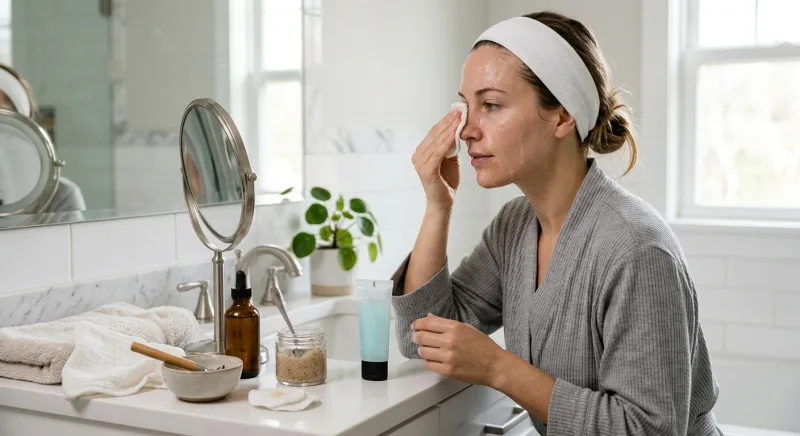
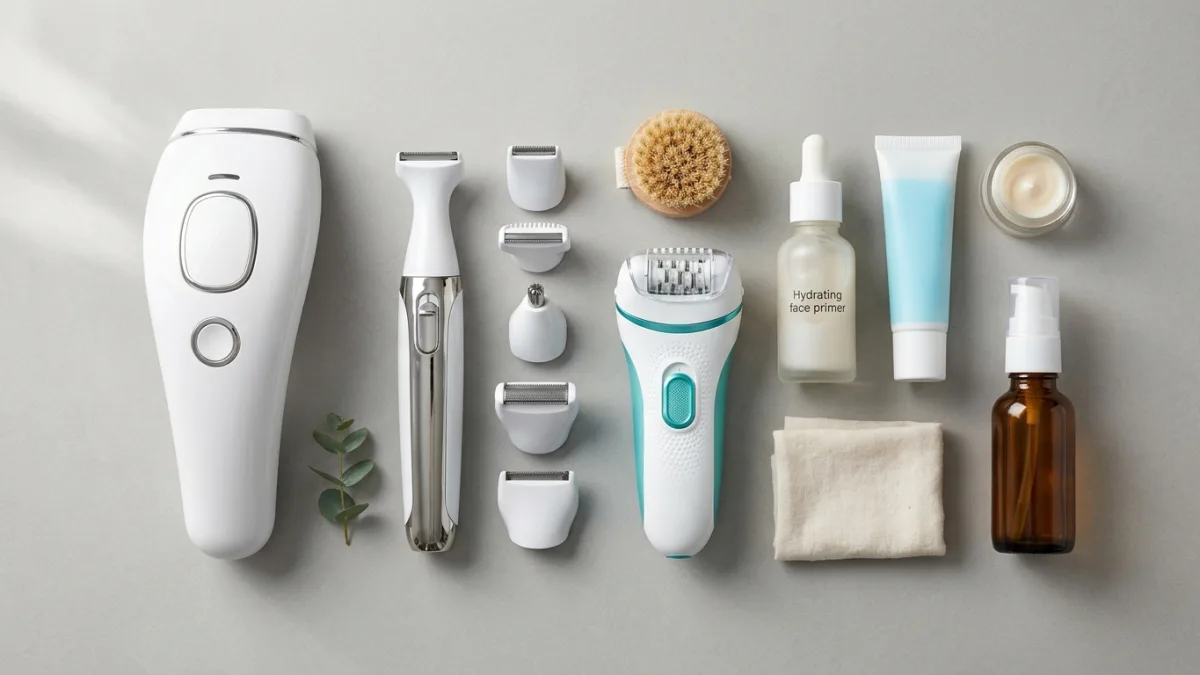
This is where daily grooming tools come in. Bellxi stocks a full range of women’s hair removal and grooming devices, from painless IPL (intense pulsed light) handsets to precision trimmers and epilators, so smoothing skin fits easily into a normal routine.
Every order ships within 24 hours, backed by a 30-day risk-free guarantee.
Why Smooth, Hair-Free Skin Improves Primer Performance
A hydrating primer relies on an even surface to spread across. Hair, even the fine kind, breaks up that surface and can trap product unevenly, leading to small clumps or shiny patches once foundation goes on top.
Removing hair with a device suited to your skin, rather than rushing the job, keeps the skin barrier calmer and ready for the next step. Smoother skin means a hydrating primer has less to work around, so it can focus purely on hydration and glide.
What Ingredients Should You Look for in a Hydrating Primer?
The best hydrating primer ingredients are humectants, which pull and hold water in the skin, plus a few soothing extras that calm sensitive skin. Reading the label matters more than reading the marketing claims on the front of the bottle.
Humectants and Hydrating Agents
Aloe vera and panthenol, a form of vitamin B5, are common calming additions. They don’t add heavy moisture on their own but help a hydrating primer feel soothing rather than tacky on sensitive skin.
Ingredients to Avoid for Sensitive Skin
Fragrance and high concentrations of alcohol are the two biggest red flags in a hydrating primer for sensitive skin. Both can undo the moisture benefits by irritating or drying the skin further, even while marketed as hydrating.
Menthol and citrus extracts, while they sound refreshing, can also sting compromised skin. If your skin reacts easily, a shorter ingredient list on a hydrating primer is often the safer bet.
Hydrating Primer vs. Other Primer Types
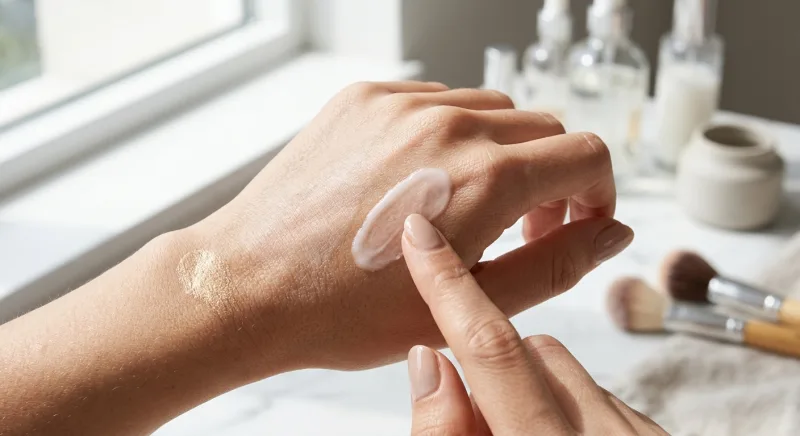
Not every primer serves the same purpose. Mattifying, pore-blurring, and color-correcting primers all solve different problems than a hydrating primer does. Comparing them side by side makes it easier to pick the right one for your skin’s needs.
| Primer Type | Main Goal | Best For | Possible Drawback |
|---|---|---|---|
| Hydrating Primer | Add moisture, smooth texture | Dry, dehydrated, or mature skin | May feel too rich on oily skin |
| Mattifying Primer | Control shine, absorb oil | Oily or combination skin | Can accentuate dry patches |
| Pore-Blurring Primer | Soften the look of pores | Textured or uneven skin | Can feel silicone-heavy or thick |
| Color-Correcting Primer | Neutralize redness or dullness | Uneven skin tone | Doesn’t address dryness directly |
Many makeup users find one primer isn’t enough for every situation. Skin concerns shift with weather, hormones, and routine, so switching between hydrating, mattifying, or pore-blurring formulas often makes sense depending on the day.
How Hydrating Primers Compare Across Skin Types
A hydrating primer isn’t one-size-fits-all. The same mix that feels just right on dry skin might sit heavy on oily or combo skin. Knowing how skin type changes the feel helps set fair hopes before you buy.
| Skin Type | How Hydrating Primer Feels | Ideal Texture | Wear Time Consideration |
|---|---|---|---|
| Dry Skin | Comfortable, plumping | Cream or balm | May need a midday touch-up for glow, not oil |
| Oily Skin | Can feel slippery if too rich | Lightweight gel | Best applied only where dryness occurs |
| Combination Skin | Balanced if applied selectively | Gel-cream hybrid | Zone application often needed |
| Sensitive Skin | Calming if fragrance-free | Minimal, short-ingredient formula | Patch test recommended before full use |
| Mature Skin | Softens fine lines temporarily | Richer cream | Pairs well with hydrating serum underneath |
Skin type isn’t fixed, either. Weather, hormones, and even stress can shift how dry or oily skin feels week to week. Many people find they need a slightly different hydrating primer in winter than in summer.
Application Methods: Fingers, Sponge, or Brush?
How a hydrating primer is applied changes how it performs. Some tools press product into the skin, while others spread it thin across the surface. The right method depends on the primer’s texture and the coverage you want underneath.
| Application Tool | Effect on Hydrating Primer | Best Formula Match | Speed |
|---|---|---|---|
| Fingers | Warms product, boosts absorption | Cream or balm primers | Fast |
| Damp Sponge | Sheers product, even finish | Gel or lightweight primers | Moderate |
| Brush | Controlled, less product waste | Thicker cream primers | Slower |
Fingers tend to work best for hydrating primer because body heat helps the product melt into skin rather than sit on top. A sponge can thin out the layer too much, reducing the moisture benefit before foundation goes on.
Whichever tool you choose, patting rather than rubbing tends to preserve more product on the skin. Rubbing can drag a hydrating primer around unevenly, leaving thin spots where makeup may cling or crease later in the day.
When a Hydrating Primer Might Not Be Enough
A hydrating primer works as a finishing touch, not a substitute for daily skincare. If skin is severely dehydrated, cracked, or flaking, primer alone won’t resolve the underlying issue. It’s designed to prep, not repair.
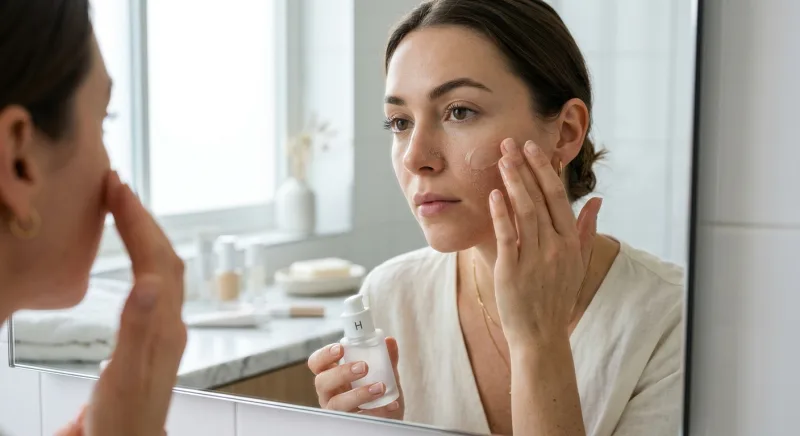
Primer is designed to smooth texture and help makeup last, not to treat or repair skin. It sits on top of a skincare routine rather than replacing it, so it shouldn’t be mistaken for a treatment step.
People dealing with eczema, rosacea, or ongoing dryness may need to treat those issues first with the right care. Putting a hydrating primer on top of skin problems that aren’t under control can hide signs for a while without giving real, lasting relief.
In these cases, a hydrating primer still has a role. It simply works better as the last step of a broader routine, rather than the main solution to dryness or irritation.
Market context
How the broader market shapes Hydrating Primer in 2026
The figures below come from adjacent, well-documented markets. Each row names the subject it actually measures and links to its original source — these are related market indicators, not Hydrating Primer claims.
| What it measures | Figure | Source |
|---|---|---|
| MoCRA facility registration update requirement (FDA cosmetics regulation) | Under the FDA’s Modernization of Cosmetics Regulation Act (MoCRA), cosmetic product manufacturers and processors must update their facility registration information within 60 days of any changes and renew registration every two years. | U.S. Food and Drug Administration, 2023 |
| Novel ceramide-containing moisturizing agent’s effect on transepidermal water loss post-microneedling | A randomized, double-blind, split-face clinical trial found that a novel ceramide-containing moisturizing formulation produced reductions in transepidermal water loss of 14% to 16% by week 4 following microneedling. | Journal of Cosmetic Dermatology (PMC), 2025 |
| Stratum corneum water content in human skin | The water content of the human stratum corneum decreases from about 70% in the stratum granulosum to about 15–25% at the skin surface. | PMC (Journal of Cosmetic Dermatology / Wiley), 2023 |
Read the complete guide: The Makeup Guide for Beginners That Skips the Guesswork
Frequently Asked Questions
Can I use a hydrating primer instead of moisturizer?
No. A hydrating primer works with moisturizer but doesn’t take its place. Moisturizers are made to give deeper, longer-lasting hydration, while primers focus on getting skin ready for makeup. Skipping moisturizer can leave skin under-hydrated, even if the primer feels dewy at first.
Does a hydrating primer work for oily skin?
Yes, though results vary by mix. Light, gel-based hydrating primers can balance oily skin without adding too much shine. Look for oil-free labels and pore-safe ingredients. Skip heavier, cream-based kinds, which may feel greasy or add to midday shine.
How long does a hydrating primer take to work?
Most hydrating primers work at once, smoothing skin and adding a dewy look within seconds of putting them on. But full soak-in usually takes one to two minutes. Waiting a bit before putting on foundation helps stop pilling and makes for a smoother, more even makeup look overall.
Can hydrating primer be worn without makeup?

Yes. Many people wear hydrating primer alone for a dewy, no-makeup look. It can add glow, smooth texture, and offer light hydration on days when foundation isn’t wanted. Just remember it isn’t a substitute for sunscreen or a full moisturizing routine.
Will a hydrating primer help makeup last longer?
It can, especially on dry skin. By smoothing rough patches and preventing makeup from clinging to flaky areas, a hydrating primer creates a more even base. This often helps foundation apply more evenly and last longer without settling into fine lines or dry patches.
Is it necessary to use sunscreen if I already apply a hydrating primer?
Yes. Even if a hydrating primer has SPF in it, skin doctors mostly say to put on real sunscreen underneath for enough protection. Makeup with built-in SPF is often put on too thin and uneven to match the coverage real sunscreen gives.
Trusting primer alone for sun protection may leave skin under-protected.
Can hydrating primers cause breakouts?
They can, mostly if the formula has heavy oils or pore-clogging parts that are bad for acne-prone skin. Picking oil-free formulas that won’t clog pores cuts this risk.
Testing new products on a small patch of skin and watching how skin reacts over a few days helps spot breakout triggers early.
How do I choose the right hydrating primer for my skin type?
Think about skin type first: gel-based formulas suit oily or combo skin, while cream-based ones suit dry skin. Check ingredient lists for moisture-boosting parts like hyaluronic acid or glycerin. Trying a small amount before full use helps confirm it fits well and feels good under makeup.
Key statistics
- A peer-reviewed study found that glycerin’s ability to retain moisture in solution increases as its concentration rises, plateauing between 60% and 70% concentration. (Scientific Reports (Nature), 2022)
- Once glycerin concentration exceeds 70% by weight, the solution stops releasing moisture and instead begins absorbing it from the surrounding environment, per the same peer-reviewed comparative study. (PMC / National Library of Medicine (Scientific Reports study), 2022)
References
- Hyaluronic acid is a key water-retaining molecule in the skin and plays a central role in skin hydration and elasticity. — PubMed (NIH) (Peer-reviewed article indexed on PubMed, a database maintained by the U.S. National Library of Medicine/NIH)
- Humectants such as glycerin and hyaluronic acid work by attracting water to the skin and increasing its water content, and moisturizers combine humectants, occlusive agents, and emollients to improve hydration and prevent water loss. — StatPearls / NCBI Bookshelf (NIH) (Published on NCBI Bookshelf, a resource of the U.S. National Institutes of Health National Library of Medicine)
- Endogenous glycerol plays a role in skin hydration, cutaneous elasticity, and epidermal barrier repair, and topical glycerol improves stratum corneum hydration and skin barrier function. — PubMed (NIH) (Peer-reviewed dermatology review indexed on PubMed, a U.S. National Library of Medicine database)
- People with dry skin benefit from moisturizer ingredients such as glycerin, and dry skin can be worsened by choosing the wrong type of lightweight or gel-based product that doesn’t provide enough hydration. — StatPearls / NCBI Bookshelf (NIH) (Federally maintained clinical reference resource (NIH/NCBI))
You may also be interested in: Glass Skin: The Complete Guide to Korea’s Smoothest Skincare Trend
You may also be interested in: Cream Blush 101: What It Is, Who It’s For, and How to Apply It
