
Makeup
Cream Blush 101: What It Is, Who It’s For, and How to Apply It
Last updated: November 5, 2026
Cream blush is a soft, emollient cheek color that melts into skin for a natural, dewy flush. Unlike powder blush, cream blush sits into the skin rather than on top of it.
This makes cream blush a great pick for dry or mature skin, and for anyone who wants a lightweight, second-skin glow instead of a heavy, dusty finish.
What Is Cream Blush and How Does It Differ From Powder or Liquid Blush?
Cream blush is a cheek color made with oils or waxes instead of dry pigment powder. That base is what gives cream blush its soft, blendable feel.
It sinks into skin instead of sitting on the surface, which is why so many people reach for cream blush when they want a fresh, just-pinched look rather than a made-up one.
Cream Blush Texture and Formula Basics
Most cream blush formulas use a base of oils, waxes, or silicones to carry the color. This is what makes cream blush feel slippery and soft when you touch it.
Because of that texture, cream blush blends fast with warmth from your fingers, and it tends to look more like real skin than makeup.
Powder blush, by contrast, uses dry pigment pressed into a compact. It sits on top of skin’s texture rather than sinking into it. That’s the main reason cream blush reads as more natural, while powder blush can look more “set” or matte once it’s on.
Cream vs. Powder vs. Liquid Blush: Key Differences
Cream blush, powder blush, and liquid blush all do the same job in different ways. Cream blush gives a soft, blended flush. Powder blush gives more control and a matte finish. Liquid blush gives intense, buildable color but dries fast, so it needs quick blending.
Here’s how the three stack up side by side.
Cream blush continues gaining favor among beauty shoppers seeking a dewy, natural finish. While exact adoption figures vary by source, the format’s rising visibility on shelves and in routines reflects a genuine shift in preference away from traditional powder options.
| Feature | Cream Blush | Powder Blush | Liquid Blush |
| Texture | Soft, emollient, blendable | Dry, pressed pigment | Thin, fast-drying |
| Finish | Dewy to natural matte | Matte to satin | Glossy to natural |
| Best skin type | Dry, mature, normal | Oily, combination | Normal, oily with care |
| Application tools | Fingers, sponge, brush | Fluffy brush | Fingers or sponge, applied fast |
| Blending window | Longer, forgiving | Long, easy to build | Short, sets quickly |
Cream blush earns its spot in a routine because of that middle-ground texture. It’s softer than powder but easier to control than liquid. That balance is why cream blush shows up so often in natural makeup routine advice from makeup artists and everyday users alike.
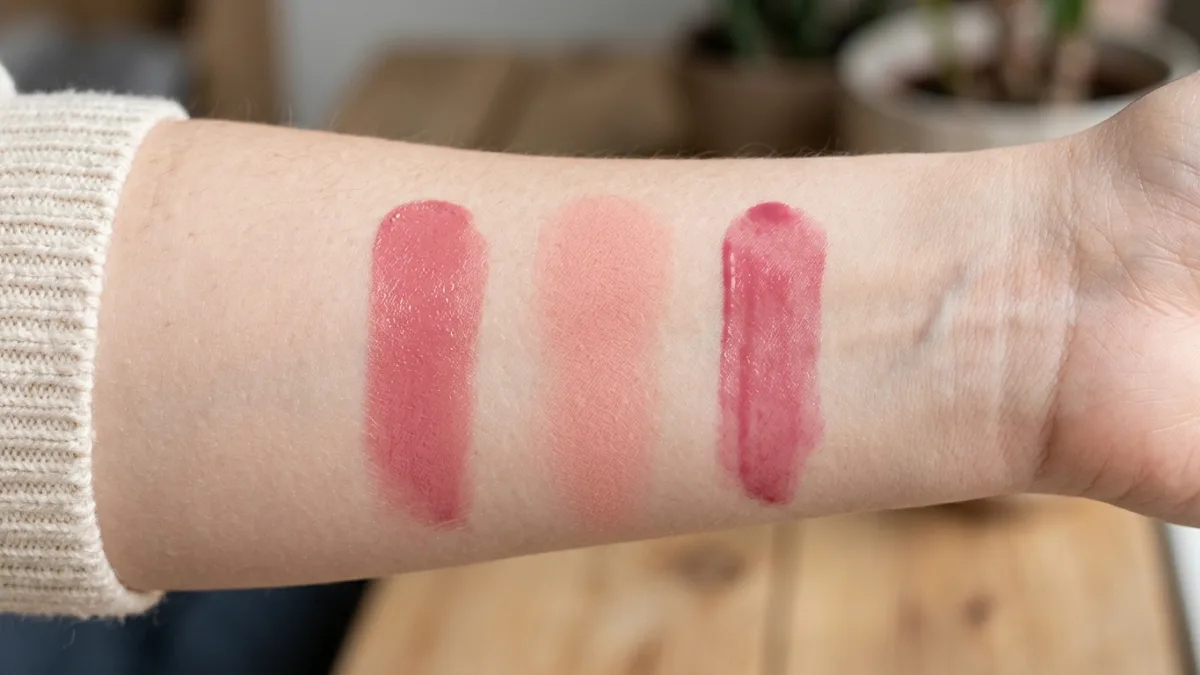
Who Should Use Cream Blush?
Cream blush works best on dry, mature, and normal skin types, though most people can use it with the right technique. Its emollient base adds a bit of moisture-like sheen, which flatters skin that leans dry.
Oily and acne-prone skin can still use cream blush, but usually needs a lighter hand and a setting step.
Those with acne-prone or oily skin should consider individual formula ingredients before adding cream blush to their routine. Oil, wax, or silicone-based products can affect skin differently, so choosing a formula suited to your skin type matters most.
Best for Dry or Mature Skin
Dry and mature skin tend to look best in cream blush because the formula adds softness instead of drawing out flakiness. Cream blush for mature skin often looks more youthful than powder, since it doesn’t cling to fine lines or dry patches the way pressed powder can.
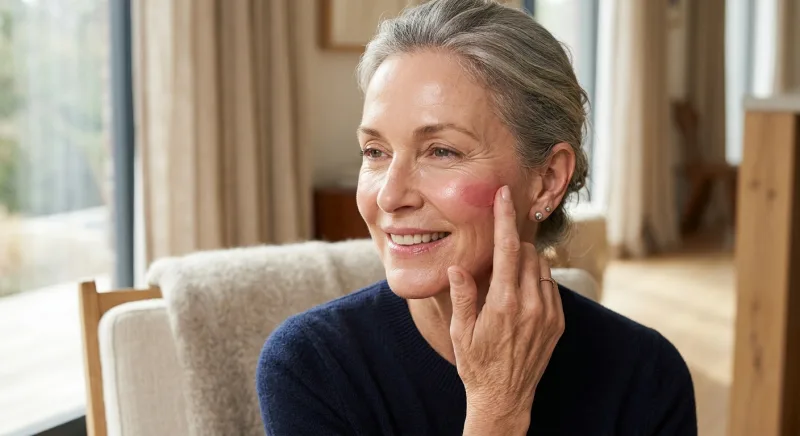
Best cream blush for dry skin picks tend to lean dewy or luminous, since that finish plays up the glow that dry skin often lacks. A small dab blended well can make cheeks look healthy rather than tired.
Best for Normal to Combination Skin
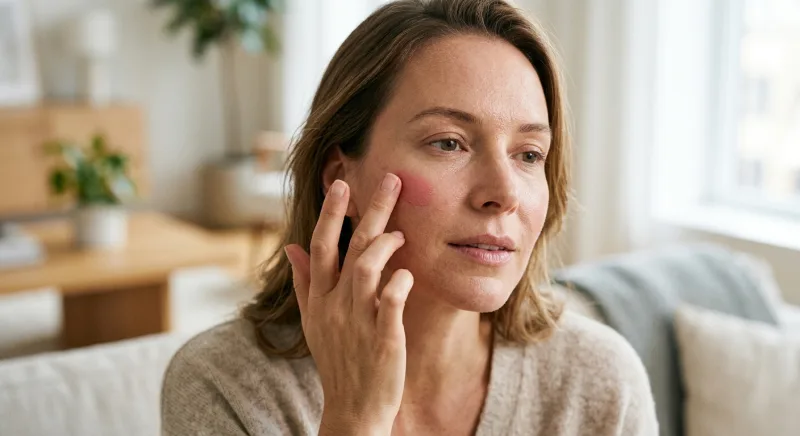
Normal and combination skin usually have the easiest time with cream blush. There’s enough natural moisture to help the formula blend, but not so much oil that it slides around. Cream blush on this skin type tends to hold its place for a good stretch of the day.
Combination skin may want to skip cream blush on the T-zone but keep it on the cheeks, where dryness is more common. This mixed approach lets cream blush do its best work without adding unwanted shine where it’s not needed.
When to Avoid or Limit Cream Blush (Oily/Acne-Prone Skin)
Some cream blush formulas are built to be more matte and long-wearing, which suits oily skin better than a dewy version. If breakouts are a concern, look for cream blush labeled as non-comedogenic, meaning it’s formulated to avoid clogging pores.
How Do You Apply Cream Blush for a Natural Finish?
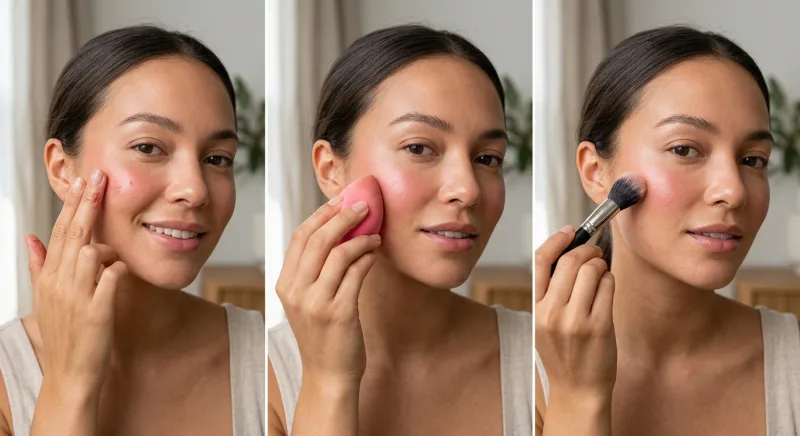
You apply cream blush by dabbing a small amount on the cheeks and blending outward with fingers, a sponge, or a brush. The key to a natural cream blush look is starting light and building up slowly.
Too much product at once is the most common reason cream blush ends up looking patchy or overdone.
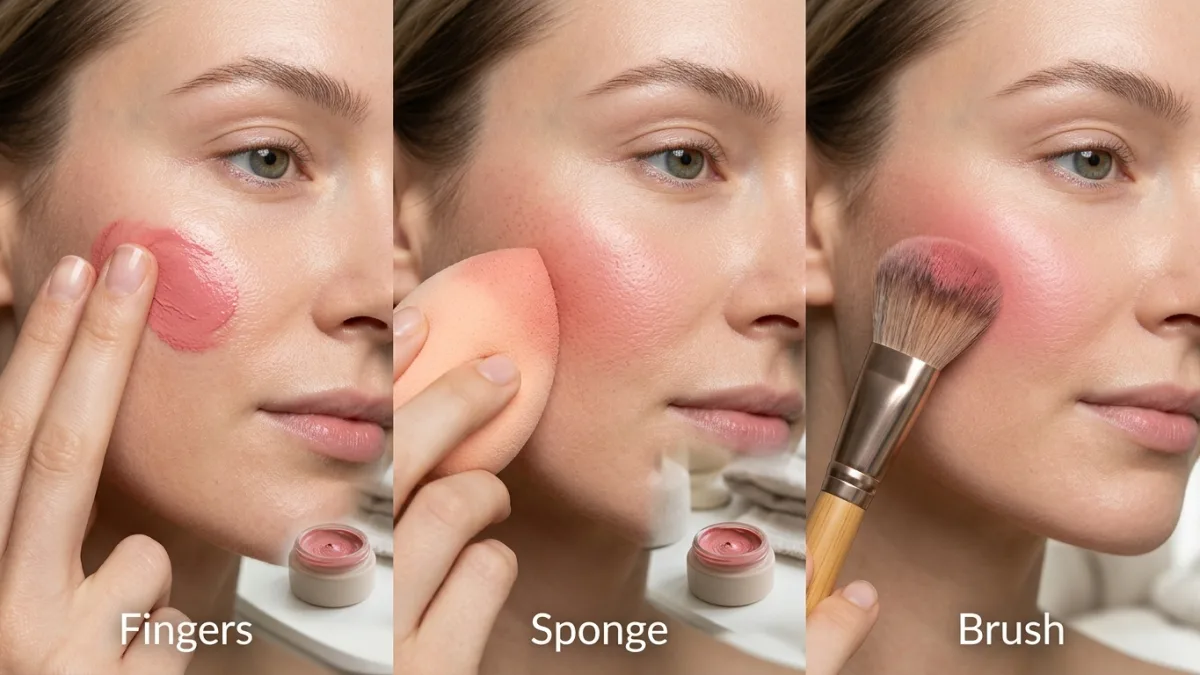
Fingers vs. Sponge vs. Brush
Fingers warm up cream blush and melt it into skin fast, which gives the most natural, skin-like result. A damp sponge presses cream blush in smoothly and works well over foundation.
A dense brush gives the most control but can leave a slightly more “placed” look if you’re not careful with blending.
| Tool | Finish | Best For |
| Fingers | Most natural, sheer buildup | Bare skin, quick routines |
| Damp sponge | Smooth, blended into base | Over foundation |
| Dense brush | Precise, buildable | Detailed placement, full coverage looks |
Step-by-Step Application Technique
Getting a natural look with cream blush comes down to a simple, repeatable method. Follow these steps for the most even, blended result.
- Start with clean, moisturized skin so cream blush has a smooth base to grip.
- Dot a small amount of cream blush on the apples of your cheeks.
- Blend outward toward your hairline using light, circular motions.
- Build up slowly, checking color in natural light before adding more.
- Blend the edges so there’s no hard line between cream blush and bare skin.
This method works whether you’re using cream blush alone or layering it over foundation. The goal is always the same: soft edges and a gradual buildup of color.
Common Application Mistakes to Avoid
Most cream blush mistakes come down to using too much, too fast. Here are the slip-ups worth watching for.
- Applying cream blush on dry, flaky skin, which causes patchiness.
- Using too much product at once instead of building slowly.
- Skipping blending at the edges, which leaves harsh lines.
- Applying cream blush too high or too low on the cheek, throwing off the natural flush.
- Not washing hands or tools, which can affect how cream blush blends.
Cream Blush vs. Other Blush Formulas
Choosing between cream, powder, liquid, and gel blush comes down to finish, longevity, and skin type. Each formula behaves differently once applied.
The table below breaks down how cream blush compares to the other common formulas on the market.
| Formula | Finish | Best Skin Type | Application Tools |
|---|---|---|---|
| Cream Blush | Dewy, natural | Dry, normal, mature | Fingers, sponge, brush |
| Powder Blush | Matte to satin | Oily, combination | Fluffy brush |
| Liquid Blush | Sheer, glowy | Normal, dry | Fingers, damp sponge |
| Gel Blush | Translucent, glossy | Normal, combination | Fingers, sponge |
Powder blush tends to hold up better on oily skin because it absorbs excess shine rather than sitting on top of it. Cream blush, on the other hand, meshes with skin’s natural oils to create a soft-focus flush.
Liquid and gel formulas sit somewhere in between, offering a lighter layer of color that’s easy to sheer out.
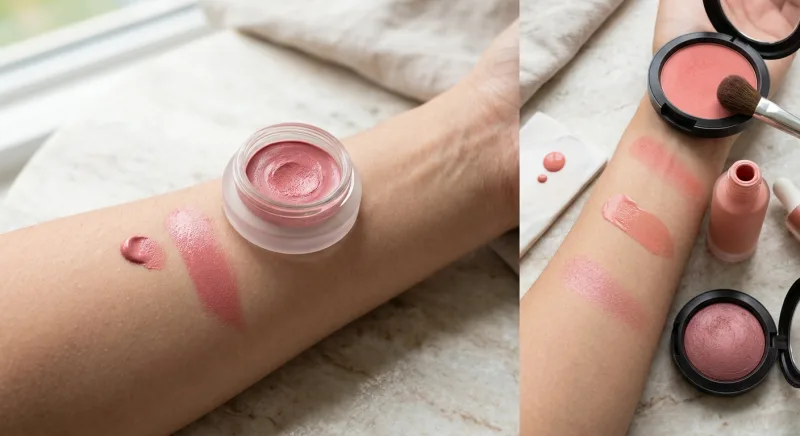
Cream blush typically relies on oils, waxes, or silicones to carry pigment, giving it that smooth, blendable texture. This base is what sets cream formulas apart from powder ones.
How to Choose the Right Cream Blush Shade
Shade selection matters as much as formula when it comes to a natural-looking flush. The right cream blush shade should mimic how skin naturally flushes, not fight against it.
A simple way to find a flattering shade is to pinch the apple of the cheek and see what color appears. That natural flush color is usually the best starting point for choosing a cream blush.
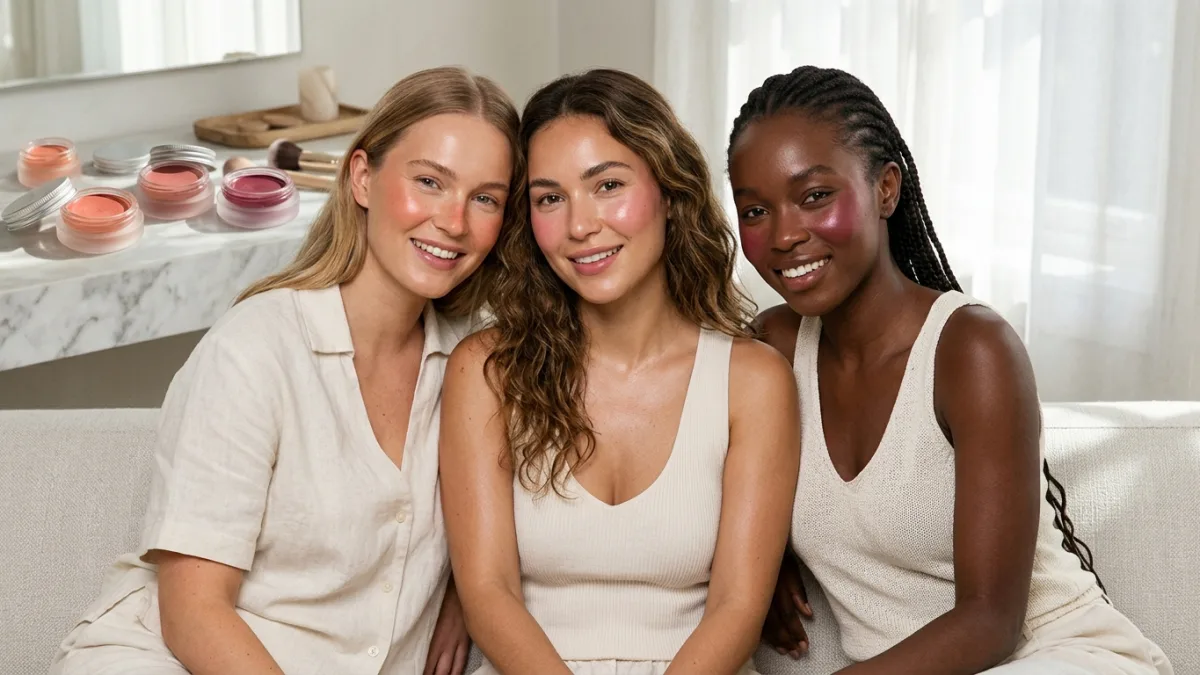
- Fair skin tones often look best in soft pinks, light corals, or peachy shades.
- Medium skin tones tend to suit warm rose, terracotta, or apricot tones.
- Deep skin tones often look most vibrant in berry, brick red, or deep coral shades.
- Cool undertones typically pair well with pink and mauve-based cream blush.
- Warm undertones tend to suit peach, coral, and orange-toned cream blush.
When shopping online, swatches on a website may not translate exactly to skin. It helps to check reviews from people with similar skin tones or visit a store to test a shade in person before committing.
Layering Cream Blush With Other Products
Cream blush doesn’t have to work alone. It can be layered with other cream or powder products to build a more customized look.
One popular technique is applying cream blush first, letting it set for a moment, then dusting a translucent or matching powder blush on top. This locks the cream layer in place and extends wear time, especially for those with oilier skin.
Cream blush can also be mixed with cream highlighter for a lit-from-within glow. Applying both products together, either blended on the back of the hand first or layered directly on the cheek, creates a soft, luminous finish that looks less like separate products and more like a single glow.
For a more sculpted look, cream bronzer can be applied first along the hollows of the cheeks, followed by cream blush on the apples. Blending where the two products meet helps avoid harsh lines and keeps the overall look cohesive.
Storing and Extending the Shelf Life of Cream Blush
Cream products generally have a shorter shelf life than powders because of their oil and water content, which can support bacterial growth over time. Proper storage helps cream blush last as long as possible.
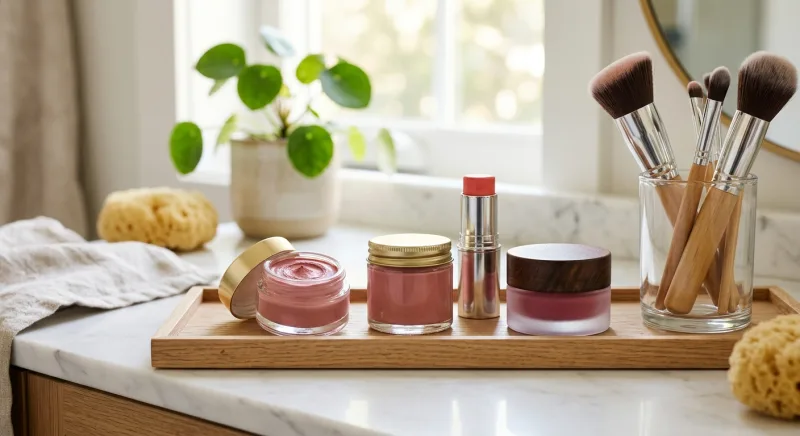
- Store cream blush in a cool, dry place away from direct sunlight.
- Keep the lid tightly closed after each use to prevent air exposure.
- Avoid dipping dirty fingers directly into the product; use a clean applicator when possible.
- Check for changes in smell, texture, or color, which can signal the product has expired.
- Replace cream blush every to avoid using expired formula on skin.
Bathrooms with high humidity from showers can accelerate product breakdown, so storing cream blush in a bedroom drawer or vanity away from steam may help it last longer.
Cream Blush for Different Skin Types
While cream blush is often recommended for dry skin, it can work across most skin types with the right approach and formula selection.
Dry and mature skin tends to benefit the most from cream blush because it doesn’t cling to flaky patches the way powder can. The dewy finish also helps skin look more hydrated and youthful.
Oily and combination skin can still wear cream blush successfully by choosing long-wear or matte cream formulas and setting the product with a light dusting of powder. Applying blush after foundation and concealer, rather than before, can also help it stay put longer.
Sensitive and acne-prone skin should look for cream blush labeled non-comedogenic and fragrance-free to reduce the risk of irritation or breakouts. Patch testing a new formula on the inner arm before applying it to the face is a simple way to check for reactions.
Cream Blush Trends and Popularity
Cream blush has seen a resurgence in recent years, driven largely by the popularity of “clean girl” and “no-makeup makeup” aesthetics on social media. These looks favor a natural, dewy finish over heavy, matte coverage.
Cream blush has become a go-to favorite for its dewy, natural finish. More beauty lovers are reaching for it as part of their everyday routine, drawn to its blendable, skin-like glow.
Beauty influencers and makeup artists have also played a role in popularizing cream blush through tutorials demonstrating quick, finger-blended application. Many highlight how effortless it looks to dab and blend for a natural flush in seconds.
This shift has pushed many brands, from drugstore lines to high-end labels, to expand their cream blush offerings with wider shade ranges and various finishes, from dewy to satin to slightly shimmering.
Market context
PFAS use in U.S.-marketed cosmetic products (FDA MoCRA report) — The FDA found that 51 distinct PFAS were intentionally added as ingredients in 1,744 cosmetic product formulations, representing 0.41% of total products listed as of August 2024. U.S. Food and Drug Administration (FDA), 2026
Number of cosmetic product facilities registered with the FDA under MoCRA — Over 14,000 cosmetic product facilities are currently registered with the FDA under the Modernization of Cosmetics Regulation Act. U.S. Food and Drug Administration (FDA), 2026
Adjacent-market figures — each names the subject it measures, not Cream Blush directly.
Read the complete guide: The Makeup Guide for Beginners That Skips the Guesswork
Frequently Asked Questions About Cream Blush
Is cream blush better than powder blush?
Neither formula is universally better; each suits different needs. Cream blush offers a dewy, natural finish and blends easily into the skin, making it ideal for dry or mature skin. Powder blush suits oily skin and offers more precise, buildable application.
Many people use both, depending on the look they want.
How do you apply cream blush for beginners?
Start with a small amount on the back of your hand. Dot it onto the apples of your cheeks using your fingertip. Blend outward toward your temples using tapping motions. Build up slowly, adding more product only if needed.
Fingers warm the formula, helping it melt into skin for a natural flush.
Can cream blush be used on oily skin?
Yes, though extra steps help it last longer. Set cream blush with a light dusting of translucent powder after blending. Choose a long-wear formula designed for oilier skin types.
Avoid overly dewy finishes if shine is a concern, and touch up throughout the day using blotting papers before reapplying if needed.
Does cream blush work over foundation?
Cream blush layers well over foundation, provided the base is set or slightly dry before application. Applying it too soon after wet foundation can cause pilling or smudging. For the smoothest results, let foundation settle for a minute, then pat cream blush on gently using fingers or a damp sponge.
What tools work best for blending cream blush?
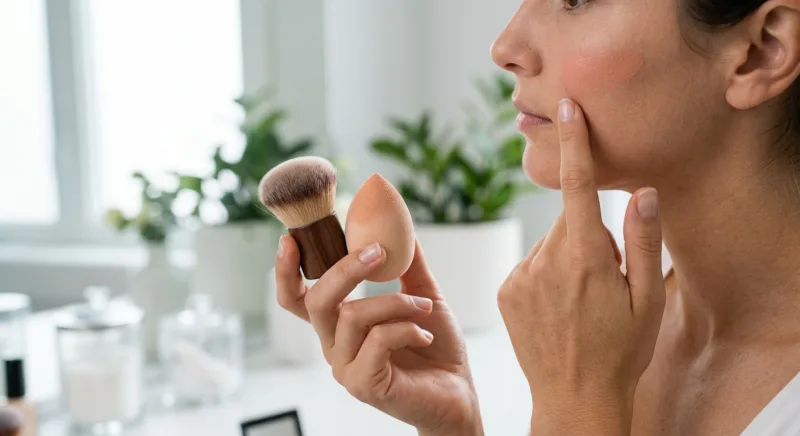
Fingertips remain the most popular choice since body heat helps the product blend seamlessly. Damp makeup sponges also work well, especially for building sheer layers. Dense, synthetic brushes designed for cream products can create a more polished, airbrushed look for those who prefer a tool over fingers.
How long does cream blush typically last on the skin?
Wear time varies by formula, skin type, and climate. Setting with powder, using a primer beforehand, and choosing long-wear formulas can extend how long the color stays vibrant throughout the day without fading or transferring.
Can cream blush double as a lip color?
Many cream blushes are formulated to be multipurpose, working safely on lips as well as cheeks. This creates an easy, coordinated “lip and cheek” look popular in minimalist makeup routines.
Always check product labeling to confirm lip safety before applying, since not all cream blush formulas are designed for this dual use.
Is cream blush suitable for mature skin?
Cream blush is often recommended for mature skin because it doesn’t cling to fine lines or dry patches the way powder can. Its dewy finish adds a youthful glow, and blendable texture allows for a soft, natural application that enhances the skin rather than emphasizing texture or dryness.
Cream blush bases often rely on oils, waxes, or silicones to create a smooth glide across skin, allowing pigment to blend seamlessly while adding a soft, natural-looking sheen to the cheeks.
Cream blush formulas typically contain emollients that sit on the skin’s surface, helping color blend smoothly while giving cheeks a dewy, hydrated-looking finish rather than a flat, powdery appearance.
Key statistics
- A large population-based study of middle-aged and elderly adults found that 60% had dry skin (xerosis cutis), with a fifth of those having generalized dry skin. (PubMed (Rotterdam Study), 2018)
- Skin’s moisturizing function declines with age, leading to dry skin in around 40% of older adults. (PMC (National Library of Medicine), 2024)
- A study of community-dwelling older individuals found dry skin prevalence as high as 38.9%. (ScienceDirect, 2010)
References
- Makeup tools like brushes and sponges used to apply blush should be washed regularly to prevent bacteria buildup and skin infections. — American Academy of Dermatology (American Academy of Dermatology is a professional medical organization whose public guidance is written and reviewed by board-certified dermatologists.)
- Blush and other makeup products should be discarded once they change consistency, crumble, smell bad, or otherwise show signs of spoilage. — American Academy of Dermatology (American Academy of Dermatology guidance on cosmetics safety, sourced from board-certified dermatologists.)
- People who suspect their makeup is causing skin irritation or breakouts should consult a board-certified dermatologist rather than self-diagnosing. — American Academy of Dermatology (American Academy of Dermatology is the primary U.S. professional body for dermatologic health guidance.)
You may also be interested in: Under Eye Concealer: How to Pick the Right Formula and Shade in 2026
You may also be interested in: Sunscreen Stick 101: How to Pick, Apply, and Actually Get Sun Protection That Works
