
Sun protection
Tinted Moisturizer SPF: What It Is, How to Use It, and How to Choose
Last updated: November 5, 2026
Tinted moisturizer SPF is a lightweight cream that blends hydrating moisturizer, a hint of color, and sun protection factor (a lab-tested rating that measures how well a product shields skin from burning rays) into one product. It suits daily, low-sun days.
But most people apply too little, so it should be applied generously, layered right, and reapplied to actually deliver the sun protection factor on its label.
If you’ve stood in the skincare aisle wondering whether tinted moisturizer SPF can replace your sunscreen, foundation, or both, you’re not alone. The category sits in a strange middle ground. It promises glow, coverage, and protection in one swipe.
This guide breaks down what tinted moisturizer SPF actually is, how much you need to use, and how to pick one for your skin type. We’ll also clear up the confusion between tinted moisturizer, skin tint, and CC cream — three terms that get used interchangeably but aren’t the same thing.
What Is Tinted Moisturizer SPF, Exactly?
Tinted Moisturizer SPF is a skin-care and makeup mix that blends moisturizing ingredients, sheer color, and sun-blocking filters in one formula. It’s made to even out skin tone while it hydrates and shields skin, without the heavy feel of foundation. Most kinds carry a sun protection factor between 15 and 50.
The tint is usually sheer, meant to blur redness and brighten dullness rather than cover blemishes or dark spots. Think of it as a “my skin but better” finish rather than a full mask. That’s the trade-off: less coverage, more breathability.
How It Differs From Foundation and Sunscreen
Foundation is made for coverage first, with sun protection factor as an extra in some formulas. Sunscreen is made for protection first, with no color at all. Tinted moisturizer SPF sits between both, putting skin feel and a light hint of color ahead of heavy coverage or top protection strength.
This middle-ground design is exactly why tinted moisturizer SPF works so well for everyday wear. It’s not trying to replace either product entirely. It’s meant to simplify your routine on days when you don’t need full coverage or intense sun exposure protection.
Mineral vs. Chemical SPF in Tinted Formulas
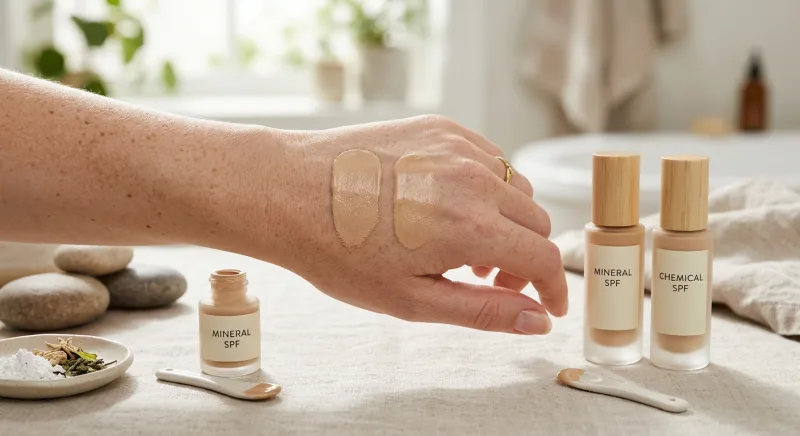
Mineral filters, mainly Zinc Oxide (a mineral compound that sits on top of skin and physically reflects ultraviolet rays away from the surface), work by turning sun rays away. Chemical filters soak up ultraviolet rays and turn them into heat that leaves the skin.
Both are known ways to guard against sun, but they feel different on skin.
Mineral tinted moisturizer SPF tends to sit on top of skin, which can leave a slight cast on deeper skin tones if underformulated. Chemical versions usually blend in more invisibly and layer better under makeup, though some people find them more likely to irritate sensitive skin.
Titanium Dioxide (another mineral filter often paired with zinc to boost broad-spectrum coverage) shows up in many mineral-based tinted formulas too.
Broad Spectrum Sunscreen (a product tested to block both ultraviolet A rays that age skin and ultraviolet B rays that burn it) is the label claim to look for, regardless of filter type.
No filter type is always “better” — it depends on your skin, how well you handle it, and how the formula is made. A well-made tinted moisturizer SPF using either filter type can work well when put on the right way and reapplied as needed.
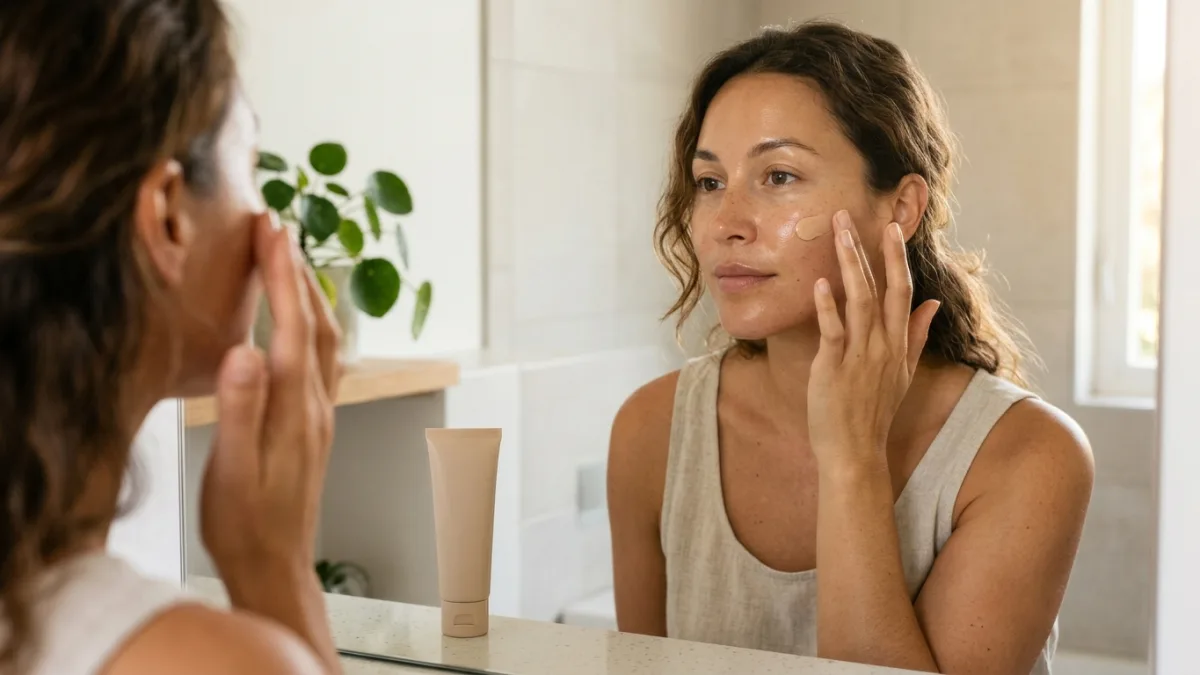
| Product Type | Typical SPF Range | Coverage Level | Primary Purpose |
|---|---|---|---|
| Tinted Moisturizer SPF | 15–50 | Sheer, skin-like | Hydrate, even tone, protect for daily low-sun exposure |
| Dedicated Sunscreen | 15–50+ | None (no pigment) | Maximum sun protection, no cosmetic tint |
| Foundation With SPF | Often 15–30 | Medium to full | Coverage first, sun protection as secondary benefit |
Do You Still Need Sunscreen Underneath a Tinted Moisturizer SPF?
Yes, for long time outdoors, a stand-alone sunscreen underneath is the safer choice. Tinted Moisturizer SPF works fine for short indoor-to-car-to-office days, but its thinner layer and lower reapplication rate make it a weaker shield during long sun time.
This isn’t about one product failing you. It’s about how people actually use these products. Tinted moisturizer SPF is applied in a thin layer for cosmetic reasons, which naturally reduces the strength of the sun protection factor listed on the bottle.
Why Reapplication Matters
Sun protection factor wears down over the day from sweat, oil, touching your face, and just being out in the sun. Tinted moisturizer SPF, like any sunscreen, loses its power a few hours after you put it on.
Skipping a fresh coat is one of the biggest reasons people feel let down by their sun protection factor product.
The catch is that reapplying tinted moisturizer SPF over makeup feels messy. Powder sunscreen sticks, sunscreen mists, or patting on a fresh layer with a sponge are common workaround options that don’t disturb makeup underneath.
How Much Product You Actually Need for Full SPF Protection
how long this takes differs a lot from person to person. Most people put on far less than that amount, which is the main reason real-world protection falls short of the number on the label.
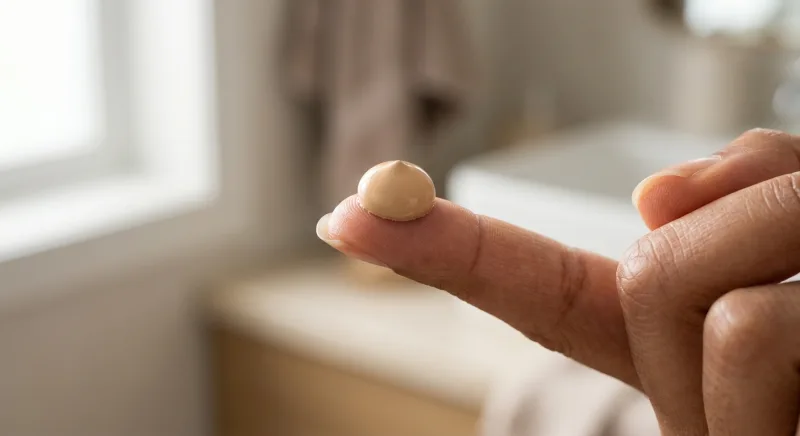
For tinted moisturizer SPF specifically, this gap is often worse. People are taught to use makeup sparingly for a natural look, which works against the thick layer sun protection factor testing assumes. A nickel-sized dab for the whole face is a fair goal to aim for.
How to Choose the Right Tinted Moisturizer SPF for Your Skin Type
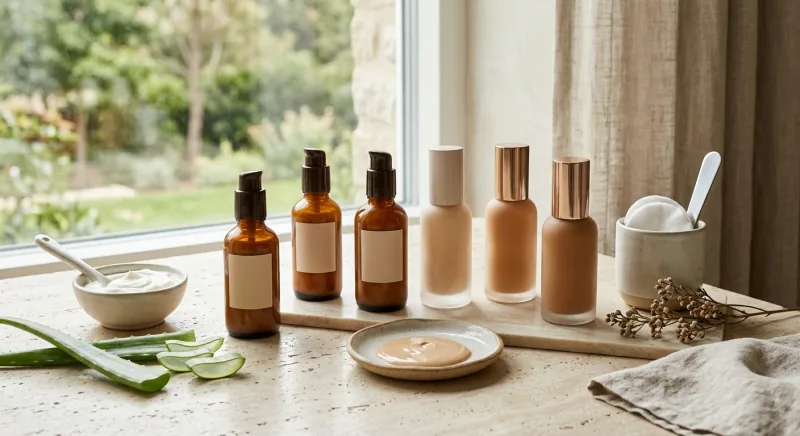
The right tinted moisturizer SPF depends on your skin’s needs, not just the shade match. Dry skin wants richer, oil-based formulas. Oily skin wants oil-free, matte-leaning versions. Sensitive skin usually does better with mineral filters and short ingredient lists.
Best Formulas for Dry Skin
Look for tinted moisturizer SPF with hydrating bases like hyaluronic acid (a moisture-binding ingredient that holds many times its weight in water against the skin) or glycerin. A dewy, cream-based finish sits better on dry skin than a matte one, which can look flaky or emphasize dry patches.
Best Formulas for Oily or Acne-Prone Skin
Oil-free tinted moisturizer SPF that won’t clog pores (made so it’s less likely to block pores and cause breakouts) works best for oily or acne-prone skin. Gel-based or light lotion textures cut down on shine longer than heavy creams and hold up better through midday oil buildup.
Best Formulas for Sensitive or Reactive Skin
Tinted moisturizer SPF made with mineral filters tends to sit better on sensitive or easily irritated skin, since zinc and titanium dioxide rarely cause sting or breakouts. Scent-free forms with short ingredient lists lower the odds of a bad reaction even more.
Choosing by Undertone and Shade Range
Tinted moisturizer SPF shades are usually fewer than full foundation lines, so matching your undertone matters more than an exact color match. Warm, cool, and neutral undertones change differently once blended, so testing on your jawline in daylight is still the best check.
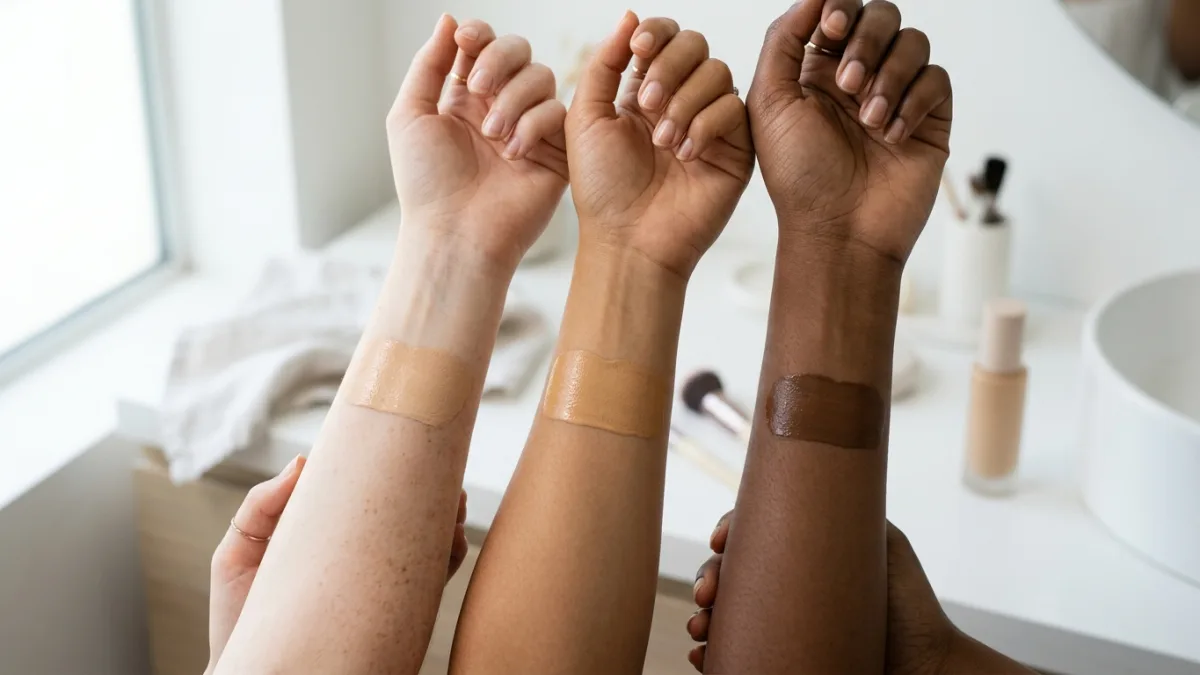
- Check the SPF number and confirm it’s labeled broad spectrum
- Note whether the filter is mineral, chemical, or a blend of both
- Match the finish — dewy, satin, or matte — to your skin type
- Read the full ingredient list if you have reactive or acne-prone skin
- Confirm the shade range actually includes your undertone, not just your depth
Tinted Moisturizer SPF vs. Skin Tint vs. CC Cream: What’s the Difference?
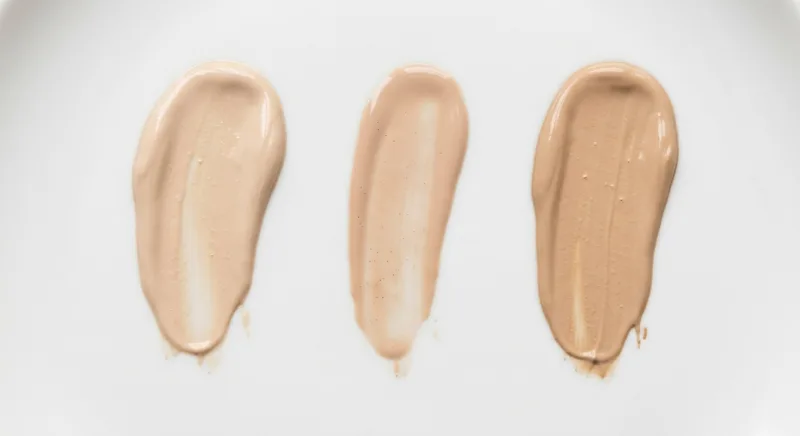
Tinted moisturizer SPF, Skin Tint (a very sheer, watery, low-coverage formula designed to look like bare skin with a soft glow), and CC Cream (a color-correcting cream built to blur redness and even tone with slightly more coverage than a tint) all overlap but aren’t interchangeable.
Skin tint usually has the lightest coverage and a more fluid, serum-like texture. CC cream leans more corrective, often marketed for redness or discoloration, with a thicker feel than either tinted moisturizer SPF or skin tint. Tinted moisturizer SPF sits in the middle for coverage and texture.
Not every skin tint or CC cream includes sun protection factor, so check the label rather than assuming. This is where shoppers get tripped up — the names suggest similar things, but formulas vary a lot between brands and even between products from the same brand.
| Category | Coverage | Texture | Sun Protection Factor Included |
|---|---|---|---|
| Tinted Moisturizer SPF | Sheer to light | Creamy, hydrating | Usually, check label |
| Skin Tint | Very sheer | Watery, serum-like | Sometimes, check label |
| CC Cream | Light to medium | Thicker, corrective | Sometimes, check label |
What Ingredients Should You Look for (and Avoid)?
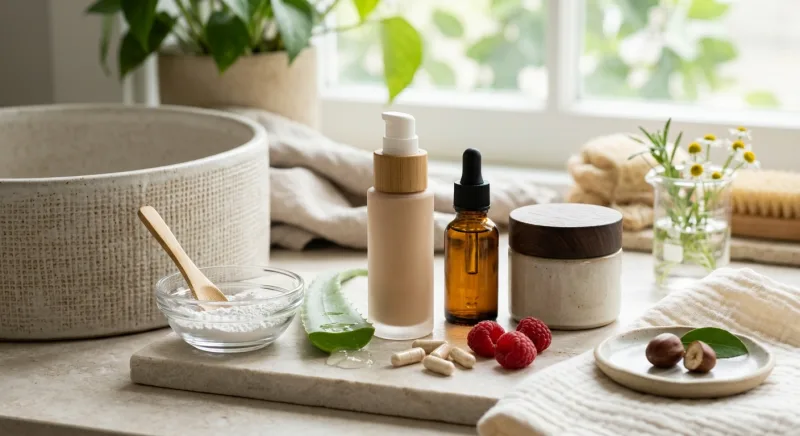
The best tinted moisturizer SPF balances hydration, gentle pigment, and sun protection without ingredients that clog pores or trigger irritation. Reading the label takes an extra minute but helps you avoid a product that looks great in the store and breaks you out a week later.
Hydrating Actives Worth Seeking Out
Hyaluronic acid, glycerin, and niacinamide (a form of vitamin B3 that helps calm skin and even out tone over time) are common hydrating actives in tinted moisturizer SPF. These ingredients help the skin’s outer layer stay strong while the sun protection factor does its job on the surface.
Ingredients That Can Clog Pores or Irritate Skin
Heavy oils and certain waxes can clog pores in acne-prone skin, so oil-free tinted moisturizer SPF is often the safer pick. Fragrance and certain alcohols can irritate sensitive skin, so shorter ingredient lists tend to be gentler options.
Patch testing a new tinted moisturizer SPF on the inner arm for a few days can help flag irritation before it reaches the face. This small step matters most for anyone with reactive or sensitized skin.
Tinted Moisturizer SPF vs Other Sun Protection Products
Understanding how tinted moisturizer SPF stacks up against other everyday sun protection products can help clarify where it fits into a routine. Each format has strengths depending on coverage needs, skin type, and how much time someone wants to spend on their morning routine.
Plain sunscreen adds no color and often needs a moisturizer put on first. BB creams tend to give more cover and skin care perks, while tinted moisturizer SPF stays closer to a plain, no-makeup look with a lighter feel.
| Product Type | Coverage Level | Texture | Best For |
|---|---|---|---|
| Tinted Moisturizer SPF | Light, sheer | Lightweight, hydrating | Natural everyday look with sun protection |
| Plain Mineral or Chemical Sunscreen | None | Varies, often thinner | Layering under makeup or on its own |
| BB Cream | Medium | Slightly thicker | More coverage with added skincare benefits |
| CC Cream | Light to medium | Smooth, color-correcting | Evening out redness or discoloration |
| Foundation with SPF | Medium to full | Heavier, longer-lasting | Full coverage with built-in sun protection |
This comparison shows why tinted moisturizer SPF appeals to people who want things simple. It swaps two or three steps for one product, without losing the light, airy feel many people like for daily wear.
How to Apply Tinted Moisturizer SPF Correctly
Application technique affects both the finish and the sun protection benefit. Skipping steps or using too little product can leave skin under-protected, even if the label lists a strong SPF number.
- Start with clean, moisturized skin before applying tinted moisturizer SPF.
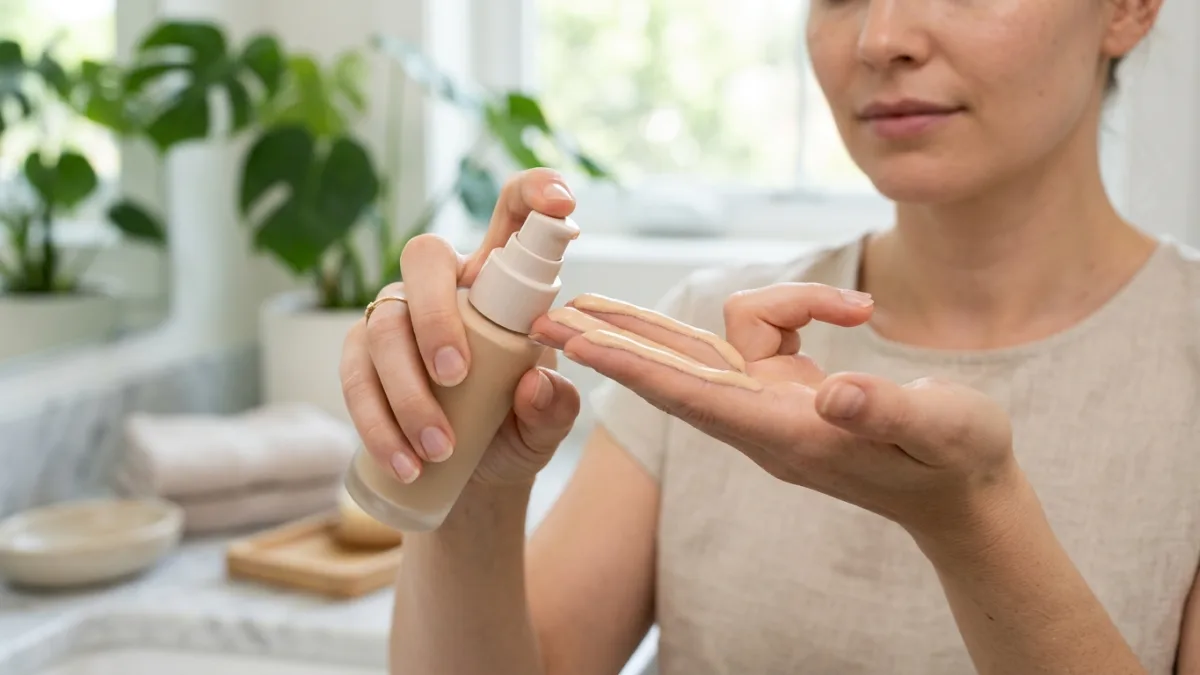
- Use a nickel-sized amount for the full face to meet label-tested coverage.
- Blend with fingers, a damp sponge, or a foundation brush for even distribution.
- Pay attention to often-missed areas like the hairline, ears, and neck.
- Let it settle for a minute before applying additional makeup on top.
- Reapply every two hours during extended outdoor exposure, if possible.

Does Tinted Moisturizer SPF Need Reapplication?
Yes, tinted moisturizer SPF loses its power over time, just like normal sunscreen. Sweat, water, and just touching the face can wear down the protective layer. Putting more on over makeup can feel hard, so many people use SPF setting sprays or powders for touch-ups midday.
Common Mistakes People Make With Tinted Moisturizer SPF
Even a good product can underperform if it’s used incorrectly. These mistakes are common enough that they’re worth calling out directly.
- Using too little product, which lowers the effective SPF on skin.
- Skipping sunscreen entirely on cloudy days, assuming UV exposure is low.
- Choosing a shade based on the bottle color rather than a swatch test.
- Layering multiple SPF products and assuming the protection levels add together.
- Forgetting to reapply during long days outdoors or near reflective surfaces like water or snow.
Avoiding these habits helps tinted moisturizer SPF work the way it’s meant to. Small changes in routine can make a real difference in both protection and looks.
Who Should Consider Tinted Moisturizer SPF
Not everyone needs heavy coverage every day, and that’s where tinted moisturizer SPF often fits best. People with fairly even skin tone who want light color correction and sun protection in one step tend to benefit most.
It also suits people moving away from heavy foundations, those who like simple routines, and anyone who wants to make a skincare-makeup step easier. Athletes, commuters, and people with busy mornings often like the time saved.
When a Different Product Might Work Better
People who need to conceal significant redness, dark spots, or uneven texture may find tinted moisturizer SPF too sheer on its own. In these cases, pairing it with a concealer or opting for a CC cream with more pigment might be a better fit.
Storage and Shelf Life Considerations
Sunscreen ingredients break down over time, and tinted moisturizer SPF is no different. Keeping the product away from strong heat and sunlight helps keep it stable and able to protect well.
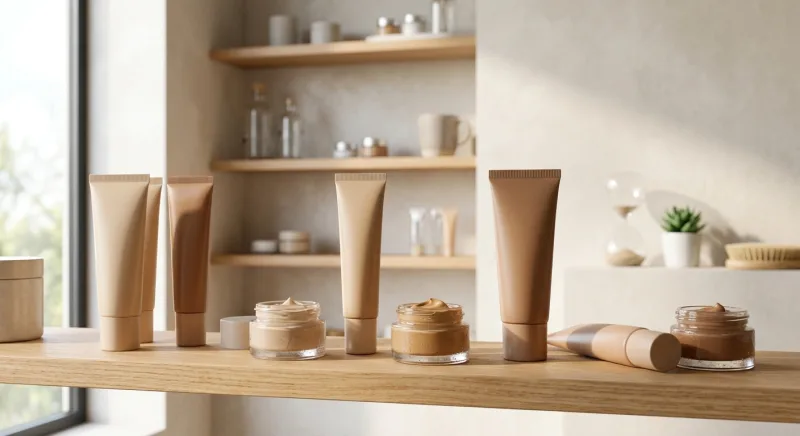
Most formulas have an expiration date or a period-after-opening symbol on the packaging. Using Tinted Moisturizer SPF past this date may mean less sun protection, even if the feel and smell seem the same.
- Store in a cool, dry place away from windowsills or car interiors.
- Close the cap tightly after each use to limit air and bacteria exposure.
- Check texture and smell periodically for signs the formula has separated or turned.
- Replace yearly, or sooner if the product has been exposed to heat.
Reading Labels: What the Claims Actually Mean
Marketing words on tinted moisturizer SPF packaging can be confusing. Terms like “broad spectrum,” “water-resistant,” and “non-comedogenic” all mean something exact, and knowing them helps you compare products more fairly.
- Broad spectrum means protection against both UVA and UVB rays.
- Water-resistant indicates a tested duration, usually 40 or 80 minutes, not full waterproofing.
- Non-comedogenic suggests a lower likelihood of clogging pores, though results vary by skin type.
- Reef-safe typically means the formula avoids certain chemical filters linked to coral reef damage.
Reading past the front label and checking the ingredient list gives a clearer picture. This habit helps shoppers choose a tinted moisturizer SPF that actually matches their skin’s needs, not just its marketing promises.
Market context
How the broader market shapes Tinted Moisturizer SPF in 2026
The figures below come from adjacent, well-documented markets. Each row names the subject it actually measures and links to its original source — these are related market indicators, not Tinted Moisturizer SPF claims.
| What it measures | Figure | Source |
|---|---|---|
| FDA-reviewed sunscreen active ingredients under the OTC monograph | The FDA has assessed 16 sunscreen active ingredients for GRASE (Generally Recognized as Safe and Effective) status under its OTC sunscreen monograph review. | U.S. Food and Drug Administration, 2022 |
| Annual skin cancer treatment burden in the United States | An estimated 6.1 million people are treated for skin cancer each year in the United States, at an annual medical cost of $8.9 billion. | Centers for Disease Control and Prevention (CDC), 2026 |
| FDA concentration limit for zinc oxide and titanium dioxide sunscreen UV filters | The FDA has proposed that sunscreen products containing zinc oxide and titanium dioxide at concentrations of up to 25% be classified as GRASE. | U.S. Food and Drug Administration, 2022 |
Read the complete guide: Sunscreen SPF Benefits: Why Daily Protection Matters for Your Skin
Frequently Asked Questions
Is Tinted Moisturizer SPF enough to replace regular sunscreen?
For light daily time outside, a Tinted Moisturizer SPF can work on its own. For long time outdoors, adding a real sunscreen underneath gives stronger, more sure cover against sun damage.
How much product should I apply for proper SPF coverage?
Most skin doctors suggest a nickel-sized amount for the whole face. Using less than this cuts the labeled SPF protection by a lot, even if the tint looks even and the coverage seems enough.
Can I wear tinted moisturizer with SPF under makeup?
Yes, it works well as a base layer. Let it absorb fully before applying foundation or powder. This prevents pilling and helps the tint and SPF protection last through the day.
Does tinted moisturizer with SPF expire?
Yes, sunscreen ingredients break down over time. Check the expiration date or period-after-opening symbol on the packaging. Using old product means the SPF number on the label may no longer be right.
Is a higher SPF number always better in a tinted moisturizer?
Not always. SPF 30 blocks a bit less of the sun’s UVB rays than SPF 50, but the gap is small. Putting it on again and again matters more than chasing the highest number you can find.
Can people with darker skin tones use tinted moisturizer SPF without a white cast?
Many modern formulas use tinted or chemical filters to avoid the white residue common with mineral-only sunscreens. Checking reviews and shade ranges before buying helps darker skin tones find a good match.
Should I reapply tinted moisturizer with SPF throughout the day?
Yes, sunscreen protection fades after a couple of hours, especially with sweat or touching the face. Blotting papers or a setting spray with SPF can help maintain coverage without disturbing makeup.
Key statistics
- Sunscreen SPF ratings are laboratory-tested using a standardized application amount of 2 milligrams per square centimeter of skin, a far heavier application than most people use in daily life. (U.S. Food and Drug Administration (FDA), 2021)
- Dermatologists recommend using at least one teaspoon of sunscreen just to cover the face, an amount most tinted moisturizer users likely fall short of. (American Academy of Dermatology (AAD), 2025)
- A majority of people admit to skipping the reapplication step that SPF-containing products, including tinted moisturizers, require to remain effective throughout the day. (American Academy of Dermatology (AAD), 2025)
References
- SPF (sun protection factor) is a measure of how much UV radiation is needed to cause sunburn on protected skin compared to unprotected skin, and higher SPF values indicate greater UVB protection. — U.S. Food and Drug Administration (Federal regulatory agency (FDA) that defines and regulates SPF testing and labeling requirements.)
- Most people significantly under-apply sunscreen, getting only a fraction of the SPF protection listed on the label. — American Academy of Dermatology (National professional medical association for dermatologists (AAD).)
- The AAD recommends using a broad-spectrum, water-resistant sunscreen with an SPF of 30 or higher. — American Academy of Dermatology (National professional medical association for dermatologists (AAD).)
- Sunscreen should be reapplied roughly every two hours when outdoors, and more often after swimming or sweating. — American Academy of Dermatology (National professional medical association for dermatologists (AAD).)
- A broad-spectrum sunscreen protects against both UVA (aging) rays and UVB (burning) rays. — American Academy of Dermatology (National professional medical association for dermatologists (AAD).)
