
Skincare routine
Glass Skin: The Complete Guide to Korea’s Smoothest Skincare Trend
Last updated: November 5, 2026
Glass skin is a Korean-beauty complexion goal built on ultra-smooth, poreless, and luminous skin that looks like light bouncing off glass. You get it through layered hydration, gentle exfoliation, daily SPF, and an even, smooth skin surface rather than heavy makeup coverage.
It’s a texture goal first, a glow goal second.
What Is Glass Skin, Exactly?
Glass skin means skin so smooth and clear it looks almost see-through, like light passing through glass. The term comes from Korean skincare culture, where the goal is a poreless, even, luminous complexion. It’s less about a heavy glow and more about flawless texture underneath.
Where the Glass Skin Trend Came From
Social media picked it up fast. Videos showing dewy, reflective cheeks under studio lighting made glass skin a global search term. But the trend didn’t start as a beauty fad — it started as a byproduct of consistent, gentle skincare habits.
Glass Skin vs. Dewy Skin vs. Glowy Skin
These three terms get mixed up constantly, but they aren’t the same thing. Dewy skin is about moisture and shine sitting on the surface. Glowy skin is a broader, softer radiance. Glass skin combines both with near-poreless smoothness underneath.
Achieving glass skin isn’t about one product but a consistent routine. Hydration, gentle exfoliation, and sun protection all play a role. Building smoother, more radiant skin takes patience and the right combination of care over time.
Think of it this way: dewy skin can happen with a good moisturizer alone. Glowy skin can come from a highlighter. Glass skin needs the texture work — smooth, even, calm skin — before any glow even matters.
| Look | Main Trait | How It’s Achieved |
| Glass skin | Poreless, smooth, translucent glow | Layered hydration, gentle exfoliation, smooth texture |
| Dewy skin | Moist, fresh-looking sheen | Rich moisturizer, hydrating serums |
| Glowy skin | Soft, general radiance | Illuminating products, healthy skin habits |
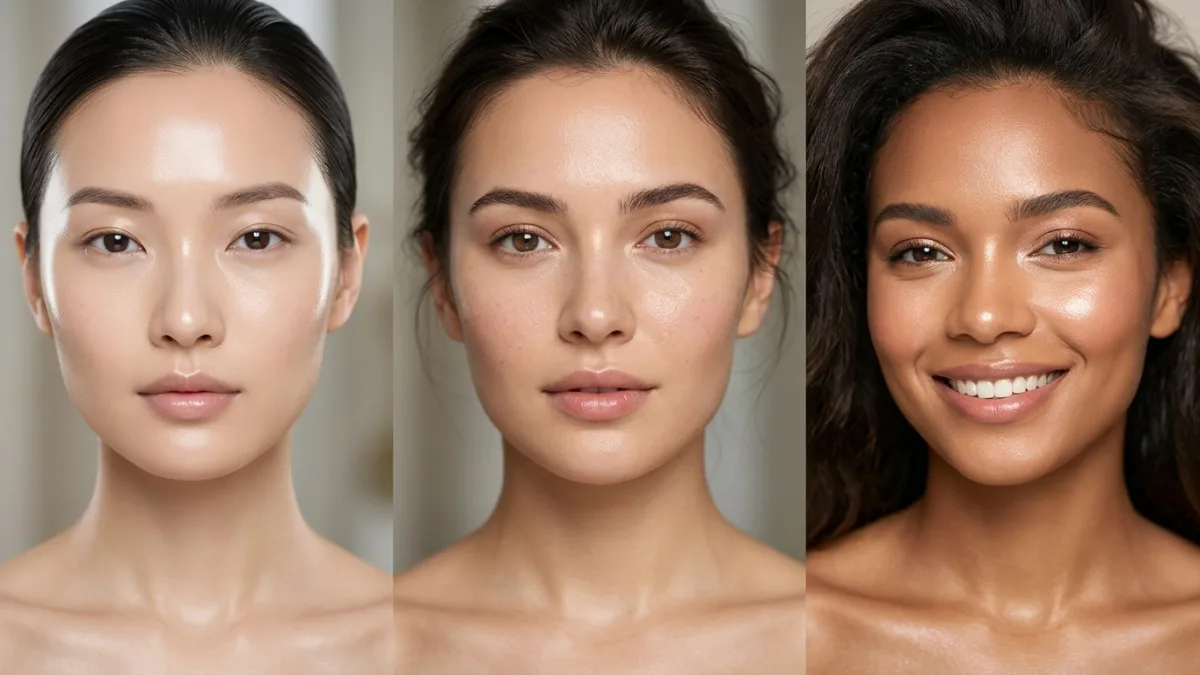
Is Glass Skin Achievable for Every Skin Type?
Yes, glass skin is achievable for every skin type, but the path looks different for each one. Oily, dry, sensitive, and mature skin all need slightly different steps. The end goal of smooth, clear, light-reflecting skin stays the same.
Many people assume glass skin only works for naturally clear, dry-leaning skin. That’s not true. It’s a result of routine and consistency, not a specific starting skin type. Anyone can build toward it with the right steps.
Glass skin has become one of the most recognized terms in modern skincare conversations, reflecting a broader shift toward smoother, more radiant complexions. Interest in achieving this look continues to shape how people approach their daily beauty routine and product choices.
Oily and Acne-Prone Skin
Oily skin can absolutely get glass skin, though it takes some balance. The trick is using lightweight, oil-free hydration instead of skipping moisture altogether. Skipping hydration often makes oily skin produce even more oil.
Gentle exfoliation matters here too, since acne-prone skin can scar easily if scrubbed too hard. Gel-based serums and light, non-comedogenic moisturizers tend to work best. The goal is control, not stripping the skin dry.
Dry and Sensitive Skin
Dry and sensitive skin usually needs richer layers of hydration to get that glass-like finish. Hyaluronic acid, a hydrating ingredient that holds water in the skin, is a common pick here. It plumps skin gently without causing irritation.
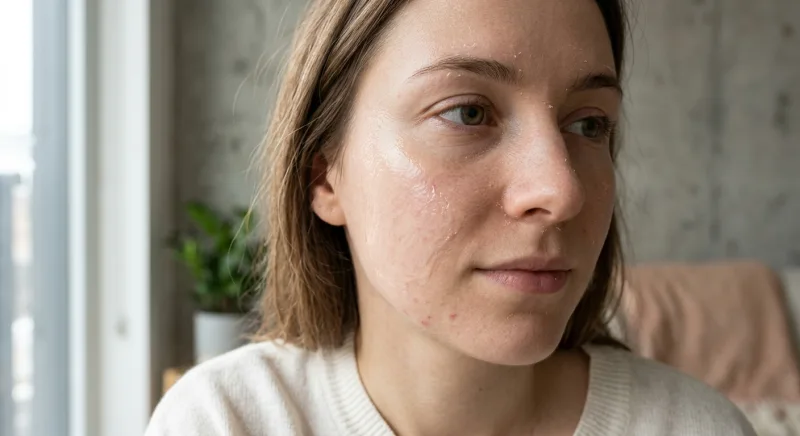
Sensitive skin should go slow with exfoliation and new products. Introducing one step at a time helps avoid redness or flare-ups. Patience matters more than speed when building a glass skin routine on sensitive skin.
Multi-step skin care routines focus on layering light products to add water, guard, and smooth skin over time. This way favors doing it the same way each time and softer products, which helps skin look smoother without using harsh treatments.
Mature Skin
Smooth, well-groomed body and facial skin also help mature skin look more even overall. Choosing the right device type for your skin type matters at every age, not just for facial care but for full-body smoothness too.
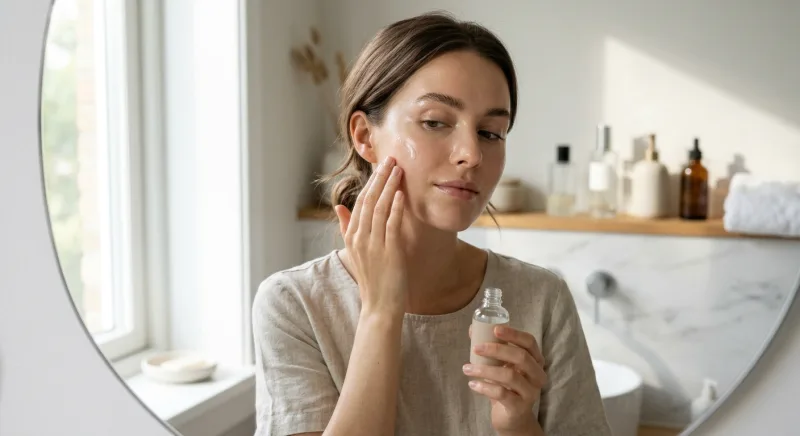
The Step-by-Step Glass Skin Routine
A glass skin routine follows a simple order: cleanse, exfoliate, hydrate, moisturize, and protect. Each step builds on the last. Skip one and the whole glass skin effect tends to fall flat.
Cleanse Without Stripping
Start with a gentle cleanser that removes dirt and oil without leaving skin tight. A tight, squeaky-clean feeling usually means the cleanser is too harsh. Glass skin depends on skin that stays calm, not stripped.
Exfoliate Gently (and Not Too Often)
Layer Hydration with Essences and Serums
This is the heart of any glass skin routine. Essences and serums, lightweight hydrating liquids, sink into skin fast and build up moisture in layers. More thin layers work better than one thick layer.
Seal It In with Moisturizer
Moisturizer locks in everything applied before it. Without this step, hydration evaporates and skin loses that plump, glassy look fast. Pick a texture that matches your skin type, not just what feels fancy.
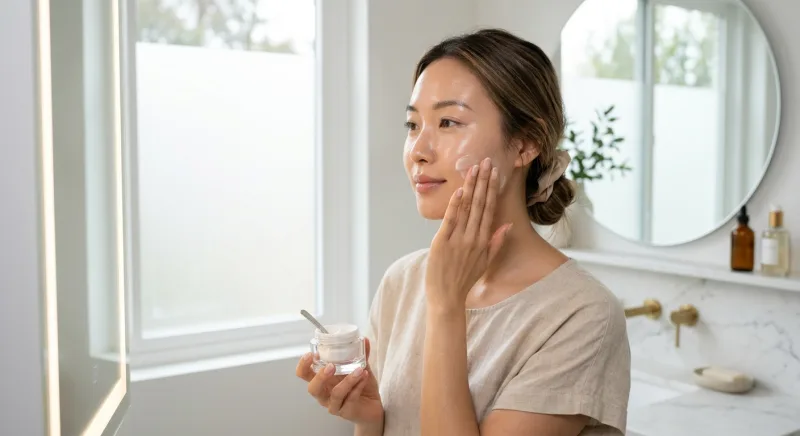
Never Skip SPF
SPF, sun protection factor, is non-negotiable for glass skin. Sun damage causes uneven tone and rough texture over time. No routine, however good, can outpace daily sun exposure without protection.
| Step | Purpose | Frequency |
| Cleanse | Remove dirt, oil, makeup | AM and PM, daily |
| Exfoliate | Clear dead skin cells | 1-3 times weekly, skin-type dependent |
| Essence/Serum | Layer in hydration | AM and PM, daily |
| Moisturizer | Seal in hydration | AM and PM, daily |
| SPF | Protect from sun damage | Every morning, daily |
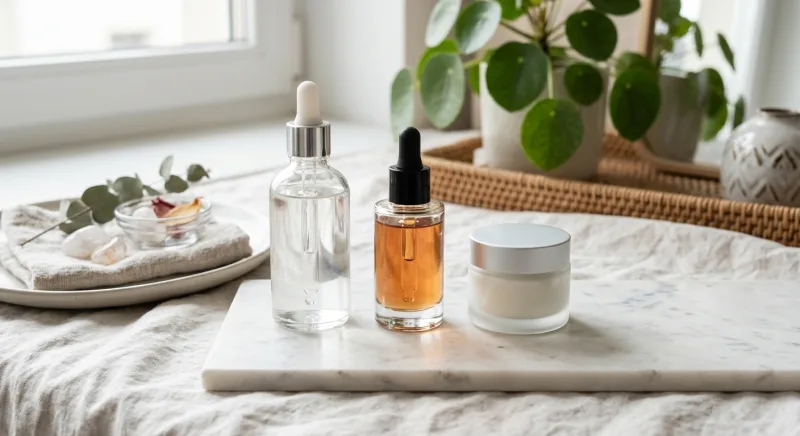
How Smooth Skin Prep Affects Your Glass Skin Results
Glass skin depends on more than products — it depends on the surface underneath. Stubble, ingrown hairs, and rough patches scatter light instead of reflecting it smoothly. Smooth skin prep is what makes glass skin actually look glassy.
Why Hair Removal Method Matters for a Smooth Base
Hair removal method matters because rough or uneven texture undercuts even the best skincare. A closer, longer-lasting result gives skin more time to look smooth and even. This is where the right grooming tools come in.
Bellxi offers premium women’s grooming and advanced hair removal devices built for every skin type. From painless IPL laser handsets to precision trimmers and epilators, Bellxi stocks every device type to fit your routine. That range matters when smooth skin is part of the goal.
IPL vs. Epilating vs. Shaving Before Skincare
IPL, or intense pulsed light, targets hair at the root for longer-lasting smoothness over repeated use. Epilating pulls hair from the root in one session, lasting longer than shaving. Shaving is fastest but leaves stubble soonest.
- IPL: Best for long-term smoothness; needs consistent sessions; gentle on skin over time
- Epilator: Good middle ground; longer-lasting than shaving; can cause temporary redness
- Shaving: Fastest and easiest; shortest-lasting; higher risk of stubble and ingrown hairs
Whichever method you choose, smoother skin gives your glass skin routine a better base to work with. Bellxi ships within 24 hours and backs every device with a 30-day risk-free guarantee, so testing what works for your skin is low-risk.
Building Your Glass Skin Routine Step by Step
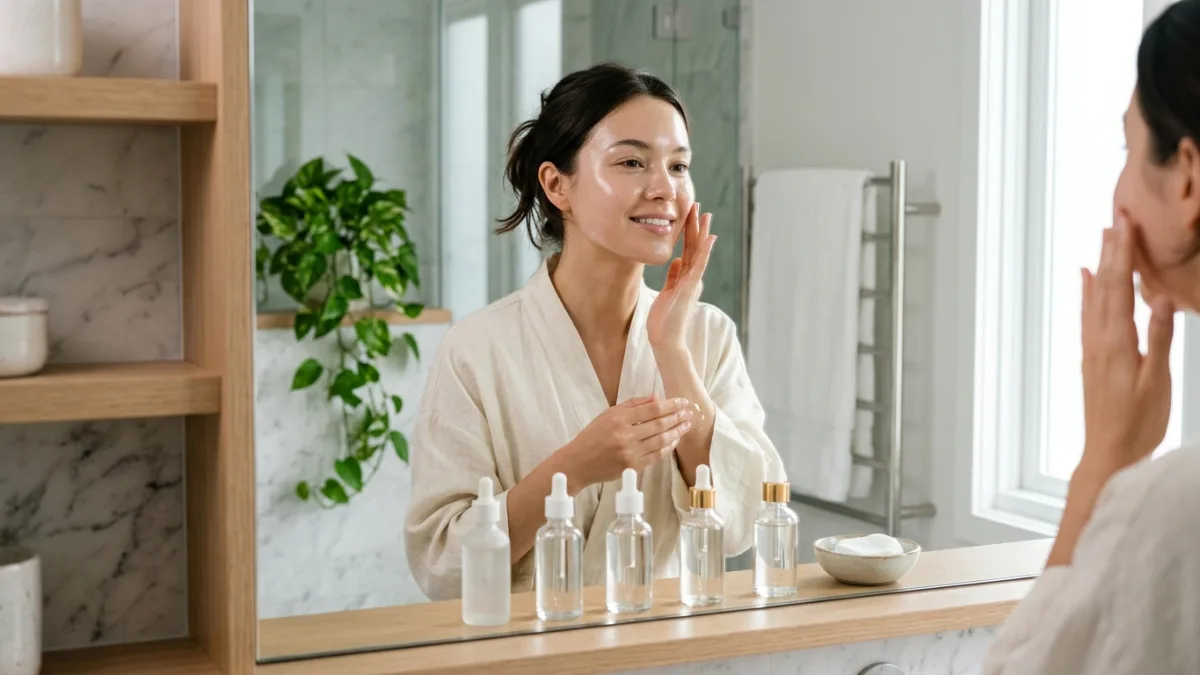
Glass skin isn’t the result of one magic product. It’s a layered routine, applied in the right order, day after day. Skipping steps or rushing through them is why many people never see the glow they’re after.
Below is a simple framework you can adapt to your skin type. Start with the basics and add extra steps once your skin adjusts.
Morning Routine
- Gentle cleanser: Removes overnight oil buildup without stripping skin
- Hydrating toner: Preps skin to absorb the next steps more effectively
- Lightweight serum: Vitamin C or niacinamide for brightness and even tone
- Moisturizer: Locks in hydration and softens fine lines
- Sunscreen: Non-negotiable for preventing dullness and premature aging
Evening Routine
- Double cleanse: Oil-based cleanser followed by a water-based one to remove makeup and sunscreen
- Exfoliation (2-3x weekly): Chemical exfoliants work gently without micro-tearing skin
- Treatment serum: Hyaluronic acid or peptides depending on your skin’s needs
- Rich moisturizer or sleeping mask: Seals in hydration overnight
The Role of Hydration in Achieving Glass Skin
Hydration is the foundation glass skin is built on. Skin that lacks water looks dull, flaky, and uneven, no matter how many serums you layer on top. Oil-free skin can still be dehydrated, which is a common misconception.
Look for ingredients that draw and hold moisture in the skin barrier. Hyaluronic acid, glycerin, and ceramides are staples in Korean skincare for this exact reason. They work at different layers of the skin to keep it plump.
Drinking water helps, but topical hydration does the heavy lifting for visible results. Layering thin, watery textures before thicker creams — a technique often called “skin layering” — helps hydration penetrate rather than sit on the surface.
Diet and Lifestyle Factors That Support Glass Skin
Daily SPF remains a cornerstone of any skincare routine, glass-skin regimens included. Sun protection helps guard against long-term skin damage while supporting the even, radiant complexion that layered routines aim to achieve.
- Sleep: Skin repairs itself overnight; poor sleep shows up as puffiness and dullness
- Diet: Antioxidant-rich foods and omega-3s support skin elasticity and glow
- Stress management: Chronic stress can trigger breakouts and inflammation
- Hydration: Adequate water intake supports overall skin function
- Sun protection: UV damage is one of the fastest ways to lose that smooth, even look

None of these replace a good skincare routine, but they amplify its results. Think of them as the maintenance that keeps your glass skin routine from working against a losing battle.
Comparing At-Home hair removal methods for Smoother Skin
Since smooth, hair-free skin plays a supporting role in the glass skin look, it helps to compare the most common at-home options side by side. Each method differs in cost, time investment, and how it affects skin texture over time.
| Method | Time Per Session | Results Last | Skin Impact | Best For |
|---|---|---|---|---|
| IPL Device | 10-20 minutes | Weeks to months (with consistent use) | Gentle over time; minimal irritation | Long-term smoothness and reduced regrowth |
| Epilator | 15-30 minutes | 2-4 weeks | Temporary redness or bumps possible | Those wanting longer-lasting results without a device commitment |
| Shaving | 5-10 minutes | 1-3 days | Higher risk of stubble, razor burn, ingrown hairs | Quick touch-ups before an event |
| Waxing | 20-40 minutes | 3-4 weeks | Can irritate sensitive skin | Those comfortable with salon-style routines at home |
Notice how IPL trades a bit more time upfront for the least ongoing irritation and the longest-lasting smoothness. That trade-off matters if your goal is skin that looks calm and even, not just hair-free for a few days.
Common Mistakes That Undermine a Glass Skin Routine
Even with the right products, small habits can quietly sabotage your results. Recognizing these mistakes early saves time, money, and frustration.
- Over-exfoliating: Stripping the skin barrier leads to redness and sensitivity, not glow
- Skipping sunscreen: UV exposure undoes hydration efforts and accelerates dullness
- Layering too many actives: Combining strong ingredients like retinoids and acids can irritate skin
- Ignoring patch tests: New products can trigger unexpected reactions, especially on sensitive skin
- Inconsistent routine: Sporadic use of products rarely produces visible, lasting change
Simplifying your routine and staying consistent often works better than adding more products. Glass skin rewards patience over experimentation.
How Long Does It Take to See Glass Skin Results?
Patience is part of the process. Skin cell turnover takes weeks, not days, so visible changes in texture and tone don’t happen overnight. Most people notice initial improvements in hydration and softness within two to four weeks of consistent care.
More visible changes — reduced pore appearance, more even tone, that reflective glow — typically take six to twelve weeks of steady use. Hair removal routines factor in here too, since smoother skin surface enhances how light reflects off it.
Market context
Human epidermis turnover time — In humans, the epidermis is estimated to completely turn over every 40 to 56 days. NIH PMC (Making an epidermis), 2010
U.S. household spending on personal care products and services (share of total annual expenditures) — Personal care products and services accounted for 1.2 percent of average U.S. household expenditures in 2024, according to the Bureau of Labor Statistics’ Consumer Expenditure Survey. U.S. Bureau of Labor Statistics, 2025
Adjacent-market figures — each names the subject it measures, not Glass Skin directly.
Read the complete guide: How to Build a Skincare Routine That Actually Works in 2026
Frequently Asked Questions
Can any skin type achieve glass skin?
Yes, though the routine looks different depending on your skin type. Oily skin types may need lighter layers and oil-control steps, while dry skin types benefit from richer creams. The core principles — hydration, gentle exfoliation, and sun protection — apply universally, even if product texture and frequency vary.
Is glass skin only achievable with Korean skincare products?
No. While the trend began in Korean beauty culture, the results come from steady habits, not certain brands. Many Western skin care lines offer similar water-adding serums, mild face washes, and SPF products. What matters most is layering products the right way and staying steady with your routine over time.
How long does it take to see glass skin results?
Initial hydration improvements often appear within two to four weeks. More noticeable changes, like reduced pore visibility and a smoother, glowing texture, usually take six to twelve weeks of steady care. Results depend on your starting skin condition, consistency, and whether you combine skincare with treatments like IPL.
Pores can appear smaller when skin is well hydrated and healthy, even though their actual size stays largely the same. A consistent routine can visibly refine texture and minimize their appearance.
Layered skincare and gentle exfoliation can help skin look smoother and more refined over time. Consistent hydration and care support a healthier-looking complexion, which is the foundation of any glass-skin approach.
Does makeup work with a glass skin look?
Absolutely. Many people achieve a glass skin finish using dewy foundations, illuminating primers, and cream-based highlighters over well-prepped skin. The key is starting with a hydrated base so makeup sits smoothly rather than settling into fine lines or dry patches.
Skincare prep matters as much as the products applied on top.
Can hair removal methods affect glass skin results?
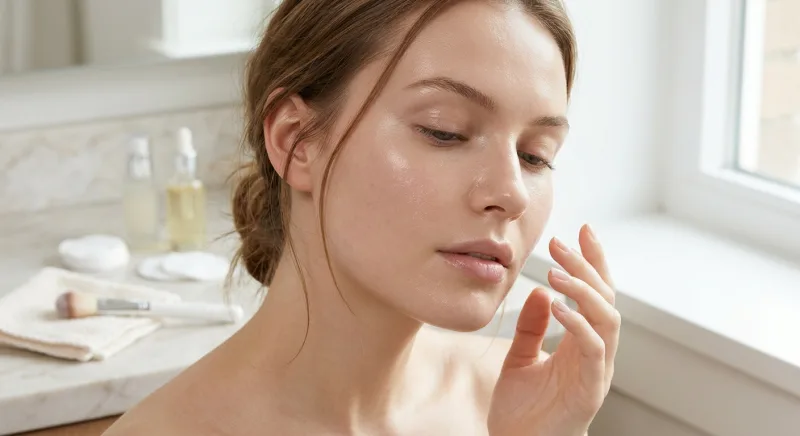
Yes. Smoother skin free of visible hair reflects light more evenly, enhancing the glass-like appearance. Methods like IPL can reduce hair regrowth over time, which pairs well with a consistent skincare routine. Together, they support a smoother surface texture that highlights the glow associated with glass skin.
Is glass skin realistic for everyday life?
It’s a loose goal, not an all-or-nothing rule. Most people won’t keep a flawless, camera-ready glow every day, but steady water care, soft scrubbing, and sun care can clearly improve skin’s feel and glow over time.
Think of glass skin as a path for your routine, not a fixed end point.
Soft scrubbing, done the same way each time but not too much, is a key step in the glass-skin routine. Doing too much can leave skin sore, so balance and staying steady matter more than how often you do it.
Do I need expensive products to get glass skin?
Not always. Cheap face washes, creams, and sunscreens can give the same gains as pricey ones if made well. Doing it the same way each time and layering it right matter more than the price tag.
Focus on things like hyaluronic acid, ceramides, and SPF rather than the brand name to build a good, cheap glass skin routine.
Key statistics
- Only about half of U.S. adults use sunscreen regularly, and even fewer do so on cloudy days. (American Academy of Dermatology, 2025)
- A majority of people say they often forget to reapply sunscreen throughout the day, which can undermine the daily-SPF habit that glass-skin routines depend on. (American Academy of Dermatology, 2025)
Expert insights
Certain aspects of the glass skin trend like moisturizing your skin and using a broad-spectrum, water-resistant sunscreen with an SPF of 30 or higher are positive steps toward better skin care habits
Dr. Karlin, Dermatologist (quoted in an American Academy of Dermatology article on dermatologists revealing facts about social media skin care trends)
References
- Exfoliation is defined as the process of removing dead skin cells from the outer layer of the skin, which supports smoother, more even-looking skin texture — a key part of achieving a glass-skin finish. — American Academy of Dermatology (AAD) (American Academy of Dermatology, the leading professional organization of board-certified dermatologists)
- Dermatologists recommend using a broad-spectrum sunscreen with SPF 30 or higher as part of a daily skincare routine, which supports the article’s guidance on daily SPF as a step toward glass skin. — American Academy of Dermatology (AAD) (American Academy of Dermatology guidance page on sunscreen labeling)
- Dermatologists advise applying sunscreen to all exposed skin every day, not just in summer, reinforcing the article’s emphasis on daily SPF for skin health and appearance. — American Academy of Dermatology (AAD) (American Academy of Dermatology official FAQ/statistics page on sunscreen use)
- Before starting an exfoliation routine, it is important to consider skin type, since sensitive, dry, oily, and normal skin each respond differently to exfoliating methods — supporting the article’s point that the glass-skin routine must be adapted per skin type. — newswise.com
You may also be interested in: Anti Aging Skin Care: What Actually Works in 2026
You may also be interested in: Moisturiser for Dry Skin: The Complete 2026 Guide to Ingredients, Texture, and Routine
You may also be interested in: Female Waxing 101: Types, Prep, Aftercare, and How Often to Wax in 2026
You may also be interested in: Facial Hair Removal: The Complete Guide to Every Method in 2026
You may also be interested in: Facial Hair Removal: The Complete 2026 Guide to Every Method and Device
