
Makeup
Lip Stains 101: What They Are and How to Make Them Last
Last updated: November 3, 2026
Lip stains are long-wearing lip colors made from pigment that bonds to the top layer of your lips instead of sitting on top like regular lipstick. This bond is why lip stains fade slowly and evenly, rather than wiping off in one swipe.
They come in liquid, oil, peel-off, and balm forms, each with a different feel and finish.
If you’ve ever wondered why some lip colors survive coffee, meals, and masks while others vanish in an hour, the answer is lip stains. Lip stains work differently from lipstick at a chemical level.
This guide breaks down what lip stains are, how they wear, and how to pick the right one for your lips.
What Are Lip Stains, Exactly?
Lip stains are pigment-based lip products that bond to the surface of your lips instead of coating them. That bond is what makes lip stains fade gradually instead of wiping off. Most lip stains use small color molecules that grip onto the outer layer of skin on your lips.
Traditional lipstick sits on top of your lips as a layer of wax and pigment. Lip stains skip most of that wax. This is why lip stains often look sheer and natural, even when the color is bold.
How lip stains differ from lipstick
Lipstick relies on wax and oil to carry pigment across your lips in one solid layer. Lip stains use a thinner, often water- or alcohol-based base to carry pigment deep into the surface. That’s why lipstick can smear or transfer, while lip stains tend to stay put once they dry.
Dermatologists generally agree that lip stains behave differently from balms, since their pigments are formulated to cling to skin rather than sit on top of it, which explains their lasting power and their tendency to dry lips out over time.
The trade-off is texture. Lipstick usually feels creamier and covers more evenly right away. Lip stains can look patchy at first, then settle into an even, natural tint once they set.
How lip stains differ from lip tints
Here’s where things get confusing. Many brands use “lip stain” and “lip tint” to describe almost the same product. In general, lip tints lean sheerer and often come in gel or balm form, while lip stains lean more intense and long-wearing.
The line isn’t fixed, though. Some lip tints last just as long as lip stains, and some lip stains feel as light as a tint. When shopping, check the finish and wear-time claims rather than trusting the name alone.
| Feature | Lip Stain | Lip Tint | Lipstick |
|---|---|---|---|
| Finish | Sheer to bold, natural-looking | Sheer, often glossy or dewy | Full, solid coverage |
| Longevity | Long-wearing, fades gradually | Moderate, varies by formula | Shorter wear, can smudge or transfer |
| Application | Thin layers, builds with time | Dabbed or patted on lightly | One smooth swipe |
| Best for | Low-maintenance, all-day color | Soft, everyday looks | Bold, polished occasions |
How Do Lip Stains Actually Work on Skin?
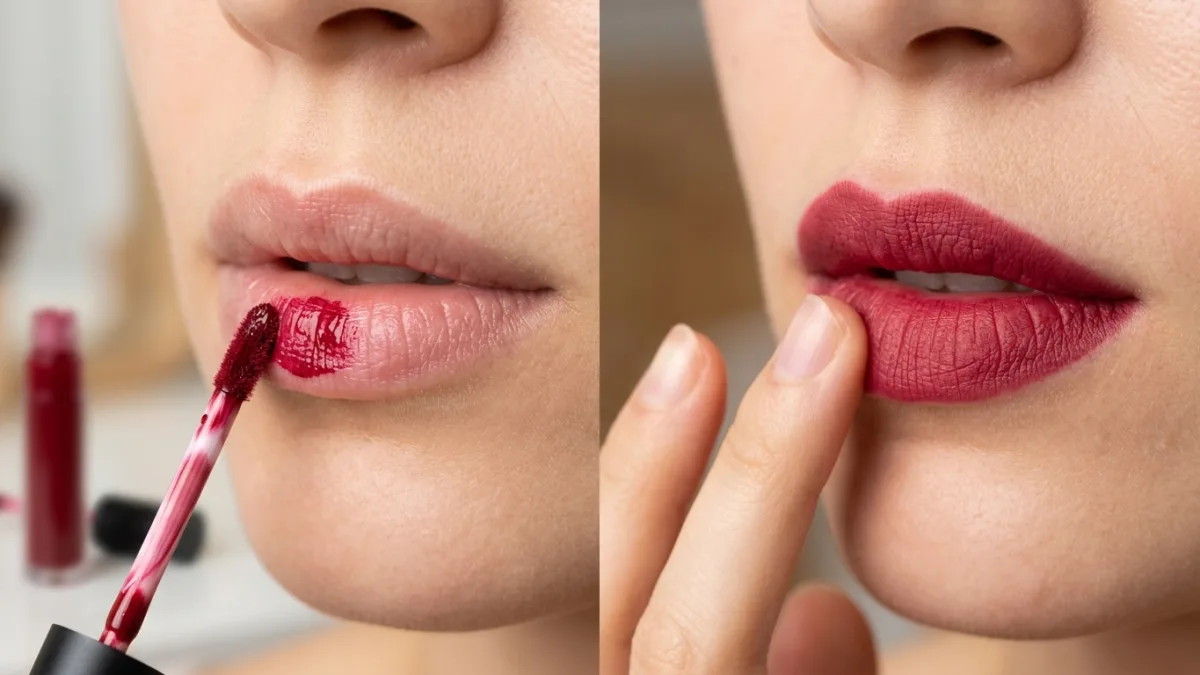
Lip stains work by letting pigment attach to the outer layer of your lip skin instead of resting on the surface. Once that pigment sets, it resists water, food, and rubbing far better than a surface coating does. That’s the whole secret behind lip stains.
The base of a lip stain, whether it’s water, alcohol, or oil, is really just a delivery system. It carries the pigment onto your lips, then evaporates or absorbs, leaving color behind.
What remains bonds to the surface of your lips, which is why the color lingers long after the initial application fades.
Cosmetic chemists generally explain that lip stain pigments are designed to adhere directly to the skin’s surface, rather than layering on top like traditional lipstick. This bonding behavior is what gives stains their long-lasting color and their tendency to feel drying with repeated use.
Why they last longer than regular lipstick
Lip stains last longer than lipstick because the color isn’t just sitting on top waiting to be rubbed off. Once the pigment bonds, food and drinks mostly slide over it. That’s the core reason lip stains have become the go-to for long days out.
Lipstick, by contrast, can transfer onto cups, masks, and collars because its wax layer never fully sets. Lip stains skip that problem by drying into the skin rather than staying as a movable film.
Why they wear differently on different lip textures
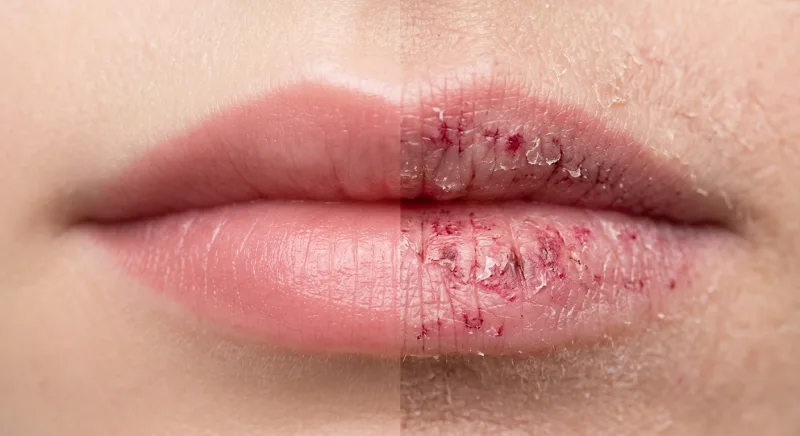
Not everyone gets the same results from lip stains, and lip texture is a big reason why. Smooth, hydrated lips let pigment bond evenly. Dry or flaky lips can grab stain unevenly, leaving patchy spots or dark lines in cracks.
This is similar to how skin type changes results with any beauty or grooming product. Just as smooth, well-prepped skin gets better results from hair removal tools, smooth lips get better results from lip stains. Prep matters as much as the formula.
Types of Lip Stains You’ll Find Today
Lip stains today come in four main formats: liquid, peel-off, oil-based, and tinted balm. Each type of lip stain has its own texture, wear time, and level of buildability. Knowing the differences helps you pick lip stains that fit your routine.
Liquid lip stains
Liquid lip stains usually come with a doe-foot or brush applicator. They apply wet, then dry down into a matte or satin finish. Most liquid lip stains offer the boldest color and the longest wear among all lip stain types.
Peel-off lip stain masks
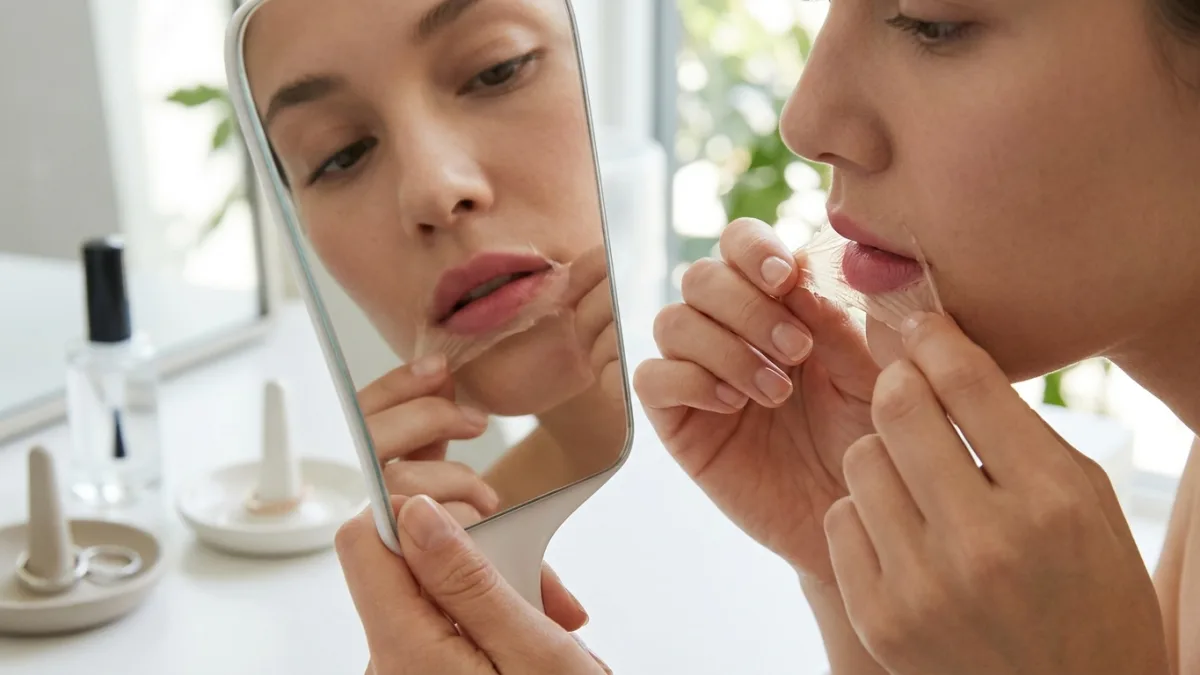
Peel-off lip stains dry into a thin film that you peel away, leaving a soft tint behind. These lip stains skip the need for a setting time and often feel more fun to apply, though color intensity can be less even.
Lip oil stains
Lip oil stains blend a lightweight oil base with pigment, giving a glossy finish plus tint. They tend to feel more comfortable on dry lips than other lip stains, though they may need reapplying more often.
Tinted balms and buildable formulas
Tinted balms sit closer to lip tints than true lip stains, but many brands blur the two. These formulas build up color gradually with light layers, making them a gentler entry point into lip stains for beginners.
How to Apply a Lip Stain for Long-Lasting Color
Getting lip stains to last starts before you even open the product. Prepping your lips, applying in thin layers, and letting each layer set are the three keys to long-lasting lip stains. Skipping any step shortens wear time.
Prepping your lips before application
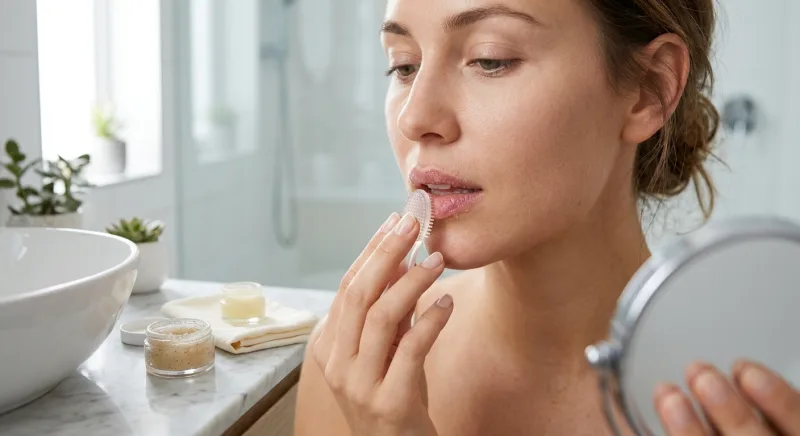
Start with clean, dry lips free of old product or flaky skin. A light exfoliating step removes dead skin that would otherwise catch pigment unevenly. Lip stains grip best onto a smooth, calm surface.
Layering technique for even color
Apply a thin first layer of lip stain, then let it dry for a few seconds before adding more. Building lip stains in thin layers avoids the patchy, streaky look that comes from one heavy coat.
Common application mistakes
The biggest mistake with lip stains is applying too much product at once, which leads to uneven drying and patchiness. Another common error is skipping lip prep, which makes lip stains cling to dry patches instead of setting smoothly.
- Wipe lips clean and pat dry.
- Gently exfoliate to remove flakes.
- Apply a thin layer of lip balm and let it absorb.
- Apply the first thin coat of lip stain.
- Wait a few seconds, then blot lightly if needed.
- Add a second thin layer only where color looks faint.
- Avoid eating or drinking until the stain fully sets.
Rushing the drying time is another mistake worth avoiding. Lip stains need a few seconds to bond with the lips before they reach full color payoff. Talking, drinking, or pressing lips together too soon can smear the formula before it sets, leading to patchy or faded results.
Lip stains vs lipstick vs lip gloss
Shoppers often confuse lip stains with lipstick and lip gloss because all three products color the lips. However, their formulas, wear time, and finish differ significantly. Understanding these differences helps buyers choose the right product for their routine instead of guessing based on packaging alone.
Allergic reactions to lip care products such as lipsticks, balms, glosses, and liners are a recognized concern in dermatology, with case reports documenting reactions tied to specific pigments and preservatives, underscoring why patch testing new formulas matters before regular use.
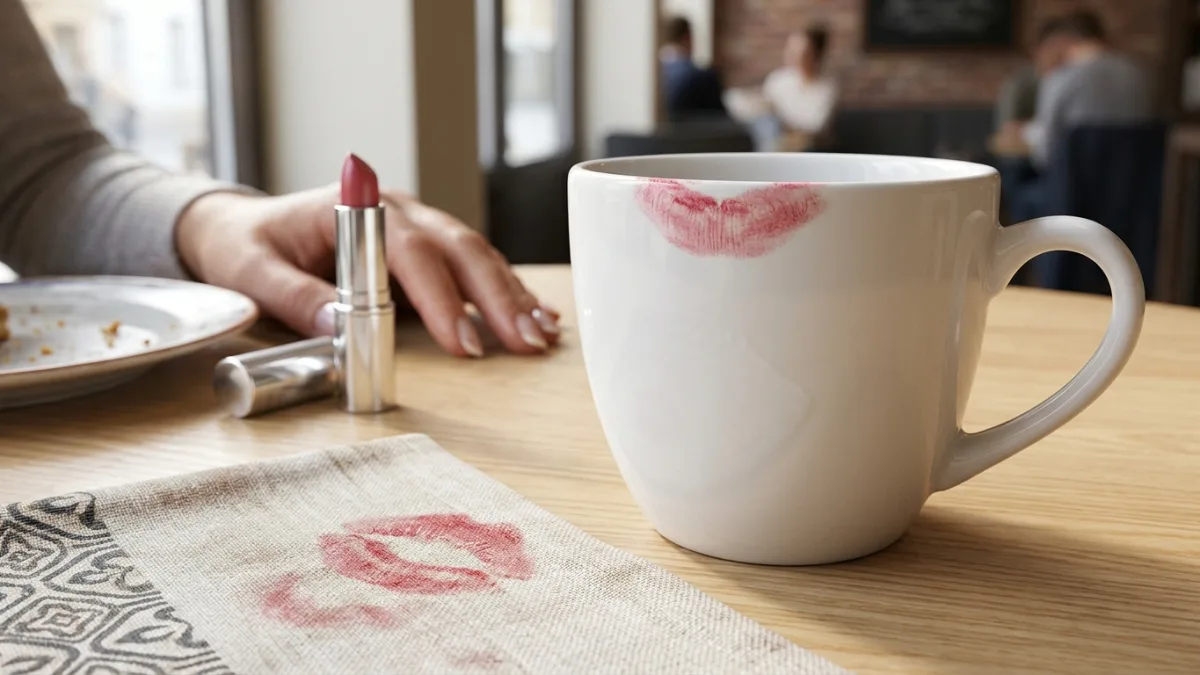
Lipstick typically sits on top of the lips and offers a creamy or matte finish with buildable opacity. It tends to transfer onto cups, masks, and fabric more easily than lip stains.
Lip gloss, on the other hand, adds shine and moisture but usually provides the shortest wear time of the three.
Lip stains differ because they bond with the lip’s surface rather than sitting on top of it. This is why lip stains resist smudging better and often survive meals, drinks, and long hours better than traditional lipstick.
| Feature | Lip Stain | Lipstick | Lip Gloss |
|---|---|---|---|
| Wear time | Long-lasting, often several hours | Moderate, fades with eating/drinking | Short, needs frequent reapplication |
| Finish | Matte or natural-looking tint | Matte, satin, or glossy | Shiny and glossy |
| Transfer | Minimal once set | Moderate to high | High |
| Hydration level | Varies by formula | Often more moisturizing | Very moisturizing |
| Application ease | Requires precision, quick drying | Easy, glide-on application | Very easy, forgiving |
| Best for | All-day wear, low-maintenance color | Bold looks, defined lips | Added shine, layering |
This comparison shows why lip stains appeal to people who want low-maintenance color without constant touch-ups. They also explain why some shoppers pair lip stains with a light gloss on top for added shine while keeping the stain’s long wear underneath.
Choosing lip stains by formula type
Not all lip stains work the same way, and the formula type plays a major role in comfort, finish, and wear time. Buyers should compare formula types before purchasing to avoid a mismatch between expectations and real-world performance.
Liquid lip stains are the most common type sold today. They typically dry down to a matte finish and offer strong color payoff. Some liquid formulas contain alcohol, which speeds up drying but may feel drying on sensitive lips over time.
Gel-based lip stains tend to feel lighter and more flexible once set. They often include hydrating ingredients, making them a better fit for people with naturally dry lips. However, gel formulas may wear slightly less long than heavier liquid stains.
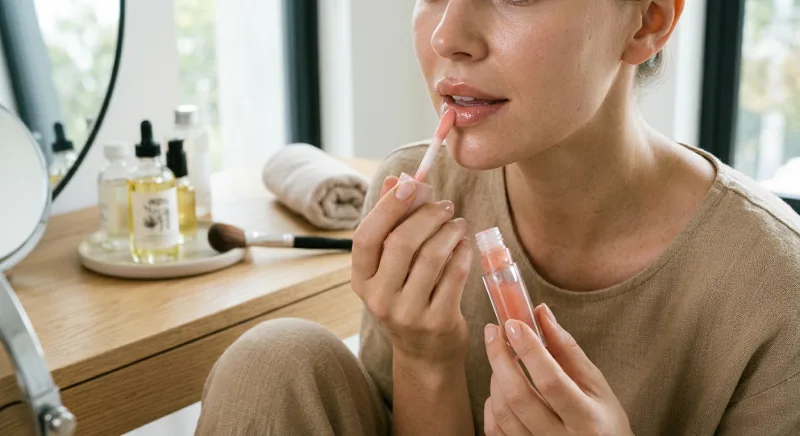
Tinted lip oils are a newer category that blends stain pigments with nourishing oils. These formulas prioritize comfort and shine over intense, long-lasting color. They suit buyers who want a subtle tint rather than a bold, all-day stain.
Powder or crayon-based lip stains are less common but offer a different application experience. These formulas often allow for more controlled, buildable application, which can help beginners avoid applying too much product at once.
| Formula Type | Finish | Wear Time | Best For |
|---|---|---|---|
| Liquid stain | Matte | Long | Bold, all-day color |
| Gel stain | Semi-matte | Moderate to long | Sensitive or dry lips |
| Tinted lip oil | Glossy | Short to moderate | Subtle, comfortable tint |
| Powder/crayon stain | Matte | Moderate | Controlled, buildable application |
Reviewing this table before shopping can help buyers narrow down choices quickly. Someone with dry lips may lean toward gel stains or tinted oils, while someone wanting maximum wear time may prefer a liquid formula despite the trade-off in comfort.
How to remove lip stains properly
Because lip stains are designed to resist fading, removing them requires more effort than wiping off regular lipstick. Using the wrong removal method can leave behind faint color patches or cause unnecessary irritation to the lips.
Micellar water or an oil-based makeup remover tends to work best for breaking down long-wear pigments. Applying the remover to a cotton pad and pressing it against the lips for a few seconds helps loosen the stain before wiping.
Rubbing too hard to remove lip stains can cause chapping or irritation, especially on sensitive lips. A gentler approach involves repeating the press-and-wipe method rather than scrubbing the lips aggressively.
- Soak a cotton pad with an oil-based remover.
- Press it against the lips for several seconds.
- Wipe gently in one direction, not back and forth.
- Repeat with a fresh pad if pigment remains.
- Follow with a hydrating lip balm to restore moisture.
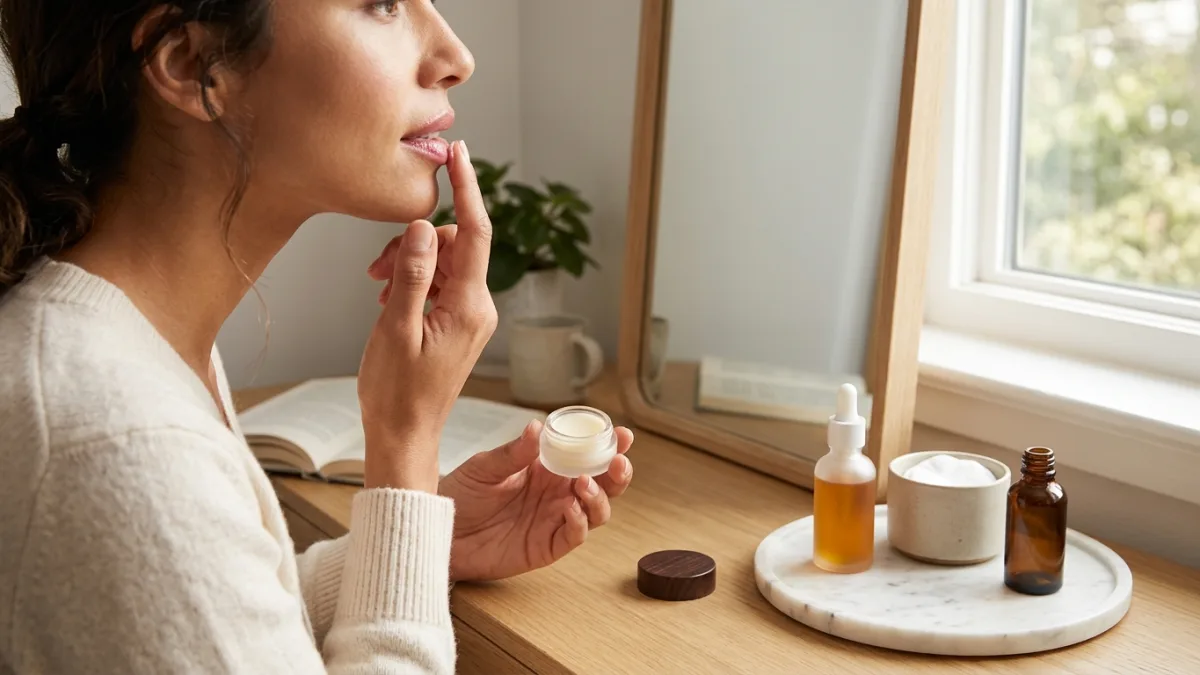
Skipping the balm step after removing lip stains is a common oversight. Long-wear formulas can leave lips feeling slightly dry, so replenishing moisture afterward helps maintain a healthy lip barrier overnight.
Ingredients to watch for in lip stains
Reading the ingredient list on lip stains can help buyers avoid unwanted dryness or irritation. Some formulas prioritize color longevity over comfort, which means certain ingredients may not suit everyone equally.
Alcohol-based ingredients are common in long-wear lip stains because they help the formula dry quickly and resist transfer. However, frequent use of alcohol-heavy stains may leave lips feeling tight or flaky over time, especially in dry climates.
Hydrating ingredients like hyaluronic acid, shea butter, or plant oils are increasingly added to modern lip stain formulas to offset the drying effects of long-wear pigments. Buyers with sensitive or dry lips should look for these ingredients on the label.
Fragrance and certain dyes can also cause irritation for some users. Sensitivity varies from person to person, so caution is always worthwhile. Patch testing a new lip stain on the inner wrist before applying it to the lips can help identify potential reactions early.
Who should avoid certain lip stains
While lip stains work well for most people, certain groups may need to choose formulas more carefully. People with chronically dry or chapped lips may find alcohol-based stains uncomfortable without a strong prep and aftercare routine.
Those with known sensitivities to specific dyes or fragrances should review ingredient lists closely before purchasing. Reactions can range from mild tingling to visible redness. A patch test remains the safest way to confirm compatibility.

People who frequently eat oily or acidic foods throughout the day may also notice certain lip stains fading faster than expected, regardless of the “long-wear” claim on packaging. In these cases, reapplying a thin top-up layer after meals can help maintain color consistency.
Read the complete guide: The Makeup Guide for Beginners That Skips the Guesswork
Frequently Asked Questions
Do lip stains last longer than regular lipstick?
Generally, yes. Lip stains are formulated to bond with the lips’ surface, which helps color resist fading from talking, drinking, or light eating. Regular lipstick tends to sit on top of the lips and transfers more easily. Actual wear time still varies by formula, application, and lifestyle habits.
Are lip stains bad for your lips?
Most lip stains are safe for occasional or daily use, though some alcohol-based formulas can be drying over time. People with sensitive or chapped lips should look for hydrating, alcohol-free versions. Reading ingredient labels and following up with balm can reduce the risk of irritation or dryness.
Lip stain formulas vary widely, from alcohol-based to water-based options, each with different wear-time and comfort profiles. Checking ingredient lists helps set realistic expectations. A patch test remains a simple, reliable safety check before regular use.
How do you remove a lip stain?
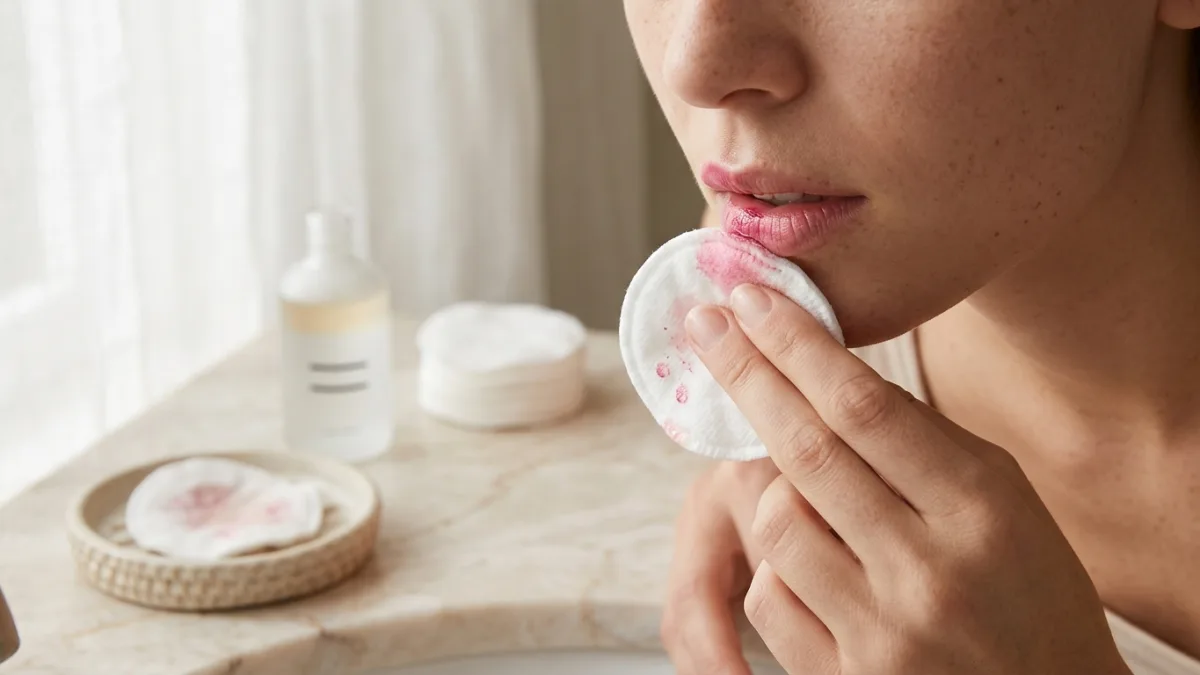
Because stains are designed to resist smudging, plain water often isn’t enough. An oil-based makeup remover or micellar water usually works best. Gently massaging the product into lips before wiping helps lift pigment without excessive rubbing, which can irritate delicate lip skin over repeated use.
Can I wear lip stain every day?
Daily use is generally fine for most people, especially with hydrating or nourishing formulas. Those with dry or sensitive lips may want to alternate with plain balm on some days. Listening to how your lips respond over time is the best way to judge daily suitability.
Why does my lip stain look patchy?
Patchiness usually results from uneven exfoliation, dry skin, or applying too much product at once. Prepping lips with a gentle scrub and light moisturizer beforehand helps create a smoother base. Applying thin layers and blotting excess product can also reduce blotchy or uneven color results.
Can lip stains be used on cheeks too?
Many lip stains double as cheek tints since they’re designed for skin-safe pigmentation. Dabbing a small amount onto cheeks and blending quickly with fingertips can create a natural flush. It’s best to test on a small area first to confirm the formula blends well on facial skin.
Do lip stains work on darker lip tones?
Lip stains can work well on darker lip tones, though the final color may appear different than shown on packaging due to natural pigmentation. Testing shades on the actual lips, rather than relying on swatches alone, gives a more accurate idea of how the stain will look once applied.
Key statistics
- FDA testing found lead levels in hundreds of lipsticks and other lip products ranging from below the detection limit up to about 7 parts per million (ppm). (U.S. Food and Drug Administration (FDA), 2024)
- The FDA has concluded that exposure to 10 ppm of lead from incidentally swallowing cosmetic lip products is very small and undetectable by routine blood testing. (U.S. Food and Drug Administration (FDA), 2024)
