
Makeup
Liquid Bronzer 101: What It Is and How to Use It the Right Way
Last updated: November 3, 2026
Liquid bronzer is a lightweight, cream-to-liquid makeup formula that warms up skin and gives it a sun-kissed glow, no sun needed. It blends fast with fingers, a sponge, or a brush, builds up in thin layers, and works for contouring, all-over color, or a soft, dewy finish.
This guide covers shades, tools, and placement.
If you’ve stood in front of a makeup aisle wondering what makes liquid bronzer different from the powder kind, you’re not alone. Both promise warmth and glow, but they behave in totally different ways on skin.
This guide breaks down the basics, the shade rules, and the best way to apply it without streaks.
We’ll also connect the dots between your makeup bag and your skin prep routine. Smooth, hair-free skin takes bronzer better than skin that’s rough or stubbly. That’s where good grooming tools come into the picture, and we’ll show you why later on.
What Is Liquid Bronzer and How Is It Different from Powder Bronzer?
Liquid bronzer is a cream-based or gel-based makeup product that adds warm color and glow to the skin. Unlike powder, it sits closer to the skin and often looks more natural. Most formulas blend into bare skin or over foundation with ease.
The base ingredients usually include oils or silicones (smooth, skin-like ingredients that help makeup glide on) mixed with pigment. This gives liquid bronzer a melt-into-skin quality that powder can’t match. It’s often described as more skin-like and less “made up.”
Liquid vs. Powder Bronzer: Key Differences
Cream and liquid bronzers rely on an oil or silicone base, giving skin a dewy, luminous finish. Powder bronzers use a talc base instead, which tends to mattify. This difference shapes how each formula sits on and reflects off the skin.
Liquid bronzer remains a staple in many beauty routines, valued for its ease and natural-looking finish. As grooming habits evolve, more shoppers are turning to versatile formulas that fit seamlessly into a daily beauty routine alongside other hair removal and grooming tech.
Powder also tends to grip better on oily skin throughout the day. Liquid bronzer, on the other hand, often gives a fresher, dewier look that many people prefer for everyday wear. Neither is “better” — it depends on the finish you want.
Many people reach for bronzer or liquid makeup as part of their regular routine, and skin sensitivity varies widely from person to person. Cream-based formulas often contain oils, silicones, and pigments, so those with reactive skin may want to patch-test before daily use.
Liquid Bronzer vs. Bronzing Drops
Bronzing drops are a thinner, more diluted cousin of liquid bronzer. They’re made to mix into foundation, moisturizer, or serum rather than worn alone. Liquid bronzer is usually thicker and can be applied on its own, straight onto skin.
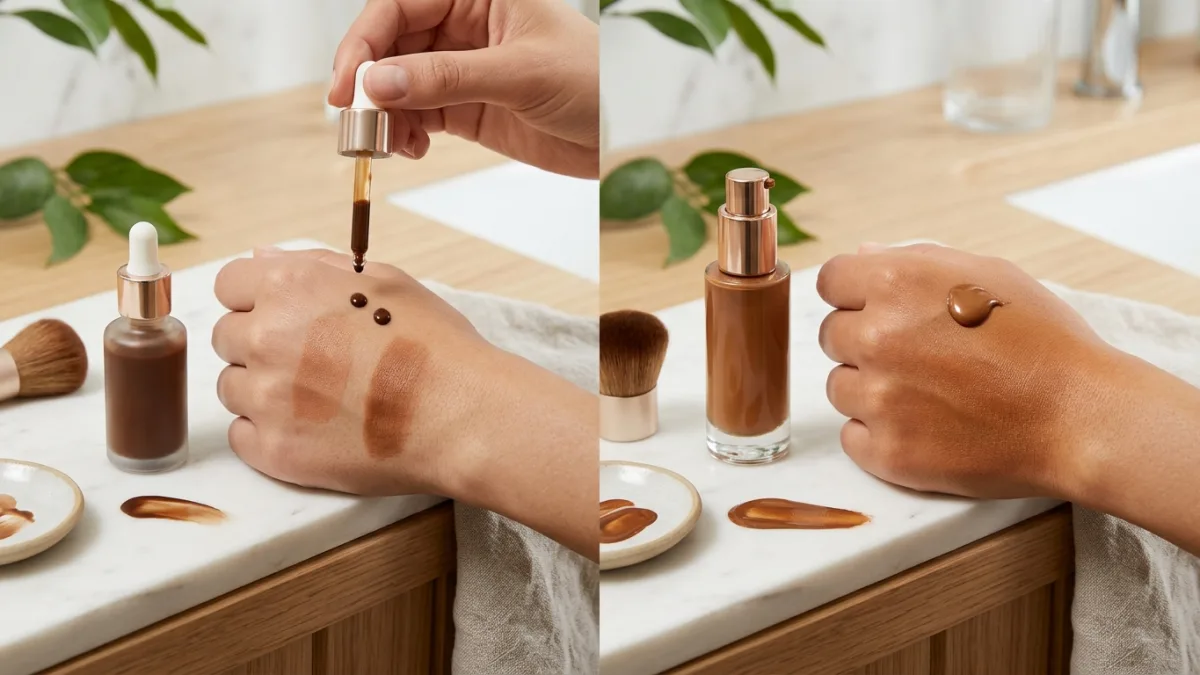
Think of bronzing drops as a customizable tint you control by the number of drops. Liquid bronzer gives more built-in pigment and color right out of the tube or compact. Both aim for the same sun-kissed result, just with different levels of control.
| Feature | Liquid Bronzer | Powder Bronzer | Bronzing Drops |
| Texture | Cream-to-liquid, blendable | Dry, pressed pigment | Thin, watery liquid |
| Finish | Dewy to natural matte | Matte to soft matte | Sheer, glowy |
| Best skin type | Dry to normal skin | Oily to combination skin | Any, when mixed into a base |
| Best application tool | Fingers, damp sponge, brush | Fluffy powder brush | Mixed into foundation or moisturizer |
What Does Liquid Bronzer Do for Your Skin?
Liquid bronzer warms up skin tone and adds dimension without needing actual sun exposure. It mimics the look of a light tan by adding warm, brown-toned pigment to the high points of the face. The result is a healthy, glowy look in minutes.
Beyond color, liquid bronzer can also make flat-looking skin appear more sculpted. A little product in the right spots creates soft shadow and warmth. This dual role, color plus shape, is part of why liquid bronzer has become a routine staple.
Sun-Kissed Color Without Sun Exposure
The main draw of liquid bronzer is color without sun damage. It gives the appearance of time outdoors while skipping the risks that come with real UV exposure, making it a gentler way to maintain a sun-kissed look.
Because it washes off at the end of the day, liquid bronzer gives you full control. You can go deep and dramatic for a night out or keep it barely-there for daytime. That flexibility is a big reason people reach for it over actual tanning.
Skin Finish Options: Dewy, Matte, and Blurring
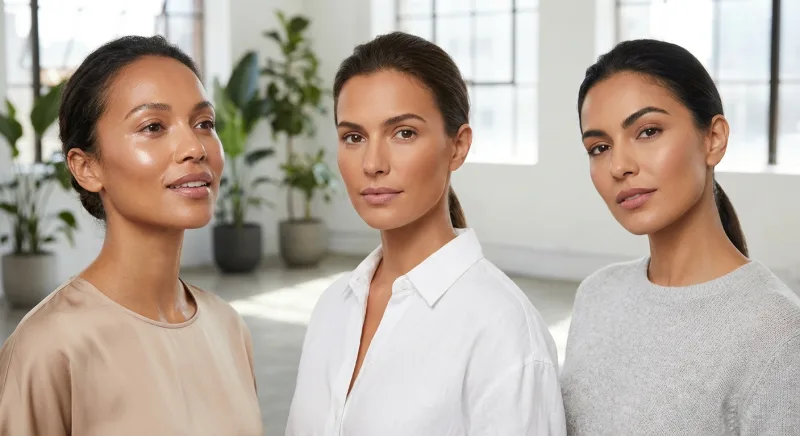
Liquid bronzer comes in a few finish types, and picking the right one matters. Dewy formulas add shine and a wet-look glow, great for dry or normal skin. Matte liquid bronzer skips the shine and suits people who want warmth without extra shimmer.
Blurring formulas use soft-focus ingredients to smooth the look of pores and texture while adding color. These act almost like a cream bronzer alternative crossed with a skin-perfecting primer. Choosing a finish comes down to your skin type and the look you want.
How Do You Choose the Right Liquid Bronzer Shade?
A good trick is to test liquid bronzer along your jaw in natural light. If it blends in like a light shadow rather than sitting on top like a stripe, it’s the right depth. Testing along the neck also helps confirm the match.
Bronzer safety concerns occasionally surface in the beauty world, which is why choosing trusted formulas and brands matters. Pairing your makeup routine with reliable grooming tools, like those at bellxi.com, keeps your daily beauty ritual simple and worry-free.
Matching Shade to Skin Tone
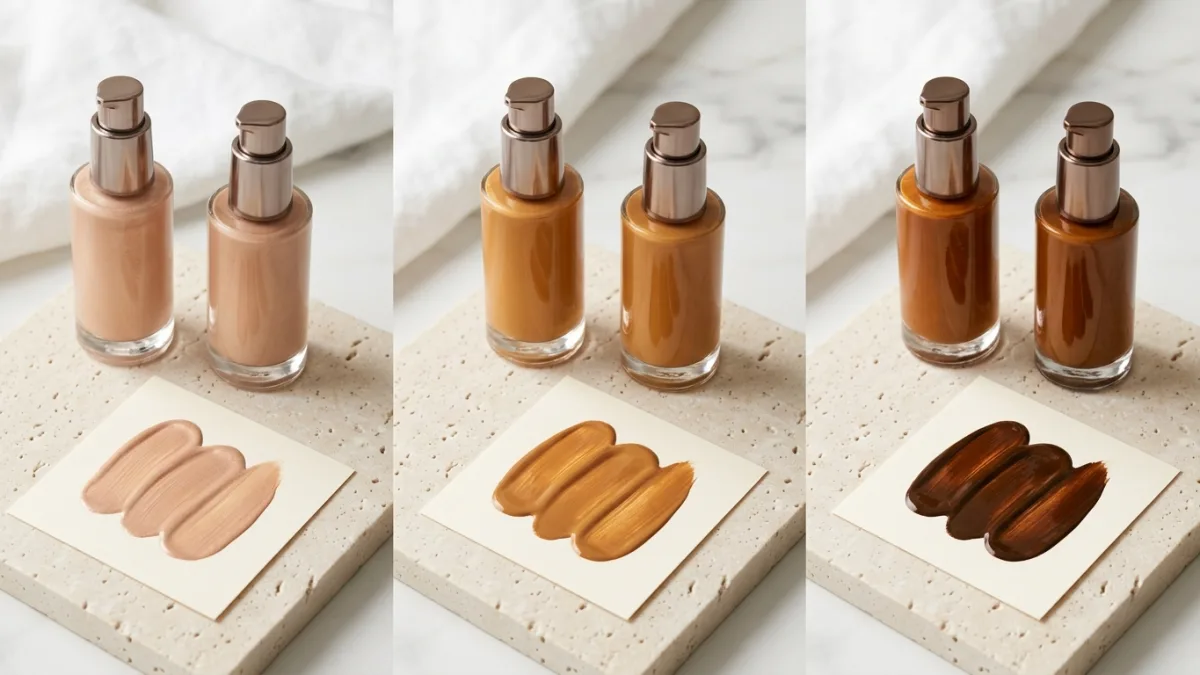
Fair skin tones usually do best with soft, light bronze shades that add warmth without looking heavy. Medium skin tones can handle richer caramel or golden-brown liquid bronzer shades. Deep skin tones often look best with deep amber or espresso-toned formulas that don’t wash out.
It helps to think of shade selection in terms of your everyday foundation match. Pick a liquid bronzer roughly one shade deeper than that foundation. This keeps the color believable instead of looking like a mask.
Matching Undertone (Warm, Cool, Neutral)
Neutral undertones have the most flexibility and can wear most liquid bronzer shades well. If you’re not sure of your undertone, check the veins on your wrist. Blue-green veins often mean cool, while greenish veins usually mean warm.
How Do You Apply Liquid Bronzer Correctly?
Applying liquid bronzer correctly comes down to using a light hand and blending fast before it sets. Start with a small amount, since it’s always easier to add more than to remove excess. Work in thin layers rather than one heavy application.
Timing also matters. Liquid bronzer blends best on slightly moisturized skin, since dry patches can grab pigment unevenly. A light layer of moisturizer or primer first gives liquid bronzer something smooth to glide over.
Best Tools for Application (Fingers, Sponge, Brush)
Fingers work well because body heat helps melt liquid bronzer into skin for a seamless finish. A damp makeup sponge gives more even, buffed-out coverage and works well over foundation. A dense brush offers the most control for precise contour placement.
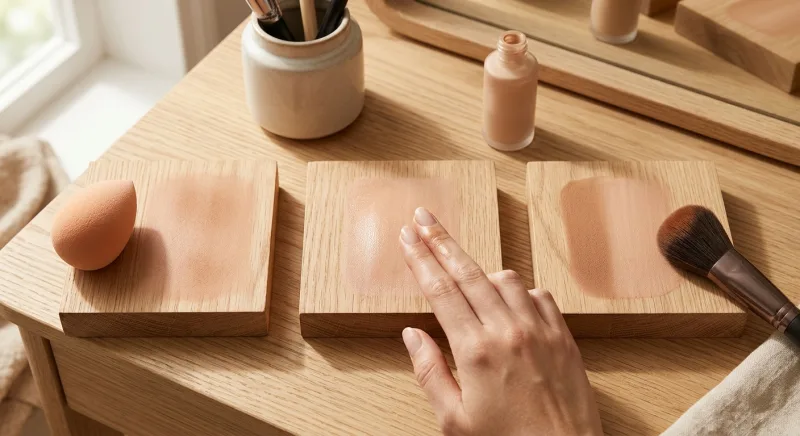
Beginners often find a sponge the easiest tool since it forgives uneven application. Fingers suit those who want a quick, dewy, no-fuss finish. Brushes are best once you’re comfortable with shaping and placement.
Step-by-Step Application Technique
- Prep skin with moisturizer and let it fully absorb.
- Dot small amounts of liquid bronzer onto cheekbones, forehead, and jaw.
- Blend quickly using fingers, sponge, or brush in outward motions.
- Build up in thin layers, checking color in natural light.
- Set with a light dusting of powder if needed, for longer wear.
Common Application Mistakes to Avoid
The most common mistake is applying too much liquid bronzer at once. This leads to patchy, streaky results that look unnatural. Fix this by building color slowly instead of loading up the tool in one go.
Another issue is letting liquid bronzer sit too long before blending, which causes it to grab and streak. Work fast, in small sections, and always blend edges outward. If streaking happens, a damp sponge can buff it back to smooth right away.
A third mistake is skipping skin prep. Applying liquid bronzer over dry or flaky patches highlights texture instead of hiding it. Moisturize first and let it absorb fully. This gives the formula a smooth base to grip onto.
Choosing the wrong shade is another frequent slip. A bronzer too orange or too dark for your skin tone reads as costume-like rather than sun-kissed. Test shades in daylight before committing, and pick one close to how your skin looks after a light tan.
Liquid Bronzer vs Powder Bronzer vs Cream Bronzer
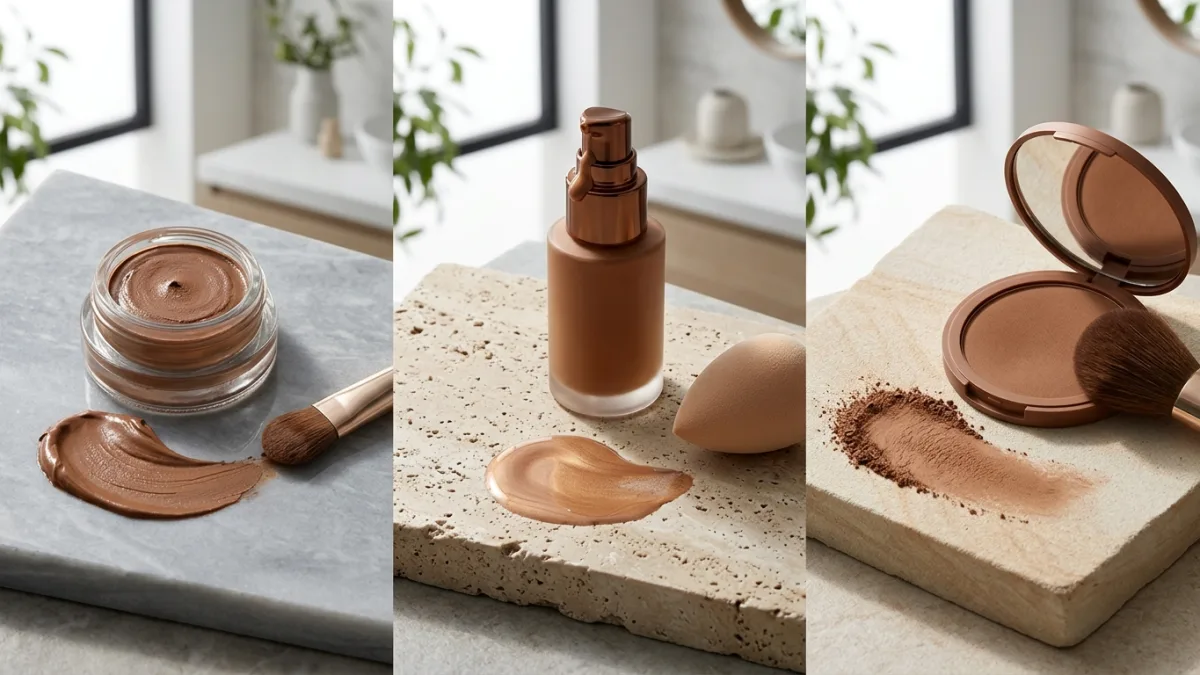
Bronzers come in several textures, each suited to different skin types and finishes. Understanding how liquid compares to powder and cream versions helps you decide which belongs in your routine, or whether you need more than one.
| Feature | Liquid Bronzer | Powder Bronzer | Cream Bronzer |
| Finish | Natural, dewy glow | Matte to soft-shimmer | Dewy to satin |
| Best Skin Type | Dry to normal | Oily to combination | Dry to normal |
| Application Tools | Fingers, sponge, brush | Fluffy brush | Fingers, dense brush |
| Buildability | High, layers thin | Moderate, can look chalky if overdone | Moderate, blends fast |
| Longevity | Long-wearing once set | Long-wearing, may need touch-ups | Moderate, can fade on oily skin |
| Ease for Beginners | Requires practice with blending speed | Easiest to control | Moderate learning curve |
Powder bronzer remains the go-to for oily skin because it absorbs excess shine while adding warmth. Cream bronzer sits between the two, offering a thicker texture that some find easier to control than liquid but harder to blend than powder.
Liquid bronzer wins when the goal is a lit-from-within glow that mimics real skin. It also layers well under powder products, making it useful in combination routines rather than a strict either-or choice.
How to Choose the Right Liquid Bronzer Shade
Shade selection makes or breaks the final look. Too light and the bronzer disappears; too dark and it sits obviously on top of the skin. The right shade should look like a warmer version of your natural tone, not a different color entirely.
Fair skin tones generally do best with peachy or light golden bronzers. Medium skin tones can handle warmer amber or caramel shades. Deep skin tones often look best with rich chocolate or deep copper formulas that add depth without turning ashy.
Undertone matters as much as depth. Cool undertones typically pair better with taupe-based bronzers, while warm undertones suit golden or reddish formulas. Neutral undertones have the most flexibility and can experiment with either direction.
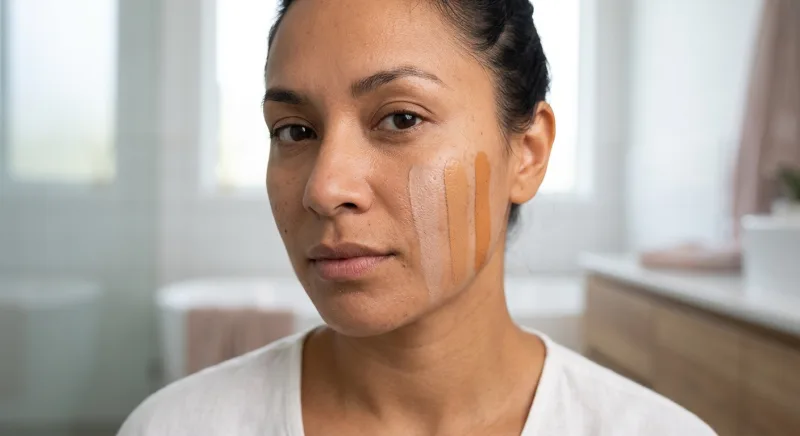
- Test the shade along the jawline, not the back of the hand.
- Check the color in both indoor and outdoor light before purchasing.
- When between two shades, choose the lighter one for easier buildability.
- Consider seasonal adjustments, since skin tone shifts with sun exposure.
Liquid Bronzer Formulas Compared
Not all liquid bronzers are formulated the same way. Some prioritize a natural matte finish while others lean into a dewy, luminous look. Ingredients also vary, affecting how the product wears on different skin types throughout the day.
| Formula Type | Finish | Best For | Wear Time |
| Dewy/Illuminating | Radiant, glowy | Dry skin, evening looks | Moderate, may need setting |
| Matte | Soft-focus, no shine | Oily or combination skin | Long, resists fading |
| Water-Based | Lightweight, natural | Sensitive or acne-prone skin | Moderate |
| Oil-Based | Rich, deep glow | Very dry or mature skin | Long, may need blotting midday |
Water-based formulas tend to feel lightest on the skin and work well layered under other products. Oil-based versions offer richer color payoff but may need blotting papers by midday for those prone to shine.
Matte formulas are worth seeking out if you already deal with midday oiliness, since dewy bronzers can amplify shine in the T-zone. Reading ingredient lists helps identify which category a product falls into before buying.
Best Tools for Blending Liquid Bronzer
The tool you use changes the final finish more than most people expect. Fingers warm the product and melt it into skin for the most natural look. Sponges create an airbrushed effect, while brushes offer more precision for contouring specific areas.
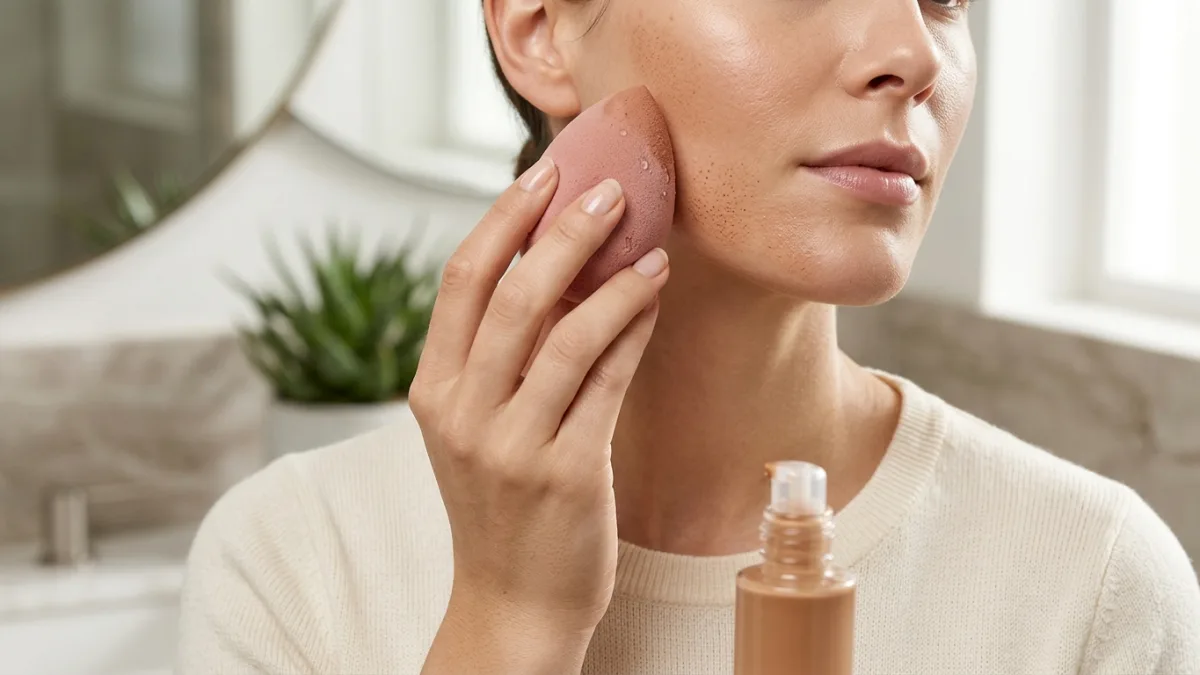
Damp makeup sponges are popular because they absorb excess product, preventing the streaky patches that come from overapplication. Bounce the sponge rather than dragging it, which keeps the finish even and avoids disturbing other base products underneath.
Dense brushes work best for targeted contouring, like defining cheekbones or slimming the jawline. They pick up less product than sponges, which makes them ideal for controlled, buildable application in smaller zones.
- Fingers: Best for quick, natural application and warming the product.
- Damp sponge: Best for seamless, airbrushed blending over larger areas.
- Dense brush: Best for precise contouring and shaping.
- Fluffy brush: Best for softening harsh edges after initial application.
Layering Liquid Bronzer With Other Base Products
Liquid bronzer rarely works alone in a full-face routine. It typically layers alongside foundation, concealer, and blush, so understanding the correct order prevents muddying the look or wasting product.
Apply foundation first to even out the skin, then add liquid bronzer to sculpt and warm the complexion. Concealer can go before or after bronzer depending on how much coverage is needed under the eyes and around blemishes.
Cream or liquid blush should go on after bronzer to avoid the color getting muddled together. Setting powder, if used, comes last to lock everything in place without dulling the glow underneath.
Cream and liquid bronzers have become go-to favorites for many, prized for their blendable, natural glow compared to powder formulas. Whichever texture you prefer, pairing it with smooth, well-groomed skin from bellxi.com makes application even better.
Read the complete guide: The Makeup Guide for Beginners That Skips the Guesswork
Frequently Asked Questions
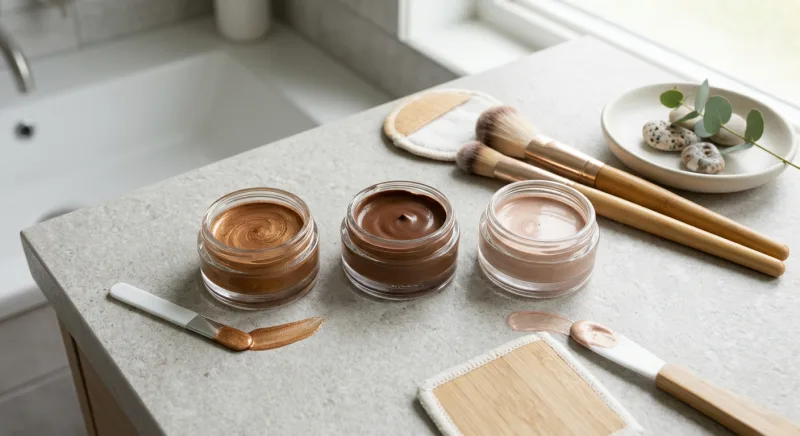
Is liquid bronzer better than powder bronzer?
Liquid bronzer tends to give a more natural, dewy finish and blends seamlessly into the skin, while powder bronzer offers more control and works well on oily skin. Neither is strictly better; the right choice depends on skin type, desired finish, and personal application preference.
Can liquid bronzer be used on oily skin?
Yes, but it may need setting powder to prevent excess shine throughout the day. Choosing a matte or satin-finish liquid bronzer and applying a light dusting of powder afterward helps the color last longer without sliding off oily areas.
How do I stop liquid bronzer from looking patchy?
Patchiness usually comes from applying too much product at once or skipping moisturizer beforehand. Use a small amount, blend quickly with a damp sponge or brush, and always prep skin with hydration first to keep the bronzer looking smooth and even.
Smooth, well-groomed skin gives makeup a better surface to glide onto. That’s why pairing hair removal with your beauty routine matters. Bellxi.com offers every device type for every skin type, helping you prep skin for a flawless finish.
Can liquid bronzer replace foundation?
Liquid bronzer isn’t designed to replace foundation since it doesn’t offer full coverage or color-correcting benefits. However, on clear skin, it can be worn alone for a sheer, sun-kissed look without any additional base product underneath it.
Where should liquid bronzer be applied on the face?
Apply liquid bronzer to areas the sun naturally hits: forehead, cheekbones, nose bridge, and jawline. Avoid the center of the face to prevent an overly warm or muddy appearance, and always blend edges well for a seamless, natural-looking finish.
Does liquid bronzer work for fair skin tones?
Yes, fair skin tones should look for lighter, more neutral-toned liquid bronzers to avoid an orange or muddy cast. Applying a small amount and building gradually helps achieve a subtle warmth that complements fair skin without overwhelming it.
How long does liquid bronzer typically last on the skin?
Wear time varies by formula, but most liquid bronzers last six to eight hours before needing a touch-up. Setting with powder or spray, plus using a long-wear formula, can extend this significantly, especially in humid or warm conditions.
Can liquid bronzer be mixed with moisturizer?
Yes, mixing a small amount of liquid bronzer with moisturizer creates a sheer, tinted formula for everyday wear. This technique is popular for achieving subtle warmth quickly, especially on days when a full makeup routine isn’t necessary or desired.
References
- For oily skin types, dermatologists recommend oil-free, water-based makeup rather than oil-based formulas to help control shine throughout the day. — American Academy of Dermatology (AAD is the leading professional organization of board-certified dermatologists and provides evidence-based skin care guidance.)
- Cosmetic manufacturers may use almost any raw material as a cosmetic ingredient (such as oils, silicones, or pigments) and market the product without prior FDA approval, aside from color additives and a short list of prohibited ingredients. — U.S. Food and Drug Administration (FDA) (The FDA is the federal regulatory agency overseeing cosmetic product and ingredient safety in the United States.)
- Cosmetic product labels, including bronzer and other makeup formulas, must list ingredients by their common or usual names, generally in descending order of predominance. — U.S. Food and Drug Administration (FDA) (The FDA sets and enforces federal labeling requirements for cosmetic products under the Fair Packaging and Labeling Act.)
