
Skincare ingredients
Salicylic Acid Benefits: The Pore Fix Dermatologists Trust
Last updated: November 3, 2026
Salicylic acid benefits go beyond clearing pimples. This beta hydroxy acid, a plant-based compound that breaks down oil and loosens dead skin inside the pore, cleans deep within pores, cuts down blackheads, controls shine, and smooths rough skin.
It also helps stop ingrown hairs after shaving, waxing, or IPL, fitting naturally into a grooming routine.
What Is Salicylic Acid and What Does It Actually Do for Skin?
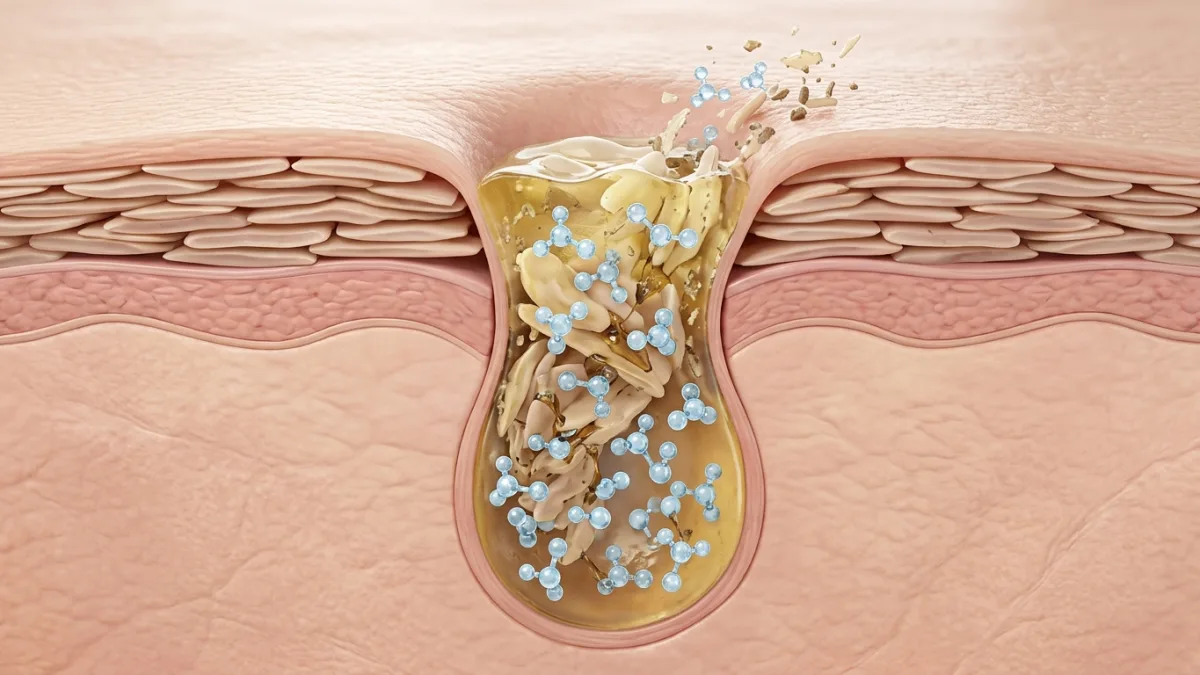
Salicylic acid is an oil-soluble acid that gets inside pores to clear out buildup, not just sit on the skin’s top layer. That’s the short answer. The longer story shows why salicylic acid benefits skin in ways many other acids just can’t match.
A quick definition (BHA vs. AHA)
Salicylic acid belongs to a group called Beta Hydroxy Acid (an oil-loving acid type that can pass through surface oil to clean out pores from within). Alpha Hydroxy Acid, like glycolic acid, works mostly on the surface.
That gap in how they dissolve is the whole reason salicylic acid benefits acne-prone skin so directly.
How it works at the pore level
Salicylic acid is a beta-hydroxy acid that breaks apart dead skin cells and the glue that holds them together, which loosens dirt and clears blocked pores linked to acne and rough skin. This is also how the American Academy of Dermatology puts it: salicylic acid clears pores and sheds dead skin, which is why it works so well on whiteheads and pimples. (PubMed (NIH)) (American Academy of Dermatology (AAD))
What Are the Main Benefits of Salicylic Acid?
Exfoliates and unclogs pores
Regular use loosens the dead cells that trap oil and germs inside pores. Over time, this steady process helps skin renew and look better, though gains build slowly and not fast. (PubMed (NIH))
Reduces acne, blackheads, and whiteheads
This is where salicylic acid benefits show up best. Guides list topical salicylic acid as a proven acne fix, often paired with other treatment types for a stronger effect. In one random trial, an oil-friendly form of salicylic acid cut swollen acne spots by 44% and non-swollen spots by 19% over 12 weeks, matching 5% benzoyl peroxide. (American Academy of Dermatology (AAD)) (PubMed, 2009)
A separate random study found a salicylic acid cream helped acne in 62.2% of patients after 56 days, versus 50.0% for benzoyl peroxide 5%. Rules also set clear limits: the FDA allows salicylic acid at 0.5 to 2 percent as the sole active in over-the-counter acne products. (PubMed, 2024) (U.S. Food and Drug Administration, 2024) (U.S. Food and Drug Administration)
Controls excess oil
Smooths skin tone and texture
Steady, long-term use of salicylic acid and related compounds clearly makes skin look and feel better, with gains showing up after repeated use instead of just one time. That’s one more reason salicylic acid benefits show up best as part of a steady routine, not a one-time fix. (PubMed (NIH))
Helps prevent ingrown hairs after hair removal
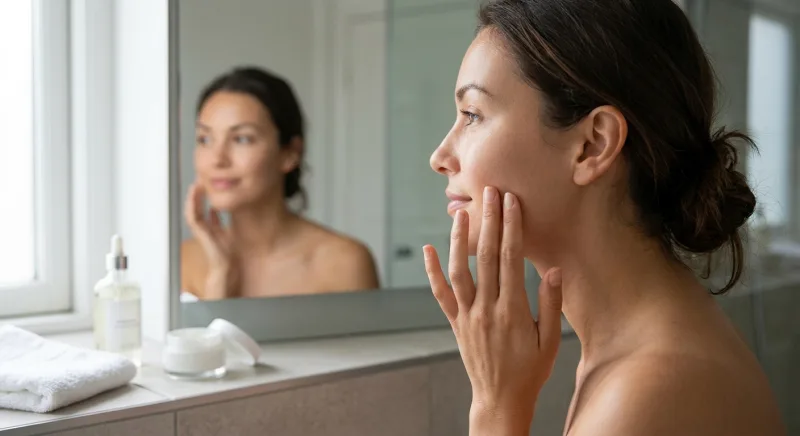
This is a little-known use. Mixes with salicylic acid can cut pseudofolliculitis barbae (the term for razor bumps and ingrown hairs caused by hair curling back into the skin) by gently shedding skin and calming redness. That makes it a smart partner to shaving, waxing, or epilating. (ScienceDirect (JAAD Reviews))
- Clears clogged pores from the inside out
- Reduces acne, blackheads, and whiteheads
- Balances excess surface oil
- Smooths rough or uneven texture over time
- Helps prevent ingrown hairs after hair removal
How Does Salicylic Acid Fit Into a Hair Removal or Grooming Routine?
Why post-epilation or post-IPL skin benefits from BHA exfoliation

Timing: before or after hair removal sessions
At bellxi.com, we stock painless IPL laser handsets, sharp trimmers, and epilators for every device type and every skin type, so this pair fits right into a full grooming routine.
Every order ships within 24 hours and comes with a 30-day risk-free promise, making it easy to build the routine that works for your skin.
Ingredients and routines that pair well together
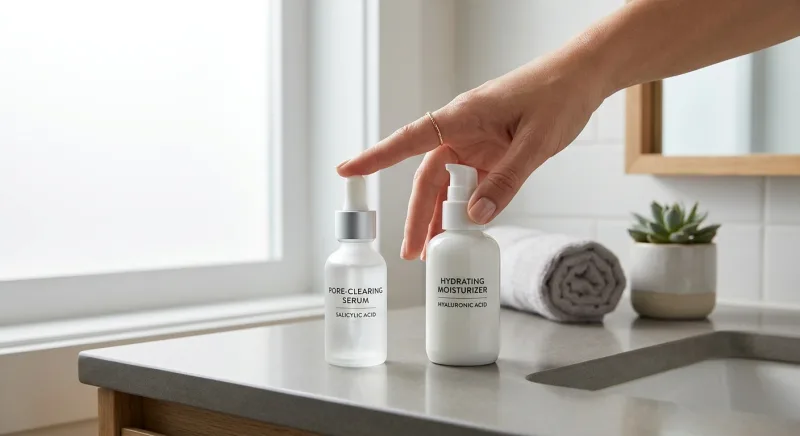
Moisture matters just as much as smoothing skin after hair removal. Pairing salicylic acid with a moisturizing follow-up, like a routine built around hyaluronic acid, helps offset any dryness while still getting the pore-clearing gain. Switch off, rather than stack strong products on the same night, for the calmest results.
Salicylic acid benefits compared to other exfoliating acids
| Ingredient | How it works | Best for |
| Salicylic acid | Oil-soluble, loosens dead skin cells inside the pore | Oily, acne-prone, or bump-prone skin |
| Glycolic acid | Water-soluble, works on the skin’s surface | Dullness, uneven tone, dry skin |
| Lactic acid | Gentle, water-soluble, adds mild hydration | Sensitive or first-time acid users |
The main edge of salicylic acid over these other acids is that it loves oil. It can move into a clogged pore rather than just sit on top of skin. That’s why it’s often the pick for razor bumps and ingrown hairs after shaving or waxing. (ScienceDirect (JAAD Reviews))
Salicylic acid benefits by strength and product type
Not all products are made the same. Strength and mix both shape how strong the salicylic acid benefits will feel on your skin, and how much risk of dryness comes with them. Here’s a quick guide to common types.
| Product type | Typical strength | Notes |
| Cleanser | 0.5%–2% | Rinses off, gentler, good starting point |
| Leave-on toner or serum | 0.5%–2% | Stays on skin, stronger daily effect |
| Spot treatment | 2% | Targeted use on active breakouts only |
| In-office peel | Above 2%, dermatologist-applied | Stronger results, needs professional guidance |
The FDA allows salicylic acid at 0.5 to 2 percent as a single active ingredient in over-the-counter acne products, which covers most of what you’ll find on shelves. Anything stronger usually means an office visit, since higher strengths carry more risk of irritation without watch. (U.S. Food and Drug Administration, 2024)
Salicylic acid benefits for acne versus benzoyl peroxide
| Factor | Salicylic acid | Benzoyl peroxide |
| Main action | Unclogs pores, exfoliates | Kills acne-causing bacteria |
| Skin feel | Milder, less drying for most | Can bleach fabric, more drying |
| Clinical result | Comparable results in trials | Comparable results in trials |
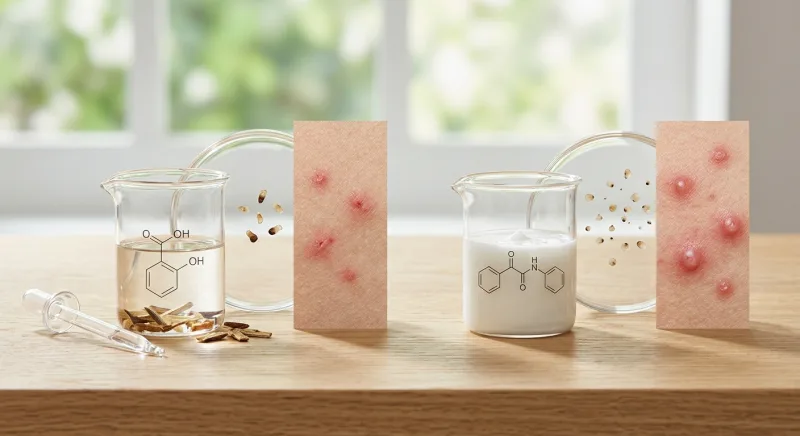
In one random trial, an oil-friendly salicylic acid form cut swollen acne spots by 44% and non-swollen spots by 19% over 12 weeks, a result close to 5% benzoyl peroxide. A separate study found a salicylic acid cream helped acne in 62.2% of patients by day 56, versus 50.0% on benzoyl peroxide 5%. Together, these facts back up why skin guides list topical salicylic acid as a solid, proven acne choice, often paired with other treatments for a fuller effect. (PubMed, 2009) (PubMed, 2024) (American Academy of Dermatology (AAD))
Read the complete guide: Your Skincare Ingredients Guide to Fewer Guessing Games
Frequently asked questions about salicylic acid benefits
Here are quick answers to common questions people ask about salicylic acid benefits, from safety during pregnancy to how it fits with hair removal.
What are the main salicylic acid benefits for skin?
The main salicylic acid benefits are clear pores, shedding dead skin, and calming breakouts. It works by loosening the glue between dead skin cells, which clears blocked pores tied to acne and rough skin. It also helps with whiteheads and pimples. (PubMed (NIH)) (American Academy of Dermatology (AAD)) (PubMed / Dove Medical Press (Clinical, Cosmetic and Investigational Dermatology))
Is salicylic acid safe to use during pregnancy?
Salicylic acid put on small spots of skin for a short time is thought to be low risk in pregnancy, since only a small amount gets into skin. Still, wide use, high strength, or use under a cover should be avoided, and asking a doctor first is smart. (PMC / National Library of Medicine (NIH)) (PMC (National Institutes of Health))
Can I use salicylic acid with retinoids?
You can, but be careful. Skin doctors say to take care when mixing peeling acids like salicylic acid with retinoids, since using both can raise the risk of dryness and irritation. Many people use them on different nights instead of at once. (American Academy of Dermatology (AAD))
How long does it take to see salicylic acid benefits?
Results build over weeks, not days. Regular use of salicylic acid, including its milder derivative forms, steadily helps skin renew itself, and improves feel and look with repeated use rather than overnight. Most people notice smoother, clearer skin after several weeks of steady use. (PubMed (NIH))
Does salicylic acid help with razor bumps after hair removal?
Yes. Salicylic acid-based peels or creams can ease razor bumps and ingrown hairs by gently exfoliating and calming inflamed skin. That’s one reason it pairs so well with a regular hair removal routine, whether you shave, wax, or use a trimmer. (ScienceDirect (JAAD Reviews))
Key statistics
- The FDA permits salicylic acid in concentrations of 0.5 to 2 percent as a single active ingredient in OTC topical acne drug products. (U.S. Food and Drug Administration, 2024)
- In a randomized trial, a lipophilic salicylic acid derivative (LHA) reduced inflammatory acne lesions by 44% and noninflammatory lesions by 19% over 12 weeks, comparable to 5% benzoyl peroxide. (PubMed, 2009)
- In a randomized study, a salicylic acid-based dermocosmetic cream produced improvement in 62.2% of acne patients by investigator global assessment after 56 days, compared with 50.0% for benzoyl peroxide 5%. (PubMed, 2024)
Expert insights
BHAs like salicylic acid get really deep into the pores, whereas the water-soluble ones don’t go as deep
Stein, dermatologist featured by Cleveland Clinic discussing facial acids
It’s inexpensive, it’s been around for many years and it’s very effective
Dr. Khetarpal, dermatologist quoted by Cleveland Clinic on pimple treatment
References
- Salicylic acid unclogs pores and exfoliates the skin, making it effective for treating whiteheads and pimples. — American Academy of Dermatology (AAD) (Professional medical association representing dermatologists; publishes public patient-education guidance on acne treatment ingredients.)
- Over-the-counter topical acne products are permitted to contain salicylic acid as an active ingredient at a concentration of 0.5 to 2 percent under the FDA’s OTC drug monograph. — U.S. Food and Drug Administration (Federal regulatory agency; this is the binding OTC drug monograph governing acne product formulation and labeling in the United States.)
- Clinical guidelines recommend topical salicylic acid as an evidence-based therapy for acne, often used alongside other topical mechanisms of action. — American Academy of Dermatology (AAD) (Official clinical practice guideline from the American Academy of Dermatology, a leading professional medical association)
- Dermatologists advise caution when layering exfoliating acids like salicylic acid with other active treatments (such as retinoids), since combining actives can increase skin irritation and dryness. — American Academy of Dermatology (AAD) (Official patient-education guidance from the American Academy of Dermatology on ingredient interactions and skin irritation)
- Salicylic acid’s comedolytic and exfoliating properties make it effective for clearing pores and treating acne, working via a desmolytic (rather than purely keratolytic) mechanism that disrupts cellular junctions in the stratum corneum. — PubMed / Dove Medical Press (Clinical, Cosmetic and Investigational Dermatology) (Peer-reviewed dermatology journal review article indexed on PubMed)
- Chemical peels or topical formulations containing salicylic acid can help decrease pseudofolliculitis barbae (razor bumps/ingrown hairs) by promoting gentle exfoliation and reducing inflammation. — ScienceDirect (JAAD Reviews) (Peer-reviewed narrative review published in a JAAD (American Academy of Dermatology) affiliated journal)
- Topical salicylic acid carries a low risk during pregnancy when use is restricted to local areas for a limited duration, though broad use at high concentration or under occlusion should be avoided due to increased risk of toxicity. — PMC (National Institutes of Health) (Hosted on PubMed Central (NIH), a peer-reviewed biomedical literature repository)
- Topical salicylic acid used during pregnancy is unlikely to pose systemic risk because only a small proportion is absorbed through the skin, and large studies of low-dose salicylate exposure in pregnancy found no increase in adverse outcomes. — PMC / National Library of Medicine (NIH) (Peer-reviewed article hosted on PubMed Central, a U.S. National Institutes of Health (NIH) database)
- Chronic topical use of salicylic acid (and its lipophilic derivatives) measurably improves skin renewal, texture, and appearance over repeated applications rather than instantly. — PubMed (NIH) (Indexed clinical study on PubMed, the NIH’s biomedical literature database)
- Salicylic acid is a keratolytic/desmolytic beta-hydroxy acid that works by disrupting corneocyte cohesion in the stratum corneum, which loosens dead skin cells and helps clear follicular blockages associated with acne and rough texture. — PubMed (NIH) (PubMed-indexed scientific literature review on salicylic acid’s mechanism of action as a keratolytic agent)
