
Skincare ingredients
Your Skincare Ingredients Guide to Fewer Guessing Games
Last updated: November 7, 2026
A skincare ingredients guide explains what active ingredients like retinol, niacinamide, vitamin C, and AHAs really do, which issues they fix, and how to mix them without irritation. The fastest way to build a routine that works is matching ingredients to your own skin issue, not chasing whatever is trending.
What Are Skincare Ingredients (and How Do You Read a Label)?
Skincare ingredients are the active and functional compounds in a product that change your skin in some way. A good skincare ingredients guide starts here, because knowing what’s in the bottle matters more than the brand name on the front.
Every product sold in the United States has to list its ingredients on the label. Cosmetic ingredient labels must list ingredients in descending order of predominance, which is why the list order tells you which ingredients are most concentrated in a product. (U.S. Food and Drug Administration)
That rule has one big exception worth knowing. Ingredients must be listed in descending order of concentration, but anything at 1% or less can appear in any order at the end of the list. (U.S. Food and Drug Administration (FDA))
How ingredient lists (INCI) are ordered
Here’s the practical trick. If an ingredient sits near the bottom of a long list, it’s probably there in a tiny, mostly cosmetic amount. This is one reason a proper skincare ingredients guide tells you to check position, not just presence.
Active vs. functional ingredients
Understanding this split changes how you shop. You’re paying for the active ingredient’s concentration and quality, not the fancy jar or the scent, so a solid skincare ingredients guide always points you back to that one line on the label.
Also worth knowing: there’s no federal standard governing terms like “hypoallergenic,” “fragrance-free,” or “for sensitive skin,” so it pays to check the ingredient panel directly instead of trusting front-of-bottle claims. (U.S. Food and Drug Administration (FDA))
Which Skincare Ingredient Solves Your Specific Concern?
The right skincare ingredient depends entirely on what you’re trying to fix — texture, oil, redness, tone, or fine lines all call for different actives. This is the part of any skincare ingredients guide worth bookmarking, since it turns your specific complaint into a shopping list.
Rough texture or dullness (AHAs)
Clogged pores or acne (BHA/salicylic acid)
Redness or sensitivity (azelaic acid)
Azelaic acid (a natural acid that calms redness, evens tone, and has mild germ-fighting action) is one of the gentler options on this list. It also matters a lot: about 16 million Americans have rosacea, a condition for which azelaic acid is a known treatment. (PubMed (Skin Therapy Letters), 2017)
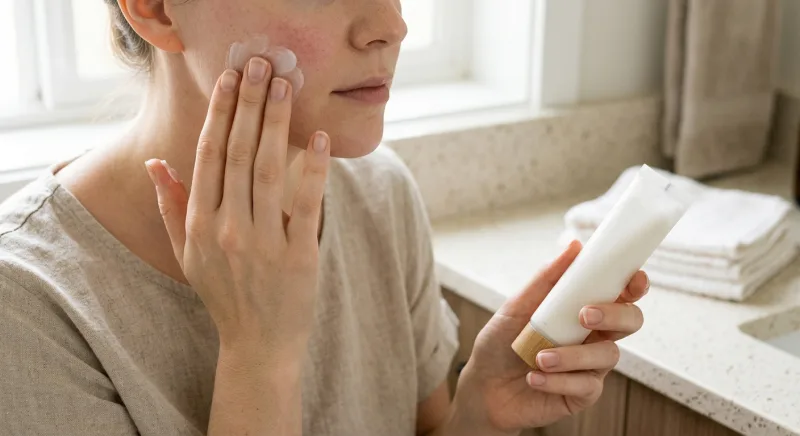
Uneven tone (vitamin C)
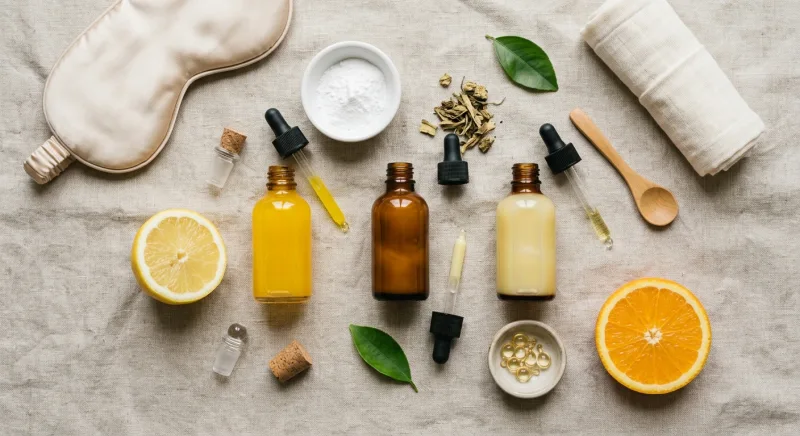
Fine lines and wrinkles (retinoids)
Retinoids (vitamin A derivatives that speed up skin cell turnover and boost collagen production) are the most studied wrinkle-fighting ingredient available without a prescription. If you’re new to this category, a dedicated retinol serum guide can walk you through starting concentrations and frequency in more depth.
They're strong, but not for everyone right away. People with skin allergies, dryness, or a lot of redness or swelling, such as rosacea, should be careful with retinoids and should check with a skin doctor about other options first. (American Academy of Dermatology)
Enlarged pores or oiliness (niacinamide)
Niacinamide is one of the best-studied ingredients for oil control, and it's mild enough for almost every skin type. A trial in 100 Japanese subjects found that 2% niacinamide clearly lowered sebum excretion (the rate at which skin makes oil) after two and four weeks of use, compared with a placebo. (PubMed (National Library of Medicine), 2006)
A separate randomized controlled trial on niacinamide found less sebum made among 41 people, adding more weight to its name as an oil-control ingredient. Topical niacinamide also helps control sebum and support the skin's barrier, which helps oily and acne-prone skin overall. (PubMed, 2024) (PubMed (NIH))
Loss of firmness (peptides)
Dehydration (hyaluronic acid)
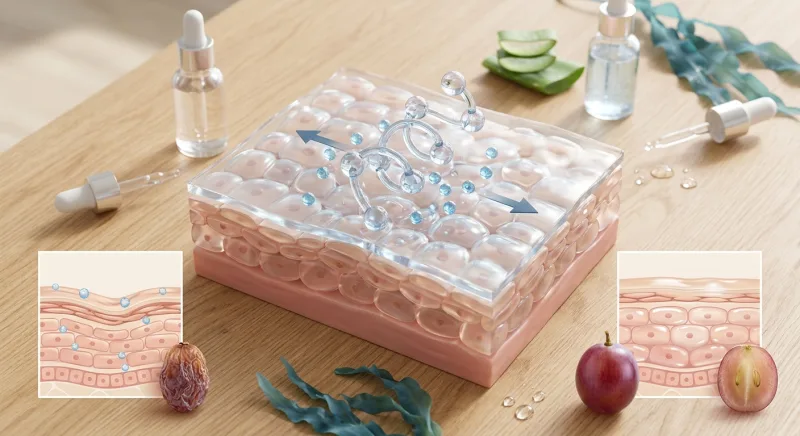
Hyaluronic acid acts as a humectant (an ingredient that pulls water into the skin and holds it there) which boosts hydration and gives a plumping look. A randomized, double-blind trial found that after 12 weeks of daily oral intake, skin hydration and wrinkle scores got much better compared with placebo in 40 healthy adults. (Journal of Clinical and Aesthetic Dermatology / PMC (NIH)) (PMC (NIH), 2021)
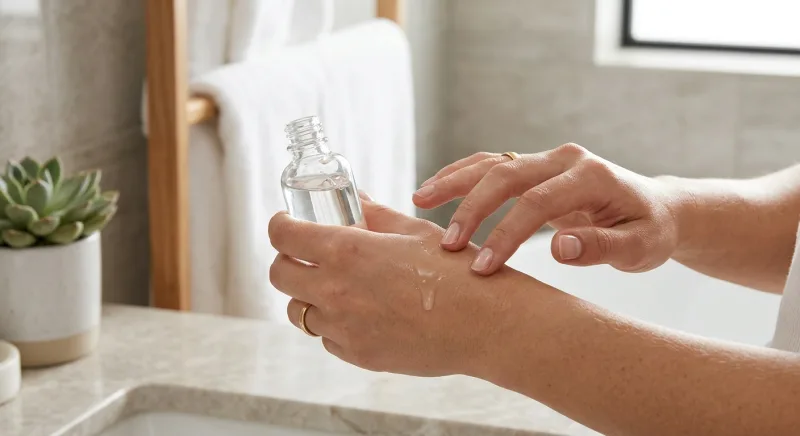
That trial looked at oral intake, but topical use is the more common route for most people. If you want the full picture on how it works and how to use it, hyaluronic acid is broken down in more detail in a dedicated guide, and the wider hyaluronic acid benefits extend beyond the skin to joints and eyes. (PubMed (National Library of Medicine))
| Ingredient | Best For | Common Concentration Range | Who Should Avoid It | Time of Day |
|---|---|---|---|---|
| AHA (glycolic/lactic acid) | Dull, rough texture | Varies by product; low percentages for daily use | Very reactive or broken skin | Evening |
| Salicylic acid (BHA) | Clogged pores, acne | Typically a low single-digit percentage | Dry, easily irritated skin | Morning or evening |
| Azelaic acid | Redness, rosacea, uneven tone | Varies by formulation | Not published | Morning or evening |
| Vitamin C | Dullness, dark spots | Varies widely by form | Very sensitive or compromised skin | Morning |
| Retinoids | Fine lines, texture, acne | Low starting strengths recommended | Pregnancy, rosacea, eczema-prone skin | Evening |
| Niacinamide | Oil control, enlarged pores | Around 2% studied in trials | Not published | Morning or evening |
| Peptides | Firmness, fine lines | Varies by formulation | Not published | Morning or evening |
| Hyaluronic acid | Dehydration, plumping | Varies by molecular weight | Not published | Morning and evening |
A skincare ingredients guide to reading the label
Any skincare ingredients guide is only as useful as your ability to read a label. Cosmetic ingredient labels must list items in descending order of how much of each is in the product. That order tells you what you’re really paying for. (U.S. Food and Drug Administration) (U.S. Food and Drug Administration (FDA))
This rule has one big exception worth knowing. Ingredients making up 1% or less of a formula can appear in any order near the end of the list. That’s usually where you’ll spot things like preservatives, fragrance, and actives added in small amounts. (U.S. Food and Drug Administration (FDA))
This matters a lot when you’re comparing two bottles that both claim to contain niacinamide or hyaluronic acid. If the ingredient sits near the top of the list, it’s likely at a useful strength.
If it’s buried near the bottom, you may be paying for a marketing claim more than a working dose. A solid skincare ingredients guide always tells you to check placement, not just presence.
Label claims on the front of the bottle are a separate issue entirely. Words like “hypoallergenic,” “fragrance-free,” and “for sensitive skin” sound reassuring, but none of them are backed by a fixed legal definition. There’s no federal standard controlling what a brand can call these products. (U.S. Food and Drug Administration (FDA))
That means two products both labeled “fragrance-free” could still differ in what they contain. One might use a masking scent to cover a raw material smell, without calling it “fragrance” on the label. If you have sensitive skin, treat these words as a hint, not a guarantee, and go check the actual ingredient list. (U.S. Food and Drug Administration (FDA))
Comparing actives by what they actually do
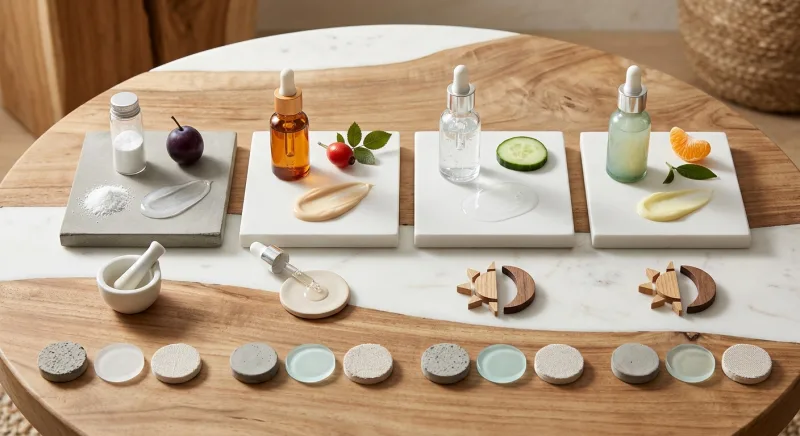
It helps to see the most-searched actives side by side, since people often shop by skin concern rather than by ingredient name. This table breaks each one down by what it targets, roughly how it’s used, and what kind of skin should approach it carefully.
| Ingredient | Best known for | How it works | Pairs well with | Avoid mixing with |
|---|---|---|---|---|
| Niacinamide | Oil control, barrier support | Calms sebum output, supports the skin’s outer barrier | Hyaluronic acid, peptides | Very high strength acids (may cause flushing in some users) |
| Retinoids | Fine lines, acne, texture | Speeds up skin cell turnover | Moisturizers, niacinamide | Vitamin C in the same routine step, strong acids |
| Vitamin C | Brightening, dark spots | An antioxidant that helps fade uneven tone | Vitamin E, sunscreen | Retinoids used at the same time of day |
| Hyaluronic acid | Hydration, plumping | Pulls water into the skin’s surface layers | Almost everything, including retinoids | No major conflicts reported |
| Azelaic acid | Redness, rosacea, mild acne | Calms inflammation and evens tone | Niacinamide, moisturizers | Strong exfoliating acids used back to back |
| Peptides | Firmness, fine lines | Signals skin to support its structure | Hyaluronic acid, niacinamide | No major conflicts reported |
Notice a pattern here. Most conflicts in any skincare ingredients guide come down to acids and retinoids fighting for the same job at the same time. Everything else tends to layer fairly well, as long as you introduce one new active at a time. (Journal of Cosmetic Dermatology (Wiley))
One pairing worth naming is retinoids with a mild acid called AHA. It sounds risky on paper, but one linked form of this mix was tied to fewer complaints of skin irritation than plain retinol or tretinoin alone. How it's made matters as much as the ingredient name itself. (Journal of Cosmetic Dermatology (Wiley))
Using a skincare ingredients guide to sort skin types and concerns
A skincare ingredients guide for oily and acne-prone skin
If oil and clogged pores are your main concern, niacinamide is usually the first stop in any skincare ingredients guide built around this skin type. It helps regulate how much oil the skin produces and supports the barrier that keeps everything else in balance. (PubMed (NIH))
The clinical backing here is fairly strong for a skincare ingredient. In a trial with 100 Japanese subjects, a 2% concentration of niacinamide lowered oil output after both 2 and 4 weeks, compared to a placebo. (PubMed (National Library of Medicine), 2006)
A newer trial adds to that picture. Among 41 people using niacinamide, researchers saw a real drop in oil output over the study period. (PubMed, 2024)
Retinoids are the other major option for oily and acne-prone skin, since they help clear out pores and smooth texture over time. But they need to be introduced slowly, with a low strength at first, to avoid over-drying or flaking the skin.
A skincare ingredients guide for dry and dehydrated skin
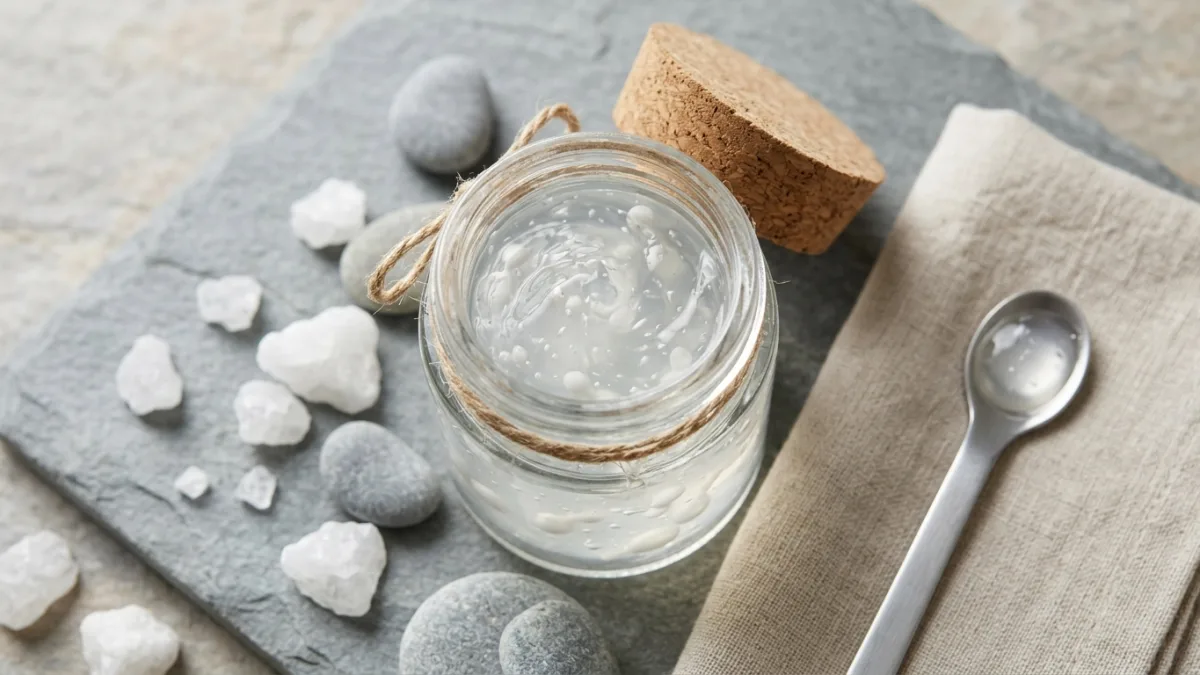
Dry skin needs moisture-holding ingredients more than active exfoliants, and that shifts the priorities in any skincare ingredients guide built for this group. Hyaluronic acid sits at the top of the list here, since it works by pulling water into the surface of the skin and holding it there. (Journal of Clinical and Aesthetic Dermatology / PMC (NIH))
Oral studies back this up too, not just topical use. In a 12-week trial, adults taking hyaluronic acid daily saw real gains in skin hydration and a drop in wrinkle scores compared to a placebo group. (PMC (NIH), 2021)
Peptides also fit well here, since they support the skin’s structure without stripping moisture the way some acids can. For very dry or compromised skin, it’s worth easing into stronger actives like retinoids and vitamin C, since both can add to dryness if introduced too fast.
A skincare ingredients guide for reactive and rosacea-prone skin
Reactive skin needs the most cautious approach of any group in this skincare ingredients guide. Rosacea alone affects about 16 million Americans, and azelaic acid is one of the few actives with real backing as a treatment for it. (PubMed (Skin Therapy Letters), 2017)
Retinoids are the ingredient to watch most here. People with allergies, dryness, or a lot of redness and swelling, including rosacea, are told to be careful with retinoids and to talk to a dermatologist about other options first. (American Academy of Dermatology)
Fragrance is another common trigger for reactive skin, even in products that seem mild. Allergic reactions to fragrance hit somewhere between 0.7% and 2.6% of people overall, which is why patch-testing scented products matters, especially if your skin reacts easily. (PubMed (National Library of Medicine))
Patch testing is the simplest safety net for every skin type, not just reactive skin. It helps you find out which single ingredient is causing a reaction before it ever touches your whole face. (American Academy of Dermatology (AAD))
Building a routine around your skincare ingredients guide

Once you know your skin type and your main concern, the next step is sequencing. A skincare ingredients guide isn’t much use if you apply everything at once and can’t tell what’s working, or what’s causing irritation.
Start with one new active at a time, and give it two to four weeks before judging results. This lines up with how long clinical trials typically run before measuring change in oil, hydration, or tone. (PubMed (National Library of Medicine), 2006)
If you’re combining several actives, layer thinnest to thickest, and always let one product sink in before adding the next. This simple order-of-operations habit prevents pilling and helps each ingredient actually reach the skin instead of sitting on top of the last layer. (U.S. Food and Drug Administration)
Morning vs. Evening Ingredients at a Glance
This quick table sums up when to reach for which ingredient. Keep it nearby while you build your routine from this skincare ingredients guide, so you’re not guessing which step comes first.
| Ingredient | Best Time | Main Job |
|---|---|---|
| Vitamin C | Morning | Brightens, adds antioxidant defense |
| Sunscreen | Morning | Blocks sun damage |
| Niacinamide | Morning or evening | Calms skin, evens tone, balances oil |
| Hyaluronic acid | Morning or evening | Draws in and holds water |
| Retinoids | Evening | Speeds cell turnover, smooths fine lines |
| Azelaic acid | Morning or evening | Soothes redness, treats breakouts |
Use this table as a starting map, not a strict rule book. Your skin, climate, and goals still matter more than any chart, but having this skincare ingredients guide breakdown on hand makes daily choices much simpler.
Further reading
- Bakuchiol Oil: The Plant-Based Retinol Alternative Explained
- Hyaluronic Acid Benefits: What This Ingredient Really Does for Skin, Joints and Eyes
- Retinol Serum Benefits: What It Really Does for Your Skin in 2026
- Retinol and Pregnancy: What’s Safe, What to Avoid, and What to Use Instead
- 6 Vitamin C Serum Benefits Backed by Real Skin Studies
- Salicylic Acid Benefits: The Pore Fix Dermatologists Trust
- Azelaic Acid Benefits: The Gentle Active That Fixes Three Skin Problems
Frequently Asked Questions
What is the easiest way to start using a skincare ingredients guide?
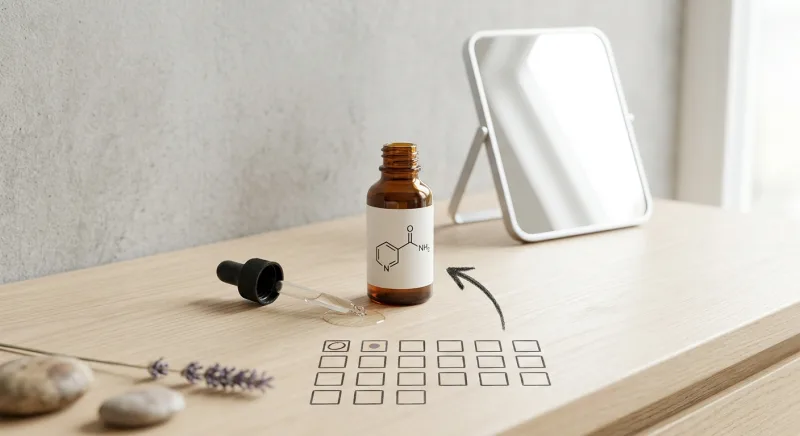
Start small. Pick one active ingredient, like niacinamide, and use it alone for a few weeks. Watch how your skin responds before adding anything else. A skincare ingredients guide works best when you move slowly and give your skin time to adjust.
Can I trust labels like “hypoallergenic” or “fragrance-free”?
Not fully. These terms aren’t regulated by any federal standard, so brands can use them loosely. It’s better to check the actual ingredient list on the back of the bottle rather than trust the front-label claim alone. (U.S. Food and Drug Administration (FDA))
How do I read an ingredient list correctly?
Ingredients are listed from most to least concentrated. The first five or six names usually make up most of the formula. Ingredients making up 1% or less can appear in any order near the bottom, so don’t worry too much about that part of the list. (U.S. Food and Drug Administration (FDA))
Why does patch testing matter so much?
Patch testing helps you catch a reaction before it spreads across your whole face. Dab a small amount on your inner arm or behind your ear, wait 48 hours, and check for redness or itching. It’s a small step that can save your skin real trouble. (PubMed (National Library of Medicine))
Is fragrance in skincare products something to worry about?
It can be, especially for sensitive skin. Allergic reactions to fragrance affect a meaningful slice of the population, so patch-testing scented products first is a smart habit, not an overreaction. (PubMed (National Library of Medicine))
Who should be careful with retinoids?
Anyone with allergies, dryness, or conditions like rosacea should be cautious. Retinoids can be too harsh for already-irritated skin, and a dermatologist can suggest gentler options that still deliver similar results. (American Academy of Dermatology)

Does pairing retinoids with other actives always cause irritation?
Not always. Some formulas pair a retinoid with a gentle acid exfoliant and actually cause less irritation than plain retinol alone, since the mix is built with tolerance in mind rather than just strength. (Journal of Cosmetic Dermatology (Wiley))
What’s the biggest takeaway from this skincare ingredients guide?
Go slow, patch test, and read labels closely. No single ingredient fixes everything, but this skincare ingredients guide gives you the tools to match products to your actual skin needs instead of guessing based on packaging or trends.
Key statistics
- A double-blind, placebo-controlled clinical trial in 100 Japanese subjects found that 2% niacinamide significantly lowered sebum excretion rate after 2 and 4 weeks of application compared to placebo. (PubMed (National Library of Medicine), 2006)
- Approximately 16 million Americans have rosacea, a condition for which the skincare ingredient azelaic acid is a recognized treatment. (PubMed (Skin Therapy Letters), 2017)
- In a randomized controlled trial on the skincare ingredient niacinamide, sebum production was reduced among 41 participants. (PubMed, 2024)
Expert insights
If someone has a lot of redness or inflammation in their skin, they should avoid retinoids and ask their dermatologist about other therapies that are more directed to a condition called rosacea
Anne Chapas, MD, FAAD, board-certified dermatologist in private practice in Manhattan
It can cause skin irritation when combined with a retinoid
Bucay, Vivian Bucay, MD, board-certified dermatologist and founder of the Bucay Center for Dermatology and Aesthetics in San Antonio, Texas
References
- Cosmetic ingredient labels must list ingredients in descending order of predominance, which is why the INCI list order reveals which ingredients are most concentrated in a product. — U.S. Food and Drug Administration (Federal agency regulation (FDA) governing cosmetic labeling requirements under the Fair Packaging and Labeling Act)
- People with skin allergies, dryness, or a lot of redness/inflammation (such as rosacea) should be cautious with or avoid retinoids and should consult a dermatologist about other therapies. — American Academy of Dermatology (Professional medical association representing board-certified dermatologists, citing a dermatologist directly)
- Allergic contact dermatitis to fragrance is common, with a general population prevalence between 0.7% and 2.6%, supporting the case for patch-testing fragranced products before full use, especially on sensitive skin. — PubMed (National Library of Medicine) (Peer-reviewed dermatology literature indexed by the National Library of Medicine (NIH))
- Topical niacinamide can help regulate sebum production and improve skin barrier function, benefiting oily and acne-prone skin. — PubMed (NIH) (Peer-reviewed clinical trial indexed by the National Institutes of Health's PubMed database, describing double-blind, placebo-controlled trials on topical niacinamide's effect on facial sebum production)
- Patch testing helps identify which specific skincare ingredients are causing an allergic skin reaction before a product is used on the full face. — American Academy of Dermatology (AAD) (Official guidance from the American Academy of Dermatology on how to properly patch test skincare products, including specific application and timing instructions)
- Topical hyaluronic acid acts as a humectant that draws and retains water in the skin, improving hydration and skin plumping. — Journal of Clinical and Aesthetic Dermatology / PMC (NIH) (Peer-reviewed clinical study hosted on PubMed Central (National Institutes of Health), demonstrating HA's humectant properties and measured hydration benefits via corneometry)
- Cosmetic ingredients must be listed on the label in descending order of predominance/concentration, with ingredients at 1% or less allowed to appear in any order. — U.S. Food and Drug Administration (FDA) (Federal regulatory agency stating the binding labeling requirement under 21 CFR 701)
- There is no federal standard governing terms like 'hypoallergenic,' 'fragrance-free,' or 'for sensitive skin,' so consumers should check the ingredient panel directly rather than relying on these label claims. — U.S. Food and Drug Administration (FDA) (Federal agency guidance on cosmetic allergen labeling and consumer safety)
- A double-conjugated retinoid/AHA formulation was associated with lower reported rates of irritation-related side effects than standard retinol or tretinoin, supporting the idea that pairing retinoids with an AHA can be formulated to reduce (rather than automatically worsen) irritation. — Journal of Cosmetic Dermatology (Wiley) (Peer-reviewed dermatology journal reporting a controlled clinical comparison study)
