
Hair care
Sulfate Free Shampoo: What It Is and Who Really Needs It
Last updated: November 5, 2026
Sulfate free shampoo is a hair cleanser made without harsh detergents like sodium lauryl sulfate, using gentler cleansing agents instead. It washes hair with less stripping of natural oils, making it a common pick for color-treated, dry, curly, or sensitive-scalp hair.
It usually makes less foam than regular shampoo, but it still gets hair clean.
If you’ve stood in the shampoo aisle wondering what “sulfate free” even means, you’re not alone. This guide breaks it down in plain terms. We’ll cover what sulfates do, who benefits most from skipping them, and how to spot real sulfate free shampoo on a label.
We’ll also look at how this choice fits into a bigger self-care routine.
What Is Sulfate-Free Shampoo, Exactly?
Sulfate free shampoo is a formula that swaps out strong foaming detergents for milder cleansing agents. Regular shampoo often uses sulfates to create rich lather and cut through oil fast. Sulfate free shampoo does the same job with softer ingredients that are less likely to dry out hair or scalp.
What Are Sulfates and Why Are They Used?
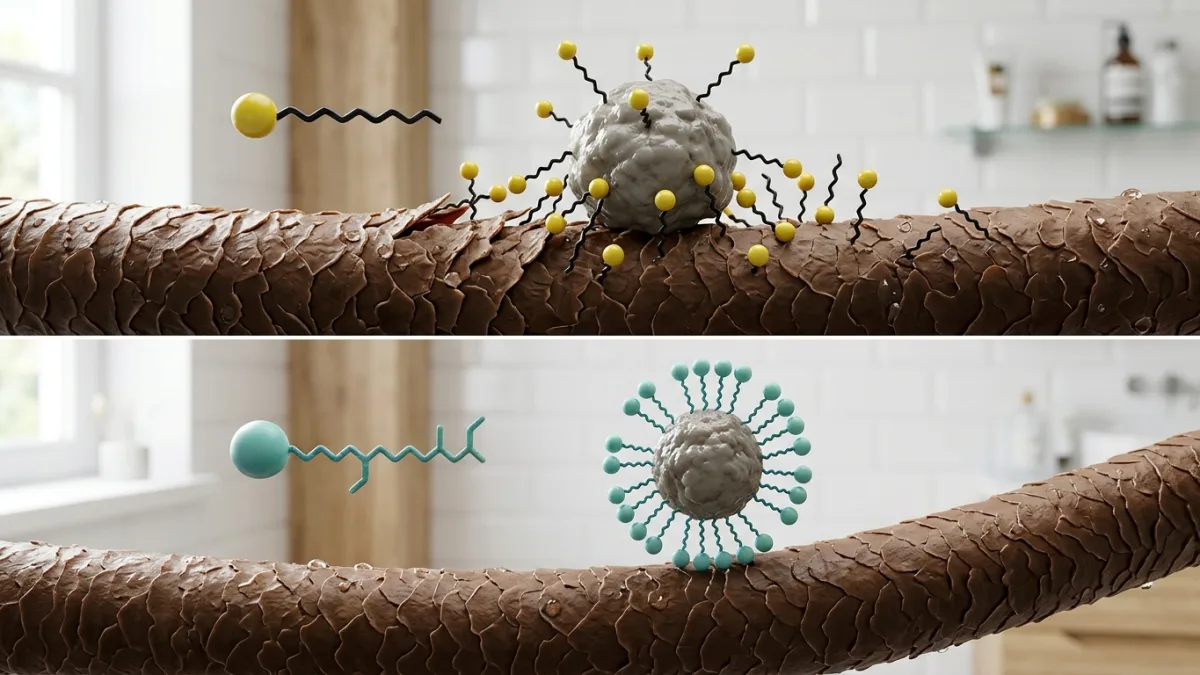
Sulfates are a type of cleansing agent called a surfactant, a molecule that lifts oil and dirt so water can rinse it away. Sodium Lauryl Sulfate and Sodium Laureth Sulfate are the two most common ones in shampoo.
They’re cheap, they foam well, and they clean fast, which is why brands have used them for decades.
The catch is that sulfates can be a bit too good at their job. They strip natural oils along with dirt, which can leave some hair and scalp types feeling dry or tight. That’s the main reason sulfate free shampoo exists as an alternative.
Many hair care professionals now favor sulfate free shampoo for clients with color-treated or easily irritated scalps. Their reasoning is simple: harsher surfactants can compromise both scalp comfort and hair integrity. A gentler cleanse, they argue, supports healthier hair over the long run.
How Sulfate-Free Formulas Clean Hair Differently
Sulfate free shampoo still needs a surfactant to clean hair, just a gentler one. A common choice is Cocamidopropyl Betaine, a mild cleansing agent derived from coconut oil. It lifts dirt and oil without being as harsh on the hair’s natural moisture barrier.
Because these gentler agents don’t foam as much, sulfate free shampoo can feel different in the shower. Less bubbly doesn’t mean less clean. It just means the formula is working in a softer way, one that suits sensitive or dry scalps better.
Who Actually Benefits From Sulfate-Free Shampoo?
Sulfate free shampoo isn’t a must-have for everyone, but certain hair and scalp types tend to see the biggest upside. If your hair is dry, damaged, color-treated, or your scalp reacts to strong products, this is where sulfate free shampoo tends to earn its keep.
Color-Treated and Chemically Processed Hair
Color-treated hair loses pigment faster when washed with harsh detergents. Sulfate free shampoo cleans without pulling as much color out of the hair shaft. That makes it a popular pick for anyone who has recently dyed, bleached, or chemically straightened their hair.
Sulfates are known to strip more protein from hair than gentler cleansers do, especially under friction. That protein loss can leave strands weaker and more prone to breakage over time. Choosing a sulfate free formula helps preserve hair’s natural structure and resilience.
Perms and relaxers also leave hair more porous and fragile. Sulfate free shampoo is gentler on that weakened structure, which can help processed hair hold up better between salon visits.
Curly, Coily, and Dry Hair Types
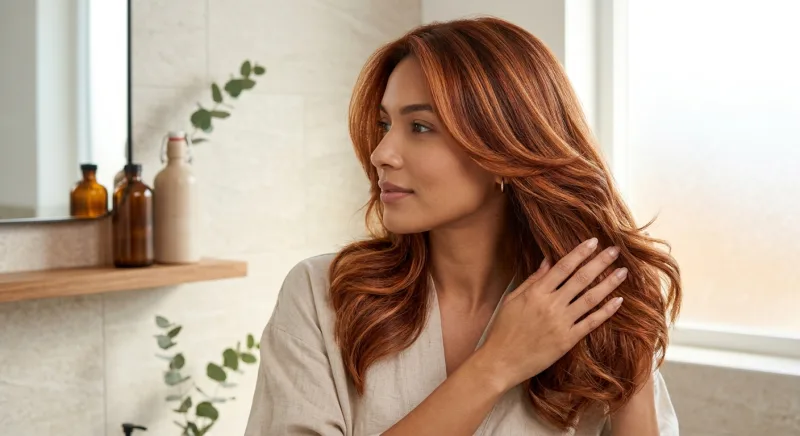
Curly and coily hair is naturally drier because oil from the scalp travels more slowly down the twists and bends of each strand. Sulfate free shampoo helps these hair types hold onto moisture instead of losing it during washing.
That’s part of why so many curly-hair routines lean on sulfate free shampoo as a base step.
Sensitive Scalps and Skin Conditions
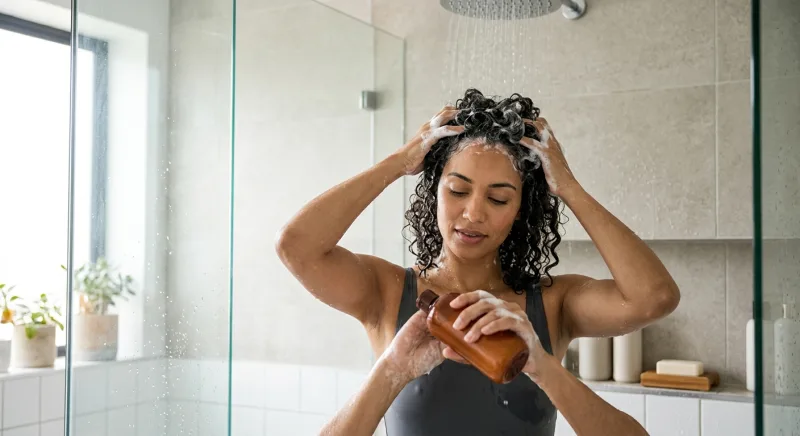
People with eczema, psoriasis, or generally reactive skin often find sulfates irritating. Sulfate free shampoo is formulated with fewer harsh agents, which can lower the chance of redness, itching, or flaking. It won’t fix an underlying skin condition, but it removes one common trigger from the routine.
Sodium Lauryl Sulfate has long been studied for its chance to irritate skin, with stronger amounts usually causing more clear reactions. This is part of why many makers cut back on or remove it. Sulfate free alternatives aim to clean well while cutting that risk of irritation.
This ties into a wider idea worth remembering: gentle hair care and gentle skin care usually go hand in hand. If you already choose fragrance-free or dermatologist-tested products for your skin, sulfate free shampoo fits that same mindset for your scalp.
Sulfates vs. Sulfate-Free: A Side-by-Side Comparison
Seeing the differences side by side makes the choice easier. Below is a general comparison of how sulfate shampoo and sulfate free shampoo typically stack up, based on how each type of formula is built rather than any single brand.
| Factor | Sulfate Shampoo | Sulfate-Free Shampoo |
| Lather level | High, rich foam | Lower, softer foam |
| Moisture retention | Can strip natural oils | Tends to preserve more moisture |
| Cost | Often lower cost | Often priced slightly higher |
| Color longevity | May fade color faster | Tends to help color last longer |
| Scalp sensitivity risk | Higher risk of irritation for sensitive scalps | Lower risk, generally gentler |
| Environmental impact | Varies by brand; sulfates can be harsher on aquatic life | Varies by brand; often marketed as gentler on ecosystems |
Neither option is automatically “better” for every person. The right pick depends on your hair type, your scalp, and what you want from your wash day. Sulfate free shampoo tends to win for sensitive or dry needs, while sulfate shampoo can suit oily hair that wants a deep, fast clean.
How Do You Know If a Shampoo Is Really Sulfate-Free?
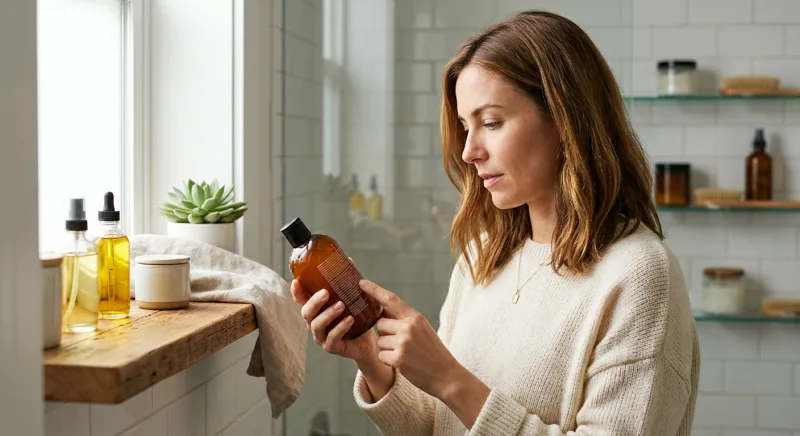
The only reliable way to know is to read the ingredient label yourself. Marketing claims on the front of the bottle don’t always match what’s inside. A true sulfate free shampoo will have no sulfate-based cleansing agents anywhere in its ingredient list.
Reading Ingredient Labels
Ingredients are listed by concentration, with the highest amounts first. Since cleansing agents make up a large part of any shampoo, sulfates (if present) usually show up near the top of the list. Scan the first five or six ingredients closely before trusting a “sulfate free” label.
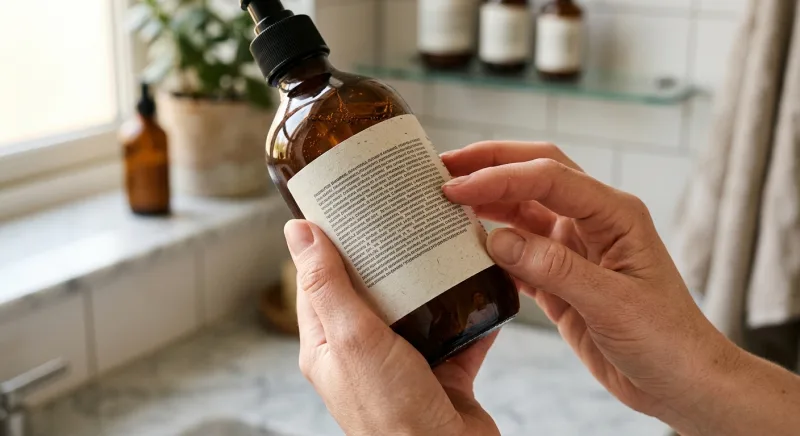
Common Sulfate Names to Watch For
Sulfates hide behind several different names on labels. If you’re trying to avoid them, keep this list handy while shopping for sulfate free shampoo:
- Sodium Lauryl Sulfate (SLS)
- Sodium Laureth Sulfate (SLES)
- Ammonium Lauryl Sulfate (ALS)
- Sodium Coco Sulfate
- Ammonium Laureth Sulfate
- TEA-Lauryl Sulfate
If any of these appear near the top of the ingredient list, the product isn’t a true sulfate free shampoo, no matter what the front label says.
Marketing Claims vs. Actual Formulation
Some bottles say “gentle” or “no harsh sulfates” while still using a sulfate-based cleanser lower down the list. That’s technically not false, but it can be misleading. Always check the actual ingredient list rather than relying on front-of-bottle wording when shopping for sulfate free shampoo.
Sulfate Free Shampoo vs. Regular Shampoo: A Side-by-Side Comparison
Choosing between a sulfate free shampoo and a normal formula often comes down to knowing the trade-offs. The table below lays out the key differences across common concerns.
| Feature | Sulfate Free Shampoo | Regular (Sulfate-Based) Shampoo |
|---|---|---|
| Lather | Light to moderate foam | Rich, dense foam |
| Scalp Dryness | Lower risk | Higher risk with frequent use |
| Color Retention | Better for dyed hair | Fades color faster |
| Cost | Often higher | Generally cheaper |
| Buildup Removal | Weaker on heavy product buildup | Stronger at cutting through oil |
| Best Hair Type | Dry, curly, chemically treated, sensitive scalp | Oily scalp, minimal styling product use |
Neither choice is always “better.” A sulfate free shampoo tends to suit people dealing with dryness, dyed hair, or a sensitive scalp. A sulfate-based formula may still make sense for someone with very oily roots who wants a deep daily wash.
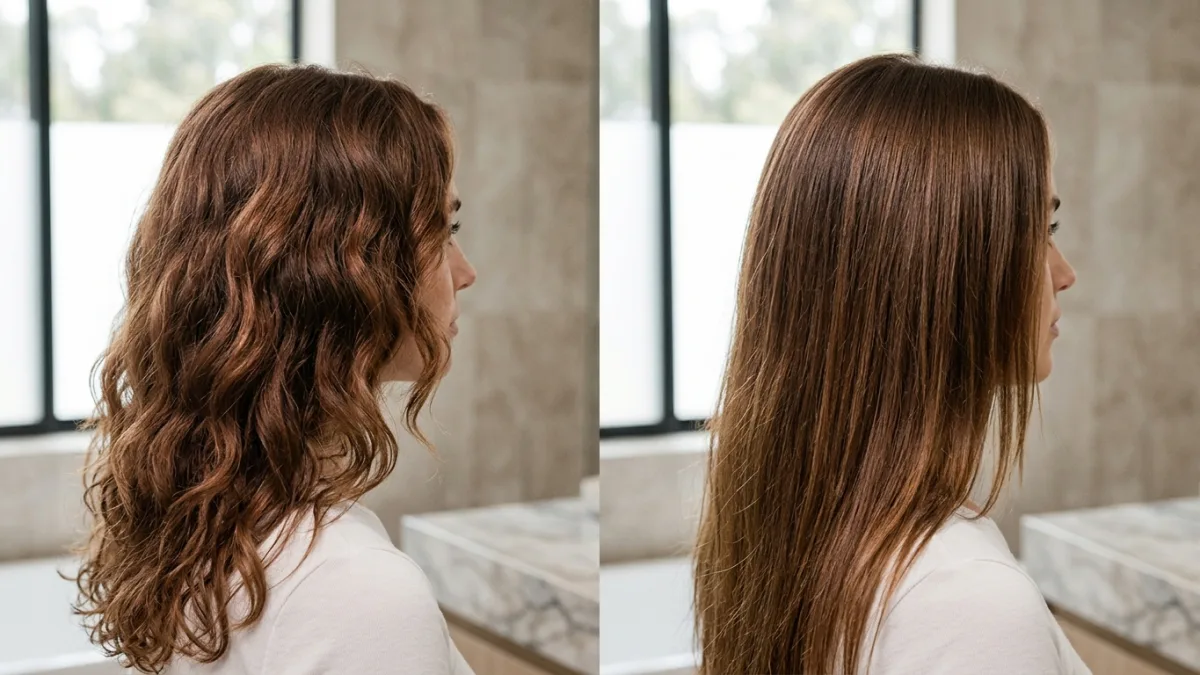
How to Choose the Right Sulfate Free Shampoo for Your Hair Type
Not every sulfate free shampoo is formulated the same way. Some lean toward heavy moisture, others focus on volume or scalp balance. Matching the formula to your hair type matters as much as avoiding sulfates in the first place.
- Fine or thin hair: Look for lightweight, volumizing sulfate free shampoo formulas that won’t weigh strands down.
- Curly or coily hair: Choose creamy, moisture-rich versions often labeled “co-wash friendly” or “curl defining.”
- Color-treated hair: Prioritize formulas specifically marketed for color protection with UV filters.
- Oily scalp, dry ends: Consider alternating a sulfate free shampoo with a clarifying wash once a week.
- Sensitive or eczema-prone scalp: Look for fragrance-free, dermatologist-tested options.
Many people switch shampoo formulas after noticing scalp discomfort or irritation from their current one. That shift often leads them toward gentler, sulfate free options. For sensitive scalps, this simple change can make a noticeable difference in comfort.
Reading reviews can help, but individual results vary widely. Hair porosity, water hardness, and styling habits all influence how a sulfate free shampoo performs. What works well for one person’s curls might leave someone else’s fine hair feeling flat.
Sulfate Free Shampoo Options by Budget
Price doesn’t always predict performance. Some drugstore brands now offer solid sulfate free shampoo formulas at a fraction of the cost of salon lines. The comparison below outlines general price tiers and what shoppers typically get at each level.
| Price Tier | What to Expect |
|---|---|
| Budget | Basic cleansing, fewer added actives, wider availability |
| Mid-Range | Added moisturizers, some color-safe formulas, better fragrance |
| Premium/Salon | Targeted treatments, professional-grade ingredients, specialized formulas |
A higher price tag doesn’t guarantee a better fit. Some budget options perform just as well for basic maintenance. Splurging tends to pay off most when addressing a specific issue, like severe dryness or chemical damage repair.
Common Myths About Sulfate Free Shampoo
Bad facts spread fast in the hair care world. Before you switch, it helps to sort fact from hype about sulfate free shampoo products.
Myth: Sulfate Free Shampoo Doesn’t Clean Hair Properly
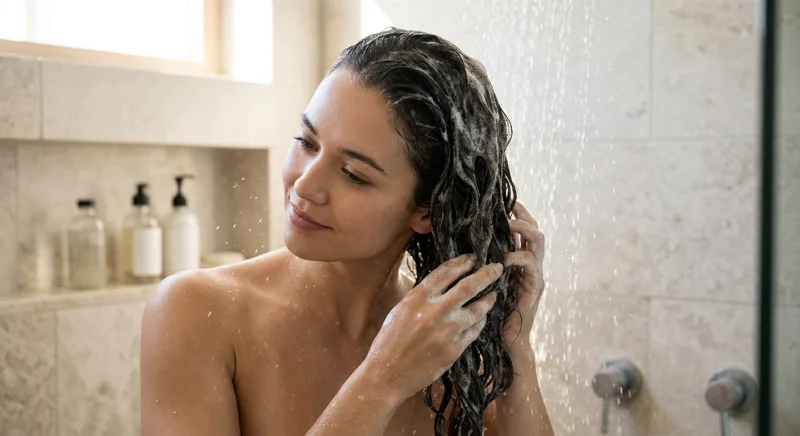
This is one of the most persistent misconceptions. A sulfate free shampoo still removes dirt, oil, and product residue using milder surfactants. It simply does so with less stripping power than harsher sulfate detergents, which many people prefer.
Myth: All Sulfate Free Shampoo Is Automatically “Natural”
Being sulfate free doesn’t mean a product has no man-made ingredients at all. Many sulfate free shampoo formulas still have preservatives, man-made scent, or silicones. Shoppers who want fully natural formulas need to check the whole label, not just the sulfate status.
Myth: Switching Will Show Instant Results
Hair doesn’t transform overnight. It can take several weeks for hair to adjust after switching to a sulfate free shampoo, especially if it was previously exposed to heavy sulfate buildup or silicone coating. Patience during the transition period matters.
Tips for Transitioning to Sulfate Free Shampoo
Switching shampoo types can feel odd at first, especially for hair used to a heavy lather from sulfate-based (a common foaming ingredient) formulas. A few tweaks can smooth the change and help set fair expectations.
- Expect less foam — lather volume doesn’t indicate cleaning power.
- Use a clarifying rinse beforehand to remove old product buildup.
- Give your scalp two to four weeks to rebalance natural oil production.
- Pair with a lightweight conditioner to avoid overloading fine hair.
- Watch for signs of improvement like reduced frizz or less scalp itching.
Scalps often need time to adjust after a formula change, as natural oil balance resets gradually. Patience during this period helps you judge results fairly.
Some people notice a difference within days, while others take a full month to feel the benefits. Sticking with a consistent sulfate free shampoo routine, rather than switching brands repeatedly, tends to produce more reliable results.
When a Sulfate Free Shampoo Might Not Be the Right Fit
Despite the growing popularity of sulfate free shampoo, it isn’t the ideal choice for everyone. People with very oily scalps or heavy daily product use sometimes find these formulas leave residue behind over time.
In these cases, alternating between a sulfate free shampoo and an occasional clarifying wash can offer the best of both worlds — gentler daily care with periodic deep cleansing to prevent buildup.
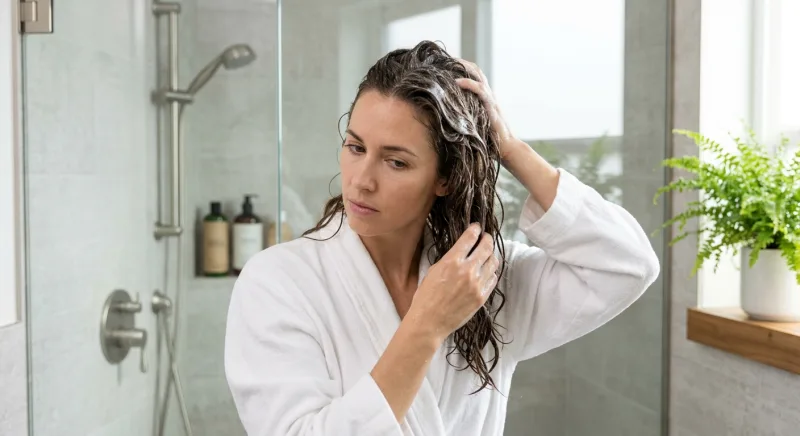
Athletes, swimmers, or anyone exposed to heavy sweat, chlorine, or hard water may also need stronger cleansing periodically. A sulfate free shampoo alone may not fully remove mineral deposits or chlorine residue from hair.
Making the Switch Successfully
Moving away from old formulas takes patience. Hair and scalp need time to get used to a new way of cleaning. Expect a short adjustment time before you see the full gains.
- Start by using the new formula two to three times a week.
- Avoid piling on multiple new products at once during the transition.
- Watch how your scalp responds over two to three weeks.
- Adjust conditioner use if hair feels weighed down.
- Consider a gentle scalp scrub monthly to remove any residue.
Many people notice gradual changes after switching formulas. Tracking small changes in shine, softness, or scalp comfort can help confirm whether the switch is working.
Final Thoughts
Picking the right hair care routine depends on your needs, hair type, and lifestyle. For many, a softer, gentler way to clean hair helps it look healthier over time without stripping away its own oils.
Reading ingredient labels, understanding your scalp’s needs, and being willing to experiment can lead to better results. Small changes in your routine often make a noticeable difference over weeks and months.
Market context
How the broader market shapes Sulfate Free Shampoo in 2026
The figures below come from adjacent, well-documented markets. Each row names the subject it actually measures and links to its original source — these are related market indicators, not Sulfate Free Shampoo claims.
| What it measures | Figure | Source |
|---|---|---|
| FDA minimum letter height requirement for cosmetic ingredient labeling | Under 21 CFR 701.3(b), the FDA requires that letters in a cosmetic’s ingredient declaration be not less than 1/16 of an inch in height. | U.S. Food and Drug Administration, 2024 |
| IL-1 alpha inflammatory protein levels in rat skin exposed to sodium lauryl sulfate (SLS) | A CDC-published study found that 1% SLS-exposed rat skin samples showed an increase in IL-1 alpha protein levels of 13-37% over controls at various time points. | CDC Stacks (NIOSH), 2002 |
| cosmetic product adverse event reports received by the FDA’s CAERS database | From January 2004 through September 2016, the FDA’s CAERS database received 4,322 adverse event reports for cosmetic products. | U.S. Food and Drug Administration, 2017 |
Frequently Asked Questions

Is Sulfate Free Shampoo better for all hair types?
Not always. While many people do better with soft, gentle formulas, those with very oily scalps or lots of product buildup may need a clarifying wash now and then. Hair type, scalp condition, and styling habits all affect which formula works best for a person.
How long does it take to see results after switching?
Most people notice changes within two to four weeks of consistent use. Hair may initially feel different as natural oils rebalance. Patience during this adjustment period helps reveal the true long-term benefits of the new routine.
Can color-treated hair benefit from sulfate free formulas?
Yes. Color-treated hair often gets a big benefit since milder cleansers help keep dye in and cut down on fading. Many people with highlights, balayage, or bright colors find their color lasts a lot longer with milder formulas.
Do these formulas produce less lather than regular shampoo?
Yes, typically. Lather comes from foaming agents, and gentler surfactants often produce less foam. This doesn’t mean reduced cleansing power — it simply reflects a different chemical composition designed to be less harsh on hair and scalp.
Are these shampoos safe for children?
Many parents pick gentler formulas for kids with sensitive skin or scalp problems. It’s still smart to check ingredient labels closely and ask a child’s doctor or skin doctor if a child has known allergies or skin sensitivities.
Can I use Sulfate Free Shampoo every day?
Yes, daily use is generally considered safe since these formulas are milder on hair and scalp. However, individuals with very oily hair may still want to alternate with a clarifying wash occasionally to prevent product buildup over time.
Does price indicate quality when choosing a formula?
Not always. Price often shows branding, packaging, or added ingredients rather than how well it works. Reading the ingredient list and knowing your hair’s own needs is a better way to judge quality than price alone.
You may also be interested in: Eye Creams 101: What They Do, How to Use Them, and What Actually Works
