
Makeup
Hydrating Lip Oils: What They Are, How They Work, and How to Choose the Right One
Last updated: November 5, 2026
Hydrating lip oils are light, glossy formulas that mix nourishing oils with water-loving ingredients like hyaluronic acid to soften dry lips. Unlike plain gloss, which mostly adds shine, hydrating lip oils work to actually moisturize the skin underneath.
They suit most lip types, including sensitive or chapped lips, especially when you patch-test first.
What Are Hydrating Lip Oils, and Do They Actually Work?
Yes, hydrating lip oils work, though how well depends on the formula and your lips. These products blend oils with humectants, ingredients that pull in moisture, to soften and smooth dry skin. They are not magic, but the right mix of ingredients can noticeably improve how lips feel and look.
Think of hydrating lip oils as a hybrid. They give you shine like a gloss but add real moisture like a treatment. That combo is why so many people have swapped their old gloss for an oil-based option this year.
How lip oils differ from balms and gloss
The texture is the biggest tell. Balms feel heavier and more solid. Gloss can feel sticky. Hydrating lip oils tend to glide on smooth and sink in fast, leaving a soft shine instead of a thick layer.
What “hydrating” really means for lips
“Hydrating” means the product adds water or helps skin hold onto water. This is different from just adding oil, which mainly seals moisture in rather than adding it. True hydrating lip oils do both jobs at once, sealing and supplying moisture.
Grooming enthusiasts increasingly favor hydrating lip oils as a simple addition to daily routines. Their appeal lies in ease of use and the smooth, nourished feel they leave behind, making them a popular staple.
Hydrating lip oils are formulated to draw in and hold moisture, leaving lips feeling noticeably softer and smoother with regular use. The goal is simple: comfortable, healthy-looking lips every day.
Lips don’t have oil glands like the rest of your face. That makes them dry out faster and lose moisture more easily. This is exactly why hydrating lip oils were designed to target that gap.
Because lips lack the protective oil layer found on facial skin, they’re especially prone to dryness. Hydrating lip oils help replenish that missing barrier, keeping lips soft and comfortable throughout the day.
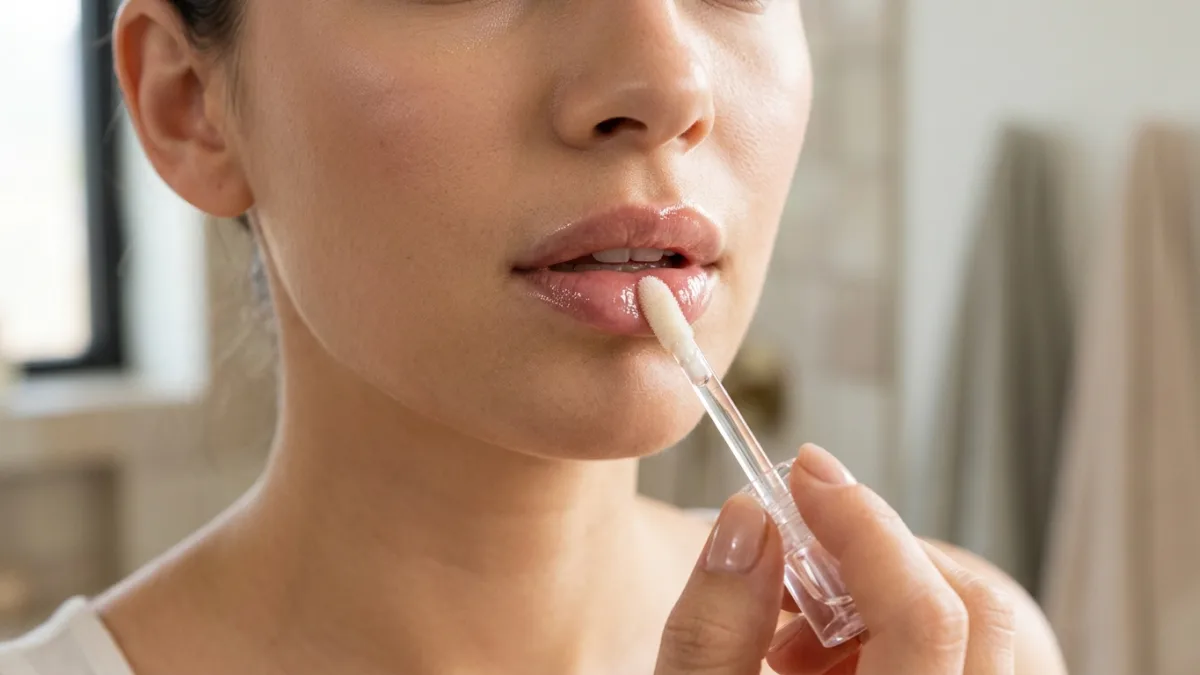
What’s Inside a Hydrating Lip Oil? (Key Ingredients Explained)
Hydrating lip oils usually combine three ingredient types: oils that seal in moisture, humectants that draw in water, and extras that soothe or nourish. Knowing what each one does helps you pick a formula that matches what your lips actually need.
Occlusive oils (castor, jojoba, coconut)
Occlusive means the ingredient forms a light barrier on skin to stop water from escaping. Castor oil, jojoba oil, and coconut oil are common picks in hydrating lip oils because they feel light but still seal well. They also tend to add natural shine.
Oils like castor, jojoba, and coconut are known for their ability to sit on the skin’s surface and help lock in moisture. Lip products built around these oils aim to keep lips feeling soft and hydrated throughout the day.
Humectants (hyaluronic acid, glycerin)
Humectants pull water into the skin’s surface, which is what gives hydrating lip oils their plumping feel. Hyaluronic acid and glycerin are the two most common humectants used. Both help lips look fuller and feel softer within minutes of applying.
Hydrating lip oils take a different approach than traditional balms or gloss, pairing occlusive oils with moisture-attracting ingredients like hyaluronic acid. This combination is designed to draw in hydration and then help seal it against the lips.
Nourishing extras (vitamin E, plant butters)
Vitamin E is an antioxidant, meaning it helps protect skin cells from damage. Plant butters like shea or cocoa add richness and help calm rough, flaky patches. These extras aren’t the main hydrators, but they round out the formula.
| Ingredient | Function | Main Benefit | Common Source |
|---|---|---|---|
| Castor Oil | Occlusive | Seals moisture, adds shine | Castor bean |
| Jojoba Oil | Occlusive | Lightweight barrier, softens | Jojoba plant |
| Coconut Oil | Occlusive | Seals moisture, smooths texture | Coconut |
| Hyaluronic Acid | Humectant | Plumping, draws in water | Lab-made or fermented |
| Glycerin | Humectant | Draws in water, softens | Plant or synthetic |
| Vitamin E | Nourishing | Protects skin cells | Plant oils |
| Shea Butter | Nourishing | Calms dry, flaky skin | Shea tree nuts |
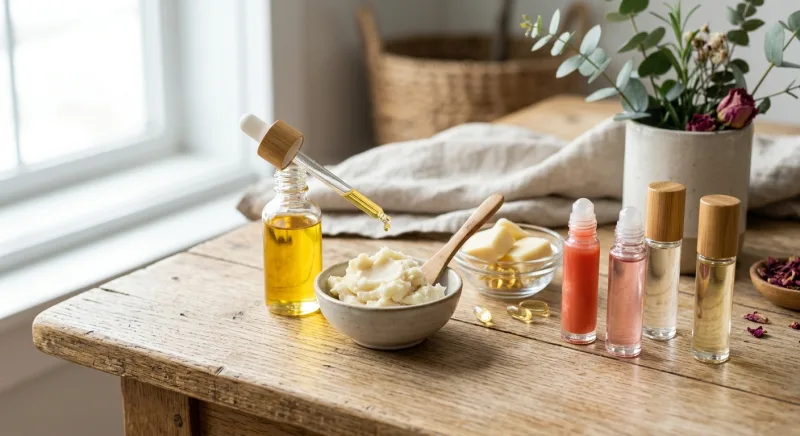
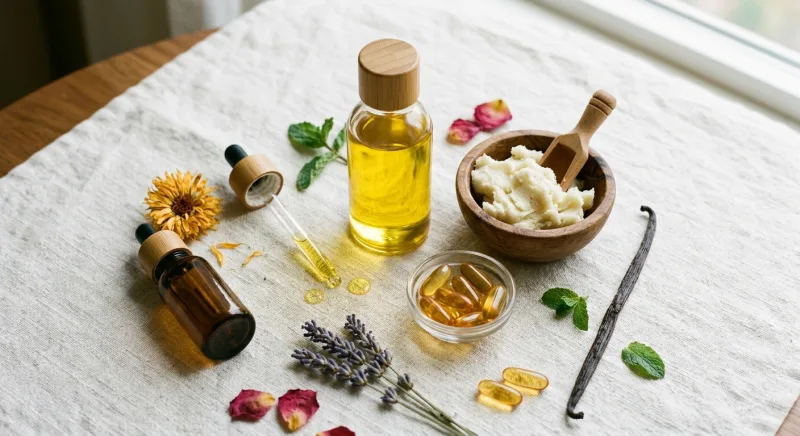
Hydrating Lip Oil vs. lip balm vs. Lip Gloss: Which Should You Use?
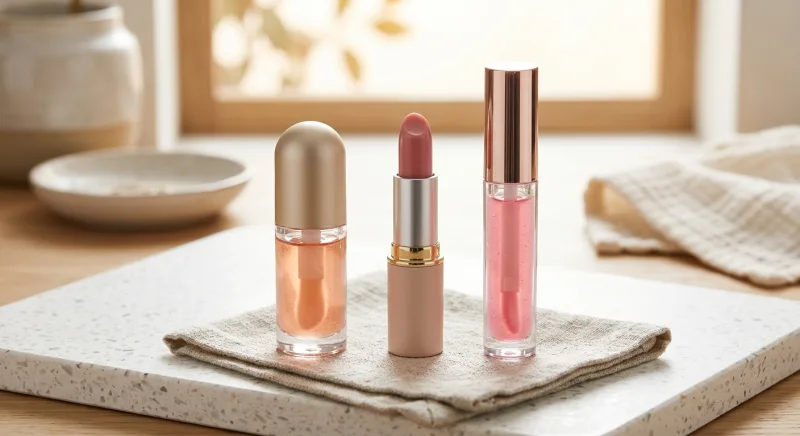
Hydrating lip oils suit most everyday needs, but balm and gloss still have their place. The right pick depends on how dry your lips are, how much shine you want, and how long you need it to last.
When oil beats balm
Hydrating lip oils win when you want moisture without a heavy, waxy feel. They also layer better under makeup since they sink in faster. If your lips feel dry but not cracked, oil is often the comfier choice.
When gloss is still the better choice
Plain gloss still wins when you just want shine with zero fuss, and hydration isn’t a priority. It’s also often cheaper and comes in more bold color options. For very dry lips, though, hydrating lip oils tend to do more.
| Feature | Hydrating Lip Oil | Lip Balm | Lip Gloss |
|---|---|---|---|
| Texture | Light, silky | Thick, waxy | Sticky to light |
| Hydration Level | High | Moderate to high | Low |
| Longevity | Moderate | Moderate to long | Short |
| Finish | Glossy, plump | Matte to satin | Very glossy |
| Best Use Case | Daily hydration with shine | Severely dry or chapped lips | Shine over color, short-term wear |
How to Apply Hydrating Lip Oil for Best Results
Getting the most from hydrating lip oils comes down to timing and layering. A few small habits make the difference between a quick fix and lasting comfort.
Layering lip oil under gloss or lipstick
Apply hydrating lip oils first, let them sink in for a minute, then add lipstick or gloss on top. This order locks in moisture without making your color slide around. Skipping this step often leads to patchy, dry-looking color by midday.
Nighttime vs. daytime application
At night, apply a thicker layer of hydrating lip oils since there’s no need to worry about makeup on top. During the day, a thin layer under lipstick works best. Both timings help, but nighttime use gives ingredients more time to work.
How often is too often?
Most people can use hydrating lip oils several times a day without issue. If lips start feeling irritated or overly slick, that’s a sign to cut back. Listen to how your skin responds rather than following a strict rule.
Hydrating Lip Oils vs. Other Lip Products
It helps to see how hydrating lip oils stack up against balms, glosses, and masks. Each product has a role, but they aren’t interchangeable. Comparing textures, longevity, and finish makes the differences easier to spot.
| Product Type | Texture | Hydration Level | Finish | Best Use Case |
|---|---|---|---|---|
| Hydrating Lip Oils | Lightweight, fluid | High | Glossy, natural | Daily wear, layering, overnight care |
| Lip Balm | Waxy, solid | Moderate | Matte to satin | Protection against wind and cold |
| Lip Gloss | Sticky, thick | Low to moderate | High shine | Instant shine, special occasions |
| Lip Mask | Thick, creamy | Very high | None (rinsed or absorbed) | Intensive overnight repair |
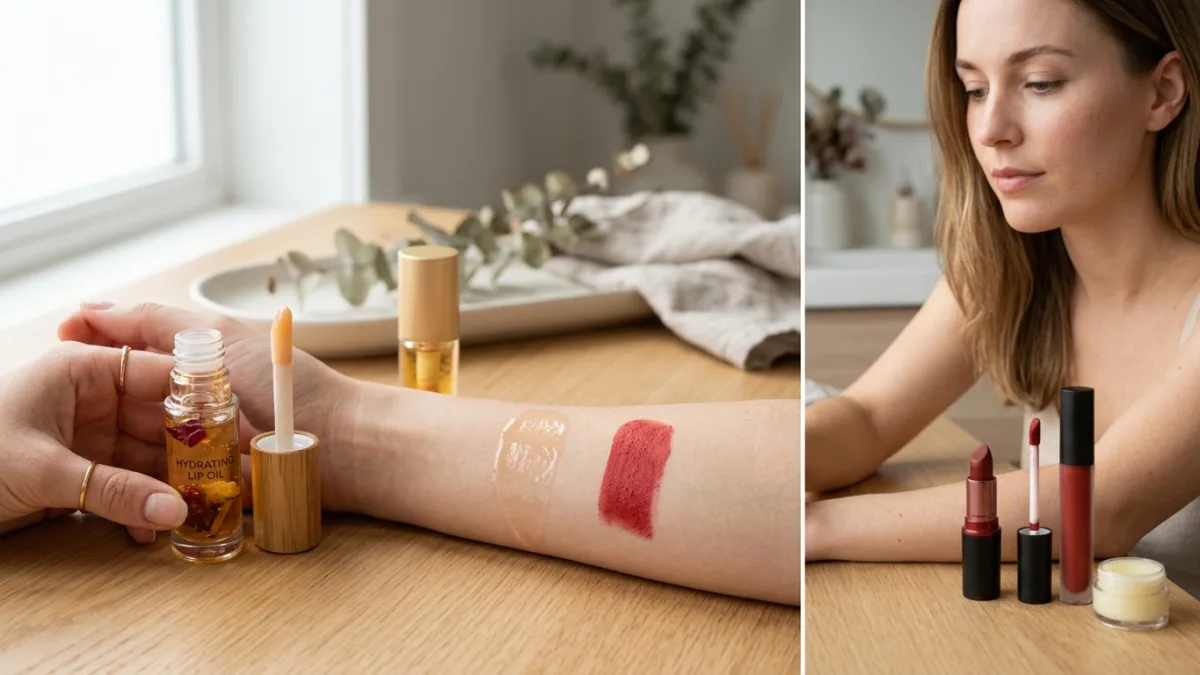
This comparison shows why hydrating lip oils sit in a category of their own. They combine the glide of gloss with the nourishment of balm. That balance is part of why so many people have switched to them as a daily staple.
Many people are moving away from classic lip gloss toward hydrating lip oil formulas. The shift reflects a growing preference for products that nourish lips while still delivering shine and color.
Choosing the Right Formula for Your Needs
Not all formulas are created equal. Some prioritize shine, others focus on repair, and some blend both. Knowing what you want from a product makes shopping much simpler.
- Look for plant oils like jojoba, castor, or sweet almond for lightweight hydration.
- Choose formulas with vitamin E if you want added antioxidant support.
- Pick a tinted option if you want subtle color along with shine.
- Avoid products with added fragrance if your lips are sensitive or prone to reacting.
Reading ingredient labels takes a little extra time. But it pays off, especially if you plan to use the product daily. A well-matched formula feels effortless once you find it.
Sensitive lips and ingredient sensitivities
People with sensitive lips should patch test new products before daily use. Even natural oils can cause reactions in some cases. Starting with a small amount lets you gauge comfort before committing to regular application.
Anyone with sensitive or chapped lips should introduce a new lip product gradually and watch how their skin responds. Testing a small amount first can help you catch irritation before it becomes a bigger problem.
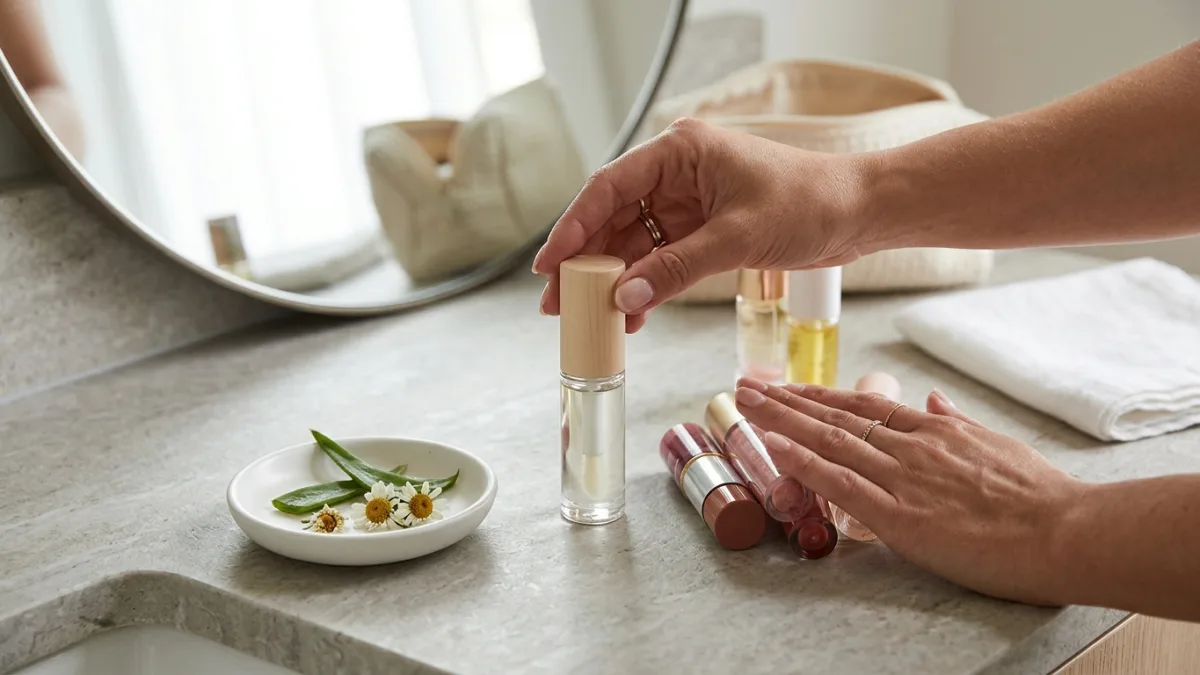
If irritation shows up, stop using the product immediately. Simplifying your routine to one trusted formula often solves the issue. Sensitive skin doesn’t mean avoiding hydrating lip oils altogether — it just means being more selective.
Storage and Shelf Life Tips
Like most beauty products, lip oils have a shelf life. Storing them properly extends their usability and keeps the formula effective. A few small habits make a noticeable difference over time.
- Keep the cap tightly closed after each use to prevent air exposure.
- Store away from direct sunlight and heat, which can break down oils faster.
- Avoid dipping fingers directly into the product; use the applicator provided.
- Check for changes in smell or texture, which signal it’s time to replace the product.
Following these habits helps hydrating lip oils stay fresh for longer. It also protects your lips from using a product that’s past its prime. A little care in storage goes a long way.
Hydrating Lip Oils and travel considerations
Traveling can be tough on lips, especially with dry cabin air or changing climates. Packing hydrating lip oils in a travel-sized bottle makes it easy to reapply on the go. Choose leak-proof packaging to avoid any mess in your bag.
Frequent flyers often notice drier lips than usual during trips. Reapplying more often during travel can offset that dryness. Keeping a small bottle in your carry-on makes this simple and convenient.

Market context
FDA cosmetic labeling regulations codification in the Code of Federal Regulations — FDA regulations related to cosmetics, including lip products, are codified at 21 CFR parts 700 to 740. U.S. Food and Drug Administration, 2024
Adjacent-market figures — each names the subject it measures, not Hydrating Lip Oils directly.
Read the complete guide: The Makeup Guide for Beginners That Skips the Guesswork
Frequently asked questions
What makes Hydrating Lip Oils different from regular lip balm?
Hydrating Lip Oils tend to have a lighter, glossier texture than traditional balms. They often blend nourishing oils that sink in quickly. Balms can sit heavier on the surface. Many people prefer the smoother, non-sticky feel oils provide throughout the day.
Can I wear Hydrating Lip Oils under lipstick?
Yes, many people apply a thin layer underneath lipstick for extra moisture. Let it absorb for a minute before adding color. This can help lipstick glide on smoother and prevent it from settling into dry patches or fine lines.
How often should I reapply lip oil during the day?
This depends on your environment and personal comfort. Some people reapply every few hours, especially after eating or drinking. Others touch up whenever lips feel tight or dry. There is no strict rule, so listen to what your lips need.
Are Hydrating Lip Oils safe for sensitive skin?
Many formulas are designed with gentle, skin-friendly ingredients. Still, sensitivity varies from person to person. It helps to check the ingredient list beforehand. Testing a small amount first can reduce the chance of an unexpected reaction.
Can lip oils help with chapped or peeling lips?
Many people use them specifically for this reason. The oils can help soften rough patches and lock in moisture. Consistent use, paired with gentle care, often improves texture over time. Severe or persistent chapping may need attention from a professional.
Do Hydrating Lip Oils expire?
Yes, like most beauty products, they have a shelf life. Exposure to air, heat, and light can shorten it further. Checking the label for an expiration date or period-after-opening symbol helps you know when it’s time to replace the bottle.
Is it necessary to apply lip oil before bed?
It’s not strictly necessary, but many people find it helpful. Overnight application allows the product to work while you sleep, without interruptions from eating or talking. Waking up with softer, smoother lips is a common reason people add this to their nightly routine.
Key statistics
- Lip skin has a reduced barrier function, resulting in higher transepidermal water loss compared to facial skin. (PMC (Journal of Cosmetic Dermatology study), 2025)
You may also be interested in: Moisturiser for Dry Skin: The Complete 2026 Guide to Ingredients, Texture, and Routine
You may also be interested in: Glass Skin: The Complete Guide to Korea’s Smoothest Skincare Trend
You may also be interested in: Hair Oils Explained: Benefits, Types, and How to Use Them in 2026
You may also be interested in: Hydrating Primer 101: What It Does and How to Use It Right
