
Sun protection
Sunscreen SPF Benefits: Why Daily Protection Matters for Your Skin
Last updated: November 7, 2026
Sunscreen spf benefits go far beyond stopping sunburn. Daily use of Sun Protection Factor (a measure of how well a sunscreen shields skin from the sun’s burning rays) helps guard against early aging, uneven tone, and long-term skin damage.
It works best alongside a full grooming routine, including hair removal and skincare steps. Used correctly, it is one of the simplest habits for healthier-looking skin.
What Are the Real Benefits of SPF in Sunscreen?
Sunscreen spf benefits include fewer sunburns, less visible aging, and lower long-term skin cancer risk. It does this by soaking up or bouncing back UV light before it reaches living skin cells.
That one job guards against several kinds of harm at once, which is why skin doctors say to use it daily, not just at the beach.
Quick answer: why SPF matters every day
SPF matters each day because sun rays reach skin even on cloudy days and through windows. Sunscreen spf benefits build up over time, meaning skipped days add up over years.
Using it often is what makes the biggest difference, far more than reaching for a high number only on sunny holidays.
What the SPF number actually measures
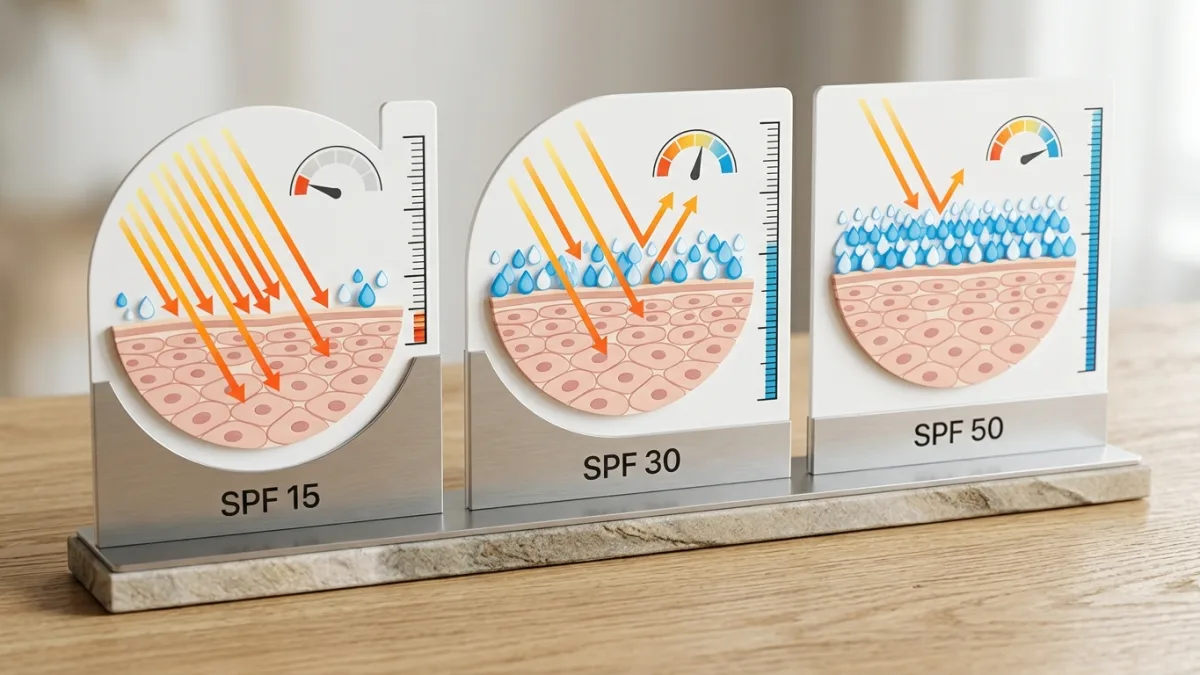
Based on lab tests, SPF 30 sunscreens block 97% of one kind of sun ray while SPF 50 sunscreens block 98%, says the CDC Yellow Book. (CDC Yellow Book, 2026)
| SPF Level | General Protection Level | Reapplication Guidance |
|---|---|---|
| SPF 15 | Basic daily protection for low sun exposure | Every two hours, more often if sweating or swimming |
| SPF 30 | Commonly recommended baseline for most skin types | Every two hours, more often if sweating or swimming |
| SPF 50 | Higher margin of protection for sensitive or treated skin | Every two hours, more often if sweating or swimming |
How Does SPF Actually Protect Your Skin?
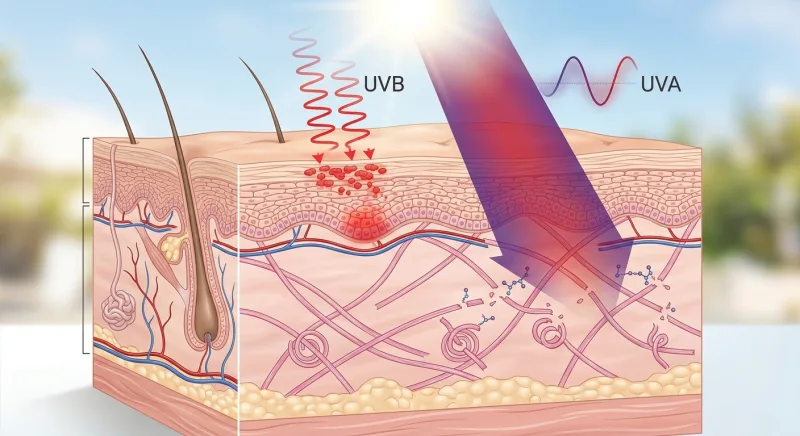
SPF protects skin by blocking or scattering ultraviolet light before it damages skin cells. Sunscreen spf benefits depend on which wavelengths a product actually filters, since not all ultraviolet light behaves the same way. Two main types matter here, and knowing the difference changes how you choose a product.
UVA vs UVB: what SPF blocks and what it doesn’t
The SPF number reflects how much protection a sunscreen offers against UVB rays, the kind most responsible for sunburn. Put simply, a higher SPF means more time before skin starts to redden compared to wearing no protection at all.
Broad-spectrum protection explained
What SPF Level Should You Actually Use?
SPF 15 vs 30 vs 50: what changes
Moving from SPF 15 to SPF 30 gives a meaningful jump in protection for most everyday situations. Moving from SPF 30 to SPF 50 gives a smaller added benefit, since higher numbers filter a shrinking share of remaining rays.
Sunscreen spf benefits at SPF 50 are most useful for fair skin, long outdoor time, or skin that has recently been treated.
Choosing SPF based on skin type and lifestyle
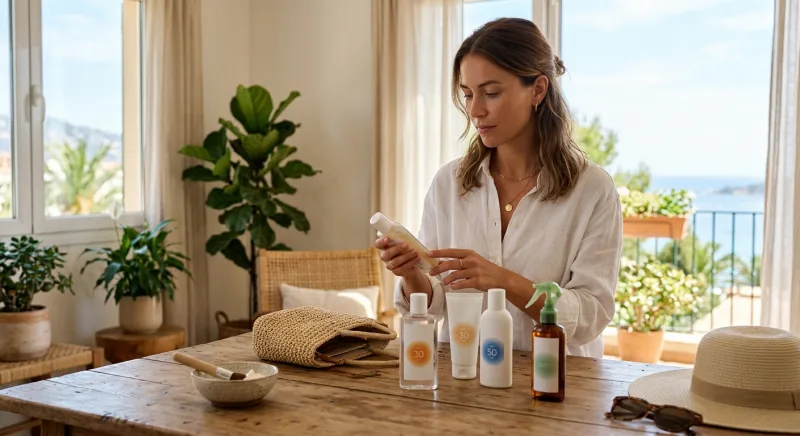
Skin type and daily habits should guide your SPF choice more than marketing claims. Someone who commutes indoors most days needs a different product than someone who runs or gardens outdoors.
Skin that has just been through hair removal, whether shaving, waxing, or an at-home Intense Pulsed Light treatment (a light-based grooming method that targets hair follicles using broad light wavelengths), tends to be more reactive to sun exposure.
That makes sunscreen spf benefits especially relevant right after a grooming session, a point the next section builds on directly.
Sun rays stay a daily concern no matter the climate or season, and clouds don’t stop their effects. Protecting skin isn’t just a summer habit. Whatever the forecast, sunscreen deserves a permanent place in any grooming routine, alongside the hair removal and skin care tools Bellxi offers.
Sunscreen SPF Benefits After Hair Removal and Grooming
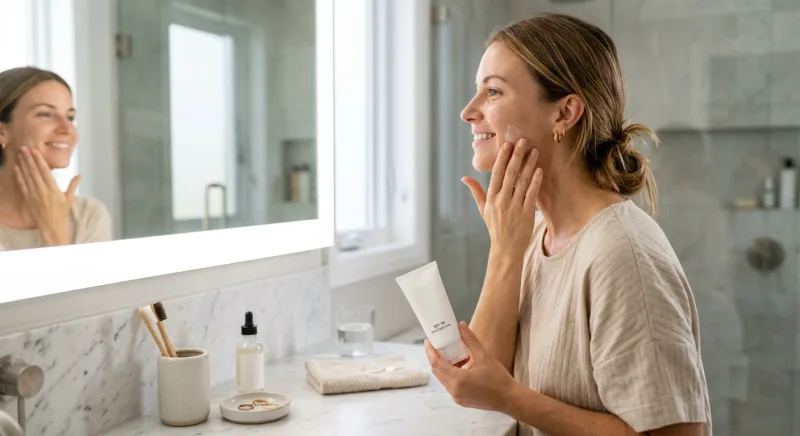
Freshly treated skin loses part of its natural shield. Shaving removes surface cells along with hair. Waxing and at-home light-based grooming tools can leave hair roots a bit sore. This is exactly when sunscreen spf benefits matter most, because sore skin burns and changes color more easily than calm skin.
Skin doctors often say to wait a short time after hair removal before putting on any product, including sunscreen, to avoid stinging. Once that time has passed, putting on broad-spectrum protection becomes one of the easiest ways to stop dark spots from forming on treated areas.
Why Sunscreen SPF Benefits Matter More on Treated Skin
Treated skin is temporarily more permeable and more sensitive to ultraviolet light. Without protection, this can lead to post-inflammatory hyperpigmentation, a common concern after hair removal. Recognizing the sunscreen spf benefits at this stage means fewer dark patches and a more even tone over time.
People who use at-home Intense Pulsed Light tools often treat the same spots again and again over several weeks. Each session resets how touchy the skin is. Skipping sunscreen between sessions can undo progress, since new dark spots may form faster than old marks fade.
This is one of the clearest cases of sunscreen spf benefits working alongside a grooming routine rather than as a separate afterthought. The two habits boost each other when done often.
Comparing SPF Formats: Lotion, Spray, and Stick
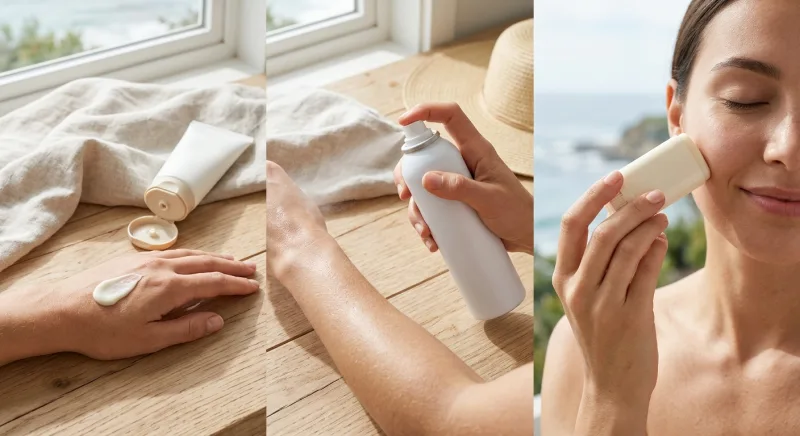
Sunscreen comes in several physical formats, and each one delivers sunscreen spf benefits a little differently depending on how it is applied. Coverage consistency, ease of reapplication, and suitability for treated skin all vary by format.
| Format | Ease of Even Coverage | Best For | Reapplication Convenience |
|---|---|---|---|
| Lotion | High, spreads evenly with rubbing | Face and daily use under makeup | Moderate, needs clean hands |
| Spray | Moderate, can miss spots if not rubbed in | Body and post-workout touch-ups | High, quick over clothing-adjacent areas |
| Stick | Lower on large areas, better for small zones | Ears, nose, and recently treated patches | High, no mess for on-the-go use |
Sticks are often the pick for small, sensitive spots after hair removal because they cut down on rubbing. Sprays are handy but need to be rubbed in to truly give even sunscreen spf benefits across the skin’s surface.
Lotions remain the most reliable format for consistent coverage, which is why many dermatologists still recommend them as a default.
Mineral vs Chemical Sunscreen: Which Delivers Better Protection
Another common decision point is choosing between mineral and chemical filters. Both categories can provide strong sunscreen spf benefits, but they work through different mechanisms and suit different skin conditions.
Mineral sunscreens, made with zinc oxide or titanium dioxide (both are mineral compounds), sit on top of the skin and physically block the sun’s harmful rays. Chemical sunscreens soak into the skin and turn those rays into heat, which is then let go.
| Factor | Mineral Sunscreen | Chemical Sunscreen |
|---|---|---|
| Protection Mechanism | Reflects and scatters UV rays | Absorbs and converts UV rays to heat |
| Onset of Effectiveness | Immediate upon application | Requires roughly 20 minutes to activate |
| Suitability for Sensitive or Treated Skin | Generally gentler, lower irritation risk | Can sting on freshly groomed or broken skin |
| Texture and Finish | Can leave a visible cast on some skin tones | Typically blends in without residue |
For people with sensitive skin, especially after hair removal treatments, mineral formulas tend to deliver sunscreen spf benefits without added stinging. Chemical formulas can still be effective but may need to be introduced more gradually on reactive skin.
This kind of data point would help clarify which option suits recently treated skin best.
Building a Routine Around Sunscreen SPF Benefits
Consistency matters more than product choice alone. The full range of sunscreen spf benefits only appears when application becomes a daily habit rather than an occasional afterthought.

- Apply sunscreen as the final step after moisturizer and before makeup, if worn.
- Reapply every two hours when outdoors, or immediately after sweating or swimming.
- Wait an appropriate interval after shaving, waxing, or light-based treatments before applying.
- Choose a mineral formula for freshly groomed or sensitive areas.
- Keep a travel-size stick or spray on hand for midday touch-ups.
Pairing grooming habits with sun protection habits builds a cycle that helps skin tone and feel over the long run. The sunscreen spf benefits add up over months and years, not just single uses.
People who skip sunscreen often see uneven skin tone show up over time, especially on spots hit by both sun and regular hair removal. Making SPF a must-do step protects the results of any hair removal method used at home.
Further reading
Frequently Asked Questions
What are the main sunscreen SPF benefits after hair removal?
The main sunscreen spf benefits after hair removal include reduced irritation, fewer dark spots, and steadier skin tone. Freshly treated skin is more reactive to UV exposure. Daily SPF use helps that skin heal evenly and prevents pigment changes from setting in.
How soon should I apply sunscreen after shaving or waxing?
Wait until visible redness settles, then apply sunscreen before sun exposure. This is usually within an hour for shaving and a few hours for waxing. Applying too soon on broken or sensitive skin can sting, so patience protects both comfort and results.
Is mineral sunscreen better than chemical sunscreen for sensitive skin?
Mineral sunscreen tends to suit sensitive or freshly groomed skin better than chemical types. It sits on the surface rather than soaking in, which lowers the chance of stinging. Many skin doctors point to mineral options for reactive skin types, and the research so far backs this up.
Can sunscreen alone prevent dark spots from hair removal?
Sunscreen greatly lowers the risk of dark spots but cannot promise full prevention on its own. Genes, skin type, and grooming habits also play a role. Using SPF every day stays the single best habit for cutting down color changes over time.
Do I still need sunscreen on cloudy or indoor days?
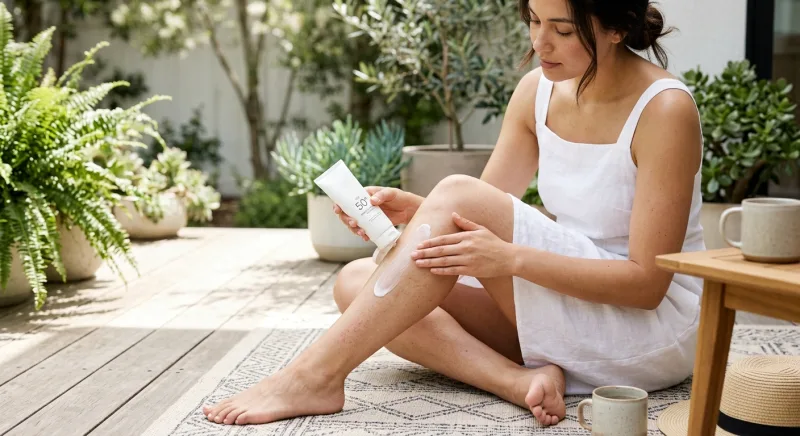
Yes, UV rays pass through clouds and windows, so sunscreen spf benefits still apply on cloudy or indoor days. Skipping SPF on these days lets damage build up unseen. Making it a daily habit, no matter the weather, keeps skin protection steady all year.
What SPF level is recommended for freshly groomed skin?
Most skin care advice says to use SPF 30 or higher for freshly groomed or sensitive skin. A higher SPF gives more of a buffer against sun-caused irritation. Putting more on every two hours matters as much as the number on the label for lasting protection.
How does sunscreen help after laser hair removal specifically?
Skin treated with laser is very likely to change color if hit by UV light too soon. Sunscreen shields healing hair roots and lowers the risk of dark spots after treatment. Technicians often stress strict SPF use for at least several weeks after any laser visit.
Key statistics
- Dermatologists recommend an SPF of at least 30 because it blocks 97% of the sun’s UVB rays. (American Academy of Dermatology, 2025)
- A lower-strength SPF 15 sunscreen filters out 93% of the sun’s UVB rays, compared with 97% for SPF 30. (American Academy of Dermatology, 2026)
- The FDA notes that broad-spectrum sunscreens with an SPF of at least 15 help protect against skin cancer and early skin aging, not just sunburn. (U.S. Food and Drug Administration, 2026)
Expert insights
If you use sunscreen to protect yourself, it’s essential that you use it correctly or it will not protect you from sunburn, skin aging, and skin cancer
Mark D. Kaufmann, MD, FAAD, board-certified dermatologist, president of the AAD
We know that the lighter a person’s skin, the higher their risk for skin cancer
Henry W. Lim, MD, FAAD, board-certified dermatologist, former chair of the department of dermatology at Henry Ford Hospital in Detroit
References
- Broad-spectrum sunscreens with SPF 15 or higher help prevent sunburn and reduce the risks of skin cancer and early skin aging caused by the sun, when used as directed with other protective measures. — U.S. Food and Drug Administration (FDA) (Federal regulatory agency that oversees sunscreen safety and effectiveness standards in the U.S.)
- SPF values are determined from a test that measures protection against UVB radiation, so SPF only indicates a sunscreen’s UVB protection, while broad-spectrum testing separately confirms proportional UVA protection. — U.S. Food and Drug Administration (FDA) (Federal agency that defines and regulates SPF and broad-spectrum testing procedures for OTC sunscreen products.)
- Dermatologists recommend using a broad-spectrum, water-resistant sunscreen with an SPF of 30 or higher, which blocks about 97% of the sun’s UVB rays, and reapplying every two hours or after swimming or sweating. — American Academy of Dermatology (AAD) (Leading U.S. professional organization of board-certified dermatologists providing evidence-based sun protection guidance.)
- Broad spectrum sunscreens with an SPF of 15 or higher are effective at reducing the risk of skin cancer, even though real-world efficacy can be limited by incorrect use. — NCBI Bookshelf / Surgeon General’s Call to Action to Prevent Skin Cancer (NIH) (Published as part of the U.S. Surgeon General’s official Call to Action, hosted on NIH’s NCBI Bookshelf)
- The World Health Organization recommends applying a broad-spectrum sunscreen (UV-A and UV-B protection) of at least SPF 30 liberally and reapplying every two hours, especially after sweating or swimming. — World Health Organization (WHO) (Official WHO public health guidance page on protecting against skin cancer)
