
Skin concerns
Anti Aging Skin Care: What Actually Works in 2026
Last updated: November 14, 2026
Anti aging skin care means routines and products that slow visible signs of getting older, like wrinkles, dryness, uneven tone, and sagging. It uses ingredients such as retinoids (a vitamin A derivative), vitamin C, and SPF (sun protection factor).
Anti aging skin care can’t stop time, but steady habits, sun protection, and smart choices can soften how skin looks and feels.
Most people search for anti aging skin care once they spot their first fine lines. That moment often sparks a flood of questions. What actually works? What’s a waste of money? This guide walks through the honest answers, step by step.
What Is Anti Aging Skin Care, and What Can It Actually Do?
Anti aging skin care is a set of habits and products aimed at slowing visible aging signs, not erasing them. Think fine lines, dullness, and loss of bounce. Good anti aging skin care works with your skin’s own repair process, rather than against it.
Quick answer
The quick answer is this: anti aging skin care slows and softens visible signs of aging. It does not reverse the clock. Consistent care, daily SPF, and the right actives can make skin look smoother and feel firmer over months of use.
What anti-aging products can and can’t change
Anti aging skin products can soften fine lines, even out tone, and boost hydration over time. They can’t rebuild lost structural support deep in the skin, and they can’t undo years of sun damage overnight.
In an 8-week clinical trial of a retinaldehyde (over-the-counter retinoid) serum for anti aging skin care, fine lines of the face showed a 12% visible improvement, and fine lines on the chest improved 11% at week 2 and 19% at week 8. (PubMed / Journal of Drugs in Dermatology, 2024-11-01)
Setting the right expectations matters. Anti aging skin care rewards patience more than it rewards spending. A simple routine, used daily, tends to beat a expensive one used now and then.
Dermatologists generally agree that consistent care matters more than any single product. A steady anti aging skin routine, paired with sun protection and the right tools for your skin type, supports smoother, healthier-looking skin over time.
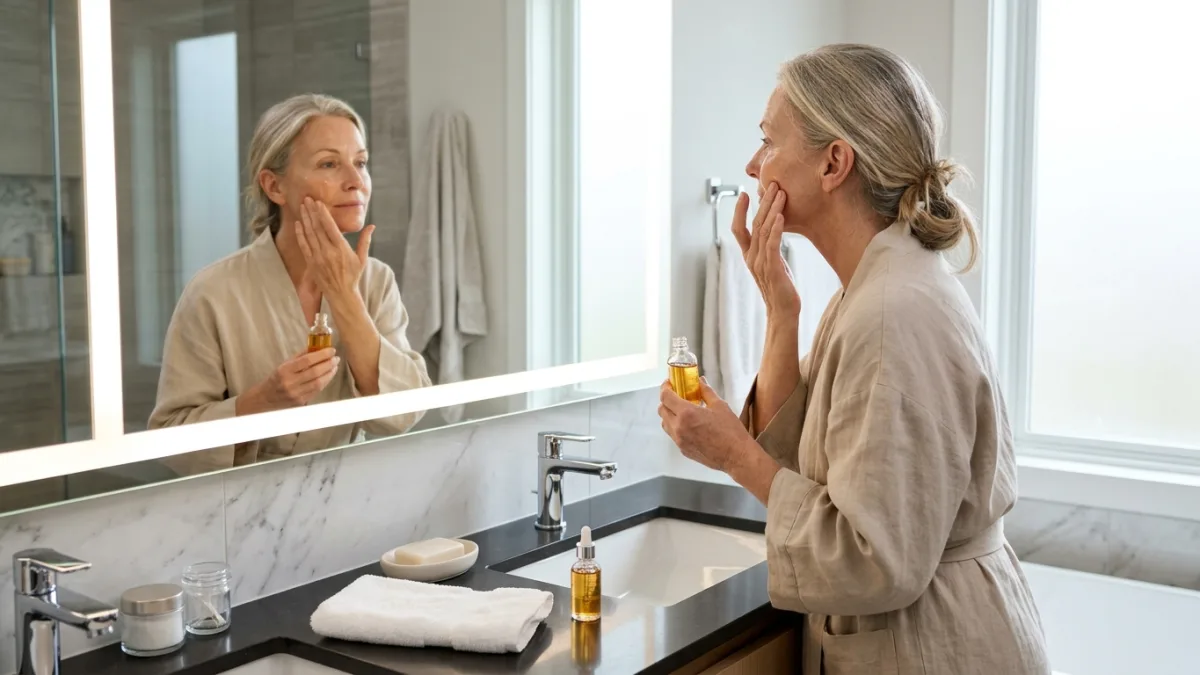
Why Does Skin Age? Understanding the Causes
Skin ages for two main reasons: things you’re born with, and things that happen to you. Anti aging skin care works best when it targets both at once, since they overlap more than people think.
Intrinsic (genetic/hormonal) aging
Intrinsic aging is the aging your genes have mapped out. It includes slower cell turnover and dropping levels of collagen, the protein that keeps anti aging skin firm and plump. Hormonal shifts, like those during menopause, can speed this up too.
Extrinsic factors: sun, pollution, lifestyle
Extrinsic aging comes from the outside world. Sun exposure is the biggest driver by far, followed by smoking, pollution, poor sleep, and a diet low in nutrients. Stress plays a role too, since it affects hormones tied to anti aging skin repair.
The good news is that extrinsic aging is the part anti aging skin care can influence most. Daily SPF alone blocks a large share of the damage that adds up over the years.
Up to 90 percent of the visible skin changes commonly attributed to aging are actually caused by cumulative sun exposure, meaning most premature anti aging skin concerns are preventable with proper UV protection. (U.S. Environmental Protection Agency (EPA), 2026-01-27)

Over-the-counter anti-aging products work gradually, often requiring weeks of consistent use before visible improvement appears. They typically support skin’s texture and appearance rather than deliver dramatic transformation, making patience and routine essential for realistic results.
Cumulative sun exposure is widely recognized by dermatologists as the leading driver of visible anti aging skin changes, from fine lines to uneven tone. Protecting skin daily from UV rays remains one of the most effective ways to preserve a youthful, smooth appearance over time.
What Are the Common Signs of Aging Skin?
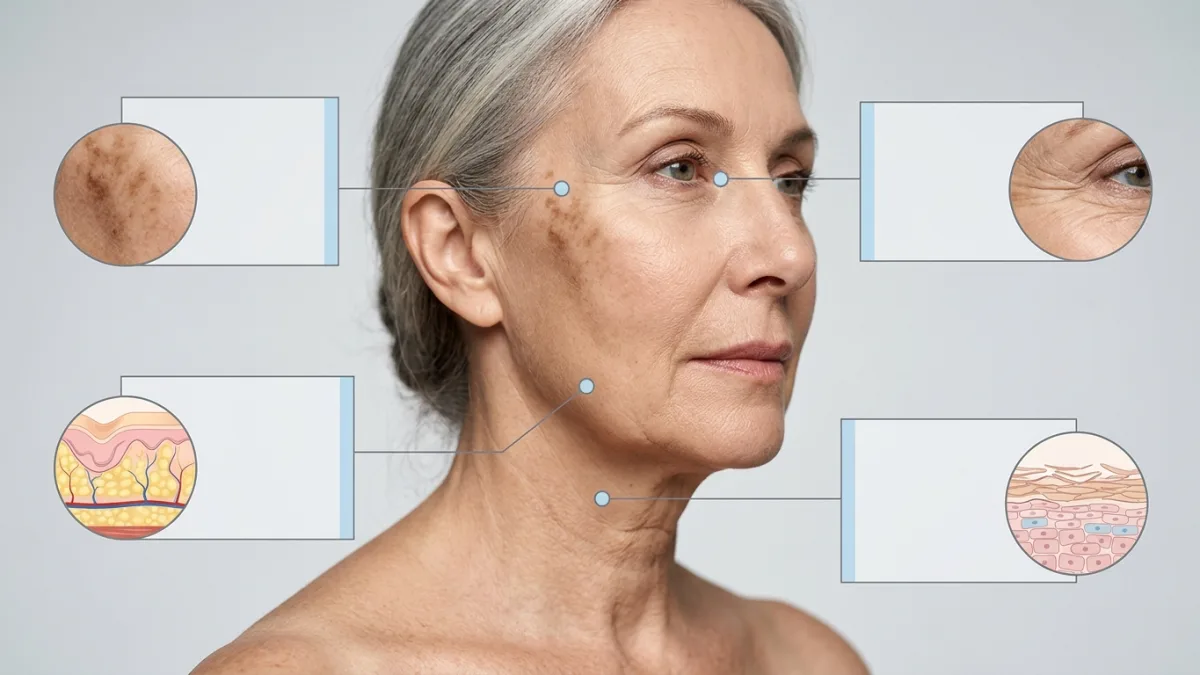
The common signs of aging skin include wrinkles, sagging, uneven tone, and rougher texture. Spotting these early helps you pick the right anti aging skin care before the changes become harder to manage.
Wrinkles and fine lines
Fine lines show up first around the eyes and mouth, where skin moves the most. Deeper wrinkles form later, once collagen and elastin, the fibers that let anti aging skin stretch and bounce back, thin out.
Loss of elasticity and firmness
Skin that once snapped back now sags a bit more. This happens as collagen and elastin break down faster than skin can replace them, a normal part of the aging process.
Uneven tone and age spots
Years of sun exposure often show up as flat brown spots or blotchy patches. These form when pigment cells go into overdrive after too much UV exposure over time.
Dryness and texture changes
Mature skin often makes less of its own natural oil, leaving it drier and rougher to the touch. This is one reason hydrating steps matter more in an anti aging skin care routine as skin matures.
How Do You Build an Anti Aging Skin Care Routine?
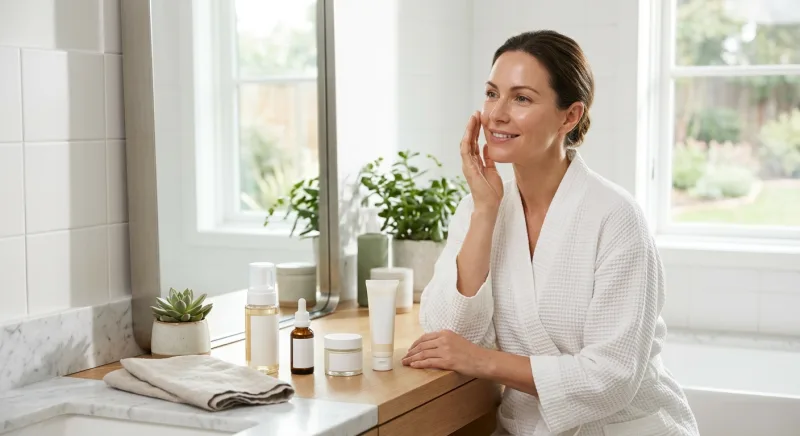
You build an anti aging skin care routine by splitting steps into morning and evening, since your skin has different needs at each time of day. Morning is about protection. Evening is about repair.
Morning routine steps
Mornings call for a gentle cleanse, a hydrating layer, and SPF as the final, non-negotiable step. Vitamin C, an antioxidant that helps fight dullness, often slots in before moisturizer for an extra layer of daytime anti aging skin defense.
Evening routine steps
Evenings are for repair actives, since anti aging skin does most of its renewal overnight. Cleanse first, then apply treatments like retinoids, followed by a richer moisturizer to lock in hydration while you sleep.
Key ingredients to look for (retinoids, vitamin C, SPF, peptides)
The core ingredients in most anti aging skin care routines are retinoids, vitamin C, SPF, peptides, and hyaluronic acid, a molecule that holds water in the skin for a plumper look. Each one plays a different role.
Vitamin C remains a favorite in anti-aging routines for good reason. It supports brighter-looking skin and pairs well with the modern grooming tech at bellxi.com, where every skin type finds its match.
- Retinoids: speed up cell turnover and soften fine lines
- Vitamin C: brightens tone and fights free radical damage
- SPF: blocks the UV rays that drive most visible aging
- Peptides: small proteins that support the skin’s collagen supply
- Hyaluronic acid: draws moisture into the skin for a fuller look
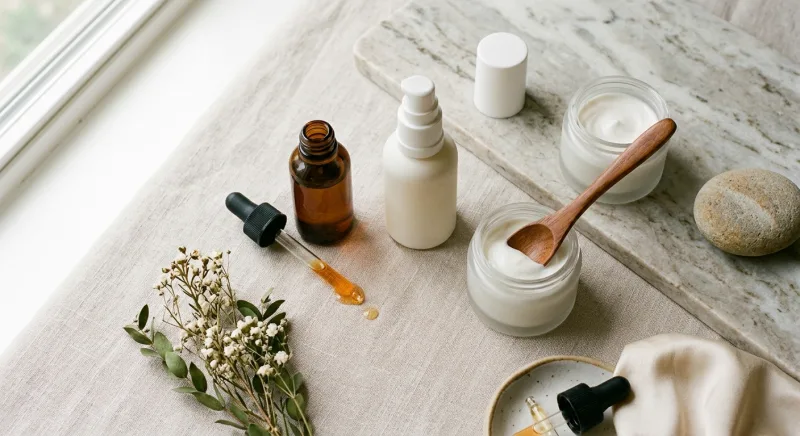
| Step | Product Type | Purpose |
|---|---|---|
| 1 (AM) | Gentle cleanser | Removes overnight oil buildup |
| 2 (AM) | Vitamin C serum | Brightens and adds antioxidant defense |
| 3 (AM) | Moisturizer | Locks in hydration before SPF |
| 4 (AM) | SPF | Shields skin from UV-driven aging |
| 1 (PM) | Cleanser | Removes makeup, sunscreen, and debris |
| 2 (PM) | Retinoid treatment | Boosts cell turnover overnight |
| 3 (PM) | Rich moisturizer | Supports repair while you sleep |
Building an anti aging skin care routine doesn’t need to be complicated. Start small, add one active at a time, and give your skin a few weeks to adjust before judging results.
Choosing Ingredients: What Actually Works
Not every ingredient marketed as anti aging delivers real results. Some have decades of research behind them, while others rely mostly on clever packaging. Knowing the difference helps you spend your money wisely.
Retinoids remain the most studied category for reducing fine lines and improving texture. Vitamin C, peptides, and niacinamide follow closely, each supporting skin through different mechanisms. Hyaluronic acid and ceramides round out the list by keeping the skin barrier strong.
Retinoids are widely favored as a go-to anti-aging ingredient. While skin care evolves, so does grooming technology, and bellxi.com carries every device type to complement your daily beauty routine.

Proven vs. Overhyped Ingredients
| Ingredient | Evidence Level | Best For |
|---|---|---|
| Retinoids | Strong clinical support | Wrinkles, texture, acne |
| Vitamin C | Strong clinical support | Brightening, antioxidant defense |
| Peptides | Moderate support | Firmness, collagen signaling |
| Niacinamide | Strong clinical support | Barrier repair, tone evenness |
| Collagen creams | Limited support | Surface hydration only |
| Gold or caviar extracts | Minimal support | Marketing appeal |
Topical collagen creams sound appealing, but collagen molecules are too large to penetrate the skin barrier effectively. Instead, look for ingredients that stimulate your skin’s own collagen production, like retinoids and peptides. This approach tends to produce more lasting change.
Encouraging skin to produce its own collagen tends to deliver longer-lasting results than surface-level products alone. That same philosophy of working with the body drives our approach to premium grooming and hair removal devices.
In-Office Treatments: When Skin Care Isn’t Enough
Topical products can only do so much. Once fine lines deepen into wrinkles or skin laxity becomes noticeable, many people turn to professional treatments. These options work at a deeper level than any cream or serum.
Popular choices include chemical peels, microneedling, laser resurfacing, and injectables like neuromodulators or dermal fillers. Each targets a different concern, from texture and pigmentation to volume loss and dynamic wrinkles.
Anti-aging procedures remain a popular choice for people seeking smoother, younger-looking skin. At home, painless IPL laser handsets offer a modern alternative, part of the complete range of grooming tech at bellxi.com.
Comparing Common In-Office Treatments
| Treatment | Main Benefit | Downtime | Typical Frequency |
|---|---|---|---|
| Chemical peel | Improves texture and tone | Mild peeling for days | Every 4-6 weeks |
| Microneedling | Stimulates collagen production | Redness for 1-2 days | Every 4-8 weeks |
| Laser resurfacing | Reduces wrinkles and scars | Several days to weeks | Varies by laser type |
| Neuromodulator injections | Softens expression lines | Minimal to none | Every 3-4 months |
| Dermal fillers | Restores lost volume | Mild swelling for days | Every 6-12 months |
These treatments carry real costs and require a qualified provider. They also work best alongside a consistent home routine rather than as a replacement for it. Think of professional care as an accelerant, not a substitute.
Combining professional treatments with a consistent daily routine tends to bring the best results. Bellxi.com supports that routine with precision trimmers, epilators, and IPL devices for every skin type, shipped within 24 hours.
Lifestyle Habits That Support Anti Aging Skin
Skin care products address the surface, but daily habits shape skin from the inside out. Sleep, diet, stress, and sun exposure all influence how quickly signs of aging appear. Ignoring these factors limits how much any product can achieve.
Chronic sun exposure remains the single biggest driver of visible skin aging. Daily SPF use, even on cloudy days, prevents much of the damage that leads to wrinkles and dark spots. Pairing sunscreen with protective clothing adds another layer of defense.

Up to 90% of visible skin aging is attributed to UV exposure from the sun, rather than chronological aging alone. (U.S. Environmental Protection Agency (EPA), 2026)
Sleep and Skin Repair
Skin repairs itself most actively during deep sleep. Poor sleep quality has been linked to slower recovery from environmental stress and a duller complexion. Prioritizing seven to nine hours of rest supports the same repair processes your night cream is trying to boost.
Diet and Antioxidant Intake
A diet rich in antioxidants helps counter oxidative stress, one of the main contributors to premature aging. Colorful fruits, vegetables, and healthy fats all play a role. Hydration matters too, since dehydrated skin tends to look more dull and less resilient.
In a randomized, double-blind, placebo-controlled trial, an oral antioxidant-rich synbiotic supplement produced a measurable reduction in wrinkle severity after 8 weeks, an effect not seen in the placebo group. (PMC (peer-reviewed clinical study), 2025)
Stress and Cortisol’s Effect on Skin
Chronic stress raises cortisol levels, which can break down collagen over time and impair the skin barrier. Managing stress through exercise, mindfulness, or simply adequate downtime isn’t just good for mental health. It’s also a quiet but meaningful part of any anti aging strategy.
Common Mistakes That Speed Up Skin Aging
Even well-intentioned routines can backfire if they include a few common missteps. Recognizing these mistakes early can save both time and skin health. Most are easy to correct once identified.
- Skipping sunscreen on cloudy or indoor days
- Over-exfoliating, which damages the skin barrier
- Mixing too many active ingredients at once
- Sleeping in makeup or sunscreen
- Using products meant for a different skin type
- Expecting overnight results from long-term ingredients
Over-exfoliating deserves special attention, since it’s one of the most common reasons routines stop working. A compromised barrier leads to redness, sensitivity, and ironically, more visible signs of aging. Less is often more when it comes to active ingredients.
Over-exfoliating can strip the skin’s natural barrier, leaving it irritated, dry, and more sensitive over time. Choosing gentler, well-designed grooming tools helps protect your skin while still delivering smooth results, day after day.
Setting Realistic Expectations

Anti aging skin care is a long game, not a quick fix. Most active ingredients take weeks to months to show visible change. Consistency matters more than intensity, and results tend to build gradually rather than appear overnight.
It also helps to remember that skin aging is influenced by genetics, environment, and time itself. No product will fully stop the clock, but the right combination of habits and ingredients can noticeably slow visible changes and support healthier-looking skin for years.
Market context
How the broader market shapes anti aging skin in 2026
The figures below come from adjacent, well-documented markets. Each row names the subject it actually measures and links to its original source — these are related market indicators, not anti aging skin claims.
| What it measures | Figure | Source |
|---|---|---|
| Skin cancer treatment in the United States | Nearly 5 million people are treated for all skin cancers combined each year in the United States, at an annual cost of about $8.1 billion. | NCBI (NIH), 2014 |
| UV exposure’s contribution to skin cancer | UV exposure is associated with approximately 65% of melanoma cases and 90% of non-melanoma skin cancers. | PMC (NIH), 2015 |
| Active cosmetic product facility registrations with the FDA under MoCRA | The FDA reports that there are now over 15,000 unique, active cosmetic product facility registrations in the United States. | U.S. Food and Drug Administration, 2026 |
Frequently Asked Questions
At what age should I start using anti aging skin care products?
Many dermatologists suggest starting preventive habits like sunscreen and gentle cleansing in your twenties. Targeted ingredients such as retinoids or peptides are often introduced in the late twenties to thirties. Starting early focuses on prevention rather than correction, which tends to be easier to maintain long term.
Can anti aging skin care reverse existing wrinkles?
Some ingredients can soften the appearance of fine lines and improve texture over time. Deeper wrinkles are harder to reverse with topical products alone. Consistent use of retinoids, antioxidants, and sun protection can noticeably improve skin appearance, though results vary by individual and skin condition.
Is sunscreen really the most important anti aging step?
Yes, most skin care professionals consider daily sunscreen the single most effective anti aging habit. Unprotected sun exposure contributes significantly to premature wrinkles, uneven tone, and loss of elasticity. Applying broad spectrum sunscreen every morning helps preserve collagen and prevent further visible sun damage over time.
How long does it take to see results from anti aging products?
Most active ingredients require consistent use for several weeks before changes become noticeable. Retinoids and peptides often take eight to twelve weeks for visible improvement. Patience and steady application matter more than switching products frequently, since skin needs time to adjust and respond to new ingredients.
Can I use retinol and vitamin C together?
Many people use both, though timing matters. Vitamin C is often applied in the morning for antioxidant protection, while retinol works best at night. Using them separately reduces the risk of irritation and helps each ingredient perform effectively without overwhelming the skin barrier.
Are natural or organic anti aging products more effective?
Effectiveness depends on the specific ingredients and formulation, not simply whether a product is labeled natural. Some plant-derived compounds offer antioxidant benefits, while certain synthetic ingredients like retinoids have stronger research support. Evaluating ingredient lists and concentration matters more than marketing terms alone.
Do anti aging products work the same for all skin types?
No, skin type and sensitivity influence how products perform. Dry skin may tolerate stronger actives better with added moisture, while sensitive skin often needs gentler formulations and slower introduction. Testing new products gradually and paying attention to individual reactions helps avoid irritation or barrier disruption.
Is professional treatment necessary alongside a home skin care routine?
Not always, but professional treatments like chemical peels or laser therapy can enhance results for some people. A consistent home routine with sunscreen, antioxidants, and retinoids often provides meaningful improvement on its own. Combining both approaches may accelerate visible change for those seeking more noticeable results.
Consistent use of the right hair removal and grooming devices supports healthier-looking skin over time. At Bellxi, our range is built to work with your skin, not against it, for lasting smoothness.
Key statistics
- A recent AAD survey found that nearly three-quarters of Americans use anti-aging products or procedures, but far fewer use sunscreen regularly. (American Academy of Dermatology, 2025)
- About 4 in 10 adults report wrinkles or dark spots they attribute to sun exposure, and most of them are bothered by these changes. (American Academy of Dermatology, 2025)
Expert insights
I try to emphasize to my own children that skincare doesn’t have to be complicated to be effective, and just because something looks fun to use or is expensive, doesn’t mean it is good or better for your skin
Marisa Garshick, MD, FAAD, board-certified dermatologist in New York City
References
- Unprotected sun exposure is the most preventable risk factor for skin damage such as wrinkles and age spots, in addition to being the leading preventable risk factor for skin cancer. — American Academy of Dermatology (National professional body of board-certified dermatologists)
- UVA rays, sometimes called ‘aging rays,’ can prematurely age skin by causing wrinkles and age spots, and can pass through window glass. — American Academy of Dermatology (National professional body of board-certified dermatologists)
