
hair removal
Is IPL Hair Removal Permanent? What Really Happens to Your Hair Long-Term
Last updated: November 13, 2026
Is IPL hair removal permanent? Not in the strict sense. IPL, or intense pulsed light, causes long-term hair reduction rather than permanent removal — it damages hair follicles with light-based heat so hair grows back thinner, slower, and sparser.
Most people need occasional touch-up sessions to keep results steady, especially as hormones or age change hair growth.
Is IPL Hair Removal Permanent? The Direct Answer
Is IPL hair removal permanent? The honest answer is no, not fully. What IPL gives you is long-term hair reduction, not permanent hair removal. These two terms sound alike but mean very different things in the beauty and skincare world.
Permanent hair removal means hair never grows back, ever. Permanent hair reduction means far less hair grows back, and what does return is finer and lighter. So is IPL hair removal permanent? Not quite — IPL falls into the second group, and so does most laser hair removal.
This matters because it sets the right expectations from day one. If you’re asking is IPL hair removal permanent because you want to never shave again, you may feel let down without knowing this key fact upfront.
The good news is that most users still see real results. Less hair. Slower regrowth. Softer texture. It just takes patience, the right device, and follow-through to get there.
Bellxi sells premium women’s grooming and advanced hair removal devices, and one thing we hear a lot is this same question: is IPL hair removal permanent? We always answer straight, because trust matters more than a quick sale.
Many people using at-home IPL devices notice their hair growing back finer and sparser over time. Consistency is key, and Bellxi’s painless IPL handsets are built to support a routine that delivers smoother skin with continued use.
IPL is widely understood to reduce hair growth over time rather than remove it permanently, since hair follicles can vary in how they respond. Bellxi’s devices are designed with this in mind, offering a gentle, effective option for long-term hair reduction at home.
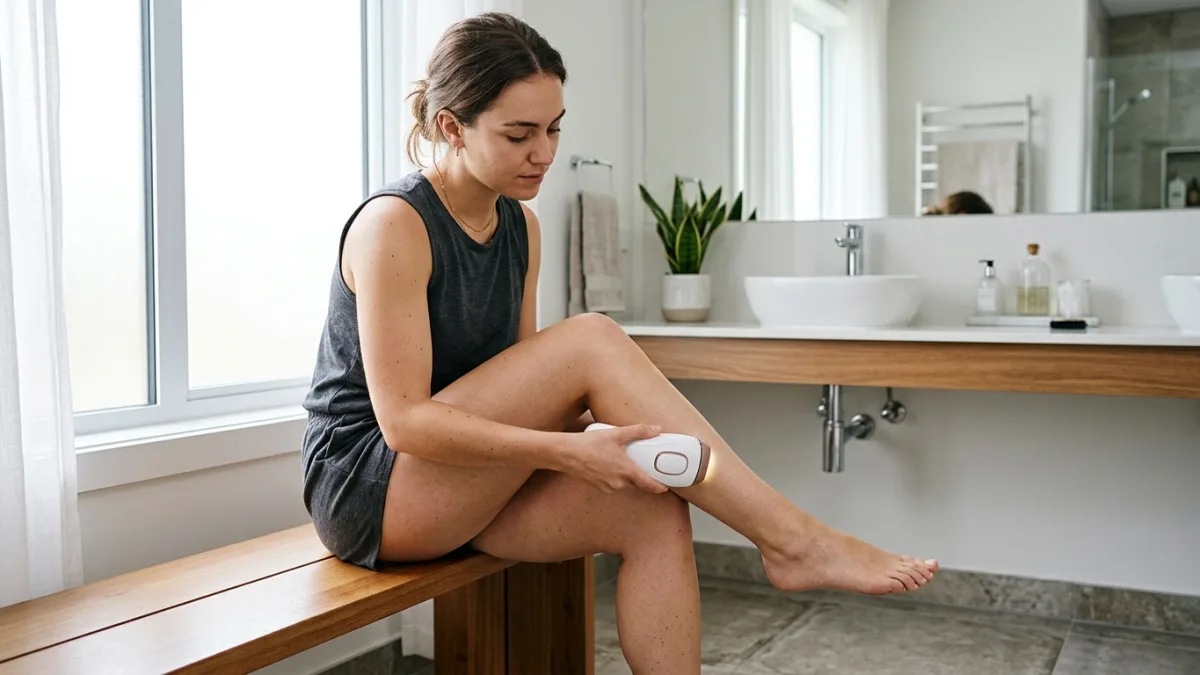
How IPL Actually Works on Hair Follicles
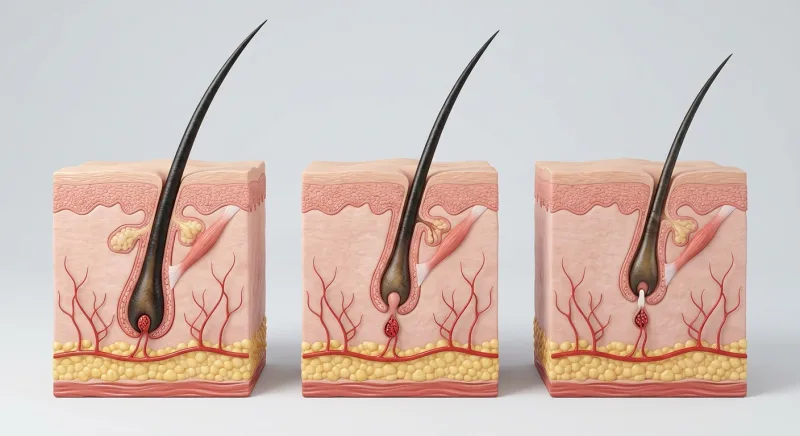
IPL works by turning light into heat inside the hair follicle, the small pocket in skin where each hair grows. The device sends out light pulses that get soaked up by melanin, the natural pigment that gives hair its color.
Once the light turns to heat, it damages the follicle. A damaged follicle struggles to grow hair the same way again. This is the whole idea behind is IPL hair removal permanent — it’s about follicle damage, not instant removal.
But one pulse of light won’t shut down a follicle forever. It takes repeat sessions, spaced out over weeks, to catch enough hairs at the right point in their cycle.
Why Some Follicles Don’t Regrow (and Others Do)
Some follicles take heavy damage and stop producing hair almost fully. Others only get partly hurt and bounce back over time. This mix is why full permanence rarely happens with IPL.
Hormones play a role too. Conditions like PCOS, a hormone imbalance that can cause extra body hair growth, may cause follicles to reactivate even after strong initial results. This is not a flaw in the device — it’s biology working against the treatment.
Skin and hair color also affect how much damage a follicle takes. More on that later in this guide, since it’s one of the biggest factors people overlook.
Growth Cycles: Why One Session Isn’t Enough
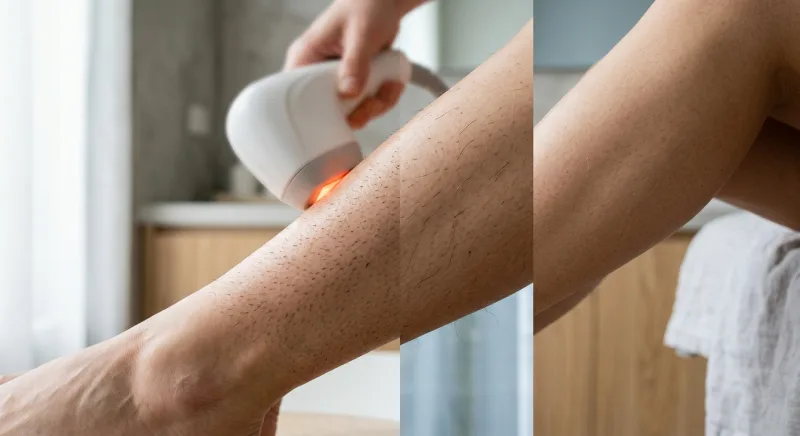
Hair grows in cycles, not all at once. The active growth stage is called the anagen phase, when hair is firmly rooted and full of melanin. IPL only works well on hairs in this stage.
At any given time, only some of your hairs sit in the anagen phase. The rest are resting or shedding, which is why one IPL session barely scratches the surface.
Because hair grows in cycles, treating just once won’t catch every follicle at the right stage. Regular sessions over several weeks are needed to target hair as it enters each new growth phase, which is why Bellxi designs devices for consistent, ongoing use.
This cycle-based nature explains why anyone asking is IPL hair removal permanent needs to think in months, not days. Consistency across cycles is what builds lasting reduction.
How Long Do IPL Results Actually Last?
IPL results can last for months to years, but they fade gradually rather than staying fixed forever. This is the real-world answer to is IPL hair removal permanent — results last, but they need upkeep.
Early sessions often bring the biggest visible change. As you keep going, results tend to plateau, meaning hair growth slows down and stays lighter for a good stretch of time.
Then, over months or years, some hairs slowly find their way back. This doesn’t mean the treatment failed — it means biology is still doing its thing in the background.
What Affects How Long Results Last
Several things shape how long IPL results stick around. Hair color and skin tone are huge factors, since IPL depends on melanin contrast to target hair correctly.
Hormone shifts, like pregnancy or menopause, can also wake up follicles that seemed done for good. This is common and not a sign that your device or routine failed.
Body area matters as well. Coarse areas like the underarms or bikini line often respond differently than fine hair on the face or arms.

Device consistency is another key piece often missed. Using a well-designed IPL handset on a steady schedule, rather than switching tools or skipping sessions, tends to give steadier long-term reduction.
This is one reason Bellxi builds devices for every skin type, so users aren’t stuck guessing whether their tool fits their needs.
With consistent use, most people find they need only occasional touch-up sessions to maintain results over time. Bellxi’s at-home IPL handsets are designed for long-term maintenance, not just a single treatment, fitting easily into your ongoing beauty routine.
When You’ll Likely Need a Touch-Up
Touch-ups usually come into play once hair starts looking a bit thicker or growing back faster than before. There’s no single fixed date for this — it varies by person.
Touch-up sessions with IPL devices are typically spaced out as results build over time, rather than needed constantly. Bellxi’s range of painless IPL laser handsets fits easily into a daily beauty routine, backed by a 30-day risk-free guarantee.
A simple rule of thumb: if regrowth looks close to how it did before you started, it’s time for a touch-up round. Catching it early keeps results more stable long term.
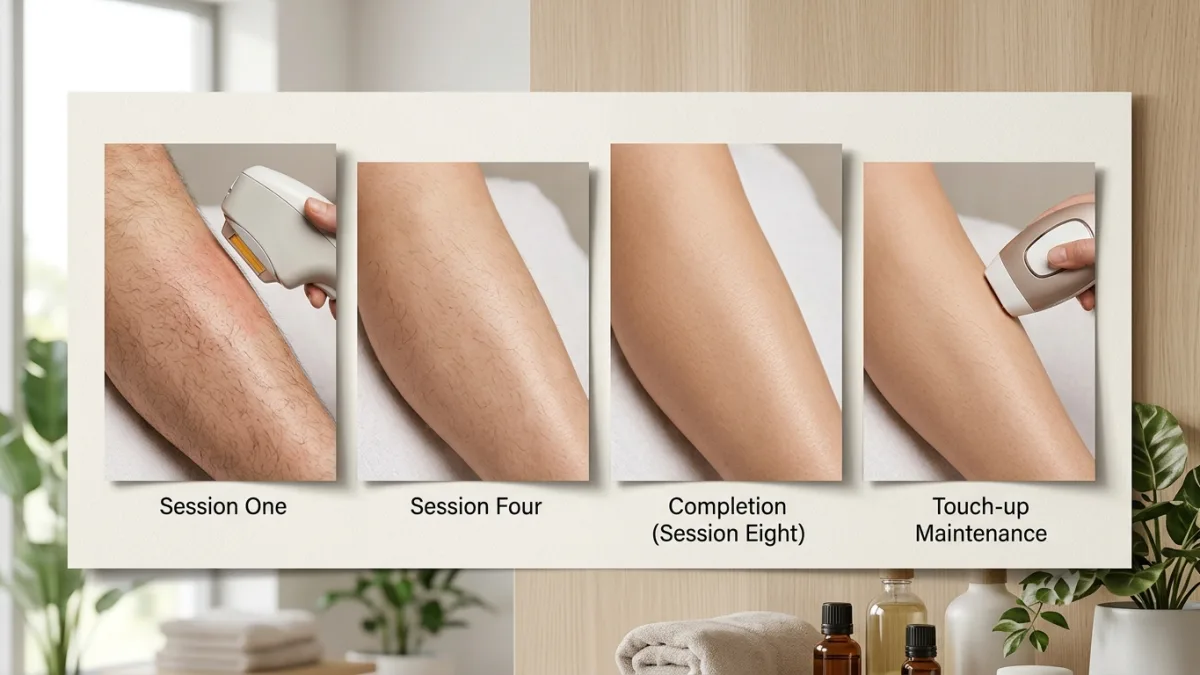
| Stage | What to Expect | Typical Focus |
|---|---|---|
| Sessions 1–2 | Slower shedding begins, some hairs shed within days | Building initial follicle damage |
| Sessions 4–6 | Noticeably less regrowth, hair appears finer | Catching hairs across growth cycles |
| Sessions 8+ | Longer stretches between visible regrowth | Long-term reduction and plateau |
| After plateau | Occasional fine hairs return over time | Touch-up sessions as needed |
This table gives a general shape of the journey, not a guarantee. Anyone weighing is IPL hair removal permanent should treat these stages as a rough map, not a strict schedule.
At-Home IPL vs In-Clinic Laser: Does It Change the Outcome?
At-home IPL and in-clinic laser both target hair follicles with light, but they aren’t identical in outcome. In-clinic laser often uses stronger, more focused power under professional control.
At-home IPL devices use lower power for safety, since they’re designed for regular people to use without training. This usually means more sessions are needed to match similar results.
Neither option changes the basic truth behind is IPL hair removal permanent. Both bring long-term reduction, not full permanence, though clinic lasers may get there a bit faster per session.
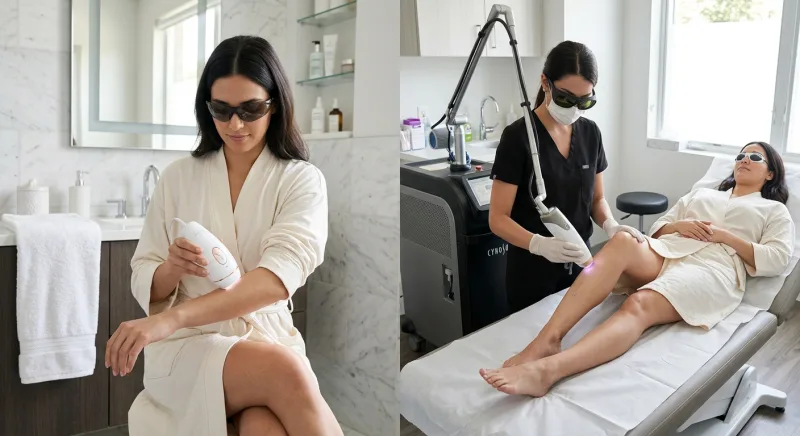
Cost and convenience swing things the other way. At-home devices cost less over time and fit into a daily beauty routine without booking appointments or taking time off work.
| Factor | At-Home IPL | In-Clinic Laser |
|---|---|---|
| Upfront cost | Lower, one-time device purchase | Higher, paid per session |
| Power level | Lower, built for home safety | Higher, professionally controlled |
| Session count needed | More sessions over time | Fewer sessions, higher intensity each |
| Convenience | Use anytime at home | Requires booking and travel |
| Pain level | Generally mild, described as a warm snap | Can be more intense per pulse |
| Results duration | Long-term reduction with upkeep | Long-term reduction, often faster onset |
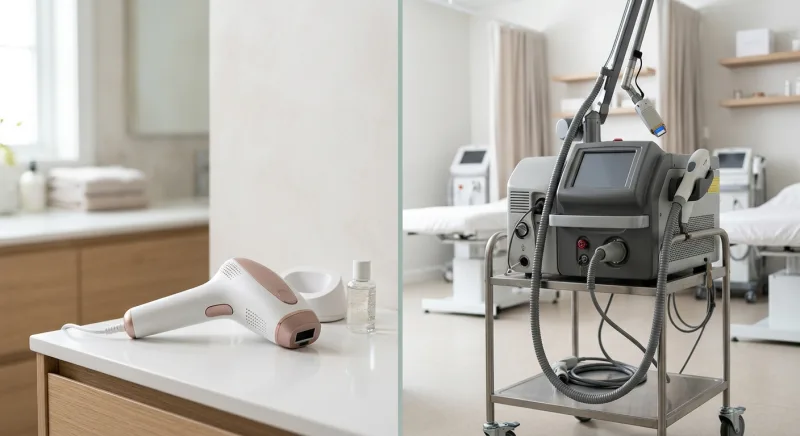
Bellxi’s range includes painless IPL laser handsets built for home use, alongside precision trimmers and epilators for the in-between days. Every device ships within 24 hours, and a 30-day risk-free guarantee lets you test the fit before fully committing.
IPL vs Waxing vs Shaving: Which Lasts Longer?
People often ask whether IPL is worth it compared to methods they already know. Shaving and waxing feel familiar, but they work very differently from light-based treatments. Comparing all three side by side makes the trade-offs clearer.
Shaving cuts hair at the surface, so regrowth appears within a day or two. Waxing pulls hair from the root, giving results that last two to four weeks. IPL targets the follicle itself, aiming to slow or stop future growth over time.
That difference in approach explains why IPL requires patience upfront but less maintenance later. Shaving and waxing never reduce future hair growth, no matter how many times you repeat them. IPL is the only option among the three built for lasting change.
| Method | How it works | Typical results duration | Long-term hair reduction |
|---|---|---|---|
| Shaving | Cuts hair at skin surface | 1-3 days | None |
| Waxing | Removes hair from the root | 2-4 weeks | Minimal, if any |
| IPL | Targets pigment in the follicle with light | Weeks to months per session; long-term with upkeep | Yes, with consistent use |
Cost is another factor worth weighing. Waxing appointments add up over months and years, especially at a salon. IPL devices carry a higher upfront cost but no per-session fee, which often makes them cheaper over time for people who treat regularly.
Skin irritation also varies by method. Waxing can cause redness, ingrown hairs, and discomfort with each session. Shaving carries a risk of nicks and razor burn. IPL, when used correctly, tends to be gentler on skin after the initial adjustment period.
Factors That Affect How Long IPL Results Last
Not everyone gets the same outcome from IPL, and that’s normal. Several personal and biological factors shape how long results hold. Understanding them helps set realistic expectations before you start.
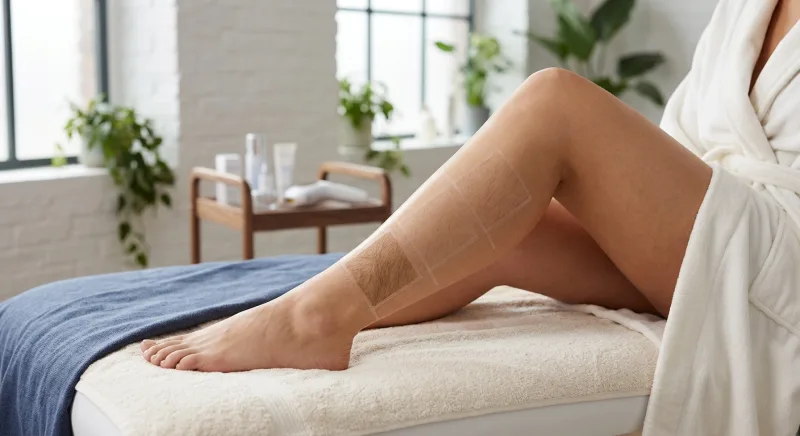
- Hair and skin contrast: IPL works by targeting pigment, so dark hair on light skin typically responds best.
- Hormonal changes: Pregnancy, menopause, or conditions like PCOS can trigger new hair growth even after successful treatment.
- Treatment area: Coarser areas like underarms and bikini line often respond faster than finer hair on arms.
- Consistency: Skipping sessions or stopping too early can slow progress or lead to partial regrowth.
- Device quality: Lower-powered devices may need more sessions to reach the same result as clinical-strength tools.
Age can also play a role, since hormone levels shift naturally over the years. Genetics matter too, as some people are simply predisposed to thicker or more persistent hair growth. None of these factors mean IPL won’t work, but they do affect the timeline.
In a peer-reviewed clinical evaluation of a home-use pulsed light device for facial hair removal, the results showed statistically significant hair reduction numbers (22.7 at baseline to 4.4 at the end of the one-month follow-up time period and 7.0 at the end of the three-month follow-up time period) and percentages of 83.3 percent at one month post home-pulsed light device treatments and 78.1 percent at three months following the novel home-pulsed light device treatments.
(Journal of Clinical and Aesthetic Dermatology (via PMC), 2015) This kind of data point is often cited by manufacturers and dermatologists, but always check the original source before including it as fact.
How to Maximize Long-Term IPL Results
Getting the most out of IPL isn’t just about the device. Preparation and aftercare matter as much as the treatment itself. A few consistent habits can make a noticeable difference in how long results last.
- Shave the area before each session so light energy reaches the follicle, not surface hair.
- Avoid sun exposure before and after treatment to reduce the risk of irritation or pigmentation changes.
- Stick to the recommended schedule, especially during the first two to three months.
- Moisturize regularly to keep skin calm and support healing between sessions.
- Switch to a maintenance routine once you notice a clear reduction in regrowth.
Patience is the hardest part for many people. Hair grows in cycles, and IPL only affects follicles in the active growth phase at the time of treatment. This is why sessions are spaced weeks apart rather than done all at once.
Tracking progress with photos can help you stay motivated. It’s easy to feel discouraged when regrowth seems similar week to week. Comparing images from month one to month three usually reveals a difference that’s hard to notice day by day.
Is At-Home IPL as Effective as Professional Treatments?
At-home IPL devices have improved significantly in recent years. Many now use similar technology to clinical machines, just at a lower energy output for safety reasons. This means results are achievable at home, though they may take a bit longer to appear.
Professional treatments often use higher-powered lasers, including diode or alexandrite systems, which can produce faster results in fewer sessions. However, they also come with higher costs and the need for repeat appointments over months or years.
At-home IPL devices offer a convenient, painless alternative to in-clinic laser treatments for many users. Bellxi stocks premium hair removal and grooming devices designed to fit smoothly into your routine, all backed by a 30-day risk-free guarantee.
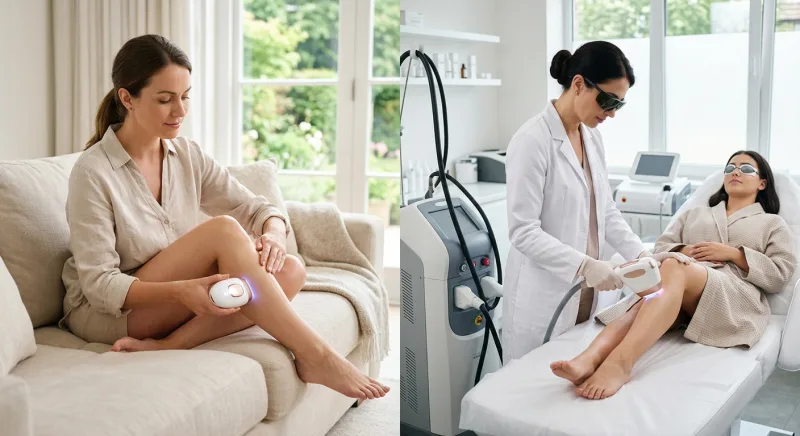
For many people, the convenience and lower cost of at-home devices outweigh the slightly slower timeline. Being able to treat on your own schedule, without booking or travel, often leads to better consistency. Consistency, more than raw power, is usually what drives long-term results.
When IPL Might Not Be the Right Choice
IPL isn’t suitable for everyone, and it’s worth knowing the exceptions before investing in a device. People with very light, blonde, red, or gray hair often see limited results, since there’s little pigment for the light to target.
Very dark skin tones may also face limitations with some devices, though newer technology has expanded safe use across more skin types. Always check a device’s specifications before purchasing to confirm it’s suited to your hair and skin combination.
Certain medical conditions and medications can also affect suitability. Anyone using photosensitizing medication, or with a history of skin cancer, should speak with a doctor before starting IPL. Pregnancy is another common reason people choose to wait.
IPL works best for certain hair and skin tone combinations, though results vary from person to person. Bellxi offers every device type for every skin type, so you can find an option suited to your needs and routine.
Key statistics
- A clinical trial of a low-energy, at-home IPL device found that hair count reduction was 78% one month after treatment and 72% at three months. (PubMed (National Library of Medicine), 2010)
- Hirsutism (excess hair growth linked to androgens, as seen in PCOS) affects an estimated 65–75% of women with polycystic ovary syndrome. (PMC / National Institutes of Health, 2022)
References
- Hormonal conditions like PCOS involve elevated androgens that cause fine vellus hairs to become thicker, darker terminal hairs, which can explain regrowth or reactivation of hair after hair-removal treatments. — Endocrine Society (Professional medical society patient-education resource on hormone-driven hair growth)
- As long as hair follicles are not completely destroyed, hair will continue to grow back even after removal of the visible hair shaft. — ReproductiveFacts.org (American Society for Reproductive Medicine) (Patient education booklet from a professional medical association explaining hair follicle biology)
Market context
How the broader market shapes Is IPL hair removal permanent in 2026
The figures below come from adjacent, well-documented markets. Each row names the subject it actually measures and links to its original source — these are related market indicators, not Is IPL hair removal permanent claims.
| What it measures | Figure | Source |
|---|---|---|
| Long-pulsed 755-nm alexandrite laser hair removal (two-center retrospective study) | A two-center study on the long-pulsed 755-nm alexandrite laser for hair removal treated 948 patients with a total of 3,606 laser treatments between 1997 and 2005, followed until 2013. | PubMed (Lasers in Surgery and Medicine), 2019 |
| Post-inflammatory hyperpigmentation (PIH) incidence in Fitzpatrick skin type IV and higher after ablative CO2 laser treatment | Up to 92% of patients with Fitzpatrick skin type IV and higher develop post-inflammatory hyperpigmentation following ablative CO2 laser treatment. | Journal of Cosmetic Dermatology (PMC/NCBI), 2025 |
| Sunscreen use habits among U.S. adults | Only 56% of Americans use sunscreen regularly despite dermatologist safety recommendations, according to an American Academy of Dermatology survey. | American Academy of Dermatology (AAD), 2025-05-06 |
