
Skincare ingredients
Retinol Serum Benefits: What It Really Does for Your Skin in 2026
Last updated: November 14, 2026
Retinol serum benefits skin by speeding up cell turnover (the process where old skin cells shed and new ones rise to the surface), which smooths fine lines, fades dark spots, refines texture, and calms breakouts. Results build slowly, often over many weeks.
Consistent use and gentle application matter more than picking the strongest formula on the shelf.
What Are the Benefits of Retinol Serum?
The benefits of retinol serum come down to one core action: it tells skin cells to turn over faster. This single mechanism drives almost every visible change people notice. Faster turnover means smoother texture, fewer clogged pores, and a more even tone over time.
Retinol is a form of Vitamin A (a nutrient the skin needs to build new, healthy cells and repair damage). Once applied, it works underneath the surface, not just on top. That is why retinol serum benefits tend to show up gradually rather than overnight.
Quick answer summary
In short, retinol serum benefits include smoother texture, fewer fine lines, fading dark spots, clearer pores, and calmer breakouts. It also helps other products, like moisturizer, absorb better. None of this happens instantly. Most people need weeks of steady use before changes are easy to see.
Many people who use retinol often see smoother, more even-looking skin over time. Results are not the same for everyone, but better texture is a commonly reported part of the retinol serum benefits among regular users of retinol-based products.
Who retinol serum works best for
Retinol serum works best for people dealing with early fine lines, rough texture, mild breakouts, or dullness. It suits most adult skin types when introduced slowly. People with very reactive or eczema-prone skin should talk to a dermatologist first, since irritation risk is higher for them.
How Does Retinol Serum Work on Skin?
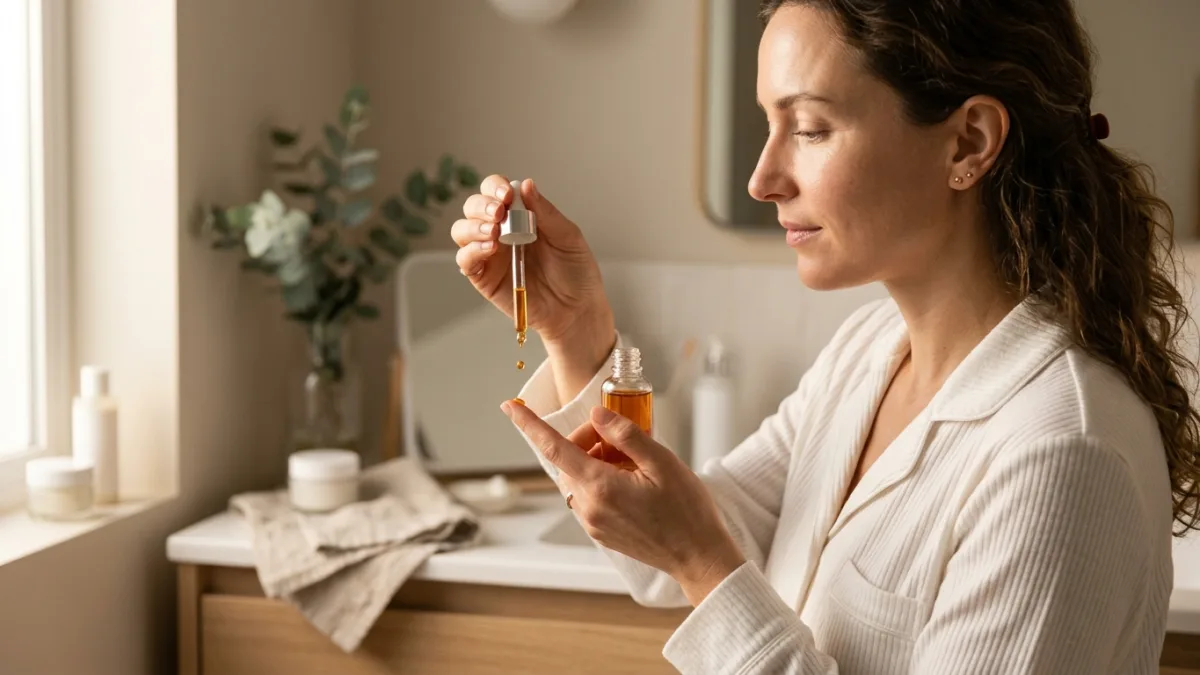
Retinol serum works by binding to skin cell receptors and speeding up how fast those cells cycle through their lifespan. Older, duller cells get pushed out sooner. Fresh cells take their place faster, which is what gives skin that brighter, smoother look people chase.
The science of cell turnover
Cell turnover naturally slows as people age, which is part of why skin looks thinner and duller over time. Retinol nudges this process back up. It also encourages collagen (the protein that gives skin its firmness and structure) to keep forming, which supports a smoother surface over months of use.
Over-the-counter retinol products are generally formulated at lower concentrations than prescription-strength retinoids. Always check product labeling for concentration and usage guidance, and consult a dermatologist if you’re unsure which strength suits your skin.
This is the real engine behind retinol serum benefits. It is not a surface polish. It is a signal sent to deeper skin layers, asking them to behave more like younger, more active skin.
Skin doctors often note that retinol serums can help skin look smoother and more even when used often. As with any active ingredient, results depend on skin type, how often you use it, and using it the right way.
Retinol vs. other retinoids (brief)
Retinol is one type of retinoid, a wide group of Vitamin A-based ingredients used in skincare. Tretinoin (a stronger, prescription-only retinoid that works faster but often causes more irritation) sits at the higher-strength end. Retinol is the gentler, over-the-counter choice, which is why most beginners start there.
Some people feel mild irritation, dryness, or sensitivity when they first add retinol to their routine. This break-in time is common, which is why going slow and applying gently is often the best plan.
Both work through much the same paths. The difference is speed and strength. Retinol serum benefits show up more slowly than tretinoin’s, but with a lower chance of redness, flaking, or peeling along the way.
Top Benefits of Retinol Serum by Skin Concern
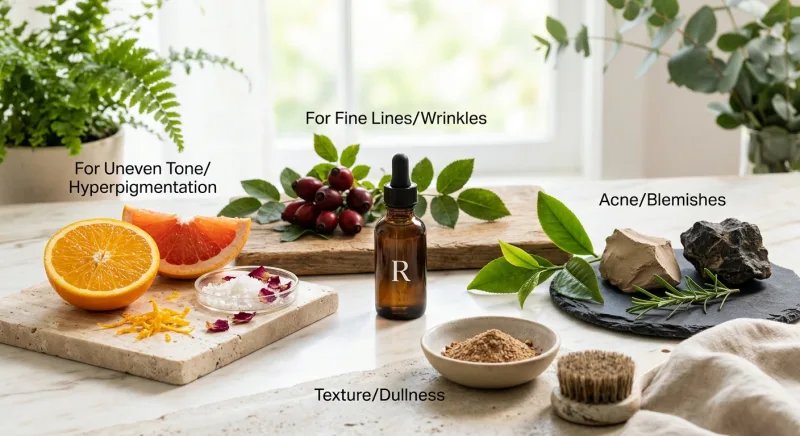
The benefits of retinol serum for skin change slightly depending on what concern you’re targeting. Fine lines, acne, uneven tone, and large pores each respond to the same core mechanism, but the visible result looks a little different for each one.
Fine lines and wrinkles
Retinol serum benefits fine lines by helping the skin make more collagen and plumping it up from underneath. Over time, shallow lines look softer. Deep wrinkles won’t go away, but they often look better with steady, long-term use.
Acne and breakouts
Retinol helps keep pores clear by preventing dead skin cells from building up and blocking them. This is one of the reasons retinol serum benefits extend beyond anti-aging into acne care. Fewer clogged pores generally means fewer new breakouts over time.
Uneven texture and dark spots
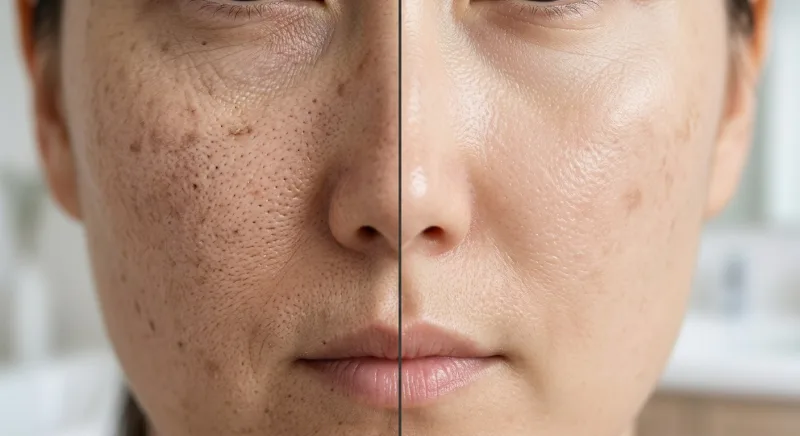
Faster cell turnover helps fade dark spots left behind by old breakouts or sun exposure. It also smooths rough, bumpy texture by clearing away built-up dead skin more efficiently than skin does on its own.
Enlarged pores
Pores often look smaller once they’re not stretched out by trapped debris and oil. This is a visible side effect of retinol serum benefits working on texture and oil control together, rather than a separate, distinct action.
| Skin Concern | How Retinol Serum Helps | Typical Timeframe |
|---|---|---|
| Fine lines and wrinkles | Supports collagen, plumps skin from below | Several weeks to a few months |
| Acne and breakouts | Clears pore-blocking dead skin cells | Varies by severity, often weeks |
| Uneven texture and dark spots | Speeds fading of old marks, smooths surface | Weeks to a couple months |
| Enlarged pores | Reduces debris buildup that stretches pores | Gradual, builds with consistent use |
How to Choose the Right Retinol Serum for Your Skin Type
Choosing the right retinol serum starts with knowing your skin type, not just your skin goal. The same strength that works well for oily skin can overwhelm dry or sensitive skin. Matching formula to skin type helps you get retinol serum benefits without the irritation.
Sensitive skin
Retinol serum for sensitive skin should start at the lowest strength you can find, often paired with calming ingredients. Look for formulas with added Hyaluronic Acid (a moisture-binding ingredient that helps skin hold onto water) to offset dryness while the skin adjusts.
Oily/acne-prone skin
Oily and acne-prone skin often handles retinol a bit better and may benefit from slightly higher strengths sooner. Gel-based retinol serums tend to feel lighter and soak in faster on oilier skin without adding extra shine.
Dry or mature skin
Dry and older skin usually pairs well with cream-based retinol mixes rather than light serums. Adding Niacinamide (a form of Vitamin B3 known for calming redness and helping the skin barrier) along with retinol can help cut dryness while still getting the benefits.
Beginner-strength vs. advanced formulas
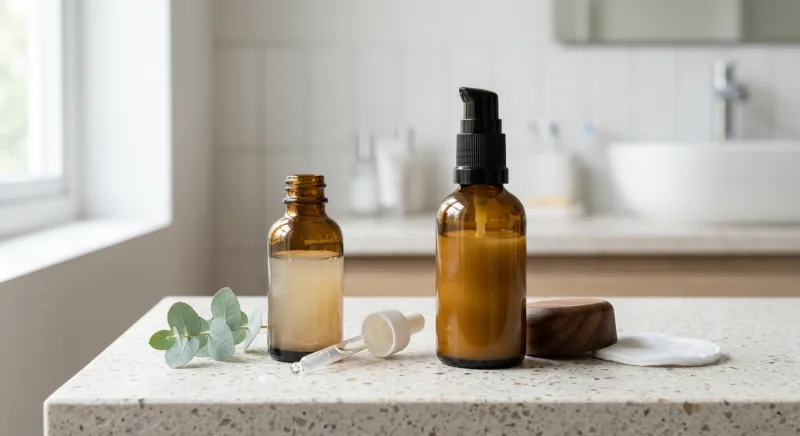
Beginners should start with lower percentages, usually applied a couple of nights a week. Advanced users who have built tolerance over months can move to stronger formulas or more frequent use, always watching how skin responds along the way.
- Sensitive skin: lowest strength, hydrating formula, use 1-2 nights weekly at first
- Oily or acne-prone skin: gel-based, slightly higher strength tolerated sooner
- Dry or mature skin: cream-based, paired with barrier-supporting ingredients
- Beginner skin (any type): start low and slow, build up over several weeks
- Advanced users: higher strength or nightly use once tolerance is established
How to Add Retinol Serum to Your Routine
Adding retinol serum to a routine works best when it follows a clear, repeatable order. Applying it at the wrong step, or over the wrong products, can dilute its effect or increase irritation.
Step-by-step application order
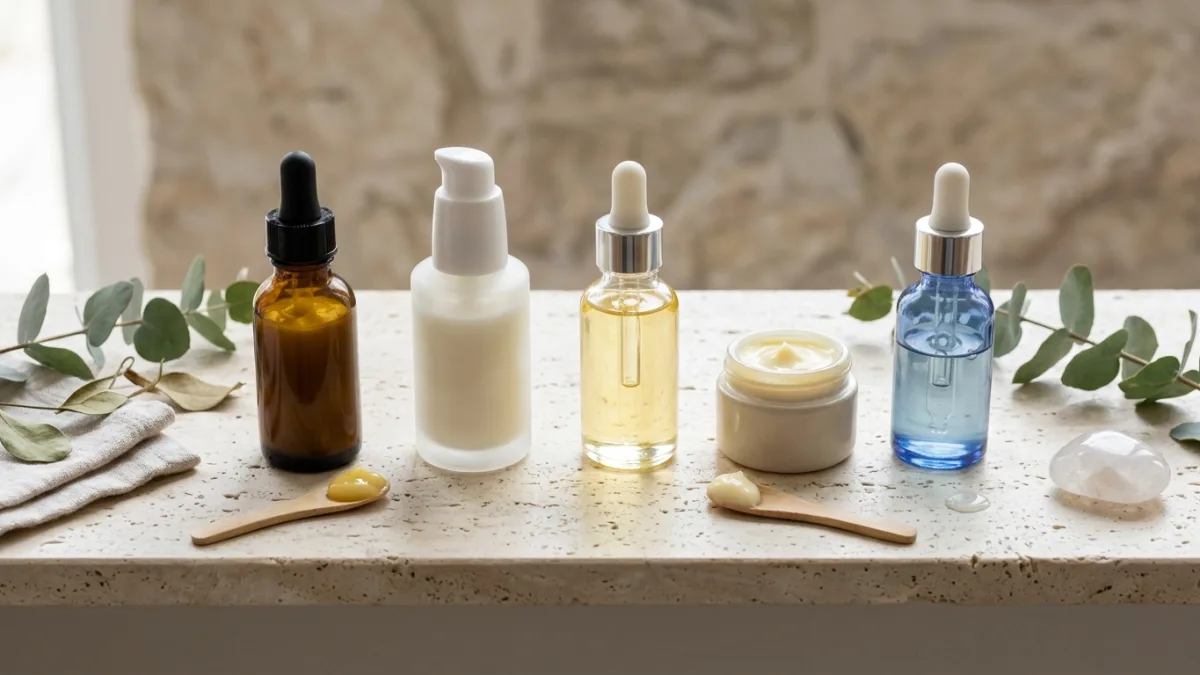
Wash first, then let skin dry fully. Put retinol serum right on dry skin, wait a few minutes, then follow with a moisturizer to lock in wetness. This order helps skin take in retinol the right way while limiting surface irritation.
How often to use it
Most beginners do well starting two to three nights a week. Once skin adjusts without redness or peeling, frequency can increase toward nightly use. This gradual approach is one of the simplest ways to get retinol serum benefits without overwhelming the skin barrier.
What to pair it with (and what to avoid)
Retinol works well with ingredients that add moisture, like hyaluronic acid, and calming ones like niacinamide. It should not usually be layered with strong exfoliating acids, such as Glycolic Acid (an acid that loosens the bonds between dead skin cells), on the same night.
Using both together raises the risk of irritation by a lot.
Retinol serum benefits by concentration: 0.25% vs 0.5% vs 1%
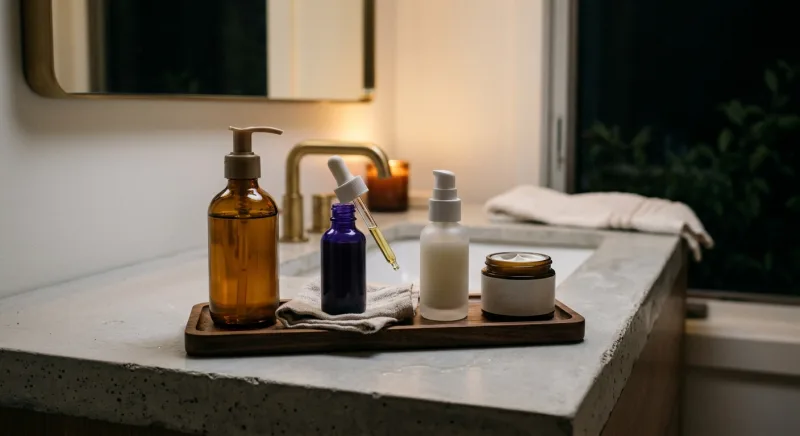
Not every product gives the same retinol serum benefits. Strength plays a big role in both results and how well skin handles it. Lower strengths suit beginners, while higher amounts suit long-time users with tough skin. Picking the right one stops needless irritation and helps you stick with the routine.
A 0.25% mix is a gentle way to start. It still gives real retinol serum benefits over time, just more slowly. A 0.5% mix sits in the middle, giving faster visible change for those who have already built up tolerance.
A 1% mix is seen as strong and usually kept for long-term retinol users.
| Concentration | Best For | Irritation Risk |
|---|---|---|
| 0.25% | First-time retinol users | Low |
| 0.5% | Users with some retinol tolerance | Moderate |
| 1% | Experienced users targeting deeper concerns | High |
Retinol serum benefits vs other active ingredients
Retinol is not the only active ingredient sold for anti-aging and skin texture worries. Vitamin C, peptides, and AHAs all claim to do the same things.
Knowing how retinol serum benefits compare to these other choices helps show where it fits in a wider routine, rather than swapping out every other product.
Vitamin C mainly helps with glow and shields skin from damage during the day. Peptides support the skin barrier and help spark collagen production with little irritation. AHAs (mild acids that lift away dead skin cells) buff off the top layer for smoother texture.
Retinol works deeper, at the level where skin cells renew, which is why its effects often take longer to show.
| Ingredient | Primary Function | Typical Time of Use | Irritation Potential |
|---|---|---|---|
| Retinol | Cell turnover, fine lines, texture | Night | Moderate to High |
| Vitamin C | Brightening, antioxidant defense | Morning | Low |
| Peptides | Barrier support, collagen signaling | Morning or Night | Low |
| AHAs | Surface exfoliation, smoothing | Night | Moderate |
None of these ingredients cancel out retinol serum benefits when used the right way. In fact, many routines mix retinol at night with vitamin C in the morning. The key is keeping strong actives apart by time of day rather than piling everything on at once.
Common mistakes that reduce retinol serum benefits
Even a top-notch product will fall short if used the wrong way. Many people don’t realize they’re hurting their own results. Spotting these mistakes early can help keep retinol serum benefits in place and stop the letdown of quitting a product before it has a chance to work.
- Applying too much product, thinking more will speed up results
- Skipping moisturizer afterward, which increases dryness and flaking
- Using retinol every night immediately instead of building tolerance gradually
- Applying it under the eyes or on broken skin, where it is too harsh
- Not wearing sunscreen the next morning, which undermines the skin barrier
- Mixing it with strong acids or benzoyl peroxide on the same night
Each of these habits can delay or lessen retinol serum benefits. Most are easy to fix once you spot them. Slowing down the routine and guarding the skin barrier tends to give better long-term results than rushing the process.
How sun protection affects retinol serum benefits
Retinol makes skin more sensitive to sunlight during the day. Without daily sunscreen, this can lead to more redness, dark spots, and setbacks in progress. Daily SPF is not optional if you want to protect retinol serum benefits over the long term.
A broad-spectrum sunscreen with enough SPF should be put on every morning, no matter the weather or season. This one habit guards both skin health and the visible gains retinol is meant to bring.
Who should be cautious about retinol serum benefits
Retinol is not right for everyone. People with certain skin conditions or at certain life stages should use it with care. Knowing these exceptions helps set fair hopes and avoid needless irritation or problems.
- Pregnant or breastfeeding individuals, who are typically advised to avoid retinoids
- People with active eczema, rosacea, or severely compromised skin barriers
- Those using prescription-strength retinoids already, to avoid duplicating actives
- Anyone with a known sensitivity or allergy to vitamin A derivatives
For these groups, other ingredients such as bakuji oil or peptides may offer some of the same benefits with less risk. Asking a skin doctor before starting retinol is strongly urged in any of these cases.
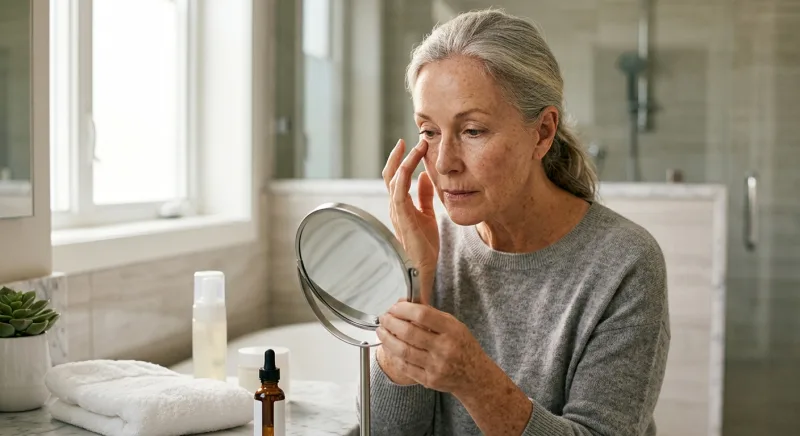
Realistic timeline for retinol serum benefits
Patience is a must with retinol. Unlike quick-fix products, its benefits build slowly as skin cells renew faster. Knowing what to expect at each step helps stop people from quitting too soon during the adjustment phase.
| Timeframe | What to Expect |
|---|---|
| Weeks 1–2 | Possible dryness, mild flaking, and purging as skin adjusts |
| Weeks 3–6 | Texture starts to feel smoother, less visible irritation |
| Weeks 8–12 | Early improvements in tone and fine lines become noticeable |
| 3–6 Months | More consistent results in texture, clarity, and firmness |
This timeline can change based on strength, mix, and each person’s skin. Sticking with a steady routine is usually more important than chasing higher strengths too fast.
Patience matters more than most people expect. Many of the retinol serum benefits people hope for take months to fully show up. Judging results too soon often leads to giving up right before real progress begins.
Common Mistakes That Reduce Retinol Serum Benefits
Even a top-quality formula can fall short when used the wrong way. Certain habits quietly cancel out the retinol serum benefits people are trying to get, slowing progress or causing needless irritation.
- Applying too much product, assuming more will speed up results
- Skipping moisturizer, which increases dryness and flaking
- Using retinol at the same time as strong exfoliating acids
- Forgetting daily sunscreen, which undermines long-term progress
- Increasing frequency too quickly before skin has adjusted
Avoiding these mistakes helps keep the retinol serum benefits a formula is meant to give. Simple, steady habits tend to beat harsh or rushed routines over time.
Who Should Be Cautious With Retinol Serums
Not everyone should start a retinol routine without extra care. Certain skin types and life situations call for caution, even if the possible retinol serum benefits still feel appealing.
People with very sensitive or weak skin barriers may need to wait. Those with active eczema, rosacea flare-ups, or unmanaged sensitivity should ask a dermatologist first. Pregnant or breastfeeding people are usually told to avoid retinoids entirely, based on standard medical advice.
For these groups, gentler options like bakuchiol are often suggested. They offer some of the same goals without the same level of risk, though results may not match those of older formulas.
Read the complete guide: Your Skincare Ingredients Guide to Fewer Guessing Games
Frequently Asked Questions
What are the main retinol serum benefits for skin?
The main retinol serum benefits include smoother texture, more even tone, fewer fine lines, and support for the skin’s own collagen production. Results build step by step with steady use, and most people see visible change within a few months of regular use.
How long does it take to see retinol serum benefits?
Most people see early changes within four to six weeks, with bigger gains showing up between three and six months. How often you use it, how strong the formula is, and your skin type all affect how fast visible retinol serum benefits show up for any given routine.
Can I use retinol serum every night?
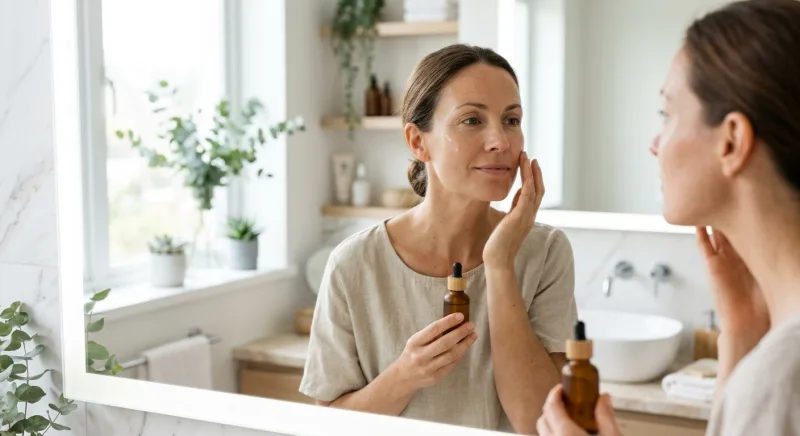
Using it every night isn’t needed for everyone, especially beginners. Starting two to three nights a week and slowly adding more helps skin adjust. Rushing into daily use often causes irritation that can slow down, not speed up, results.
Does retinol serum help with acne?
Retinol can help control how fast skin cells turn over, which may cut down on clogged pores and help skin look clearer over time. It isn’t a direct acne treatment, but many people use it in their routines along with other ingredients aimed at fighting acne.
Is retinol serum safe for sensitive skin?
Sensitive skin can often handle retinol if you start slow, using weaker strengths and mixing it with moisturizer. Those with very reactive skin should ask a skin doctor first to make sure a formula is right for them.
Should I apply retinol serum before or after moisturizer?
Many skin doctors suggest putting on moisturizer first for sensitive skin, then adding retinol on top to cut down on irritation. Others like putting retinol right on clean skin. Either way can work, depending on how your skin feels and reacts.
Do retinol serums work for all skin types?
Most skin types can use retinol if you adjust the strength and how often you use it. Oily skin may handle it more easily, while dry or sensitive skin often needs a slower start to avoid too much flaking or discomfort.
Why do some people not see visible results?
Uneven use, not enough sunscreen, or unrealistic timelines are common reasons people miss the results they hoped for. Skipping steps or expecting quick changes often leads to letdown, even when a formula suits their skin type.
Key statistics
- In a 12-week randomized clinical trial, topical retinol 0.5% cream improved wrinkle severity by 4.11% compared to baseline. (PMC (National Institutes of Health), 2024)
- The same 12-week trial found retinol 0.5% decreased facial pigment intensity by 3.15% compared to baseline. (PMC (National Institutes of Health), 2024)
- Prior clinical assessment cited in the study found retinol use was associated with an 88% increase in transepidermal water loss (TEWL), reflecting temporary irritation to the skin barrier. (PMC (National Institutes of Health), 2024)
Expert insights
If someone has a lot of redness or inflammation in their skin, they should avoid retinoids and ask their dermatologist about other therapies that are more directed to a condition called rosacea,
Anne Chapas, MD, FAAD, board-certified dermatologist in private practice in Manhattan
References
- Retinol increases skin cell production (proliferation), helps unclog pores, and increases collagen production, which can reduce the appearance of fine lines and wrinkles. — Cleveland Clinic (Cleveland Clinic is a nonprofit academic medical center whose patient health content is reviewed by clinical staff, and it is listed as an authoritative domain for this topic.)
- The anti-aging mechanisms of topical retinoids include stimulation of keratinocyte proliferation and collagen synthesis, enhancement of epidermal barrier function, prevention of collagen breakdown, and reduction of transdermal water loss. — PMC / National Institutes of Health (NCBI) (Published via the National Center for Biotechnology Information (PMC), part of the U.S. National Library of Medicine at NIH, hosting a peer-reviewed literature review.)
- Tretinoin, a prescription retinoid, promotes detachment of cornified skin cells and increases mitotic activity, thereby increasing the turnover of loosely adherent corneocytes. — StatPearls / NCBI Bookshelf (NIH) (Hosted on NCBI Bookshelf under the National Institutes of Health, providing a clinically reviewed reference on tretinoin’s mechanism of action.)
