
Makeup
Under Eye Concealer: How to Pick the Right Formula and Shade in 2026
Last updated: November 5, 2026
The best under eye concealer depends on your skin type, undertone, and main concern. Pick a hydrating, crease-resistant formula for dryness or fine lines. Choose a color-correcting peach or orange shade for dark circles.
Go for full coverage on stubborn discoloration, apply light layers, blend gently, and set with a soft touch to avoid a cakey finish.
What Is the Best Under Eye Concealer for You?
There’s no single best under eye concealer for everyone. The right pick depends on your undertone, your skin type, and what you’re trying to fix. Dark circles, puffiness, and fine lines each call for a different approach. This guide walks through how to choose, not just what to buy.
Quick Answer by Concern
If you deal with dark circles, look for a peach or orange color corrector under your concealer. If puffiness bothers you, pick a matte finish to avoid drawing more light to the area. For fine lines, choose a lightweight, creaseless formula that won’t settle into small grooves.
- Dark circles: color-correct first, then use medium to full coverage under eye concealer
- Puffiness: matte finish, applied sparingly to avoid highlighting texture
- Fine lines: hydrating, thin formula that sits close to the skin
- Uneven tone: buildable coverage in light layers, set gently
How to Use This Guide
Read through the sections in order if you’re new to under eye concealer shopping. Skip ahead to shade matching or application steps if you already own a formula but want better results. Either way, this guide gives you a framework, not just a product list.
Every section below builds toward one goal: helping you choose under eye concealer that actually works for your face. That means fewer wasted products and a smoother finish every time you apply it.
Why Does Under Eye Skin Need a Different Concealer Formula?
Thinner Skin, Different Needs
The skin under your eyes is thinner than skin almost anywhere else on your face. . That thinness means blood vessels and pigment show through more easily, which is part of why dark circles appear there in the first place.
The skin beneath your eyes is noticeably thinner and more delicate than skin elsewhere on your face. This makes it more prone to visible veins, puffiness, and fine lines. Treat this area gently within your daily beauty routine, choosing tools designed with sensitive skin in mind.
Dark circles under the eyes are one of the most common beauty concerns people deal with. Whether caused by genetics, fatigue, or aging, they show up on nearly every face at some point. That’s why so many people search for gentle, effective ways to address them.
Because this skin is thinner, it also creases more with movement — blinking, smiling, squinting. Choosing an under eye concealer built for flexibility matters more here than almost anywhere else on your face.
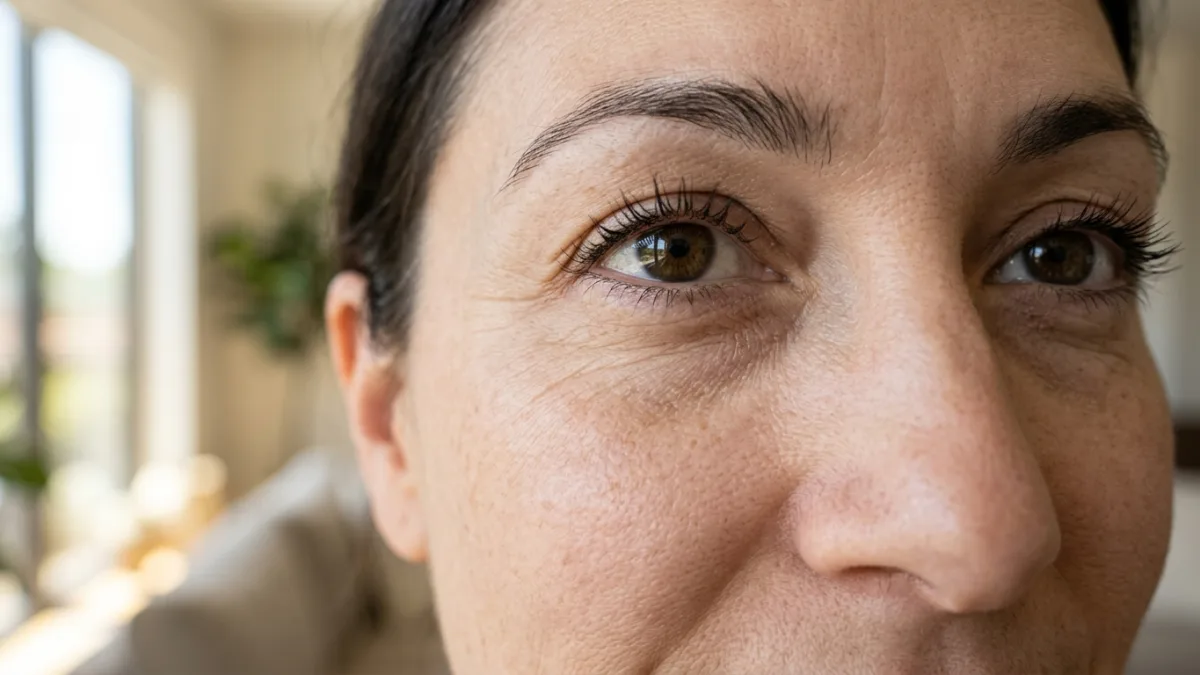
Common Under Eye Concerns: Dark Circles, Puffiness, Fine Lines
Dark circles, puffiness, and fine lines are the three concerns most people bring to under eye concealer shopping. Each shows up differently and needs a slightly different fix from your makeup bag.
- Dark circles: often blue, purple, or brown discoloration from visible blood vessels or pigment
- Puffiness: shadows and texture caused by mild swelling or fluid under the eye
- Fine lines: small creases that can trap product and make concealer look heavier than intended

Full-face concealer is often built for coverage and hold, not flexibility. Under eye concealer, by contrast, needs to move with your face without settling into lines. That’s the core difference worth remembering as you shop.
How Do You Choose the Right Under Eye Concealer Formula?
You choose the right under eye concealer formula by matching texture, finish, and coverage to your skin type and concern. Liquid, cream, and stick formulas each behave differently once applied. Knowing the trade-offs before you buy saves time and money.
Liquid vs. Cream vs. Stick Formulas
Liquid under eye concealer tends to be the lightest and easiest to blend, which makes it a solid default for most skin types. Cream formulas offer more coverage and a richer feel, often better suited to drier skin.
Stick formulas are the most portable but can feel heavier if not warmed up first.
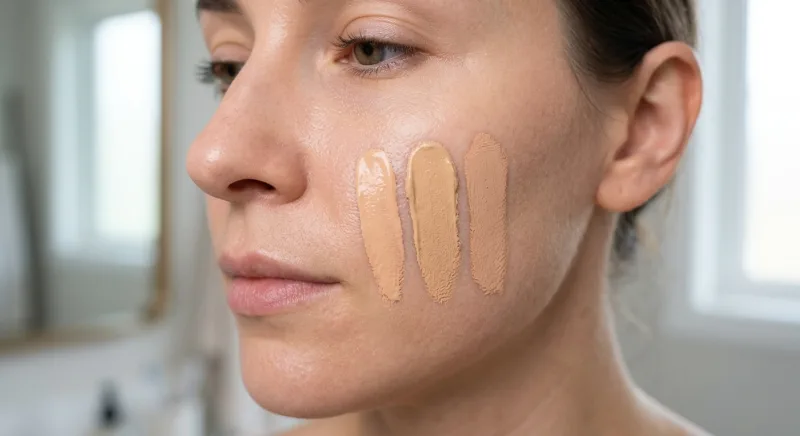
Matte vs. Radiant/Dewy Finish
Matte finishes work well if you deal with puffiness or oily skin, since they don’t reflect extra light. Radiant or dewy finishes brighten the under eye area but can highlight texture or fine lines if overused. Your skin’s natural oil level should guide this choice more than trend.
Coverage Levels: Sheer, Medium, Full
Sheer coverage is best for minor unevenness and a natural look. Medium coverage handles everyday dark circles without looking heavy. Full coverage under eye concealer is worth it for deep discoloration, but it needs careful blending to avoid a mask-like effect.
| Formula Type | Best For Skin Type | Typical Finish | Coverage Level |
|---|---|---|---|
| Liquid | Normal, combination, oily | Natural to satin | Sheer to medium |
| Cream | Dry, mature | Radiant, dewy | Medium to full |
| Stick | Normal to dry, on-the-go use | Satin to matte | Medium to full |
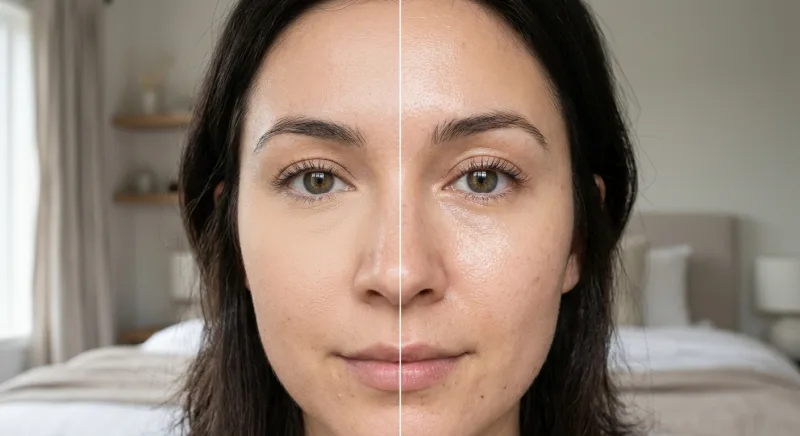
How Do You Match Concealer Shade and Undertone for Dark Circles?
You match concealer shade and undertone for dark circles by first identifying whether your skin leans cool, warm, or neutral. Then you pick a color corrector that neutralizes your circle color before layering on your under eye concealer shade.
Cool, Warm, and Neutral Undertones
Cool undertones often have pink or blue tints and pair well with concealers that lean slightly pink. Warm undertones have golden or yellow tints and suit peach-based formulas. Neutral undertones sit in between and usually have more flexibility with shade choice.

Testing shades along your jaw, rather than on your hand, gives a more accurate read on undertone. This matters just as much for under eye concealer shade matching as it does for foundation.
Color-Correcting Basics: Peach, Orange, Pink
- Peach corrector: best for light to medium skin with blue-toned circles
- Orange corrector: best for medium to deep skin with purple or brown circles
- Pink corrector: helps brighten sallow or grayish undertones before concealer
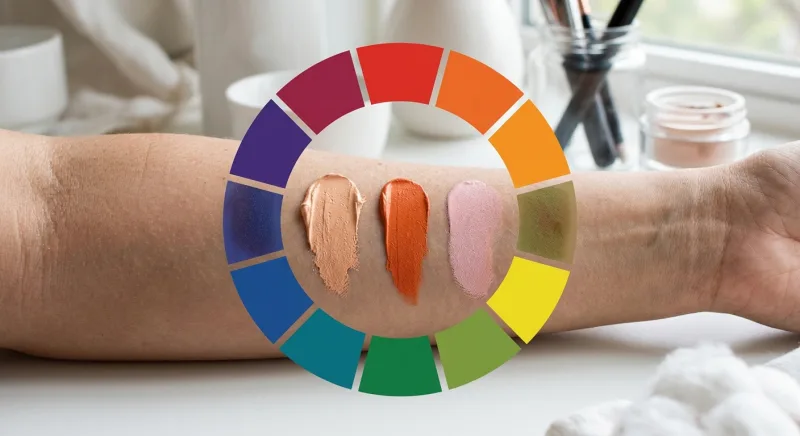
Once the corrector neutralizes the discoloration, your under eye concealer shade should sit close to your natural skin tone, or slightly lighter for extra brightening. Going too light can create a gray or ashy cast once it oxidizes during the day.
What Is the Best Way to Apply Under Eye Concealer?
The best way to apply under eye concealer starts with prepped skin and ends with a light set. Skipping steps is what usually causes creasing or a heavy look later in the day.
Prepping Skin Before Application
Moisturized skin holds under eye concealer better than dry skin. A light eye cream, given a minute to absorb, creates a smoother base. Skipping this step often leads to product grabbing onto dry patches instead of blending evenly.
Triangle and Dabbing Techniques
The triangle technique places concealer in a triangle shape under the eye, rather than just a small crescent. This brightens the upper cheek area too, which helps camouflage shadows. Dabbing with a sponge or fingertip, instead of dragging, keeps the thin skin from tugging.
Setting Concealer Without Creasing
A light dusting of translucent powder, pressed rather than swiped, sets under eye concealer without adding weight. Using too much powder is a common mistake covered later in this guide. Less is almost always the safer choice here.
Comparing Formulas: Liquid, Cream, and Stick
Under eye concealer comes in several textures, and each behaves differently once applied. Liquid formulas tend to blend easily and feel lightweight. Cream pots offer heavier coverage, while stick versions are fast for quick touch-ups. Choosing between them depends on skin type and coverage needs.
| Formula Type | Coverage Level | Best For | Creasing Risk |
|---|---|---|---|
| Liquid | Light to Medium | Dry or Normal Skin | Low if set properly |
| Cream Pot | Medium to Full | Deep Discoloration | Moderate |
| Stick | Medium | Quick Application | Moderate to High |
Liquid under eye concealer usually works best for those with drier under-eye skin. It sits closer to the skin and avoids looking cakey. Cream pots suit people needing fuller coverage for dark circles. Sticks are convenient but often need careful setting to avoid creasing later in the day.
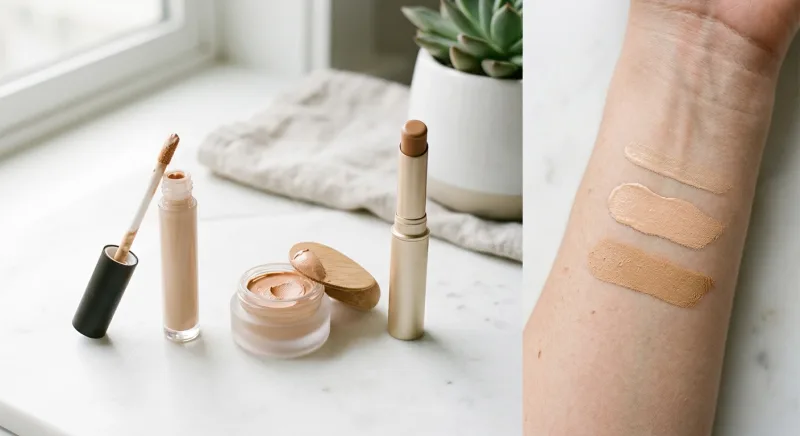
Matching Concealer Shade and Undertone
Picking the right shade matters as much as the formula itself. An under eye concealer that is too light can look ashy, while one too dark can appear muddy. Undertone plays a bigger role than most people expect when choosing correction shades.
Peach and orange-based correctors often neutralize blue or purple tones common under the eyes. Pink correctors can work for lighter skin tones. Yellow-based concealers tend to suit those wanting a natural finish without visible color correction underneath.
| Undertone | Circle Color | Corrector Shade | Concealer Finish |
|---|---|---|---|
| Fair/Cool | Blue-Purple | Peach | Satin |
| Medium/Neutral | Brown | Orange | Natural |
| Deep/Warm | Dark Brown-Grey | Bright Orange | Dewy |
Testing an under eye concealer shade in daylight, rather than under artificial store lighting, gives a truer read on how it will look. Swatching along the jaw, instead of the hand, also helps match skin tone more accurately before buying.
Common Application Mistakes
Even a great under eye concealer can look wrong if applied incorrectly. Small habits often make the biggest visible difference. Reviewing a few frequent mistakes can help avoid wasted product and disappointing results.
Under eye concealer stays a must in many beauty routines, picked up again and again to brighten and even out this soft area. Its popularity shows just how common the wish for a fresh, smoother-looking under-eye area truly is.
- Applying too much product in one layer instead of building thin coats
- Skipping primer or moisturizer, which causes concealer to grab onto dry patches
- Using a shade that is too light, resulting in a grey or ashy cast
- Setting with heavy powder, which emphasizes fine lines instead of hiding them
- Rubbing instead of dabbing, which disturbs coverage and irritates delicate skin
Avoiding these habits helps under eye concealer stay put longer. Small adjustments in technique often matter more than switching products entirely. Patience during application tends to pay off by midday.
Under Eye Concealer for Mature Skin
Fine lines and looser skin change how under eye concealer behaves. Formulas with too much shimmer can settle into creases and draw attention to texture. A hydrating, satin-finish product usually performs better for mature skin types.
Applying concealer after a hydrating eye cream has fully absorbed helps it glide rather than cling to dry spots. Using a smaller amount and blending outward, rather than pressing straight down, also reduces the chance of settling.
Under Eye Concealer for Oily Skin
Oilier skin types often need a slightly different approach. Under eye concealer can shift or fade faster when natural oils break down the formula throughout the day. Choosing a matte or long-wear formula tends to help it last.
Setting with a light layer of powder becomes more important for oily skin types, even though the same step should stay minimal for drier skin. Blotting midday, rather than reapplying more product, often keeps things looking fresh.
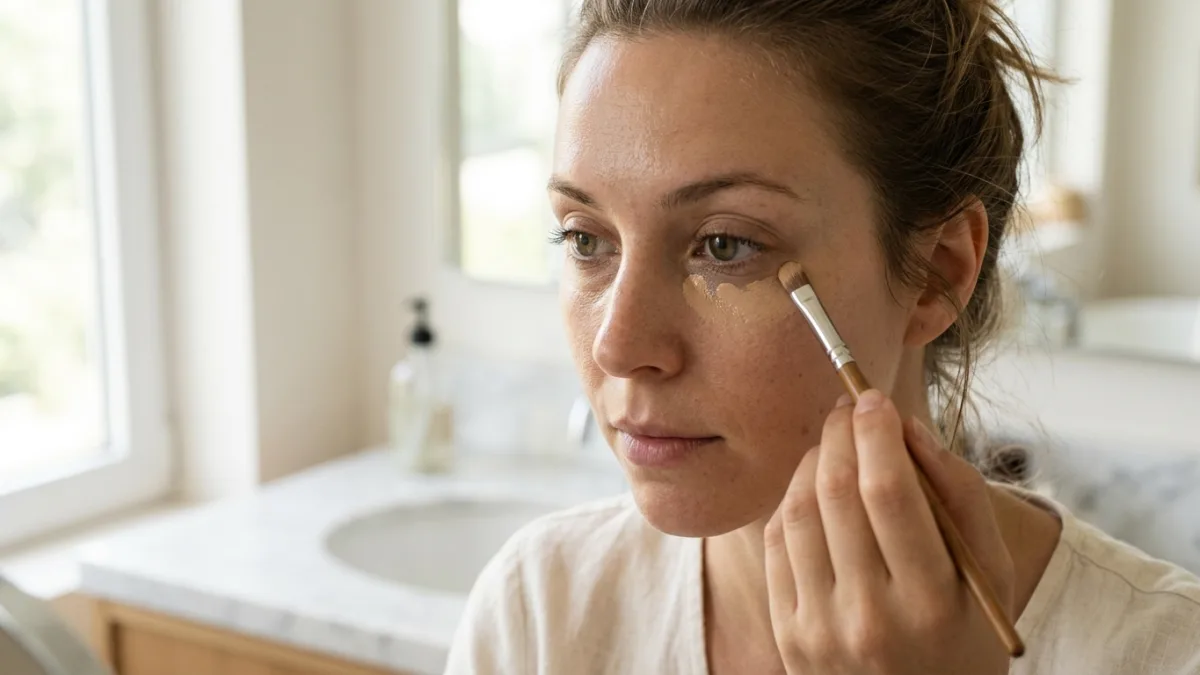
Concealer Versus Foundation for Under Eyes
Some people wonder if foundation alone can replace a dedicated under eye concealer. While foundation adds some coverage, it rarely gives enough color to fully hide dark circles. A separate concealer, laid lightly over foundation, usually gives more focused results.
| Feature | Foundation | Under Eye Concealer |
|---|---|---|
| Pigment Level | Light-Medium | Medium-Full |
| Targeted Coverage | General Face | Specific Dark Areas |
| Texture | Thinner | Thicker, More Buildable |
| Longevity Under Eyes | Shorter | Longer with Setting |
Putting on foundation first, then dabbing a small bit of under eye concealer only where needed, avoids a heavy, mask-like look. This layering way keeps coverage natural while still fixing stubborn dark spots under the eyes.
Storing and Maintaining Concealer Products
Right storage helps under eye concealer work well over time. Heat and damp air can change its feel, making formulas split or turn greasy. Keeping products in a cool, dry spot makes them last much longer.
- Store concealer away from direct sunlight and bathroom humidity
- Replace liquid formulas roughly every six to twelve months
- Clean applicator wands or sponges regularly to avoid bacteria buildup
- Shake liquid concealer gently before each use if it separates
Following simple storage habits keeps under eye concealer smooth and easy to blend each time it is used. Fresh product also tends to apply more evenly than one that has started to dry out or separate.
Market context
Permitted lead impurity level in FDA-listed color additives used in cosmetics — FDA-listed color additives used for coloring cosmetics, including pigments used alongside mica, are permitted to contain 10 to 20 ppm of lead as an impurity. U.S. Food and Drug Administration (FDA), 2016
Patients reporting sleep deprivation/insomnia aggravating peri-orbital dark circles — In a study on peri-orbital dark circles, 41.5-51% of patients reported that sleep deprivation and insomnia aggravated their dark under-eye circles. PMC (National Center for Biotechnology Information), 2015
Adjacent-market figures — each names the subject it measures, not Under Eye Concealer directly.
Read the complete guide: The Makeup Guide for Beginners That Skips the Guesswork
Frequently Asked Questions
How do I choose the right shade of under eye concealer?
Test shades along the jawline or inner wrist in natural light. Many people find a shade slightly lighter than their skin tone helps brighten the area. Checking undertone, whether warm, cool, or neutral, matters as much as matching depth.
Should concealer be applied before or after foundation?
Many routines put on foundation first, then use concealer to fix any dark circles or discoloration left. This uses less product overall. Others like concealer first for heavier coverage. Either order can work based on personal taste and skin needs.
Why does my under eye concealer crease during the day?
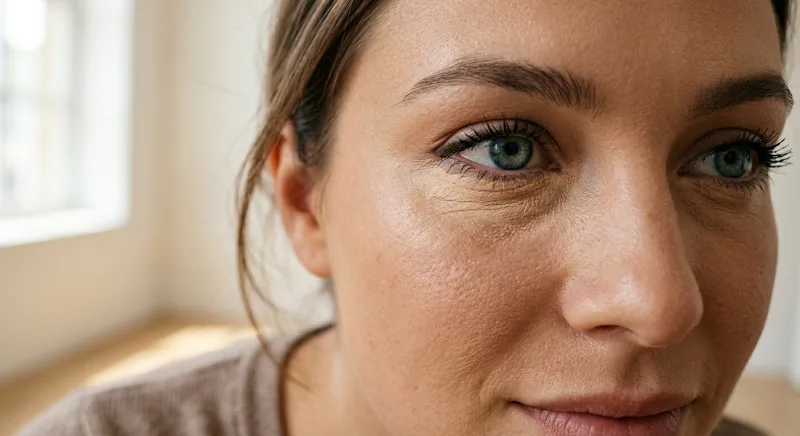
Creasing often happens when too much product sits in fine lines or when skin underneath isn’t properly moisturized first. Using a lightweight setting powder pressed gently into the area can help. Applying thin layers instead of one thick layer also reduces creasing throughout the day.
Can concealer alone cover dark circles without other products?
Concealer can visibly cut how much dark circles show, most of all with color-correcting shades underneath. But bad discoloration or hollow spots may need more skin care or makeup steps. Mixing a hydrating base with the right concealer shade usually gives the most natural-looking result.
Is it okay to use regular foundation instead of a dedicated under eye concealer?
Foundation can work in a pinch, but it often lacks the thicker pigment needed to cover dark circles fully. Dedicated concealer formulas are usually creamier and more concentrated. Using both together, with concealer layered over foundation, tends to give more targeted coverage.
How much concealer should I use under each eye?
A small amount goes a long way. Starting with a thin layer and building coverage gradually helps avoid a heavy, cakey look. Most people only need a dot the size of a small pea for each eye before blending.
What tools work best for blending concealer under the eyes?
Damp makeup sponges, small blending brushes, and clean fingertips are all common options. Sponges tend to give a natural, airbrushed finish, while fingertips warm the product for smoother blending. Testing different tools helps determine which gives the most comfortable, even result.
Does under eye concealer work for all skin types?
Most formulas can be adapted to different skin types by choosing the right texture. Drier skin often benefits from hydrating, creamy formulas, while oilier skin may prefer lightweight or matte finishes. Testing a small amount first helps confirm compatibility before regular use.
Key statistics
- In a cadaver study measuring 39 facial subunits, the thinnest skin area on the face was the upper medial eyelid, while the thickest was the lower nasal sidewall. (PubMed (NIH), 2015)
- A high-frequency ultrasound study of facial skin found the thinnest skin on the face was on the upper eyelid, while the thickest was at the nasal apex. (NCBI/PMC, 2025)
References
- The periorbital skin is thinner than the rest of the facial skin and contains fewer sweat and sebaceous glands, which reduces its capacity to retain moisture and weakens barrier function — explaining why under-eye skin needs a different, more hydrating concealer formula. — Frontiers in Aging (Peer-reviewed dermatology/aging research journal (frontiersin.org))
- Eyelid skin is the thinnest skin in the body, measuring as little as 0.2mm in thickness in some patients, making it especially vulnerable to environmental damage. — Journal of Clinical and Aesthetic Dermatology (JCAD) (Peer-reviewed clinical dermatology journal review article)
- Dark circles under the eyes are caused by multiple factors, including dermal melanin deposition, postinflammatory hyperpigmentation from dermatitis, periorbital edema, superficial vasculature, and shadowing from skin laxity — which is why a single concealer approach doesn’t work for everyone. — PubMed (Freitag & Cestari) (Peer-reviewed article indexed on PubMed, a U.S. National Library of Medicine database)
- There is very little scientific data available on the clinical profile and pathogenesis of periorbital hyperpigmentation, underscoring why dark-circle treatment and concealing strategies vary so much by individual cause. — PubMed (Peer-reviewed comprehensive review indexed on PubMed)
You may also be interested in: Natural Glowing Skin: What Really Works (And What’s Just Hype)
You may also be interested in: Scalp Care 101: The 2026 Guide to a Healthier, Happier Scalp
